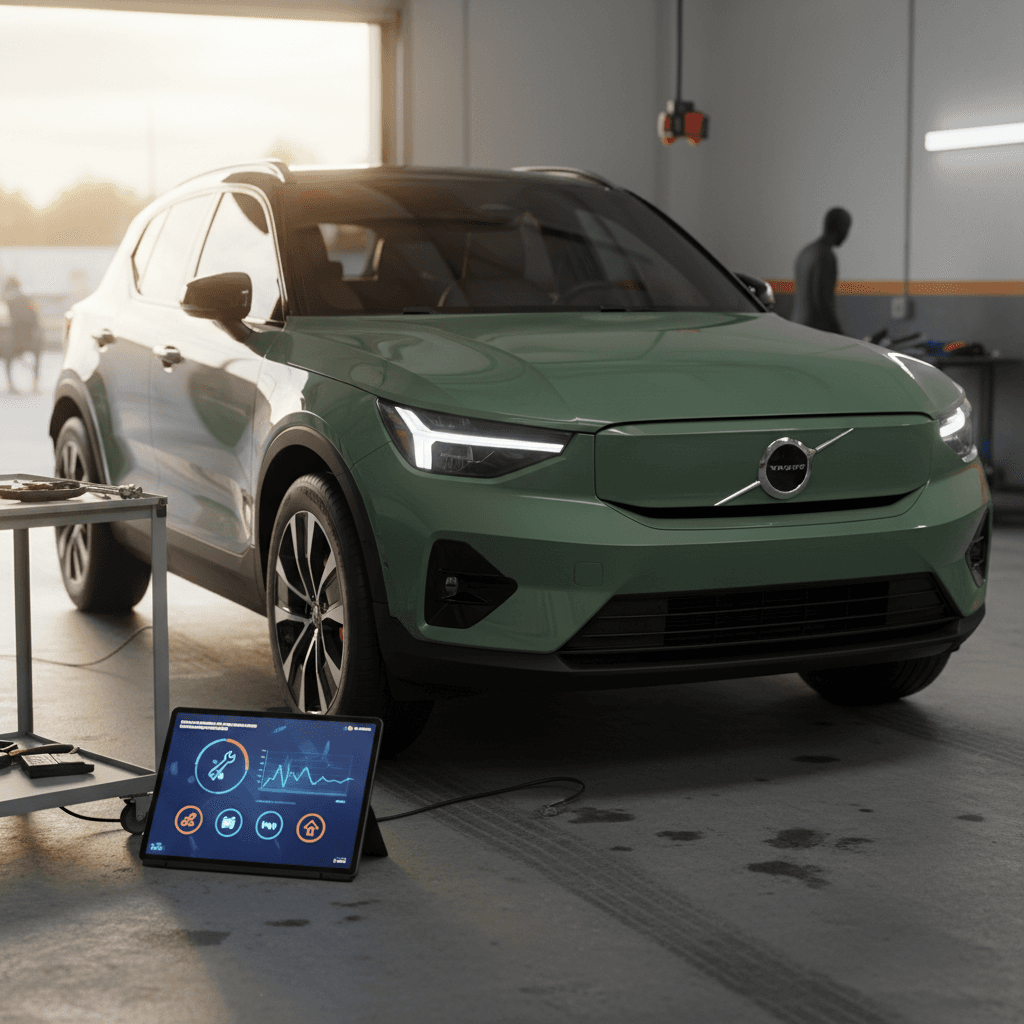
If you’re eyeing a compact EV SUV, the **2025 Volvo EX30** probably popped to the top of your list: stylish, quick, and relatively affordable. But before you sign a contract, or click “buy now” on a used one, you want to know one thing: *what is the 2025 Volvo EX30 reliability rating really like so far?*
Early‑days reliability, not a final verdict
2025 Volvo EX30 reliability snapshot
Volvo EX30 reliability at a glance (as of early 2026)
If you boil everything down, the **2025 EX30’s reliability rating today is “good but still maturing.”** Safety performance is excellent; mechanical and battery issues are rare so far; software and electronics are the main trouble spots. For most owners, that translates into a car that drives beautifully but occasionally annoys you with glitches rather than leaving you stranded.
How to interpret early reliability data
Safety and crash test ratings for the EX30
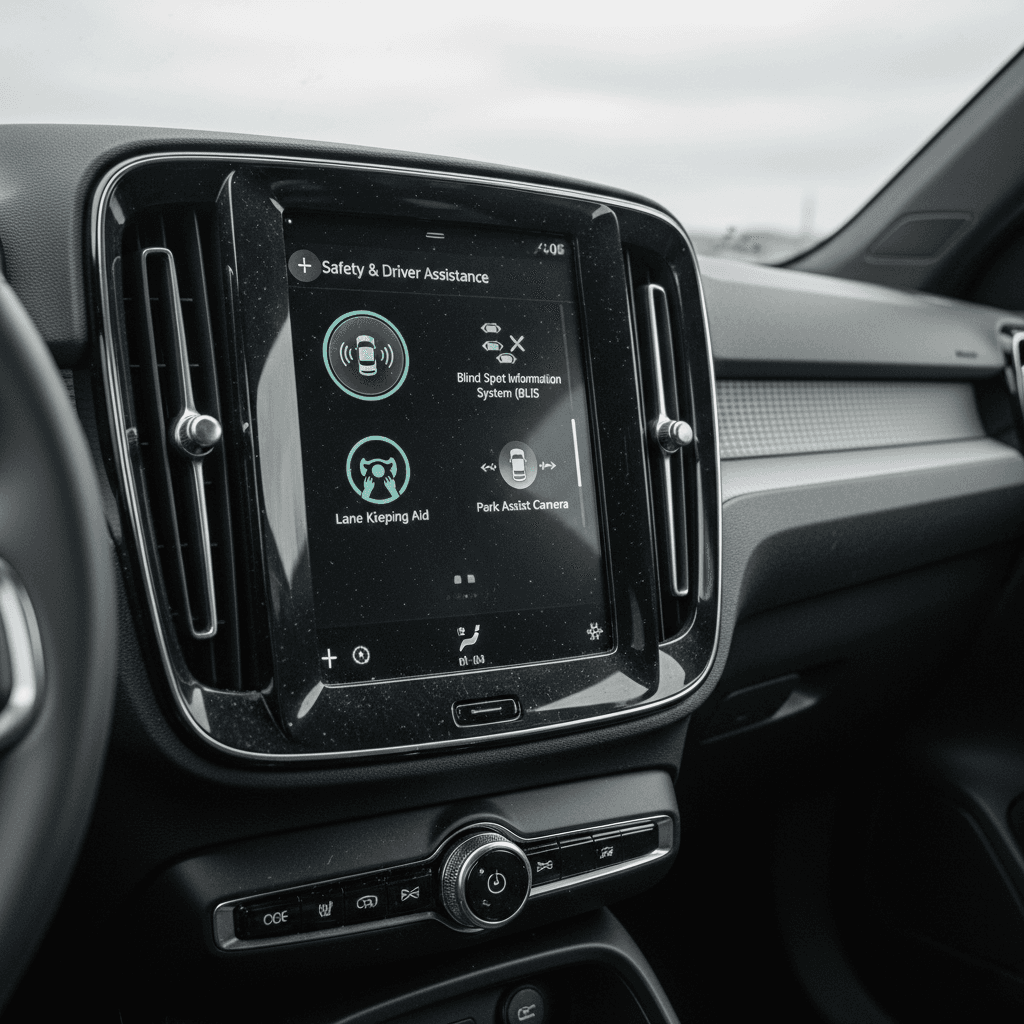
Let’s start with the good news: **the Volvo EX30 is a safety overachiever.** In December 2024, Euro NCAP awarded it a **full five‑star rating**, with strong scores for adult and child occupant protection and advanced driver‑assistance systems. That rating applies to all EX30 builds currently on sale, including U.S.‑spec 2025 models.
How the EX30 earns its safety reputation
Reliability isn’t just “does it start”, it’s also whether it protects you when things go wrong.
Five‑star crash performance
Advanced crash‑avoidance tech
Driver‑assist maturity
Safety vs. reliability
Software and electronics: the weak spot
If you’ve skimmed EX30 owner forums, you’ve seen the pattern: **owners rave about how the EX30 drives, and then spend three paragraphs listing software bugs.** That’s not unique to Volvo, new EVs from almost every brand go through this phase, but it’s particularly noticeable here because almost everything in the EX30 runs through a single center screen and the Volvo app.
- Infotainment freezes or slow responses from the Google‑based system.
- Random audio dropouts or navigation glitches.
- Phone key or keyless entry that’s laggy, or, occasionally, refuses to unlock the car.
- App connection issues: remote preconditioning or charge monitoring won’t reliably work.
- Speed‑sign recognition that misreads or completely misses limits on certain roads.
- Connectivity hiccups that affect built‑in streaming (Spotify, TuneIn) and live traffic.
Annoying vs. dangerous faults
Where software lets the EX30 down
- Everyday friction: When your climate control, music, navigation, and drive modes all live in one system, a reboot feels more disruptive than in a traditional car.
- Perception of quality: Owners who grew up on Volvo’s reputation for solid, no‑nonsense hardware expect the car to feel as bulletproof as an old wagon. A buggy touchscreen violates that expectation fast.
Where software helps the EX30 age better
- Over‑the‑air (OTA) updates: Volvo can fix many issues without a wrench, improving charging logic, driver‑assist tuning, and infotainment stability.
- Feature growth: New apps and tweaks can make the car feel more capable in year three than it did on day one, if Volvo keeps investing in software.
Smart software questions to ask a seller
Mechanical and battery reliability
Here’s where the EX30 quietly shines. Behind the software drama, early data suggests that **the hardware, the motors, battery pack, and basic structure, has been behaving itself** for most owners so far.
What’s going right under the skin
Early EX30 owners report few serious hardware failures relative to software niggles.
Electric motors & driveline
Suspension & body hardware
Battery health so far
Of course, the EX30 hasn’t been on the road long enough to declare it a 200,000‑mile hero. But if there were a major hardware defect, motors regularly failing, packs dying young, we’d likely see a wave of reports and more aggressive recalls by now. Instead, we’re seeing **normal EV wear items**: tires going faster on performance trims, a few alignments after potholes, the odd rattle.
The core EV bits look solid
Recalls and known campaigns on the EX30
No conversation about reliability is complete without talking about **recalls**. Recalls aren’t always a reason to walk away; they can be a sign the automaker is taking problems seriously. For the EX30, the recall list is still relatively short, but not empty.
Major EX30 recalls affecting 2025 models (U.S. and global)
Exact campaigns vary by region. Always run a VIN check with a Volvo dealer or official website for the latest status.
| Issue | Model Years Affected | Risk | What to Confirm |
|---|---|---|---|
| High‑voltage battery fire risk | Select 2024–2025 EX30 | Potential thermal event in rare fault conditions; requires dealer inspection and repair. | Ask for documentation that the battery recall has been completed on the specific VIN. |
| Software/driver‑display issues | Primarily early 2024 build EX30s; some 2025 carryover | Incorrect or missing information in cluster; may affect warnings and messages. | Confirm the car has the latest software and that all safety‑related updates are installed. |
| Charging‑system or DC fast‑charge updates | Varies by region and build date | Charging interruptions or reduced charging speed in certain conditions. | Test DC fast charging and verify any charging‑related campaigns are closed. |
Use this as a starting point, not a complete legal record, campaigns can be added or expanded over time.
Don’t ignore battery‑related recalls
Warranty coverage and long‑term battery health
One reason the EX30 can be a low‑stress buy, especially used, is Volvo’s **battery and powertrain warranty**. In most markets, you’re looking at something like **8 years / 100,000 miles** of coverage on the high‑voltage pack against excessive capacity loss, usually defined as the pack dropping below around 70% of its original capacity within that window.
- Basic vehicle warranty of roughly 4 years / 50,000 miles (varies by region).
- High‑voltage battery warranty ~8 years / 100,000 miles, with a minimum capacity guarantee.
- Separate coverage for corrosion and roadside assistance, depending on your market.
How to baby an EX30 battery
If you’re shopping used and want a clearer view of battery health, a **third‑party battery report** is invaluable. Every vehicle sold through Recharged, for example, includes a **Recharged Score battery health diagnostic** so you’re not just taking someone’s word for it, or guessing from the dash range estimate on a cold morning.
How the EX30’s reliability compares to rivals
Shoppers cross‑shopping the EX30 usually have a few names in mind: **Tesla Model Y, Hyundai Kona Electric, Kia Niro EV, VW ID.4**, maybe a used Volvo XC40 Recharge or Polestar 2. In that company, the 2025 EX30 currently sits in the **“upper‑middle” of the reliability pack**, with a profile that’s familiar across many new EVs: software grumbles, solid core hardware.
EX30 vs. key compact EV rivals: early‑days reliability
Generalized snapshot based on owner surveys and early data as of early 2026, not an exhaustive ranking.
| Model | Early Reliability Pattern | Biggest Complaints | Biggest Strengths |
|---|---|---|---|
| Volvo EX30 | Good overall; software‑heavy car still maturing. | Infotainment bugs, app connectivity, occasional driver‑assist quirks. | Top‑tier safety rating, strong battery warranty, fun to drive. |
| Tesla Model Y | Mixed; lots of miles in the field, but quality inconsistency. | Panel gaps, rattles, occasional drivetrain or suspension noises, service delays. | Huge fast‑charging network, simple powertrain, strong efficiency. |
| Hyundai Kona Electric | Generally strong; not many catastrophic failures reported. | Some DC fast‑charging issues, infotainment oddities on certain years. | Efficient, relatively simple cabin tech, good real‑world range. |
| VW ID.4 | Improving, but early software woes were notorious. | System reboots, laggy interfaces, some 12V battery issues. | Comfortable ride, roomy interior, better software after updates. |
| Kia Niro EV | Solid track record so far. | Occasional infotainment glitches, some cabin creaks. | Practical, efficient, and less “beta‑testy” than many newer EVs. |
Use this table to understand tendencies, not as a final verdict on any single car.
Volvo reliability reputation vs. EX30 reality
Used 2025 Volvo EX30 reliability checklist
If you’re looking at a **used 2025 EX30**, you’re probably hoping to let the first owner absorb the biggest depreciation, and some of the teething pains. That’s smart, as long as you verify the car’s reliability story before you buy. Use this checklist as your starting point.
Reliability checks before you buy a used EX30
1. Run a full recall and software status check
Ask the seller or dealer for a printout showing **all recalls and service campaigns closed** on the VIN. Then confirm the car is on the latest software and has no open safety updates.
2. Inspect charging behavior
Test both **Level 2** and, if possible, **DC fast charging**. The car should ramp up predictably to its rated speed, hold a stable connection, and not throw random errors or warning lights.
3. Stress‑test the infotainment
During the test drive, run navigation, stream audio, pair your phone, and use the app. Watch for freezes, audio cutouts, or systems that reboot. A single mild hiccup isn’t a deal‑breaker; a pattern is.
4. Check for squeaks, rattles, and wind noise
Drive at highway speeds on varied pavement. Listen for **buzzes in the dash or doors, wind noise around mirrors and pillars**, and any vibration under load. Some noise is normal; harsh, localized rattles may signal trim issues.
5. Evaluate driver‑assist behavior
Try lane‑keep assist, adaptive cruise, and Pilot Assist if equipped. The car should **track lanes smoothly without ping‑ponging** and recognize speed limits reasonably well. Overly intrusive or erratic behavior could mean calibration or software issues.
6. Verify service history and battery care
Look for documented **annual maintenance, tire rotations, and cabin‑filter changes**, plus owner habits (charging mostly to 80–90%, not fast‑charging every single day). A well‑cared‑for EX30 is a much safer long‑term bet.
How Recharged can simplify this
Is the 2025 EX30 a good long‑term bet?
Why you might feel confident buying an EX30
- Exceptional safety: Five‑star crash rating, strong active‑safety tech, and Volvo’s safety culture baked in.
- Solid EV fundamentals: No widespread motor or battery failures reported so far, and a robust high‑voltage warranty.
- Enjoyable to drive: Owners consistently praise the EX30’s punchy acceleration, comfortable seats, and tidy size for city use.
- OTA potential: Software can get better over time if Volvo keeps shipping meaningful updates.
Where you should go in with eyes open
- Software growing pains: Expect some glitches, especially around infotainment and connectivity. If you hate digital drama, this matters.
- New‑model uncertainty: We don’t yet know how EX30s will look at 8–10 years old, there’s no long‑term field history.
- Service experience varies: As with most brands, some dealers handle EV issues brilliantly, others less so. Your local support network matters.
Put it all together, and the **2025 Volvo EX30 earns an early reliability verdict of “cautiously positive.”** If you value safety, design, and compact dimensions and you’re willing to live with a few software wobbles, ideally backed by a strong warranty and a thorough pre‑purchase inspection, the EX30 can be a very satisfying EV to own. If you’re allergic to glitchy screens or want a decade of proven track record today, you may prefer a more established rival, or a later‑build EX30 that’s already had its recalls and updates squared away.