The 2025 Volvo EX30 is one of the most talked‑about small electric SUVs on the market, quick, stylish and relatively affordable for a premium badge. But as early owners rack up miles, a clearer picture of 2025 Volvo EX30 problems is emerging, from serious battery recalls to everyday software quirks.
What this guide covers
Overview: Should You Worry About 2025 Volvo EX30 Problems?
The EX30 is Volvo’s smallest, most affordable EV, launched for the 2024 model year and widely sold as a 2025 in the U.S. It’s built on a Geely-related platform and uses both smaller LFP batteries in base Single Motor models and larger NMC packs in Single Motor Extended Range and Twin Motor Performance trims. That combination of new platform, new software and new battery supply chain has produced some teething issues.
- A high‑profile battery recall affecting certain larger‑pack EX30s built from 2024–2026 due to an overheating and fire risk during DC fast charging.
- Ongoing software and infotainment bugs, glitchy CarPlay, Bluetooth dropouts, inconsistent app connectivity and occasional frozen screens.
- Annoying driver‑assistance alerts and lane‑keeping behavior, especially in markets with stricter regulations.
- Real‑world range that can fall well below WLTP figures in cold weather, plus some frustration around charging speeds and planning.
- Isolated build‑quality complaints around rattles, cabin noise and trim fit, typical of a first‑generation model.
Key context
Biggest 2025 Volvo EX30 Problems at a Glance
Where the 2025 EX30 Is Struggling Most
How to use this data
Volvo EX30 Battery Recall and Fire Risk
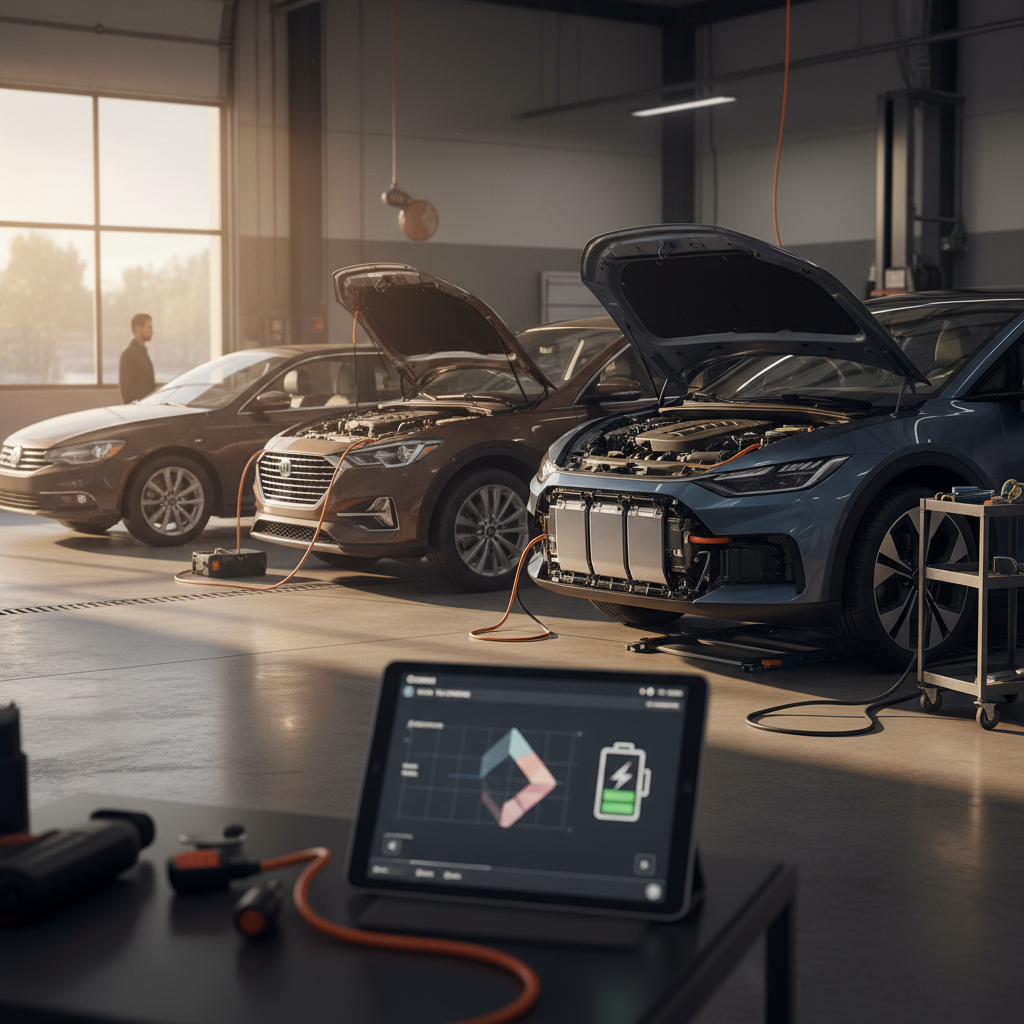
The headline problem for the EX30 isn’t a squeaky panel or a laggy screen, it’s a battery fire‑risk recall. In late 2025, Volvo began recalling more than 40,000 EX30 SUVs globally, mostly Single Motor Extended Range and Twin Motor Performance models built from 2024 through 2026 with the 69 kWh NMC battery pack. The issue: certain modules can overheat during charging, especially past ~70% state of charge, increasing the risk of a thermal event.
- Owners were instructed to limit charging to about 70% and avoid parking close to buildings until inspections were completed.
- Volvo is replacing affected battery modules free of charge, but scheduling and parts availability can vary by region.
- The smaller‑battery LFP Single Motor models use a different chemistry and pack supplier and have not been implicated in this specific recall.
What this means if you’re shopping used
Volvo EX30 Battery Variants & Risk Snapshot
How the main EX30 battery configurations relate to current recall concerns.
| EX30 Variant | Approx. Battery Type & Size | Primary Use Case | Known Battery‑Related Concern (as of early 2026) |
|---|---|---|---|
| Single Motor (Standard Range) | LFP ~49–51 kWh | Urban and short‑range commuting | Not part of the NMC overheating recall; still subject to normal EV thermal management limits. |
| Single Motor Extended Range | NMC ~64–69 kWh | Longer commutes, mixed highway driving | Included in the overheating/fire‑risk recall for certain 2024–2026 builds. |
| Twin Motor Performance (incl. Cross Country) | NMC ~69 kWh | Performance and AWD traction | Also covered by the NMC battery recall on specific VIN ranges. |
Always confirm exact build, pack size and recall status with a VIN lookup.
Battery health vs. battery defect
Software Bugs and Infotainment Issues
Like many modern EVs, the EX30 leans hard on software. Most vehicle functions run through a Google‑based central touchscreen, over‑the‑air updates and a connected smartphone app. Owners and reviewers generally like the minimalist interface, but they also report a steady stream of software annoyances.
Most Common EX30 Software Complaints
Issues range from mildly irritating to genuinely distracting.
CarPlay & Bluetooth glitches
Several owners report that Apple CarPlay connections are hit‑or‑miss, and Bluetooth audio can drop or cut out, sometimes when braking or after a short stop.
Weak app connectivity
The Volvo Cars app can be slow to connect, show stale vehicle status, or fail to wake the car after it’s been locked for a few minutes.
UI lag & frozen screens
Occasional cases of the main screen freezing or rebooting, which temporarily affects navigation, audio and some vehicle settings until it recovers.
The pace of over‑the‑air updates has improved compared with the EX30’s launch, but many owners still feel Volvo is playing catch‑up with Tesla, Hyundai and others on software polish. It’s fair to expect a smoother experience over time, yet if you’re buying a 2025 EX30 today, you’re stepping into a car that’s still receiving frequent bug fixes.
Shopping tip: test the tech like you live with it
Driver-Assistance and Safety System Quirks
Volvo leans heavily on its safety image, and the EX30 packs lane‑keeping assist, driver‑alert features, speed‑limit warnings and optional Pilot Assist cruise. The underlying hardware is capable, but owners point to overly aggressive or inconsistent behavior, especially in markets with stricter warning rules.
- Persistent speed‑limit chimes or beeps each time the limit changes, which some drivers in North America find distracting on urban routes.
- Lane‑keeping and driver‑alert systems that can feel intrusive, prompting some owners to switch them off every drive if local rules allow.
- Parking sensors and 360‑camera behavior that can be inconsistent, rare, but there are anecdotes of sensors failing to detect obstacles or triggering false alarms in tight spots.
- Quirks around one‑pedal driving and seatbelt status, such as one‑pedal being disabled if the belt is unlatched without a clear on‑screen explanation.
Safety vs. sanity
Real-World Range and Charging Complaints
On paper, the EX30 offers competitive range: roughly 209 miles WLTP for the Single Motor and up to the high‑200s for Extended Range and Twin Motor versions. In practice, especially in colder climates, owners often report significantly less, particularly with the smaller LFP pack.
Real‑world range expectations
- Small‑battery Single Motor owners commonly see 140–170 miles in cold weather, with 180–200 miles more realistic in mild conditions.
- Extended Range and Twin Motor models can do better, but winter highway speeds still knock them down well below official figures.
- Pre‑conditioning and smart route planning (via Google Maps in the car) help, but you should size the battery to your worst‑case use, not the brochure number.
Charging experience pain points
- DC fast‑charging times around 25–30 minutes from roughly 10–80% are possible on a strong 150+ kW charger, but you won’t maintain peak speed for the whole session.
- Home AC charging with the 11 kW onboard charger is solid; on a 7 kW Level 2, expect 6–8 hours from near empty to full, depending on pack size.
- Some owners complain about conservative charging curves, where the car tapers early to protect the pack, leading to longer top‑ups than spec sheets suggest.
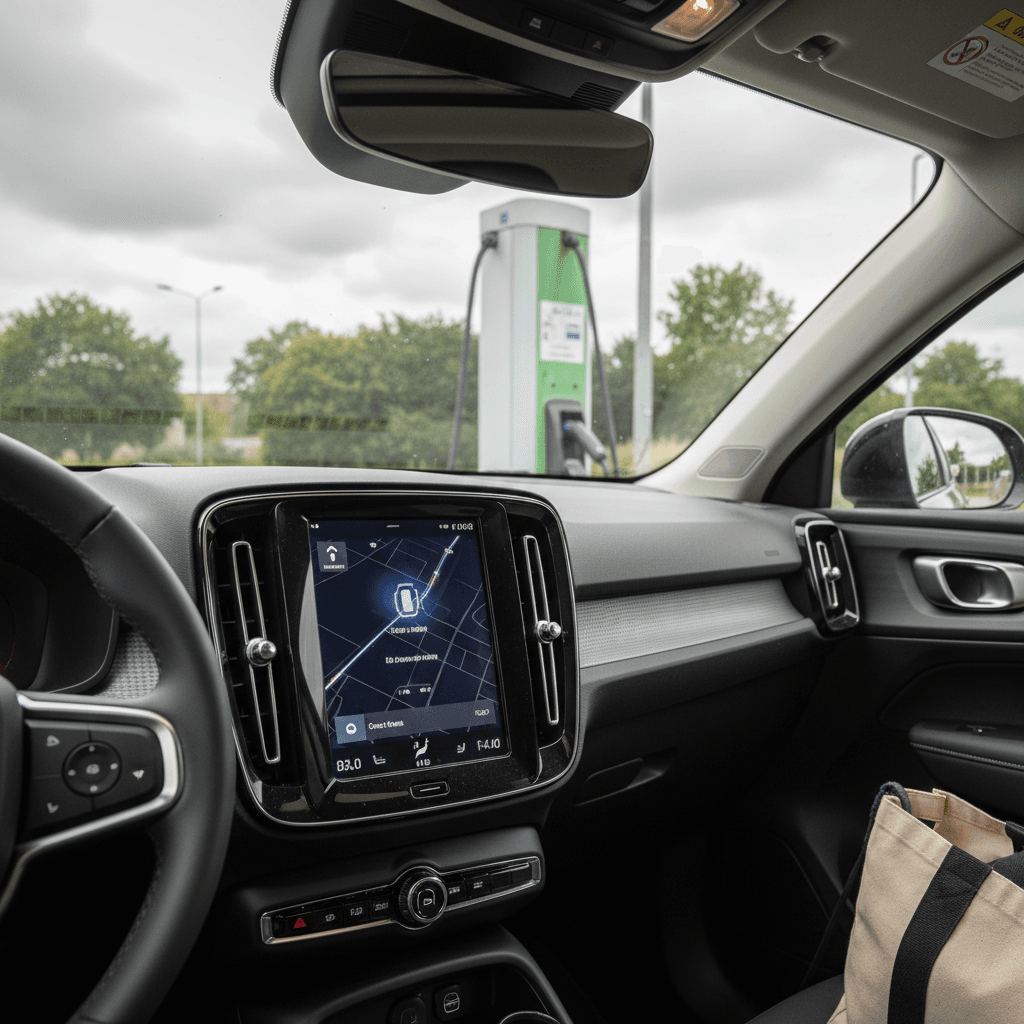
Don’t forget U.S. charging standards
Ride Comfort, Noise and Build Quality
The EX30 is built to be small, light and efficient, not a plush highway cruiser. Reviews generally praise its nimble feel and punchy acceleration but call out a firm ride, especially on larger wheels, and some wind and road noise at freeway speeds.
How the EX30 Feels Day to Day
Not deal‑breakers, but worth noticing on a test drive.
Firm, busy ride
Short wheelbase and sporty tuning can make the EX30 feel a bit choppy on broken pavement. If you live with rough roads, avoid the largest wheel options.
Cabin & wind noise
Some owners report more wind and tire noise than expected for a Volvo, particularly at 70+ mph. This varies by tire choice and build.
Early build niggles
Scattered complaints of minor rattles, misaligned trim or squeaks, typical first‑model‑year stuff, but still something you want addressed under warranty.
The upside
2025 Volvo EX30 vs Other Small EVs on Reliability
If you’re cross‑shopping the EX30, you’re probably looking at other small EV crossovers like the Hyundai Kona Electric, Kia Niro EV, Tesla Model Y RWD or even the Chevy Equinox EV. None of these are problem‑free, but the EX30’s profile looks distinct in a few ways.
How the 2025 EX30 Stacks Up on Problems
A high‑level comparison of common complaint patterns among small EVs.
| Model | Biggest Known Pain Point | Software Maturity | Battery/Recall Notes (early 2026 snapshot) |
|---|---|---|---|
| Volvo EX30 | Battery overheating recall on larger NMC pack; buggy infotainment and alerts | Developing – OTA fixes ongoing, but not yet class‑leading | Active recall on specific trims/years; verify repair history carefully. |
| Hyundai Kona Electric | Earlier‑gen models had pack recalls; some owners report DC charging issues | Moderate – Hyundai’s EV software is steadier but less slick than Tesla’s | Battery‑related recalls largely addressed; newer packs more stable. |
| Kia Niro EV | Occasional infotainment freezes; dealer support varies | Moderate | No large‑scale, recent battery fire‑risk recalls reported as of early 2026. |
| Tesla Model Y RWD | Panel‑gap/build complaints; service backlogs in some regions | Mature but sometimes controversial UI changes | Multiple historical recalls, but not currently facing a large active battery‑fire recall like EX30’s NMC pack. |
| Chevy Equinox EV | Very new; early reports limited; charging network learning curve | Developing | Too early for a full recall track record; watch for updates as deliveries scale. |
Use this as a directional guide, individual vehicles can vary a lot based on use and build date.
Interpreting the comparison
Checklist: Buying a Used Volvo EX30 Smartly
If you like the EX30’s size and design but worry about early‑run problems, a careful used‑car process can separate solid examples from headaches. Here’s a step‑by‑step way to protect yourself.
Essential Checks Before You Buy a Used EX30
1. Run the VIN for open recalls
Ask the seller for the full VIN and have a Volvo dealer or online VIN tool check for <strong>open EX30 recalls</strong>, especially the battery overheating/fire‑risk campaign. Walk away from cars with unresolved high‑voltage battery recalls unless a repair booking is locked in and documented.
2. Confirm battery‑module replacement
For affected Extended Range or Twin Motor EX30s, demand service paperwork showing <strong>which modules were replaced</strong> and when. If documentation is vague, treat the car as if the recall was not done.
3. Get an independent battery health report
Don’t rely on a dashboard percentage alone. A third‑party EV health report, like the <strong>Recharged Score battery diagnostic</strong> included with every vehicle on Recharged, can show usable capacity, cell balance and expected real‑world range.
4. Stress‑test the software on a long drive
Plan at least a 45‑minute drive. Pair your phone, stream audio, run navigation, test CarPlay/Android Auto, try climate presets and experiment with the Volvo app. Make note of any freezes, disconnects or persistent warning messages.
5. Evaluate driver‑assist behavior
On urban and highway segments, try lane‑keeping, adaptive cruise and speed‑limit alerts. Decide whether the alerts feel manageable or simply too intrusive for your driving style.
6. Listen for rattles and road noise
Take the car on a coarse‑pavement freeway at 65–75 mph. Listen for <strong>wind around the A‑pillars</strong>, tire roar and rattles from the dash or cargo area that may signal rushed early‑run build quality.
7. Inspect tires and wheels carefully
Firmly sprung small EVs are hard on suspension and tires. Check for uneven wear, curb rash and vibration at speed that could hint at alignment or wheel issues, common on city‑driven crossovers.
8. Factor in warranty and support
Make sure you understand what <strong>factory warranty</strong> is left on the battery, drivetrain and electronics, and how convenient your nearest Volvo service center is. For used EX30s, working with an EV‑savvy retailer can be the difference between easy fixes and weeks of frustration.
Where Recharged fits in
Ready to find your next EV?
Browse VehiclesFAQ: 2025 Volvo EX30 Problems
Frequently Asked Questions About 2025 EX30 Issues
Bottom Line: Is a 2025 Volvo EX30 a Bad Bet?
The 2025 Volvo EX30 is not a bad EV, it’s an ambitious one. It delivers sharp acceleration, compact‑city friendliness and a surprisingly upscale feel for its price. But early‑run issues have drawn a line between buyers who love its character and those who can’t live with software quirks or recall headlines.
If you’re considering a new or used EX30, treat it like any first‑generation model: do your homework, insist on documentation, and don’t gloss over warning lights or half‑explained “pending” recalls. For the right driver, especially one with predictable daily mileage and tolerance for a few tech wrinkles, the EX30 can still be a compelling package.
And if you’re shopping used, you don’t have to navigate it alone. Recharged combines a verified Recharged Score battery‑health report, fair market pricing and EV‑specialist guidance from trade‑in to delivery, so you can enjoy the good parts of the EX30 story without getting blindsided by the bad.