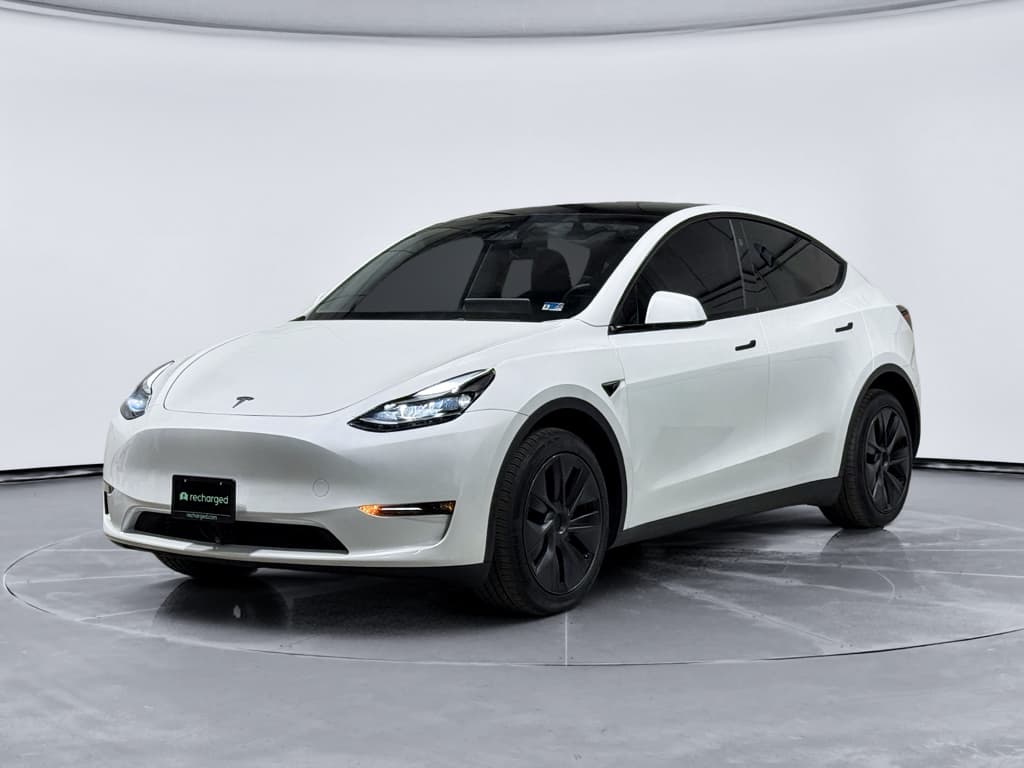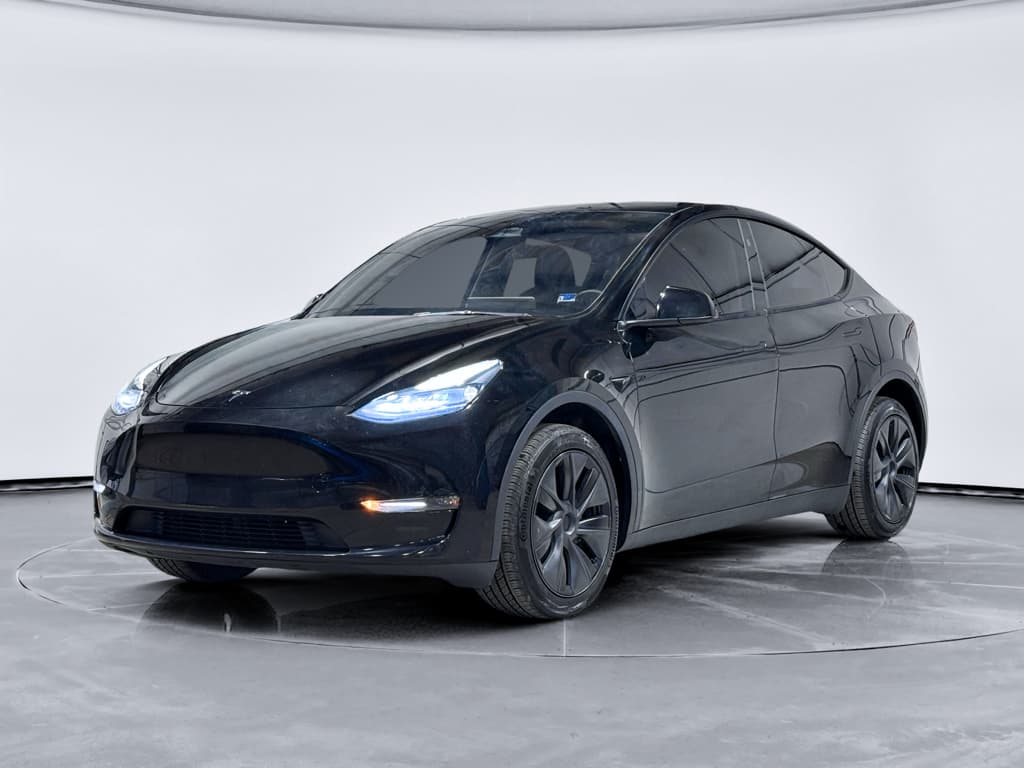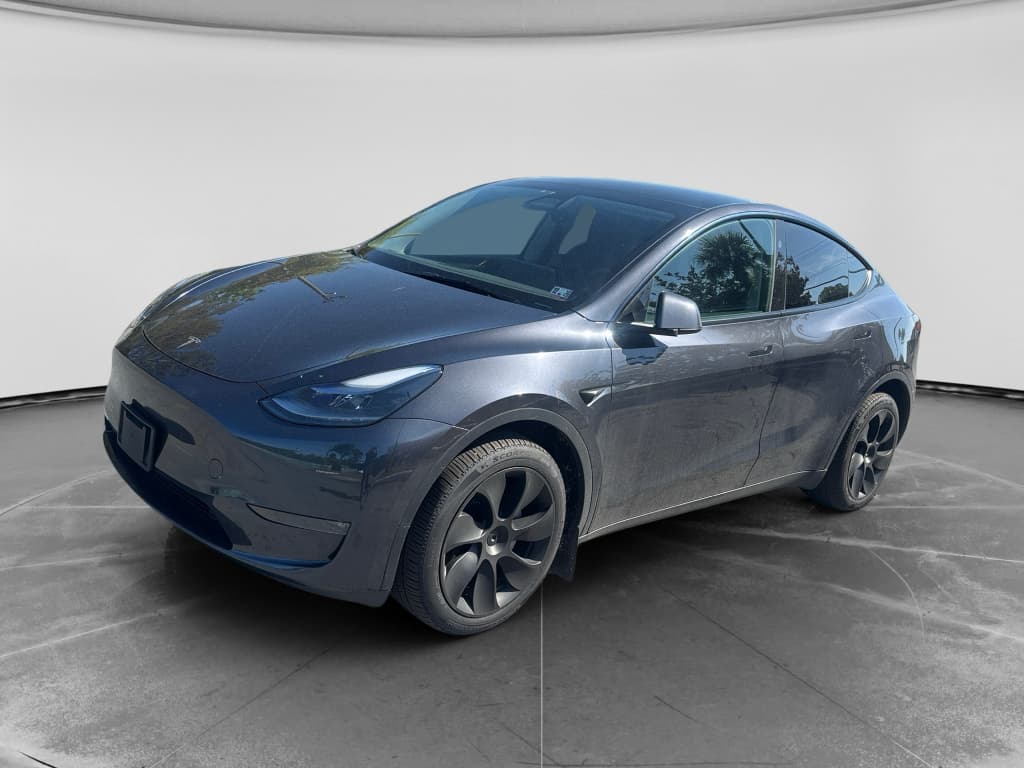
If you search for a 2025 Tesla Model Y review, most coverage focuses on the latest refresh: new light bar, quieter cabin, nicer interior. That’s useful if you’re buying new. But if you’re shopping a used Tesla Model Y in 2025, your questions are different: How healthy are the batteries? How fast are values dropping? Which years should you aim for, or avoid?
Who this review is for
Overview: Should You Buy a Used Model Y in 2025?
Used Tesla Model Y at a Glance (2025)
Even with a wave of new competitors, the used Tesla Model Y remains one of the most compelling electric SUVs you can buy in 2025. It combines strong efficiency, access to the Supercharger network, a practical hatchback body, and software that keeps improving long after the car leaves the showroom.
- Pros: Excellent efficiency and range for the segment, strong performance, frequent over‑the‑air updates, huge charging network, hatchback practicality, relatively slow and predictable battery degradation.
- Cons: Ride quality and road noise on early cars, inconsistent build quality, relatively high tire and suspension wear, infotainment‑centric controls that not everyone loves, and repair access that’s more centralized than traditional brands.
Quick verdict
What’s New for the 2025 Model Y, and Why It Matters for Used Buyers
In early 2025 Tesla rolled out a major Model Y refresh (often called "Juniper") with a sleeker front end, full‑width light bar, quieter cabin, and updated interior that borrows heavily from the latest Model 3. There’s also revised suspension hardware for a more composed ride and a new rear passenger touchscreen.
What changed for 2025+
- Quieter cabin thanks to more acoustic glass and sound deadening.
- Reworked suspension and stiffer body structure for better ride and handling.
- Updated interior: ambient lighting, nicer materials, rear 8" screen.
- Incremental range gains (roughly 5% on comparable trims).
- Retains a traditional turn‑signal stalk, unlike the latest Model 3.
Why used‑car shoppers should care
- Pre‑refresh (2020–2024) cars will likely depreciate faster as shoppers chase the quieter 2025+ models.
- That extra depreciation can make a 2020–2022 Model Y a particularly strong value, if the battery and suspension check out.
- Interior and NVH are noticeably more basic on earlier cars; decide if that matters more than saving several thousand dollars.
Don’t overpay for a pre‑refresh car
Used Model Y Trims, Years, and Real-World Range
Most used Model Ys on the market in 2025 come from the 2020–2023 model years, with a growing number of 2024 cars coming off short leases. Understanding trims and real‑world range is the first step to deciding what’s right for you.
Common Used Model Y Trims & Approximate Range
EPA figures are when new; real‑world used range will depend on driving style, climate, and battery health.
| Trim / Drivetrain | Typical Used Years | EPA Range When New | Realistic Daily Range Target |
|---|---|---|---|
| Long Range AWD | 2020–2024 | ~316–330 mi | 230–280 mi |
| Standard / RWD | 2021–2024 | ~260–280 mi | 190–230 mi |
| Performance AWD | 2020–2024 | ~303 mi | 210–260 mi |
| 2025+ Refresh AWD | 2025+ (mostly new) | ~320+ mi | 240–290 mi |
Use these numbers as ballparks, not guarantees, always check on‑screen range and recent charging behavior on the actual car.
Remember how range is quoted
For most households, even a degraded Long Range AWD Model Y still covers daily commuting, errands, and weekend trips with plenty of margin, especially if you can charge at home. Where range matters most is sustained highway driving, winter climates, and households without home charging who rely heavily on DC fast charging.
Battery Health, Degradation, and Warranty Coverage
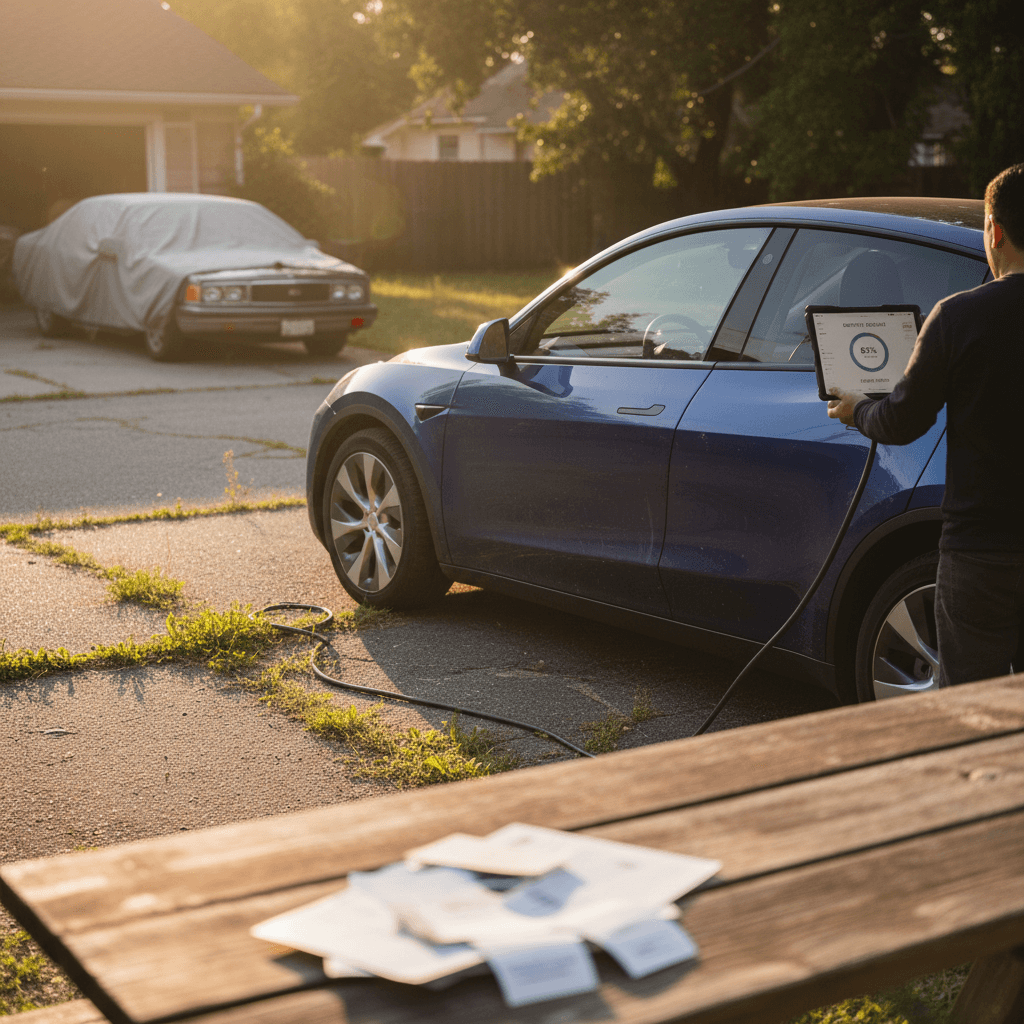
Tesla’s battery chemistry has matured enough that we now have real‑world data from early Model Ys. The pattern is fairly consistent: a noticeable drop in the first 20,000–30,000 miles, then a slower, more linear decline. Seeing 5–10% capacity loss around 50,000–60,000 miles is common when the car hasn’t been abused.
How Tesla’s Battery Warranty Works on a Used Model Y
Know what’s still covered before you buy
Warranty term
Most Model Y packs are covered for 8 years from in‑service date with a mileage cap (often 120,000–150,000 miles, depending on trim).
Degradation threshold
Tesla typically warrants against the battery falling below 70% of its original capacity within the warranty period.
What to verify
Confirm the in‑service date, mileage, and whether the high‑voltage battery or drive unit have ever been replaced under warranty.
Smart way to gauge battery health
Abuse patterns matter more than odometer alone. A 60,000‑mile Model Y that lived on a driveway charger and saw occasional Supercharging is usually healthier than a 30,000‑mile car that fast‑charged daily and ping‑ponged between 5% and 100% state of charge.
Red flags around battery history
Pricing, Depreciation, and Total Cost of a Used Model Y
Tesla pricing moves around like a tech stock, but by late 2025 many early Model Ys have taken a sizable depreciation hit. It’s not unusual to see 2020–2022 Long Range AWD examples listed in the low‑ to mid‑$30,000s depending on mileage, options, and condition, while new or nearly new 2025+ cars often sit in the mid‑$40,000s to mid‑$50,000s before options.
How Used Model Y Economics Typically Look
Where total cost can sneak up on you is tires (especially on 20" and 21" wheels), out‑of‑warranty repairs, and insurance. Performance models and cars on larger wheels tend to eat tires and sometimes suspension components faster than owners expect, particularly in rough‑road regions.
Budget like an analyst
Common Issues and Ownership Quirks to Know
Every vehicle has weak spots, and the Model Y is no exception. The good news: most of its issues are well‑understood by now, and many are more about annoyance and cost than catastrophic failure. Here are the patterns that show up most often in owner reports and service invoices.
Tesla Model Y: Common Used‑Car Issues
What to look and listen for on a test drive
Road noise & rattles
Early Model Ys (2020–2022) are known for more wind and road noise, plus the occasional interior squeak or rattle. The 2025 refresh improves this, but older cars may need door seal tweaks or minor trim fixes.
Suspension & tire wear
The combination of heavy battery, strong torque, and big wheels can mean faster tire wear and occasional suspension bushing or control‑arm issues. Uneven tire wear or cupping is a clear sign to investigate alignment and suspension closely.
Heat pump & cold‑weather HVAC
Tesla’s heat‑pump system is efficient, but there have been isolated failures of components like the super‑manifold or compressor, especially in climates with big temperature swings. These are fixable, but not cheap, once out of warranty.
Panel gaps & build quality
Fit‑and‑finish was more variable on early Fremont‑built cars. Cosmetic issues rarely affect safety or drivability but can matter for resale value and how satisfied you feel living with the car every day.
Screen‑centric controls
Almost everything runs through the central touchscreen. Many owners love it, but if you prefer physical buttons and knobs for climate and wipers, test the car in typical driving scenarios to see if it annoys you.
Fast‑charge habits
Cars that spent their lives on Superchargers can show faster battery wear. Ask the seller how they charged, and have an expert look at DC‑fast‑charge history when possible.
Independent repair options
Autopilot, FSD, and 2026 Feature Changes
Driver‑assist tech is a big reason many people shop Tesla in the first place, and it’s also an area where year‑to‑year changes matter a lot in 2025 and 2026. One subtle but important shift: Tesla has begun altering which Autopilot features are included by default on new vehicles, with Autosteer no longer bundled automatically on new deliveries starting in 2026 and moving to a subscription‑style upsell.
Why older cars can be more appealing
- Many 2020–2023 Model Ys include basic Autopilot with Autosteer permanently attached to the car.
- Some used cars have Enhanced Autopilot or Full Self‑Driving (FSD) already enabled, which can add real value if you care about these features.
- Once included on a given VIN, these features usually stay with the car when it’s sold used.
What to verify on a used Model Y
- Under “Software” in the car’s menu, confirm exactly which driver‑assist packages are active.
- Ask whether any FSD transfers, subscription changes, or buy‑outs have occurred; policies around transferability change over time.
- Factor future subscription pricing into your budget if you’re counting on advanced driver‑assist features.
Is FSD worth it on a used Y?
Used Model Y vs. Other EV SUVs
By 2025 the compact and midsize electric SUV segment is crowded: Hyundai Ioniq 5, Kia EV6, Ford Mustang Mach‑E, VW ID.4, and a wave of Chinese‑brand entrants outside the U.S. Compared with those, the Model Y isn’t perfect, but it still plays its strengths well, especially used.
How a Used Model Y Stacks Up Against Rival EV SUVs
A high‑level comparison focused on used‑market realities rather than spec‑sheet fantasy.
| Vehicle | Used Strengths | Used Weaknesses | Best For |
|---|---|---|---|
| Tesla Model Y | Supercharger access, strong efficiency, OTA updates, large owner community | Ride/noise on early cars, build quality quirks, tire wear | Tech‑oriented buyers, road‑trippers, those prioritizing charging network |
| Hyundai Ioniq 5 | Comfortable ride, distinctive design, very fast DC charging | Less efficient at high speed, smaller dealer EV expertise in some areas | Comfort seekers, mixed road‑trip and city use |
| Kia EV6 | Sporty driving feel, good fast‑charge speeds, solid interior | Rear headroom on some trims, limited dealer EV experience in some markets | Drivers who want a sportier feel than Model Y |
| Ford Mustang Mach‑E | Traditional interior controls, Ford dealer network, decent comfort | Charging network not as seamless, software can be clunkier | Buyers who prefer a more conventional cockpit and Ford support |
| VW ID.4 | Comfortable ride, practical packaging, often cheaper used | Slower DC charging, earlier software bugs, more modest performance | Budget‑conscious buyers prioritizing comfort over performance |
Exact values will vary by model year, but the relative strengths and weaknesses are consistent across most trims.
Where the Model Y still leads
Checklist: How to Inspect a Used Tesla Model Y
Whether you’re buying from a private seller, a Tesla store, or an independent retailer, you’ll want a process that goes deeper than kicking the tires and tapping the screen. Use this checklist as your baseline, and consider having an EV‑specialist shop or a marketplace like Recharged perform a more detailed inspection.
13 Things to Check Before You Buy a Used Model Y
1. Confirm battery and drive‑unit warranty status
Ask for the original in‑service date and current mileage. Verify how much time and mileage remain on the high‑voltage battery and drive‑unit warranty so you know your downside risk.
2. Review charging habits
Ask the seller how often they used DC fast charging vs. home or Level 2 charging. Frequent Supercharging from very low to 100% is a yellow flag and worth a closer battery assessment.
3. Check on‑screen range at a known SOC
With the car at, say, 80% charge, note the estimated remaining miles and compare to the original EPA rating. Large discrepancies suggest either degradation or very recent driving in extreme conditions.
4. Inspect tires and wheels
Look for uneven wear, cupping, or inner‑edge wear that could indicate alignment or suspension issues. Replacing a full set of low‑profile tires on 20''+ wheels is not cheap.
5. Listen for suspension clunks or rattles
On a test drive, hit some imperfect pavement at moderate speed. Listen for knocks over bumps or looseness in the steering that might hint at worn control arms or bushings.
6. Evaluate road and wind noise
At 65–70 mph, pay attention to wind roar from the mirrors and tires. If it’s unusually loud compared with other EVs you’ve driven, budget for possible seal fixes or consider a later build.
7. Look for panel gaps and paint issues
Walk around the car with good lighting. Inconsistent gaps, misaligned hatch, or obvious paint mismatch are mostly cosmetic but can affect resale and give you negotiation leverage.
8. Test all doors, hatch, and glass roof
Verify the powered hatch opens and closes smoothly, doors latch cleanly, and the glass roof shows no cracks or signs of water intrusion.
9. Run every screen function
Test navigation, Bluetooth, HVAC, heated seats, cameras, Autopilot functions, and the audio system. A flaky screen can make daily life miserable and is expensive to replace.
10. Check Autopilot/FSD status in software menu
Under Software → Additional Vehicle Information, confirm which driver‑assist packages are active. Don’t rely solely on the seller’s memory or listing description.
11. Review service history and any recalls
Ask for Tesla service invoices or screenshots from the owner’s app. Verify that important campaigns or recalls have been completed, especially around safety‑critical items.
12. Scan for aftermarket modifications
Lowering springs, non‑OEM wheels, wraps, and coding tweaks can be fine, but they can also affect warranty coverage, insurance, and resale. Decide how much risk you’re comfortable with.
13. Get a professional EV inspection or Recharged Score
Whenever possible, have an EV‑specialized shop or a marketplace like <strong>Recharged</strong> run diagnostics, test battery health, and generate a structured condition report before you sign anything.
How Recharged Evaluates Used Model Ys
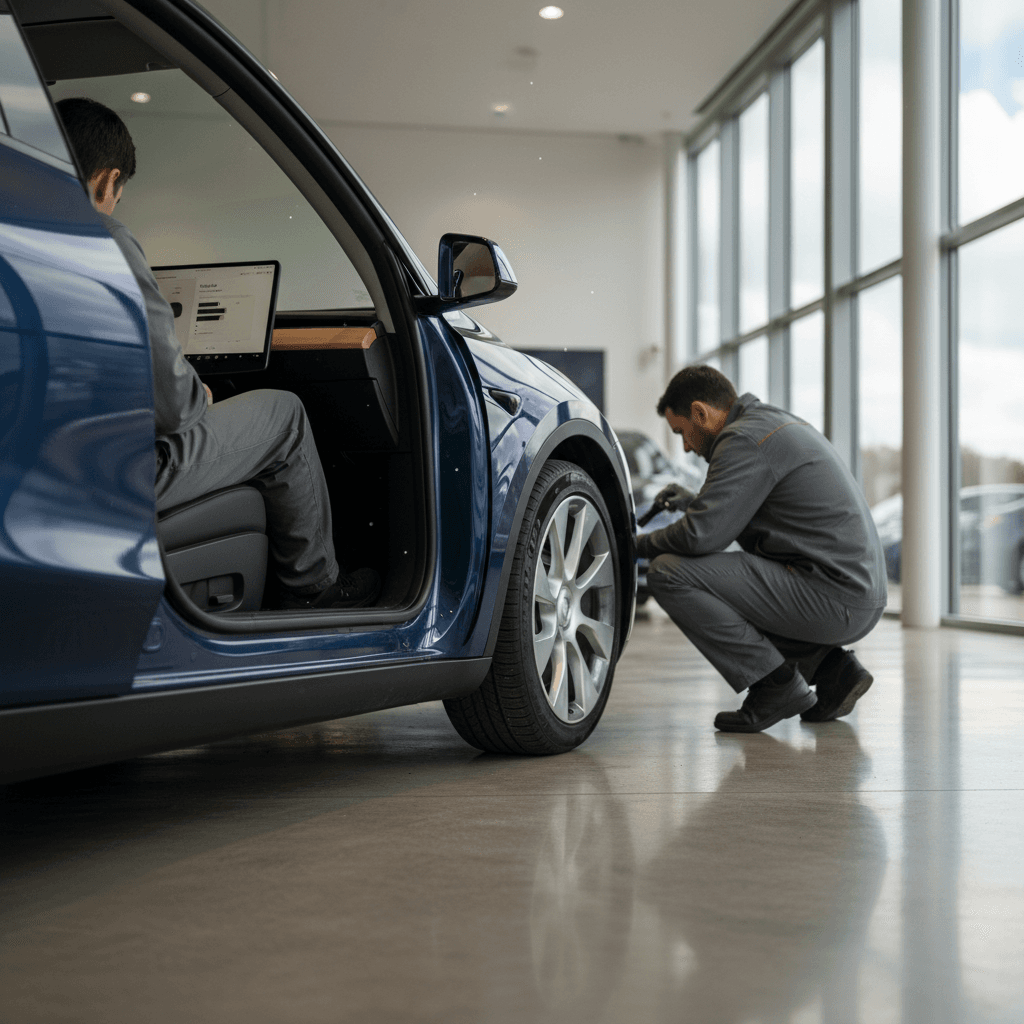
Because the Model Y is such a popular used EV, Recharged sees a wide range of examples, from 3‑year‑old lease returns with low miles to high‑mileage commuter cars. The spread in condition and battery health can be huge, which is why a standardized, EV‑specific evaluation is critical.
What’s Inside a Recharged Score for a Used Model Y
Beyond a basic pre‑purchase inspection
Verified battery health
We use diagnostics and charging data to estimate remaining battery capacity, not just guess from the odometer.
Multi‑point condition check
Suspension, tires, brakes, bodywork, HVAC, Autopilot hardware, and more are inspected with EV‑specific checklists.
Fair‑market pricing analysis
We benchmark each car against live market data, mileage, options, and condition to flag under‑ or over‑priced vehicles.
Ready to find your next EV?
Browse VehiclesIf you decide to buy through Recharged, you can complete the entire process online, arrange financing, get a firm trade‑in or instant offer on your current vehicle, and have the car delivered nationwide. If you prefer to see a Model Y in person first, you can visit the Recharged Experience Center in Richmond, VA and work with EV‑specialist staff who know the platform inside and out.
Why this matters for Tesla shoppers
FAQ: Used Tesla Model Y Questions
Used Model Y: Frequently Asked Questions
Bottom Line: Is a Used Model Y Right for You?
In 2025 the Tesla Model Y is no longer the only game in town, but on the used market it remains a benchmark. A thoughtfully chosen used Y gives you long range, access to the Supercharger network, and a mature EV platform at a meaningful discount from new, without taking on the steepest part of Tesla’s depreciation curve.
The key is to treat the purchase like the tech product it truly is: focus on battery health, software configuration, and charging history as much as color and wheels. If you’d rather not navigate that complexity alone, a curated EV marketplace like Recharged, with Recharged Score battery reports, EV‑savvy support, financing, trade‑in options, and nationwide delivery, can compress weeks of research and risk into a straightforward, data‑driven decision.