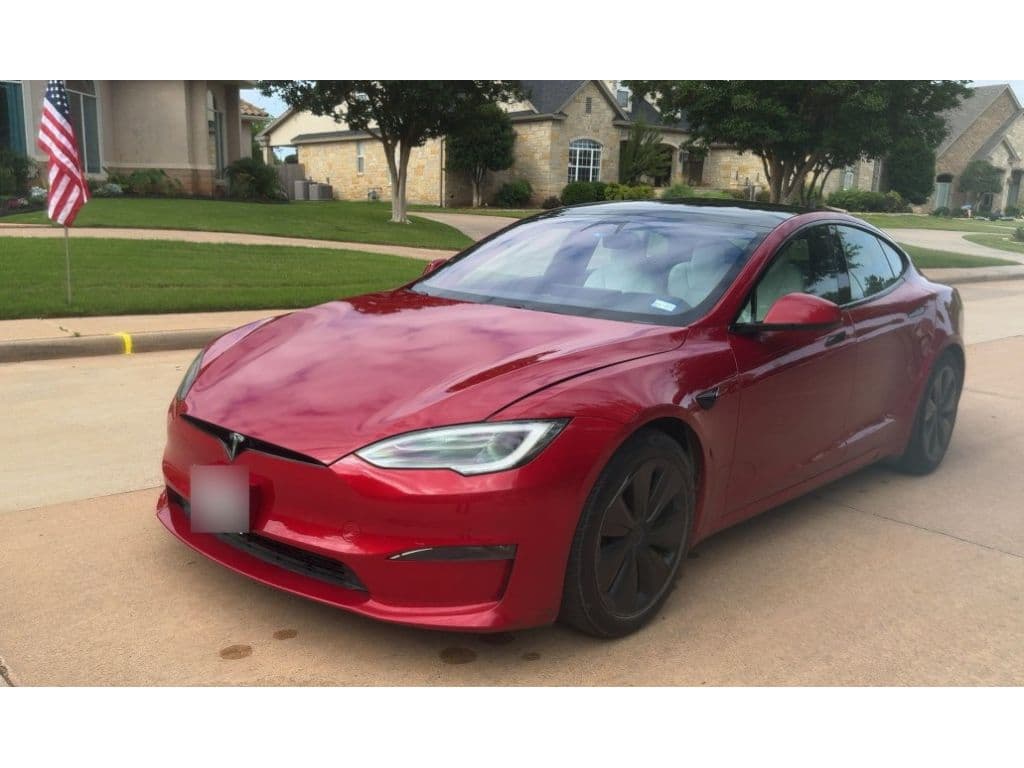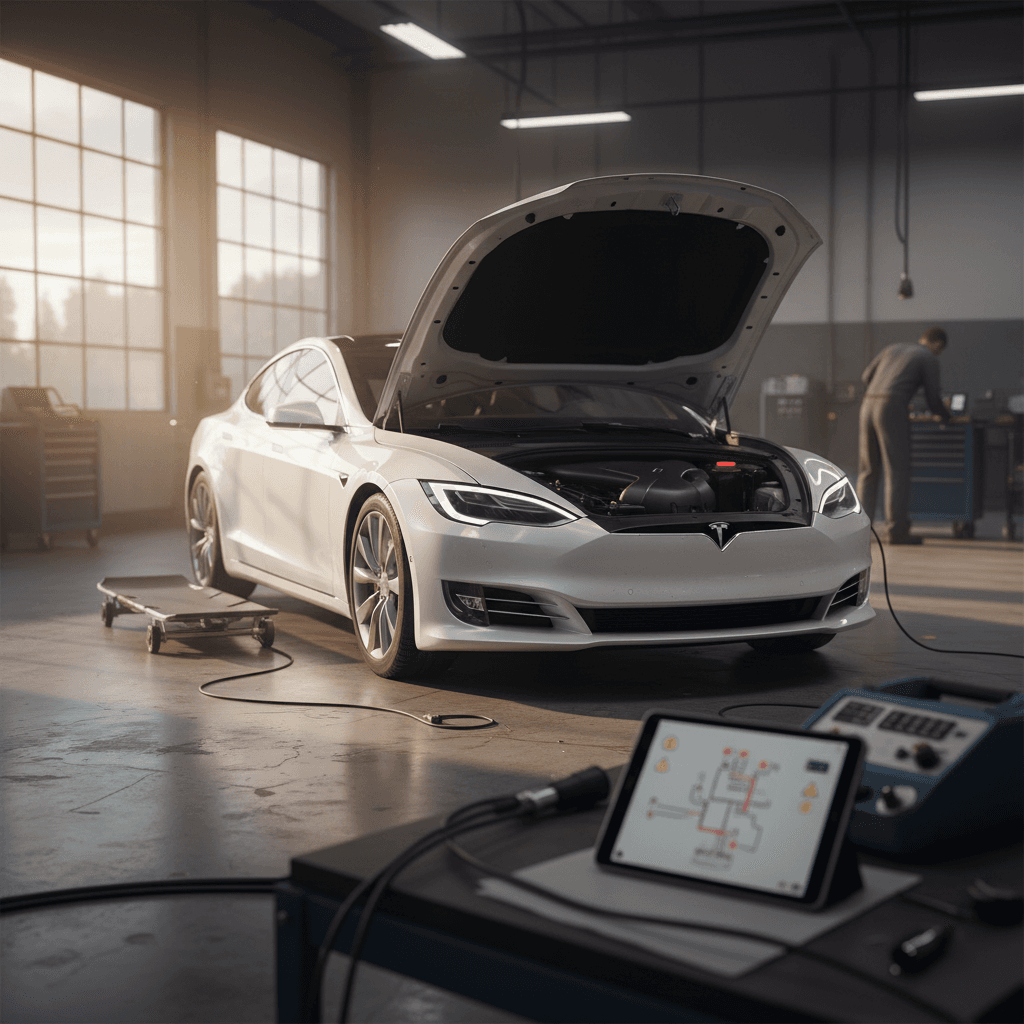
If you own, or are thinking about buying, a 2025 Tesla Model S, you’ve probably heard a lot about Tesla recalls. Between software glitches, safety updates, and headlines about Autopilot, it can be hard to separate noise from the issues that actually matter for your car. This guide pulls together the known 2025 Tesla Model S recalls list, explains what each recall does in plain English, and shows you exactly how to check and fix them.
Quick note on timing
Overview: 2025 Tesla Model S recalls at a glance
Quick stats for 2025 Model S recalls
Tesla tops the recall charts by volume, but the story for owners is more nuanced. Most 2025 Model S recalls to date are software‑related campaigns handled through over‑the‑air (OTA) updates, not “park it now” mechanical failures. That doesn’t mean you can ignore them, some affect your rearview camera, steering assist feel, or driver‑assistance behavior, but it does mean fixing many of them is closer to updating your phone than booking a week at the dealership.
How Tesla recalls work in 2025–2026
1. Safety issue is identified
Issues usually surface through owner complaints, crash data, internal testing, or NHTSA investigations. When Tesla or regulators decide there’s a safety defect or compliance issue, a formal recall campaign is opened and documented with a NHTSA number.
The report spells out which model years are affected (for example, 2024–2025 Model S), the production dates, and what can actually go wrong in the real world.
2. Fix is delivered: OTA or service visit
On newer Teslas like a 2025 Model S, most recalls are resolved by an over‑the‑air software update. Your car downloads a new build, you approve the install, and the recall is marked remedied in the system.
If the fix requires hardware, like an airbag module or steering component, you’ll see an alert in the Tesla app and need to schedule a mobile or service‑center visit.
Where to see recalls on your own car
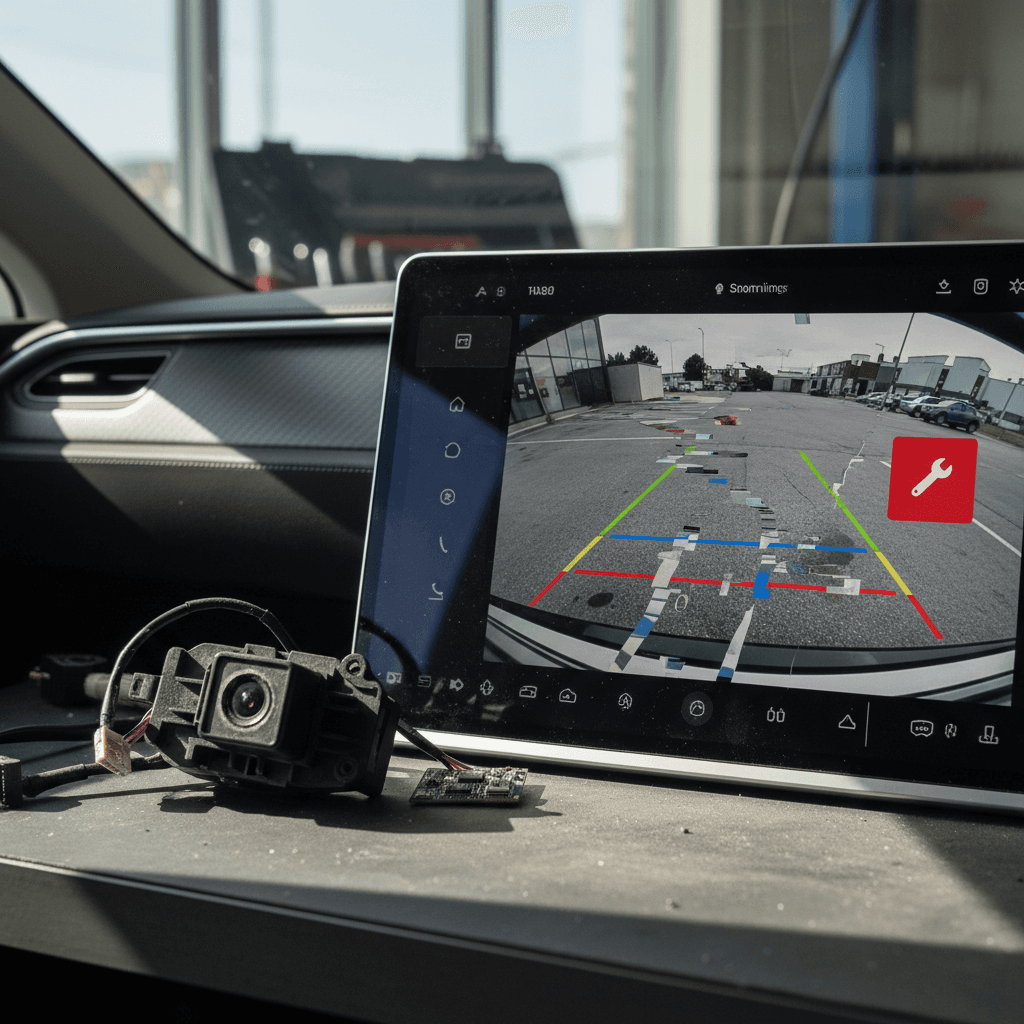
2025 Tesla Model S recalls list (U.S.)
Below is a consolidated view of the major U.S. safety recalls that include the 2025 Model S as part of their affected population. Exact eligibility depends on your car’s build date, hardware, and software version, so always confirm by VIN.
Major 2025 Tesla Model S recalls and campaigns
High‑level view of the key safety recalls that include the 2025 Model S. Names are simplified for clarity; official recall IDs and exact production ranges are available through Tesla or NHTSA.
| Short name | Approx. NHTSA ID* | Issue type | Fix type | Includes 2025 Model S? |
|---|---|---|---|---|
| Rearview camera / car computer power‑up | 25V002 (software) | Intermittent loss of rear camera view and other displays due to computer short risk | OTA software update; hardware replacement only if damage already occurred | Yes, many 2025 cars with affected computer + older software |
| Steering assist behavior / power steering | 25V0xx (software) | Inconsistent steering assist feel or unexpected changes in assist level in certain conditions | OTA software update to steering control logic | Yes, a broad population including late‑2024 and 2025 builds |
| Driver airbag manufacturing defect | 24V6xx (hardware) | Potentially torn or improperly manufactured driver airbag on a small batch of 2024–2025 S/X | Inspect and replace driver airbag module at service center | Yes, but only a few hundred 2024–2025 S/X total |
| Autopilot / FSD behavior update | Follow‑on to 23V‑Autopilot | Refinements to how Autopilot and FSD handle intersections, warnings, and driver engagement | Series of OTA updates through 2024–2025 | Yes, if equipped with Autopilot/FSD and specific software builds |
| Tire pressure monitoring telltale | 24V‑TPMS (software) | Tire pressure warning light may not stay illuminated between drive cycles after low pressure event | OTA software update to TPMS logic | Yes, for vehicles on certain 2024 software versions, including early 2025 builds |
| Minor compliance / labeling updates | Various small campaigns | Labeling, warning chimes, or non‑critical display behavior that doesn’t meet a specific standard | OTA update or quick service visit, depending on item | Some 2025 cars, VIN‑specific |
Most 2025 Model S recalls are software‑driven, but a few involve airbags or steering hardware on a subset of vehicles.
About the recall IDs in this table
Recall details: what each issue means on the road
What the big 2025 Model S recalls actually feel like
Plain‑language explanations of the issues you’re most likely to see as an owner.
Rearview camera / car computer power‑up
On some 2024–2025 Teslas, a specific software+hardware combination could stress part of the car computer as the vehicle wakes up. In the worst case, that can knock out your rearview camera image or darken parts of the display when you shift into Reverse.
The fix changes the power‑up sequence in software so that component isn’t overloaded. If your car has already suffered damage, Tesla replaces the computer under the recall.
Steering assist feel / power steering update
This recall is less about things breaking and more about how the steering assist behaves in rare scenarios. Owners and regulators flagged cases where assist could change unexpectedly, making the wheel feel heavier or lighter than expected.
The OTA update refines steering control software so assist changes more predictably. You’re unlikely to notice the code change, but you do want it installed before a surprise turn on a bad road in bad weather.
Driver airbag manufacturing defect
A very small batch of 2024–2025 Model S and X vehicles left the factory with driver airbags that might have been damaged during production. Most drivers will never see an issue, but in a crash, a torn bag might not inflate properly.
There’s no software fix for this one. If your VIN is in the affected group, Tesla will inspect and replace the airbag at no cost.
Autopilot / FSD behavior updates
After years of Autopilot scrutiny, NHTSA has continued to press Tesla on how driver‑assistance behaves around intersections, traffic controls, and lane changes. 2025 Model S vehicles running affected software builds receive a series of OTA updates that adjust warnings, engagement rules, and how the system handles tricky situations.
You should think of these recalls as forced safety updates: they don’t turn your car into something it’s not, but they do change how much the car nags you and when it gives up and hands control back.
Do not treat OTA recalls as optional
What to do if your 2025 Model S is on a recall
Step‑by‑step: handling a 2025 Model S recall
1. Confirm the recall with your VIN
Open the Tesla app to the <strong>Service → Recalls</strong> section and also type your VIN into the NHTSA recall lookup tool. This gives you both Tesla’s view and the official federal record.
2. Read the campaign description, not just the title
Tap into each recall to see what can actually go wrong, loss of rear camera, inconsistent steering assist, etc. Understanding the risk helps you prioritize what to do first.
3. Install pending OTA updates promptly
If Tesla flags an over‑the‑air fix, <strong>schedule it for your next downtime</strong>. Make sure your car has Wi‑Fi or strong cellular signal and enough battery to complete the update without interruption.
4. Schedule service for hardware fixes
For issues like the driver airbag campaign, you’ll need a technician. Use the Tesla app to book mobile service if offered, or a service‑center visit if parts or calibration gear are required.
5. Keep documentation for future resale
After each recall is remedied, keep a screenshot from the Tesla app and any service invoices. These are valuable when you trade, sell, or bring the car to a marketplace like Recharged.
6. Re‑check every few months
Tesla’s recall story evolves quickly. Make it a habit to <strong>check for new recalls a few times a year</strong>, especially before long trips or right before your basic warranty expires.
How Recharged factors recalls into every car
Ready to find your next EV?
Browse VehiclesBuying a used 2025 Model S: recall & reliability checklist
Shopping used puts you one step further away from the original paperwork, and Tesla’s digital‑first approach can make it feel like the car knows more about itself than you do. Here’s how to take control before you sign anything on a 2025 Model S.
Recalls and software status
- Ask the seller for the Tesla app screenshots showing no open recalls and that the car is on a recent software version.
- At the test drive, open the car’s center screen: tap Controls → Software to see build number and update availability.
- If updates are pending, ask why. Chronic refusal to update can hide more than just bug fixes.
If you’re buying through a professional marketplace like Recharged, this work should be baked into the inspection and report.
Battery health, charging, and ADAS
- Battery health: Compare displayed range at 100% charge with the original EPA rating. A healthy 2025 pack should still be in good shape this early in its life.
- Charging behavior: On the test drive, plug into Level 2 or DC fast charging if possible. Watch for error messages or unusually slow speeds.
- Driver‑assistance: If the car has Autopilot or FSD, test it in safe conditions. Make sure it stays within its lane, prompts you to pay attention, and disengages cleanly when you intervene.
Use recalls as a negotiation tool, not a panic button
Reliability context: Model S, recalls, and real-world ownership
By 2025 the Model S is a seasoned veteran. While early years had more than their share of teething issues, later models, including 2025, tend to score better in independent reliability tracking, even as Tesla racks up eye‑popping recall totals on paper. The contradiction comes down to how recalls are counted.
- A single software defect can trigger a recall affecting millions of vehicles across several years, even if the fix is a 10‑minute update in your driveway.
- Tesla’s heavy use of OTA updates means design changes can roll out faster and farther than traditional manufacturers, but also exposes more edge‑case bugs and behavior changes to public scrutiny.
- From an owner’s standpoint, what usually matters is: “Does the car strand me? Does it behave predictably? Do safety systems do what they’re supposed to do?” On those fronts, a well‑maintained 2025 Model S can be a solid everyday car.
“Don’t just count recalls, look at what they are, how they’re fixed, and whether the previous owner took them seriously.”
When you shop with a data‑driven partner like Recharged, that nuance doesn’t get lost. The Recharged Score bakes in recall history, software status, and real battery diagnostics so you’re not buying blind based on an odometer reading and a glossy listing.
FAQ: 2025 Tesla Model S recalls
Frequently asked questions about 2025 Model S recalls
Bottom line for 2025 Model S owners and shoppers
A 2025 Tesla Model S lives in two worlds at once. On paper, it’s part of an automaker that leads the industry in recall volume. In your driveway, it’s a long‑legged electric sedan whose biggest “repairs” may arrive as software downloads while you sleep. Knowing which recalls apply to your car, and actually closing them out, is the difference between owning a cutting‑edge EV and being a beta tester on wheels.
Use the tools you have: the Tesla app, the NHTSA VIN lookup, and, if you’re buying used, a trusted marketplace that understands EVs. At Recharged, every used Tesla comes with a Recharged Score Report that surfaces recall status, software history, and real battery health so you’re not left piecing the story together yourself. Do that homework once, keep up with OTA fixes, and a 2025 Model S can still be the sleek, fast, quietly competent flagship it set out to be, without the recall anxiety.