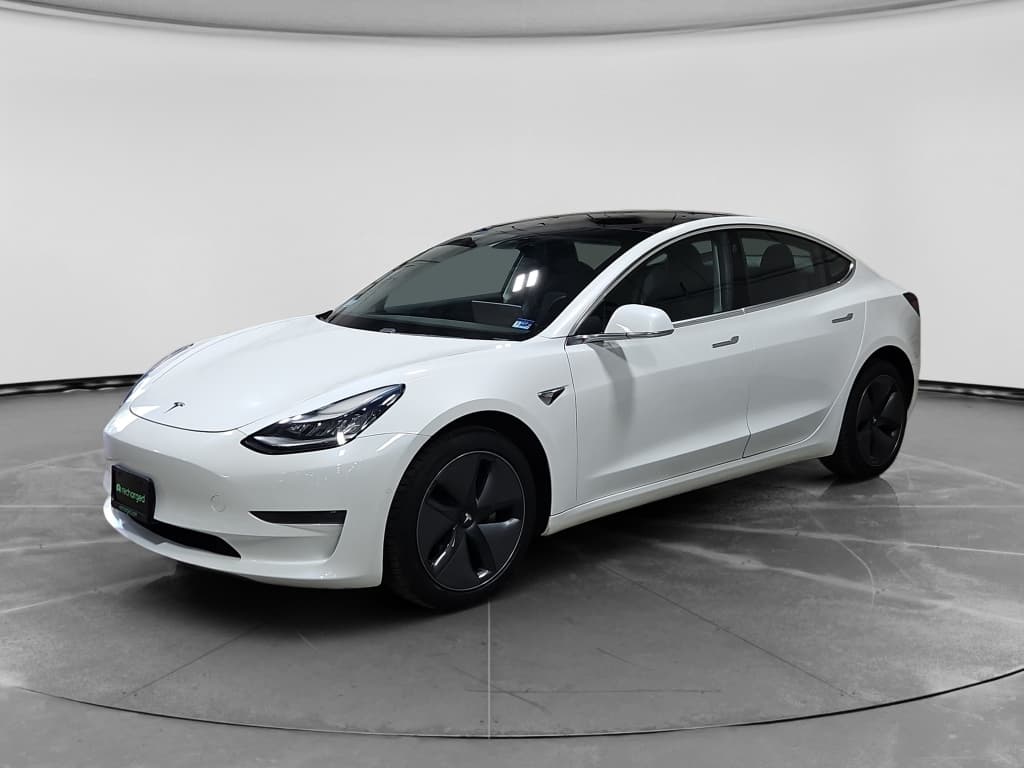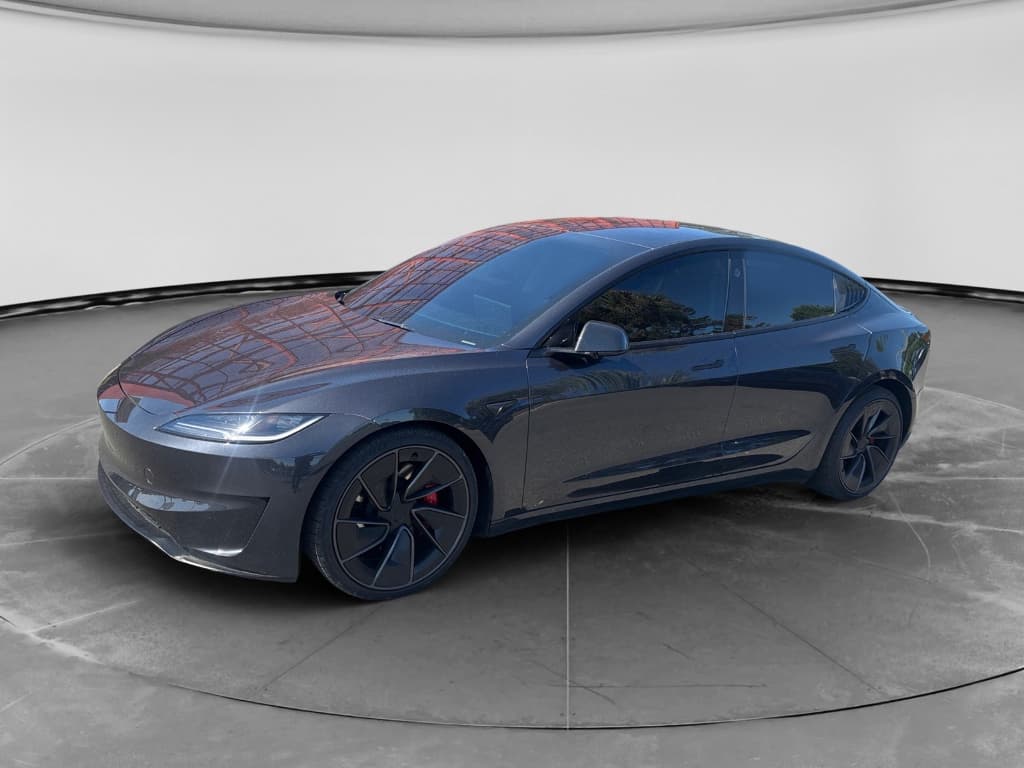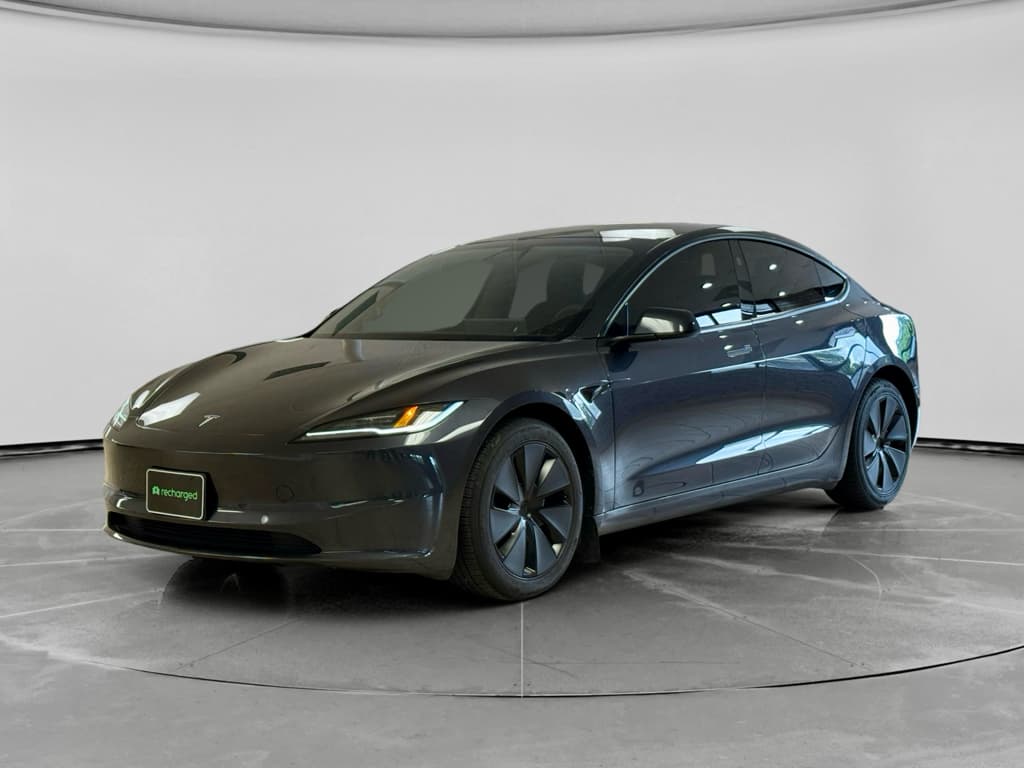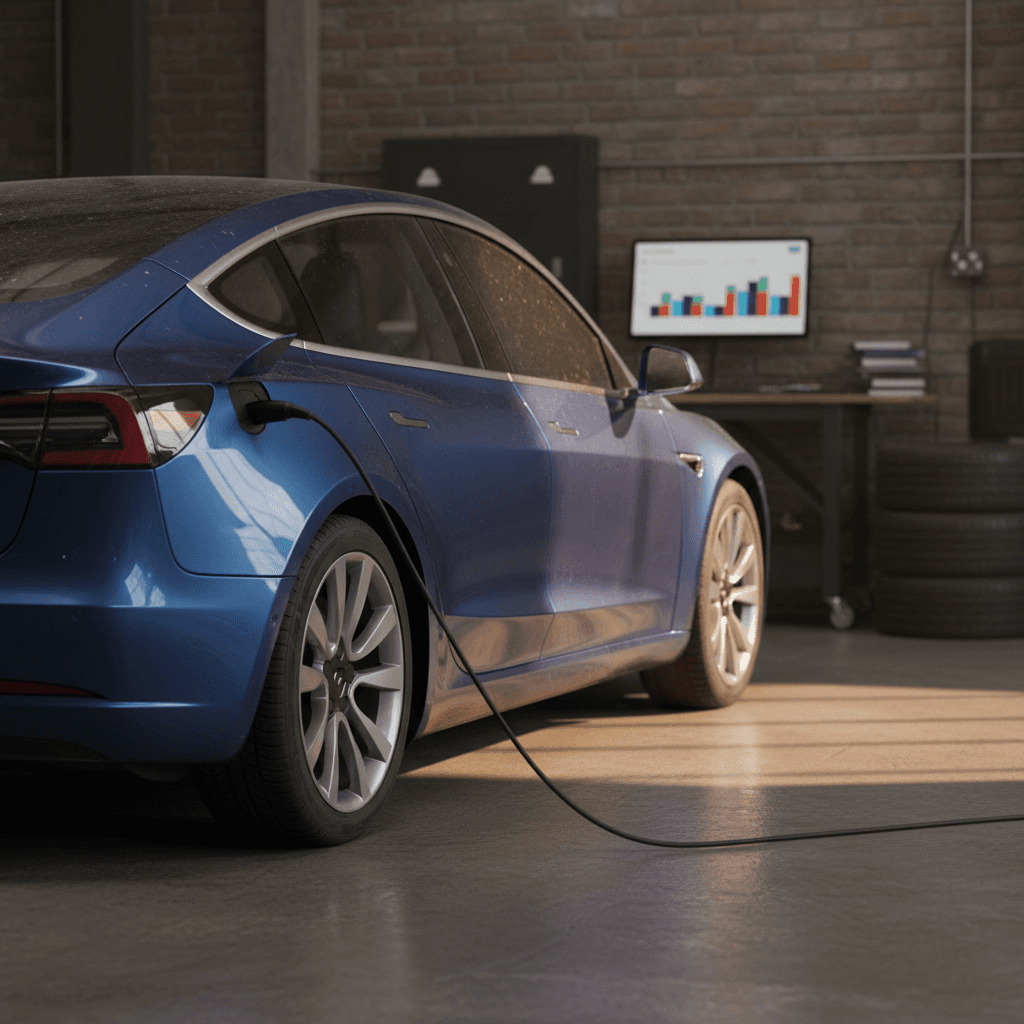
If you’re shopping for a compact electric sedan, the 2025 Tesla Model 3 is probably on your short list, and for good reason. The latest Model 3 takes the big “Highland” refresh updates (quieter cabin, nicer interior, revised styling) and pairs them with more range and a sharpened Performance variant, keeping it the benchmark for everyday EVs.
Quick take
2025 Tesla Model 3 overview
2025 Tesla Model 3 headline numbers
For 2025, Tesla streamlines the Model 3 lineup around its higher‑range configurations and the hot‑rod Performance. The reshaped front end, updated lighting, and improved aero are carried over from the Highland refresh, along with a quieter, more upscale interior and additional sound insulation. Under the skin, you’re still getting a highly efficient EV on Tesla’s well‑developed platform, plus native access to the Supercharger network through the NACS connector.
Tip for shoppers
2025 Tesla Model 3 trims, specs, and pricing
Exact pricing moves around with Tesla’s frequent adjustments, but most buyers will encounter three core 2025 Model 3 variants in the U.S.: a Long Range rear‑wheel drive, a Long Range dual‑motor all‑wheel drive, and the dual‑motor Performance. Here’s how they break down conceptually:
2025 Tesla Model 3 trims at a glance
Approximate configuration of the 2025 Model 3 lineup. Always verify live pricing and specs in Tesla’s configurator before ordering.
| Trim | Drivetrain | Est. Range (mi) | 0–60 mph | Approx. MSRP* |
|---|---|---|---|---|
| Long Range RWD | Single motor RWD | Up to ~363 | ~5.0 s | From low $40,000s |
| Long Range AWD | Dual‑motor AWD | Mid‑340s | Low‑4s | Mid‑$40,000s |
| Performance AWD | Dual‑motor AWD | Low‑300s (~303) | 2.9 s | Mid‑$50,000s |
Specs and pricing can change; use this as a directional guide, not a price sheet.
Specs can shift
The Performance model gets the most hardware differentiation: a more powerful rear motor bringing output to roughly 510 hp, stickier tires, more aggressive suspension tuning, and access to a full suite of Track Mode settings that let you adjust front–rear torque split, stability control thresholds, and cooling strategies for serious lapping days.
Real-world range and efficiency
On paper, the 2025 Tesla Model 3 is one of the most efficient EVs you can buy, and range has crept up versus earlier years. Long Range variants can now stretch to an estimated up to about 363 miles in rear‑drive form under ideal test conditions, with dual‑motor versions landing a bit lower due to the extra traction hardware. The Performance trim sacrifices some range for acceleration and grippier tires, dropping into the low‑300‑mile neighborhood.
- In mixed suburban driving, most owners can expect something like 3.4–4.0 mi/kWh if they’re not driving aggressively.
- At steady 70–75 mph highway speeds, realistic usable range is often 70–80% of the EPA number, depending on temperature and wind.
- Cold weather can still take a big bite, planning for a 25–35% winter hit in harsh climates is wise.
- Heat pump HVAC and improved thermal management help the 2025 car hold range better than early Model 3s.
Range optimization basics
Driving impressions: comfort, handling, and performance
The 2025 Model 3 still feels distinctively Tesla on the road: immediate torque, strong regenerative braking, and a playful rear‑drive character on single‑motor cars. The big story since the refresh is how much more mature and refined it feels without losing that responsiveness.
Ride and comfort
- Extra sound insulation, double‑pane glass, and revised suspension tuning make the 2025 car noticeably quieter and more compliant than early Model 3s.
- On standard wheels, the ride is firmly controlled but no longer harsh or buzzy over broken pavement.
- Seats are reshaped and better padded, with available ventilation up front to take the edge off long drives.
If you hated the "cheap and loud" feel of the first‑wave Model 3, the 2025 update is worth a second look.
Handling and performance
- Rear‑drive versions feel light and eager, with quick steering and predictable rotation when you lean on the throttle.
- Dual‑motor Long Range adds effortless all‑weather traction and sports‑sedan pace in everyday use.
- The 2025 Model 3 Performance is properly quick: ~2.9 seconds 0–60 mph on a prepared surface, strong mid‑range shove, and impressive track‑mode capabilities.
Steering feel remains more digital than analog, but the car’s responses are clean and confidence‑inspiring once you adapt.
Performance heat management
Interior, comfort, and tech upgrades
Inside, the 2025 Tesla Model 3 is a clear step up from the original car. The controversial wood trim is gone, replaced by a fabric‑wrapped dashboard with a continuous ambient light strip. Soft‑touch materials have crept onto more surfaces, seats are more supportive, and Tesla has tackled two of the biggest complaints: noise and perceived cheapness.
Key 2025 Model 3 interior highlights
What’s changed versus early Model 3s
Upscaled materials
Soft‑touch fabrics, tighter panel fit, and a more cohesive design make the cabin feel closer to a premium compact than an eco‑experiment.
Ventilated front seats
Perforated, heated and available ventilated front seats improve long‑distance comfort in both hot and cold climates.
Ambient lighting
An RGB light strip spans the dash and doors, with adjustable colors that subtly change the cabin’s mood at night.
The tech story is familiar but still strong: a large central touchscreen running Tesla’s custom interface, snappy navigation with EV‑aware routing, built‑in streaming apps, and over‑the‑air software updates that can change everything from range estimates to suspension tuning on Performance cars. You still don’t get a traditional instrument cluster or head‑up display; speed and key info live at the top left of the center screen, which some drivers love and others never quite accept.
Interface trade‑offs
Charging, Superchargers, and road-trip usability
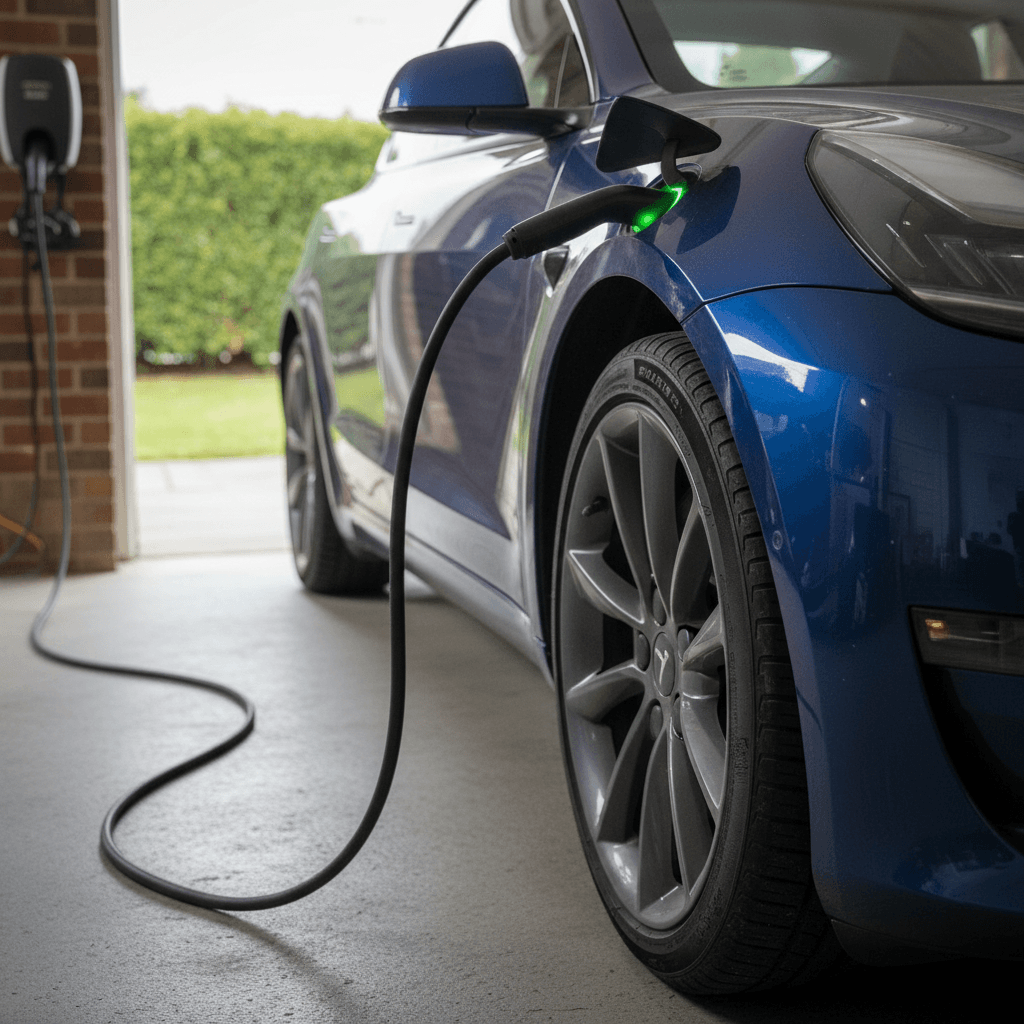
Every 2025 Tesla Model 3 sold in North America uses the North American Charging Standard (NACS) port, which is native to the massive Tesla Supercharger network and increasingly supported by other automakers. That means you can plug into Tesla’s DC fast chargers without an adapter and into Level 2 public stations using a simple J1772 adapter when needed.
- DC fast‑charging peak rates typically land in the 170–250 kW region depending on trim and conditions.
- A well‑conditioned battery on a compatible Supercharger can add roughly 150–175 miles in about 15 minutes when starting from a low state of charge.
- Tesla’s trip planner will pre‑condition the pack on the way to a Supercharger to improve charging speeds.
- The on‑screen route planner is still one of the best in the business for automatically factoring in charging stops.
Home charging and adapters
Safety, Autopilot, and driver assistance
The 2025 Model 3 continues Tesla’s safety story: strong crash protection, a low center of gravity thanks to the floor‑mounted battery, and a full suite of active safety features. Automatic emergency braking, lane‑keeping assistance, and adaptive cruise control are all part of the package, with higher‑level autonomy features sold as software add‑ons.
Understanding Tesla’s driver-assist options
What you actually get when you check those boxes
Autopilot
Standard system bundles adaptive cruise and lane‑keeping. You must keep your hands on the wheel and eyes on the road.
Enhanced Autopilot (option)
Adds automatic lane changes and basic highway navigation, useful for frequent freeway drivers.
Full Self‑Driving (Supervised)
Tesla’s most advanced software. Despite the name, it still requires constant driver supervision and doesn’t make the car autonomous.
Don’t confuse assistance with autonomy
How the 2025 Model 3 compares to rivals
The compact EV sedan space has gotten more crowded, but the 2025 Model 3 still sets the template. Where competitors often beat it is in interior warmth and dealership‑style support; where they struggle is efficiency, charging experience, and software polish.
2025 Model 3 vs key electric sedan rivals
High‑level comparison of the 2025 Model 3 against other popular EV sedans.
| Model | Max Range (est.) | 0–60 mph (quickest trim) | Charging Network Experience | Interior/Refinement |
|---|---|---|---|---|
| Tesla Model 3 (2025) | Up to ~363 mi | 2.9 s (Performance) | Excellent on Superchargers; growing NACS support elsewhere | Much improved; still minimalist |
| Hyundai Ioniq 6 | 300+ mi | ~5.1 s | Good CCS support; strong 800V fast‑charge tech | Stylish, more traditional controls |
| BMW i4 | ~300 mi | Low‑4s | CCS network; great long‑distance comfort | Refined, premium, heavier feel |
| Polestar 2 | ~320 mi | Low‑4s | CCS with Google‑based infotainment | Scandinavian, design‑forward cabin |
Exact numbers vary by trim; focus on directional strengths and weaknesses rather than hard specs.
Where the Model 3 still leads
Ownership costs, incentives, and resale value
Total ownership cost is where the 2025 Tesla Model 3 can quietly shine. Electricity is typically cheaper per mile than gasoline, routine maintenance is lighter than a comparable ICE sedan, and tires are your biggest recurring expense if you drive hard or choose the largest wheels. Federal and state incentives can sweeten the deal further, depending on how the evolving EV tax credit rules apply to your specific configuration and income.
Key cost factors to consider
Energy costs vs. gas
Figure your local electricity rate and whether you have access to cheaper off‑peak pricing. Many owners see fuel‑equivalent savings of hundreds of dollars per year versus a similar gas sedan.
Home charging install
Budget for a 240V outlet or wall connector if you don’t already have one. Installation cost can range from simple to significant depending on your electrical panel and distance to your parking spot.
Tires and wheels
Performance and larger‑wheel trims look and handle better but chew through more expensive rubber. Conservative wheel choices usually lower long‑term running costs.
Insurance and repairs
Insurance can run higher than average, and Tesla’s vertically integrated service model isn’t as dense as traditional dealer networks. Factor in convenience as well as price.
Resale value
Historically, Model 3 resale has been strong for an EV, but used prices are sensitive to new‑car price cuts and software feature changes. A documented service and charging history helps preserve value.
Buying a 2025 Tesla Model 3 used
Because Tesla updates continuously, a lightly used 2025 Model 3 can be a sweet spot: you get the refreshed styling and interior, modern range and charging hardware, and a substantial upfront discount compared with ordering new, especially once incentives and depreciation settle in.
How Recharged helps with used Model 3s
Used 2025 Model 3 checklist
1. Verify battery health
Look beyond the odometer. A proper battery diagnostic gives you a clearer picture of remaining capacity than rough "percentage of original range" guesses.
2. Confirm fast‑charging behavior
Ask for real‑world Supercharging logs or a third‑party test. Consistent peak rates and normal tapering are good signs; unusual throttling may point to past abuse or thermal issues.
3. Inspect tires and brakes
Aggressive driving or track use (especially on Performance cars) can leave a big bill for rubber and rotors. Uneven tire wear can also hint at alignment or suspension problems.
4. Check panel fit and interior wear
Build quality has improved, but panel alignment and trim fit are still worth a careful once‑over. Inside, look for squeaks, rattles, and worn seat bolsters.
5. Confirm software and options
Features like Enhanced Autopilot or Full Self‑Driving (Supervised) are tied to the VIN. Verify which options are actually active on the car today, not just what the original window sticker listed.
6. Review warranty coverage
Tesla’s battery and drive‑unit warranty typically extends 8 years/120,000 miles on Long Range cars. Check the in‑service date to see how much coverage remains.
2025 Tesla Model 3 review: FAQ
Frequently asked questions about the 2025 Tesla Model 3
Bottom line: Who is the 2025 Model 3 best for?
The 2025 Tesla Model 3 isn’t the only compelling electric sedan anymore, but it still feels like the reference point everyone else is chasing. If you value long range, easy fast‑charging, quick acceleration, and a clean, tech‑forward cabin, it’s hard to ignore. The trade‑offs, minimalist controls, a still‑evolving driver‑assist story, and Tesla’s unique approach to service, are real but manageable for many buyers.
If you’re leaning toward new, think carefully about which trim matches your driving: the Long Range RWD for maximum efficiency, Long Range AWD for all‑weather confidence, or Performance if you want a compact EV that can embarrass sports cars. If you’re open to used, a 2025 Model 3 with a strong battery‑health report can unlock even better value. In either case, taking the time to understand the car’s strengths and quirks, and using tools like the Recharged Score Report when shopping used, will help you enjoy what the Model 3 does best: making electric daily driving feel normal, and occasionally, a little bit thrilling.