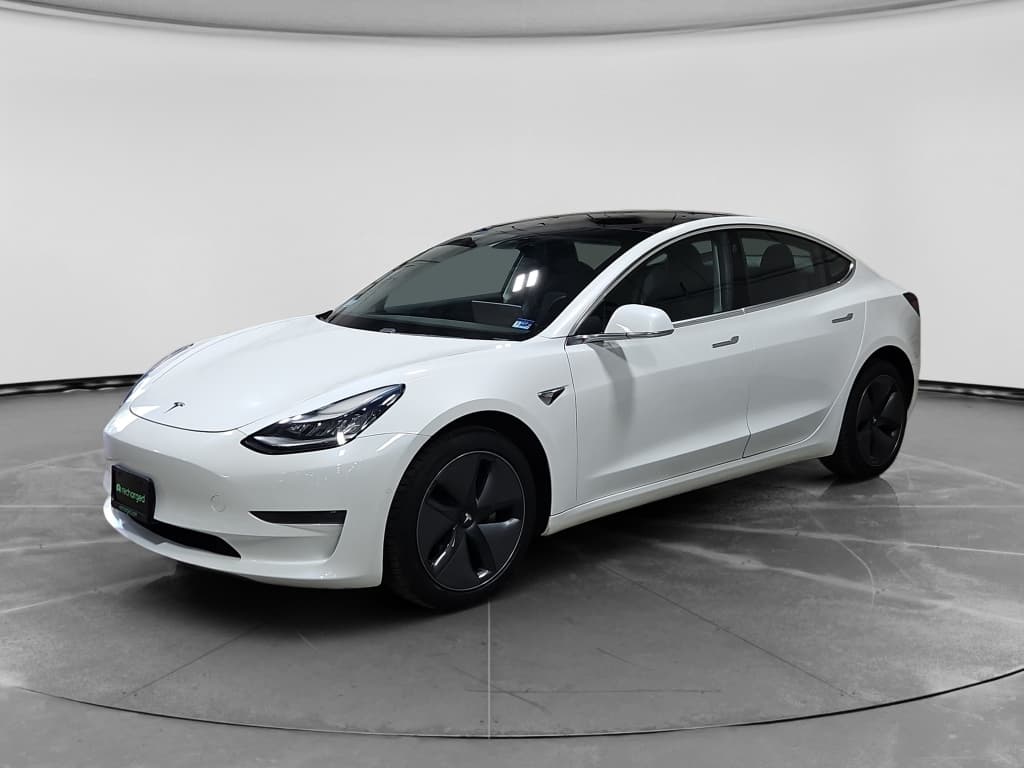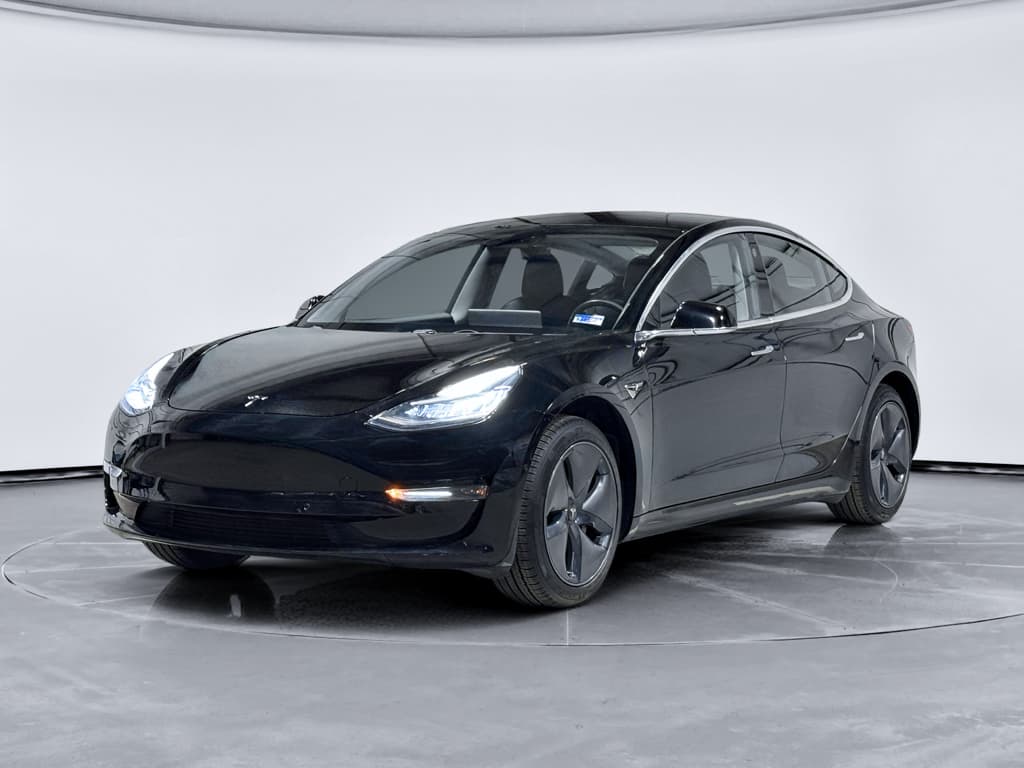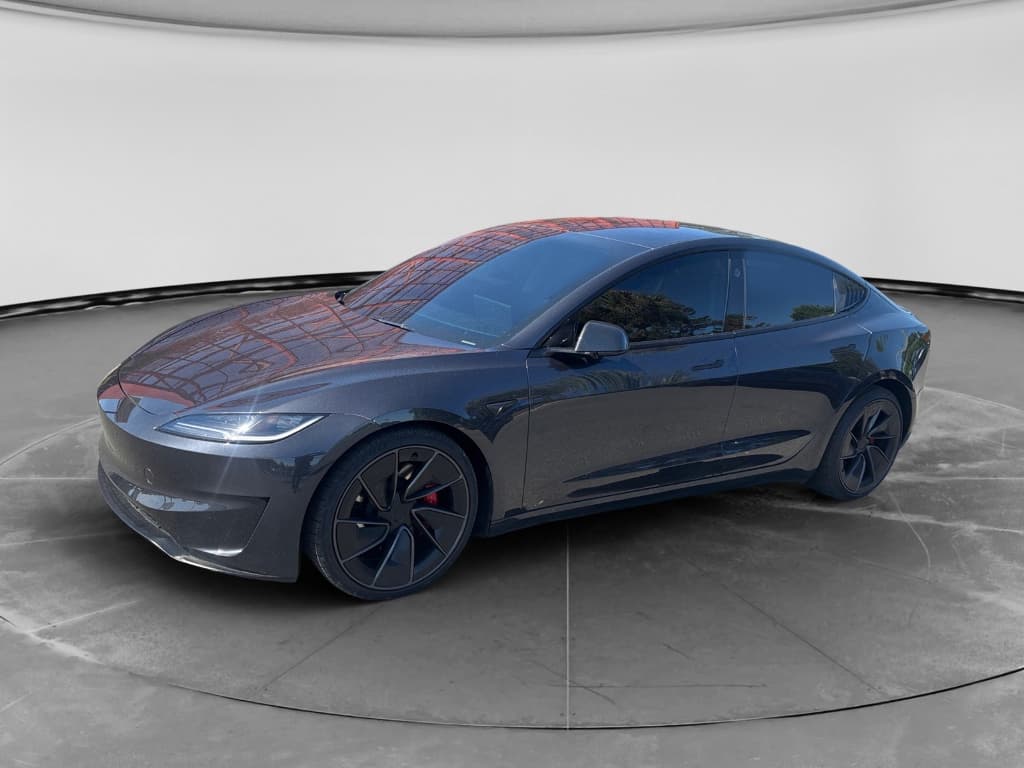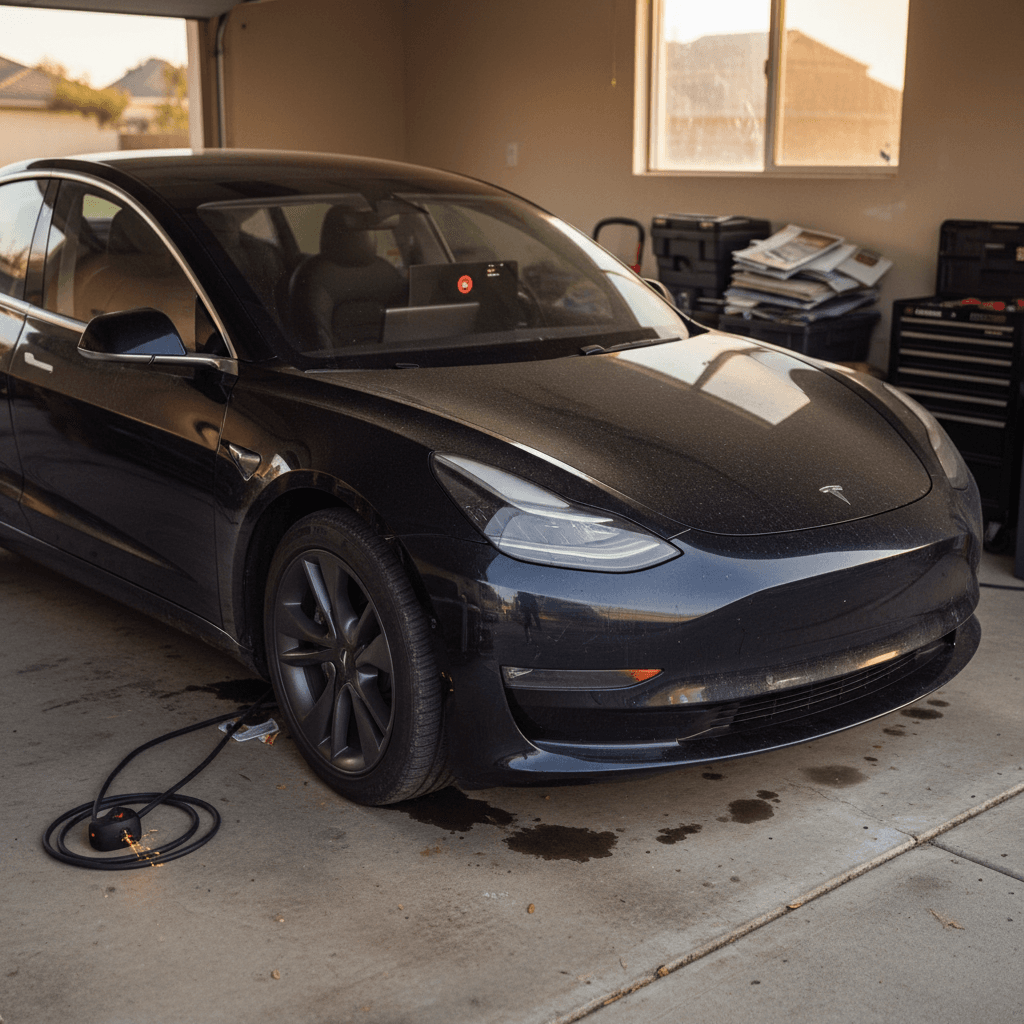
If you’re eyeing a 2025 Tesla Model 3, you’ve probably heard the stories: steering glitches, rattles in a brand‑new car, water finding its way into the cabin. The refreshed “Highland” Model 3 is one of the most compelling EVs you can buy, but you’re smart to ask about 2025 Tesla Model 3 problems before you sign anything, especially on a used one.
Quick take
Why people are worried about 2025 Model 3 problems
The 2025 Model 3 is essentially the second year of the major Highland refresh that began in 2023–2024. That refresh brought a smoother ride, quieter cabin, updated interior, and the controversial removal of traditional stalks. It also brought a new round of growing pains: owners have reported vibration, steering noises, trim issues, and more on early Highland cars.
On top of that, Tesla’s long‑running reputation for hit‑or‑miss build quality hasn’t disappeared overnight. And as with every modern Tesla, a big slice of the ownership experience depends on software, which means over‑the‑air fixes are common, but so are software‑triggered problems and recalls.
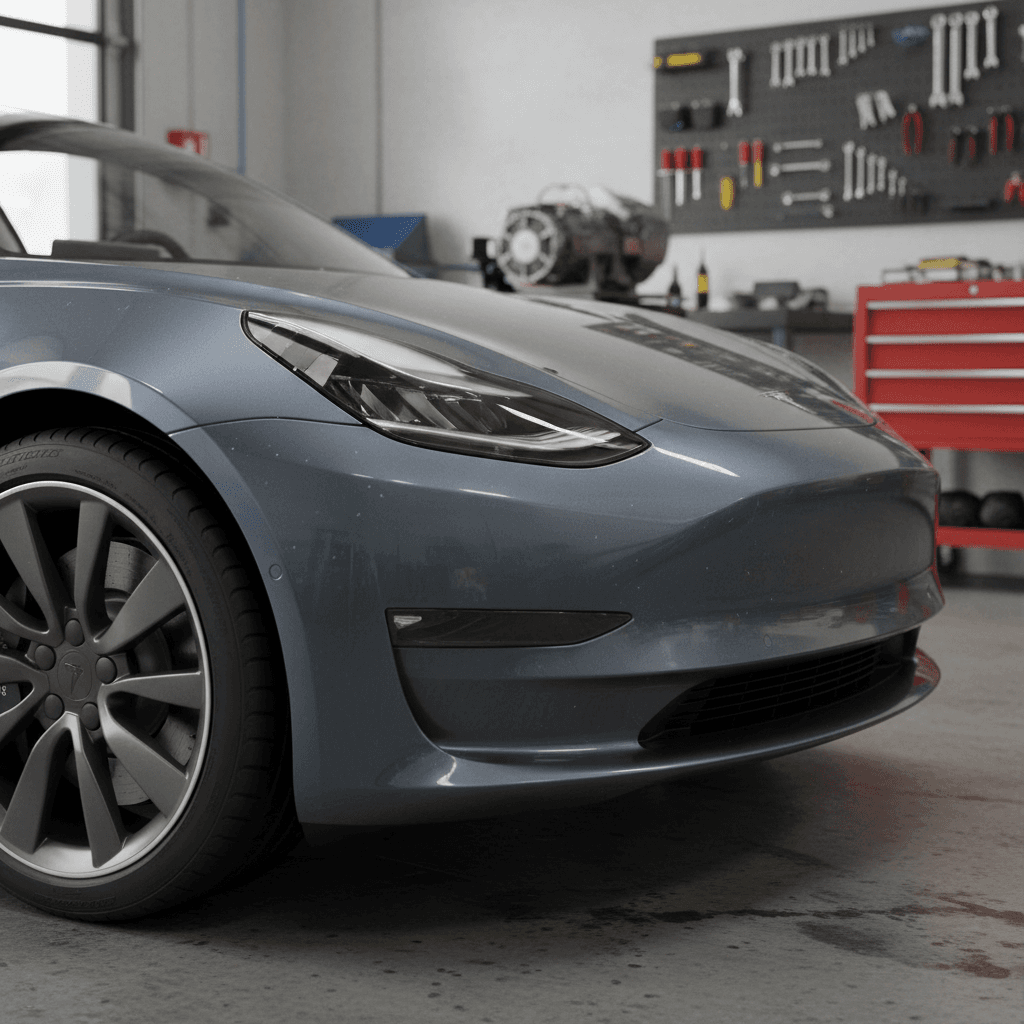
Big picture: 2025 Tesla Model 3 reliability so far
What early 2025 Model 3 data says
Here’s the paradox: formal reliability ratings paint the Model 3 as less reliable than the average new car, yet most owners absolutely love theirs and report few serious issues. Much of the trouble shows up in what survey organizations call “body hardware” and “in‑car electronics”: things that squeak, rattle, misalign, or glitch, rather than major battery or motor failures.
For 2025 specifically, data is still young. So far, the patterns look similar to earlier Model 3s and 2024 Highland cars: excellent drivetrain durability, some suspension and steering questions, and a frustrating number of minor defects that can sour the shine on a brand‑new EV, especially if your car spends weeks back at the service center.
Most common 2025 Model 3 problems reported so far
Core 2025 Model 3 problem areas
Based on early owner reports and continuity with 2024 Highland issues
1. Steering & vibration
Some 2025 Model 3 owners report:
- High‑speed vibration (often 70+ mph)
- Steering‑wheel shake on braking
- Light steering feel and occasional noises
Sometimes this traces to wheel balance or tires; other times it points to alignment or suspension components.
2. Water leaks & condensation
A handful of Highland‑era owners describe:
- Water drops at door seals in heavy rain
- Condensation or visible droplets inside headlights
- Moisture around trunk/weatherstripping
Most are slow leaks, not flooded‑car disasters, but they can be stubborn to fix.
3. Interior rattles & trim
Rattling headliners, buzzing door panels, and intermittent ambient lighting glitches were common complaints on early Highland cars and continue into 2025.
They rarely strand you, but they’re maddening in an otherwise quiet EV.
More subtle 2025 Model 3 problem themes
Things you might not notice on a short test drive
4. Software quirks
Tesla’s strength is also its headache. Owners report:
- Occasional frozen or laggy center screen
- Glitchy phone‑as‑key behavior
- Driver‑assist features that change after an update
Most of this is fixable, but you live at the mercy of updates.
5. Fit, finish & alignment
Panel gaps, misaligned doors, and trunk fit continue to pop up on some 2025 cars.
Tesla service can usually adjust these, but you don’t want to discover them after you buy a used car sight‑unseen.
6. New controls learning curve
The stalk‑less steering wheel with touch turn‑signals isn’t a defect, but it is a usability complaint. Some drivers report phantom presses or missed inputs, especially early in ownership.
Remember: each car is its own story
Software and recall issues on 2025 Model 3
If you follow Tesla at all, you know recalls are often software‑only. That’s both good and bad news. It’s good because fixes can arrive over the air while your car sits in the driveway. It’s bad because safety‑critical systems, steering, braking, driver‑assist, are heavily software‑dependent, and bugs do slip through.
Recent Tesla Model 3 recall themes that can touch 2025 cars
Campaigns change over time; always run a VIN check before you buy.
| System | Typical problem | How it’s fixed | What to confirm on a used 2025 |
|---|---|---|---|
| Steering assist | Software running the power‑assisted steering can overstress components and cause a sudden loss of assist. | Over‑the‑air update; in rare cases, hardware replacement. | Verify recall completion and test for odd steering effort, noises, or warnings. |
| Tire pressure monitoring (TPMS) | Warning light may not stay illuminated with low tire pressure, violating safety standards. | Over‑the‑air software update. | Confirm there are no persistent TPMS warnings and the system wakes up properly on a test drive. |
| Autopilot / driver‑assist | Ongoing federal investigations and multiple campaigns to better keep drivers engaged and within system limits. | Software updates that change behavior and warnings. | Drive the car yourself; make sure you’re comfortable with how driver‑assist behaves after the latest updates. |
Most Tesla recalls are remedied by a free software update, but they still matter when you’re judging how a car has been cared for.
How to check recall status
Battery, range, and charging concerns
Here’s the surprising bright spot: battery and motor failures are still relatively rare in the Model 3 lineup, including 2025 cars. The horror‑story threads exist, but statistically the powertrain is one of the car’s more robust systems.
- Early degradation fears vs. reality: Most owners report modest range loss in the first couple of years, then a slower decline. Driving style, fast‑charging habits, and climate matter more than model year.
- DC fast‑charging and heat: Repeated back‑to‑back fast‑charging sessions can generate heat and trigger thermal limits. The 2025 Performance model, for instance, can hit reduced‑power modes quickly at the track when pushed hard.
- Real‑world range: The EPA stickers are optimistic. Highway speeds, cold weather, and 20‑inch wheels can easily shave 20–30% off the window‑sticker number.
- Home charging quirks: Some owners see occasional charge‑port latch errors or finicky communication with certain third‑party home chargers, usually solved with software updates or a new wall connector.
Battery‑health pro tip
Suspension, tires, and brakes: what to watch for
Outside the U.S., inspection data has called out suspension wear and underbody components as weak spots on some Model 3s as they age. Add in the instant torque and heavy curb weight of an EV, and you get a car that’s tough on tires and bushings if it’s been driven hard or lives on rough roads.
Vibration & alignment
- High‑speed steering‑wheel vibration is usually wheel balance or tire‑related, but not always.
- Chronic vibration, especially in a nearly new 2025 car, can point to alignment issues, bent wheels, or suspension wear.
- Ask specifically about any previous repairs for vibration or pulling; repeat visits can hint at deeper problems.
Brakes & regen feel
- Because Teslas rely heavily on regenerative braking, mechanical brakes can develop uneven wear or surface rust if the car sits.
- A pulsing pedal or shudder when braking on a test drive is a sign you’ll need to address rotors or suspension, even on a 2025 car.
- Listen for clunks over sharp bumps, another clue that suspension bushings or links are unhappy.
Don’t ignore steering or brake weirdness
How bad are 2025 Model 3 problems vs. other EVs?
This is where context matters. Against a solid gas sedan from Honda or Toyota, the Model 3 still looks less reliable on paper. Against many other EVs, it’s more of a mixed picture: some rivals have better inspection stats and fewer build complaints, while others struggle with their own first‑generation gremlins.
2025 Model 3: strengths and weaknesses in reliability terms
Strength: Proven powertrain
Years of production mean Tesla has ironed out most catastrophic motor and battery failures. Drivetrain issues on 2025 cars are the exception, not the norm.
Weakness: Fit and finish variation
Panel gaps, trim misalignment, and interior noises are still too common for a car at this price. You have to treat each car as a one‑off.
Strength: Over‑the‑air repairs
Many recalls and bugs are fixed without a dealer visit. That’s a major perk over legacy brands, if you’re comfortable with frequent software changes.
Weakness: Suspension and wear items
Heavier EV weight plus punchy performance means tires, bushings, and sometimes suspension joints can age faster than you might expect.
Strength: Owner satisfaction
Even with these issues, owner‑reported satisfaction and recommendation rates for the 2025 Model 3 are high. When you get a good one, people love it.
Shopping used 2025 Model 3? Red-flags checklist
If you’re hunting for a used 2025 Tesla Model 3, you’re in the sweet spot for depreciation: new‑car bugs are surfacing, but prices are already easing. The flip side is you need to be ruthless about filtering out problem cars. Use this checklist as you evaluate each candidate.
Used 2025 Tesla Model 3 red‑flags checklist
1. Long or repeated service-center stays
Ask for service records. Multiple long stays in the first year for vibration, leaks, or electrical gremlins can mean the car is a “problem child” that never quite gets fixed.
2. Evidence of water leaks
Inspect door seals, footwells, and trunk for moisture stains, musty smells, or fresh silicone around gaskets. Check headlights for <strong>persistent</strong> condensation or visible droplets.
3. Noisy or loose interior
On a test drive, turn the audio off and listen. Rattles from the headliner, rear shelf, or doors on good pavement suggest somebody rushed the assembly line, and you’ll own the squeaks.
4. Steering or brake oddities
Any pull, vibration, clunk, or inconsistent brake feel is a hard no until a trusted shop inspects it on a lift. With a 2025 car, there’s no excuse for sloppy steering feel that isn’t intentional.
5. Open recalls or skipped updates
Run a VIN check and confirm the seller has kept up with Tesla’s software updates. A car that’s overdue on safety campaigns is probably overdue on everything else.
6. Incomplete charging history
Ideally, you want some idea of how the car has been charged, mostly home Level 2, or fast‑charged multiple times a day? Abusive fast‑charging habits can accelerate battery aging, even on newer cars.
How Recharged evaluates used Model 3s
Shopping for a used Tesla from your couch is convenient; discovering vibration, leaks, or a tired battery after it arrives is not. This is exactly the gap Recharged was built to close.
What happens before a used Model 3 lands on Recharged
Behind the scenes checks that matter more on a car with known quirks
Battery & charging diagnostics
Every Tesla we list gets a Recharged Score Report with:
- Measured battery health, not just guesswork from the dash
- Charging‑system checks at Level 2 and DC fast‑charge speeds
- Error‑code scans for thermal or charging faults
Mechanical & road-test inspection
Our EV‑specialist partners road‑test each Model 3 for:
- High‑speed stability and vibration
- Brake feel and noise
- Suspension clunks, steering effort, and wheel alignment clues
Cars that don’t drive right don’t make the cut.
Body, seals & software review
We scrutinize:
- Panel alignment, paint, and glass
- Door, trunk, and window seals for leak risk
- Open recalls and software version history
You see the results in plain language before you commit.
Ready to find your next EV?
Browse VehiclesShop 2025 Model 3s with fewer surprises
FAQ: 2025 Tesla Model 3 problems
Frequently asked questions about 2025 Model 3 issues
Bottom line: should 2025 Model 3 problems scare you?
The 2025 Tesla Model 3 is not a fragile science experiment. It’s a mature EV with a strong powertrain, excellent performance, great range, and a die‑hard owner base. But it’s also not a bulletproof appliance. Build variation, minor leaks, rattles, and software drama are baked into the ownership experience more than they are with the best gas sedans or some rival EVs.
If you go in with clear eyes, pick your specific car carefully, and lean on real battery‑health data instead of dashboard optimism, a 2025 Model 3 can be a fantastic daily companion. And if you’d rather not play quality‑control roulette, shopping through a used‑EV specialist like Recharged, where every car carries a Recharged Score Report, fair‑market pricing, financing options, trade‑in support, and nationwide delivery, can turn all those scary forum threads into background noise instead of your future reality.