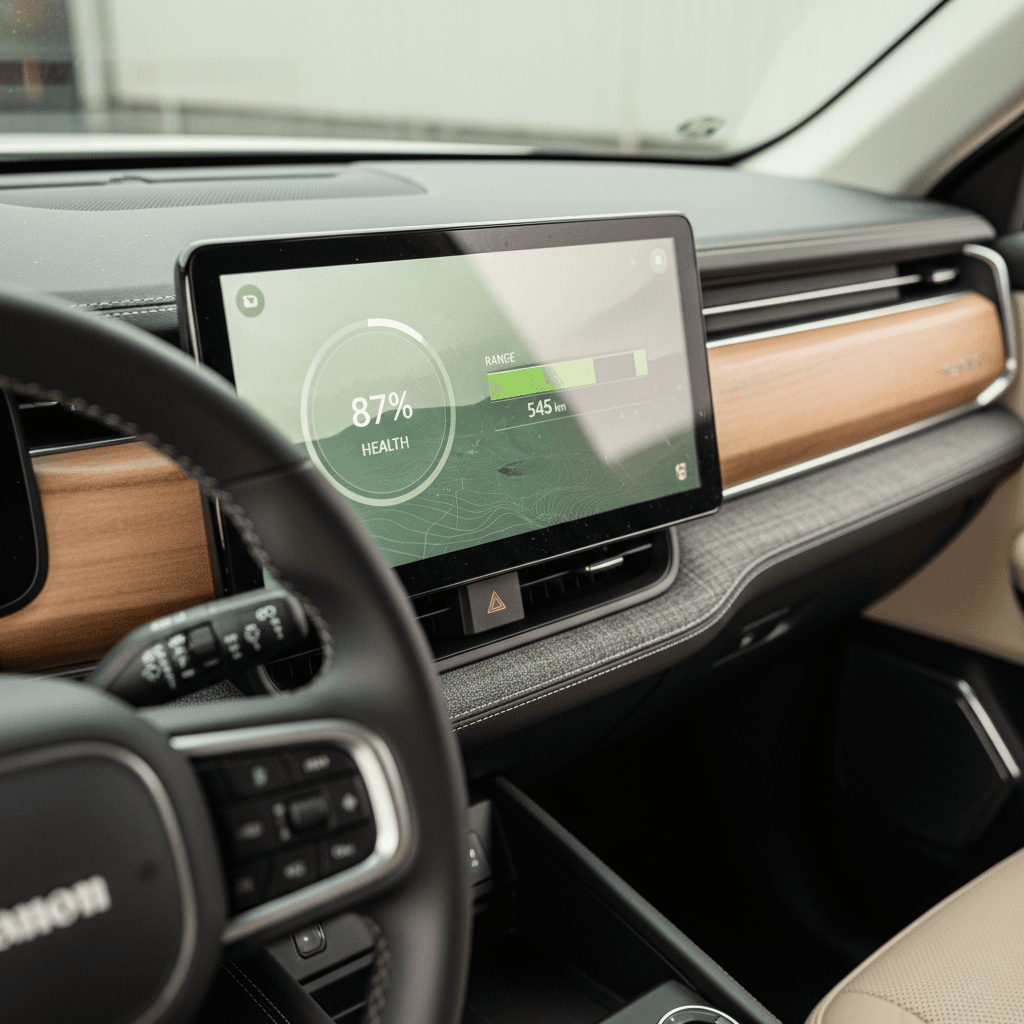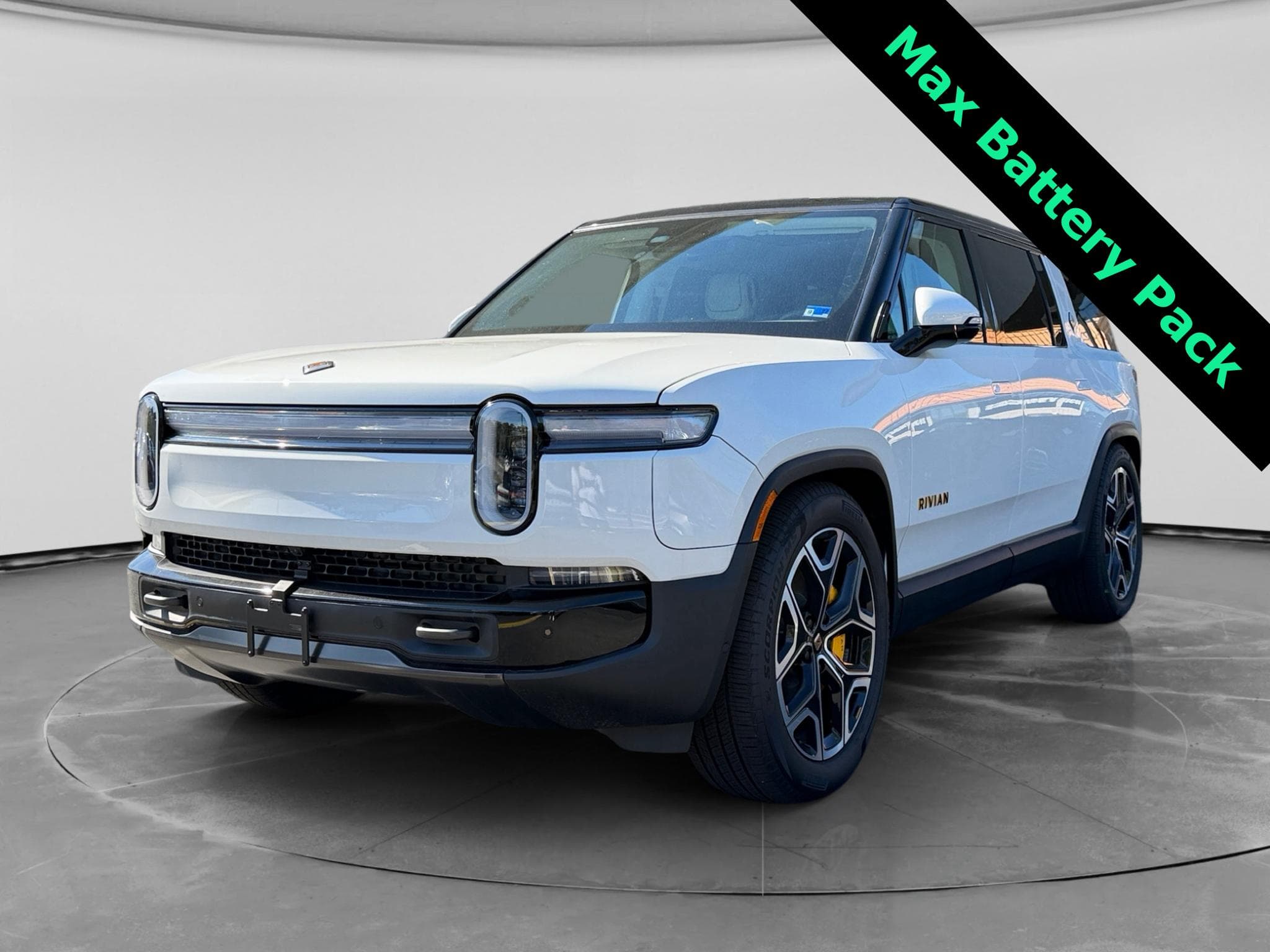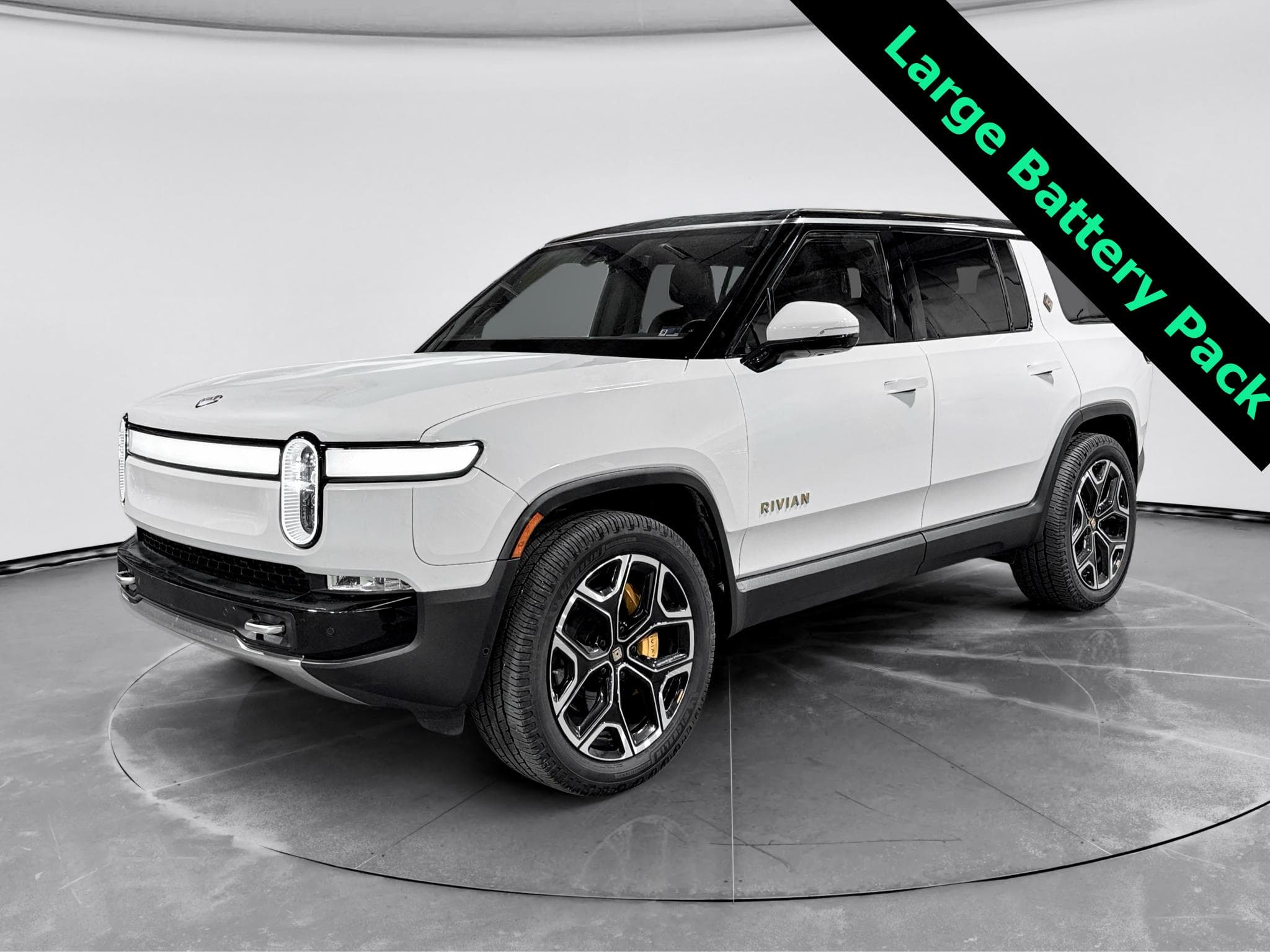
If you’re looking at a three‑row electric SUV, range is everything. The 2025 Rivian R1S promises up to 410 miles of EPA range on paper, but real‑world range tests tell a more nuanced story. This guide pulls together the latest data on 2025 Rivian R1S range tests, from EPA numbers to independent highway runs, so you know what to expect before you hit the road or start shopping.
Why the 2025 R1S matters for range
2025 Rivian R1S range overview
Key 2025 Rivian R1S range numbers
Rivian’s 2025 refresh did two big things for the R1S: it improved efficiency and reshuffled the battery lineup. The new Standard pack uses LFP chemistry and around 92.5 kWh of usable capacity, while the Large and Max packs keep nickel‑rich cells but shrink in size slightly compared with earlier years. Thanks to powertrain and software tweaks, Rivian still targets about 270 miles from the Standard pack and around 330 miles from the Large pack, while the Dual‑Motor Max tops out around 410 miles of EPA range.
Think in terms of "usable" range
EPA ratings vs. real‑world range tests
Every Rivian R1S is tested under the EPA’s multi‑cycle procedure, which mixes city and highway driving and assumes relatively mild temperatures. Those tests produce the window‑sticker range number that most shoppers see. Out on the road, especially at 70–75 mph, you won’t match that figure exactly, and you’re not supposed to. Highway‑only range tests are more demanding, and that’s where the 2025 R1S has been quietly impressive.
What the EPA numbers say
- Dual‑Motor Standard Pack: around 270 miles EPA range.
- Dual‑Motor Large Pack: roughly 330 miles EPA range with the revised 109.4‑kWh pack.
- Dual‑Motor Max Pack: about 410 miles EPA range, the headline number Rivian quotes.
- Tri‑ and Quad‑Motor models trade some range for big power.
Exact figures can vary by wheel size and tire choice; Rivian and the EPA list different ratings for 20‑, 21‑, and 22‑inch wheels.
What independent tests have found
- MotorTrend’s Dual‑Motor R1S Dual Max delivered about 341 miles of real‑world range at ~70 mph from roughly 95% charge to near empty.
- That’s about 83–85% of the EPA number, typical for a tall, heavy EV at steady interstate speeds.
- Earlier Gen‑1 Dual‑Motor Large Pack R1S tests often landed in the 280–320‑mile range at highway speeds, depending on tires and weather.
Treat EPA numbers as a ceiling for mixed driving; steady highway runs usually come in 10–20% lower.
Highway speed matters more than you think
Battery packs and configurations that change range
For 2025, Rivian simplified the lineup into three main battery packs, Standard, Large, and Max, paired with several motor configurations. The combination you choose has a huge impact on both EPA range and what you’ll see in your own tests.
2025 Rivian R1S battery packs & range estimates
Approximate EPA‑style range for major 2025 R1S configurations; exact numbers vary with wheels and options.
| Configuration | Usable battery | Motors | Approx. EPA range | Typical highway range @ 70 mph* |
|---|---|---|---|---|
| Dual Standard | ~92.5 kWh LFP | Dual‑Motor AWD | 270 mi | 215–230 mi |
| Dual Large | ~109.4 kWh | Dual‑Motor AWD | ~330 mi | 260–280 mi |
| Dual Large Performance | ~109.4 kWh | Dual‑Motor Performance | ~330 mi | 260–280 mi |
| Dual Max | ~141.5 kWh | Dual‑Motor AWD | ~410 mi | 320–350 mi |
| Tri‑Motor Max | ~141.5 kWh | Tri‑Motor Ascend | High‑300s (est.) | 300–330 mi |
| Quad‑Motor Max | ~141.5 kWh | Quad‑Motor Ascend | Low‑ to mid‑300s (est.) | 260–300 mi |
Use this as a directional guide when planning your own range tests or shopping for a used R1S.
About those estimates
Highway range test: what you can realistically expect
If you’re looking up “2025 Rivian R1S range test,” you’re probably picturing a simple question: how far can I go on the highway before I’m hunting for a charger? Let’s walk through a realistic highway test and what you’re likely to see in the real world, using the Dual‑Motor Max as the benchmark and the Dual‑Motor Large as the more common sweet spot.
- Start at ~90–100% state of charge, tires at the recommended pressures, climate control set around 70°F.
- Set cruise control to 70 mph on a mostly flat interstate route.
- Drive until the battery nears 5–10% state of charge, stopping only for traffic or short breaks.
- Record miles driven, average speed, outside temperature, and energy consumption shown on the trip computer (kWh/100 mi or mi/kWh).
In a scenario like that, most owners report about 80–90% of the EPA rating in calm conditions. That lines up well with independent tests. A Dual‑Motor Max that’s rated around 410 miles will typically turn in something like 330–350 miles of real‑world highway range. A Dual‑Motor Large rated around 330 miles will land closer to 260–280 miles at the same speeds.
Temperature sweet spot
City and mixed-driving range in the R1S
Here’s where the big Rivian can surprise you. That brick‑like shape is a penalty on the highway, but in town and on rolling secondary roads the R1S often does better than expected. Regenerative braking recovers energy every time you lift off the accelerator, and stop‑and‑go traffic isn’t as punishing as it is in a gasoline SUV.
How the R1S behaves in different driving
Same battery, different results depending on your daily routine
City & suburban driving
- Lots of chances for strong regen in one‑pedal drive.
- Speeds under 50 mph cut aerodynamic drag dramatically.
- Owners often see range close to, or even above, the EPA rating.
- Dual‑Motor Large can feel like a true 300‑mile SUV in everyday use.
Steady highway cruising
- Speeds above 65 mph push a lot of air out of the way.
- Less opportunity for regen; you’re mostly using power, not recapturing it.
- Expect 10–20% below EPA ratings at 70–75 mph.
- Wind, hills, and weather can swing that number further.
Good news for commuters
The biggest range killers on the R1S
Every EV has its kryptonite. For the 2025 R1S, the usual suspects are speed, tires, elevation, climate control, and towing. Understanding how much each one bites into your range will help you interpret any range test you see online, and plan your own trips with fewer surprises.
Top 5 real‑world R1S range killers
1. High cruising speeds
Jumping from 65 mph to 80 mph can easily cost you 15–25% of your range. If you’re trying to stretch to the next charger, slowing down is your most powerful tool.
2. Aggressive all‑terrain tires
The R1S is offered with chunky off‑road rubber that looks fantastic but adds rolling resistance. Swapping from 20‑inch all‑terrains to 21‑ or 22‑inch road‑biased tires can add tens of miles back to your highway range.
3. Big elevation changes
Long climbs chew through energy, especially when you’re pulling weight. You’ll earn some of it back on the way down through regen, but not all. Mountain passes are harder on range than flat plains.
4. Extreme heat or cold
Running the heater hard in sub‑freezing weather or blasting the A/C in triple‑digit heat draws noticeable power. Pre‑conditioning the cabin while plugged in can offset some of that hit.
5. Towing and roof loads
Hook up a trailer or add a big cargo box, and you’ve just stacked weight and drag. It’s not unusual to see range cut in half when towing with a large SUV like the R1S.
Don’t plan to the last mile
Range and charging time: how fast you get miles back
Range is only half of the road‑trip equation. The other half is how quickly you can put miles back in the pack. The 2025 R1S supports DC fast charging up to roughly 200–220 kW depending on battery, and Rivian’s own testing plus independent reviews suggest that the Dual‑Motor Max can add roughly 90–180 miles of highway range in a 15–30 minute stop when conditions are right.
- A 10–80% fast‑charge session on a Max Pack can take around 30–40 minutes, depending on temperature and charger capability.
- In that window, you’re likely to gain 200+ miles of mixed‑driving range, or 150–180 miles of honest highway range.
- Standard and Large packs charge slightly quicker in terms of minutes, but you’ll leave with fewer absolute miles in the battery.
- For 2025, Rivian also supports access to Tesla’s Supercharger network using an adapter, hugely expanding fast‑charge options on major corridors.

Plan stops by time, not just percent
Range tips for road trips in a Rivian R1S
The 2025 R1S is perfectly at home on a cross‑country run. With a little planning, you can match or beat the range you see in published tests. Here are some practical, experience‑driven tips to squeeze the most out of the battery on your next long drive.
Dialing in your R1S for maximum range
1. Use the built‑in trip planner
Rivian’s navigation can route you via fast chargers and estimate arrival state of charge. Treat it as a baseline, then build in a buffer if weather looks sketchy.
2. Precondition while plugged in
Warm or cool the cabin and battery before you leave, especially in winter. Doing this on grid power means you start your trip with a full pack instead of spending the first few miles heating or cooling everything up.
3. Set a realistic cruise speed
If you’re tight on range to the next charger, dropping from 77 to 68 mph can be the difference between a white‑knuckle arrival and a relaxed one. Watch the projected arrival state of charge and adjust accordingly.
4. Travel light and low
If you don’t need the roof box or the bike rack, leave it off. Extra weight and drag are enemies of range, especially at speed.
5. Watch the energy screen, not just the guess‑o‑meter
The R1S offers detailed energy graphs and average consumption readouts. Use those to see how hills, speeds, and wind are affecting your efficiency in real time.
6. Practice conservative charging the first few trips
Until you know how your R1S behaves, aim to arrive at chargers with 15–20% in hand. Once you’re familiar with your routes, you can trim those buffers if you like.
What range to expect when buying a used R1S
Range tests are especially important if you’re shopping for a used Rivian R1S. Battery technology is robust, but real‑world range depends on pack size, motor configuration, tire choice, software version, and how the SUV was used. Early R1S models used slightly larger Standard and Large packs; the 2025 refresh brought smaller but more efficient batteries. The good news: most well‑cared‑for packs show modest degradation, often on the order of just a few percentage points after several years.
Reading range results on a used R1S
How to make sense of someone else’s range claims
Look for consistent numbers
A single screenshot isn’t a full story. Ask for multiple highway runs or a detailed log, and look for consistency across temperatures and routes.
Check battery health reports
Tools like the Recharged Score can reveal verified battery health and estimated remaining capacity, instead of guessing from dash photos.
Match results to configuration
Confirm whether you’re looking at a Standard, Large, or Max Pack, and which wheels/tires it has. A Max Pack on all‑terrains behaves very differently than a Large pack on road tires.
At Recharged, every used EV we list, including Rivian R1S models, comes with a Recharged Score Report that includes battery diagnostics and fair market pricing. That gives you a grounded sense of how much real‑world range you can expect on day one, and how it compares to a brand‑new 2025 R1S.
How to do a quick test drive range check
2025 Rivian R1S range test FAQ
Frequently asked questions about 2025 R1S range
Bottom line: how far the 2025 R1S really goes
On paper, the 2025 Rivian R1S sits squarely at the sharp end of the EV‑SUV world, with an EPA‑rated 410‑mile Max Pack and solid numbers from the new Standard and Large batteries. In real‑world range tests, the story is more grounded but still impressive: think 330–350 miles of steady‑state highway range from a Dual‑Motor Max, and 260–280 miles from a Dual‑Motor Large in typical American interstate driving.
If you’re cross‑shopping or considering a used R1S, focus less on a single headline number and more on how, where, and at what speed you actually drive. Battery pack, tires, temperature, and charging access all matter more in practice than whatever’s printed on the window sticker. And if you’d rather skip the guesswork, shopping a used R1S through Recharged means you’ll see verified battery health and transparent pricing up front, so the range you’re counting on is the range you’ll really get.