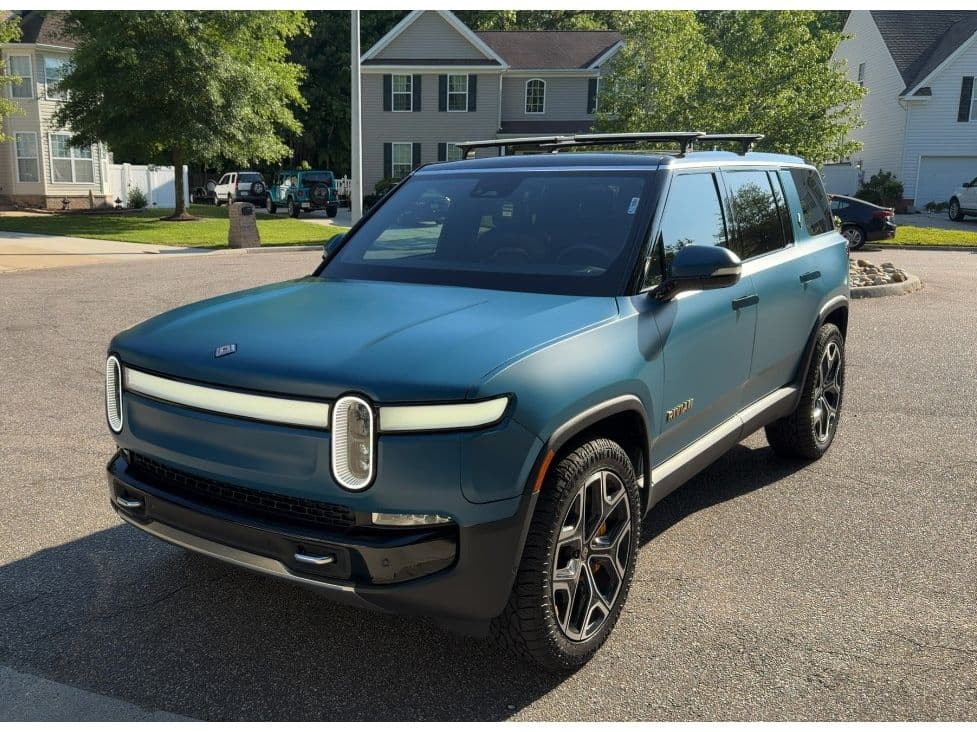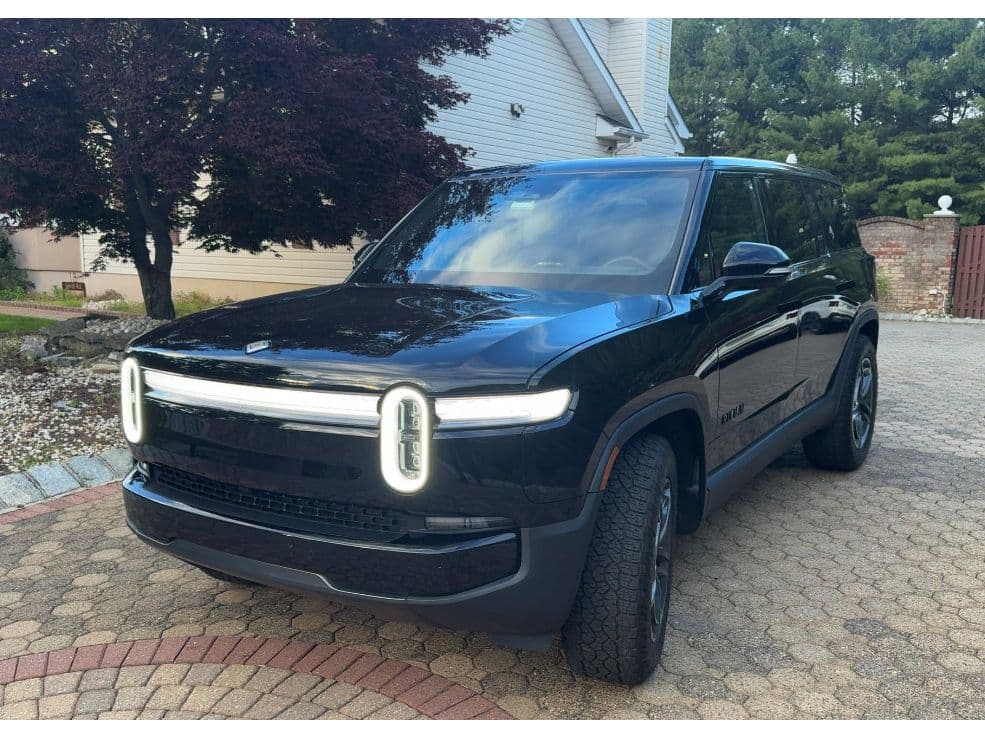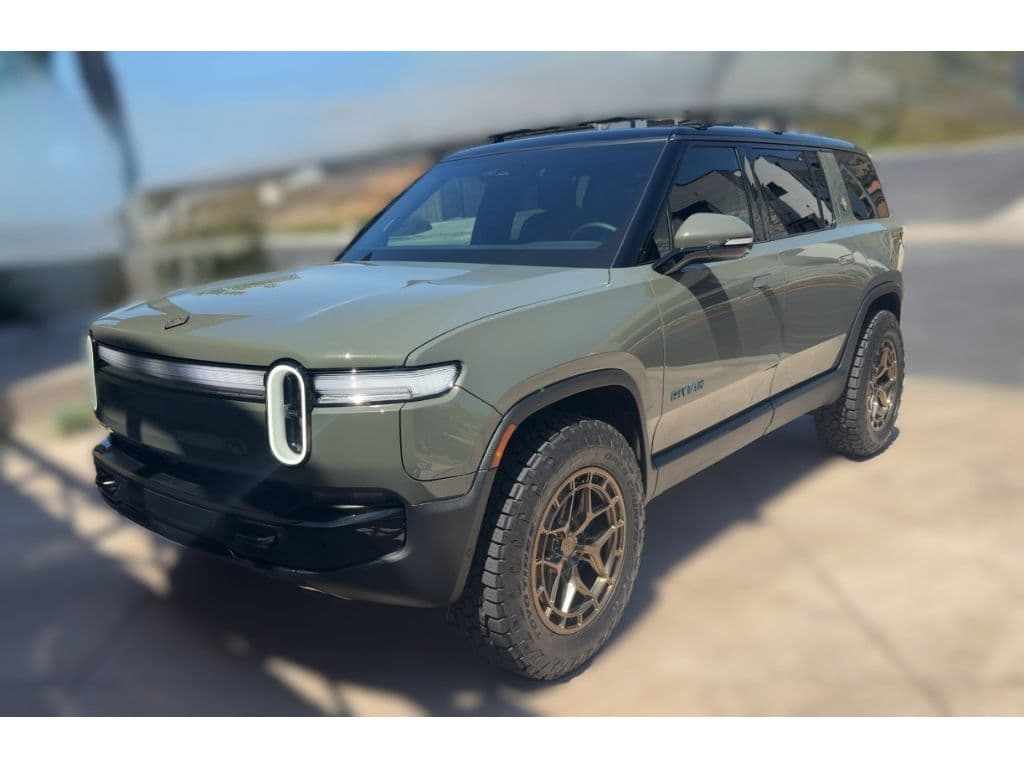
If you’re looking at a 2025 Rivian R1S, you’ve probably heard mixed reviews. The SUV is fast, stylish, and genuinely capable off‑road, but searches for “2025 Rivian R1S problems” turn up stories about recalls, software bugs, and inconsistent build quality. This guide pulls together what we know so far so you can judge the risks clearly, especially if you’re considering a used R1S.
Important context
Overview: How serious are 2025 Rivian R1S problems?
The short version: the 2025 R1S is not a “lemon” across the board, but it also isn’t a reliability champ. Owner reports and early data paint a mixed picture, some drivers rack up thousands of miles with only minor annoyances, while others deal with repeated service visits for suspension, software, and build‑quality issues.
2025 R1S reliability at a glance
How to read this
2025 R1S recalls and safety issues
When people ask about 2025 Rivian R1S problems, they’re often really asking, “Has anything serious been recalled?” For 2025‑model R1S SUVs, the headline item is a defect with Rivian’s new hands‑free driver‑assist system.
Key 2025 Rivian R1S recalls and campaigns
Summary of the most relevant safety actions affecting 2025 R1S models as of early 2026.
| Issue | Model years impacted | Symptoms/Risk | Fix type |
|---|---|---|---|
| Hands‑Free Highway Assist misidentifying lead vehicles | Primarily 2025 R1S and R1T running software prior to 2025.18.30 | System may not properly track a vehicle ahead when engaged, potentially failing to slow adequately | Over‑the‑air software update; recall covered more than 24,000 vehicles |
| Headlight / lighting behavior (earlier R1S/R1T) | Earlier R1 vehicles, not specific to 2025 but can show up on inventory built in late 2024 | Improper lighting behavior or visibility concerns | OTA update and, in some cases, hardware service |
| Seat‑belt cable defect (EDV vans) | Rivian EDV delivery vans, not consumer R1S/R1T | Potentially ineffective belt restraint in a crash | Physical inspection and repair, important context, but not directly on R1S |
Always verify recall status by VIN through NHTSA or Rivian before you buy.
What this means for you
Rivian has leaned heavily on over‑the‑air (OTA) updates to address issues. That’s convenient, no dealer visit for many fixes, but it also underscores how central software is to this vehicle. When you solve problems with code, you can also introduce new ones.
Real‑world owner complaints on the 2025 R1S
Because 2025 is still a fairly new model year, we don’t yet have huge sample sizes from long‑term surveys. Instead, much of what we know comes from owner forums and early‑adopter communities. The pattern is pretty consistent:
- A noticeable slice of owners report **no major problems** in the first several thousand miles, just minor quirks and trim fixes.
- Another group runs into **early‑life issues**: coolant pumps, modules that won’t take updates, or suspension faults within the first few hundred to few thousand miles.
- Over time, some high‑mileage R1S owners (from earlier years) report a **“laundry list”** of suspension parts, half‑shafts, and trim pieces replaced, often still under warranty. That history matters because many components and designs carry over into 2025.
"I picked up my R1S dual with max pack a little over a month ago… around 1700 miles and there have not been any issues."
"Less than 700 miles and major battery issues… my R1S basically drained to 13% and turned into a brick… they’ve had it at the service center for weeks trying to figure it out."
Put differently, ownership experience varies wildly. You might get a rock‑solid truck, or you might become very familiar with the nearest Rivian service center. That’s not unusual for an early‑stage brand, but it should inform how you think about warranty coverage, downtime, and resale value.
Software and infotainment glitches
If there’s one area where almost every R1S owner has an opinion, it’s software. Rivian’s UI looks great and updates frequently, but the 2025 R1S still sees its share of bugs and lag:
Common software complaints on the 2025 R1S
Most are annoyances more than deal‑breakers, but they affect day‑to‑day satisfaction.
Slow, buggy UI
Profile & key fob quirks
Sensor misbehavior
Living with software bugs
On the plus side, Rivian does push **meaningful OTA updates**. Over the span of a year, it’s not unusual to see improvements in range estimation, charging behavior, driver‑assist tuning, and cabin‑control layouts. The downside is that a big update can also introduce new gremlins, so it pays to keep an eye on owner feedback before you rush to install the latest build.
Build quality, rattles, and wind noise
Early Rivians got a reputation for panel gaps and squeaks, and while quality has improved, 2025 R1S owners still report more cosmetic issues than you’d typically see in a BMW X5 or Mercedes EQE SUV.
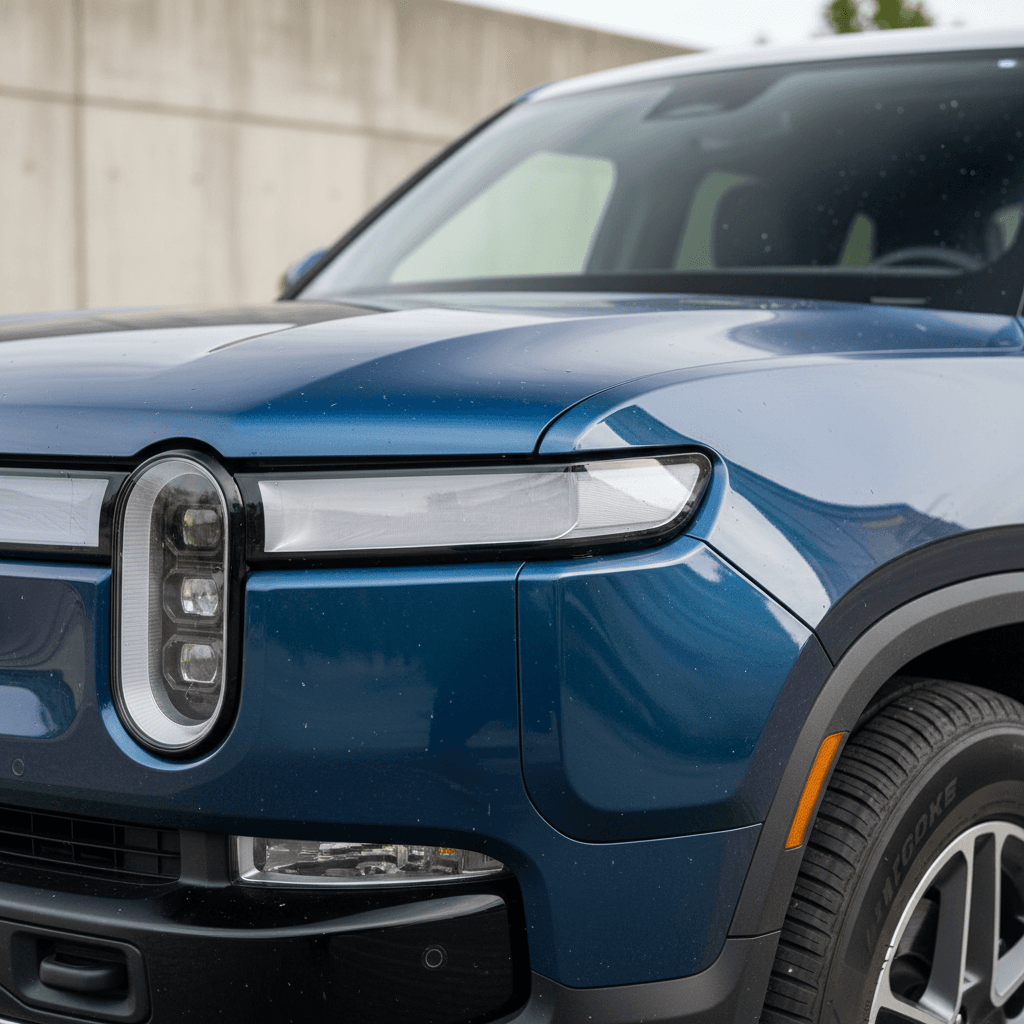
- Panel alignment & trim fit: Some Gen 2 R1S owners report doors that don’t sit perfectly flush, frunk and rear hatch misalignment, and loose interior trim that needs re‑securing at the service center.
- Rattles and squeaks: Door rattles and buzzes over rough pavement come up often in owner discussions, enough that Rivian technicians are getting very good at tearing down door panels to add insulation and tape.
- Wind and HVAC noise changes over time: A few owners note that cabin noise increased over the first couple of years, with more wind whistle from the mirrors or door seals and louder HVAC at higher fan speeds.
- Paint defects: Isolated reports of small paint chips, overspray, or thin clearcoat right out of the factory, a good reminder to inspect every exposed edge and panel closely.
How this compares to competitors
Drivetrain, suspension, and battery concerns
Most 2025 R1S owners are attracted to the truck’s performance and off‑road capability. The flip side is that the vehicle is heavy, complex, and packs a lot of hardware, air suspension, multiple motors, adjustable dampers, which brings more parts that can wear or fail.
Suspension & half‑shafts
Earlier R1S model years have a history of half‑shaft replacements, front suspension clunks, and dampers or control arms being swapped under warranty. Some owners have gone through multiple sets of half‑shafts by 50,000 miles, especially on Quad‑motor trucks driven hard.
For 2025, Rivian has continued to iterate on these components, but it’s too early to say definitively whether long‑term durability has dramatically improved. If you test‑drive a used R1S, listen closely for vibration under acceleration, clunks over bumps, or any uneven ride height.
Battery & charging issues
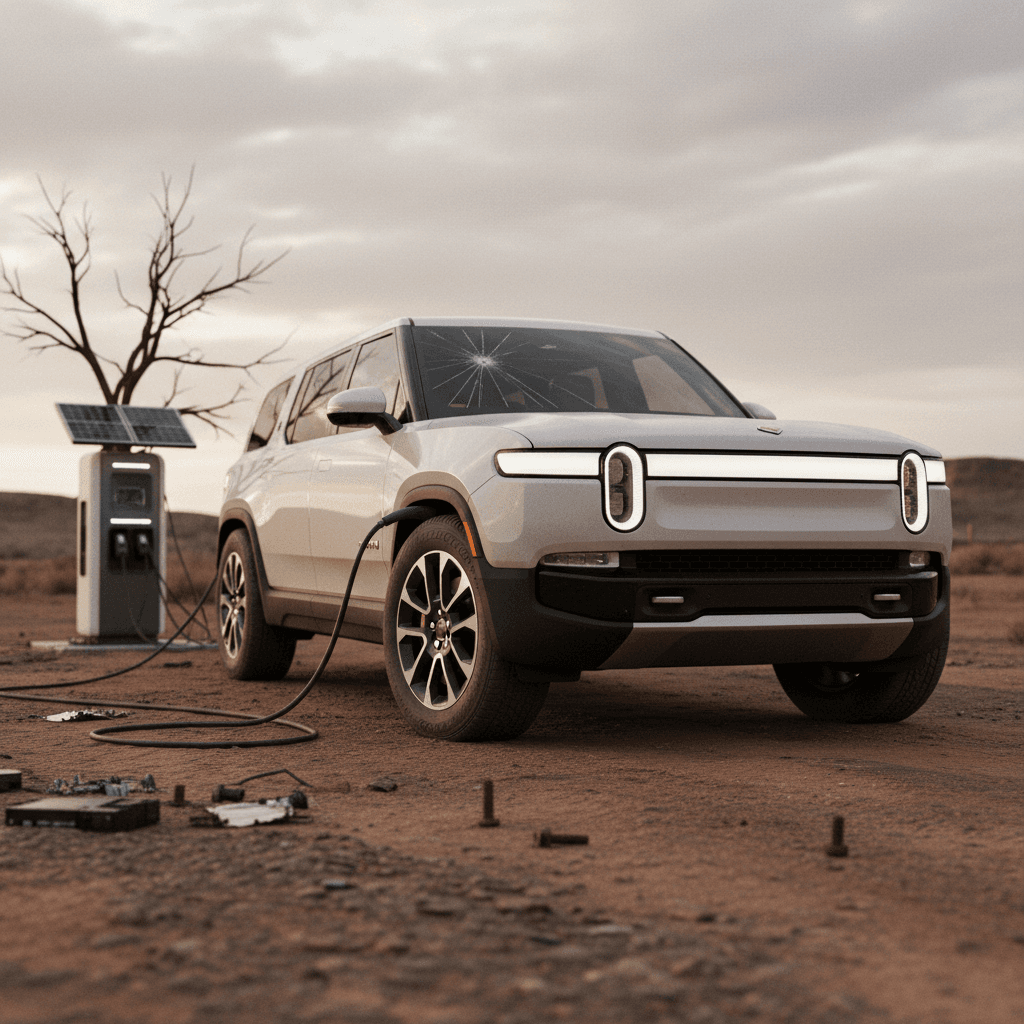
True battery pack failures still look uncommon, but they’re very disruptive when they happen. There are 2025 owners reporting dashboards flashing “Vehicle Battery Issue” warnings on their first road trips, followed by the vehicle refusing to DC fast charge and needing a tow to the service center.
More typical are communication errors with DC fast chargers, finicky behavior with certain networks, or charging sessions that drop in speed unexpectedly. OTA updates have improved compatibility over time, but this isn’t the plug‑and‑play simplicity you might be used to from a gas station.
Don’t ignore early warning signs
The good news is that Rivian’s core battery chemistry and thermal management have not attracted widespread criticism for catastrophic degradation. Most R1 owners still report usable real‑world range that tracks reasonably with expectations, especially after recent software updates that smoothed out state‑of‑charge estimates.
How 2025 R1S reliability compares to rivals
To put 2025 Rivian R1S problems in perspective, it’s helpful to step back and compare it with other large electric SUVs and trucks.
2025 R1S vs key alternatives: reliability snapshot
Generalized view from independent ratings and owner reports as of early 2026.
Rivian R1S (2025)
- Predicted reliability: Poor from at least one major consumer outlet.
- Issues centered on software, build quality, and some suspension components.
- Excellent driving dynamics and off‑road capability keep satisfaction high for many owners despite glitches.
Tesla Model X
- Also known for below‑average reliability: door mechanisms, suspension, electronics.
- Benefits from a more mature OTA ecosystem and huge Supercharger network.
- Interior quality and ride/handling trade‑offs feel very different from R1S.
Legacy‑brand SUVs (BMW, Mercedes, etc.)
- Generally better predicted reliability than startup EVs, but still not bulletproof.
- More traditional dealer network for repairs.
- Less adventurous off‑road hardware and design than R1S.
Bottom line on reliability
Should 2025 Rivian R1S problems stop you from buying?
Problems shouldn’t be ignored, but they also shouldn’t automatically take the R1S off your list. The key is matching the vehicle’s risk profile to your needs and picking the right example.
Good fit
- You want a high‑performance, adventure‑ready SUV and are comfortable being an early adopter.
- You have easy access to a Rivian service center and can tolerate the possibility of a few service visits.
- Your budget includes room for an extended warranty or you’re shopping a used R1S still well within factory coverage.
- You’re flexible about charging and okay working around the occasional finicky DC fast‑charge session.
Think twice
- This is your only family vehicle and you can’t afford downtime.
- You live far from Rivian service and rely on your vehicle for business or long‑distance travel.
- You’re highly sensitive to creaks, rattles, and UI glitches and expect S‑Class refinement.
- You plan to own well past the warranty window and don’t want to budget for potential suspension or electronics repairs.
Where Recharged fits in
Shopping a used Rivian R1S: problems checklist
When you’re evaluating a used 2025 R1S, you’re not just buying the spec sheet, you’re buying the previous owner’s break‑in period and any gremlins they didn’t want to deal with. Here’s a structured way to separate strong candidates from future headaches.
Used 2025 Rivian R1S inspection checklist
1. Verify software & recall status
In the Rivian app or via the in‑vehicle menus, confirm the truck is running a recent software build and that all campaigns (especially the Hands‑Free Highway Assist recall) are closed. Ask the seller for screenshots or a service history printout.
2. Inspect panel gaps and trim
Do a slow walk‑around. Check that all doors, the frunk, and the liftgate sit flush with neighboring panels. Look for uneven gaps, misaligned weatherstripping, and any signs of repaint or bodywork that might hide past damage.
3. Listen for rattles and wind noise
On the test drive, try a mix of smooth and rough roads at 30–70 mph. Turn the music down and listen for door rattles, dashboard buzzes, or wind whistle around the mirrors and A‑pillars.
4. Test Driver+ and Highway Assist
On a safe stretch of divided highway, gently test adaptive cruise, lane‑keeping, and, if equipped and legal in your area, Hands‑Free Highway Assist. Any abrupt behavior, warnings, or failure to engage should be documented and inspected before purchase.
5. Check for suspension clunks or vibration
Under moderate acceleration, feel for shuddering or vibration that might hint at half‑shaft issues. Over speed bumps and potholes, listen for clunks that could point to bushing or damper problems.
6. Validate charging behavior
If possible, do a short DC fast‑charge session and a Level 2 test. Watch for charging errors, communication faults, or unusually low charging speeds that don’t match state‑of‑charge and charger specs.
7. Review warranty and extended‑coverage options
Confirm the in‑service date so you know how much factory coverage remains. If you’re buying through a marketplace like <strong>Recharged</strong>, ask how their inspection, battery report, and optional protection plans would handle common R1S issues.
Use a structured delivery checklist
FAQ: 2025 Rivian R1S problems
Frequently asked questions about 2025 Rivian R1S problems
The 2025 Rivian R1S is one of the most compelling electric SUVs on the market, blending genuine off‑road talent with smooth on‑road manners and a distinctive, upscale cabin. At the same time, real‑world experience and early data make it clear that reliability is a work in progress, not a solved problem. If you’re prepared for some quirks, are meticulous about pre‑purchase inspection, and choose a vehicle with clean software and service history, you can tilt the odds in your favor and enjoy what the R1S does best.
If you’d rather not navigate that alone, shopping through a specialized marketplace like Recharged, with verified battery health, fair‑market pricing, and EV‑savvy guidance, can give you a clearer view of any 2025 Rivian R1S problems before they become your problems.