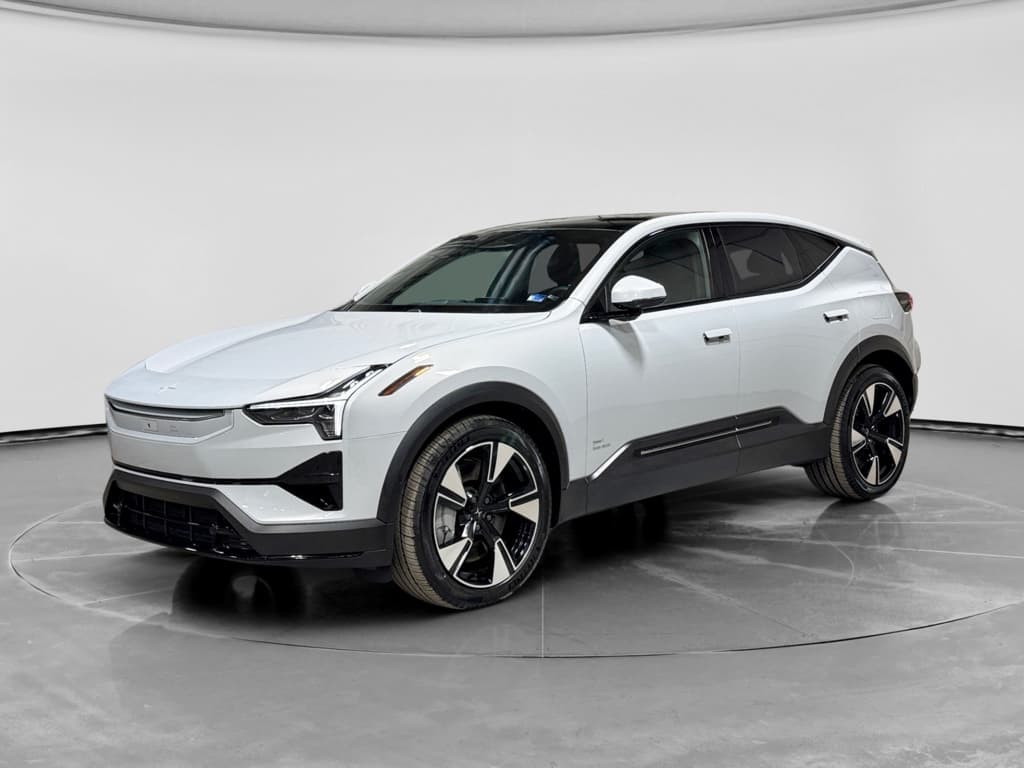
Charging and Battery-Related Issues
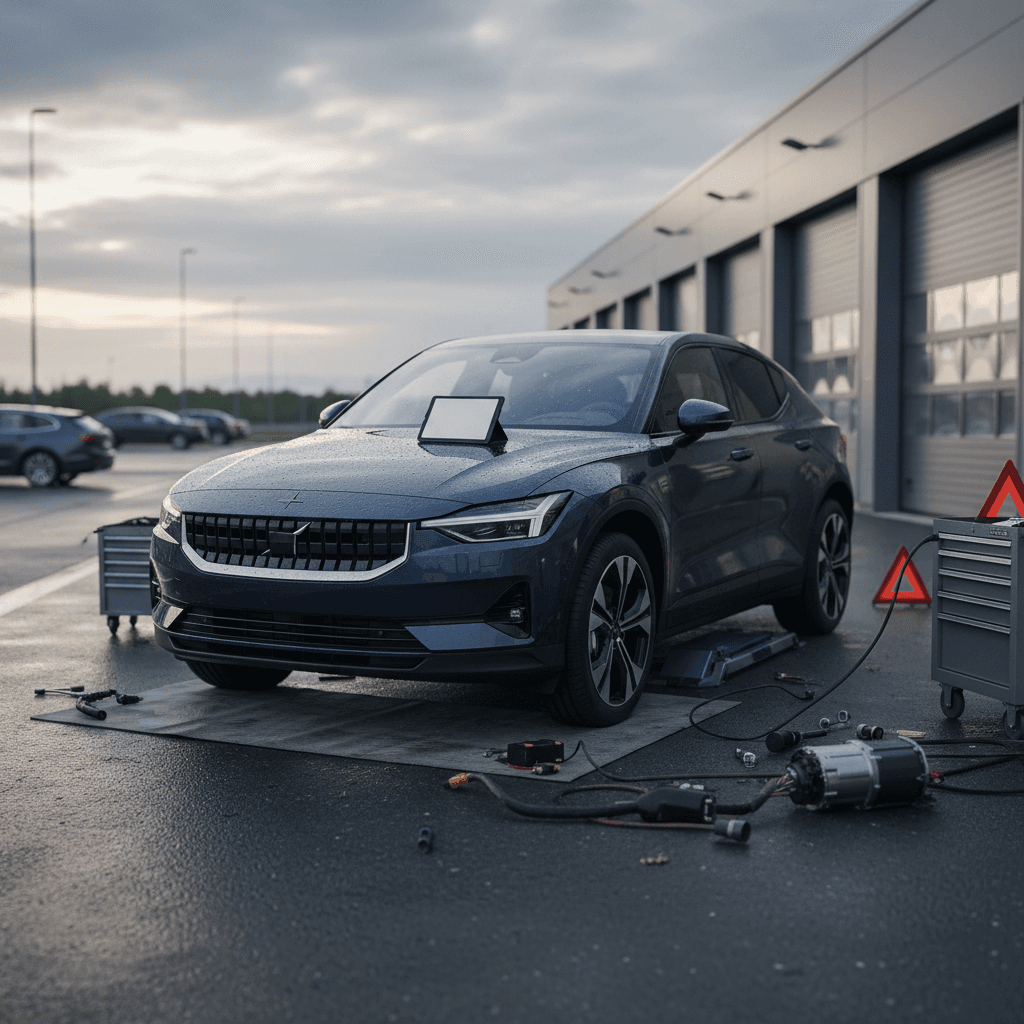
An electric SUV lives or dies on its ability to charge reliably. For many owners, the 2025 Polestar 3 charges just fine at home and on DC fast chargers. But there are enough outlier stories to pay attention, especially if you plan to buy used or depend heavily on public charging.
Common Polestar 3 Charging Complaints
Most are software or component-related, not signs of a dying traction battery.
Onboard charger failures
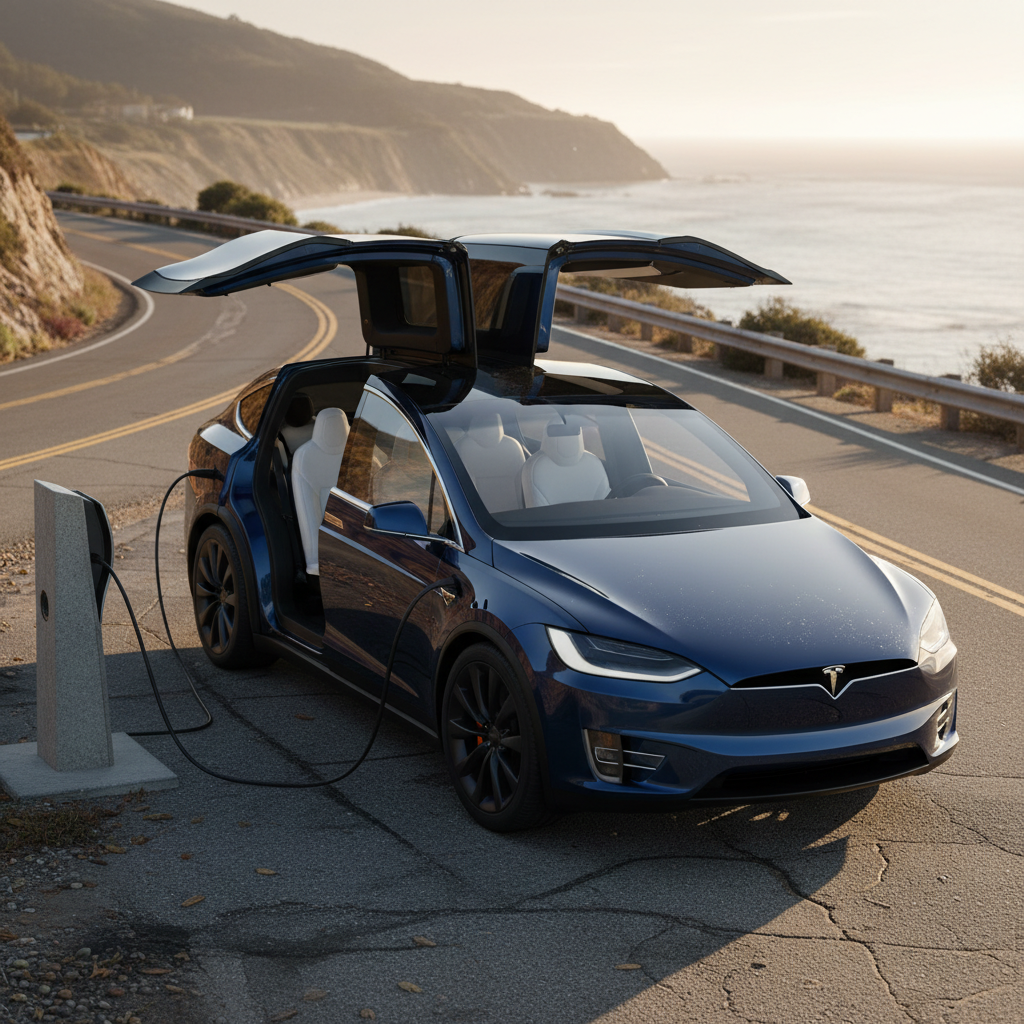
Some owners describe their 2025 Polestar 3 spending weeks in the shop after the onboard AC charger failed, leaving them unable to charge at home. Parts have occasionally been on long backorder.
AC charging not working
A handful of owners report the car suddenly refusing to accept AC power (Level 2 at home or public), while DC fast charging still works, pointing again to charger hardware or software, not the main battery pack.
Vampire drain
Some Polestar 3s seem to burn 2–3% of battery overnight even when parked, especially in cold climates. That’s not unheard of for a modern EV, but it’s noticeable if you leave the car for days at a time.
Charging failures can trigger lemon laws
Charging System Checklist for Test Drives
1. Test Level 2 home-style charging
If possible, plug into a 240V Level 2 charger and confirm the car starts charging immediately, ramps up to the expected kW rate, and doesn’t stop unexpectedly.
2. Confirm DC fast charging behavior
Visit a public DC fast charger, even briefly. Watch for error messages, slow ramp-up, or sessions that terminate early without explanation.
3. Monitor overnight battery drain
Ask the seller how much charge the car loses parked overnight. A couple percent is normal for a big, connected SUV; significantly more could signal software or sleep-mode issues.
4. Scan for past charging repairs
Review service records for onboard charger or charge-port replacements. Occasional component replacement is fine; multiple repeat failures are a red flag.
Driver-Assistance and Safety System Faults
Polestar leans heavily on advanced driver-assistance branding, Pilot Assist, lane keeping, adaptive cruise, 360° cameras, and more. When they work, they help justify the Polestar 3’s price. When they don’t, owners get understandably nervous.
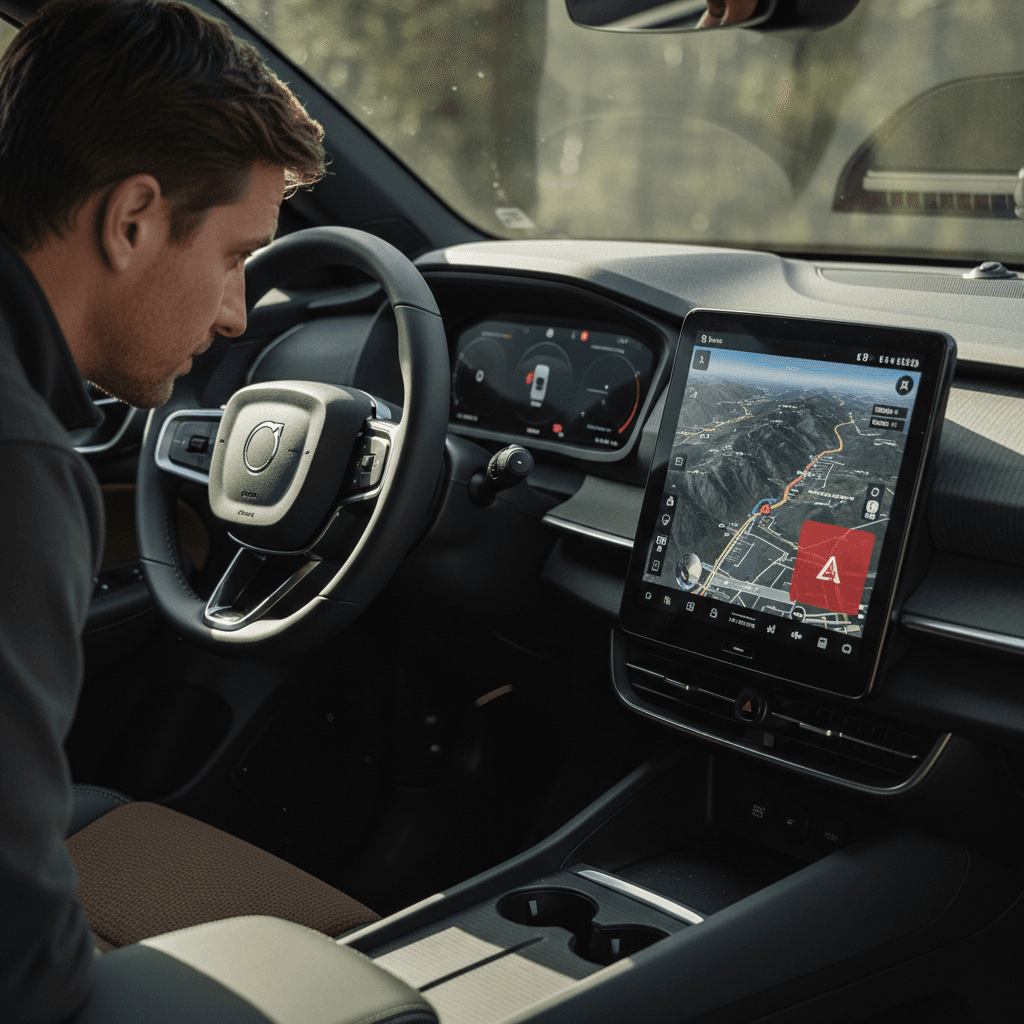
- Lane-keeping or driver support systems dropping out mid-drive with warning messages.
- Parking sensors or cameras throwing temporary errors, then clearing after a restart.
- Occasional false alarms for safety systems, airbag, suspension, or braking, later traced to software glitches rather than hardware.
Treat warnings seriously, even if they’re “probably” software
How to Vet Driver-Assistance on a Test Drive
1. Drive on highway and surface streets
Engage adaptive cruise, lane keeping, and Pilot Assist on a well-marked road. Watch for unexpected disengagements or chimes.
2. Test all cameras and sensors
Try parking assists, surround-view cameras, and rear cross-traffic alerts in a lot. Look for laggy images, blank screens, or “temporarily unavailable” messages.
3. Review the car’s message history
In the settings or instrument cluster, check for stored warnings or repeated system faults. A clean history is ideal but not mandatory, patterns are what matter.
Fit, Finish, and Day-to-Day Annoyances
Beyond the big, scary failures, many 2025 Polestar 3 complaints live in the world of "little things that add up." On their own they’re not deal-breakers, but if you’re cross-shopping German luxury SUVs, and paying similar money, they’re hard to ignore.
Everyday Irritations Owners Report
Small flaws in an otherwise polished-feeling SUV.
Key and digital key weirdness
Approach unlock that works one day and not the next. A key tag that stops responding and forces you to use the card. Android digital-key support lagging behind iOS.
Profile & comfort quirks
Seats and mirrors that don’t always move to the right position, missing “easy exit” functions, and profiles that refuse to switch automatically between drivers.
Random resets & settings loss
Audio preferences, lane departure settings, and app logins occasionally reset after software updates or reboots, forcing you to reconfigure the car.
The upside: core hardware feels solid
How Polestar 3 Reliability Compares with Rivals
If you’re coming out of a Tesla, Volvos, or a German luxury SUV, you’re probably wondering whether Polestar is uniquely troubled or simply playing the same high-tech, high-software-stress game as everyone else. The answer, so far, is that Polestar is in the same club, but currently toward the buggier end of the spectrum.
Against Tesla Model Y / Model X
- Tesla also faces frequent recalls and software bugs, but has a massive service network and many years of iteration behind its platforms.
- Polestar’s interior design and materials often feel more premium than a Model Y; Tesla still wins on charging network integration and app polish.
- Where Tesla’s issues often show up as fit-and-finish and hardware recalls, Polestar 3 complaints skew more toward software polish and service delays.
Against BMW iX, Mercedes EQE SUV, Audi Q8 e-tron
- German rivals tend to have more mature dealer networks and parts pipelines in the U.S., which matters when something breaks.
- Polestar 3 matches or beats many on ride comfort and cabin calm, but its software feels less baked-in and more version 1.0.
- If you prize rock-solid long-term reliability over design flair, a used iX or Q8 e-tron may be a safer, if less distinctive, bet.
Remember: we’re still early in the lifecycle
Shopping Tips: Buying a New or Used 2025 Polestar 3
So what do you do if you love the way the Polestar 3 looks and drives, but the horror stories are whispering in your ear? Here’s how to separate a great example from a rolling software science project.
Step-by-Step Checklist for Evaluating a 2025 Polestar 3
1. Favor late-build 2025 or low-mile, one-owner cars
Later build dates typically mean more bugs squashed at the factory and fewer early production gremlins. A single owner with complete records is a big plus.
2. Get a full software and recall status check
Ask the seller (or a dealer) to confirm the car is on the latest software and that all recalls and campaign updates have been performed. Get this in writing if you can.
3. Do a long, mixed test drive
Don’t just loop the block. Spend at least 30–45 minutes on highways and city streets. Use every system you can, driver aids, cameras, navigation, phone calls, streaming, and climate control.
4. Inspect service history for repeat problems
One fix for a failed charger or sensor isn’t disqualifying. Multiple visits for the <strong>same</strong> failure, especially charging or braking, should make you think twice.
5. Evaluate local service capacity
Call the nearest Polestar/Volvo service center and ask realistic wait times for appointments. A great car plus a six-week wait for basic diagnostics can still be a miserable ownership experience.
6. Consider a used-EV specialist inspection
If you’re not comfortable judging battery health and charging behavior yourself, look for a shop, or marketplace, like <strong>Recharged</strong>, that can provide independent diagnostics and a transparent battery health report.
How Recharged can help if you’re shopping used
FAQ: 2025 Polestar 3 Problems Answered
Frequently Asked Questions About 2025 Polestar 3 Problems
Bottom Line: Should 2025 Polestar 3 Problems Scare You Off?
The 2025 Polestar 3 is a deeply appealing EV on paper and, for many owners, in everyday use. It delivers calm, confident performance; a beautiful interior; and a genuinely relaxing driving experience. But it also behaves like the early iteration it is, with software that’s still finding its footing and a support network that’s not yet as battle‑hardened as the old‑guard luxury brands.
If you’re comfortable living with the occasional quirk, and you do your homework on recalls, software levels, and service history, the right 2025 Polestar 3 can be a rewarding, distinctive choice. If you’d rather your technology stay quietly in the background, you may be happier with a more mature rival or by waiting another model year.
Either way, don’t let the unknowns scare you into flying blind. Use comprehensive inspections, battery health diagnostics, and transparent history reports, like the Recharged Score on every EV we list, to separate the great Polestar 3s from the headaches, and make the kind of informed, low‑drama decision that keeps you enjoying the drive long after the new‑car smell fades.