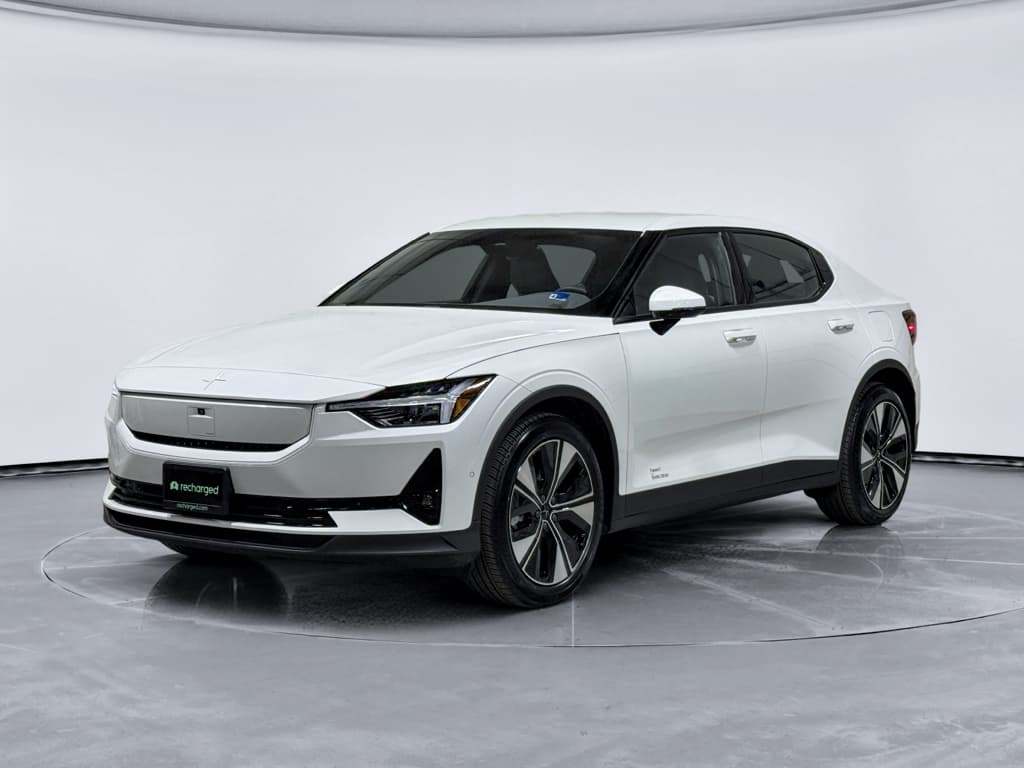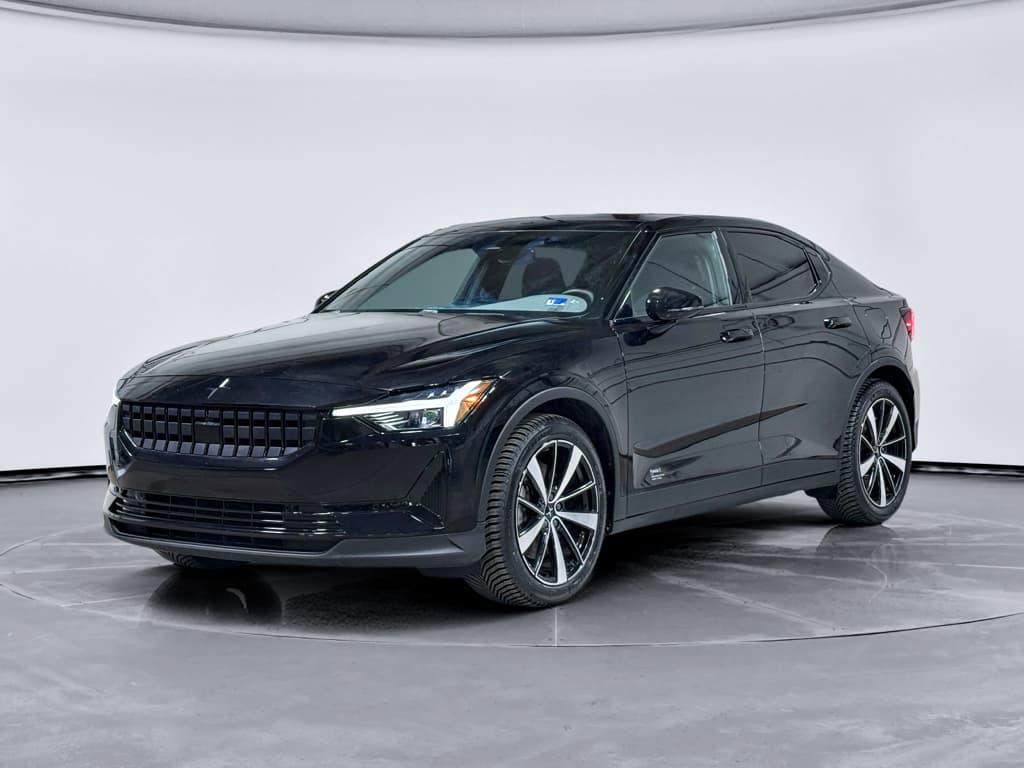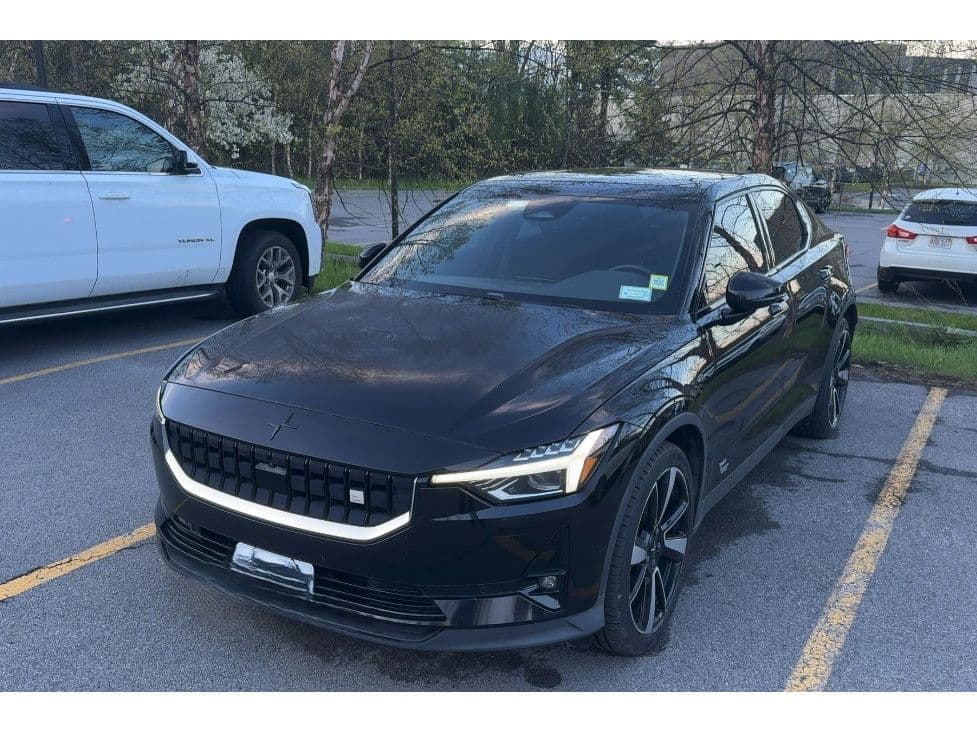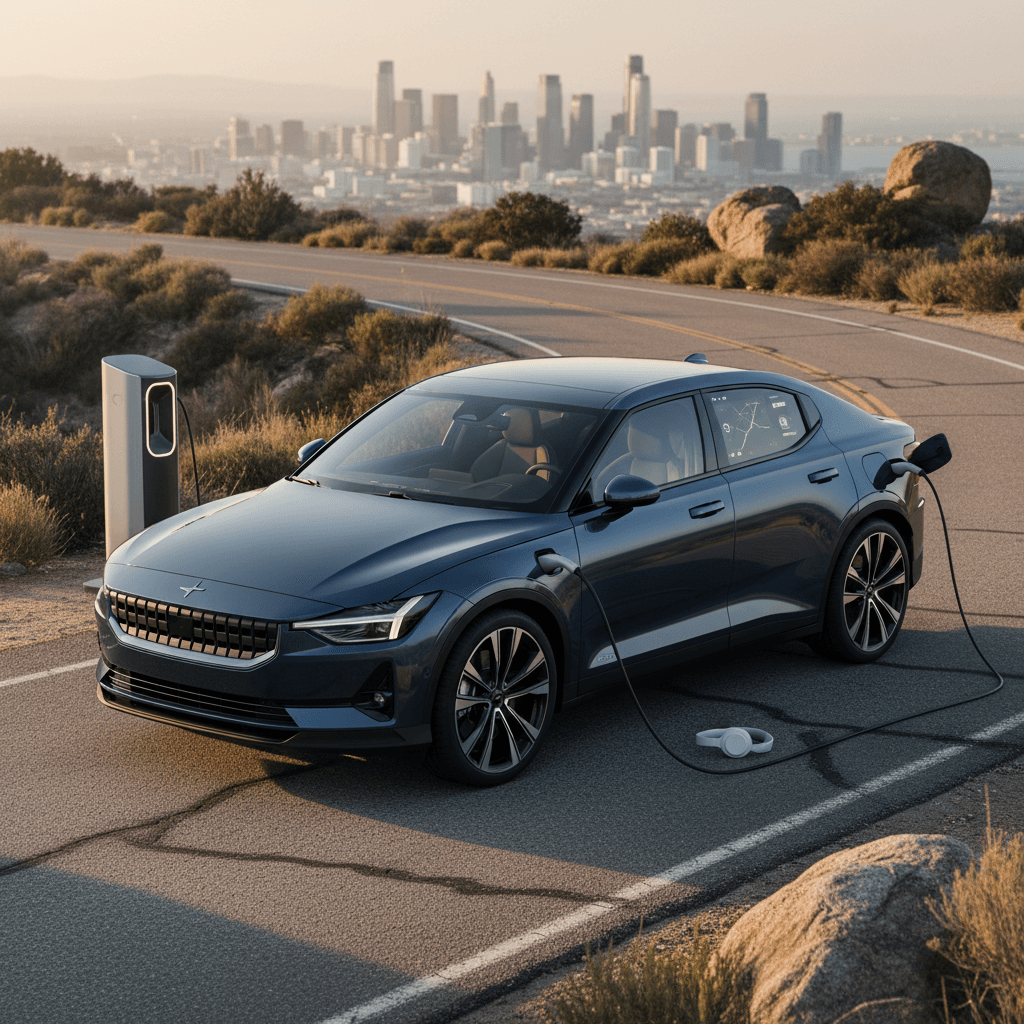
If you’re shopping for a compact electric fastback and want something that **isn’t a Tesla**, the 2025 Polestar 2 should be on your short list. It blends Scandinavian design, strong performance, and Google‑powered tech, and in 2025 it’s increasingly attractive as a used EV as well. This 2025 Polestar 2 review breaks down trims, range, charging, performance, interior quality, and ownership costs so you can decide if it fits your real‑world needs, and your budget.
Quick take
2025 Polestar 2 overview
2025 Polestar 2 key specs (U.S. estimates)
For 2025, the Polestar 2 continues as a five‑door electric liftback roughly the size of a compact sedan. Recent updates (rolled out for 2024 and carried into 2025) shifted the car to a more efficient rear‑drive bias, increased battery capacity to around 82 kWh gross / ~79 kWh usable in long‑range versions, and improved both range and charging speeds. In the U.S. market, the lineup is simpler than in Europe, focusing on long‑range variants with either a single rear motor or dual‑motor all‑wheel drive plus an available Performance pack for maximum punch.
New vs. used sweet spot
2025 Polestar 2 trims, battery, and pricing
Polestar has steadily simplified the 2’s lineup. Exact naming can vary by market, but in the U.S. for 2025 you’ll generally see three core configurations built around two battery sizes:
2025 Polestar 2 trims at a glance (U.S.)
Approximate positioning and key specs for the main 2025 Polestar 2 variants. Always verify final pricing and equipment locally.
| Variant | Drivetrain | Battery (usable) | Est. EPA range | Power | 0–60 mph (approx.) |
|---|---|---|---|---|---|
| Standard Range Single Motor | RWD | ~70 kWh | ~240–250 mi | ~295 hp | ~6.4 s |
| Long Range Single Motor | RWD | ~79 kWh | ~270–275 mi | ~295 hp | ~6.2 s |
| Long Range Dual Motor | AWD | ~79 kWh | ~260 mi | ~416 hp | ~4.2 s |
| Long Range Dual Motor + Performance Pack | AWD | ~79 kWh | ~254 mi | ~450+ hp (455–469 hp) | 3.7–3.9 s |
Specs focus on U.S. long‑range models, which are the most relevant for American shoppers and the used market.
About the numbers
On the pricing side, new 2025 Polestar 2s in the U.S. generally land in the high‑$40,000s to mid‑$50,000s depending on motor count and option packs. Because the 2 is built in China, it typically hasn’t qualified for the full U.S. federal new‑EV tax credit even before those credits were slated to sunset in late 2025. That dynamic, plus rapid EV depreciation, is why the used Polestar 2 market is where a lot of the value now lives, especially if you’re shopping through a retailer like Recharged that verifies battery health and pricing.
Range and charging: what you can really expect
Polestar positioned the 2 as a long‑legged daily driver rather than an ultra‑efficient hyper‑miler. The result: its range is competitive but not class‑leading, and its charging speeds are quite solid for a 400‑volt architecture.
Real‑world range expectations
What different 2025 Polestar 2 variants are likely to deliver day‑to‑day
City & suburban driving
Single‑motor long range: Many owners report high‑200s of real‑world miles in mixed city/suburban use when driven reasonably.
Dual‑motor: Expect a bit less, mid‑200s, thanks to extra power and weight.
Highway at 70–75 mph
At U.S. freeway speeds, plan on roughly 75–80% of the EPA number, especially in winter. A Performance‑pack car driven briskly can dip into the low‑200s on a full charge.
Cold‑weather impact
Like most EVs, the Polestar 2 will see 20–35% range loss in cold climates with highway driving and heavy heater use. Preconditioning and seat/steering‑wheel heaters help mitigate this.
Daily‑use strategy
AC charging (home & destination)
- 11 kW onboard charger on most 2025 Polestar 2s. On a 240‑V Level 2 connection, a long‑range car typically recovers 25–35 miles of range per hour.
- A full 0–100% charge on a long‑range pack takes around 8–9 hours, making overnight charging straightforward.
- If you’re installing home charging, a 40‑ to 48‑amp Level 2 station is a good match. Recharged can help you understand which home‑charging setup best fits your electrical panel and driving profile.
DC fast charging (road trips)
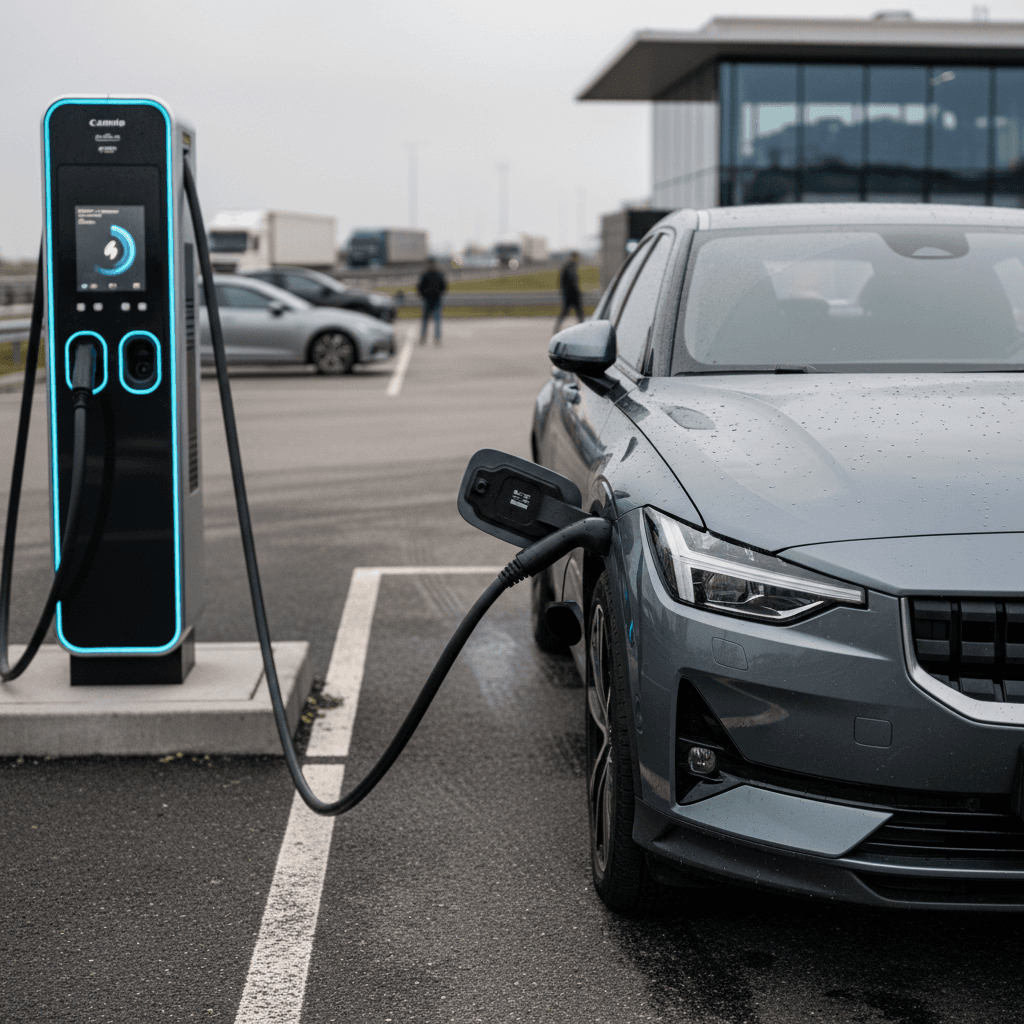
- The 2025 Polestar 2 supports up to ~205 kW peak DC fast charging, with realistic 10–80% sessions in about 30–35 minutes when the battery is properly warmed.
- The car supports battery preconditioning when you navigate to a fast charger, which helps you actually hit those higher speeds on the road.
- On a road trip, think of it as 180–220 miles between 10–80% fast‑charge stops in good conditions, slightly less with the Performance pack.
Don’t plan around 0–100%
Performance and driving experience
Polestar is Volvo’s performance‑EV offshoot, and the way the 2 drives reflects that. Even the single‑motor car feels quick, and the dual‑motor, especially with the Performance pack, edges into compact sports‑sedan territory.
How the 2025 Polestar 2 drives
From base single‑motor to Performance pack
Single‑motor dynamics
The rear‑drive single‑motor setup gives the 2 a balanced, almost classic sports‑sedan feel. 0–60 mph in a bit over 6 seconds isn’t ludicrous, but it’s more than enough for daily use and highway passing.
Dual‑motor punch
Step up to the dual‑motor AWD and you’re looking at 4.0–4.2 seconds 0–60 mph. Add the Performance pack and independent testing has seen 3.7–3.9 seconds, right in line with many performance sedans.
Ride & handling
The 2 is on the firmer side, especially on 20‑inch wheels and with the Performance pack’s Öhlins dampers. Body control is excellent, grip is high, but rough pavement can feel busy compared with a softer‑tuned EV.
Steering feel
If you’re wondering whether the Performance pack is worth it, ask yourself how you’ll actually drive. The uprated dampers, Brembo brakes, and extra power shine on twisty roads or track days, but some owners find the additional cost and firmer ride hard to justify in city use. The standard dual‑motor already feels very quick; you can even buy a software performance upgrade on some cars to close most of the straight‑line gap without the full pack.
Interior, tech, and comfort
Inside, the 2025 Polestar 2 looks and feels more like a modern Volvo than a tech startup science project. Materials are generally high quality, the layout is clean, and the Google‑based infotainment system is one of the better solutions on the market, once you’re logged in and set up.
Cabin design & space
- Front row: Supportive seats and an upright seating position give a slightly crossover‑like feel, though taller drivers may wish for a bit more under‑thigh support.
- Rear seat: Legroom is decent but not generous, and the higher floor (thanks to the battery) means adults sit with their knees up. The sloping roofline can make headroom tight for passengers over 6 feet.
- Cargo: The liftback design offers a wide opening and useful hatchback practicality, with extra space under the floor and a small front trunk.
Infotainment & audio
- The 11‑inch portrait touchscreen runs Android Automotive OS with Google Maps, Assistant, and the Play Store built in. Later‑model cars (including 2024–2025) benefit from quicker processors and smoother responses.
- Native Google Maps EV routing and charger integration are big advantages over many rivals. You can also run apps like Spotify natively rather than relying purely on phone mirroring.
- For 2025, higher‑spec trims can be optioned with a Bowers & Wilkins audio system on some markets, bringing a genuinely premium listening experience for audiophiles.
Known interior quirks
Safety and driver-assistance tech
Safety is very much part of the Polestar/Volvo DNA, and the 2 reflects that. The 2024 model earned a five‑star overall rating from NHTSA, and the 2025 car continues with a broadly similar safety suite.
Key safety and driver‑assist features
Standard and available tech on the 2025 Polestar 2
Standard safety
Automatic emergency braking, lane keeping assist, lane departure warning, blind‑spot monitoring, rear cross‑traffic alert with auto‑brake, road‑sign recognition, driver‑attention monitoring, and a 360º camera are commonly included.
Pilot pack (where equipped)
The optional Pilot pack layers on adaptive cruise control, a lane‑centering highway assist system, enhanced collision mitigation, and upgraded lighting. Some drivers find the lane‑centering a bit over‑active, so test it yourself to see if you like its behavior.
Crash structure
Under the skin, the 2 uses a reinforced structure and battery protection borrowed from Volvo’s playbook, helping it perform well in crash tests and real‑world incidents.
Insurance & peace of mind
Ready to find your next EV?
Browse VehiclesOwnership costs, incentives, and used-market value
From an operating‑cost perspective, the 2025 Polestar 2 is similar to other compact EVs: electricity is usually cheaper per mile than gas, maintenance is lighter than on an ICE sedan, and tires and insurance are the big recurring expenses. Where things get interesting is on incentives and depreciation.
Key 2025 Polestar 2 ownership cost factors
1. Energy costs vs. gas
Driven on mostly home charging, many EV owners see the equivalent of <strong>$1.00–$1.50 per gallon</strong> energy costs, depending on local rates. Rely heavily on DC fast charging and costs rise, but are still often below premium gas.
2. Maintenance & service
No oil changes, fewer wear parts, and simpler drivetrains keep routine maintenance modest. You’ll still budget for tires, cabin filters, brake fluid, and occasional software or hardware fixes.
3. Depreciation & used values
Like most EVs, the Polestar 2 depreciated quickly when new incentives and competition ramped up. That’s painful for first buyers, but a <strong>big win for used buyers</strong>, with late‑model cars often undercutting comparable new EVs by tens of thousands of dollars.
4. Tax credits and timing
Federal EV tax credits for new and used EVs in the U.S. are scheduled to end on <strong>September 30, 2025</strong>. A new Polestar 2 hasn’t typically qualified for the full credit anyway, but used‑EV shoppers may want to move sooner if they plan to combine federal and state incentives.
5. Charging behavior and battery life
Charging mostly at Level 2, avoiding frequent 0–100% cycles, and keeping the car plugged in during temperature extremes helps preserve battery health over time, important for both range and resale value.
Where Recharged fits in
2025 Polestar 2 vs Tesla Model 3 and BMW i4
If you’re reading a 2025 Polestar 2 review, you’re almost certainly also eyeing the Tesla Model 3 and BMW i4. All three are compact electric four‑doors, but they take different approaches.
Polestar 2 vs. Tesla Model 3 vs. BMW i4 (high level)
How the 2025 Polestar 2 stacks up against its most obvious rivals.
| Model | Strengths | Drawbacks |
|---|---|---|
| Polestar 2 | Premium design, excellent Google‑based infotainment, strong performance, hatchback practicality, Volvo‑inspired safety. | Not as efficient as Model 3, firmer ride, rear seat can feel tight, smaller charging‑network brand recognition. |
| Tesla Model 3 | Best‑in‑class efficiency, huge Supercharger network access, strong performance, broad name recognition and ecosystem. | Sparse interior and build‑quality complaints turn some buyers off; infotainment and controls are very Tesla‑centric; pricing and incentives can be volatile. |
| BMW i4 | Traditional BMW driving feel, luxurious interior options, strong performance, dealership network familiarity. | Heavier and less efficient than both; smaller trunk opening on some trims; infotainment can feel more complex than Polestar’s clean Google interface. |
Exact specs vary by trim; this table focuses on typical long‑range, dual‑motor variants.
How to choose between them
Who the 2025 Polestar 2 is (and isn’t) for
Is the Polestar 2 a good fit for you?
Match the car to your use case
Great fit if…
- You want a compact EV that feels more like a European sport sedan than a tech toy.
- You value Google‑based infotainment and good native app support.
- You regularly carry 1–2 passengers and light cargo rather than a full family and gear.
- You’re comfortable using major third‑party fast‑charging networks (Electrify America, EVgo, etc.) instead of relying solely on Tesla Superchargers.
Think twice if…
- You need generous rear‑seat space and kid‑hauling flexibility, an electric SUV or a roomier sedan may be better.
- You live in an area with sparse CCS fast‑charging and heavily rely on road trips.
- You prefer a cushy, soft ride over taut, European‑style suspension tuning.
Buying a used Polestar 2: what to look for
Because so much of the Polestar 2’s value now sits in the used market, it’s worth calling out a few model‑year differences and inspection points. This is exactly the sort of thing Recharged’s Recharged Score and EV‑specialist advisors are designed to help you navigate.
Used Polestar 2 checklist
1. Prioritize 2024–2025 where possible
These years get the improved battery pack, rear‑biased drivetrain, and more responsive infotainment hardware. Earlier cars are still good but may have shorter range and some additional software quirks.
2. Review battery health data
Ask for a <strong>measured state‑of‑health (SoH)</strong> for the high‑voltage battery, not just the displayed range estimate. Recharged includes this in every Recharged Score Report so you can see how the pack is aging.
3. Inspect tires and suspension
Heavier EVs on big wheels can be tough on tires and suspension components. Check for uneven wear, clunks over bumps, or prior repairs. A test drive over imperfect pavement is a must.
4. Test all software features
Log into the Google‑based system, test navigation and audio, pair your phone, and verify driver‑assist systems behave as expected. Software is central to the experience; you want to confirm everything works before you sign.
5. Check for warranty coverage
The high‑voltage battery typically carries an <strong>8‑year/100,000‑mile</strong> warranty from first in‑service date. A lightly used 2024–2025 car should have substantial coverage left, which is good insurance against rare but costly issues.
6. Understand charging habits
Ask prior owners, or rely on vehicle logs where available, about their charging routine. Cars fast‑charged constantly from low state‑of‑charge to 100% are more likely to show accelerated degradation than those mainly charged at Level 2 between 20–80%.
How Recharged de-risks used EVs
2025 Polestar 2 FAQ
Frequently asked questions about the 2025 Polestar 2
Bottom line: is the 2025 Polestar 2 a good buy?
If you want a compact EV that looks and feels genuinely premium, drives with real composure, and doesn’t force you into a Tesla‑centric universe, the 2025 Polestar 2 is one of the most compelling options on the market. It isn’t the king of efficiency or rear‑seat space, but it nails the core EV experience for the way many people actually drive, commuting, errands, weekend trips, while offering enough performance to keep enthusiasts interested.
For new‑car buyers, the question is whether you’re comfortable paying near‑luxury‑sedan money in a world of aggressive EV discounts and shifting incentives. For used‑car buyers, especially those eyeing 2024–2025 examples, the Polestar 2 starts to look like a bit of a hidden gem: you get the updated hardware and software, strong safety, and a distinctly Scandinavian take on the EV sedan, at a significant discount from new. If that sounds like your kind of car, it’s worth taking a 2 for a serious test drive, and if you’re shopping used, leaning on a Recharged Score Report and EV‑savvy guidance is one of the smartest ways to make sure the Polestar 2 you fall for is as solid under the skin as it feels from behind the wheel.