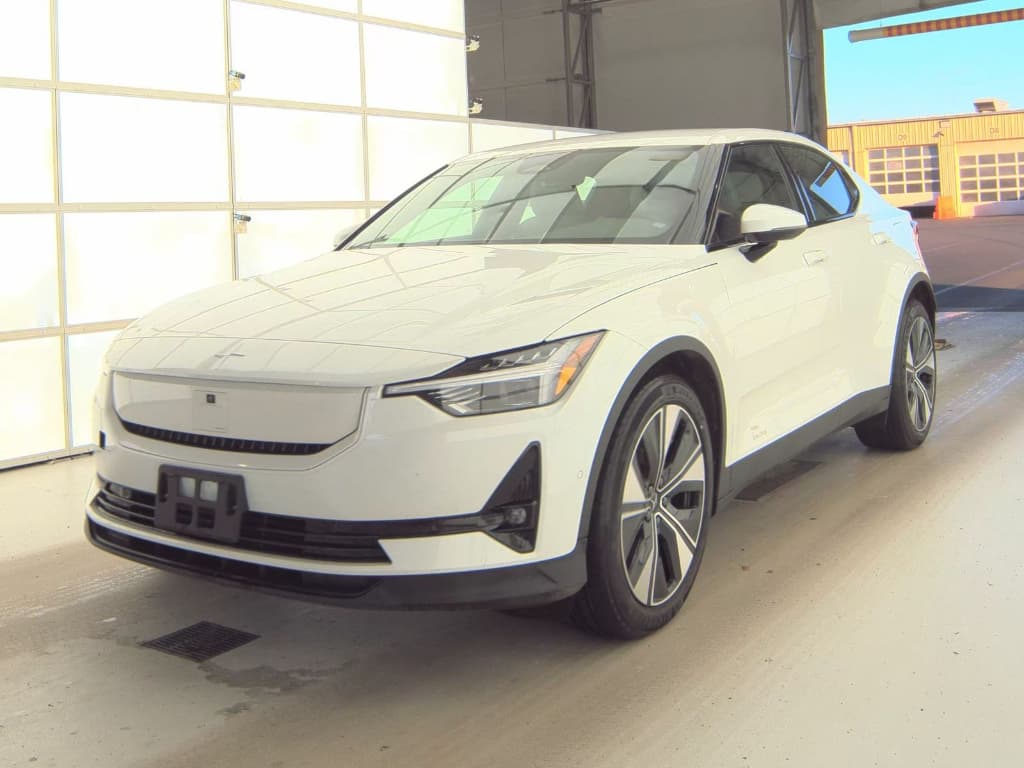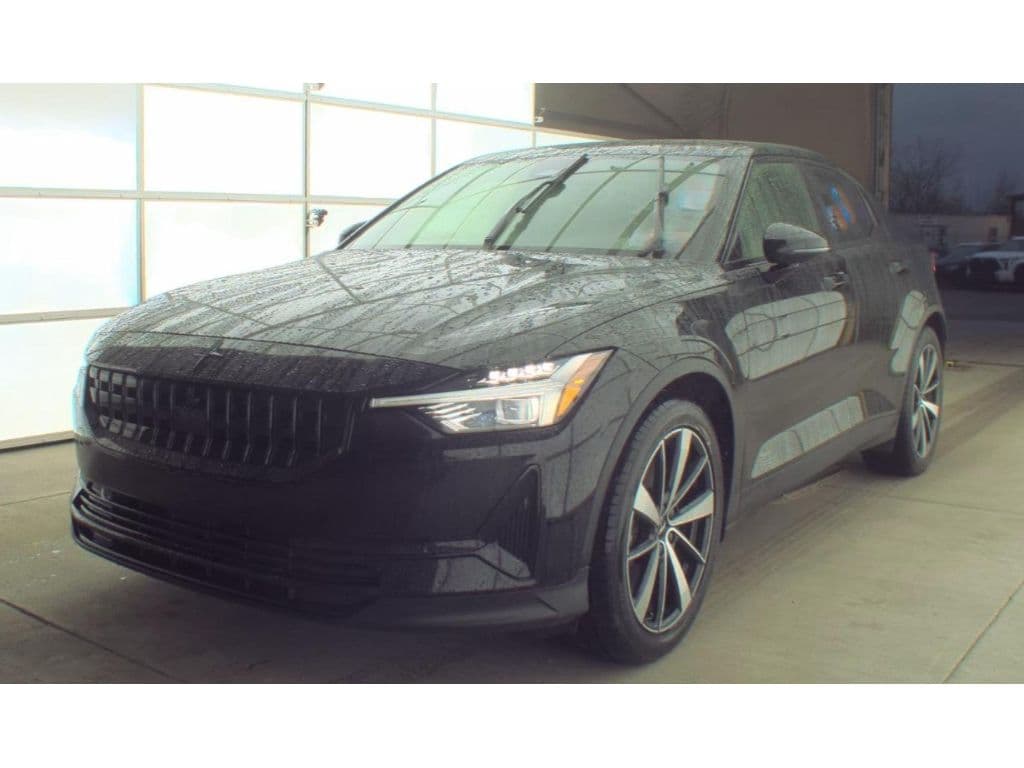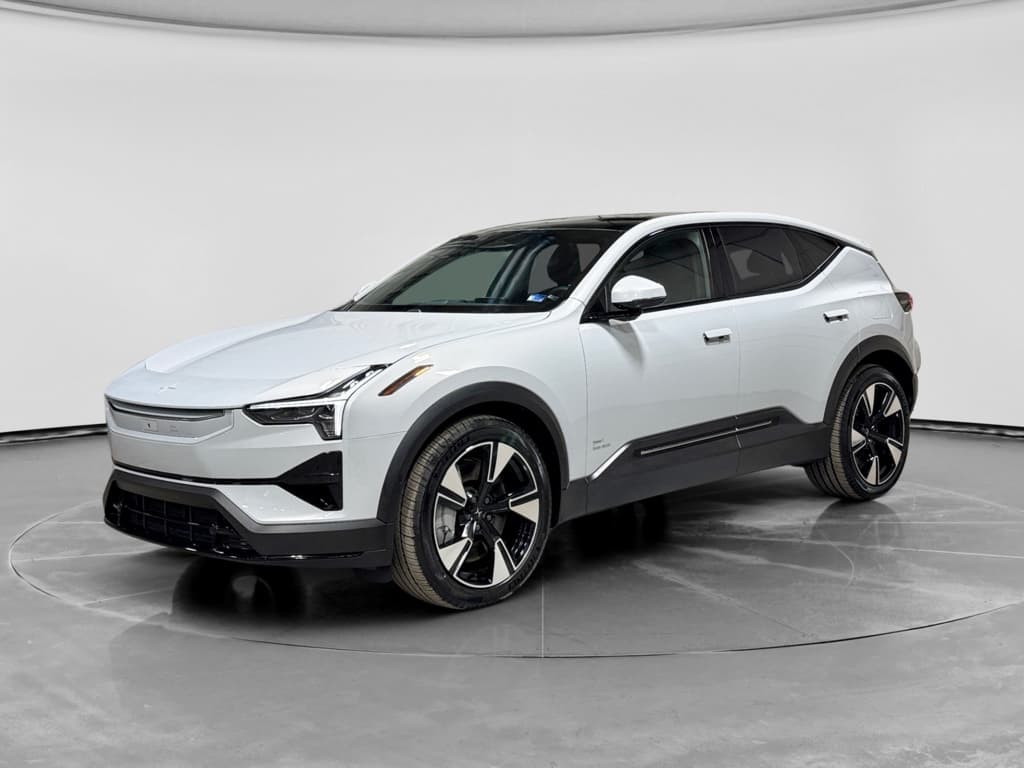
If you’re drawn to the clean Scandinavian design and sharp driving manners of the 2025 Polestar 2, you’re not alone. The catch is that this EV also shows up on some “least reliable new cars” lists, and owners are vocal about quirks you won’t see in the glossy brochures. Let’s unpack what 2025 Polestar 2 reliability really looks like, so you can decide with eyes wide open, especially if you’re considering a used example.
Quick takeaway
2025 Polestar 2 reliability at a glance
Polestar 2 reliability snapshot
Important context for U.S. shoppers
How reliable is the Polestar 2 overall?
Across model years 2021–2025, the Polestar 2’s mechanical hardware is generally sound. The motors and battery pack aren’t what usually strand people. Where the car stumbles is in electronics, software, and some chassis components, which drag down predicted reliability scores and owner satisfaction ratings.
- Consumer publications give the Polestar 2 a 2/5 predicted reliability score, landing it among the least‑reliable new cars for 2025.
- JD Power’s quality and reliability score in the mid‑60s is noticeably lower than many rivals like the Tesla Model 3 or Hyundai Ioniq 5.
- Owner forums show a mixed picture: some drivers rack up 50,000–70,000 miles with only minor annoyances; others fight repeated axle, suspension, or infotainment issues.
How to read those scores
Common 2025 Polestar 2 problems and complaints
Because the 2025 model continues the 2024 mechanical refresh (rear‑drive single motor, updated batteries), its reliability story mostly mirrors late‑run cars rather than early 2021 builds. The most common complaints fall into a few buckets:
Where Polestar 2 reliability tends to slip
Patterns seen across 2021–2025 model years
Infotainment & connectivity
Slow boots, random reboots, Android Automotive glitches, and Polestar app disconnects. Many owners also report intermittent backup camera blackouts before the recall fix.
Axles & suspension noises
Repeated reports of rear axle clicking or “wheel of fortune” sounds, front axle clunks, and occasional failed struts or mounts, often between 20,000–50,000 miles.
HVAC & comfort
HVAC clicking behind the dash, inconsistent heating or A/C on one side, and noisy fans. Annoying more than dangerous, but repairs out of warranty can get pricey.
Biggest red flag on a test drive
Battery, range, and charging reliability
The good news is that the 2025 Polestar 2’s battery and drive unit are not the star of most horror stories. After the 2024 refresh, the car uses an 82‑kWh battery in the single‑motor version and an updated 78‑kWh pack in the dual‑motor. Range and charging performance are competitive, and widespread battery failures have not been a theme.
- Long Range Single Motor models can deliver well over 300 miles of EPA‑rated range when new, with DC fast‑charging peaks around 200 kW under ideal conditions.
- Owners occasionally report unexpected range drops or vampire drain after software updates, but these are usually manageable with later patches or settings tweaks.
- Some early‑run cars suffered charging‑station compatibility quirks; most are resolved with OTA updates, though a stubborn few required dealer visits.
- The high‑voltage battery is covered by a long factory warranty (commonly around 8 years/100,000 miles against defects and excessive capacity loss).
Battery health tends to be a strong point
Ready to find your next EV?
Browse Vehicles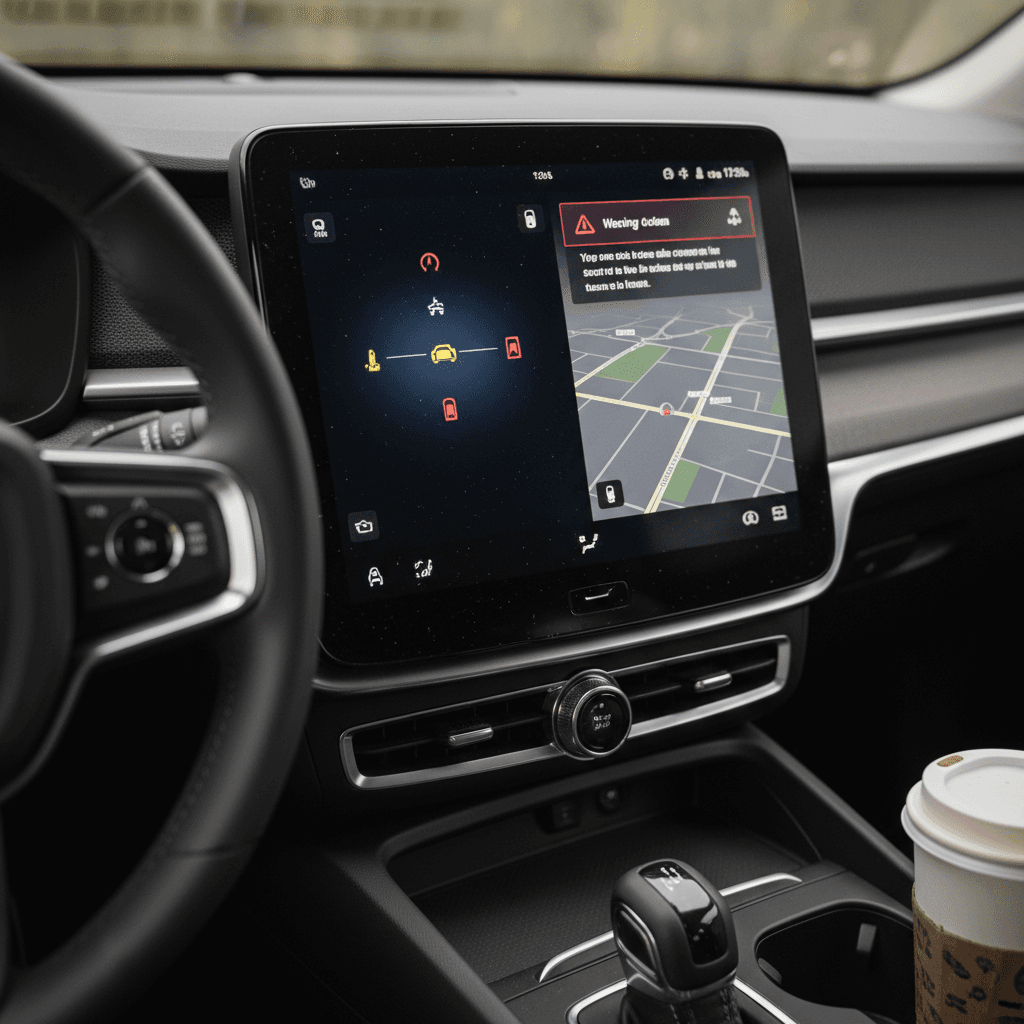
Software, infotainment, and camera issues
If the Polestar 2 has an Achilles’ heel, it’s software. The car runs Google’s Android Automotive OS, which gives you native Google Maps and apps, but also opens the door to some very modern headaches.
Typical Polestar 2 software & electronics complaints
Not every 2025 car will show these problems, but they’re worth testing for before you buy.
| System | What owners report | How serious is it? | What to do on a test drive |
|---|---|---|---|
| Infotainment head unit | Slow boot, frozen screens, system reboots while driving | Annoying, can impact camera and navigation | Start the car several times, stress‑test Maps, media, and settings. |
| Polestar app / connectivity | Car drops LTE or loses link to app, remote pre‑conditioning fails | Mostly a convenience issue | Pair your phone, test remote lock/unlock and climate control. |
| Backup camera (2021–2025 recall) | “Camera is temporarily unavailable” message, black screen when reversing | Safety‑critical if frequent | Shift into reverse repeatedly; confirm recall fix via software update. |
| Driver‑assist systems | Adaptive cruise or Pilot Assist temporarily unavailable, then returns | Inconvenient, can erode trust | Try adaptive cruise on a highway; look for error messages. |
Focus on repeatability: an occasional reboot is one thing, weekly failures are another.
About the 2021–2025 rear camera recall
Suspension, axle noise, and HVAC quirks
Underneath the pretty sheetmetal, the Polestar 2 uses a platform originally designed for a gas‑powered car. It drives well, but that heritage, plus the weight of a battery pack, seems to contribute to axle and suspension complaints as the miles add up.
Axles & rear drive unit
- Many owners mention a rear axle “wheel of fortune” clicking sound or clunks when going on/off the throttle.
- Some cars have had rear axle replacements under warranty; a few needed full rear motor/drive unit swaps.
- Front axle noises or vibrations also show up in a minority of cases, sometimes tied to worn bearings.
On a used 2025 Polestar 2, this is one of the first things you should listen for in a low‑speed parking‑lot test.
Suspension & HVAC
- Reports of strut mount failures, squeaks, and rattles, most often around 30,000–50,000 miles.
- HVAC systems that click behind the dash or struggle to keep one side of the cabin heated or cooled.
- Dealers vary: some treat HVAC clicks and rattles as warranty issues, others try to classify them as “noise” and deny coverage.
None of this is unique in the EV world, but the pattern is stronger for Polestar 2 than for some direct rivals.
Simple driveway test
Warranty coverage on the 2025 Polestar 2
Polestar wraps the 2 in a set of warranties similar to other premium EVs. Exact terms can vary by market and model year, but for a 2025 Polestar 2 you can generally expect:
- New‑vehicle limited warranty – typically around 4 years/50,000 miles covering most defects in materials and workmanship.
- High‑voltage battery warranty – usually about 8 years/100,000 miles with protection against manufacturing defects and significant loss of capacity.
- Corrosion & paint warranties – extended coverage against rust‑through and certain paint defects.
- Roadside assistance paired with the basic warranty, which can be a lifesaver if a software issue leaves the car undrivable.
Check in‑service date, not just model year
Maintenance and running costs vs other EVs
Like most EVs, the 2025 Polestar 2 enjoys low routine maintenance: no oil changes, fewer moving parts, and far less to do on a yearly basis. Where costs can creep up is out‑of‑warranty repairs on premium parts and dealing with a smaller service network.
Polestar 2 ownership: what costs to expect
Where you’re likely to spend money over 5–8 years
Routine service
Cabin air filters, brake fluid, tire rotations, and occasional alignment checks. Expect similar or slightly higher pricing than a Volvo dealer visit.
Tires & brakes
Polestar 2 is heavy and quick, so it’s tough on tires. Many owners report replacements around 25,000–35,000 miles. Brake wear is usually modest thanks to regen.
Big repair risks
Out of warranty, drive units, axles, struts, and HVAC components can get expensive. This is where a strong warranty or extended coverage matters most.
How Recharged can help on costs
Buying a used Polestar 2: reliability checklist
If you’re eyeing a 2025 Polestar 2, or any earlier year, think like a picky inspector. These cars can be wonderful to live with, but you want one that’s been well‑cared‑for and properly updated.
Used Polestar 2 reliability checklist
1. Verify software & recall history
Ask the seller for documentation that <strong>all open recalls</strong> have been completed, especially the rearview camera fix. In the car, dig into the settings menu to confirm it’s on recent software, and make sure basic features (camera, navigation, climate) behave normally.
2. Get a battery health report
Use a third‑party tool, or a marketplace like <strong>Recharged</strong> that provides a Recharged Score, to see remaining usable capacity and DC fast‑charge behavior. You want to avoid cars that have spent their lives hammered on fast‑chargers with noticeable range loss.
3. Listen for axle and suspension noise
During your test drive, pay close attention to <strong>clicks, clunks, or grinding</strong> from the front or rear when you accelerate gently, coast, and brake. Noises that repeat consistently over the same bumps or throttle inputs are red flags.
4. Stress‑test the infotainment
Start the car multiple times. Use Google Maps, stream audio, switch apps, and engage the backup camera repeatedly. Frequent crashes, black screens, or laggy responses could mean future headaches.
5. Try driver‑assist on the highway
Activate adaptive cruise and Pilot Assist, if equipped. The system should track lanes smoothly and rarely drop out without a clear reason. Random jerks or constant error messages are worth investigating before you buy.
6. Inspect interior wear and water ingress
Check door seals, the headliner around the shark‑fin antenna, and trunk area for any signs of <strong>water leaks or staining</strong>. Early Polestar 2s had telematics units harmed by water; you don’t want a 2025 car with the same fate brewing.
Don’t skip a pre‑purchase inspection
Should you buy a 2025 Polestar 2?
Reasons to say yes
- Fantastic driving dynamics: Rear‑drive balance (on single‑motor cars) and strong performance make it genuinely fun to hustle.
- Distinctive design: If you’re tired of the same‑looking crossovers, the Polestar 2’s clean, sharp styling stands out.
- Solid battery and motor track record: Major powertrain failures are less common than you might fear from the reliability scores.
- Depreciation creates value: Lower resale values versus some rivals can make a lightly‑used Polestar 2 a compelling deal.
Reasons to be cautious
- Below‑average predicted reliability from major rating agencies, driven by software and hardware glitches.
- Axle, suspension, and HVAC issues that can show up in mid‑mileage cars and get expensive out of warranty.
- Smaller service network than Tesla or legacy automakers, especially in parts of the U.S. after 2025.
- Electronics quirks that may never fully disappear, even with updates.
If you fall for the 2025 Polestar 2’s looks and road manners, you’re not wrong, it’s a deeply satisfying EV when it’s behaving. Just treat it as a high‑character, slightly high‑maintenance choice rather than a set‑and‑forget appliance. The smartest move is to shop carefully, lean on battery‑health and inspection data, and make sure you have both warranty coverage and a willing service center in reach. That way, you can enjoy the car’s strengths while keeping the rough edges squarely in the background.