If you’re researching 2025 Nissan Ariya problems, you’re probably trying to decide whether this electric SUV is a smart buy, especially used. The Ariya has some real strengths, but like most first‑generation EVs, it also has a pattern of issues that keep popping up in owner reports. This guide pulls together what we know so far about reliability, common problems, and how to protect yourself if you’re shopping for a 2025 Ariya.
Quick take
Overview: How Problematic Is the 2025 Nissan Ariya?
Broadly, the Ariya is **not** in the same “problem child” category as some early EVs, but it’s not trouble‑free either. Consumer reliability data and real‑world owner feedback paint a nuanced picture: solid fundamentals with a few recurring pain points you’ll want to understand before you sign anything.
2025 Nissan Ariya at a Glance
For used‑EV shoppers, that combination, decent reliability with soft resale values, can be attractive. The key is separating **normal EV quirks** from **genuine problem areas** that could strand you, hurt resale value, or lead to frustrating dealer visits.
Reliability Data So Far for the 2025 Ariya
Because the Ariya launched for 2023, the 2025 model benefits from a couple of years of real‑world feedback and running changes. Consumer Reports predicts the 2025 Ariya will be **more reliable than the average new vehicle**, drawing on data from 2023–2025 Ariyas. At the same time, its standalone EV reliability score, around the high‑50s, puts it in the middle of today’s electric field, behind the very best but ahead of several high‑profile competitors.
Where the Ariya’s Reliability Stands Among EVs
Based on Consumer Reports EV reliability scores (higher is better)
Better than many EVs
Mid‑pack overall
New‑platform growing pains
How to read the reliability score
Common 2025 Nissan Ariya Problems Reported by Owners
Owner forums and early‑production history from 2023–2024 give a good preview of what 2025 Ariya drivers are dealing with. The major themes we see over and over:
- Intermittent “Service EV System” warnings, sometimes tied to charging events or low state of charge
- Type 2 / Level 2 AC charging sessions stopping early or failing to initiate at all
- Software quirks with the MyNissan app, remote climate, and in‑car NissanConnect features
- Navigation that struggles to reliably surface fast chargers, despite user settings
- DC fast‑charging speeds that rarely hit the brochure numbers in real‑world use
- Occasional 12‑volt battery issues that can cascade into no‑start or EV system errors
- Longer‑than‑expected parts wait times for body and lighting components in some markets
Important context
Charging Problems and “Service EV System” Warnings
If there’s a single theme in Ariya problem threads, it’s this: **charging doesn’t always behave the way it should**. For 2025 models, outright hardware failures seem relatively rare, but owners still report a mix of confusing behavior and warning messages.
1. “Service EV System” after charging
Multiple owners describe plugging in, often at Level 2 public stations or home 240V outlets, only to have charging stop and a “Service EV System” message appear. In some cases, the car refuses to shift into gear and needs to be towed; in others, it will clear after a power cycle.
- Can be triggered by marginal 12‑volt battery voltage, especially when the main pack is low.
- Dealers sometimes blame the outlet or EVSE first, which can delay proper diagnosis.
- A few owners have ultimately pursued lemon law buybacks when repeated repairs failed.
2. Level 2 charging starts, then stops
Other owners report Type 2 / Level 2 charging sessions that begin normally, then cut off after 30–60 seconds. The same Ariya may charge fine on DC fast‑charging, hinting at a communication issue between the onboard charger and AC stations.
- Some have had onboard charger modules and 12‑volt batteries replaced under warranty.
- Intermittent failures are hardest for dealers to reproduce, so detailed charging logs help.
- If it only misbehaves on one station, suspect the station; if it happens on many, suspect the car.
Why the 12‑volt battery matters
From a buyer’s perspective, charging issues are the **number‑one Ariya problem to screen for**. You want to see the car charge cleanly on Level 2 and DC fast‑charging, without errors, and you want assurance any past “Service EV System” incidents were properly diagnosed, not simply cleared.
Software, App, and Infotainment Glitches
The Ariya’s software stack, car, cloud, and app, has improved with updates, but 2023–2025 owners still report more than their share of quirks. These don’t usually leave you stranded, but they can be annoying in daily use.
Typical Ariya Software & App Complaints
Minor on their own, frustrating when they add up
MyNissan app climate control errors
Remote services timeouts
Infotainment & profile bugs
Quick troubleshooting steps
Battery, Range, and DC Fast-Charging Performance
On core battery health, we haven’t seen a wave of 2023–2025 Ariya owners reporting serious degradation. That’s encouraging. Where complaints do pop up is around **real‑world range and fast‑charging speed**, expectations vs. reality.
- Owners with the smaller‑battery Ariya are most likely to complain about range anxiety, especially in cold climates or at highway speeds.
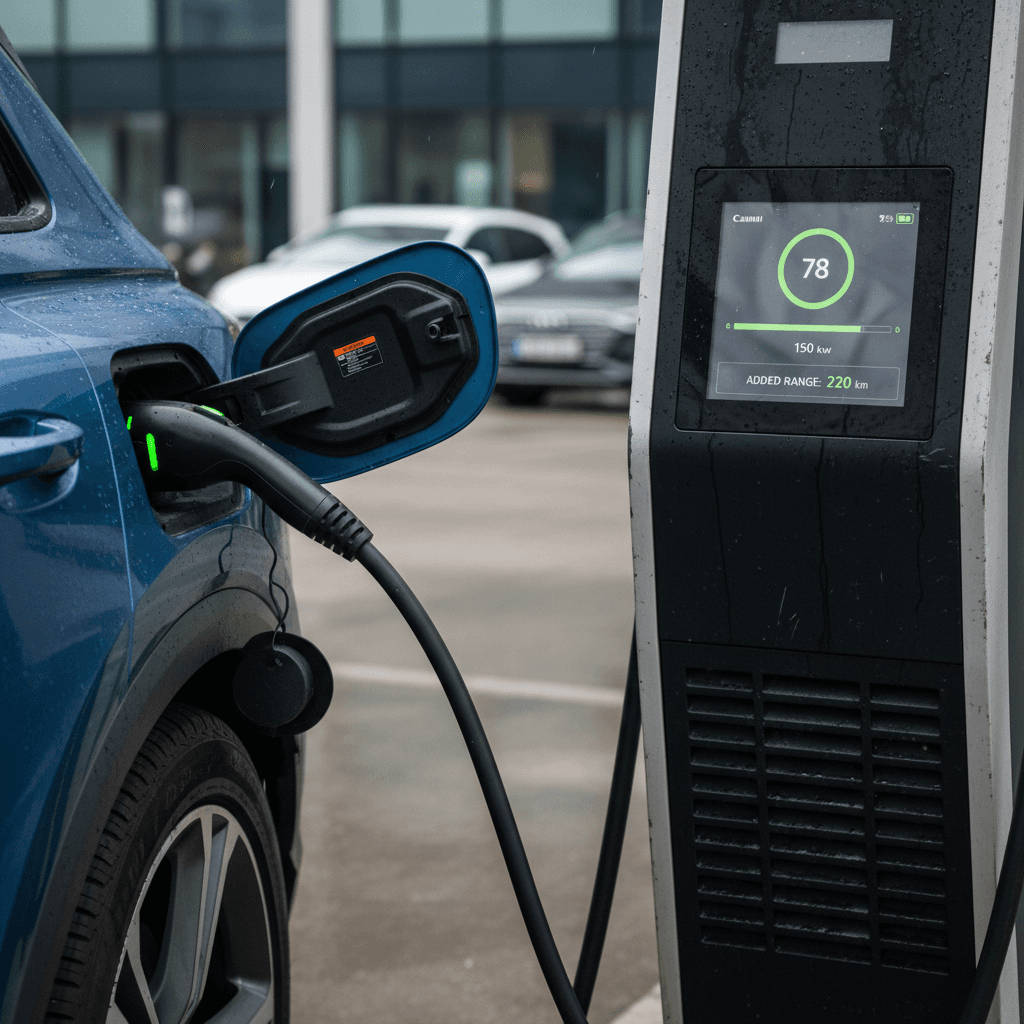
- Several drivers note that fast‑charging rarely hits the advertised 130 kW peak, even when arriving with a warm battery at low state of charge.
- Charging curves tend to be conservative, tapering earlier than some rivals, fine for battery longevity, less ideal for road‑trip speed.
- Navigation has been known to route drivers to slower Level 2 stations despite filters set for fast‑charging only.
Road‑trip expectations
Recalls and Service Campaigns to Watch
Unlike some Nissan ICE models that have been hit with major engine‑related recalls, the Ariya hasn’t faced headline‑grabbing safety campaigns on that scale. However, early 2023–2024 Ariyas did see **technical service bulletins and software updates** related to charging behavior, warning lights, and drivetrain control logic.
2025 Nissan Ariya: What to Ask About Recalls & Updates
Specific campaign IDs change over time, but these are the areas to confirm have been checked or updated on any used Ariya you’re considering.
| Area | What to Ask the Seller | Why It Matters |
|---|---|---|
| Charging & EV system software | Has all EV system / onboard charger / BMS software been updated to the latest version? | Updated software can reduce nuisance “Service EV System” warnings and improve charging reliability. |
| HVAC & remote climate | Have any HVAC or climate‑control related campaigns or TSBs been completed? | Earlier cars have seen odd HVAC error messages kicking off remote climate sessions. |
| ADAS & cameras | Any camera, radar, or ProPILOT Assist updates done? | Improved driver‑assist behavior and fewer random alerts or sensor fault messages. |
| General safety recalls | Is the car free of open recalls on NHTSA and the Nissan owner website? | You don’t want to discover an unresolved safety recall after you’ve bought the car. |
Always run the VIN through the manufacturer and NHTSA recall tools before purchase.
Certified Pre‑Owned is not a guarantee
Hidden Pain Points: Parts Delays and Dealer Experience
Beyond mechanical problems, Ariya owners frequently mention two quality‑of‑life issues that don’t show up on a spec sheet: **parts availability** and **dealer EV expertise**.
1. Parts on backorder
Because the Ariya is still a relatively low‑volume, imported model, some replacement parts, especially body, lighting, and trim components, can sit on backorder for weeks. One owner dealing with a headlight issue reported waiting more than a month for parts to ship.
If you’re buying used, ask whether the car has any pending repairs or parts orders, and whether the selling dealer has run a fresh inspection.
2. Inconsistent EV knowledge at dealers
Some Nissan dealers now have solid Ariya experience; others are still catching up after years of ICE‑first operations. That gap shows up when owners bring in vague electrical or charging complaints and are told it’s “just the outlet” or “normal behavior,” only to see the problem return.
For tricky electrical issues, it’s worth finding a dealer with a dedicated EV tech and multiple Ariyas in their service history.
How Recharged helps here
Ready to find your next EV?
Browse VehiclesUsed 2025 Ariya Buying Checklist
If you’re considering a 2025 Ariya, especially a used one, go in with a structured plan. Here’s a practical checklist you can follow at the test‑drive and negotiation stage.
Pre‑Purchase Checklist for a 2025 Nissan Ariya
1. Verify software, recalls, and campaigns
Ask the seller for a printout or screenshot showing all <strong>recalls, service campaigns, and software updates</strong> completed. Cross‑check the VIN on NHTSA’s recall site and Nissan’s owner portal before you commit.
2. Test Level 2 charging thoroughly
If possible, plug the Ariya into a known‑good <strong>Level 2 charger</strong> for at least 15–20 minutes. Watch for early shut‑offs, error lights, or “Service EV System” warnings. A quick 60‑second plug‑in isn’t enough to uncover intermittent problems.
3. Confirm DC fast‑charging behavior
On a low state of charge, try a DC fast‑charger. You’re not just checking peak kW, you’re looking for a stable session without warning messages, abrupt stops, or the vehicle refusing to take a charge.
4. Inspect the 12‑volt battery and history
Ask if the <strong>12‑volt battery</strong> has ever been replaced or tested. A tired 12‑volt can trigger a cascade of EV system errors. On a used Ariya that’s a couple of years old, a fresh 12‑volt is a plus.
5. Exercise all remote and app functions
From the MyNissan app, test lock/unlock, remote start climate, and any scheduled climate features. Look for error messages or excessive delays. In the cabin, test navigation routing to fast chargers and driver profiles.
6. Look for body, lighting, and trim damage
Because some Ariya‑specific parts can be slow to arrive, pay extra attention to <strong>headlights, bumpers, and unique interior trim</strong>. Small issues that would be a quick fix on a mainstream model can become month‑long waits on a low‑volume EV.
7. Review charging and service records
Ideally, you want documentation showing <strong>normal charging behavior over time</strong> and clear descriptions of any past “Service EV System” events. Vague notes like “customer states light on, could not replicate” should trigger follow‑up questions.
8. Consider an independent EV‑focused inspection
If you’re shopping outside a specialist retailer, consider having the Ariya inspected by a technician who routinely works on EVs. At Recharged, this kind of <strong>EV‑specific inspection and battery‑health test</strong> is baked into every vehicle we sell.
How the Ariya’s Problems Compare to Other EVs
Putting the Ariya in context helps. Many of the issues we’ve discussed, quirky software, less‑than‑promised charging speeds, 12‑volt battery sensitivity, show up across the EV market, not just at Nissan. The questions are how often they occur and how well the manufacturer and dealer network respond.
Ariya vs. Other Mainstream EVs on Problem Areas
High level overview based on owner reports and reliability data
Vs. Tesla Model Y
Vs. Hyundai Ioniq 5 / Kia EV6
Vs. Ford Mustang Mach‑E
Where Ariya stands out
FAQ: 2025 Nissan Ariya Problems & Shopping Tips
Frequently Asked Questions About 2025 Nissan Ariya Problems
Bottom Line: Should You Buy a 2025 Nissan Ariya?
If you’re hunting for red‑flag‑level 2025 Nissan Ariya problems, the story is more nuanced than a simple yes or no. The Ariya doesn’t look like a disaster in the making: predicted reliability is better than average, we’re not seeing systemic battery failures, and most issues fall into the realm of charging behavior and software rather than catastrophic hardware.
That said, those charging and “Service EV System” quirks are exactly the kinds of issues that can ruin your day, or your road trip, if you buy the wrong example. The smartest move is to be picky: insist on proof of software updates, test multiple types of charging, and avoid cars with vague or recurring EV‑system warnings in their history.
A well‑sorted Ariya can be a comfortable, quiet, and relatively affordable entry into EV ownership. A neglected one can be a rolling experiment in early‑generation EV diagnostics. Working with an EV‑focused retailer like Recharged, where every vehicle includes a transparent battery‑health report and expert guidance, can tilt the odds in your favor and help you enjoy the Ariya’s strengths without being surprised by its weak spots.