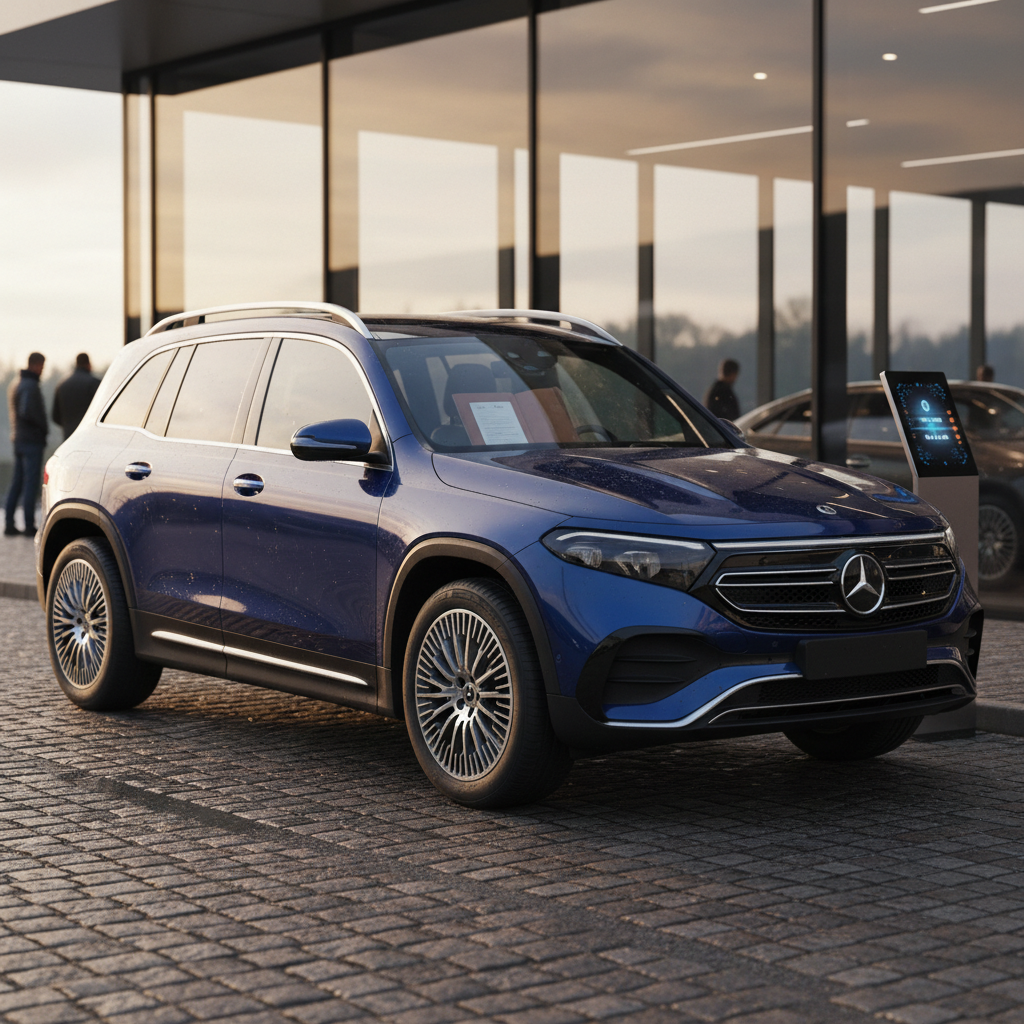
If you’re researching 2025 Mercedes EQB problems, you’ve probably seen a mix of glowing reviews and alarming headlines about battery recalls and fire risks. The truth sits somewhere in between: the EQB isn’t a disaster, but it has more early‑generation EV baggage than most luxury shoppers expect. Let’s unpack the real issues, what’s been fixed, and how to protect yourself if you’re considering a used EQB.
Context: 2025 model vs. 2025 problems
Overview: How Serious Are 2025 Mercedes EQB Problems?
Mercedes EQB Problem Snapshot (2022–2025 builds)
From a distance, the 2025 EQB looks like a safe bet: compact luxury SUV packaging on the familiar GLB platform, a usable third row option, and Mercedes’ polished infotainment. Under the surface, though, there are three big patterns that anyone shopping used needs to understand:
- A series of high‑voltage battery recalls tied to cell defects and busbar fasteners, now escalating from software patches to full pack replacements.
- Smaller but real driveability issues like sudden power loss if an affected pack or connection fails.
- Ongoing reports of software glitches and sensor faults that send cars back to the dealer more often than owners expect of a Mercedes.
Headline vs. lived reality
1. Battery Fire Risk & High-Voltage Pack Recalls
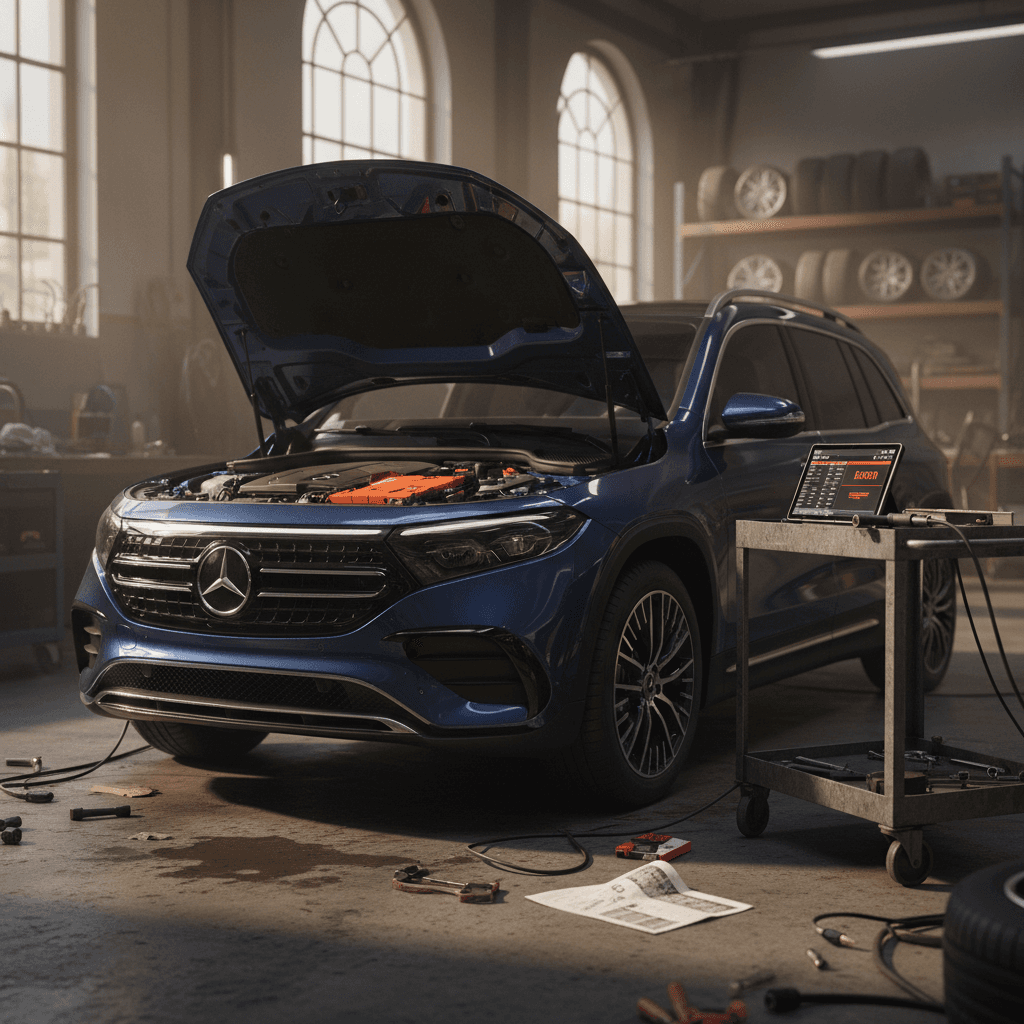
The single most important 2025 Mercedes EQB problem isn’t a squeak or a screen glitch; it’s the series of high‑voltage battery defects that have now triggered multiple recall campaigns and, most recently, a directive to park outdoors and charge only to 80% on roughly 12,000 EQBs in the U.S.
- Early‑production battery cells from supplier Farasis Energy were found to be insufficiently robust at high state of charge, which can lead to internal short circuits and, in rare cases, thermal runaway and fire.
- Initial 2025 recall campaigns tried to contain the risk with battery management software updates and an 80% charge limit while data was collected.
- As more data came in, Mercedes moved to a more drastic but reassuring remedy on many affected EQBs: full high‑voltage pack replacement with updated hardware, at no cost to owners.
Why the fire recalls matter for shoppers
Key battery defect patterns
- Production window: Many recalled EQBs were built between late 2021 and mid‑2024, before the supplier’s manufacturing changes.
- Model coverage: Campaigns have included EQB 250+, EQB 300 4MATIC and EQB 350 4MATIC across 2022–2024 model years, some of which were sold as new or CPO into 2025.
- Symptoms: In the worst case, thermal events (fire) either while parked or driving; in less severe cases, warnings or power reduction.
Good news for a used‑buyer
- 8‑year battery warranty means the high‑voltage pack on a 2022–2025 EQB is covered well into the 2030s for most buyers.
- Recalled cars that receive a new pack may ultimately be better bets than untouched early‑build examples, since they get the latest hardware.
- Once the recall work is documented and the 80% limit lifted, the residual safety and range penalty is largely erased.
Battery recall checklist for any EQB you’re considering
1. Run the VIN through the recall checker
Use the NHTSA recall lookup or Mercedes’ own tool to verify whether the EQB has open high‑voltage battery recalls. Don’t rely on a salesperson’s verbal assurance.
2. Confirm whether the pack was replaced
Ask for service records that explicitly show battery pack replacement or battery management software updates tied to the official recall number. A new pack is a meaningful upside.
3. Ask about interim instructions
If the car has ever been subject to an 80% charge limit or "park outside" advisory, make sure those restrictions have been formally lifted in writing after the repair.
4. Check the build date
EQBs built after mid‑2024 are more likely to have updated cells and tighter quality control. You’ll find the build date on the door jamb label and in Mercedes’ internal records.
Where Recharged fits in
2. Sudden Power Loss & Driveability Issues
Separate from outright fire risk, some EQB owners have reported unexpected loss of power or “reduced power” warnings that drastically limit acceleration. In most cases this traces back to the same ecosystem of battery and high‑voltage hardware issues rather than a flawed motor design.
- Loose or out‑of‑spec high‑voltage busbar screws in some packs, which can momentarily interrupt power flow and trigger limp mode.
- Diagnostic trouble codes that push the car into reduced‑power mode even when hardware damage is minor or nonexistent, pending a software fix.
- Isolated motor or cooling‑system component failures (like radiator flap motors) that are annoying but ultimately repairable under warranty.
Why power‑loss matters more in an EV
The big question for a used buyer is whether these episodes are rare edge cases or a chronic part of EQB life. Right now, reports are scattered rather than universal. Two things tilt the odds in your favor:
- Most of the underlying issues are manufacturing defects in early packs, not design flaws in the entire platform.
- Once an affected car receives a new battery pack built under updated specs, the risk of recurrence should drop sharply.
3. Software Bugs, Sensors & Electronics Glitches
The EQB inherits a lot of infotainment and driver‑assist tech from other Mercedes models. That gives you a familiar MBUX experience, but it also means you’re inheriting Mercedes’ software growing pains in the EV era.
Common EQB software & electronics complaints
Not every car has these issues, but they’re worth testing on a pre‑purchase drive.
Random sensor faults
MBUX lag or resets
False "reduced power" warnings
Dealer vs. reality
Electronics & software checks during a test drive
Test all driver‑assist features
On a quiet road, verify adaptive cruise, lane‑keeping, blind‑spot monitoring, and parking sensors. Any persistent warning lights are a red flag until diagnosed.
Stress‑test the infotainment
Run navigation, a Bluetooth call or CarPlay/Android Auto, and EV energy screens simultaneously. Watch for lag, frozen screens, or random reboots.
Scan for stored fault codes
Ask the seller, or a third‑party inspection, to scan the car with a diagnostic tool. Intermittent high‑voltage or sensor codes are worth understanding before you sign.
4. Charging, Range & Cold-Weather Performance
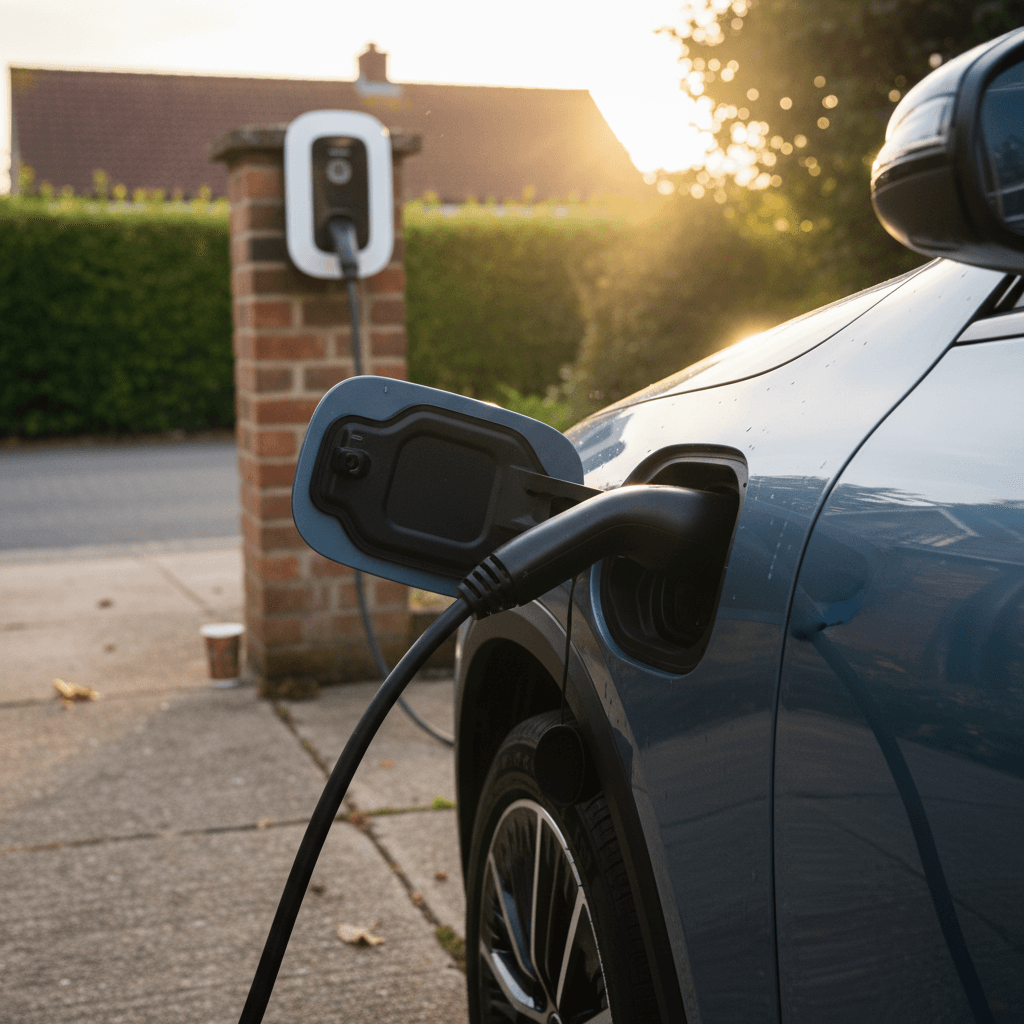
On paper, the Mercedes EQB’s range and charging performance are adequate rather than groundbreaking. Real‑world owners of 2023–2025 EQBs tend to report realistic mixed‑driving range in the 180–220‑mile band depending on battery size, climate, and speed.
- An 80% charge limit during some recall campaigns effectively shrinks usable range until the car is repaired.
- The EQB uses CCS fast charging, so you’re reliant on public CCS networks rather than Tesla’s Superchargers unless you leverage NACS adapters where supported.
- Cold‑weather performance is typical for this segment: expect 20–35% range loss in freezing conditions, more if you hammer highway speeds with the heater blasting.
Winter EQB survival tips
5. Interior Quality, Wear Items & Ownership Costs
Mechanically, the EQB is more conservative than a ground‑up EV like a Tesla Model Y, it’s a GLB adapted to electric power. Where owners get tripped up is in expectations of Mercedes‑level luxury versus what’s actually inside this compact SUV.
Where the EQB feels less "Mercedes" than you’d expect
These aren’t fatal flaws, but they matter if you’re cross‑shopping other luxury EVs.
Seats & materials
Fit, finish & rattles
On the cost side, the EQB behaves like many luxury EVs: routine maintenance is light (no oil changes), but when something big fails out of warranty, like a high‑voltage component or complex driver‑assist sensor, the bill can easily climb into four figures.
How depreciation creates opportunity
Should You Avoid a Used Mercedes EQB?
When an EQB is worth considering
- You want a compact luxury EV SUV with a usable (if tight) third row and upright driving position.
- You can live with sub‑Tesla range because your daily driving is under ~120 miles and you have home charging.
- The specific EQB you’re looking at has documented recall completion, ideally including a new high‑voltage pack and clean diagnostic scans.
- Price is significantly lower than a comparable Audi Q4 e‑tron, Volvo XC40 Recharge or Tesla Model Y.
When to walk away
- The VIN shows open battery or power‑loss recalls, and the seller shrugs them off or can’t confirm a repair appointment.
- Service records show repeated software reflashes or high‑voltage fault codes with no clear root cause or component replacement.
- You need reliable 250+ mile highway range in all weather for regular long‑distance travel.
- The seller can’t or won’t provide detailed battery health data, and the price doesn’t reflect that uncertainty.
Model‑year labels are misleading
How to Shop a Used EQB Safely
If you like the EQB’s packaging and don’t mind its range, the goal isn’t to avoid the model entirely, it’s to filter aggressively for the right examples. Here’s a practical way to do that.
Step‑by‑step EQB shopping playbook
1. Start with a recall + build‑date screen
Before you fall in love with any EQB, run the VIN through official recall tools and note the build date. Prefer cars built after mid‑2024 or those with documented new battery packs.
2. Demand full service history
Look for pattern recognition: a single visit for a software update is fine; five visits for similar power or sensor faults is a red flag. Ask specifically about high‑voltage component replacements.
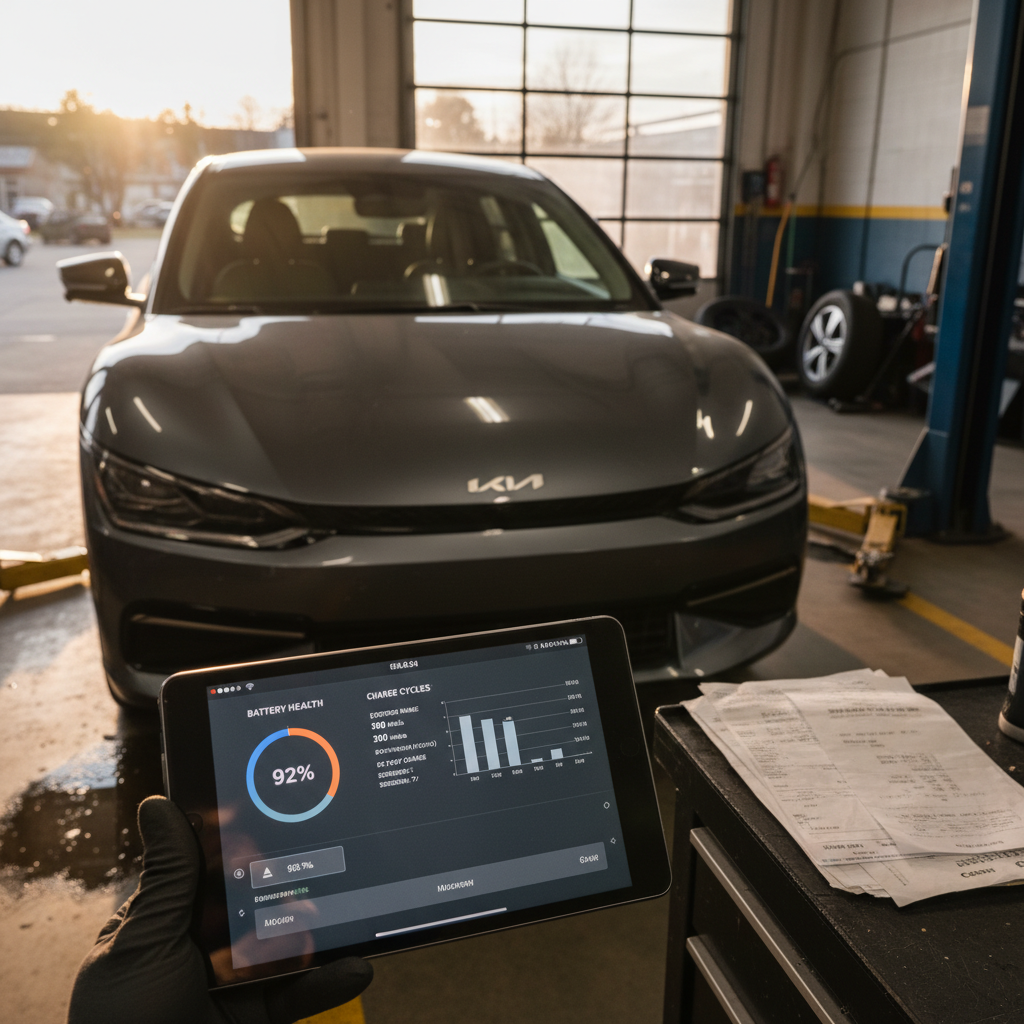
3. Get independent battery health data
A proper EV health report, like the Recharged Score, goes beyond “no warning lights” and measures real capacity vs. original. That matters both for range and for resale value later.
4. Test drive like you already own it
Do a long enough drive to reach highway speeds, rough pavement and a few parking maneuvers. Confirm smooth acceleration, no surprise warnings, and stable driver‑assist behavior.
5. Compare total cost of ownership
Factor in depreciation, insurance, charging costs, and the possibility of out‑of‑warranty electronics repairs. A cheaper up‑front price doesn’t help if you’re one major repair away from regret.
6. Consider expert‑curated inventory
If you’d rather not play recall detective, shop through platforms like Recharged that specialize in used EVs, disclose battery health, and handle title, financing, and nationwide delivery for you.
Frequently Asked Questions About 2025 Mercedes EQB Problems
2025 Mercedes EQB Problems: FAQ
The 2025 Mercedes EQB sits at an awkward crossroads in the EV market: conceptually appealing, but launched into a fast‑moving technology cycle with some very public battery‑quality stumbles. If you treat it like any other shiny new crossover, you’re rolling the dice. If you approach it like an informed EV shopper, checking recalls, verifying repairs, and insisting on hard battery‑health data, you can let other people’s fear and depreciation work in your favor. And if you’d rather not become your own recall detective, working with a specialist like Recharged can turn a complicated used‑EQB decision into a transparent, data‑driven one.