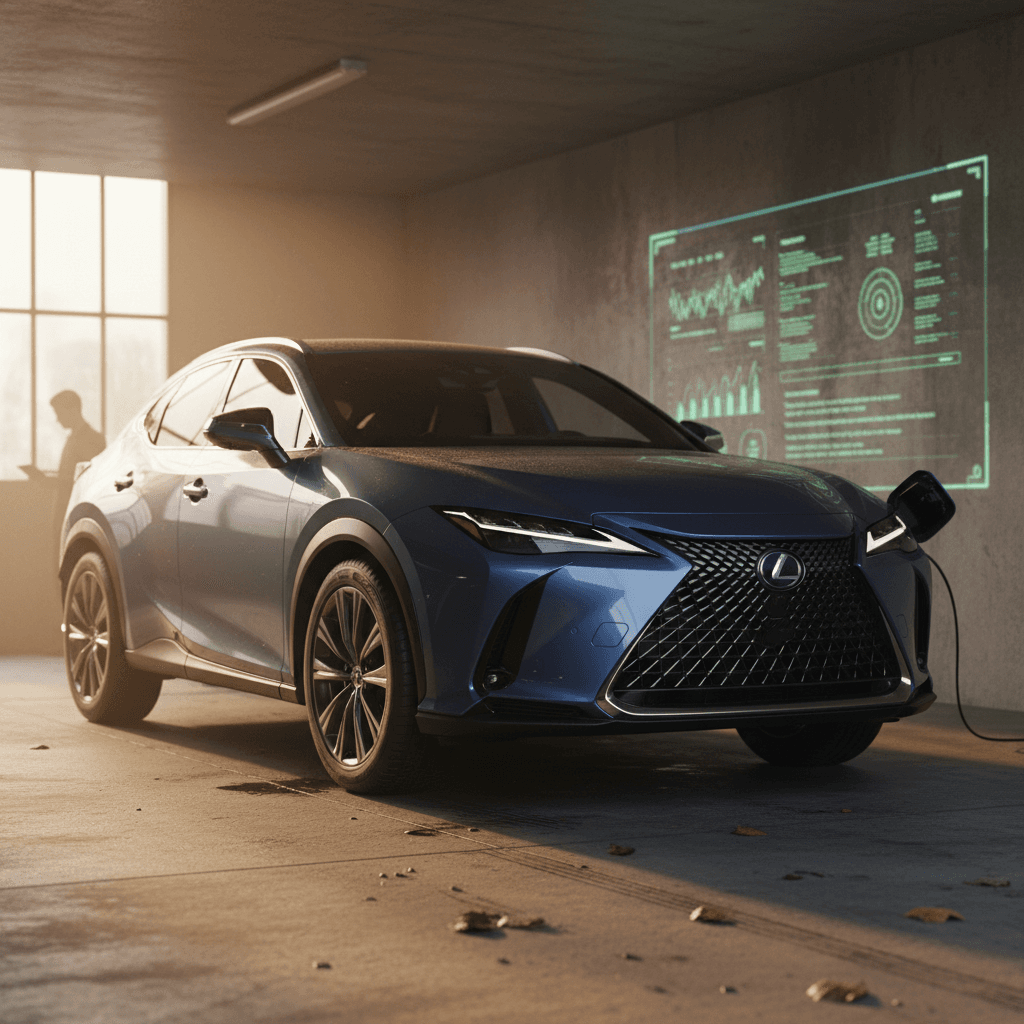
If you’re eyeing the 2025 Lexus RZ, you’re probably expecting classic Lexus dependability wrapped in an electric SUV. The big question is whether that reputation actually carries over to Lexus’s dedicated EV. Here’s a clear look at 2025 Lexus RZ reliability so you know what to expect before you sign a lease, buy new, or shop the used market.
Key Takeaway
Overview: Should You Trust a Lexus EV?
On paper, the RZ has all the right ingredients: Toyota-group engineering, a conservative battery strategy, and the backing of a brand known for building cars that run almost forever. Underneath, it shares its e-TNGA platform and much of its hardware with the Toyota bZ4X and Subaru Solterra, which means the basic architecture is already in wide use.
Lexus RZ Reliability Snapshot
New Tech Caveat
How Reliable Is the 2025 Lexus RZ So Far?
Because the RZ launched for 2023, we’re only a few model years in. That’s not enough time to draw rock-solid conclusions about 10‑year durability, but early patterns are emerging:
- Drivetrain and battery hardware look robust so far. There are very few reports of traction motors, inverters, or high-voltage packs failing outright.
- Software and user-experience issues are more common. Owners are far more likely to complain about infotainment freezes, charging-network handshakes, or HVAC logic than about components actually breaking.
- Range and climate control drive satisfaction scores. Some RZ drivers love the refinement and build quality; others are frustrated enough by range and heating performance, especially in cold climates, to sell early.
Where the RZ Feels "Very Lexus"
Common Lexus RZ Problems Owners Report
Even if major failures are rare so far, there are clear patterns in owner complaints. If you’re evaluating 2025 Lexus RZ reliability, these are the issues to understand.
Most-Discussed Lexus RZ Issues
These are more about annoyance than catastrophic failure, but they matter to daily livability.
HVAC & Heating Quirks
Some owners report:
- Chemical or plastic-like odors from the radiant heater on cold starts.
- Heat that feels weak on the passenger side in low temperatures.
- HVAC logic that seems to overreact and hurt range.
These issues are frustrating but typically addressed via inspection, cleaning, or software updates rather than major part replacement.
Slow or Fussy DC Fast Charging
Because the RZ uses Toyota’s EV platform, charging behavior is conservative:
- Some owners report slow or inconsistent DC charging rates, especially on third‑party networks.
- Occasional communication errors with certain stations can require multiple plug‑in attempts.
These are more ecosystem problems than outright vehicle defects, but they affect perceived reliability on road trips.
Infotainment Freezes & OTA Updates
Reports include:
- The large touchscreen freezing, lagging, or rebooting during navigation or CarPlay use.
- Over‑the‑air (OTA) updates that fail to install unless the car is on strong Wi‑Fi and parked long enough.
Dealers can usually reload software, but it’s worth testing all functions on a long test drive.
12V System & Odd Behavior
A small number of owners describe full electrical shutoffs or odd behavior at startup, lights flashing, relays clicking, then the car going dead until jump‑started.
These issues often trace back to the 12‑volt battery or software rather than the main traction pack. They’re unnerving, but not common.
Test Before You Buy
Battery Life, Range and Cold-Weather Reliability
Battery reliability is more than “does it fail?”, it’s about how quickly usable range shrinks in real conditions. For the RZ, that story is mixed.
Battery Durability
- The RZ uses a ~77 kWh lithium‑ion pack (about 72 kWh usable in many markets) with an 8‑year/100,000‑mile high‑voltage battery warranty.
- Lexus and Toyota tend to run their packs with conservative buffers, which historically slows degradation.
- So far there are no widespread reports of early pack failures or severe capacity loss in the first few years.
From a pure mechanical standpoint, the pack appears well engineered, and Lexus is focused on long‑term capacity retention rather than chasing headline range numbers.
Real-World & Cold-Weather Range
- On paper, early RZs were rated around 220 miles of EPA range; later updates and the 350e variant improve that somewhat.
- In practice, some owners in cold climates report seeing only ~100–130 miles of usable range in sub‑freezing weather with heat on.
- That’s more drop than many shoppers expect, even if some range loss in winter is normal for any EV.
If you regularly drive in snowbelt states, treat the official range rating as a best‑case scenario, not a guarantee.
If You Live in a Cold Climate
Habits That Support RZ Battery Reliability
1. Keep DC Fast Charging Occasional
Use DC fast chargers for road trips, not daily commuting. Frequent high‑power charging adds heat and can accelerate long‑term degradation on any EV, including the RZ.
2. Avoid Long Stays at 100%
Charge to 100% right before a trip if you need the range, but avoid leaving the RZ at full charge for days. For daily use, 70–90% is usually sufficient.
3. Protect the Pack From Extreme Heat
Whenever possible, park in the shade or a garage during summer. High ambient heat is one of the biggest long‑term stressors on lithium‑ion packs.
4. Follow Lexus Software & Service Guidance
Install recommended software updates and follow your maintenance schedule. Some charging and HVAC issues are resolved with updated control logic rather than hardware.
5. Use Approved Charging Equipment
Stick with chargers and adapters that meet Lexus’s specifications. Non‑approved modifications to charging or cooling systems can jeopardize your battery warranty.
Recalls and Safety Issues for the Lexus RZ
No modern car is recall‑free, and the RZ is no exception. The question is whether the issues being addressed are nuisance‑level or genuinely safety‑critical over the long term.
Notable RZ-Related Recall Themes (2023–2025)
High‑level view of issues that touch 2025 RZ owners, often shared with its Toyota bZ4X and Subaru Solterra platform-mates.
| System | Issue Type | Impact on Reliability | Owner Remedy |
|---|---|---|---|
| HVAC / Defroster | Software glitch in HVAC control ECU can reduce or disable windshield defrost performance in certain failure modes. | Visibility and comfort issue in cold conditions rather than mechanical failure, but it’s serious for safety. | Dealer software update and, in some cases, HVAC compressor replacement at no charge. |
| Parking Assist / Rear Camera | Platform-wide software bug affecting rear‑view camera image stability on certain Toyota/Lexus EVs. | Doesn’t affect drivability, but undermines safety and can be a hassle until updated. | Dealer software update free of charge. |
| OTA & Infotainment | Failed or partial software updates causing laggy or buggy infotainment behavior. | Annoying rather than dangerous, but can impact navigation and smartphone integration. | Ensuring strong Wi‑Fi, retrying updates, or having the dealer reflash the unit. |
Exact recall coverage and build dates depend on your VIN; always verify with Lexus or NHTSA.
How to Check Your RZ for Open Recalls
Maintenance and Repair Costs
Lexus’s reputation for low drama usually comes from straightforward maintenance and a dealer network that knows the product well. With the RZ, the story is slightly different: the platform is new, parts are less common, and some EV‑specific components can be expensive if damaged.
Routine Maintenance
- No engine oil, spark plugs, or timing belts to service, big wins for EV reliability.
- Most scheduled visits focus on brakes, tires, cabin filters and software.
- Tire wear can be faster than on a comparable RX because the RZ is heavy and has strong torque, especially on bigger wheels.
Overall, regular maintenance costs should undercut a comparable gas Lexus SUV, provided you’re not burning through tires every 15,000 miles.
Repair & Parts Reality
- Platform‑specific parts, like wiring harnesses or certain EV‑only modules, may be costly and slow to source if damaged, especially early in the model’s life.
- Accident repairs that touch high‑voltage components can easily run into five figures, even when the vehicle isn’t declared a total loss.
- Out‑of‑warranty infotainment or ADAS hardware is also expensive, as with most modern premium vehicles.
This is typical for current‑generation EVs, not unique to Lexus, but it’s worth understanding if you keep cars beyond the warranty window.
Where Used Buyers Get an Edge
Lexus RZ vs Traditional Lexus Reliability
Long‑time Lexus owners are used to a particular experience: minimal unscheduled repairs, bulletproof powertrains, and a dealer visit maybe once a year. The RZ shares some of that DNA, but not all of it.
Where the RZ Aligns, and Deviates, from Classic Lexus
Helpful if you’re cross‑shopping an RZ against an RX hybrid or ES.
Build & Cabin Quality
Aligned with Lexus
- Solid doors, quiet cabin, high‑quality materials.
- Panel gaps and trim fit match what you’d expect from the brand.
Mechanical Durability
Mostly Aligned
- Power electronics and battery pack show few early failures.
- No systemic drivetrain issues have emerged at scale so far.
Software & UX
Behind Legacy Lexus
- Infotainment and connectivity feel less bulletproof than a simple RX dashboard.
- OTA updates add flexibility but also new ways for things to glitch.
Road-Trip Ease
Depends on Your Expectations
- Excellent comfort and refinement.
- But modest range and cautious charging behavior mean more planning than in a hybrid.
Long-Term Confidence
Transitional
- Lexus’s warranties and conservative engineering inspire confidence.
- The EV tech simply doesn’t have 15 years of field data yet like Lexus hybrids do.
Day-to-Day Dependability
Good, Not Perfect
- Most owners enjoy smooth, quiet commuting.
- Those who hit software bugs or winter range walls feel the shortfalls more acutely.
How the Lexus RZ Compares to Other EVs
In the broader EV landscape, the RZ sits between ultra‑ambitious high‑performance crossovers and more conservative, range‑focused options. Reliability‑wise, it typically lands in the “quietly competent but not flawless” bucket.
RZ Reliability vs Other Premium EV Crossovers
High‑level comparison for buyers considering the RZ alongside other mainstream electric SUVs.
| Model | Reliability Character | Typical Pain Points | Who It Suits |
|---|---|---|---|
| Lexus RZ | Conservative hardware, mixed software experience. | HVAC quirks, modest winter range, infotainment stumbles. | Drivers who value refinement and brand familiarity over maximum range. |
| Tesla Model Y | Drivetrain generally robust, build quality variable. | Panel fit, rattles, infotainment bugs, service delays. | Early adopters and tech‑forward buyers who prioritize Supercharger access and efficiency. |
| Hyundai Ioniq 5 / Kia EV6 | Strong engineering, improving software track record. | Occasional 12V issues, early charging curve quirks on some builds. | Buyers wanting fast charging and bold design from established brands. |
| Volvo XC40/C40 Recharge | Sturdy feel, high energy consumption. | Shorter range, some infotainment glitches, dealer EV learning curve. | Premium‑leaning shoppers with shorter daily drives. |
Generalized view; individual vehicles can be better or worse than the averages suggest.
Why This Matters for Used Buyers
Buying a Used Lexus RZ: What to Check
If you’re considering a 2023–2025 RZ on the used market, you’re already benefiting from steep EV depreciation. The key is filtering out cars with unresolved issues or hard use.
Pre-Purchase Checklist for a Used Lexus RZ
1. Verify Battery Health and Range
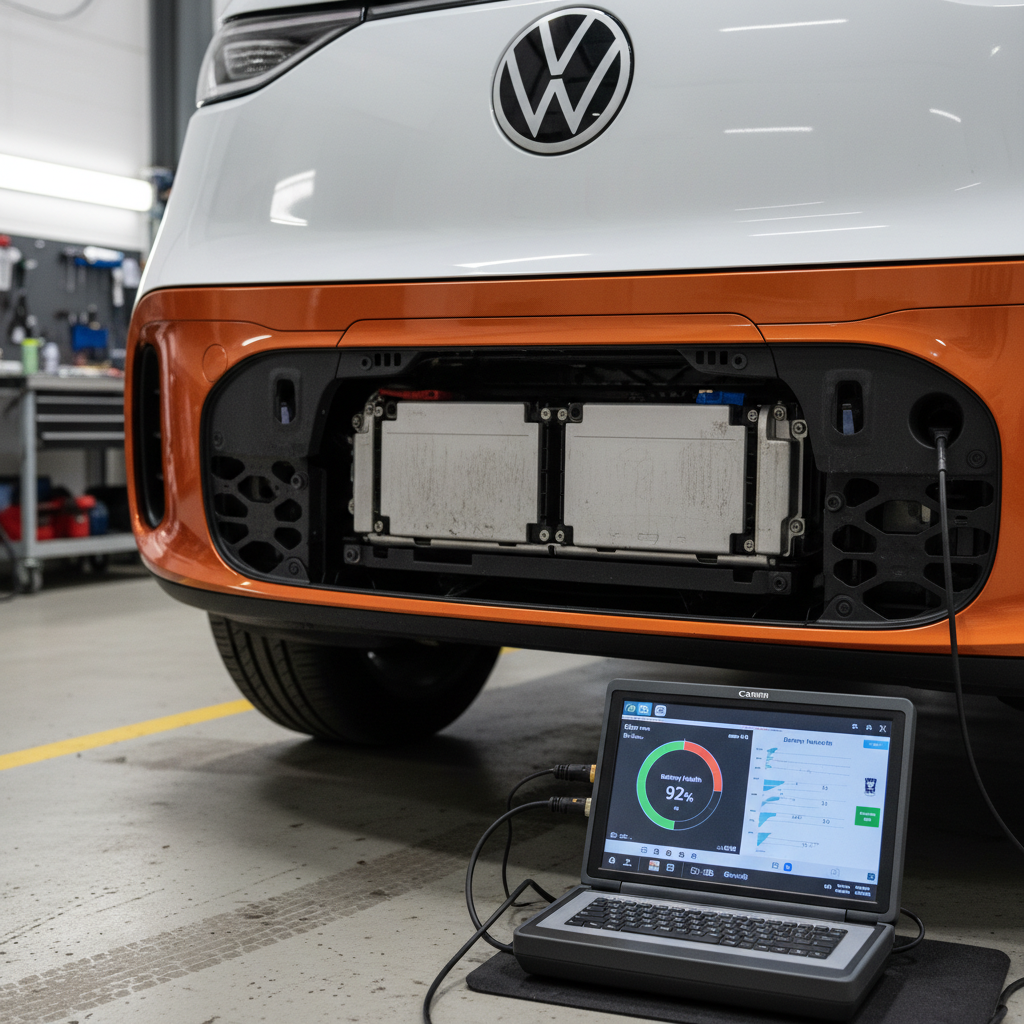
Ask for a <strong>battery health report</strong> or, at minimum, take a long test drive from a high state of charge and compare the indicated range with realistic expectations. At Recharged, every vehicle comes with a Recharged Score Report so you can see verified pack health before you buy.
2. Confirm All Recalls Are Completed
Use the VIN to check Lexus and NHTSA databases for open recalls, particularly HVAC/defroster or camera‑related campaigns. Make sure the work is documented.
3. Stress Test HVAC and Defroster
Run the system through full heat, defrost, and A/C cycles. Note any chemical smells, weak heat on one side, odd noises, or fog that’s slow to clear.
4. Evaluate Charging Behavior
If possible, plug into both a Level 2 charger and a DC fast charger. Watch for repeated handshake failures, odd charging‑rate drops, or error messages.
5. Check for Software Updates
Confirm that the latest infotainment and control‑unit updates are installed. A dealer can usually print an update history from the service system.
6. Inspect Tires and Suspension
Uneven tire wear on such a young vehicle can hint at aggressive driving, alignment problems, or repeated curb strikes. Look for suspension noises over bumps.
7. Review Repair History
Ask specifically about 12‑volt battery replacements, wiring repairs, or any mention of "no‑start" events or electrical gremlins. These issues are rare but worth ruling out.
How Recharged Reduces Your Risk
Ready to find your next EV?
Browse VehiclesFAQs: 2025 Lexus RZ Reliability
Frequently Asked Questions About 2025 Lexus RZ Reliability
Bottom Line: Is the 2025 Lexus RZ a Safe Bet?
If your idea of reliability is “never leaves me stranded and doesn’t nickel‑and‑dime me with mechanical failures,” the 2025 Lexus RZ is off to a solid start. The fundamentals, battery pack, motors, build quality, look strong. Where it falls short of the Lexus legend is in the messier, software‑heavy edges of modern EV ownership, and in winter range that simply won’t work for every lifestyle.
For commuters with predictable daily mileage, garage charging, and realistic expectations, the RZ can be a very satisfying, low‑drama EV. If your drives are long, your climate is harsh, or you’re allergic to software quirks, you’ll want to test thoroughly and keep alternatives in mind. And if you’re exploring a used RZ, leaning on tools like Recharged’s battery health diagnostics, pricing transparency, and EV‑savvy support can turn a promising but complex choice into a confident one.