If you’re searching for a 2025 Kia Optima, you’re not alone, and you’re probably a little confused. Kia quietly retired the Optima name in the U.S. a few years ago and replaced it with the K5, but the Optima Hybrid and Plug‑In Hybrid are still very much in play on the used market, especially if you’re hunting for a budget‑friendly way to add electric miles to your life.
Quick Reality Check
Does a 2025 Kia Optima Actually Exist?
Kia sold the Optima nameplate in the U.S. through the 2020 model year, then renamed its midsize sedan the Kia K5. In other regions, the Optima name carried on longer, but if you’re in the U.S. looking for a “2025 Kia Optima,” what you’ll actually find are:
- Used Optima Hybrid (traditional hybrid, no plug) from roughly 2016–2020
- Used Optima Plug‑In Hybrid (PHEV) from the same generation
- Newer Kia K5 (gas only) if you search dealers for “Optima / K5”
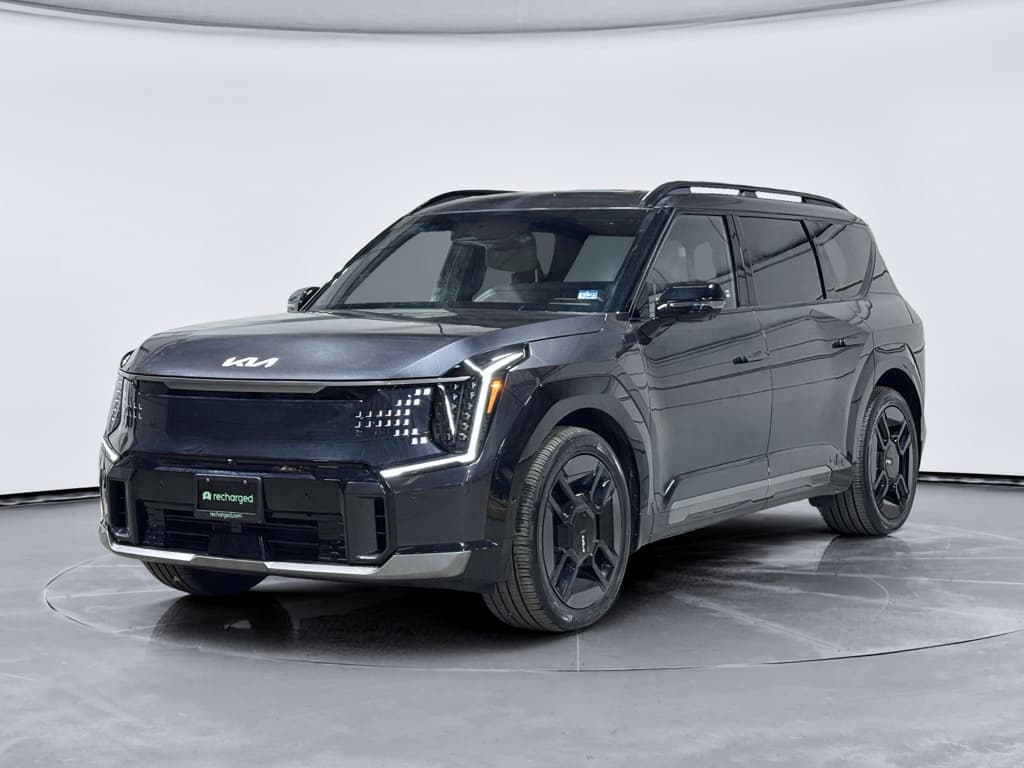
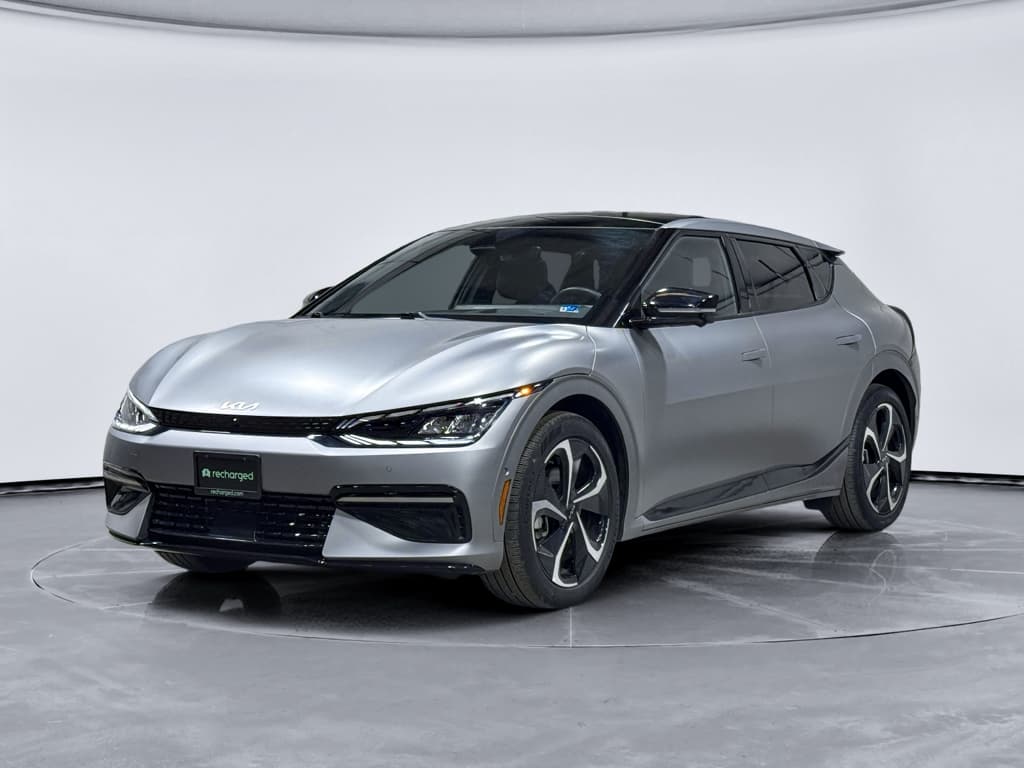
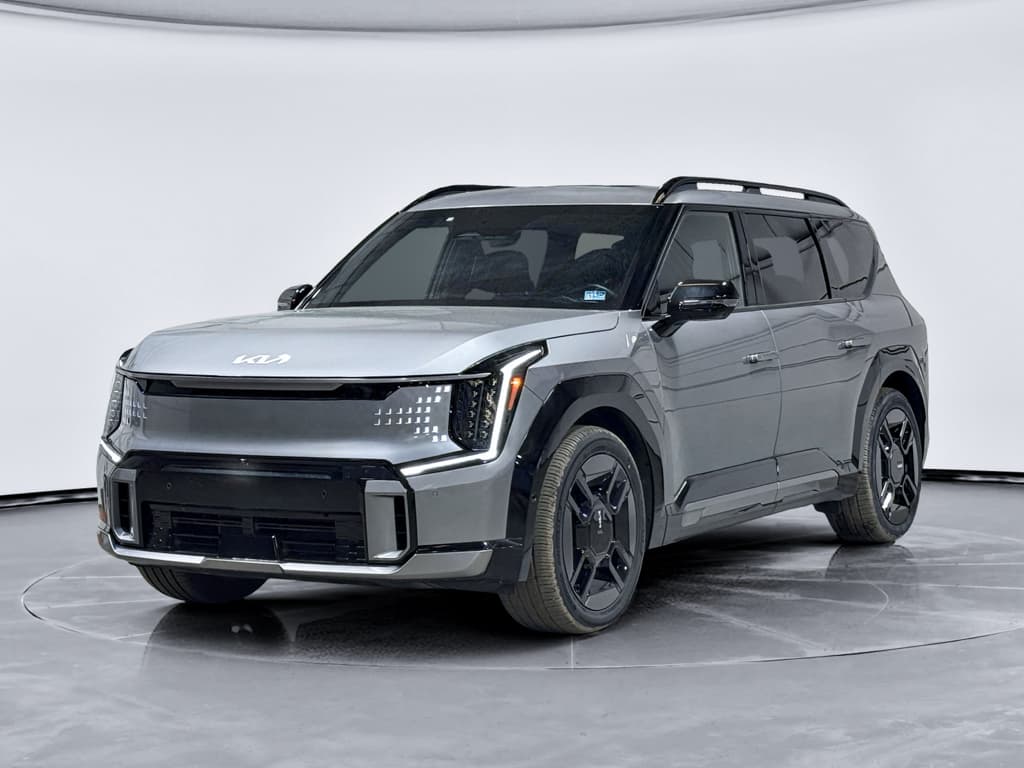
- All‑electric alternatives like the Kia Niro EV or EV6
Model-Year vs Calendar-Year
Kia Optima Hybrid & Plug‑In: The Basics
Before you compare the Optima Hybrid to the Optima Plug‑In Hybrid (PHEV), it helps to understand how each is wired.
Two Flavors of Kia Optima Electrification
Both save fuel, but they fit different kinds of driving.
Optima Hybrid (HEV)
Think of this as a highly efficient gas sedan with an electric helper.
- 2.0L gasoline engine + electric motor
- Small battery (around 1.6 kWh)
- No plug; charges itself while driving
- Boosts mpg, but can’t drive meaningful distances on electricity alone
Optima Plug‑In Hybrid (PHEV)
This is the bridge between gas and full EV.
- Same 2.0L engine + more powerful electric motor
- Larger 9.8 kWh battery you plug in
- Delivers real electric‑only range for commuting
- Still has a gas engine for road trips
Which One Feels More “EV”?
2025 Kia Optima: Key Specs & Electric Range
Because the Optima is a used‑only play in 2025, you’ll be cross‑shopping model years rather than trims on a new‑car lot. Here’s what matters most if you care about electric driving and efficiency.
Kia Optima Plug‑In Hybrid Headline Numbers (2016–2018 U.S. Spec)
Kia Optima Hybrid vs Plug‑In: Core Specs Snapshot
Approximate specs for U.S.-market Optima Hybrid and Plug‑In Hybrid of this generation.
| Spec | Optima Hybrid | Optima Plug‑In Hybrid |
|---|---|---|
| Model years you’ll see in 2025 | 2016–2020 | 2017–2019 (most common) |
| Gas engine | 2.0L 4‑cyl GDI | 2.0L 4‑cyl GDI |
| Combined output | ~193 hp | ~205 hp |
| Battery size | ~1.6 kWh | 9.8 kWh |
| Electric range | Short bursts only | Up to ~32 miles |
| Transmission | 6‑speed automatic | 6‑speed automatic |
| Drive type | FWD | FWD |
Always verify exact equipment and ratings for the specific year and trim you’re shopping.
About Those Numbers

Charging a Kia Optima Plug‑In Hybrid
If you’re used to gas‑only cars, charging sounds like work. With the Optima PHEV, it’s more like plugging in your phone at night so it’s ready to go in the morning.
Charging Options for Optima Plug‑In Drivers
You don’t need a fancy setup to make a PHEV work, but the right outlet helps.
Level 1 (120V)
Standard household outlet.
- Slowest option
- Think overnight or workplace parking
- Good enough if you drive only 10–20 miles a day
Level 2 (240V)
Home or public Level 2 station.
- Roughly 2–3 hours for a full charge
- Best balance of speed and cost
- Ideal if you want max EV miles daily
DC Fast Charging
Not supported.
- Optima PHEV charges only on AC
- No CCS port, just the J1772 plug
- Plan to charge overnight or at slower public stations
Pro Tip: Start with Your Electrical Panel
At Recharged, many buyers pair a plug‑in sedan like the Optima with a simple home Level 2 wallbox or even a high‑quality portable charger. If you’re not ready to commit to a full charger install, check out our guides to portable Level 2 EV charging solutions that use existing 240V outlets.
Real‑World Efficiency & Ownership Costs
On paper, the Optima Plug‑In Hybrid’s numbers look almost too good: triple‑digit MPGe in electric mode and impressively low fuel consumption on old European test cycles. In the real world, your commute, your weather, the story is a little more nuanced.
In Electric Mode
- Expect 20–30 miles of usable EV range if the battery is healthy.
- Heavy freeway driving at 70+ mph will eat into that quickly.
- Cold winters can temporarily shave range until the pack warms up.
Treat the Optima PHEV like a commuter EV with a built‑in gas safety net, and you’ll be happiest.
In Hybrid Mode
- Once the pack is depleted, you’re in efficient‑sedan territory.
- Think mid‑30s to low‑40s mpg depending on speed and driving style.
- Long highway trips feel like any other midsize sedan, just quieter at times.
If you rarely plug in, you’re paying for a big battery you’re not really using.
When a Used Optima PHEV Really Shines
How the Optima Compares to Newer Kia EVs
In 2025, a used Optima Plug‑In Hybrid sits in a very different place than Kia’s modern EV6 or Niro EV, and even different from the newer K5 gas sedan.
Optima PHEV vs Newer Kia Options
Where a used Optima still makes sense, and where it doesn’t.
Optima PHEV vs Kia EV6
- EV6 is quicker, roomier and fully electric.
- Hundreds of miles of range vs ~30 electric miles.
- But the EV6 costs far more up front.
If you’re EV‑curious but budget‑constrained, the Optima lets you dip a toe in first.
Optima PHEV vs Niro EV/Hybrid
- Niro offers more crossover practicality.
- Niro EV has longer range; Niro Hybrid similar mpg.
- Optima may be cheaper and more comfortable on the highway.
Sedan vs small crossover comes down to your parking, family and cargo needs.
Optima PHEV vs Kia K5
- K5 is the Optima’s successor, but gas‑only in the U.S.
- K5 brings fresher styling and features.
- Optima PHEV wins if you want real electric miles.
Chasing efficiency? The Optima PHEV is simply in a different league.
Recharged’s Role Here
Buying a Used Kia Optima Hybrid or PHEV
Shopping for a used plug‑in sedan in 2025 is part detective work, part budgeting exercise. The Kia Optima Hybrid and Plug‑In can be excellent value, but only if you buy with eyes wide open.
Used Optima Hybrid/PHEV Buying Checklist
1. Confirm the Exact Powertrain
Is it a conventional Optima Hybrid or the Plug‑In Hybrid? Listings get this wrong all the time. Check for a charge port door and ask for the original window sticker or VIN‑decoded build sheet.
2. Ask for Battery Health Data
For a plug‑in, battery capacity is everything. A <strong>Recharged Score battery health report</strong> gives you a clear look at remaining capacity instead of guessing from the dash display.
3. Review Service and Recall History
Hybrids and PHEVs don’t require exotic maintenance, but software updates and cooling system service matter for longevity. Ask for dealer records and check recall completion.
4. Check Charging Equipment
Make sure the car comes with its original Level 1 charging cable, and test it. If you’ll rely on public or Level 2 charging, confirm the onboard charger works properly during a test charge.
5. Test in Both EV and Hybrid Modes
On a test drive, start with a full charge and drive in EV mode, then continue past depletion so the car switches to hybrid. Listen for unusual noises, feel for shuddering shifts, and watch for warning lights.
6. Consider Total Ownership Cost
Compare insurance, registration fees, tire costs and expected maintenance to a comparable gas sedan. In many states, plug‑ins also get perks like HOV lane access and reduced emissions inspections.
Battery Health: What to Watch For
High‑voltage batteries don’t suddenly fall off a cliff; they slowly lose usable capacity over years and miles. With a plug‑in like the Optima, that translates directly into reduced EV range. The difference between 30 electric miles when new and 18–20 miles a few years in can totally change how often you visit the gas station.
Healthy Optima PHEV Battery Signs
- EV range display is broadly in line with what owners report for that model year.
- Car transitions between EV and hybrid modes smoothly, without sudden surges.
- No battery‑related warning lights or reduced‑power messages.
Expect some loss vs. original spec; what you’re looking for is a pack that’s aging gracefully, not one that’s been abused.
Red Flags to Take Seriously
- EV range display that’s dramatically below expectations, even in mild weather.
- Previous owner never (or rarely) plugged the car in, suggesting deep cycling in hot weather.
- Dashboard messages about hybrid system temperature, power limits or charging faults.
These are exactly the issues a Recharged Score is designed to surface before you sign anything.
Don’t Buy a Plug‑In Blind
Checklist: Should You Choose an Optima or Go Full EV?
By this point, you might be torn between a used 2025‑era Optima Plug‑In Hybrid and a full battery‑electric like a Chevy Bolt, Nissan Leaf, or Kia Niro EV. Use this quick gut‑check to decide which camp you belong in.
Is an Optima Plug‑In Right for You?
You regularly drive more than 200 miles in a single day
If that’s true and fast charging along your route is spotty, a plug‑in hybrid like the Optima gives you EV miles without range‑planning stress.
You have a place to plug in at home or work
Without regular charging, the Optima PHEV is just an expensive hybrid. If you can’t plug in at least a few times per week, a regular Optima Hybrid, or a very efficient gas sedan, may be a better fit.
You’re budget‑sensitive but EV‑curious
Used plug‑in sedans often undercut full EVs on price. That makes them smart stepping stones if you want to lower your fuel bill now and consider a full EV later.
You mainly drive short, repeatable routes
School runs, commutes and errands that fall under 30 miles round‑trip are the Optima PHEV’s sweet spot. You’ll live in EV mode most days and forget what a gas station smells like.
Public DC fast chargers are thin on the ground near you
In areas with sparse DC fast charging, a PHEV’s engine is a handy backup. If your region is blanketed in modern fast chargers, a full EV becomes much easier to live with.
FAQ: 2025 Kia Optima Hybrid Buying Questions
Frequently Asked Questions About the 2025 Kia Optima
Bottom Line on the 2025 Kia Optima
If you came looking for a 2025 Kia Optima thinking there was a brand‑new hybrid sedan hiding on a back lot, you now know the truth: the Optima is a used‑market play in 2025. But that doesn’t make it irrelevant. A carefully chosen Optima Plug‑In Hybrid can still deliver real electric miles, honest sedan comfort and a very reasonable price of entry, especially if you match its capabilities to your daily driving.
The key is to buy data, not hope. Verify battery health, understand how you’ll charge, and run the numbers against newer EVs and efficient gas sedans. If you’d like someone to walk through those tradeoffs with you, the team at Recharged does this all day. Whether you end up in an Optima Plug‑In Hybrid, a Niro EV, or something else entirely, the goal is the same: a used electric vehicle that fits your life, your budget and your long‑term plans, without any surprises hiding in the battery pack.