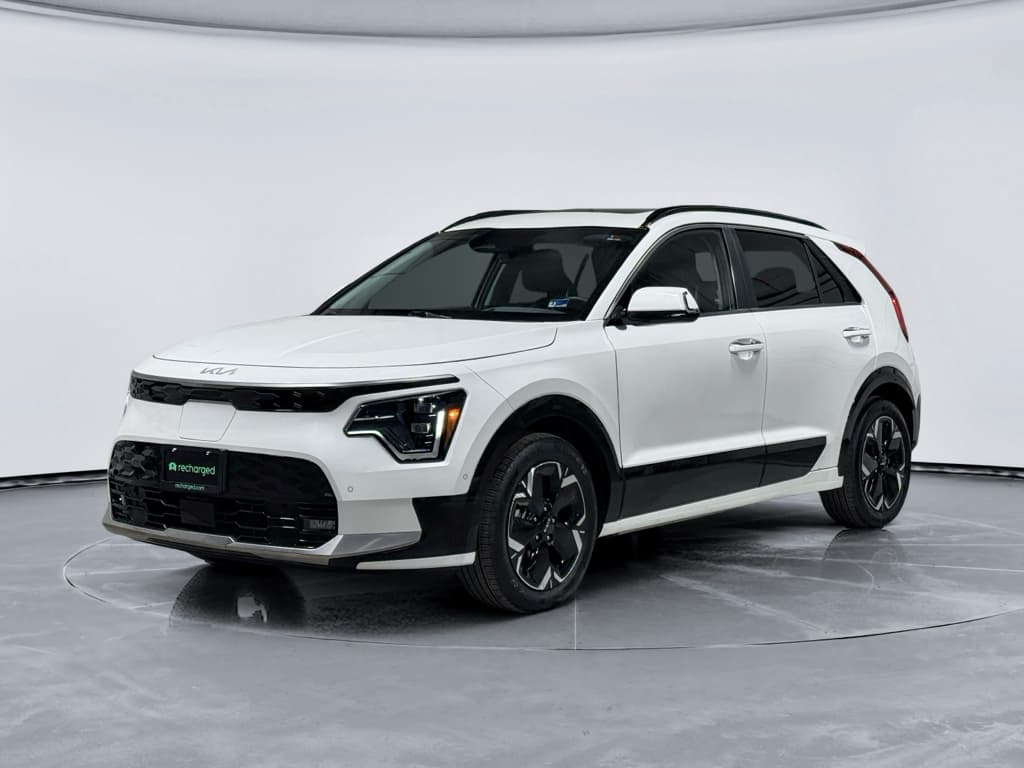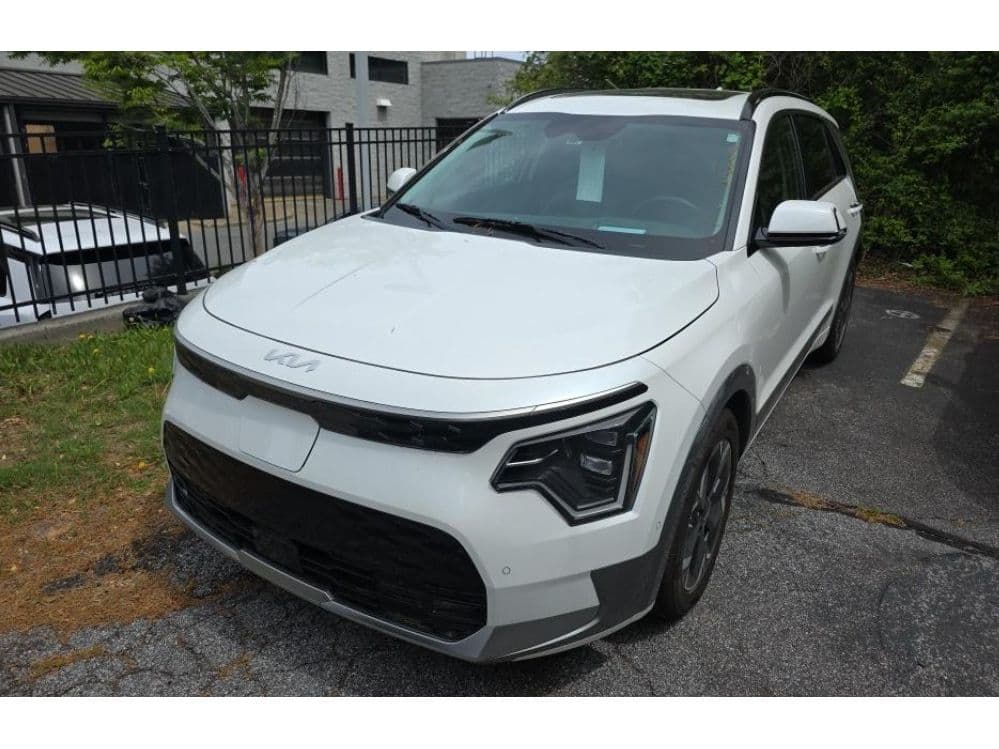
If you’re eyeing a 2025 Kia Niro EV, or you already have one in your driveway, you’re probably wondering how serious the reported problems and recalls really are. The Niro EV has a solid reputation for efficiency and practicality, but like most newer EVs, it comes with a few recurring issues you’ll want to understand before you put serious money on the line.
Same car, different model years
Overview: How Reliable Is the 2025 Kia Niro EV?
Owner feedback on the second‑generation Niro EV (2023–2025 model years) is generally positive. Many drivers report quiet operation, low running costs, and solid day‑to‑day reliability. At the same time, the model has drawn attention for charging‑system quirks, a wiring‑related airbag recall, and a smattering of software and infotainment glitches. Predictive reliability scores for early 2023 models were on the low side, and that rating tends to follow the platform through 2025 even as Kia rolls out software fixes and recalls.
2025 Kia Niro EV Problem Snapshot
Known Recalls Affecting the 2023–2025 Kia Niro EV
Before we dive into individual 2025 Kia Niro EV problems and fixes, it’s worth separating what’s an official safety recall from what’s handled via technical service bulletins (TSBs) or one‑off repairs. Recalls must be fixed free at a Kia dealer; TSBs guide dealers on how to diagnose and repair known issues, often under warranty.
Key Recalls That Can Involve 2025 Niro EVs
Always run your VIN through the NHTSA and Kia recall lookup tools to see what applies to your specific car.
| Issue | Model Years Affected | What Can Happen | Typical Fix |
|---|---|---|---|
| Front passenger seat wiring / airbags | 2023–2025 Niro Hybrid, PHEV & EV with manual passenger seat | Damaged floor wiring may prevent front passenger airbag and belt pretensioner from deploying correctly, or trigger an unintended side curtain airbag deployment. | Inspect and reroute harness, add protective covers, replace wiring as needed. |
| High‑voltage battery safety plug overheating | Primarily 2022 Niro EV (earlier generation) | HV battery safety plug can overheat and melt, risking loss of drive power and, in rare cases, fire. | Replace battery safety plug; owners instructed not to charge in enclosed spaces until repaired. |
| Charging control / 12‑V support (Hyundai–Kia EV family) | Select Hyundai–Kia EVs in recent years | Faulty components in the charging control circuit can stop 12‑V charging and cause loss of drive power. | Replace affected charging electronics and update software. Coverage varies by VIN. |
Recall campaigns change over time. Check for updates before you buy a used Niro EV.
Don’t assume your car is fixed
Common 2025 Kia Niro EV Problems (and What They Feel Like)
Most 2025 Niro EVs will never see a catastrophic failure. But several patterns show up repeatedly in owner forums, NHTSA complaints, and service bulletins for the 2023–2025 generation:
- Level 2 home charging interruptions, slow‑downs, or outright failures tied to the onboard charger (ICCU/OBC) and thermal protection logic.
- Overheating or cooling‑system faults that can trigger warning lights, reduced power, or charging cut‑offs.
- Airbag and seat‑wiring concerns covered by the 2023–2025 recall campaign.
- Infotainment freezes, random reboots, and buggy driver‑assist warnings that resolve with software updates but can be frustrating on road trips.
- Typical EV concerns like gradual range loss and reduced winter range, which feel more severe if you start with modest range to begin with.
Look at patterns, not one horror story
Problem 1: Level 2 Charging & ICCU Issues
The most consistent complaint across second‑gen Niro EVs is about Level 2 AC charging. Owners describe plugging into a 40‑amp home EVSE and seeing the car charge normally at first, then slow dramatically or stop with a “charge interrupted” style message. In some cases, DC fast charging still works, while home Level 2 does not.
Typical symptoms you might notice
- Charging stops partway through a session, especially at higher amperages (32–40A).
- Charge speed drops and never recovers, turning a 6–7 hour charge into 10–12+ hours.
- Works on some public chargers but not on your home unit, or vice versa.
- Occasional charging‑related warning messages in the cluster or app.
What’s usually behind it
- ICCU / onboard charger thermal protection, when connector or internal components get hot, software reduces current or stops charging.
- Technical service bulletin (TSB) updates that prioritize safety by dialing back charge rates once heat is detected.
- Faulty components in the onboard charger or coolant loop that ultimately require replacement under warranty.
TSBs vs. recalls on charging
How to Fix or Reduce 2025 Niro EV Charging Problems
1. Confirm your EVSE and wiring are healthy
Before blaming the Niro EV, have a licensed electrician confirm your 240‑V circuit is sized and wired correctly and that your wallbox is operating within spec. Loose connections or undersized wiring can create heat and trigger the car’s protection logic.
2. Try a lower current setting
If your home charger lets you dial back from 40A to 32A or even 24A, test a week at that setting. Many owners find the car charges reliably (if more slowly) at lower current, especially after TSB updates.
3. Ask the dealer to check for ICCU/charger TSBs
Have the service department run your VIN and confirm the latest charging‑system software is installed. Ask them to document any TSB‑related work so you can show future buyers the fix was done.
4. Document repeated failures
If charging still fails at reasonable current, keep photos of error messages, charging‑session logs from your EVSE, and dates/times. Consistent failures make it easier to push for hardware replacement under warranty.
5. Insist on a full charging‑system inspection
For persistent issues, request a detailed diagnosis of the onboard charger, cooling system, and charge port. In some documented cases, dealers have replaced the charger module or coolant components to permanently resolve the issue.
Watch for hidden trade‑offs
Problem 2: Overheating & Thermal Management Faults
Like most modern EVs, the Niro EV depends on an electric water pump, radiator, and fans to keep the battery and power electronics in their comfort zone. When something in that loop misbehaves, you may see overheating warnings, reduced power, or charging shutdowns rather than a dramatic breakdown.
Battery & Cooling Issues: What to Watch For
Overheating is rarely about the big battery pack alone, it’s about the systems that manage heat.
Warning lights & limp mode
Fans running constantly
Coolant leaks or pump failures
Owner Steps if Your 2025 Niro EV Shows Overheating Symptoms
1. Don’t ignore thermal warnings
If the car asks you to pull over or reduces power, treat it as a serious safety concern. Continuing to drive hard can turn a manageable issue into major component damage.
2. Inspect coolant levels and visible leaks
With the car parked and cooled down, visually check coolant reservoirs and underbody for drips. Never open coolant caps on a hot system, let a shop handle it if you’re unsure.
3. Note when the problem appears
Does it happen only during fast charging? Only on long highway climbs? Your notes help the dealer pinpoint whether the issue is with the battery loop, power electronics, or something else.
4. Get the system pressure‑tested
Ask your dealer to do a pressure test and verify pump operation, fan control, and radiator condition. In some cases, replacement of the pump, radiator, or associated hardware is the only real fix.
Safety first with thermal faults
Problem 3: Airbag & Seat Wiring Recall
For 2023–2025 Niro Hybrid, PHEV and EV models with a manually adjustable front passenger seat, Kia has announced a recall for wiring that runs beneath the seat. Over time, seat movement can damage the harness, affecting airbag and seat‑belt pretensioner operation, or even triggering an unintended side curtain airbag deployment.
How this shows up to drivers
- Airbag warning light illuminated in the instrument cluster.
- Inconsistent passenger‑airbag status indicator even when the seat is occupied.
- In rare cases, reports of side curtain airbags deploying without the kind of impact you’d expect.
What the recall fix typically involves
- Inspecting the floor wiring harness under the passenger seat for damage.
- Rerouting or securing the harness so seat movement won’t pinch it.
- Installing protective covers and replacing damaged harness sections if necessary.
- Verifying proper airbag system operation with diagnostic tools.
Good news: recall work is free
Problem 4: Infotainment, Software & Electronics Glitches
Software‑driven cockpits are now the norm, and the Niro EV is no exception. Owners of recent model years report infotainment freezes, random reboots, and sporadic driver‑assist warnings, especially on long road trips or after over‑the‑air updates. These problems are more annoying than dangerous, but they can sour an otherwise smooth ownership experience.
- Center display going black or rebooting while using navigation or Android Auto/Apple CarPlay.
- Audio cutting out or refusing to switch sources until the car is cycled off and back on.
- Adaptive cruise or lane‑keeping messages that pop up unexpectedly and temporarily disable the feature.
- Kia Access / Kia Connect app delays or inconsistent charge‑status reporting.
Quick Fixes for 2025 Niro EV Software & Electronics Issues
1. Perform a soft reset
Most Kia infotainment systems support a soft reset by holding the power button or a button combination for several seconds. Check your 2025 Niro EV multimedia manual for the exact procedure.
2. Check for software updates
Have your dealer confirm that both vehicle and infotainment software are up to date. Some owners see improvements after a full update and module reboot.
3. Simplify connected devices
If you’re seeing frequent crashes when running multiple apps, try disconnecting one phone or disabling wireless projection to see if stability improves.
4. Log issues with dates and conditions
Document when glitches occur, temperature, trip length, apps in use, and any warning lights. Persistent, reproducible problems give dealers more leverage to escalate with Kia technical support.
When to push for hardware replacement
Problem 5: Battery Health, Range Loss & Cold-Weather Behavior
The 2025 Niro EV’s battery pack is part of a family that’s been on the road for several years, and outright pack failures remain uncommon. The bigger real‑world concern is how range feels, especially in cold climates, rather than sudden, dramatic degradation.
How 2025 Niro EV Owners Experience Battery Concerns
Not every range drop is degradation, sometimes it’s just physics or software limits.
Cold‑weather range loss
Short‑trip driving patterns
Genuine degradation over time
Use data, not just the guess‑o‑meter
How to Diagnose Problems and Get Them Fixed
Whether you’re still under factory warranty or shopping used, having a clear, repeatable story about your 2025 Kia Niro EV problems is the best way to get action from a dealer, or to decide if you should walk away from a particular car.
Step‑by‑Step: Turning Niro EV Symptoms Into Fixes
1. Capture evidence in real time
When something goes wrong, charging stops, warnings appear, the screen freezes, snap photos or short videos. Jot down time, temperature, miles on the odometer, and what you were doing just before the issue.
2. Pull basic diagnostic info
Use the Kia Access app and the car’s built‑in menus to note any warnings or messages. If you’re comfortable with OBD tools, you can log high‑level data, but most owners can skip this step.
3. Check for open recalls and campaigns
Enter the VIN into the NHTSA and Kia recall lookups to see open recalls and service campaigns. For a used Niro EV, ask the seller for proof of completed recall work.
4. Start with a Kia EV‑experienced dealer
Not all dealers see the same EV volume. Look for stores that sell and service a lot of Niro EVs or EV6s, technicians there are more likely to recognize patterns and know how Kia wants issues handled.
5. Escalate politely but firmly
If the same issue returns after multiple visits, ask for a case number with Kia corporate. Keep all invoices and communications; lemon‑law and buyback rules vary by state but often depend on documented repeated failures.
Buying a Used 2025 Kia Niro EV: Red Flags & Smart Checks
Because the 2025 Niro EV is still relatively new, you’re most likely to see it on the used market as off‑lease inventory or early trades from first owners. That’s good news, these cars are usually low‑mileage, but it also means some units are being moved specifically because of nagging issues the first owner didn’t want to keep chasing.
Key Problem Areas to Check on a Used 2025 Niro EV
Ask targeted questions and you’ll learn a lot about how the car has behaved.
Service history & recall proof
- Ask for a full service printout from a Kia dealer.
- Confirm recall campaign work (especially seat wiring / airbags) is completed.
- Look for repeated charging‑system visits or vague “software updates” with no clear resolution.
Real‑world charging test
- Bring or arrange access to a 32–40A Level 2 charger.
- Charge from ~20% to at least 70% while monitoring speed and any warnings.
- Watch for unexplained slow‑downs or interruptions once the car warms up.
Warning lights & driver‑assist behavior
- On a test drive, watch for airbag, ABS, or stability‑control lights.
- Engage adaptive cruise and lane‑keeping to see if they stay active without random dropouts.
Battery health and range realism
- Compare indicated range at a given state of charge to EPA and owner‑reported norms.
- Whenever possible, obtain a battery state‑of‑health report rather than guessing from the dash.
Don’t skip the cold‑weather test if you live up north
How Recharged Helps You Avoid Problem Cars
When you’re buying a used EV, the hardest part is separating a normal, well‑behaved car from one that’s had quiet but chronic issues. That’s exactly the gap Recharged was built to close.
Why Shop a Used Niro EV Through Recharged?
We do the homework most shoppers can’t easily do on their own.
Recharged Score battery & charging diagnostics
Recall & campaign verification
Transparent pricing & EV‑specialist support
Ready to find your next EV?
Browse VehiclesYou can shop fully online, get an instant offer or consignment option for your current vehicle, and arrange nationwide delivery. If you prefer to see and feel an EV in person, our Experience Center in Richmond, VA, lets you test‑drive and talk through options face‑to‑face before you commit.
FAQ: 2025 Kia Niro EV Problems and Fixes
Frequently Asked Questions About 2025 Niro EV Issues
Bottom Line: Is the 2025 Niro EV a Good Bet?
The 2025 Kia Niro EV isn’t a problem child, but it’s not flawless either. The big recurring themes are Level 2 charging behavior, thermal‑management vigilance, and the airbag wiring recall that sweeps in the 2023–2025 generation. Go in with eyes open, test charging thoroughly, and make sure recall and software work are up to date, and you can end up with a practical, efficient EV that costs far less to run than a comparable gas crossover.
If you’re shopping used, this is where a structured buying process pays off. A Recharged vehicle comes with a Recharged Score Report covering battery health, charging performance, and pricing in today’s used EV market, plus access to EV‑savvy support and nationwide delivery. Whether you buy from Recharged or elsewhere, use the checks in this guide to separate solid 2025 Niro EVs from the ones that might carry someone else’s unsolved problems.