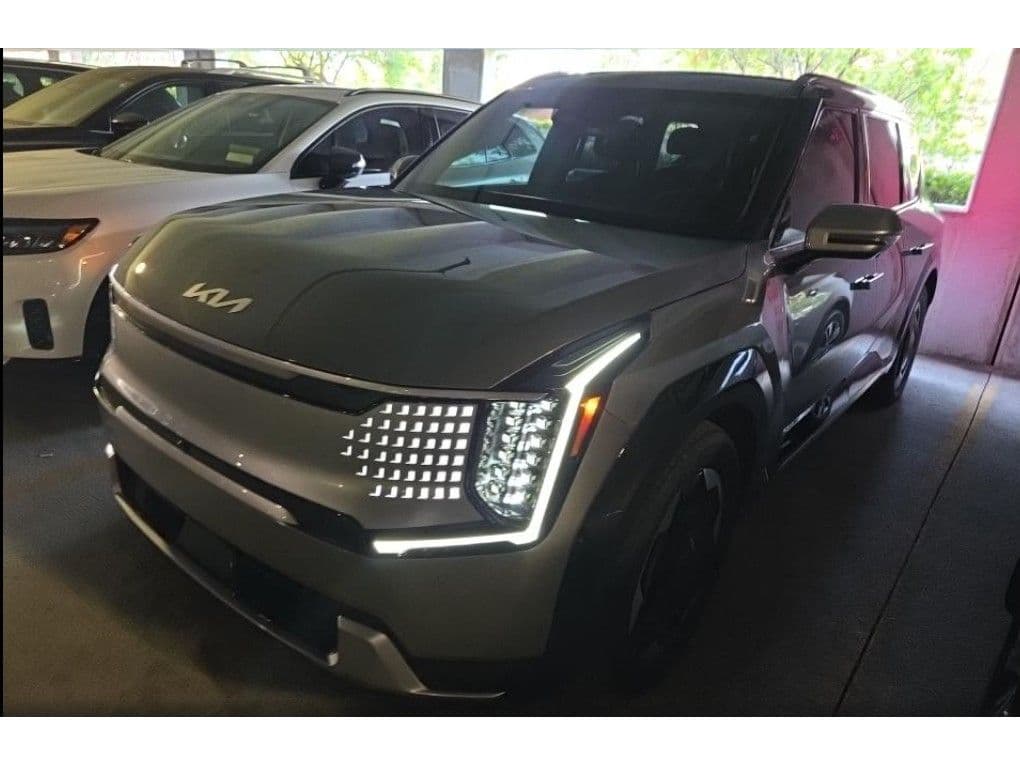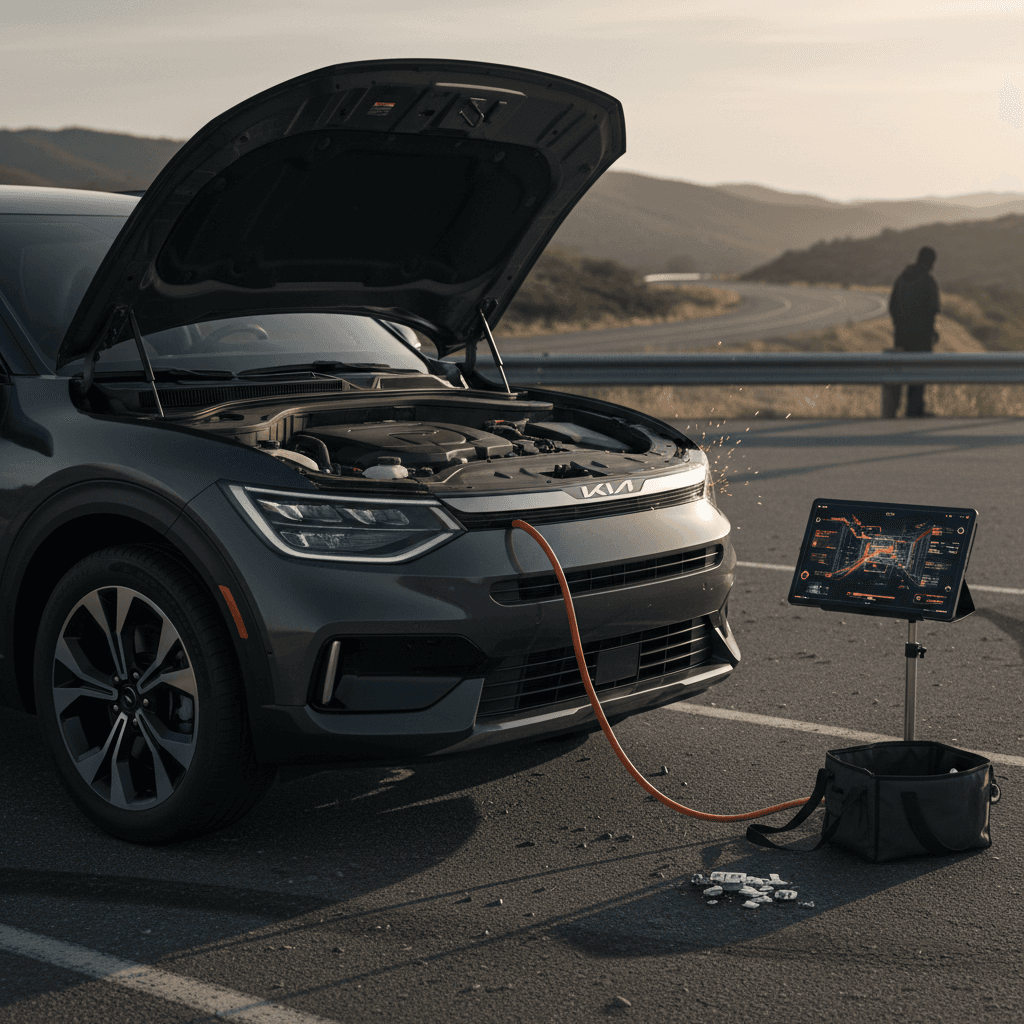
If you’re eyeing a three-row family EV, the Kia EV9 is probably on your shortlist, and you may be wondering about **2025 Kia EV9 problems** before you commit tens of thousands of dollars. Early-build EVs often have teething issues, and the EV9 is no exception. The good news: most of the known problems are well-understood, increasingly addressable by software updates or recalls, and shouldn’t scare you off if you shop carefully.
Quick take
2025 Kia EV9 problems at a glance
How the 2025 EV9 is trending so far
Most **2024–2025 EV9 problems** fall into a few buckets: - Software updates causing odd behavior (notifications, app bugs, lost settings) - AC charging failures or errors, sometimes after an OTA update - DC fast‑charging hiccups at specific networks and, historically, at some Tesla Superchargers before a bug‑fix update - A rear‑motor driveline recall on certain 2025 AWD models - UI oddities around range display or charge percentage Let’s break those down and look at what they mean if you’re buying, or already own, a 2025 EV9.
Major 2025 Kia EV9 recalls and service campaigns
Before you worry about anecdotes on forums, it’s worth understanding the **official recalls and technical service bulletins (TSBs)** for the 2025 EV9. These are the problems Kia and regulators have formally identified and addressed.
Key 2024–2025 Kia EV9 recalls affecting 2025 models
Always run the VIN through Kia and NHTSA recall tools; this is a high‑level snapshot, not a complete list.
| Issue | Model years affected | Symptoms | Fix |
|---|---|---|---|
| Rear motor drive-unit weld defect (AWD) | Primarily 2025 EV9 dual‑motor AWD | Abnormal driveline noise, warning messages, reduced power or loss of rear drive | Dealer replaces rear drive unit under recall |
| Remote smart-park & seat/mounting-related campaigns | 2024–2025 EV9, specific VIN ranges | Warnings, feature malfunctions, or hardware inspection needed | Software update, hardware inspection, or component replacement |
| Supercharger charging interruption bug (SA601) | 2024–early 2025 EV9 using Tesla Superchargers with adapter | DC fast-charge session unexpectedly ends at some Superchargers | OTA update to rear motor control unit software (MCU‑R) |
Recall campaigns evolve; verify open recalls for any EV9 you’re considering.
Recall reality check
For a used‑car shopper, the playbook is straightforward: - **Run the VIN with Kia and NHTSA** to see open recalls. - Ask for **service invoices** showing recall or campaign completion. - For AWD models, confirm the **rear drive unit recall** (if applicable by VIN) has been done before you rely on full towing or mountain performance.
Software bugs, app quirks, and infotainment glitches
Like most new EVs built on a modern software platform, the EV9 has seen a steady cadence of **over‑the‑air (OTA) updates**. These bring real improvements, better charging behavior, new driver-assist tweaks, UI refinements, but they also introduce **short‑term bugs** that owners feel in day‑to‑day use.
- Kia Connect app notifications firing repeatedly (for example, charge errors or door‑unlocked alerts) after an update
- Delayed or missing recall status changes in the app even after dealer work is done
- User‑profile or driver‑assist settings that don’t “stick” after software updates
- Occasional freezes or reboots of the central infotainment screen
Practical owner tip
The upside of Kia’s OTA strategy
Kia has been reasonably quick to push out **bug‑fix updates** for early problems, including charging issues and 12‑volt battery management behavior. For a 2025 EV9, that means you’re getting a more mature software stack than owners saw in late 2023.
If you’re buying used, check for **recent OTA update history** and ask the seller when the last dealership software campaign was done.
The downside: rolling changes
Because bugs and features roll out together, owners sometimes notice **new quirks** after a service visit, like more frequent 12‑volt charging cycles, changed notification behavior, or different charge‑limit defaults.
Most of these are irritants rather than deal‑breakers, but they’re worth test‑driving for if you’re sensitive to UX oddities.
Charging problems: AC home charging, DC fast charging, and Tesla Superchargers
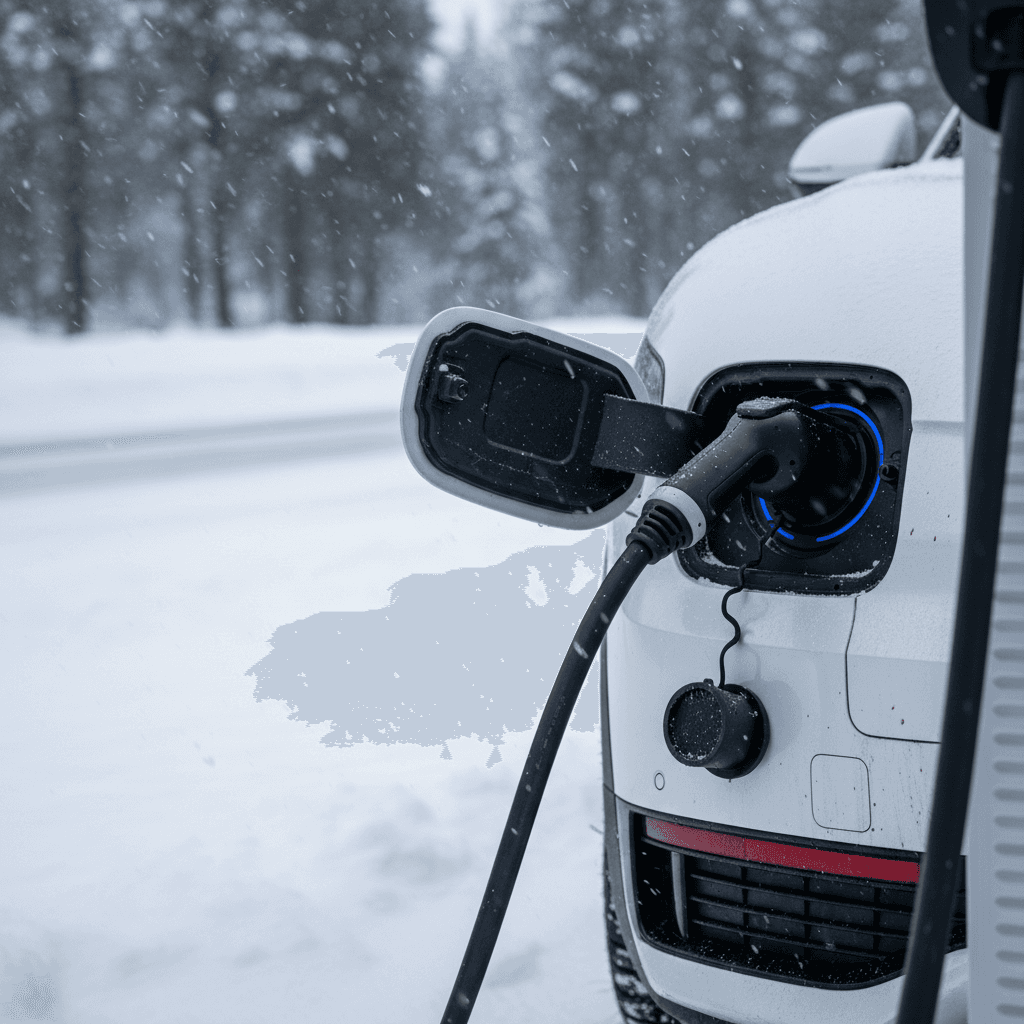
Charging is where EV owners feel problems the most, and EV9 owners have reported a **mix of AC and DC charging quirks**. The pattern is familiar from other Hyundai–Kia E‑GMP vehicles: fantastic peak speeds on good hardware, but occasionally fussy behavior when software, network, and car don’t quite agree.
Home AC charging and onboard-charger issues
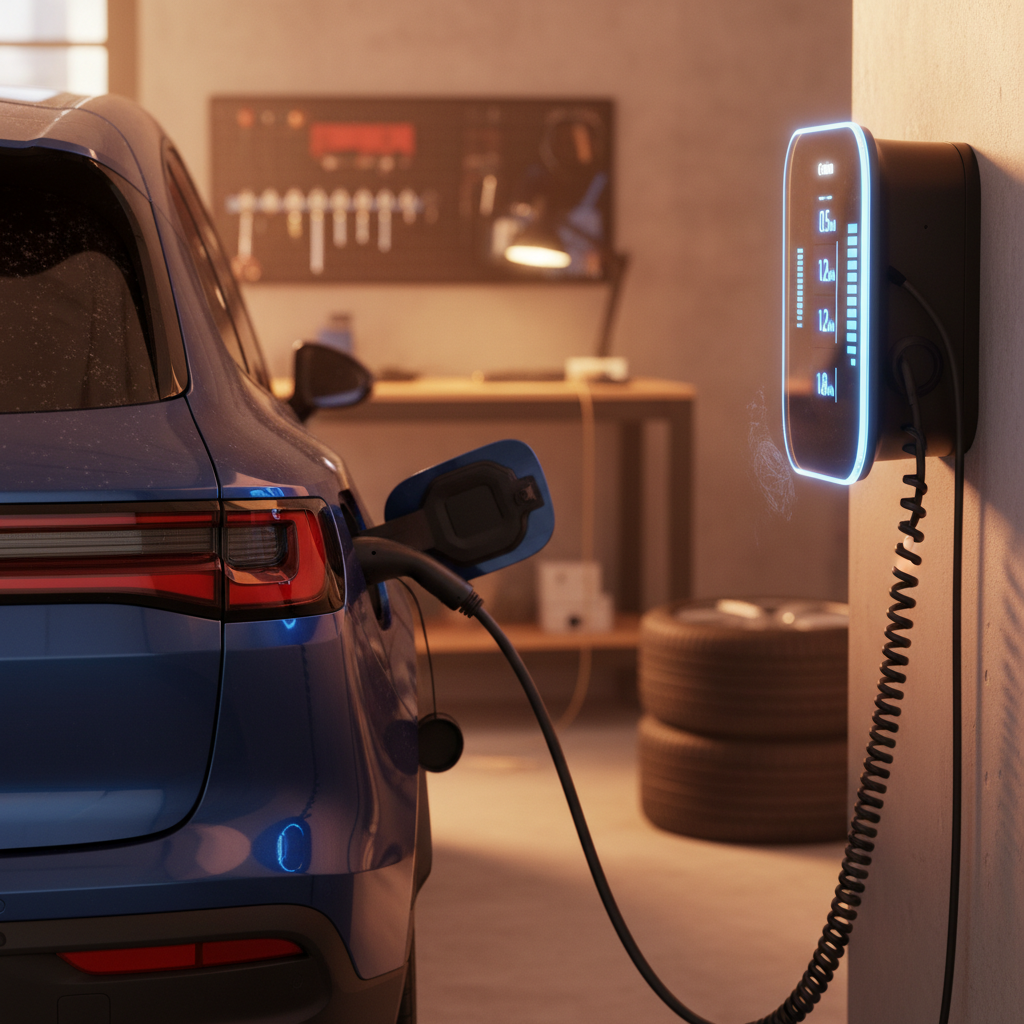
Some EV9 owners have seen **AC charging stop unexpectedly** at home, especially after cold nights or right after an OTA update. In more serious cases, a failure of the onboard charger or integrated charging control unit (ICCU) has been blamed on similar symptoms in related models (EV6, Ioniq 5): the car will charge fine on DC fast chargers but repeatedly fails on Level 1 or Level 2 AC.
- Charging halts at a certain percentage and won’t resume until unplugged and re‑plugged
- Repeated “Charge request error” notifications even though the car seems to be charged
- AC charging that fails across multiple home chargers but **DC fast charging still works**, a red flag for ICCU or onboard charger issues
When to get the dealer involved
DC fast charging and third‑party networks
On DC fast charging, EV9 owners generally praise the **high peak speeds** when everything lines up, but there are recurring stories of the car and certain networks, especially some European ultra‑fast providers, **failing to start or complete a session**. Often, this is down to a combination of the charger’s software and the EV9’s Plug & Charge or communication settings rather than a hardware defect in the car.
- Session won’t start or errors out at a specific brand of charger, while others work fine
- Charge speed collapsing prematurely on a single problematic stall, but normal on nearby units
- Better behavior after disabling features like Plug & Charge or after a later OTA update
Tesla Superchargers and the SA601 bug-fix update
As Tesla opens its Supercharger network via NACS adapters, Kia pushed a **rear motor control unit update (commonly referenced as SA601)** for 2024–early‑2025 EV9s. The goal: fix a bug that could cause **unexpected charging interruptions at some Superchargers** due to signal interference. The EV9 could physically charge at Tesla sites before this update; the campaign simply reduces the chance of mid‑session dropouts.
What to do as a buyer
Battery health, range accuracy, and phantom drain
The EV9’s large pack and 800‑volt architecture are engineering strengths, but owners have reported a few **battery‑related concerns**, most of them about software and calibration, not packs falling apart.
State‑of‑charge and range display weirdness
A handful of owners describe situations where **the UI’s displayed state-of-charge doesn’t match reality**. For example, the dash might claim 95–100% while logging tools or dealer diagnostics show a significantly lower internal percentage. In edge cases this could signal a genuine cell imbalance or a bad module, but more often it points to **measurement and calibration drift** that software updates can improve.
- Car reports it stopped short of 100% at public DC chargers, then shows 100% after a restart
- Very low charge power at mid‑pack SOC, suggesting the BMS thinks the pack is fuller than it is
- Third‑party OBD data pointing to a lower true SOC than the dash shows
How Recharged thinks about EV9 battery health
Phantom drain and 12‑volt behavior
Several owners noticed increased **parked energy consumption** after particular software updates: more frequent 12‑volt charging cycles, or higher than expected high‑voltage battery drain while parked. Sometimes this tracks back to features like **digital keys, always‑on connectivity, or third‑party integrations** constantly pinging the car.
- 2–3% overnight drain while the car is parked, even in mild weather
- 12‑volt battery warnings or unusually frequent 12‑volt charge cycles after service
- Improvement after disabling digital key, removing key cards, or resetting head units and integrations
Reduce phantom drain
Drive motor and driveline issues on AWD EV9s
The headline mechanical concern on the **2025 AWD EV9** is the **rear motor drive‑unit weld recall**. A supplier welding defect in some rear drive shafts can cause damage over time, leading to loss of drive at that axle and error messages like “Check AWD/4WD.” The vehicle will usually still move on the remaining axle, but the sudden loss of power at higher speeds isn’t something you want to discover while passing on a two‑lane road.
- Abnormal driveline noises from the rear at speed
- AWD/4WD warning messages that don’t resolve after a restart
- Reduced acceleration or clear loss of rear‑axle assist on AWD trims
What this recall means in practice
Everyday ownership niggles EV9 owners report
Beyond big‑ticket items, owners of 2024–2025 EV9s list a grab‑bag of smaller **quality‑of‑life complaints**. These are more about polish than reliability, but they still matter when you’re deciding whether an EV9 fits your life.
Common EV9 annoyances (not deal-breakers)
Small frustrations that show up often in owner discussions
Persistent beeps & warnings
Kia Connect flakiness
Settings that don’t stick
How serious are 2025 Kia EV9 problems overall?
Taken together, **2025 Kia EV9 problems look a lot like “Version 1.5” EV teething** rather than systemic failure. The driveline recall is serious, but narrowly targeted and fully covered. The charging and software issues are inconvenient, sometimes infuriating, but also the kind of problems that **improve the fastest** via updates.
EV9 strengths
- Genuinely roomy three‑row layout that works for families.
- Excellent DC fast‑charging curve on good hardware.
- Modern driver‑assist and comfort features, even on mid trims.
- Competitive pricing versus luxury three‑row EVs.
Main reliability watchpoints
- A **small subset of AWD 2025s** needing rear drive‑unit replacement.
- AC charging/ICCU issues on a minority of vehicles.
- Software quirks that require patience, and sometimes dealer attention.
- Limited long‑term data; we’re still early in the EV9 lifecycle.
Where a trusted used‑EV platform helps
Ready to find your next EV?
Browse VehiclesUsed 2025 Kia EV9 buyer checklist
If you’re shopping for a used 2025 EV9, you want to filter out the cars with unresolved problems and zero in on the ones that have **benefited from updates and campaign work**. Here’s a focused checklist you can walk through in under an hour.
Pre‑purchase checks for a 2025 Kia EV9
1. Run a full recall and TSB check
Use the VIN with Kia and federal tools to confirm **no open recalls**, especially for the rear drive unit on AWD models. Ask for **printed service records** for any completed recall or campaign.
2. Confirm recent software and charging updates
In the car’s settings, check that **recent OTA updates** have been applied. Ask the seller if they’ve received charging‑related updates (e.g., Supercharger bug‑fix, ICCU/charger TSBs). A dealer can also pull this history.
3. Test home-style AC charging
Bring a portable Level 2 or use a known working wallbox. Charge from ~40–60% to 80–90% and watch for **unexplained stop/start cycles, error messages, or failure to go above a certain percentage**.
4. Test DC fast charging on a public station
If possible, meet at a DC fast charger from a major network. Verify the EV9 will **initiate and sustain a session** without random dropouts, and that speeds look realistic for pack temperature and SOC.
5. Check for phantom drain
Ask the owner how much charge the EV9 loses parked overnight. Ideally it’s **1–2% or less**. If they report 5–10% losses without clear cause, dig deeper into digital key and app settings, or walk away if they can’t explain it.
6. Listen and feel for driveline issues
On AWD trims, do several accelerations from 20–60 mph and 50–70 mph. Listen for **unusual rear‑end noises** and watch for warning messages. Any hint of “Check AWD/4WD” should be investigated under warranty before you buy.
7. Inspect the interior tech experience
Cycle through driver‑assist settings, user profiles, and common infotainment tasks. You’re looking for **lags, freezes, or lost settings** after a reboot. One glitchy reboot is tolerable; constant weird behavior is not.
8. Get an independent EV‑focused inspection
If you’re not buying from a specialist, consider an inspection that includes **battery health, charging‑system diagnostics, and recall verification**, or shop through a platform like Recharged that bakes those into every sale.
FAQ: 2025 Kia EV9 problems and reliability
Frequently asked questions about 2025 Kia EV9 problems
Bottom line: should 2025 Kia EV9 problems worry you?
The **2025 Kia EV9** is not a trouble‑free appliance, but it also isn’t an unreliable science experiment. Its real‑world problems cluster around **software, charging behavior, and a specific AWD rear‑motor recall**, not around core structural or pack design failures. If you buy an EV9 with **updated software, completed recalls, and clean charging behavior**, you’re getting one of the most capable three‑row electric SUVs available today.
Where many shoppers get burned is by assuming that an EV’s dash readouts and a quick test drive tell the whole story. They don’t. That’s why Recharged bakes in **battery‑health diagnostics, charging‑system checks, and pricing analysis** on every used EV9 we touch, so you can focus on whether this is the right family EV for you, not whether it’s hiding a four‑figure repair. If you’re EV‑curious but recall‑shy, the right 2025 EV9, bought with eyes open and data in hand, can still be a very smart move.