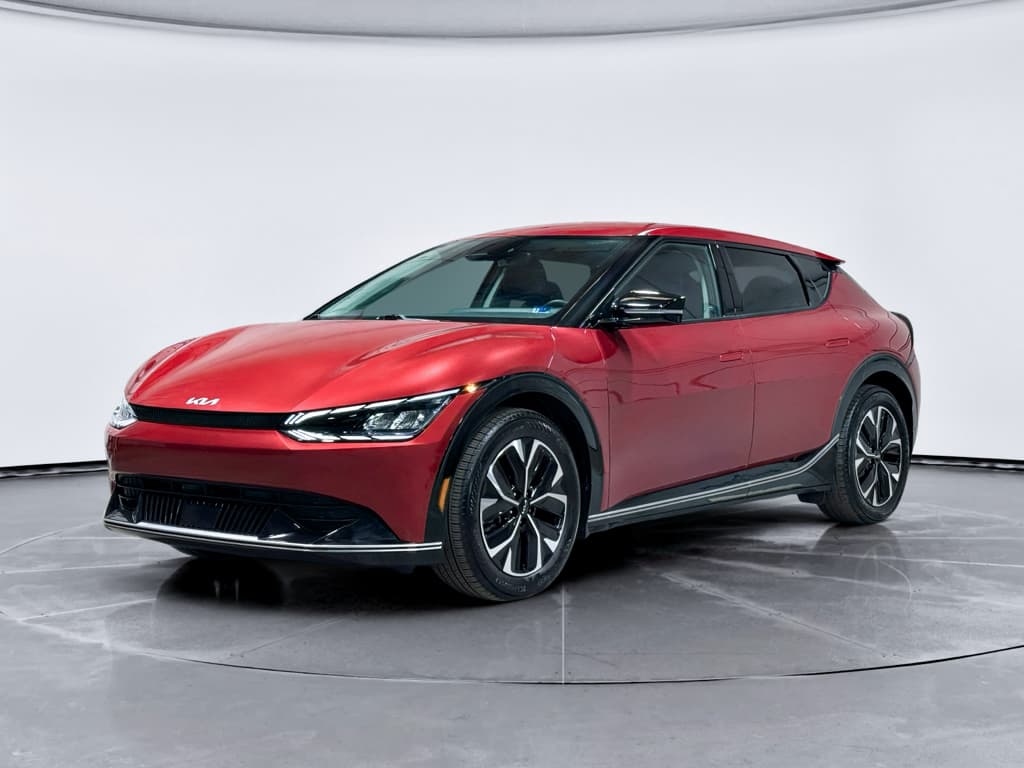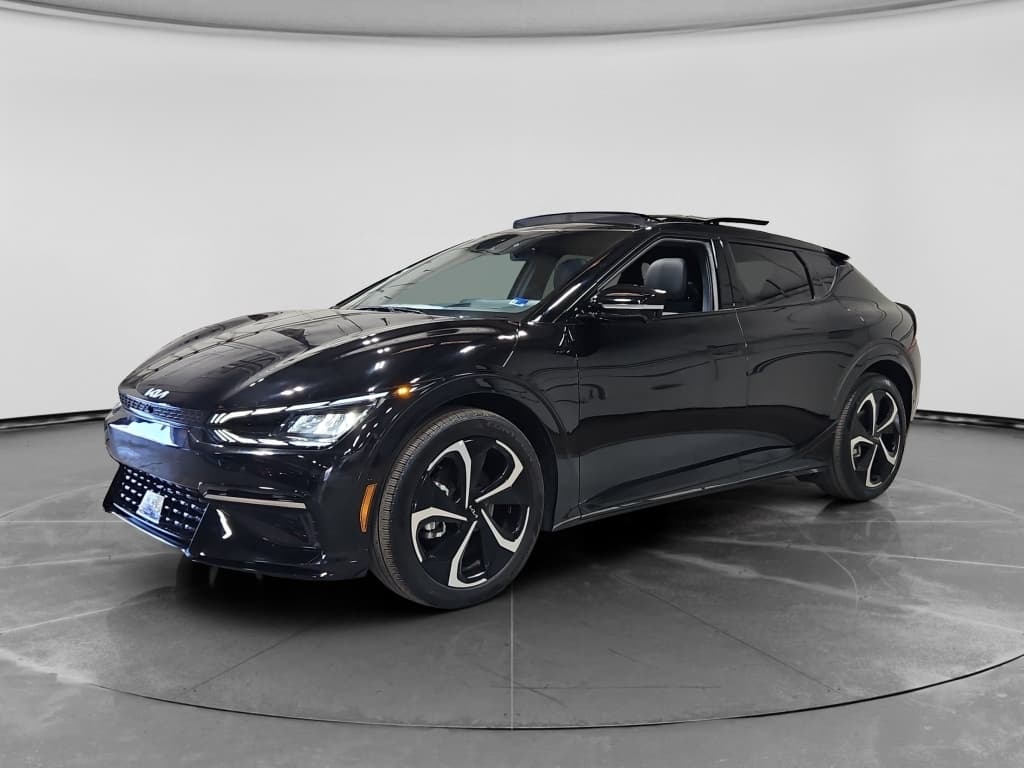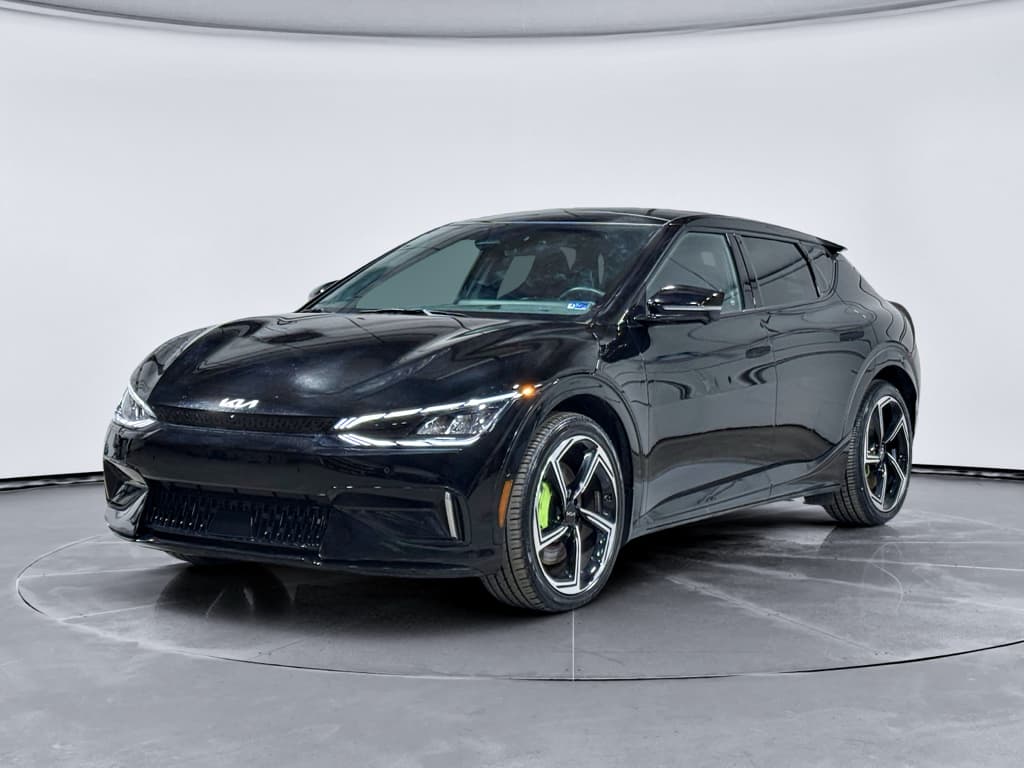
If you own or are considering a 2025 Kia EV6, you’ve probably heard about power‑loss recalls on earlier EV6 models and you’re wondering what that means for the latest model year. This guide walks through the 2025 Kia EV6 recalls list as it stands today, how earlier recalls on 2022–2024 models connect to the 2025 car, and what you should do as an owner or used‑EV shopper.
Quick reality check
2025 Kia EV6 recalls at a glance
2025 Kia EV6 recall snapshot (as of April 2026)
Right now the 2025 EV6 sits in an unusual spot: on paper it has no formal recalls, but it shares the same basic E‑GMP platform and critical components with earlier EV6s that have been recalled for sudden power loss. That’s why it’s important to separate three things in your mind: 1. Official NHTSA recalls that legally apply to your VIN. 2. Technical service bulletins (TSBs) and software updates that a dealer may apply even without a formal recall. 3. Real‑world patterns, like ICCU failures, that owners are still reporting on 2024 and 2025 cars even after recall work on earlier models.
Current 2025 Kia EV6 recalls list
Based on the latest data from NHTSA and multiple recall aggregators, here’s the current 2025 Kia EV6 recalls list for the U.S.:
2025 Kia EV6 official recalls (U.S., as of April 2026)
Summary of NHTSA‑listed safety recalls that specifically name the 2025 model year Kia EV6.
| Status | Campaign / reference | Model years covered | Primary issue | Applies to 2025 EV6? |
|---|---|---|---|---|
| None | , | , | No campaigns currently list 2025 EV6 VIN ranges. | No |
No U.S. safety recalls have been formally issued for the 2025 Kia EV6 as of April 11, 2026. Always run a fresh VIN check before you buy or schedule service.
Don’t stop at the model‑year view
Some owner forums mention dealer visits for software updates and electrical diagnostics on 2025 EV6s, but those have been handled as warranty repairs or service campaigns, not federally mandated recalls. That distinction matters legally, but if you’re the owner, what you care about is whether the underlying problem has been addressed on your car.
Earlier EV6 recalls that still matter in 2025
Even though the 2025 EV6 itself shows no recalls, there are several important 2022–2024 EV6 recalls that tell you a lot about the vehicle’s track record and what to watch for:
- ICCU power‑loss recall (NHTSA 24V867000) – Covers 2022–2024 EV6 models. A defect in the Integrated Charging Control Unit (ICCU) can cause the 12‑volt system to stop charging, leading to warning lights and eventual loss of motive power. Software updates and, in some cases, ICCU replacement are part of the fix.
- Earlier ICCU and limp‑mode service actions – Before the major 2024 campaign, Kia issued software‑only updates aimed at reducing ICCU stress and preventing “limp mode” incidents. Many owners had multiple visits before receiving the full recall remedy.
- Driveline and parking‑related recalls – Some 2022–2023 EV6s were recalled for issues like driveshaft defects or parking pawl concerns. These haven’t, so far, been extended to the 2025 model year, but they’re relevant if you’re shopping a used 2022–2023 EV6.
Why older recalls affect 2025 shoppers
If you’re considering a used 2022–2024 EV6, you should insist on documentation showing that all ICCU and driveline recalls have been completed. And if you’re looking at a used 2025 EV6 that spent its early life as a demo or corporate car, ask the dealer to print a full recall and TSB history so you can see which software updates and checks have been performed.
ICCU power‑loss issue: what it is and why owners care
What the ICCU does
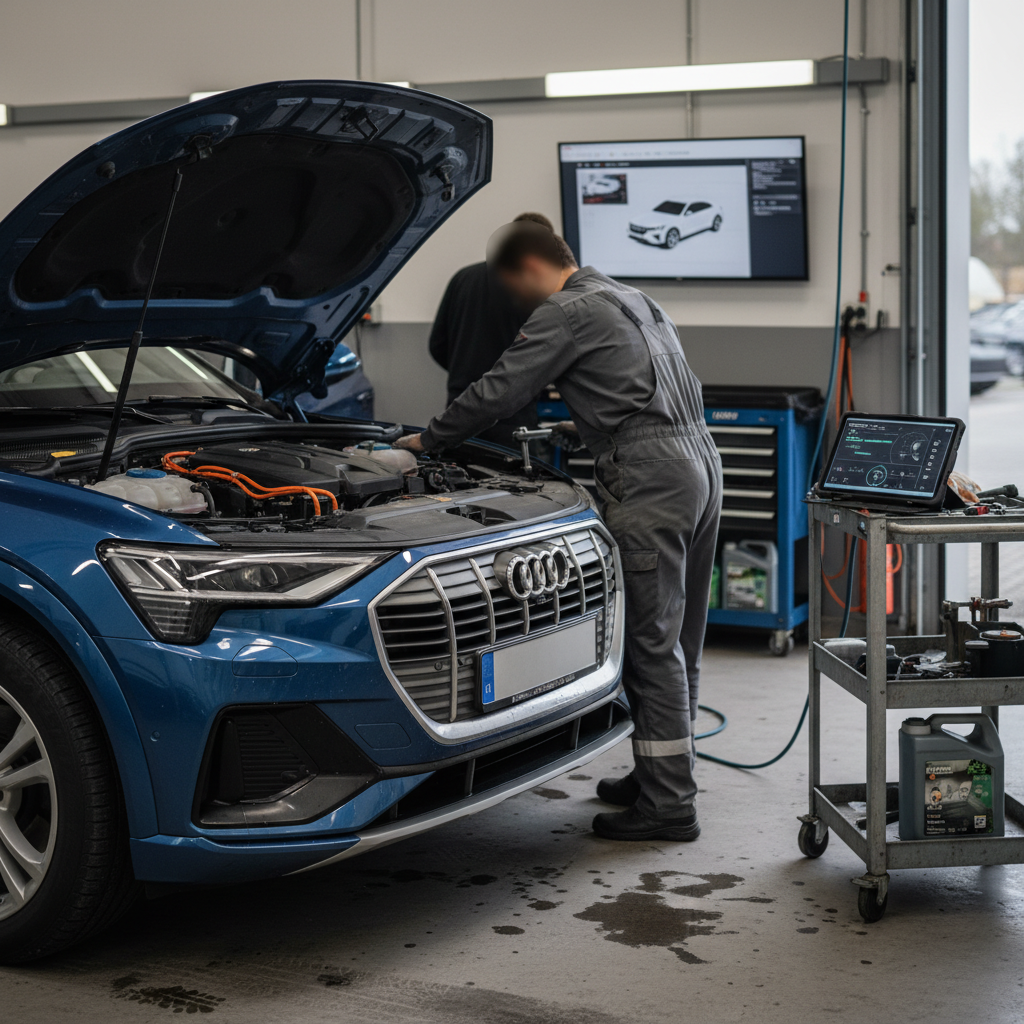
The Integrated Charging Control Unit (ICCU) is the EV6’s brain for managing power between the high‑voltage traction battery and the 12‑volt system that runs lights, power steering, control modules, and start‑up electronics.
- It replaces the alternator in a traditional gas car.
- If it fails, the 12‑volt system can slowly starve for power.
- Eventually, the car can lose drive power altogether.
How failures show up
On affected EV6s, drivers often report:
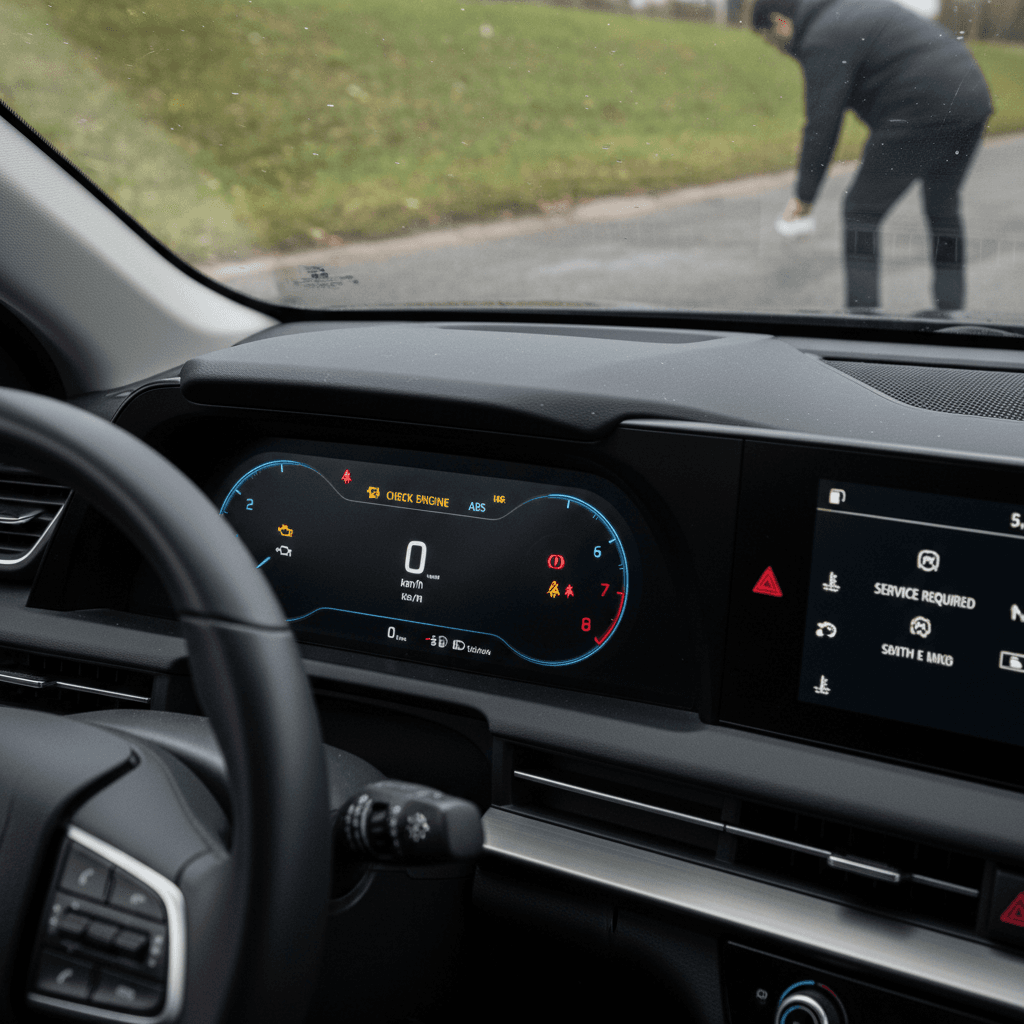
- A loud pop or thump followed by multiple warning lights.
- Messages about limited power or “check EV system.”
- Car dropping into limp mode or refusing to shift into drive.
Even some 2024–2025 owners whose cars had recall software applied to earlier model years report similar symptoms, which is why this remains a hot topic for EV6 shoppers.
Safety stakes are real
The big open question for many shoppers is whether the 2025 EV6 uses a significantly revised ICCU design. Public documents focus on 2022–2024 model years, and while Kia has refined software logic in 2025, owner anecdotes still describe occasional ICCU replacements on very new 2025 EV6s under warranty. That doesn’t mean every 2025 will fail, but it does argue for buying from a seller who can show clear service history and who will stand behind the car if a major electrical component fails.
How to check your 2025 Kia EV6 for recalls and service actions
Whether you already own a 2025 EV6 or you’re about to sign paperwork on a used one, you should treat a recall check as a standard part of your due diligence. Here’s a practical checklist you can follow in 10–15 minutes.
Step‑by‑step: verify recalls on a 2025 Kia EV6
1. Locate the VIN
You’ll find the 17‑digit Vehicle Identification Number at the base of the windshield on the driver’s side, on the driver‑door jamb label, and on the registration or insurance card.
2. Run an official NHTSA search
Go to the NHTSA recall lookup site and enter the VIN. If there are <strong>open recalls</strong>, you’ll see a list of campaigns that your specific car still needs. If it says “0 unrepaired recalls,” you’re up to date on federal campaigns.
3. Check Kia’s own recall portal
Use Kia’s U.S. recall website or the Kia Access app with the VIN. Automakers sometimes post <strong>service campaigns or extended warranties</strong> that don’t rise to the level of an NHTSA safety recall but are still important.
4. Ask the dealer for a printout
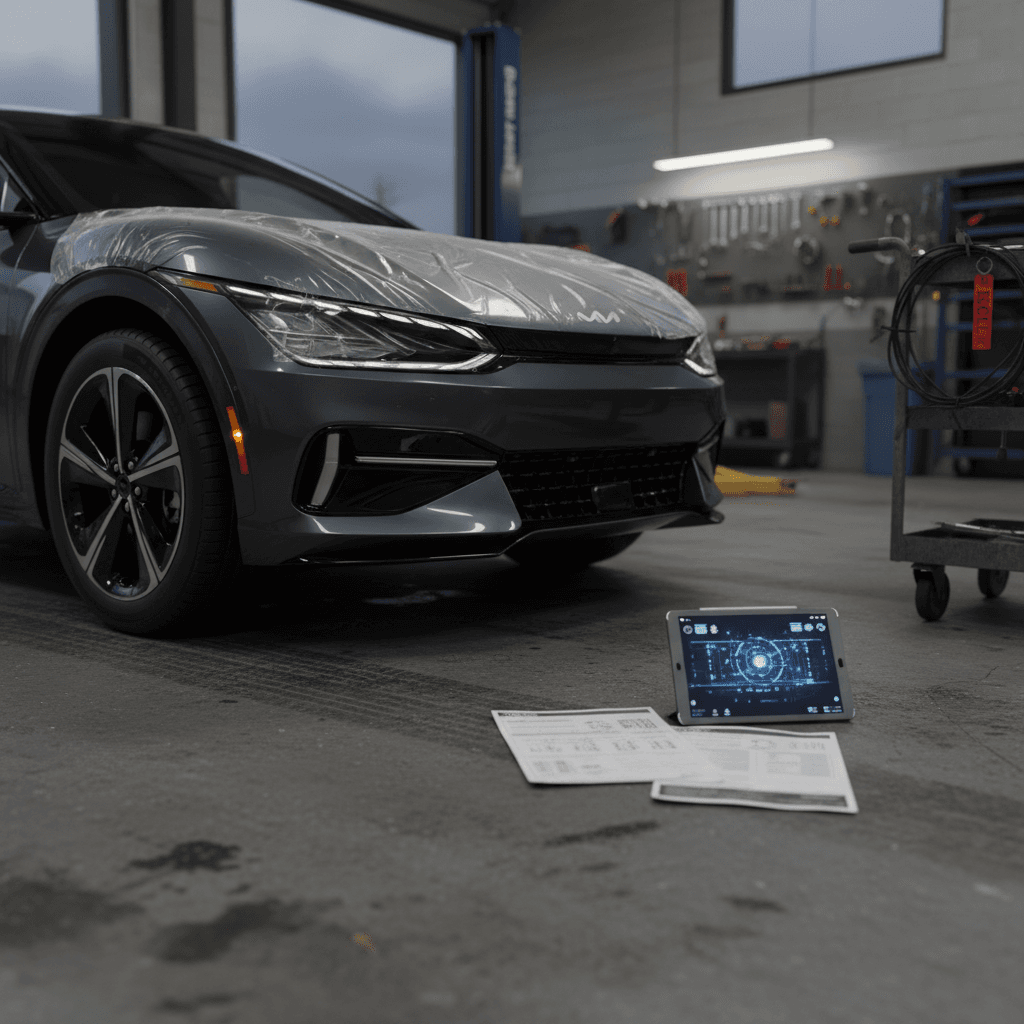
Request a service history showing completed recall work, TSB‑related repairs, and ICCU or 12‑volt system replacements. A good dealer will print this from Kia’s internal system at no charge.
5. Confirm software is current
Ask the service advisor to verify that <strong>all EV‑system software updates</strong>, including those related to the ICCU and vehicle control unit, have been installed. These updates can improve fault detection and reduce stress on components.
6. Document everything
Save PDFs or photos of recall results, service records, and invoices. If you later experience a related failure, this paper trail will help you make a case for goodwill assistance or buyback review.
How Recharged handles recall checks
Ready to find your next EV?
Browse VehiclesSafety ratings and non‑recall concerns for the 2025 EV6
On the crash‑test side, the EV6 platform performs well. NHTSA gives the EV6 a 5‑star overall rating, and that performance carries over to the 2025 model year. But safety isn’t just about star ratings, owners and testers have flagged a few areas worth understanding.
Beyond the headline safety score
Where the 2025 EV6 shines and where it could be better
Strong crash protection
The EV6’s structure, airbag coverage, and active safety tech all earn high marks. It’s fundamentally a safe vehicle when systems are working as intended.
Rear‑seat concerns
Independent testing has criticized the EV6’s rear occupant protection, particularly belt positioning for adults. Not a recall issue, but something families should note.
Headlight performance
Some trims receive middling scores for headlight illumination on curves. If you drive a lot at night on rural roads, test the lighting carefully during your test drive.
Remember: not every flaw becomes a recall
Shopping used 2022–2025 Kia EV6: what smart buyers should do
If you’re looking at a used 2022–2025 EV6, whether on a dealer lot, a private sale, or a marketplace like Recharged, you want the performance and style without inheriting someone else’s headaches. Here’s how to tilt the odds in your favor.
Questions to ask the seller
- Which recalls are completed? Ask specifically about ICCU‑related campaigns and driveline recalls on earlier years.
- Has the ICCU or 12‑volt battery ever been replaced? A documented replacement under warranty isn’t a deal‑breaker, but lack of paperwork is a red flag.
- Any history of power‑loss or warning lights? Intermittent electrical issues can be hard to reproduce on a short test drive.
Checks to perform yourself
- Run the VIN through NHTSA and Kia recall portals just before you negotiate.
- On the test drive, pay attention to warning chimes, messages, and how the car behaves under full acceleration.
- If you’re buying remotely, insist on a recent dealer inspection report or independent pre‑purchase inspection.
How Recharged de‑risks used EV6 purchases
Warning signs your EV6 might have an ICCU or electrical problem
Recall or not, you want to know when your car is trying to tell you something. Owners who later needed ICCU replacements often noticed patterns well before the car left them stranded.
- Repeated messages such as “Check EV system”, especially if they appear under moderate load or DC fast‑charging.
- Unusual electrical behavior, flickering screens, intermittent accessory power, or unexplained 12‑volt battery drains.
- A loud pop, thump, or mechanical‑sounding noise from under the car followed by a cluster of warning lights.
- The car suddenly limiting power, refusing to accelerate past a certain speed, or dropping into a limp‑home mode.
- Difficulty shifting into drive or the car refusing to “ready” even with plenty of traction‑battery charge showing.
Don’t self‑diagnose and drive on
FAQ: 2025 Kia EV6 recalls and reliability
Common questions about 2025 Kia EV6 recalls
Bottom line on 2025 Kia EV6 recalls
Here’s the bottom line: there is no active U.S. safety recall that names the 2025 Kia EV6 as of April 2026, but the EV6’s history, particularly ICCU‑related power‑loss on 2022–2024 cars, means you shouldn’t ignore the issue. Treat recall lookups, service‑history reviews, and a careful test drive as mandatory steps, not nice‑to‑haves.
If you already own a 2025 EV6, stay current on software updates, act quickly on any warning lights or unusual electrical behavior, and keep immaculate documentation. If you’re shopping used, lean on objective tools, like NHTSA’s VIN search and a Recharged Score battery‑health report, to separate a well‑cared‑for EV6 from one that could become an electrical problem child. Do that, and you can enjoy the EV6’s style and performance while keeping recall risk firmly under control.