If you’re planning to keep your Kia EV6 long term, or you’re shopping for a used one, the real question isn’t just range or features. It’s **Kia EV6 after-warranty costs**: what happens once those reassuring factory warranties time out, and how much financial risk you’re actually taking on.
Quick takeaway
Kia EV6 warranty basics: when “after warranty” actually starts
Before you can estimate **after‑warranty costs**, you need to know which warranty ends when. For U.S.-market EV6 models, Kia bundles several different warranties together, and only some of them protect you deep into the car’s life.
Kia EV6 U.S. warranty coverage at a glance
Approximate coverage for recent Kia EV6 model years in the U.S. Always confirm details for your specific VIN.
| Component / coverage | Years | Miles (whichever comes first) | What’s included |
|---|---|---|---|
| Basic (bumper‑to‑bumper) | 5 | 60,000 | Most non‑wear items: interior electronics, HVAC, some chassis & body hardware |
| Powertrain | 10 | 100,000 | Motor(s), reduction gear, related powertrain components |
| High‑voltage battery pack | 10 | 100,000 | Traction battery and battery management, typically including capacity warranty |
| Anti‑perforation | 5 | 100,000 | Rust through from the inside out |
| Roadside assistance | 5 | 60,000 | Towing, jump starts, flat tire help under set conditions |
The EV6’s high‑voltage system is covered far longer than typical electronics or infotainment.
Practically, most owners first feel "after warranty" exposure around **year 5 or 60,000 miles**, when the basic warranty and roadside assistance end. The **battery and powertrain are still protected to 10 years/100,000 miles**, but infotainment glitches, suspension wear, and random electronics failures are now on you.
Watch your in‑service date
What actually costs money on a Kia EV6 after warranty?
The EV6 avoids big-ticket items like timing belts, oil changes, and multi-speed transmission services, classic internal‑combustion money pits. But it’s not maintenance‑free. After warranties lapse, you’re mainly exposed on **wear items, electronics, and the small chance of a high‑voltage failure**.
Main Kia EV6 cost buckets after warranty
Where your money is likely (and unlikely) to go in years 5–10
1. Routine EV maintenance
Predictable, relatively low costs for an EV:
- Tires (often every 25k–40k miles, sooner on EV6 GT)
- Brake fluid, cabin filter, coolant checks
- Occasional alignment or wiper/12V battery replacement
Still real money, but far below a comparable gas crossover.
2. Electronics & comfort features
Covers items like:
- Infotainment screen or audio system issues
- Window regulators, sensors, ADAS cameras/radars
- HVAC components and seat controls
These are common post‑warranty repair categories on modern EVs.
3. Chassis & body hardware
Everything that physically moves the car:
- Suspension bushings, control arms, sway‑bar links
- Door latches, hatch struts, sunroof hardware
- Wheel bearings, minor steering components
Not EV‑specific, but affected by road conditions and mileage.
How much are we talking?
Projected Kia EV6 costs in years 5–10
Nobody can tell you exactly what your EV6 will cost in year 9. But we can triangulate from **Edmunds-style total cost of ownership data**, broader EV repair statistics, and what we know about Kia parts pricing to build a realistic range.
Kia EV6 cost signals from early ownership data
For a **2010s‑era EV**, we’ve seen a pattern: fairly flat, low maintenance for years 1–4, then a gentle rise as tires, suspension pieces, and out‑of‑warranty electronics start to fail. The EV6 is new, but you should expect a similar curve:
What to budget for Kia EV6 ownership in years 5–10
1. Routine maintenance: $400–$800 per year
Think tires, brake fluid, cabin filters, alignments, and 12V battery. Performance trims or heavy highway use skew to the higher end.
2. Minor repairs: $300–$700 per year on average
Door locks, sensors, weather seals, or suspension bits that age out. Some years you may spend $0, others you might see a four‑figure repair if several issues stack up.
3. Insurance, registration & taxes: location‑dependent
Insurance on EVs can be higher than similar gas models. Shop around, especially as the car depreciates.
4. Rare but costly events: $1,500+ each
Examples include replacing an onboard charger, HVAC compressor, or a complex ADAS sensor array after minor damage.
5. Very low probability, very high cost: battery failure
If a battery fails outside the 10‑yr/100k‑mile window, you’re looking at a **five‑figure bill** unless you qualify for goodwill support or find a salvage pack.
Use averages, not worst‑case, to plan
The big-ticket risk: EV6 battery and high-voltage components
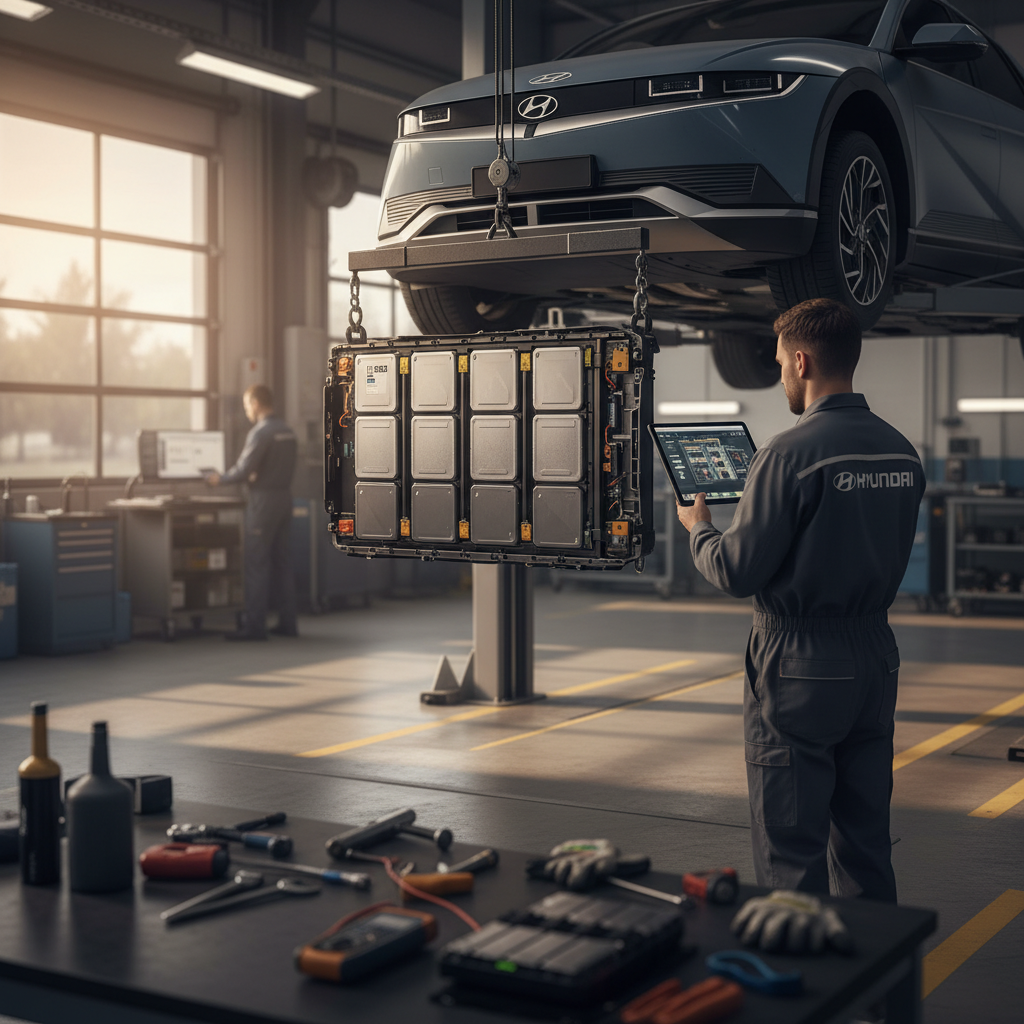
The EV6’s high‑voltage battery is both its most valuable component and the part that scares used‑car shoppers the most. The good news: real‑world failure rates on modern Hyundai/Kia packs have been low so far, and Kia backs the EV6 battery for **10 years or 100,000 miles** in the U.S.
- Typical reported replacement cost for a full EV6 pack (out of warranty) lands around **$10,000–$15,000 including labor**, based on industry estimates for Hyundai/Kia EVs of similar size.
- Labor on high‑voltage repairs can be steep: **$1,000–$3,500** just in labor for a major battery job is common across EV brands.
- Many issues that look like “battery problems” are actually **sensor, wiring, or module faults** that can be repaired for far less than a full pack replacement.
Battery replacement is a financial outlier
How often do EV batteries actually fail?
Industry data across modern EVs suggests that **outright battery pack failures within the first 10 years are rare**, and most owners never face a full replacement. Capacity loss is a more common concern, but Kia’s warranty typically covers significant degradation in that window.
After 10 years, the risk window opens, but by then, many owners have either sold the car or are comfortable driving it with somewhat reduced range.
What about other high‑voltage parts?
Beyond the main pack, high‑voltage **DC‑DC converters, onboard chargers, and electric HVAC compressors** can run from a few hundred to a few thousand dollars each installed. These components are generally more reliable than their gas equivalents but can be more expensive when they do fail.
Because they’re specialized, **independent EV shops** or warranty coverage (factory or third‑party) matter more once your EV6 is older.
Extended warranties & service plans: worth it for an EV6?
Dealers know EV shoppers worry about batteries, so extended warranties are a favorite profit center. The key is understanding **what they actually cover** and whether they meaningfully reduce your after‑warranty risk.
Pros and cons of extended coverage on a Kia EV6
How to decide if the extra cost makes sense for you
When an extended warranty can make sense
- You’re buying a high‑miles used EV6 already close to the 5‑year basic warranty limit.
- You drive 15,000–20,000+ miles a year and will hit 100,000 miles quickly.
- You don’t have cash reserves to absorb a sudden $2,000–$4,000 repair.
- The plan clearly covers electronics and high‑voltage components, not just the engine you don’t have.
When to skip or be skeptical
- The plan doesn’t extend high‑voltage coverage beyond Kia’s 10‑year/100k‑mile battery warranty.
- Fine print excludes most things that actually fail on modern EVs: infotainment, ADAS sensors, suspension.
- Total cost of the plan plus financing interest approaches or exceeds a realistic repair budget.
- You plan to sell the car in 3–4 years anyway.
Negotiating extended warranty value
Saving money by going used: EV6 depreciation vs repair risk
From a total‑cost standpoint, **depreciation is the single biggest “expense” on a new Kia EV6**. By the time an EV6 is 3–5 years old, a big chunk of that value has already evaporated, often **tens of thousands of dollars**, even though the powertrain and battery still have years of factory warranty left.
New vs used Kia EV6: simplified cost trade‑offs
High‑level comparison of buying a new EV6 vs a 3–5‑year‑old used model.
| Scenario | Upfront price | Remaining factory coverage | Risk profile years 5–10 |
|---|---|---|---|
| Buy new EV6 | Highest | Full 5‑yr/60k basic + 10‑yr/100k battery & powertrain | Lowest risk through year 5; more exposure after that, but with known history. |
| Buy 3‑year‑old EV6 | Substantially lower | ~2 years of basic, ~7 years of battery/powertrain left (roughly) | Great balance of lower price and remaining coverage if condition is verified. |
| Buy 6‑year‑old EV6 | Lowest purchase price | Likely out of basic; ~4 years of battery/powertrain left | Most repair cost exposure, but depreciation mostly behind you. Battery health is critical. |
Going used often means taking on more repair risk in exchange for dramatically lower depreciation.
Why used EV6s can be a sweet spot
How to keep Kia EV6 after-warranty costs low
You can’t control every failure, but you can tilt the odds heavily in your favor. The EV6 rewards **gentle charging habits, proactive maintenance, and smart repair decisions** far more than it rewards expensive dealer upsells.
Seven ways to control EV6 costs after warranty
1. Charge smart to protect the battery
Use DC fast charging when you need it, not as your default. Keeping most charging to home Level 2 and avoiding sustained 100% states of charge helps reduce long‑term battery stress.
2. Stay on top of basic maintenance
Follow Kia’s maintenance schedule for brake fluid, cabin filters, tire rotations, and coolant checks. Skipping cheap preventative service can turn small issues into expensive ones.
3. Rotate and align tires regularly
EVs are heavy and torquey, and the EV6 is no exception. Regular rotations and alignments reduce premature tire wear and prevent suspension components from taking unnecessary abuse.
4. Fix water leaks and warning lights quickly
Modern EVs are sensor‑dense. A minor leak or ignored warning light can snowball into harness corrosion or control‑module failures if you let it linger.
5. Use independent EV‑savvy shops when you can
Dealer labor rates add up quickly. As the EV6 ages, more independent EV shops and mobile technicians will be able to handle out‑of‑warranty work at lower hourly rates.
6. Keep good documentation
Service records, software update logs, and charging habits all matter for resale value and warranty claims. A well‑documented EV6 is easier to sell and more likely to get goodwill support.
7. Build a repair reserve
Instead of overpaying for questionable coverage, consider setting aside **$1,000–$1,500 per year** in a dedicated account for future repairs once the basic warranty ends.
How Recharged lowers after-warranty risk for EV6 buyers
If you’re weighing a used EV6, the gap between a great deal and a rolling liability usually comes down to **how well the car’s history and battery health are understood**. This is exactly the problem Recharged was built to solve.
Buying a used Kia EV6 through Recharged
How we help you manage after‑warranty costs before you ever sign
Verified battery health
Every vehicle on Recharged comes with a Recharged Score Report that includes independent battery health diagnostics, charging behavior insights, and range expectations. That lets you understand how much life is realistically left in the pack.
Transparent pricing & history
We benchmark each EV6 against fair‑market pricing and surface condition details, prior accidents, and mileage so you’re not flying blind on depreciation or likely repair needs.
Financing, trade‑in & support
Recharged offers financing, instant offers or consignment for your current vehicle, and EV‑specialist support to talk through total cost of ownership. You can shop fully online or visit our Experience Center in Richmond, VA.
Talk through your EV6 scenario with an expert
Kia EV6 after-warranty costs: FAQs
Frequently asked questions about Kia EV6 after-warranty costs
The bottom line is that **Kia EV6 after‑warranty costs are less about constant nickel‑and‑diming and more about managing a few large, low‑probability risks**. As long as you understand where the warranties end, keep up on basic maintenance, and buy a car with proven battery health, the EV6 can be a very cost‑effective long‑term EV. If you’re looking at a used EV6 now, taking advantage of tools like the Recharged Score Report and EV‑savvy guidance up front is one of the best ways to keep the numbers on your side for years to come.