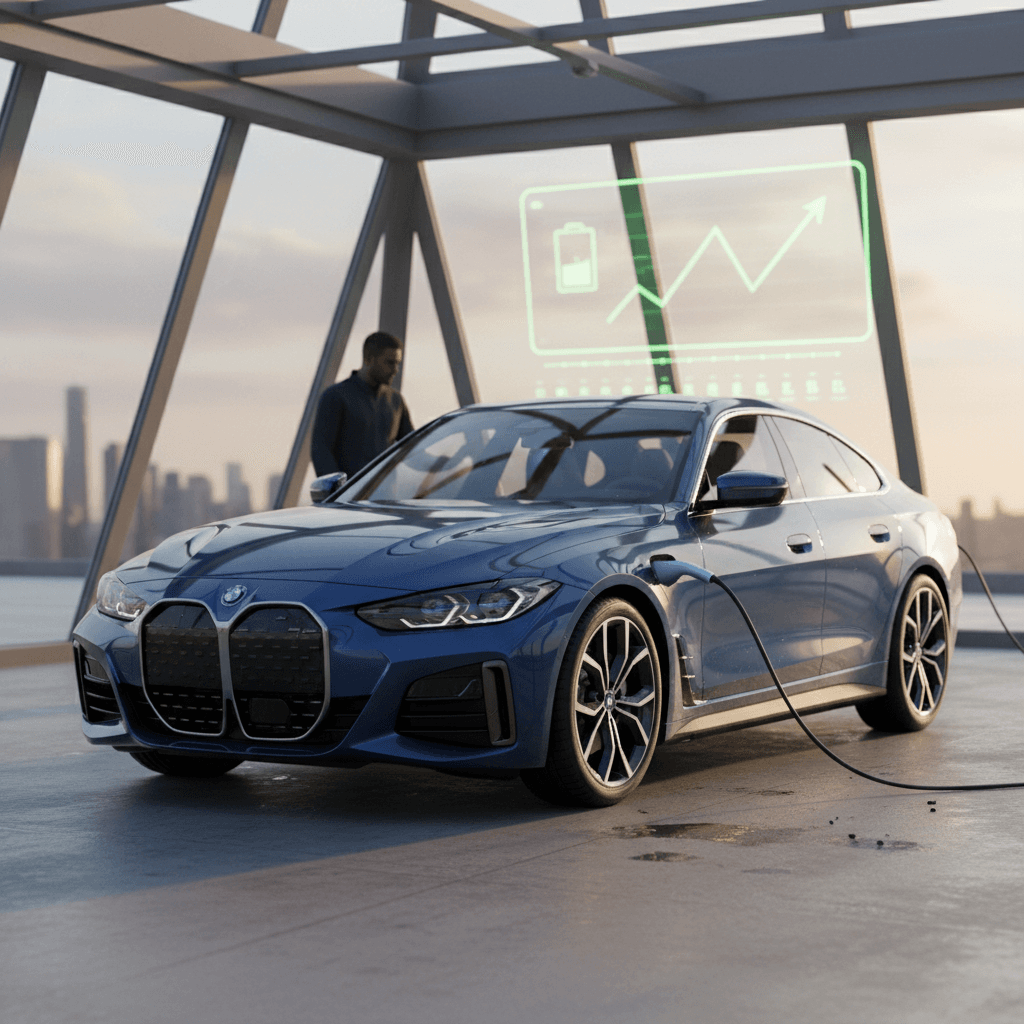
If you’re eyeing a 2025 BMW i4, you’re probably asking one big question: **how reliable is it really?** The 2025 BMW i4 reliability rating looks strong on paper, with top‑tier scores from major surveys and mostly trouble‑free owner reports so far. But every EV, and every BMW, comes with a few quirks that are worth understanding before you buy, especially if you’re shopping used.
Key takeaway up front
2025 BMW i4 reliability overview
2025 BMW i4 reliability at a glance
Because the 2025 BMW i4 is largely a **carryover from earlier model years** with incremental tweaks instead of a ground‑up redesign, it benefits from several years of real‑world data. That’s good news for you: in the reliability world, “boring” often means “sorted out.” Early recalls around body structure and high‑voltage components on earlier years have largely been addressed, and feedback from 2023–2024 owners has been broadly positive on mechanical durability.
How to read reliability scores
How is the 2025 BMW i4 reliability rating calculated?
1. Predicted reliability models
For the 2025 BMW i4, most headline reliability ratings are still **predictions based on earlier years** of the same platform. Analysts look at:
- 2022–2024 i4 repair history and recall counts
- Brand‑wide metrics for BMW, including average repair frequency and cost
- How extensive any mechanical or software changes are for 2025
Because the 2025 i4 is an evolution rather than a new generation, prediction models generally give it **better‑than‑average odds** of staying dependable.
2. Early owner reports and surveys
Independent outlets and owner communities add real‑world color:
- Long‑term road tests showing minimal unscheduled repairs
- Owner surveys that rate the i4 very highly for **vehicle quality and reliability**
- Forum posts highlighting occasional charging glitches or software bugs
Combined, these inputs underpin the **2025 BMW i4 reliability rating** you see summarized as 5/5 or 90‑plus out of 100 on many consumer sites.
The bottom line: the 2025 i4’s strong scores aren’t a wild guess. They’re grounded in three model years of field data plus BMW’s improving track record with modern EVs like the i4 and iX. Still, you should treat any prediction as a **probability, not a guarantee**, especially if you plan to keep the car beyond the standard 4‑year/50,000‑mile warranty.
Third-party reliability scores for the BMW i4
How major sources rate the BMW i4
What the big players say about quality and reliability
Consumer-focused ratings
Consumer ratings for recent BMW i4 model years typically sit in the **high 4s out of 5 overall**, with near‑perfect marks for reliability from many early owners. Those scores reflect relatively trouble‑free first years of ownership and strong satisfaction with build quality.
Quality & reliability studies
Industry studies of EV ownership consistently highlight the **BMW i4 as a top performer for vehicle quality and reliability**, often citing low defect counts and strong owner satisfaction scores versus rival luxury EVs.
Real-world long-term tests
Long‑term test fleets running the i4 for tens of thousands of miles report very few unscheduled service visits. Most stories boil down to **routine maintenance only**, which supports the i4’s strong predicted reliability for 2025.
Why 2025-specific numbers are limited
Common 2025 BMW i4 issues to watch
No EV is perfect, and the i4 is no exception. The good news is that so far, the pattern of issues for 2025 mirrors earlier years and tends to be more **annoying than catastrophic**. Here are the main themes emerging from owner forums, service bulletins and road tests:
Typical BMW i4 issues reported so far
Patterns seen across 2023–2025 BMW i4 ownership that could also affect 2025 models.
| Area | Example symptoms | How serious? | What to do |
|---|---|---|---|
| Charging hardware | Occasional DC fast‑charging session ends early or stations fail to handshake properly, especially on some third‑party networks. | Low–medium | Often a network issue; keep software updated and document patterns in case a dealer needs to diagnose. |
| Software & infotainment | Random screen freezes, laggy iDrive, or glitchy driver‑assist alerts that clear after a restart. | Low | Usually resolved via over‑the‑air updates or dealer reprogramming under warranty. |
| Body & trim | Wind noise, squeaks/rattles, or minor water ingress reported on a small number of cars, some tied to past recalls on earlier years. | Medium | Inspect seals, doors and trunk for proper fit; ensure any relevant recalls were performed. |
| 12‑volt battery | Intermittent warning messages or no‑start conditions due to the auxiliary battery, especially in colder climates or low‑use vehicles. | Medium | Have the 12‑volt battery tested at service intervals; replacement is far cheaper than HV battery work. |
| Charging‑network damage risk | A handful of owners across earlier years report charger‑related failures after events like surges or faulty equipment. | Low but costly | Favor reputable networks, avoid damaged hardware, and address any charging errors immediately under warranty. |
Most problems are software or ancillary systems rather than core battery or motor failures.
Pay attention to charging behaviour
Battery life and high-voltage components
From a reliability standpoint, the **traction battery and motor** are the big-ticket items that can make or break an EV’s long‑term story. The BMW i4 uses a high‑density lithium‑ion pack and an integrated electric drive unit that, so far, have held up well in the field. Owners with 20,000–40,000 miles on earlier i4s commonly report **minimal range loss** and no drive‑unit failures.
- Real‑world reports suggest only modest range degradation over the first several years, especially for highway‑heavy drivers who avoid repeated 100% fast charges.
- There are **8‑year / 100,000‑mile high‑voltage battery warranties** on U.S.‑market BMW EVs, offering a strong backstop for major battery defects.
- Thermal management and conservative power delivery at high states of charge help protect long‑term battery health, even when the car is occasionally fast charged.
Battery reliability outlook is strong
Maintenance costs and ownership experience
One reason EVs often score well for reliability is simple: fewer moving parts. The i4 drops oil changes, spark plugs and a multi‑gear automatic in favor of an electric motor and single‑speed gearbox. That said, you’re still buying a **premium German brand**, and the cost of parts and labor reflects that once you move beyond basic wear items.
What owning a BMW i4 typically looks like
Cost and hassle factors that shape perceived reliability
Scheduled maintenance
- Two‑year service intervals on many BMW EVs reduce trips to the dealer.
- Key items: brake fluid, cabin filter, inspections, software updates.
- Regenerative braking dramatically slows pad and rotor wear compared with gas BMWs.
Out-of-warranty repairs
- Historically, BMW sits **below average** on brand‑wide repair costs.
- Electronics, suspension components and complex options can be pricey to fix.
- Extended warranties or solid CPO coverage can be worth considering if you plan to keep the car long term.
How to keep reliability high and costs low
2025 vs. earlier BMW i4 model years
When it comes to reliability, the 2025 BMW i4 looks more like a **refined continuation** of the 2023–2024 car than a science experiment. That’s exactly what you want. Most of the serious teething problems with any platform crop up in the first one or two model years; by 2025, BMW has had time to tighten up software, update suppliers and resolve recall‑level issues.
What stayed the same
- Core platform, battery architecture and motor designs carry over.
- Cabin electronics and iDrive may see incremental updates but share the same basic layout.
- Charging hardware and warranties remain broadly similar year‑to‑year.
That continuity underpins the strong **predicted reliability score** you see for the 2025 BMW i4.
What improved over time
- Software revisions have smoothed out many of the early infotainment and driver‑assist glitches.
- Manufacturing tweaks and service campaigns have addressed specific rattle, trim and seal issues.
- Dealers now have two‑plus years of EV‑specific experience with the i4 platform, which helps diagnosis and repair quality.
In effect, 2025 buyers benefit from the learning curve of the 2022–2024 owners.
Shopping tip: don’t ignore a clean 2023–2024
Is the 2025 BMW i4 a good used EV bet?
Putting the data, owner stories and BMW’s recent EV record together, the answer is yes: the 2025 BMW i4 is shaping up as a **solid used EV choice** if you prioritize driving dynamics and a premium interior as much as reliability. It’s not a Toyota Corolla in running costs, but within the luxury EV field, it stands near the front of the pack for dependability.
- Predicted reliability and early owner feedback put it **above many rival luxury EVs** on quality and defect rates.
- The **battery and drive unit look robust**, backed by an 8‑year high‑voltage warranty.
- Most problems trend toward **software, trim and charging‑network friction**, not repeated mechanical failures.
- BMW’s brand‑wide repair costs remain higher than average, so a clean history and remaining warranty still matter a lot.
Where Recharged fits in
Ready to find your next EV?
Browse VehiclesChecklist: what to inspect on a used BMW i4
Pre-purchase checklist for 2025 (and earlier) BMW i4 models
1. Review battery health and range
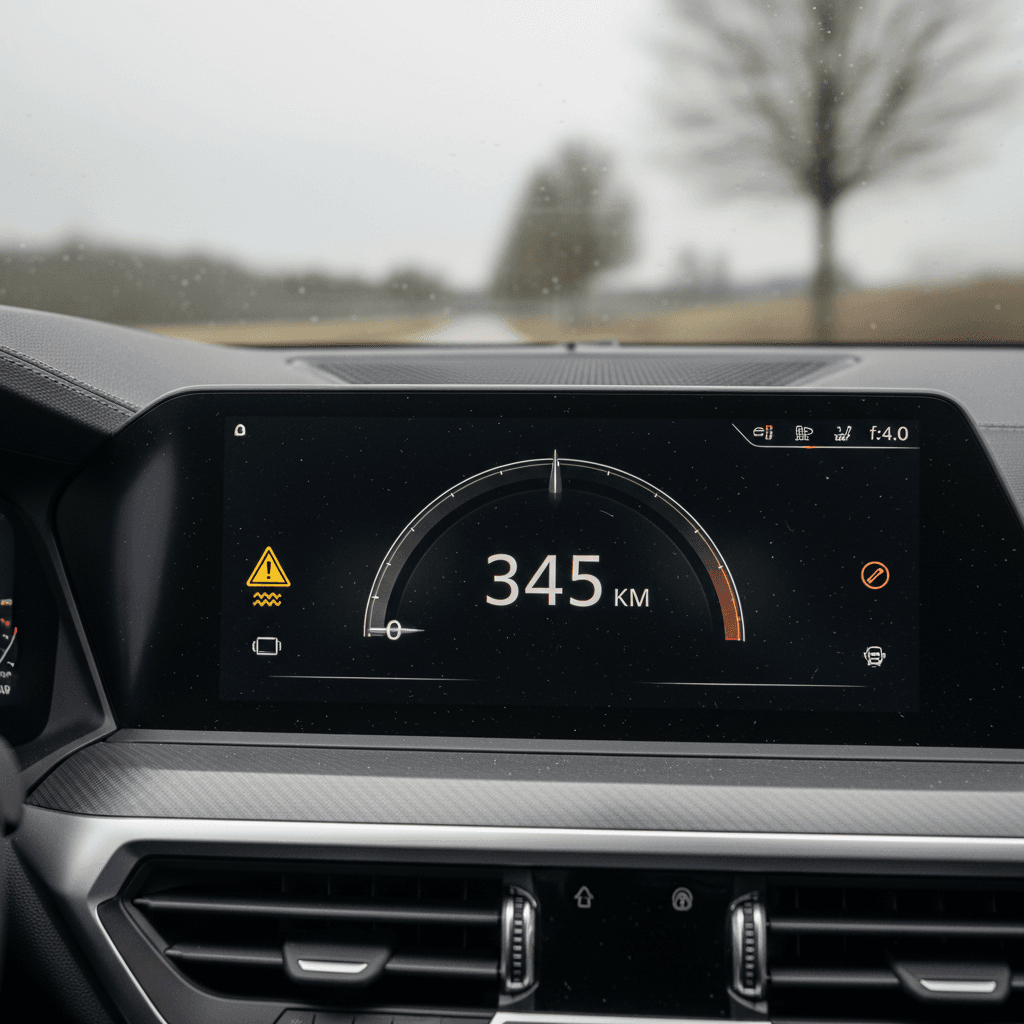
Compare the car’s current full‑charge range to its original EPA estimate, and ask for any battery health reports or logs. A modest decrease is normal; a large gap may signal heavy fast‑charging use or other issues.
2. Scan for software and warning lights
On a test drive, watch for persistent warning messages, disabled driver‑assist systems or repeated infotainment crashes. These can usually be fixed, but they’re leverage for negotiation and a reason to request software updates before purchase.
3. Test Level 2 and DC fast charging
If possible, plug into both a home‑style Level 2 charger and a reputable DC fast charger. Confirm that sessions start reliably, charge speeds look normal, and there are no loud clunks or error messages.
4. Inspect body, seals and glass
Check doors, trunk and charge port for consistent gaps and smooth operation. Look for water marks in the trunk or footwells and listen for wind noise on the highway.
5. Check tires, brakes and suspension
Because the i4 is heavy and quick, it’s hard on tires. Uneven wear or shuddering under braking may hint at alignment or suspension issues. These aren’t unique to EVs but can be expensive on a BMW.
6. Verify recall and service history
Ask the seller for a full service printout and confirm that any recalls have been performed. A complete history with documented software updates is a positive sign for long‑term reliability.
7. Understand remaining warranty coverage
Clarify how much of the **4‑year/50,000‑mile new‑vehicle** and **8‑year high‑voltage** warranties are left. If coverage is short, factor extended protection or a lower purchase price into your decision.
How Recharged’s battery diagnostics help
FAQ: 2025 BMW i4 reliability rating
Frequently asked questions about 2025 BMW i4 reliability
Bottom line: should you trust the 2025 i4’s reliability?
Taken together, the numbers and the narratives tell the same story: the **2025 BMW i4 reliability rating is legitimately strong**, especially for a premium German EV. You’ll still want to respect the usual BMW realities, higher parts prices, complex electronics, and the need for a careful inspection on any used example, but the i4’s battery, motor and overall build quality inspire more confidence than anxiety.
If you’re shopping used, focus less on the badge year and more on **battery health, charging history, service records and remaining warranty**. That’s where a structured assessment like the Recharged Score makes a difference, surfacing hidden risks and confirming when a 2025 i4 is as solid as its reliability rating suggests. Do that homework, and the i4 can be a rewarding, reliable EV for years to come.