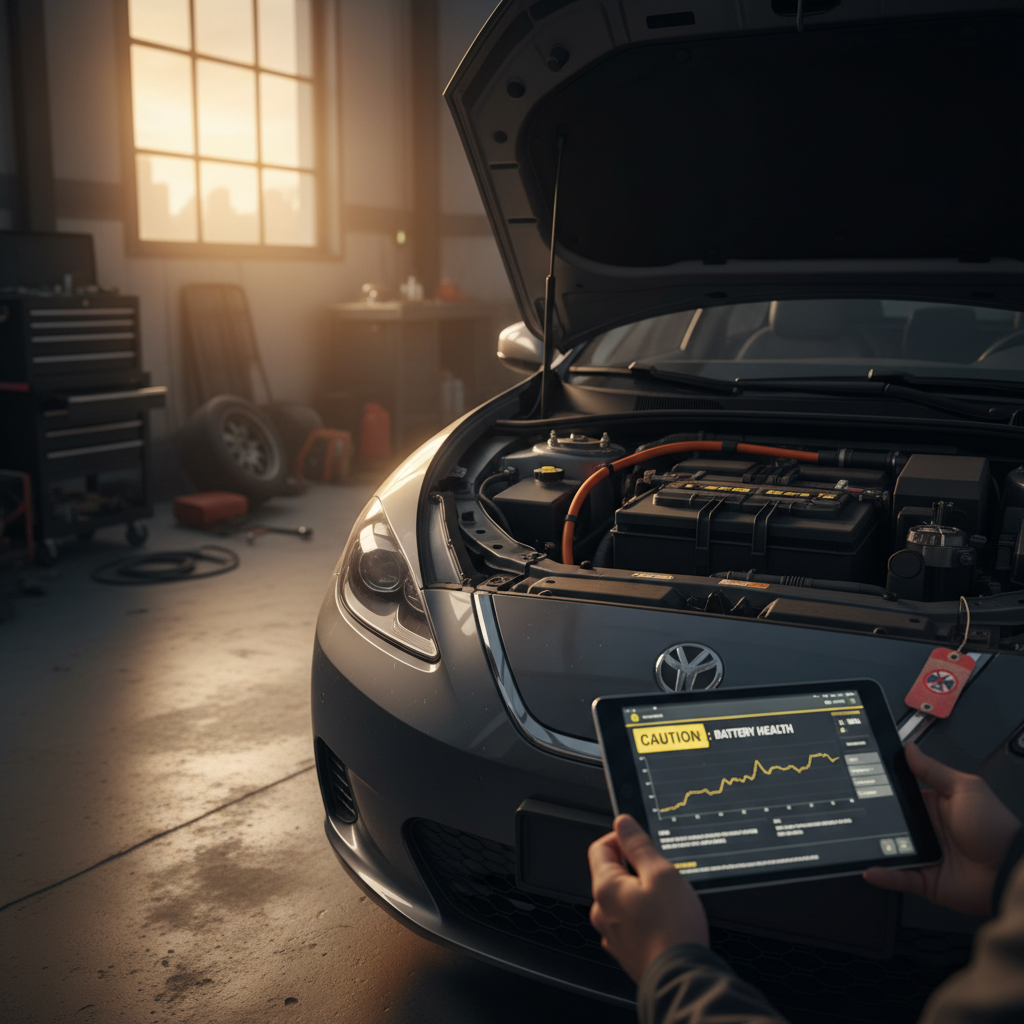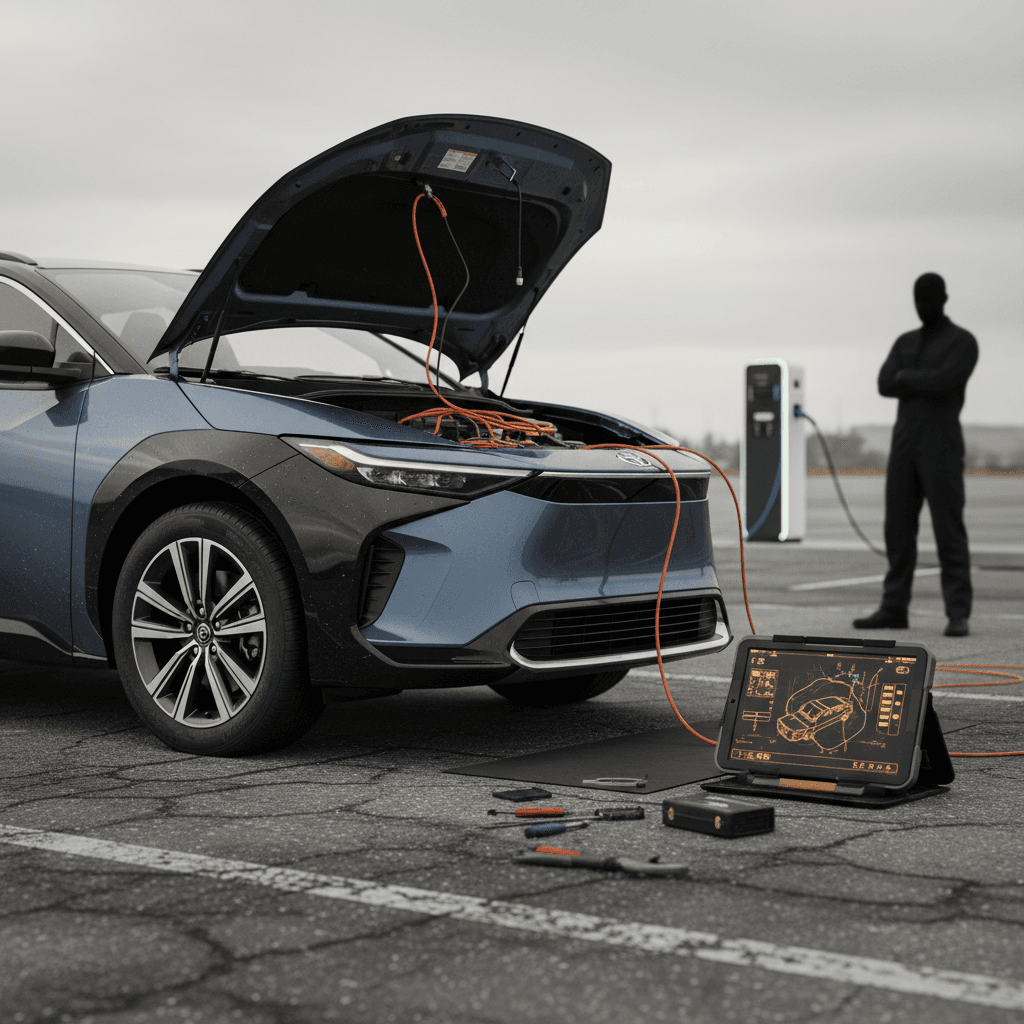
The 2024 Toyota bZ4X is Toyota’s first mass‑market EV, and you can feel the company learning in public. It’s comfortable, well‑built and easy to live with, but it also has **very real problems**, especially around fast charging, HVAC performance and the 12‑volt system. If you’re shopping for a used 2024 bZ4X or already own one, understanding these issues, and the fixes, will save you time, money and anxiety.
Big Picture on 2024 bZ4X Reliability
Overview: How Worried Should You Be About 2024 bZ4X Problems?
2024 Toyota bZ4X Reliability Snapshot
On paper, the 2024 bZ4X looks very Toyota: conservative engineering, long warranty, and a chassis shared with the Subaru Solterra. In practice, its **problem pattern** looks different from, say, a Camry. The big headaches aren’t transmissions or engines, they’re DC charging speeds that feel behind the curve, a widely publicized HVAC/heat‑pump recall, 12‑volt battery gremlins, and range that shrinks faster than you might expect in cold weather.
Tip for Used‑EV Shoppers
Quick List: Most Common 2024 Toyota bZ4X Problems
- Slower‑than‑expected **DC fast‑charging speeds**, especially on AWD trims, even after Toyota’s 150 kW update claims.
- Conservative **real‑world range**, particularly in cold climates, with noticeable winter drops and range estimates that can be optimistic on road trips.
- HVAC and **heat‑pump issues** in cold weather, including poor cabin heat and a federal safety recall campaign covering 2023–2025 bZ4X models.
- Intermittent **12‑volt battery drain or early failure**, sometimes leaving the vehicle unwilling to “start” despite plenty of traction‑battery charge.
- Occasional **suspension clunks or rear shock noises**, plus relatively quick tire wear on some vehicles.
- Software quirks: infotainment freezes, flaky phone integration, and in some cases backup‑camera or surround‑view glitches that may be covered by software updates or recalls.
Toyota Has Been Updating the bZ4X
Charging Problems on the 2024 bZ4X (and How to Fix Them)
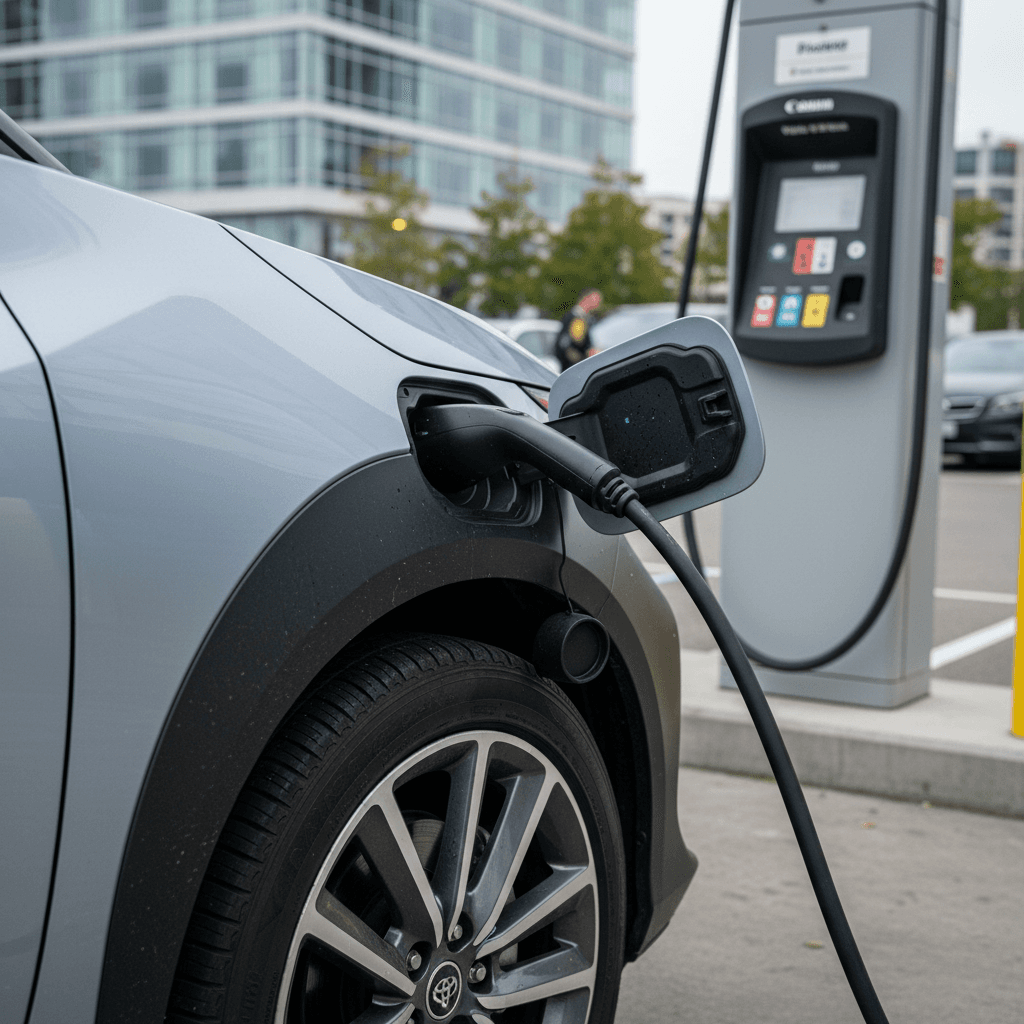
If there’s one complaint that unites bZ4X owners, it’s **DC fast‑charging performance**. Toyota’s brochure for the 2024 model touts up to 150 kW DC charging on many configurations, but owners routinely see much lower peak speeds in the wild, often in the 60–90 kW range on AWD cars at 200–350 kW stations. That translates into **longer road‑trip stops** than many rivals with similar‑size batteries.
Typical Owner Complaints
- “Trash charging speeds” compared with advertised numbers and competitors.
- Long plateau around 60–80 kW on AWD models even when the charger can deliver more.
- Drivers seeing 30–40 minutes from 10–80% on paper, but much longer in cold weather or on marginal chargers.
- Lack of in‑car charging‑speed display, so you’re guessing what the car is actually pulling.
What’s Actually Going On
- Toyota uses a conservative charging curve to protect battery life, especially at higher states of charge.
- The 2024 model improves on early 2023 cars, but it’s still not in the same league as 800‑volt EVs like Ioniq 5 or EV6.
- Battery temperature heavily influences DC speeds; cold packs in particular will throttle hard.
- Public chargers themselves are inconsistent, some 350 kW pedestals barely deliver half their rating in the real world.
Maximize Your bZ4X DC Charging Speed
Practical Fixes for 2024 bZ4X Charging Issues
1. Verify Latest Software & TSBs
Ask a Toyota dealer to check for **technical service bulletins (TSBs)** and software updates related to charging and battery management. Some 2024 cars have received updates that slightly improve charging behavior.
2. Favor Reliable Fast‑Charging Networks
Not all DC fast chargers are equal. In owner experience, **Electrify America and EVgo** sites vary wildly by location. Use plug‑share style apps to find stalls with consistently good output, and avoid dying sites with chronic derating.
3. Use Level 2 at Home for Most Charging
The bZ4X is genuinely easy to live with if you **treat DC fast charging as occasional**, not primary. A 40‑amp home Level 2 unit can refill the pack overnight with zero drama and low cost.
4. Plan Road Trips Around the Curve
On trips, aim for **shorter, more frequent stops** between 10–70% rather than charging from 20–100% in one go. Even with Toyota’s conservative curve, this keeps you closer to the car’s best charging speeds.
5. Test Fast Charging Before You Buy Used
If you’re eyeing a used 2024 bZ4X, ask the seller or dealer to do a **DC fast‑charge session from ~10–60%**. A car that won’t sustain even 60–70 kW on a healthy charger may need further diagnosis.
Range, Efficiency and Cold‑Weather Issues
The 2024 bZ4X’s EPA‑rated range sits in the low‑ to mid‑200‑mile band depending on trim, which is fine on paper. In reality, it’s **middle‑of‑the‑pack efficiency**: you don’t get the heroic miles‑per‑kWh seen in some rivals, and winter hits especially hard. Long‑term tests have seen the bZ4X struggle to do much better than the high‑100‑mile range in cold conditions, even when driven reasonably.
How the 2024 bZ4X Behaves in the Real World
Understanding its range personality will keep you from being surprised on a cold Sunday road trip.
Cold‑Weather Shrinkage
In freezing temps, owners routinely report **30% or more range loss** once you factor in cabin heat, defrost, damp roads and higher rolling resistance.
This isn’t unique to Toyota, but the bZ4X’s already‑modest range means the hit stings a bit more.
Highway vs. City
The bZ4X is happier as a **suburban commuter** than a 80‑mph interstate cruiser. At U.S. freeway speeds, its upright crossover shape and average efficiency mean range falls faster than the EPA label suggests.
Range Guessing & GOM
The "guess‑o‑meter" (range display) can be optimistic if you charge, hop on the highway and run faster than your recent driving history. Owners sometimes see the car estimate 120–140 miles and deliver significantly less on a mixed‑conditions trip.
Watch Out for First Long Winter Trips
Simple Fixes to Get the Best Range From a 2024 bZ4X
1. Pre‑Condition While Plugged In
Use the climate controls while the car is plugged in at home so the **traction battery isn’t paying** to warm the cabin from stone‑cold.
2. Use Eco HVAC Settings
Dial back temperature a couple degrees, use heated seats and wheel, and avoid max‑defrost unless visibility demands it. HVAC is a **major load** in winter.
3. Mind Your Speed
Above about 70 mph, aero drag starts to eat your range. If you can sit at 65–70 instead of 80, you’ll feel the difference in miles remaining.
4. Check Tire Pressures
Under‑inflated tires quietly sap range and can exacerbate noise and uneven wear. Check pressures monthly, especially in fall and spring temperature swings.
HVAC & Heat Pump Problems and Recall
One of the most widely discussed bZ4X issues is the **HVAC and heat‑pump system misbehaving in cold weather**. Owners describe weak cabin heat, intermittent defrost performance, or the system simply quitting and throwing warnings in freezing conditions. Regulators took notice: Toyota notified NHTSA of an HVAC‑related safety recall campaign covering 2023–2025 bZ4X and its Subaru twin, focused on components that can fail and limit defog/defrost performance.
Why the HVAC Recall Matters
- Ask the seller or your service advisor to confirm whether your VIN has any **open HVAC or heat‑pump recalls**. These show up via Toyota’s recall lookup tool or NHTSA’s database.
- If a recall applies, schedule the free repair immediately. The fix typically involves replacing or re‑programming HVAC components and updating related software.
- After the work, test the car in **genuinely cold conditions** if possible: verify that heat output is strong, the windshield clears quickly and no warning lights remain.
- If you still have poor heat after the recall fix, log dates, temperatures and photos or video, then escalate with your Toyota dealer and, if needed, Toyota corporate. HVAC issues should be addressed under warranty.
12‑Volt Battery Drain and No‑Start Complaints
Another theme in bZ4X owner forums is **12‑volt battery trouble**. This isn’t the big traction battery; it’s the small auxiliary battery that powers computers and contactors. On some bZ4X and Subaru Solterra vehicles, owners report the 12‑volt draining quickly or failing early, leaving the car unable to “ready up” even though the main pack is full. There’s even litigation alleging a design defect in the 12‑volt charging system for 2023–2025 models.
How 12‑Volt Problems Show Up on a 2024 bZ4X
Recognize the symptoms before you blame the big battery.
Common Symptoms
- Vehicle won’t power on after sitting for a few days, despite a healthy traction‑battery state of charge.
- Dash throws a Christmas tree of warning lights that mysteriously clear after a jump‑start.
- Repeated 12‑volt battery replacements within the first year or two of ownership.
Likely Root Causes
- Control modules that don’t fully sleep, pulling current while parked.
- Short, infrequent drives that never let the DC‑DC converter fully recharge the 12‑volt.
- Early‑production 12‑volt batteries that simply aren’t robust enough for EV duty.
Preventing and Fixing 12‑Volt Problems
1. Check for TSBs or Campaigns
Ask a Toyota dealer to search for any **TSBs involving the 12‑volt system** on your VIN. Even if there’s no full recall, updated programming or parts may exist.
2. Don’t Let It Sit for Weeks Unplugged
If you’re leaving the car parked for long periods, plug it in or arrange a **battery tender** designed for modern vehicles, following Toyota’s guidance.
3. Document Early Failures
If the 12‑volt dies in the first couple of years, insist on a warranty replacement and keep every invoice. Pattern failures strengthen your case if problems persist.
4. Rule Out Parasitic Draws
If a fresh 12‑volt still drains quickly, a technician should measure **parasitic draw** with the car fully asleep and chase down any modules that don’t power down.
Suspension Noises, Ride Quality and Tires
Mechanically, the 2024 bZ4X’s suspension has been mostly drama‑free, but a few patterns are emerging as mileage climbs. Some owners report **rear‑end clunks or knocks** traced to rear shock absorbers on bZ4X and Solterra twins. Others note surprisingly early tire wear or soft sidewalls that make the car feel vague on rough pavement.
Common 2024 bZ4X Suspension & Tire Complaints
What you might hear or feel, and what to do about it.
| Symptom | Likely Culprit | Owner Fix |
|---|---|---|
| Rear clunk over bumps | Rear shock absorbers or top mounts | Dealer inspection; replace shocks/mounts if play or leaks are found. |
| Floaty or busy ride | Soft factory damper tuning and tires | Consider slightly firmer replacement tires when the originals wear out. |
| Uneven or rapid tire wear | Alignment or under‑inflation | Request an alignment check and keep pressures at spec; rotate tires regularly. |
| Road roar on coarse pavement | Tire compound and tread design | Switch to quieter, touring‑oriented tires when it’s time to replace. |
Not every bZ4X has these issues, but they’re worth checking on a test drive.
Used‑Car Tip: Listen From the Back Seat
Software Glitches, Cameras and Driver‑Assist
The bZ4X runs Toyota’s latest infotainment and driver‑assist stack, and like most modern software, it occasionally loses the plot. Owners report **freezing or laggy touchscreens**, Apple CarPlay/Android Auto hiccups, and intermittent behavior from parking cameras and sensors. Separate from those annoyances, a major recall campaign covering more than a million Toyota and Lexus vehicles, including the bZ4X, was launched over **backup‑camera images that may not display or can freeze while reversing**; the fix is a software update to the parking ECU.
Keeping Your 2024 bZ4X Software Sane
1. Confirm All Camera Recalls Are Done
Use Toyota’s recall lookup tool or NHTSA’s site to check for **open camera or parking‑assist recalls** by VIN. The dealer fix is a free software update.
2. Get the Latest Infotainment Updates
Ask your dealer to verify that your car’s **infotainment and telematics software** are on the latest version. This often cures freezing and Bluetooth gremlins.
3. Treat Random Warnings Seriously
If you see repeated driver‑assist or sensor errors, don’t just power‑cycle and forget it. Log times and conditions and have the car scanned for stored fault codes.
4. Power‑Cycle Strategically
As with any modern car, an occasional full shutdown, exit, lock, let the car sleep, can clear transient bugs. But if issues recur, push for a documented fix.
Key Recalls Affecting the 2024 bZ4X
By 2026, the bZ4X family has been touched by several recall campaigns and technical bulletins. For a 2024 model, you’ll mainly want to verify completion of three buckets: **HVAC/heat‑pump**, **camera/software**, and **miscellaneous compliance items** like inaccurate labels. Early 2023 wheel‑hub issues were addressed before most 2024 builds, but it’s still smart to run a VIN check.
Major Problem Areas Covered by Recalls or Campaigns
Always verify by VIN, this is a directional guide, not a substitute for an official lookup.
HVAC / Heat Pump
Recall campaign for 2023–2025 bZ4X models to address components that can fail or limit defrost performance in cold conditions. The repair typically involves parts replacement and software updates.
Backup Camera / Parking ECU
Large Toyota recall including 2023–2024 bZ4X for **backup‑camera images that may not appear or may freeze** while reversing. Fix: dealer updates the parking‑assist ECU software.
Labels & Misc. Compliance
Smaller campaigns have involved incorrect information on labels and similar non‑mechanical issues. They’re simple fixes but must still be logged as completed on your VIN.
How to Check Your 2024 bZ4X for Open Recalls
How to Inspect a Used 2024 bZ4X for These Problems
The upside of shopping a 2024 bZ4X used is price: slow sales and lukewarm reviews have pushed these out of the showroom and into **compelling used‑EV territory**. The downside is that you’ll inherit whatever the previous owner didn’t understand about charging, HVAC and software. A focused inspection will tell you whether you’ve found a quiet commuter gem or someone else’s science experiment.
Used 2024 bZ4X Inspection Checklist
1. Pull a Full Recall & Service History
Ask for dealer printouts showing **all completed recalls, TSBs and warranty work**. HVAC and camera campaigns should be clearly marked as done.
2. Test DC Fast Charging Once
Arrive at a known‑good DC fast charger around **10–20%** and charge to about 70%. Watch the time and, if possible, the charging‑station screen. You’re looking for consistent output and no sudden drop‑offs or error codes.
3. Cold‑ and Hot‑Weather HVAC Check
If the season allows, test the car in genuinely cold and hot conditions. Confirm strong heat, quick defrost and stable AC, without odd smells or noises from the compressor.
4. Listen for Suspension Noises
Drive over rough pavement and speed bumps at low speed with the stereo off. Pay attention to the **rear** for clunks or knocks that could indicate tired shocks or loose mounts.
5. Inspect Tires and Alignment
Uneven tire wear can hint at alignment issues or repeated curb strikes. A clean wear pattern plus a recent alignment printout are green flags.
6. Scan for DTCs (If Possible)
A pre‑purchase inspection by an EV‑savvy shop or a platform like <strong>Recharged</strong> can scan for stored trouble codes, even if the dash is currently clear.
How Recharged Helps With Used bZ4X Shopping
Ready to find your next EV?
Browse VehiclesFAQ: 2024 Toyota bZ4X Problems and Ownership
Frequently Asked Questions About 2024 bZ4X Problems
Is the 2024 bZ4X Worth It, And Who Should Buy Used?
The 2024 Toyota bZ4X isn’t a flawless EV or a charging‑technology showpiece. It is, however, a **pleasant, straightforward electric crossover** from a carmaker that generally plays the long game. If you understand its weaknesses, slow DC charging, so‑so winter range, HVAC recalls and 12‑volt quirks, you can shop smart and end up with a comfortable, quiet, reasonably efficient EV at an attractive used price.
You’ll be happiest with a 2024 bZ4X if you’re a **home‑charging commuter or family driver** who does the occasional road trip rather than living at DC fast chargers. In that use case, most of its headline problems fade into the background. And if you’d rather not decode recalls and 12‑volt battery patterns alone, buying through Recharged adds a layer of protection: verified battery health, transparent history and EV‑savvy humans to tell you whether a particular bZ4X is a quiet hero, or a car you should politely walk away from.