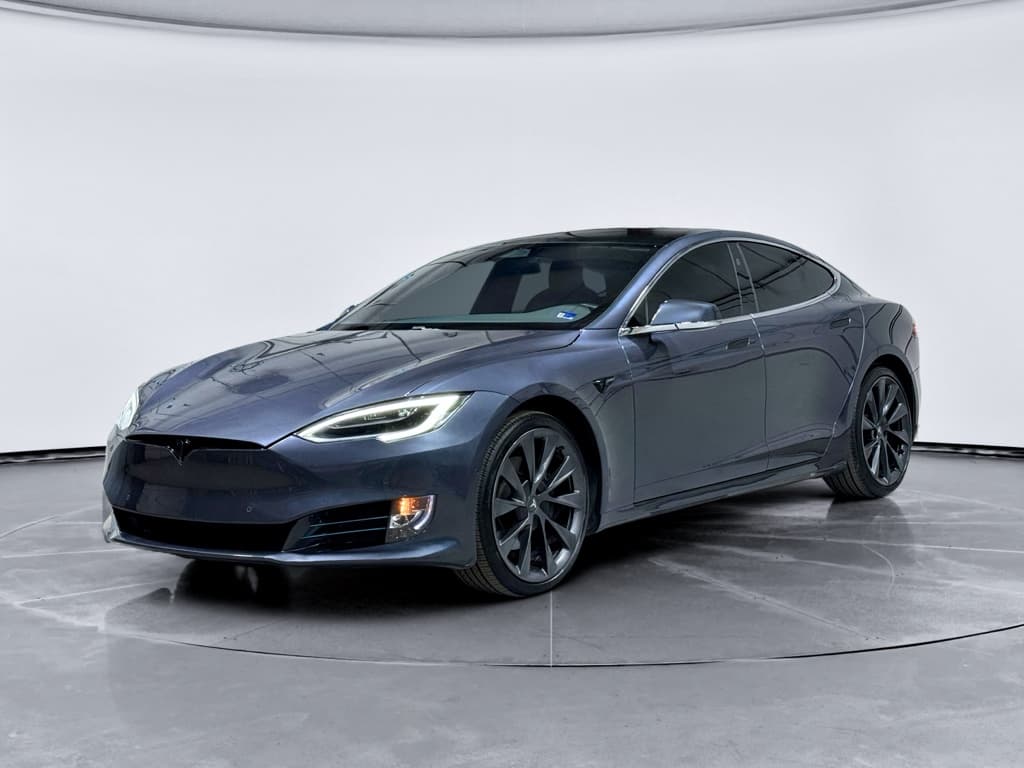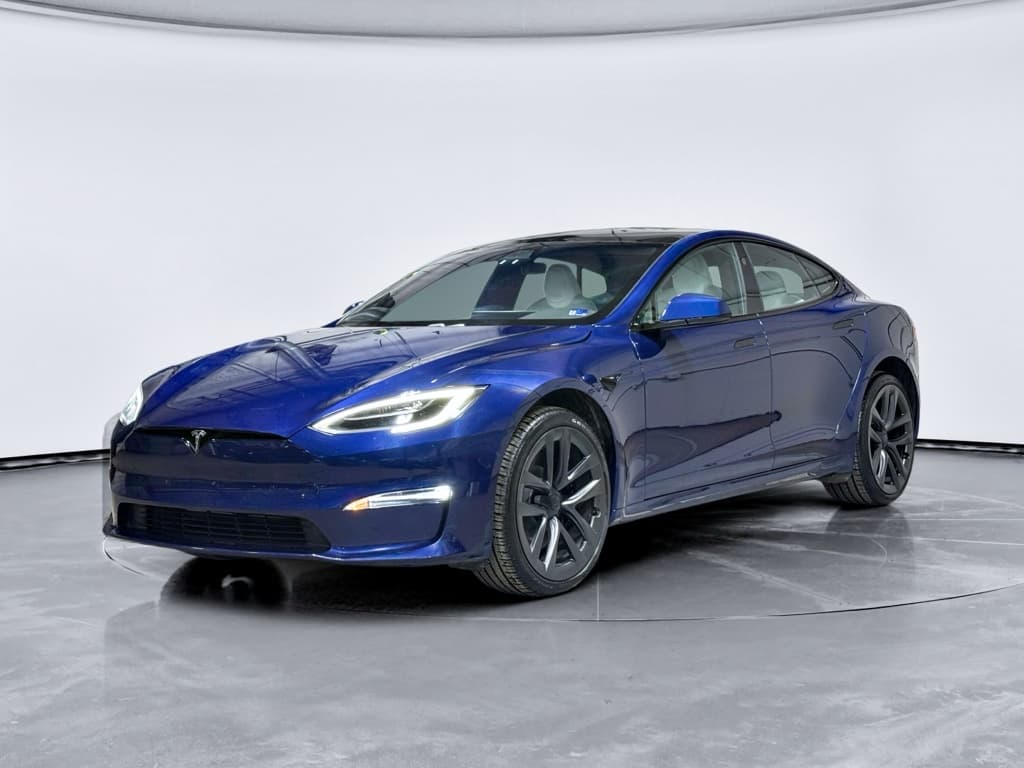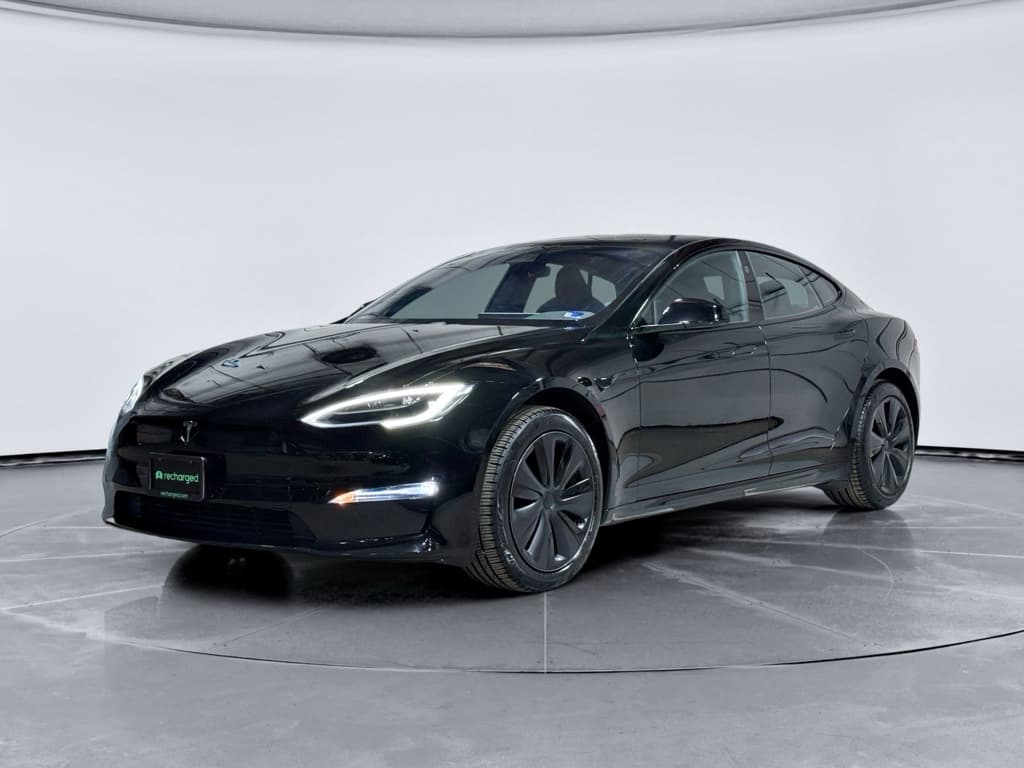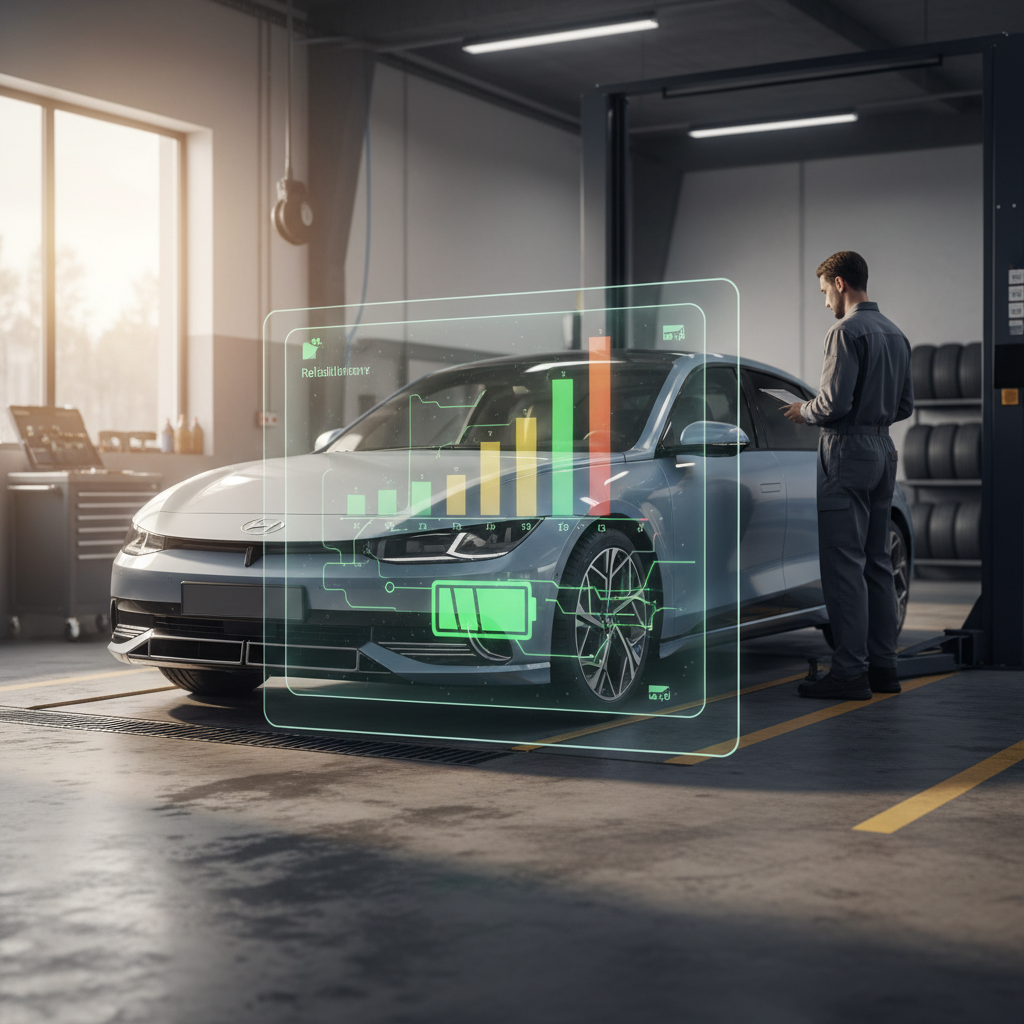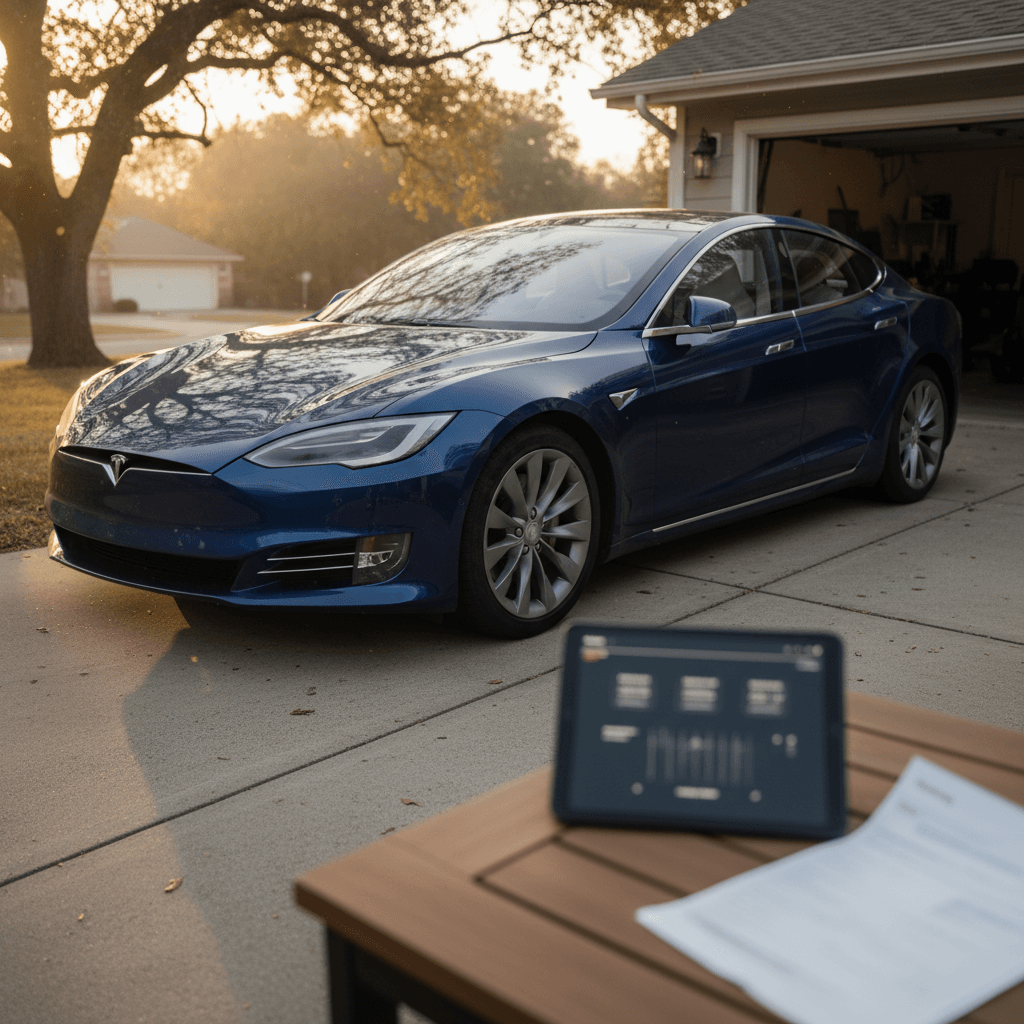
If you’re looking at a 2024 Tesla Model S on the used market, you’re shopping one of the longest‑range, quickest EVs on sale, right as depreciation is finally starting to catch up with it. This review looks at the 2024 Model S specifically as a used car in 2026: how it drives, how far it really goes on a charge, what’s happening to prices, and what you should check before you wire any money.
Context: Where 2024 Fits in the Model S Timeline
Overview: Is a Used 2024 Tesla Model S a Good Buy?
2024 Model S Used: Fast Facts
Viewed purely as a used car, the 2024 Tesla Model S is a bit of a paradox. On one hand, it’s still a benchmark: huge real‑world range, brutal acceleration, access to Tesla’s Supercharger network, and a minimalist tech‑heavy interior you simply don’t get in legacy luxury sedans. On the other hand, Tesla’s aggressive price cuts and a flood of off‑lease cars have pushed depreciation harder than many buyers expected, especially for expensive Plaid builds.
Our High‑Level Verdict
Trims, Range & Performance: Dual Motor vs Plaid
In 2024 the U.S. Model S lineup is simple: a dual‑motor all‑wheel‑drive Model S and the high‑performance Model S Plaid. Both use a large‑capacity pack (roughly 100 kWh gross), but they’re tuned very differently.
2024 Tesla Model S Used: Key Specs by Trim
Approximate factory specs for 2024 Model S variants. Real‑world range depends heavily on wheel size, weather, and driving style.
| Trim | Drivetrain | Approx. EPA Range (new) | 0–60 mph (claimed) | Charging Peak | Notes |
|---|---|---|---|---|---|
| Model S Dual Motor (AWD) | Dual‑motor AWD | ≈405 miles (19" wheels) | ~3.1 seconds | Up to 250 kW DC fast charge | Best balance of range, performance, and price. |
| Model S Plaid | Tri‑motor AWD | ≈396 miles (19" wheels) | ~2.0 seconds | Up to 250 kW DC fast charge | Extreme performance; higher tire and brake wear. |
Specs here are ballpark guidance; always check the exact car’s window sticker or Tesla listing for official figures.
Wheel Size Matters
Dual‑Motor Model S
If you’re cross‑shopping a 2024 Model S as a used daily driver, the dual‑motor car is the sweet spot. It’s already quicker than most performance sedans, has the longest range in the lineup, and tends to be thousands cheaper than Plaid on the used market.
- Very strong passing power even at highway speeds.
- More comfortable on imperfect roads than Plaid on 21s.
- Better efficiency for long‑range commuting or road trips.
Model S Plaid
The 2024 Model S Plaid is still one of the fastest accelerating production cars you can buy, new or used. But that straight‑line drama comes with trade‑offs:
- Higher tire, brake, and insurance costs.
- Overkill for most daily driving scenarios.
- On track, you’ll run into heat management and tire limits before power.
If you plan to actually use the Plaid’s performance, budget accordingly.
Tech, Interior & Driving Experience in 2024
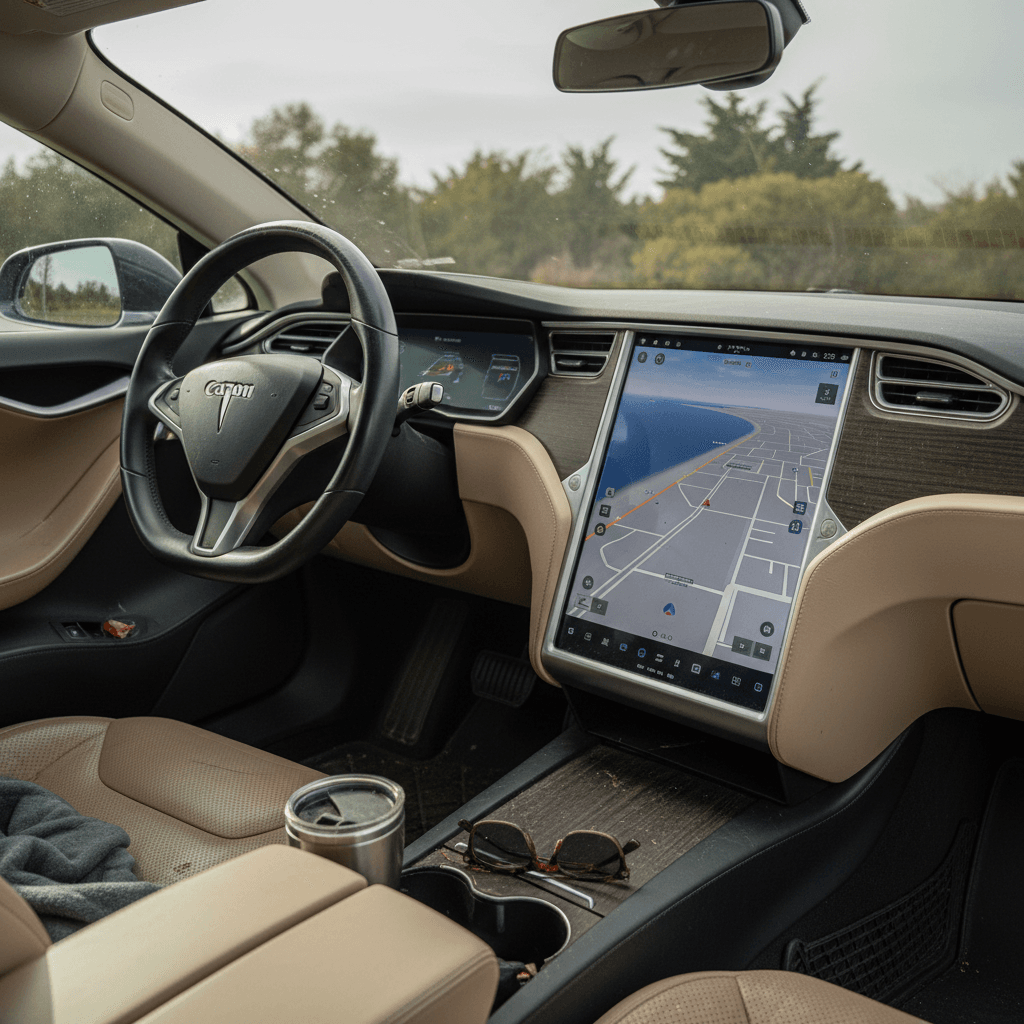
By 2024, the Model S cabin is very different from the early cars. You get the horizontal 17‑inch central touchscreen, a separate driver display, and either the controversial yoke or the newer round wheel, depending on build date and whether the prior owner swapped. Hardware‑4 Autopilot cameras and the latest infotainment computer are standard, but the way the car feels day‑to‑day depends a lot on software and options.
Key Tech Features on a 2024 Model S
Most of these carry over fully when you buy used, software is the differentiator.
Big‑Screen Interface
The central 17‑inch display controls almost everything: climate, drive modes, navigation, even the glovebox. It’s intuitive once you learn it, but be prepared for fewer physical buttons than in German rivals.
Autopilot & FSD
Every 2024 Model S includes basic Autopilot. Some used cars will also have Enhanced Autopilot or Full Self‑Driving capability, which can materially affect price. Verify whether the software license stays with the car on a given VIN.
Connected Car Features
Over‑the‑air updates, in‑car apps, streaming, and Tesla’s native navigation all depend on connectivity. Used buyers should check whether premium connectivity is active and what it costs to renew in their region.
Yoke vs Round Wheel
Used 2024 Model S Pricing, Depreciation & Value
Because Tesla cut new‑car prices repeatedly between 2023 and 2025 and a wave of Model S lease returns hit the market, used values slid faster than the typical luxury sedan curve. Several independent analyses found the Model S among the steepest depreciators in that period, with year‑over‑year drops north of 15% in some trims.
What That Means in Dollars
Where You Buy Matters
You’ll see wildly different asking prices depending on channel:
- Tesla direct used: Often carries a light reconditioning and simple online flow, but pricing isn’t always the lowest.
- Franchise dealers: Frequently take Model S on trade and may price aggressively if they’re not EV‑savvy.
- Dedicated used‑EV platforms like Recharged: Focused EV inspection, battery‑health data, and nationwide delivery can make pricing easier to compare apples‑to‑apples.
Why Depreciation Can Be Your Friend
If you’re buying, steep depreciation isn’t bad news; it’s opportunity. The key is to avoid cars with hidden issues that erase your savings.
On Recharged, every Model S includes a Recharged Score Report with verified battery health, pricing against the broader market, and a condition overview, so you can tell whether a lower price is a genuine deal or compensation for a rough history.
Battery Health & Warranty on a 2024 Model S
For any used Model S, the high‑voltage battery and drive unit are the core of the ownership equation. The good news: every modern Model S, including 2024 builds, comes with an 8‑year / 150,000‑mile Battery and Drive Unit Limited Warranty with a minimum 70% capacity retention promise over that period. That clock starts from the original in‑service date, not model year.
How to Quickly Judge a 2024 Model S Battery
1. Note in‑service date and mileage
Ask for the exact delivery date of the car when new and compare mileage. A 2024 Model S delivered in late 2024 with 15,000 miles has far more battery warranty remaining than one delivered in January 2024 with 45,000 miles.
2. Compare displayed full‑charge range
A healthy 2024 dual‑motor car on 19" wheels should still show a range reasonably close to its original rating. Some loss is normal; big gaps can indicate harder use, more DC fast charging, or software quirks that deserve a deeper look.
3. Look at DC fast‑charging history
Heavy Supercharger use isn’t automatically bad, but a car that has lived its life exclusively on DC fast charging can show faster degradation. When possible, review charging history or ask the seller how the car was used.
4. Use third‑party or platform battery reports
At Recharged, every used Tesla includes a <strong>Recharged Score battery‑health diagnostic</strong> so you’re not guessing from a dashboard number alone. If you’re buying elsewhere, consider paying for an independent scan.
5. Confirm warranty status with Tesla
Use the VIN and Tesla account (or ask the seller to pull it) to confirm that the Battery & Drive Unit Limited Warranty is still active, and note the exact expiry date and mileage cap.
Don’t Assume All Warranties Are Equal
Real-World Ownership Costs for a Used 2024 Model S
A used 2024 Model S can be cheaper to own than a comparable gas luxury sedan, but it’s not a low‑budget car. Beyond energy costs, you’ll want to understand tires, brakes, insurance, and potential out‑of‑warranty repairs down the road.
Major Cost Buckets to Budget For
These apply whether you buy from a private seller, dealer, or online platform.
Electricity vs Gas
Even with higher power rates in some regions, most Model S owners spend substantially less on energy than they would on premium gasoline, especially if they can charge at home on off‑peak rates.
Tires & Brakes
Performance EVs are hard on rubber. Plaid cars on 21s can eat through expensive tires quickly. The upside: regenerative braking means pads and rotors often last far longer than on a comparable ICE sedan.
Insurance & Repairs
Insurance can be higher than average due to repair costs and performance. Out‑of‑warranty repairs on items like suspension, door handles, or infotainment aren’t cheap, so it’s worth buying a car with documented service history.
Use Total Cost of Ownership, Not Just Price
What to Inspect Before You Buy a 2024 Model S Used
Because the 2024 Model S is still fairly new, you’re less worried about long‑term wear and more about how the first owner treated the car and whether there are any early defects you’ll inherit. Here’s a focused checklist you can use on any listing or test drive.
Pre‑Purchase Checklist for a 2024 Model S
1. Panel gaps & glass alignment
Walk around the car and look for obvious misalignment in doors, hatch, and glass roof. Minor variance is common; big misfits can point to past repairs or factory defects that never got fixed.
2. Suspension noises & ride quality
On your test drive, listen for clunks over bumps or creaks at low speed. Air‑suspension components and control arms aren’t immune to wear, especially on pothole‑heavy roads.
3. Steering wheel / yoke condition
Check for excessive wear, peeling, or replaced parts. Early yokes in particular saw some material complaints. Confirm whether you’re looking at an original wheel, a retrofit, or an aftermarket swap.
4. Screen, camera, and sensor behavior
Verify that the central and driver screens work smoothly, reboot quickly, and don’t show ghost touches. Test all cameras, Park Assist, and basic Autopilot. Missing or disabled features can indicate hardware changes or prior damage.
5. Charging behavior
Plug into both AC (Level 2) and, if possible, a Supercharger to confirm the car initiates charging quickly and ramps up to expected power. Watch for unusual errors or the charge rate stalling well below expected peaks.
6. Software & account handoff
Make sure the seller removes the car from their Tesla account and that you can add it to yours. This smooth transfer is essential for app access, remote features, and Supercharger billing.
Don’t Skip a Battery & High‑Voltage Check
How the 2024 Model S Compares to Alternatives
Shopping a used 2024 Model S usually means you’re also looking at things like a Lucid Air, Mercedes EQE/EQS, Porsche Taycan, or a high‑spec Model 3 or Model Y. Each has its own angle, handling, interior quality, software, but the Model S still carves out a distinct niche.
2024 Tesla Model S vs Common Alternatives (Used in 2026)
High‑level comparison of how a used 2024 Model S stacks up against typical cross‑shopped EVs.
| Model | Strengths vs 2024 Model S | Weaknesses vs 2024 Model S |
|---|---|---|
| Lucid Air | Even more range in some trims, very airy cabin, strong highway comfort. | Smaller fast‑charging network access in many parts of the U.S.; younger brand with less service footprint. |
| Mercedes EQE/EQS | Quieter cabins, traditional luxury feel, dealership network familiarity. | Heavier, often less efficient, infotainment and software not as integrated as Tesla’s. |
| Porsche Taycan | Best‑in‑class driving feel, build quality, and braking consistency. | Less range per charge, especially at highway speeds; options can make used prices sky‑high. |
| Tesla Model 3/Y Performance | Cheaper to buy and run, newer examples may have similar tech and range for less. | Not as spacious or plush, shorter range in many trims, lacks the flagship feel of Model S. |
Exact specs vary by trim; think of this as a directional decision aid, not a spec sheet.
When a Used 2024 Model S Shines
- You want one‑car‑does‑everything range and performance.
- You road‑trip often and value seamless Supercharger access.
- You prefer a tech‑centric cabin over traditional buttons and wood.
- You’re buying used specifically to let the first owner eat the steepest depreciation.
When You Might Choose Something Else
- You care more about cabin materials and noise isolation than range or software.
- Your driving is mostly urban and short‑range, where a cheaper EV or plug‑in hybrid makes more sense.
- You’re extremely sensitive to ride firmness or EV‑specific quirks like one‑pedal driving and software‑defined controls.
Who a Used 2024 Model S Is (and Isn’t) Right For
Used 2024 Model S shoppers tend to fall into a few clear buckets. Understanding which one you’re in helps clarify whether this car’s trade‑offs make sense for you, or whether a different EV would be smarter.
Buyer Profiles: Does the 2024 Model S Fit You?
Think less about specs and more about how you’ll actually use the car.
High‑Mileage Highway Commuter
If you’re regularly driving 60–150 miles a day, the 2024 Model S’s range and efficiency are a huge asset. You’ll charge less often and can often avoid public charging entirely with a solid home setup.
Frequent Road‑Tripper
Paired with Tesla’s Supercharger network, the 2024 Model S is one of the most convenient long‑distance EVs you can buy. Navigation will route you through chargers automatically and precondition the pack for faster sessions.
Performance Enthusiast
If you crave straight‑line speed with minimal maintenance, the Plaid is unmatched. Just be honest about how often you’ll really use that power and what you’re willing to spend on tires, brakes, and insurance.
Frequently Asked Questions: 2024 Tesla Model S Used
Common Questions About Buying a 2024 Model S Used
Bottom Line: 2024 Tesla Model S as a Used Buy
Two years ago, the idea of buying a nearly new Model S at a meaningful discount felt far‑fetched. Tesla’s price cuts and the maturing EV market changed that. As a used purchase in 2026, the 2024 Tesla Model S gives you flagship‑level range and performance, modern hardware, and years of remaining battery warranty, while someone else eats the steepest part of the depreciation curve.
The trade‑offs are real: build quality can still be inconsistent, repair costs are luxury‑car‑high, and software‑centric controls won’t suit everyone. But if your priorities are long‑distance usability, effortless speed, and a future‑leaning ownership experience, a carefully chosen 2024 Model S, especially a dual‑motor car with clean history and strong battery‑health metrics, can be a smart, defensible buy.
How Recharged Can Help
Ready to find your next EV?
Browse Vehicles