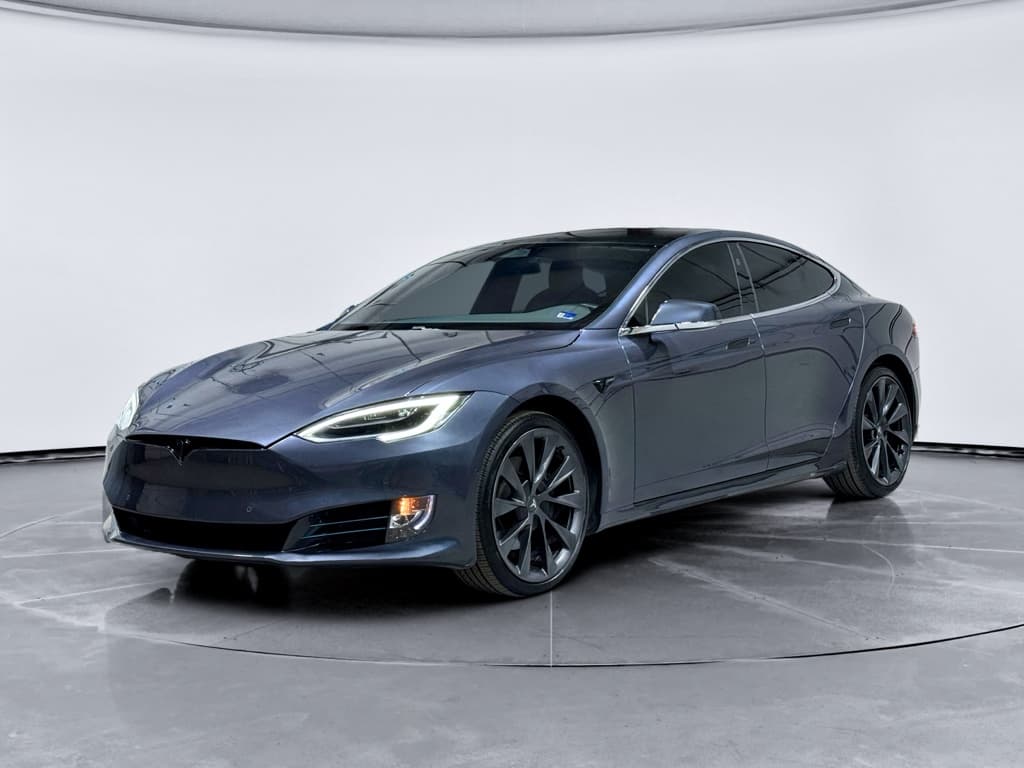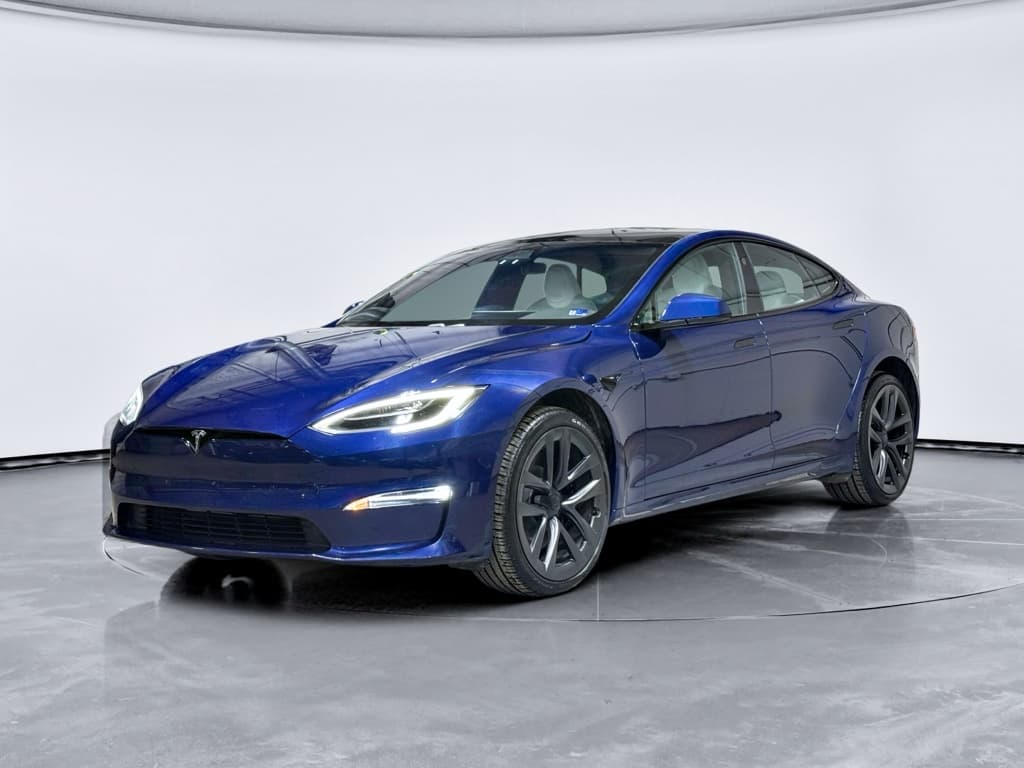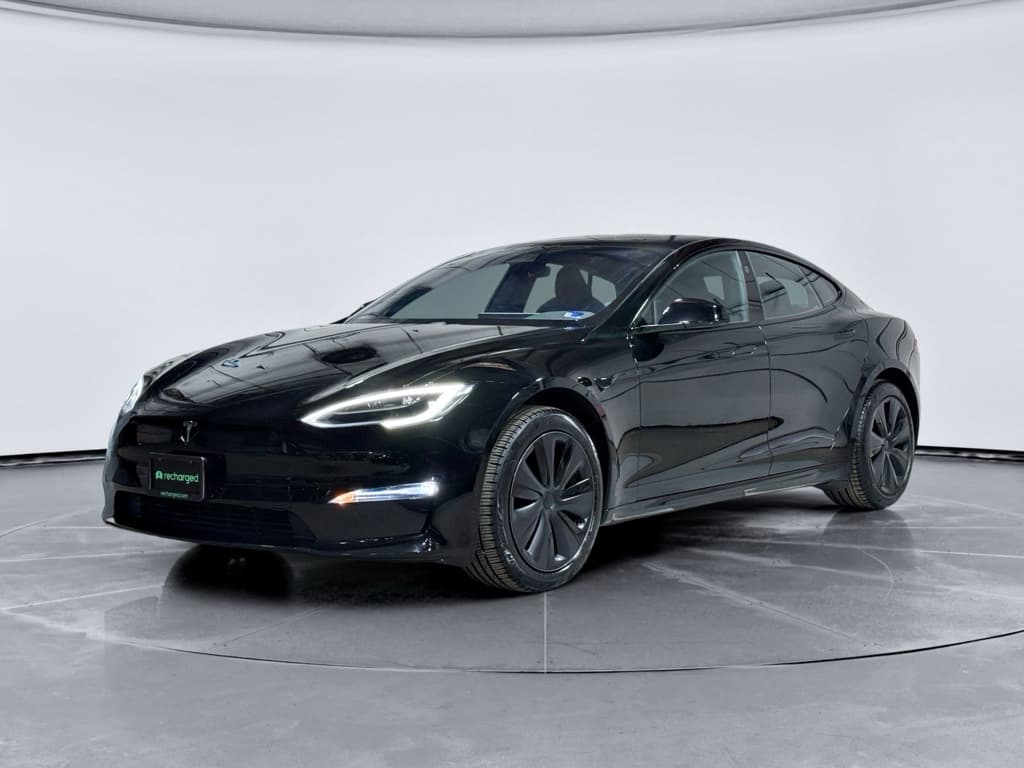
If you’re considering a 2024 Tesla Model S, especially on the used market, reliability is probably at the top of your list. The car’s performance and range are undeniable, but how does 2024 Tesla Model S reliability stack up against other luxury sedans, and what should you expect to live with over the next 5–10 years?
Quick reliability snapshot
Overview: How reliable is the 2024 Tesla Model S?
Big picture, the 2024 Model S sits in an interesting place. Consumer-focused testing outlets now **recommend the Model S again** after earlier years of up‑and‑down reliability, and they rate it as one of the more reliable ultra‑luxury cars currently on sale, better than some gas rivals from traditional brands. At the same time, broader studies of **5‑ to 10‑year‑old Teslas** show the brand near the bottom for used‑car reliability, reflecting quality issues on earlier Model S and Model X vehicles.
2024 Tesla Model S reliability at a glance
New vs. used: very different stories
Owner and expert reliability ratings
To understand 2024 Tesla Model S reliability, it helps to look at two perspectives: **short‑term reliability and satisfaction**, and **longer‑term, used‑car performance**.
What different sources say about 2024 Model S reliability
Short‑term satisfaction is strong; long‑term data is still maturing
Owner reviews (short‑term)
Early owners of the 2024 Model S report very few breakdowns and high satisfaction:
- Owner reliability scores in the mid‑4s out of 5
- About 90% say they would recommend the car
- Most issues mentioned are minor fit/finish or software quirks
Expert and survey data
Recent reliability surveys show a split picture:
- Model S now regains recommendation status from major testing groups based on improved reliability versus earlier years.
- In the ultra‑luxury segment, it ranks as one of the more reliable choices.
- Across all 5‑ to 10‑year‑old used vehicles, however, Tesla as a brand still sits near the bottom for long‑term reliability.
In plain terms: **a new or nearly new 2024 Model S is generally dependable** and competitive with other six‑figure luxury sedans. The caution flag goes up more for shoppers looking at a higher‑mileage Model S in a few years, or buying earlier model years that had more build‑quality growing pains.
Common 2024 Tesla Model S issues to know
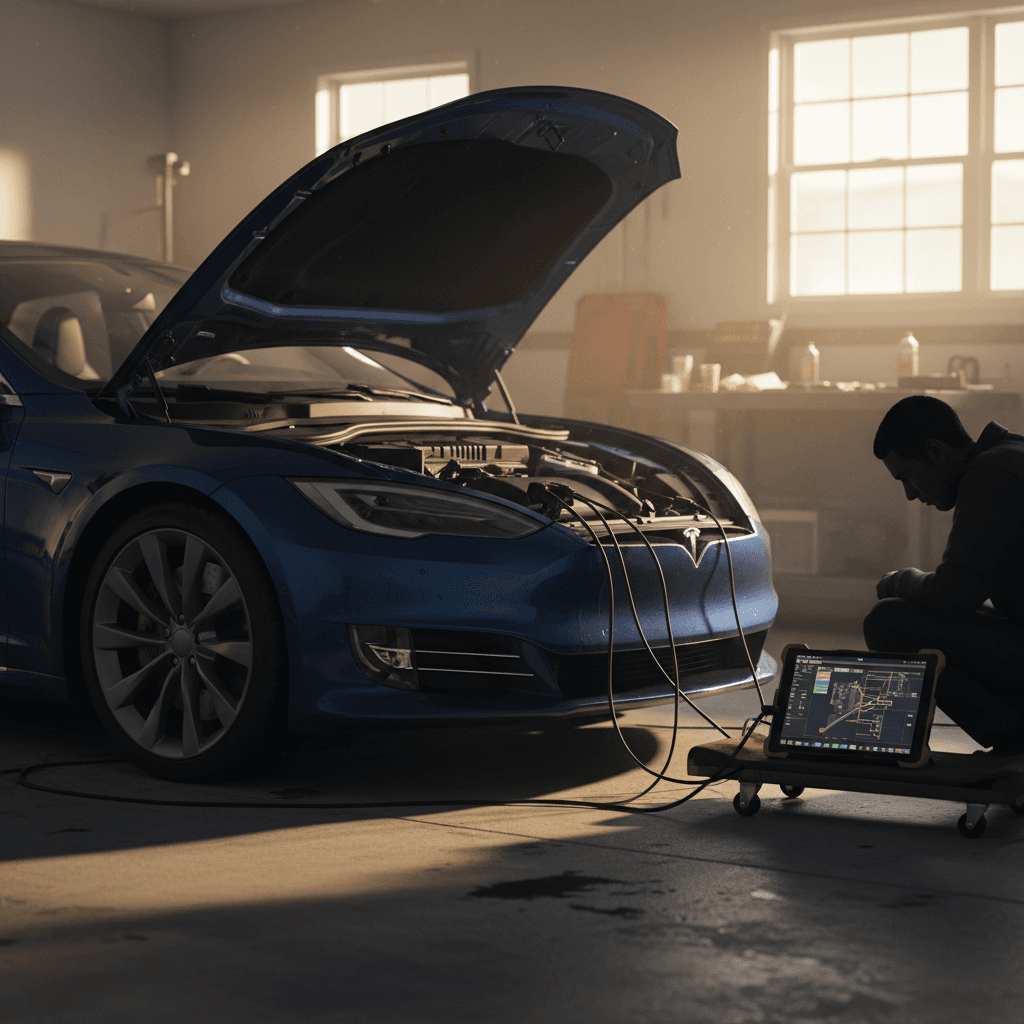
No modern luxury car is trouble‑free, and the 2024 Model S has some recurring themes. The good news is that most common complaints are **annoying, not catastrophic**, and many are fixable via software. Here are the main areas to watch.
Typical 2024 Model S trouble spots
These are patterns seen in owner reports and prior‑year Model S data that are likely to carry over to the 2024 model.
| Area | What owners report | How serious it is | What to do |
|---|---|---|---|
| Software & infotainment | Occasional screen glitches, slow boots, navigation bugs, phantom alerts | Low–moderate | Most are fixed by over‑the‑air (OTA) updates, reboots, or service bulletins. |
| Interior trim & noises | Creaks or rattles in dash, doors, or pano roof; misaligned panels | Low | Annoying but not dangerous; some can be adjusted under warranty. |
| Suspension & tire wear | Fast rear tire wear, especially on performance trims; occasional alignment complaints | Moderate | Check for uneven tire wear and ask for alignment history; plan for more frequent tire replacement. |
| Door handles / soft‑touch controls | Occasional misbehavior of flush door handles or capacitive buttons | Low–moderate | Test each door and handle multiple times; repairs are typically covered under basic warranty. |
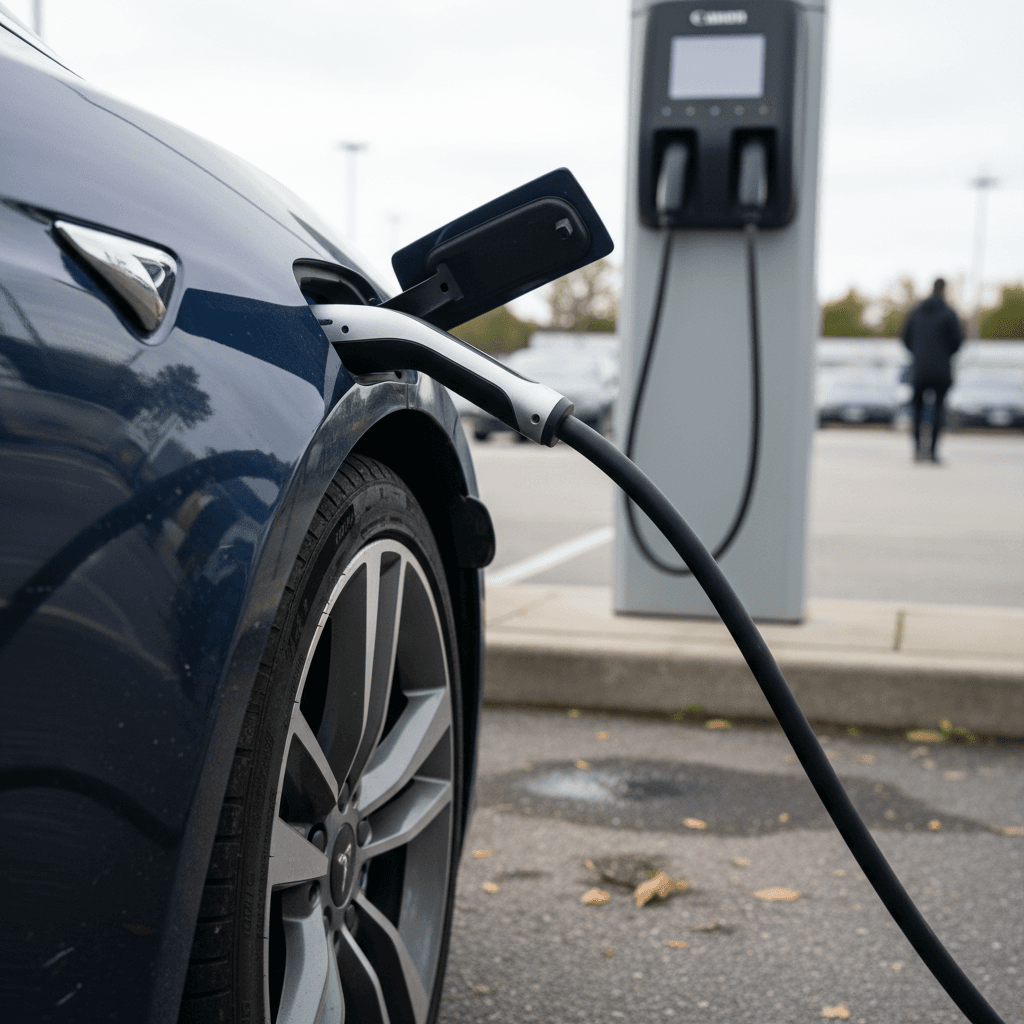
| Charging hardware | Rare issues with home charging communication or charge port door | Low–moderate | Verify charging at both home and DC fast stations before you buy. |
| Advanced driver assistance | Inconsistent behavior or phantom braking with Autopilot/FSD in some conditions | Low–moderate | Treat driver aids as assistants, not replacements, and keep software up to date. |
Not every car will have these problems, but they’re the areas you’ll want to check during a test drive and pre‑purchase inspection.
Don’t ignore rattles and minor issues
Battery life, range, and degradation
For most shoppers, the biggest reliability question is, “Will the battery hold up?” A 2024 Model S offers **EPA‑rated range over 400 miles in some trims**, and real‑world experience with earlier Model S packs suggests that Tesla batteries age reasonably well when driven and charged normally.
What we know about Model S battery durability
- Earlier Model S packs typically lose a small percentage of capacity in the first few years, then degrade more slowly.
- Most owners see well over 200,000 miles without a complete battery replacement, assuming normal use and charging habits.
- Rapid‑charging (DC fast charging) is convenient, but very heavy reliance on it over many years can accelerate degradation.
What’s still an open question for 2024
- Pack chemistry and thermal management continue to evolve, so the **exact degradation curve for a 2024 pack** won’t be fully known for several more years.
- We do know Tesla is confident enough to back the Model S battery with an 8‑year / 150,000‑mile warranty with at least 70% capacity retention.
- How a specific car was charged, daily to 100% vs. about 70–80%, heavy DC fast use vs. mostly home Level 2, will matter more than the calendar year alone.
Good news on range
Warranty coverage on the 2024 Model S
Tesla’s warranty structure is a big part of the reliability story, because it defines how much of your risk is covered if something does go wrong. For 2024 Model S buyers, coverage breaks down into two main buckets: **basic vehicle** and **battery/drive unit**.
2024 Tesla Model S new‑vehicle warranty overview
Approximate coverage for a new Model S sold in the U.S. Always confirm details in the actual warranty booklet for your specific VIN.
| Component | Coverage | What it includes |
|---|---|---|
| Basic vehicle | 4 years / 50,000 miles | Most non‑wear components: electronics, interior hardware, suspension, HVAC, and many trim issues. |
| Battery & drive unit | 8 years / 150,000 miles (min. 70% capacity) | High‑voltage battery pack and electric motors, including many internal components. |
| Restraint systems | 5 years / 60,000 miles | Airbags and restraint system components. |
| Corrosion / body | Limited lifetime or long‑term coverage | Corrosion‑through on body panels; specifics vary by region. |
Battery and drive‑unit coverage is one of the strongest parts of the Model S ownership story.
Buying used from Tesla vs. independent
Recalls, software updates, and over‑the‑air fixes
By 2024, the Model S had accumulated multiple recalls, seat‑belt chime behavior, steering‑wheel/airbag combinations, and other safety‑related items. The key distinction with Tesla is that **many fixes arrive via over‑the‑air (OTA) software updates**, not just service‑center visits.
- Some safety recalls can be **resolved without you visiting a service center**, the car downloads a software update automatically.
- Hardware‑related recalls (airbags, steering, body hardware) still require an appointment, but they’re performed **at no cost** to you under recall rules.
- When evaluating a used 2024 Model S, check that **all open recalls have been completed**, either through the Tesla app, the in‑car service menu, or the NHTSA VIN tool.
Don’t ignore recall history
Maintenance and repair costs vs. other luxury sedans
Tesla likes to say that EVs need less maintenance than gas cars, and on average, that’s true. There’s no oil to change, no transmission fluid to service, and no exhaust or complex turbo hardware to fail. But that doesn’t mean **ownership is maintenance‑free**, especially for a big, heavy luxury sedan like the 2024 Model S.
Where the Model S saves you money, and where it doesn’t
Think in terms of total cost of ownership, not just service intervals
You save on fuel & routine service
- No oil changes, spark plugs, timing belts, or emissions systems.
- Electricity is usually cheaper per mile than premium gasoline.
- Many owners report only replacing tires, wipers, and cabin filters in the first few years.
You pay for tires & alignment
- Instant torque and heavy curb weight can chew through performance tires.
- Improper alignment causes fast rear tire wear, especially on Plaid and other high‑performance trims.
- Budget for tires more often than on a less powerful sedan.
Repairs can be pricey out of warranty
- Electronics, MCU screens, and door hardware are complex and not cheap to replace.
- Service centers may have longer lead times than your local independent shop.
- Extended service coverage or a high‑quality third‑party warranty is worth considering if you plan to keep the car beyond 4 years/50,000 miles.
How to get a realistic cost picture
Shopping a used 2024 Model S: what to check
Because Tesla is discontinuing the Model S in the near future, most shoppers will interact with it on the **used market**. The upside: you can often buy a lightly used 2024 Model S for far less than its original MSRP. The trade‑off is that **condition and history vary widely** from car to car.
Pre‑purchase checklist for a 2024 Tesla Model S
1. Confirm battery and drive‑unit warranty remaining
Use the in‑car screen or service history to verify in‑service date and mileage. A 2024 Model S should still be within its **8‑year/150,000‑mile battery and drive‑unit coverage** for many years.
2. Review software, recall, and service history
Check for **completed recalls**, major software updates, and any repeated complaints (like recurring door‑handle or suspension issues). A clean, documented service history is a big plus.
3. Inspect tires and alignment
Uneven rear tire wear on a performance EV is a red flag. Look for excessive inside‑edge wear and ask for alignment records. Budget for a fresh set of quality tires if they’re near the end.
4. Test every electronic feature
Cycle the touchscreen, climate controls, cameras, audio, seat heaters, and glass roof shade. Glitches can be software, but screen delamination or hardware failures can be expensive out of warranty.
5. Drive on rough pavement and at highway speed
Listen for rattles, wind noise, and suspension clunks. The Model S should feel solid and composed. Persistent noises might indicate prior damage or poor build alignment.
6. Verify charging behavior
Plug into both **home‑style Level 2** and a **DC fast charger** if possible. Watch for normal charging speeds, no error messages, and proper operation of the charge port door and cable lock.
Why a third‑party battery report matters
How Recharged evaluates Model S battery health
At Recharged, every Model S we list goes through an **EV‑specific evaluation**, not just a generic used‑car checklist. That’s particularly important for vehicles like the 2024 Model S, where the drivetrain is relatively simple but the **battery, software, and charging systems are complex**.
What’s in a Recharged Score Report for a Model S?
More than a basic inspection, data you can actually act on
Battery health & range analysis
- State‑of‑health estimate based on pack data and real‑world charging behavior.
- Comparison to **typical degradation** for similar‑age Model S vehicles.
- Projected usable range so you know what to expect in everyday driving.
Pricing, history, and warranty clarity
- Market‑based pricing so you can see whether the car is fairly valued given its condition.
- High‑level review of Carfax‑style history, title status, and accident records.
- Clear explanation of how much **factory battery and drive‑unit warranty** remains.
Ready to find your next EV?
Browse VehiclesBecause Recharged specializes in EVs, you also get access to **EV‑trained specialists** who can walk you through the pros and cons of a particular Model S, explain how its battery results compare to the norm, and help you decide if it fits your range needs and budget.
FAQ: 2024 Tesla Model S reliability
Frequently asked questions about 2024 Model S reliability
Bottom line: Should you trust a 2024 Model S?
If you’re chasing cutting‑edge performance, long range, and a tech‑forward experience, the 2024 Tesla Model S remains one of the most compelling electric sedans on the road. On the reliability front, it’s **no longer the wild card it once was**, newer Model S vehicles earn solid marks from owners and testing organizations, and Tesla’s long battery and drive‑unit warranties take much of the mechanical risk off your shoulders in the first 8 years.
Where you need to be careful is when a 2024 Model S becomes a **high‑mileage used luxury car**. That’s when electronics repairs, suspension wear, and prior owner neglect can erode the advantages of low routine maintenance. If you’re buying used, insist on a **documented service history, a battery‑health report, and a thorough EV‑specific inspection**, all things Recharged bakes into every vehicle we list through the Recharged Score Report.
Approach the 2024 Tesla Model S with the same level of scrutiny you’d apply to a six‑figure German sedan, and you’ll be rewarded with a car that’s not only thrilling to drive but **satisfyingly dependable**. Go in blind, and you may inherit someone else’s headaches. The choice, and the homework, are yours.