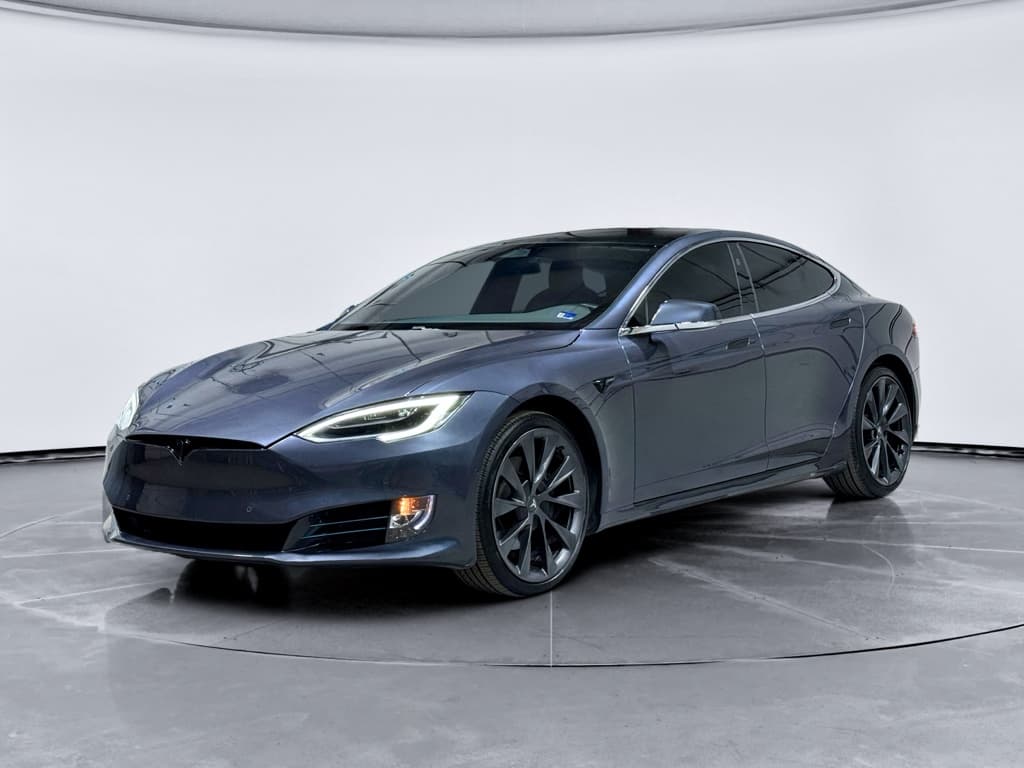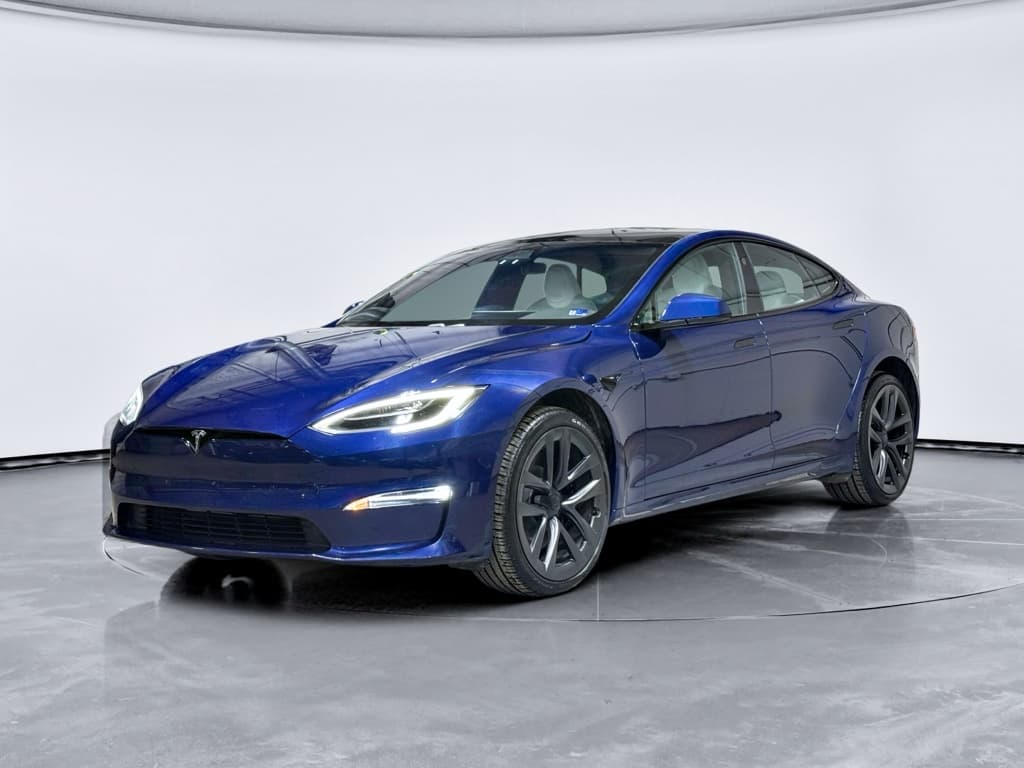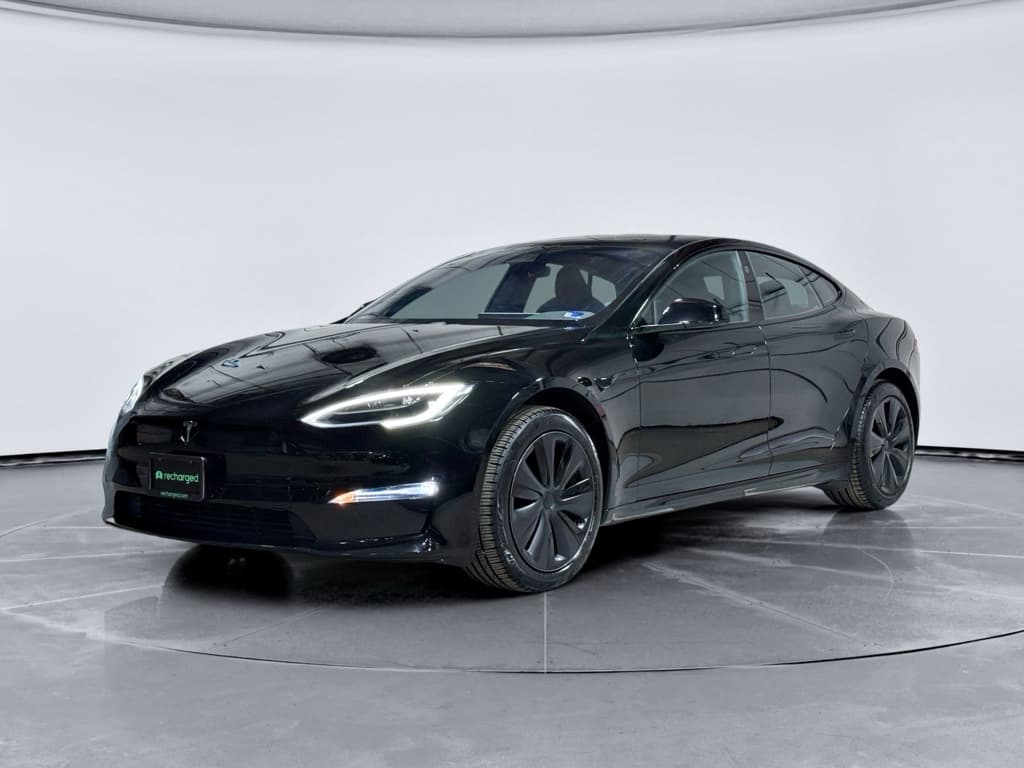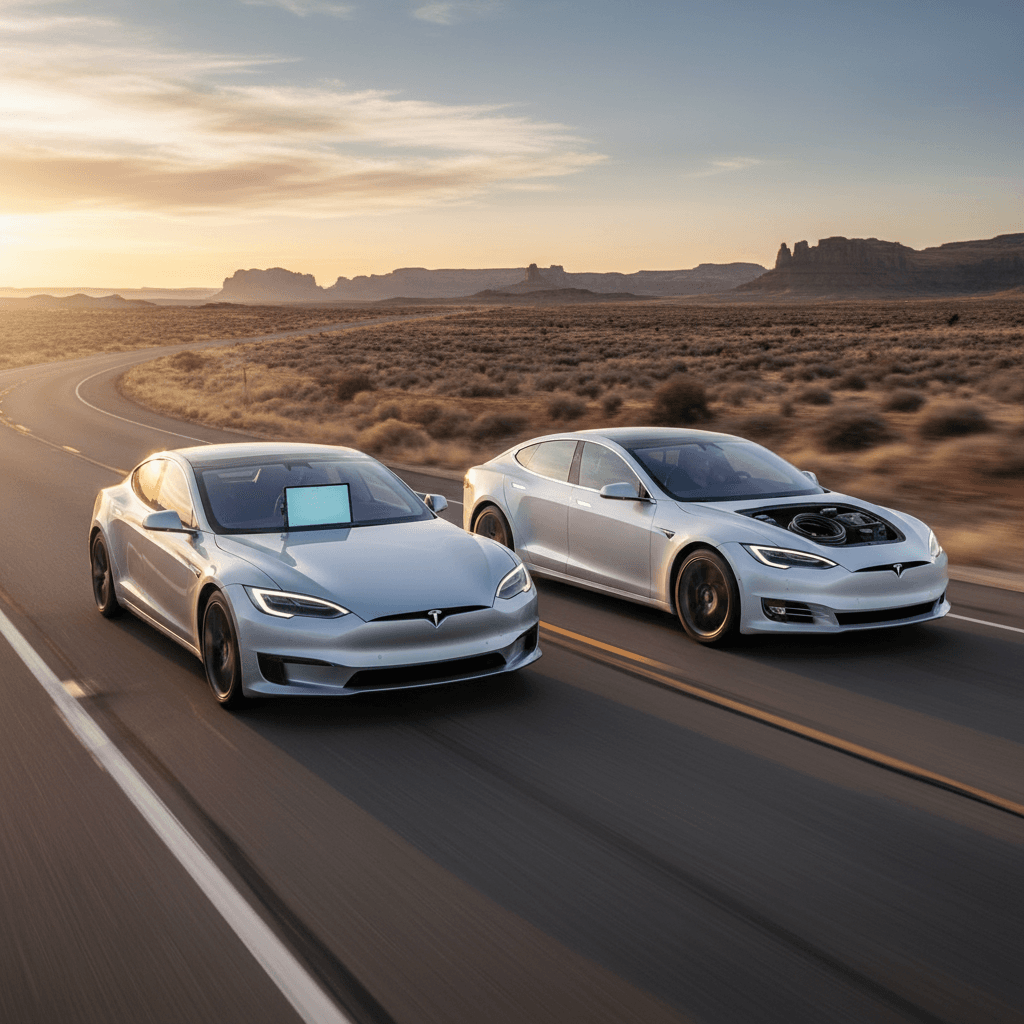
If you’re eyeing a 2024 Tesla Model S, the headline numbers look impressive: up to 402 miles of EPA-rated range on a full charge. But as any EV owner will tell you, what matters is how far you actually go on a real road trip, in real traffic, with real weather. This guide walks through how a 2024 Tesla Model S performs in a structured range test, what shrinks that range in the wild, and what to check if you’re shopping for a used Model S.
About the “range test” in this article
2024 Tesla Model S EPA Range at a Glance
2024 Tesla Model S EPA Ratings (Approximate)
On paper, the 2024 Tesla Model S is still one of the longest-range EVs you can buy. The Long Range (Dual Motor) variant clears 400 miles of EPA-rated range, while the Plaid trades some of that for brutal acceleration. Both use large battery packs and efficient motors, but as with any EPA figure, think of these numbers as a best-case benchmark, not a guarantee.
How Real-World 2024 Model S Range Compares to EPA
What drivers typically see
In owner reports and media tests, a 2024 Model S Long Range commonly delivers about 320–360 miles of usable range on a full charge in mixed driving when new. That’s roughly 10–20% below the EPA rating, which is normal for most EVs once you factor in speed and climate control.
The Plaid tends to land a bit lower, often in the 290–330 mile real-world window under similar conditions, because drivers use the extra performance and stick with larger wheels more often.
Why “real” range is lower
- Higher average speeds: EPA cycles don’t match modern interstate traffic cruising at 75–80 mph.
- Climate control use: Heating and cooling draw power directly from the battery, especially in extreme temperatures.
- Wheel and tire choice: 21" wheels and stickier tires look great but cost efficiency.
- Elevation and wind: Climbing grades or driving into a steady headwind can move the needle more than you’d expect.
Don’t chase the last 5%
Highway vs. City: What a Structured Range Test Shows
To make sense of 2024 Tesla Model S range test results, it helps to think in scenarios. Highway and city driving stress the battery differently, and weather plays a big role. Below is a simplified look at what you might expect from a new 2024 Model S Long Range in several common patterns, assuming the battery is in good health and you’re not hypermiling.
Sample 2024 Model S Long Range Test Scenarios
Illustrative real-world scenarios compared with the EPA rating. These are not official test results, but reasonable expectations based on typical driver behavior.
| Scenario | Conditions | Estimated Usable Range* | Key Takeaway |
|---|---|---|---|
| EPA Rating Baseline | Lab cycle, 19" wheels, mild temps | 402 mi | Best-case benchmark, not everyday reality |
| Steady Highway Cruise | 70 mph, mild temps, 19" wheels | 340–360 mi | Moderate speed keeps efficiency high |
| Fast Interstate Run | 78–80 mph, mild temps | 300–330 mi | High speed is the biggest range killer |
| Mixed Suburban/City | Average 35–50 mph, mild temps | 350–380 mi | Lower speeds let the car stretch its legs |
| Cold-Weather Highway | 30°F, heater on, 70 mph | 260–310 mi | Cabin heat and cold battery cut range |
| Hot-Weather Highway | 95°F, A/C on, 70 mph | 310–340 mi | A/C hurts less than heat, but still matters |
Actual results vary by driver, terrain, temperature, and wheel choice.
About the estimates above
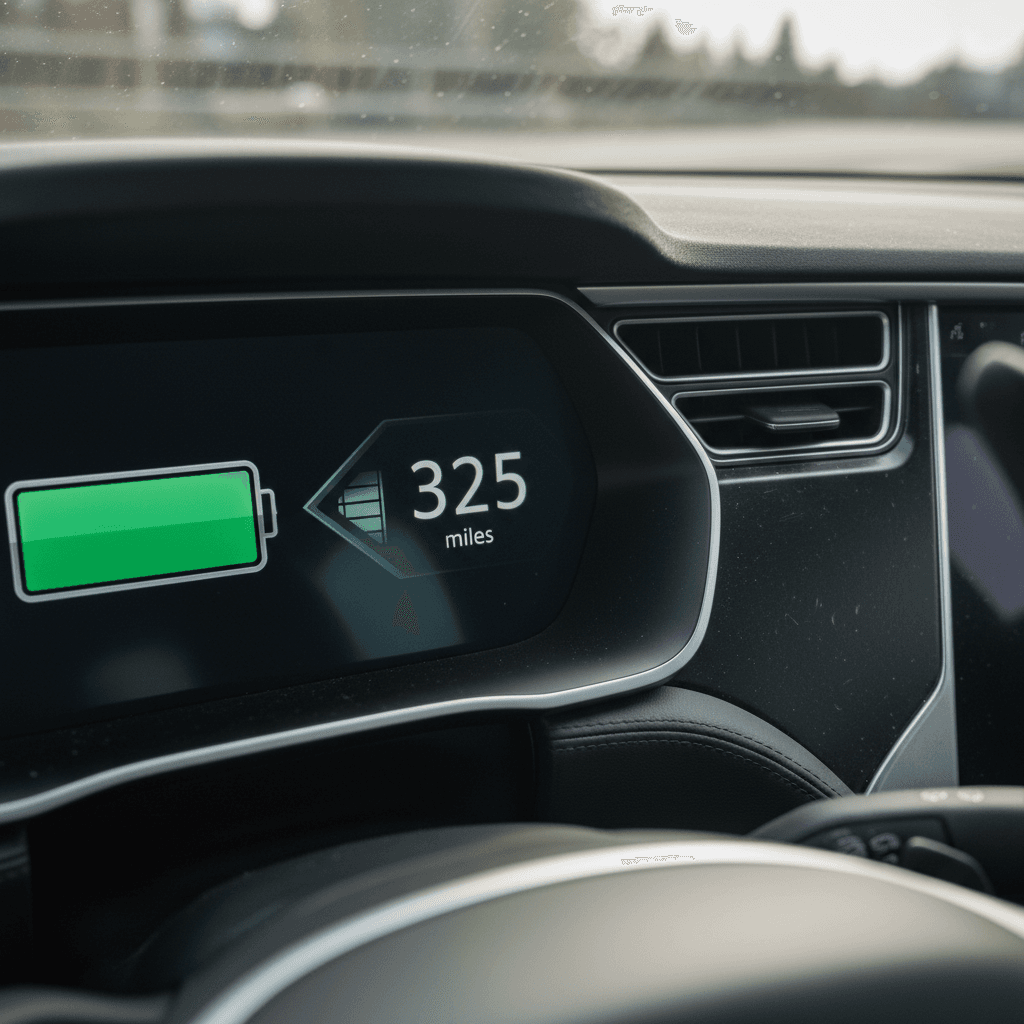
Biggest Factors That Cut 2024 Model S Range
Top Range Killers for the 2024 Model S
Understanding these makes any range test easier to interpret.
Speed Above 70 mph
Air resistance rises quickly with speed. In a Model S, cruising at 80 mph instead of 65 mph can cut range by 15–25% on a long highway leg.
Cold Weather & Cabin Heat
At freezing temps, the battery is less efficient and the cabin heater draws significant power. Expect 20–35% range loss in harsh winter conditions, especially on short drives.
Wheel & Tire Choices
21" wheels and performance tires add drag. If you test a Plaid on 21s, don’t expect Plaid-on-19" EPA numbers. Swapping to aero-friendly wheels can be worth dozens of miles.
Hills & Elevation Gain
Climbing long grades burns energy that regen braking can only partially recover. Mountain road trips often show worse efficiency than flatland driving even at the same speed.
Headwinds & Crosswinds
A strong headwind effectively increases your speed through the air. On windy days, watch your projected arrival SoC and be ready to add a charging stop.
Driving Style
Hard launches and late braking don’t just wear tires. They also hit efficiency. Smooth inputs and letting regen do its work can easily add 10–20 miles to a charge.
Beware of one-off “hero runs”
Range Testing a Used Tesla Model S: What to Look For
If you’re shopping for a used 2024 Tesla Model S (or a slightly older one), range testing is less about matching the EPA sticker and more about understanding battery health and how the previous owner drove and charged the car. You almost never get to run your own full-to-empty test before buying, so you need smarter ways to infer real range.
Quick Range & Battery Health Check on a Used Model S
1. Check current max projected range at 100%
Ask the seller to share the estimated range at 100% state of charge in the car’s display (or app). Compare it against the original EPA rating. A modest reduction over a couple of years is normal; a huge drop can be a flag.
2. Review lifetime efficiency (mi/kWh or Wh/mi)
Scroll through the trip computer to see long-term energy use. A car that’s averaged <strong>very high energy consumption</strong> may have lived a hard life with lots of high-speed driving or towing, which can correlate with more wear.
3. Look for frequent DC fast charging
Ask how often the car was Supercharged. Occasional fast charging is fine, but living on DC fast charging can accelerate degradation. Service records or account history can sometimes corroborate this.
4. Ask for cold-weather behavior
If the car has lived in a cold climate, ask how it performed in winter. Did the owner notice severe range loss or unusual behavior? Honest stories here can tell you more than a single test drive in mild weather.
5. Take a controlled test drive
On your test drive, reset a trip meter and drive a known route at normal speeds. Compare the <strong>miles driven</strong> vs. the <strong>% battery used</strong> to estimate real efficiency.
6. Get a third-party or marketplace battery report
If possible, lean on an objective <strong>battery health report</strong> rather than gut feel. Not all used-car dealers can provide this, but EV-focused platforms increasingly can.
Where Recharged fits in
How Recharged Evaluates Model S Battery Health
A proper range test takes time, controlled conditions, and repeatable routes. When you’re evaluating dozens or hundreds of cars, that’s not realistic. Instead, Recharged leans on data-driven diagnostics and standardized scoring so you can quickly see how one Model S compares to another, even across model years.
Inside the Recharged Score for a Used Model S
What we look at before we list a car on the marketplace.
Battery health & capacity
We analyze battery data to estimate remaining usable capacity versus what the pack delivered when new. That gives you a clearer picture of expected range today, not just EPA numbers from the brochure.
Charging & usage patterns
Where available, we look at charging habits (home vs. DC fast charging), mileage, and climate history to understand how the car has been used and what that means for long-term range.
Fair market pricing
Range and battery health feed directly into how we price the car. A Model S with a strong pack and consistent real-world efficiency earns that in its Recharged Score and listing price.
Expert-guided support
Range questions are complicated, especially if you’re new to EVs. Our EV specialists walk you through what the Score means for your commute, road trips, and charging setup before you commit.
Ready to find your next EV?
Browse VehiclesPractical Tips to Maximize 2024 Model S Range
Whether you’re running your own 2024 Tesla Model S range test or just trying to avoid extra charging stops, a few small habits can add dozens of miles to a charge. Tesla gives you the tools; it’s how you use them that counts.
Everyday Habits That Stretch Your Model S Range
Use the built-in Trip Planner
When you enter a destination, Tesla’s navigation estimates your <strong>arrival state of charge</strong> at each stop. Trust that projection more than the static range number, and slow down a bit if the estimate starts dropping.
Precondition while plugged in
In hot or cold weather, preheat or precool the cabin while the car is still connected to a charger. That way, the energy comes from the grid, not your battery, and you start your drive with a conditioned pack.
Stick to 65–70 mph when you can
On long highway legs, even a small speed reduction has a big effect on efficiency. Dropping from 80 to 70 mph can be the difference between <strong>one stop and two</strong> on a road trip.
Choose aero-friendly wheels and tires
If maximum range is more important than looks, opt for 19" wheels with efficient tires. They help the 2024 Model S get closer to its EPA potential, especially at highway speeds.
Avoid frequent 0–100% charging swings
Daily charging to 80–90% and avoiding deep discharges is easier on the battery over time. Save 100% charges for long trips and don’t obsess over occasional deviations.
Use Range Mode & Eco settings when available
Features that reduce HVAC load, limit peak power, or prioritize efficiency can add noticeable range, especially on marginal legs where you’re trying to skip a charger.
Turn the range number into a tool, not a stressor
2024 Tesla Model S Range Test FAQ
Frequently Asked Questions About 2024 Model S Range Tests
Bottom Line: What to Expect From a 2024 Model S Range Test
The 2024 Tesla Model S remains a benchmark for long-range electric driving. In a controlled test, the Long Range variant can nudge close to its 402-mile EPA rating, but in day-to-day use you should plan around roughly 320–360 miles of comfortable, real-world range on a full charge, and somewhat less if you drive fast, run big wheels, or face harsh weather.
If you’re shopping used, the headline number matters less than the story behind it: how the battery has aged, how the car was driven, and what its efficiency looks like over thousands of miles. That’s where a structured evaluation and a transparent battery report separate a solid long-range buy from an anxiety-inducing gamble. Recharged was built to make that part straightforward, giving you verified battery health, fair pricing, and EV-specialist guidance whether you’re buying online or visiting our Experience Center in Richmond, VA.
Take the EPA label as a starting point, run your own sanity checks, and focus on how the car will perform on your routes. Do that, and a 2024 Model S, new or used, can make even long interstate stretches feel routine rather than risky.