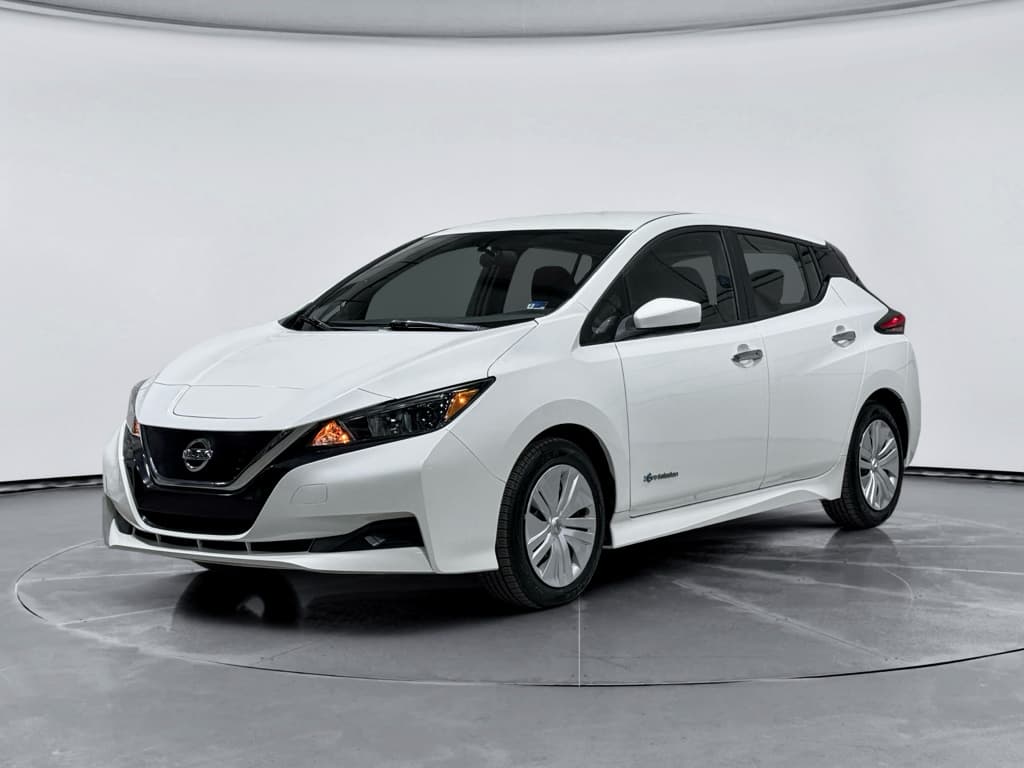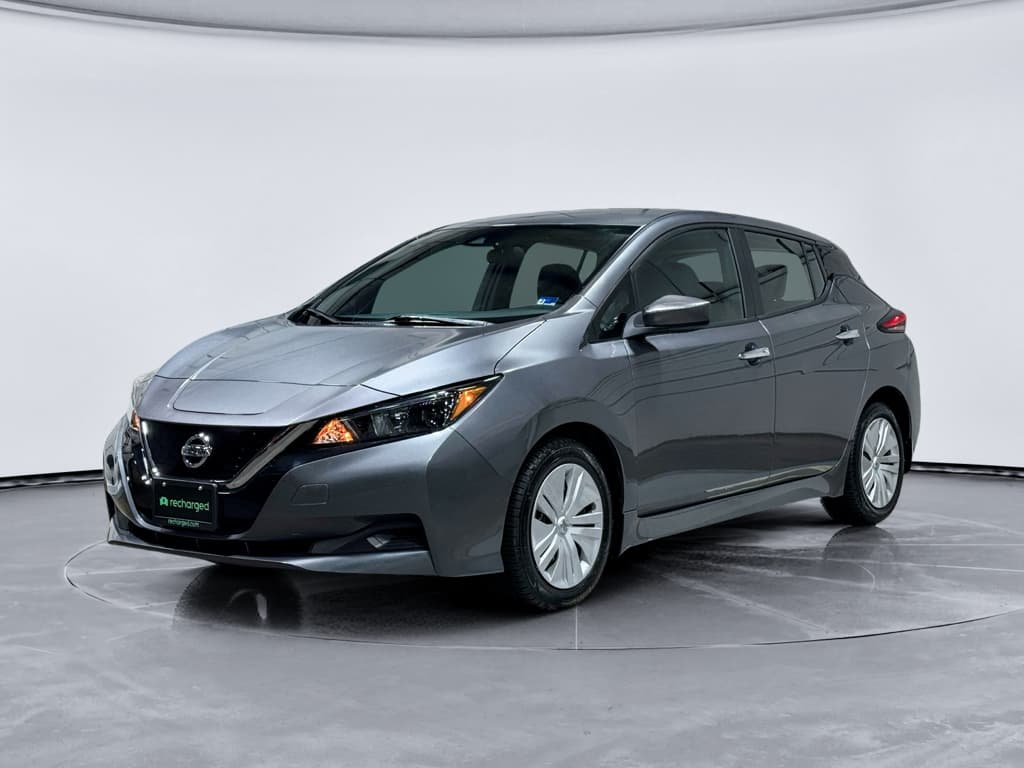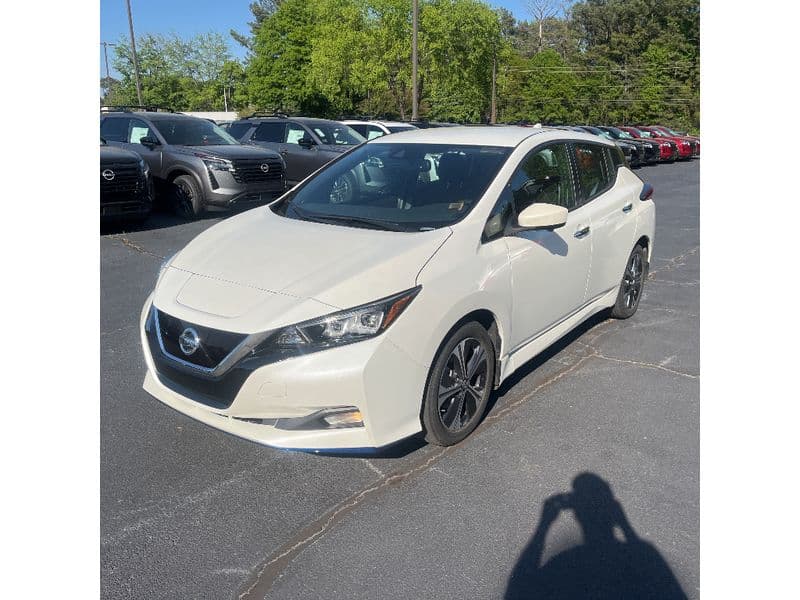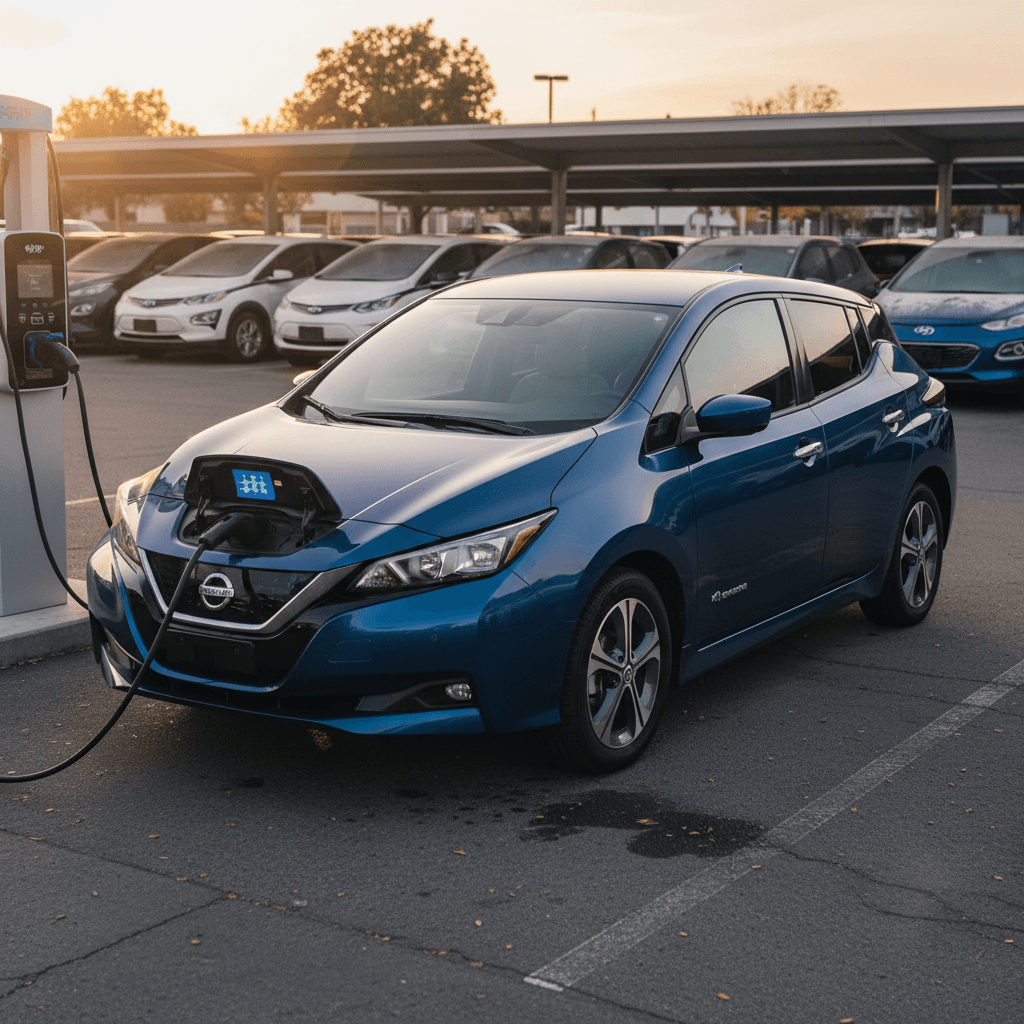
If you’re shopping for an affordable electric car in 2026, the 2024 Nissan Leaf is the weird uncle at the family reunion: familiar, charming, a little out of step with the times, and priced to move. This 2024 Nissan Leaf buying guide walks you through trims, real‑world range, charging realities (including that quirky CHAdeMO fast‑charge port), and what to watch for if you’re cross‑shopping used Leafs from earlier years.
Where the 2024 Leaf stands today
Is the 2024 Nissan Leaf right for you?
Great fit if…
- You have a predictable daily commute under ~80 miles round‑trip.
- You can charge at home most nights.
- You value low purchase price over maximum range or road‑trip versatility.
- You’re open to buying used or nearly new and want to save on fuel and maintenance.
Probably not for you if…
- You want a primary family road‑trip car with simple DC fast‑charging.
- You live in an apartment with no guaranteed parking or outlet.
- You’re nervous about buying into a platform (CHAdeMO) that’s effectively on its way out in North America.
- You need 250+ miles of highway range in all weather.
How Recharged can help
2024 Leaf trims, range, and key specs
For 2024, Nissan keeps the Leaf lineup lean: two trims, one body style, front‑wheel drive only. The major differences live in the battery and motor.
2024 Nissan Leaf trims at a glance
How the S and SV Plus differ in range, performance, and hardware.
| Feature | Leaf S (40 kWh) | Leaf SV Plus (60 kWh) |
|---|---|---|
| Battery capacity | ~40 kWh lithium‑ion | ~60 kWh lithium‑ion |
| EPA rated range | Up to ~149 miles | Around 212–214 miles |
| Motor output | 147 hp / 236 lb‑ft | 214 hp / 250 lb‑ft |
| DC fast‑charge standard | 50 kW CHAdeMO | Up to 100 kW CHAdeMO (high‑output port) |
| Onboard AC charger | 6.6 kW | 6.6 kW |
| 0–60 mph feel | Adequate around town | Noticeably stronger, highway‑friendly |
| Wheels | Smaller alloys/steel depending on market | Larger alloys, more upscale look |
| Approx. new MSRP window* | Low‑$30Ks before incentives | Mid‑$30Ks before incentives |
Choosing between Leaf S and SV Plus mostly comes down to how much range you want and how often you leave your zip code.
Don’t buy the wrong range
2024 Leaf numbers that matter
If your budget allows, the SV Plus is the sweet spot. The bigger battery doesn’t just buy you more range, it buys you more time before degradation pushes the Leaf out of your comfort zone. It also makes the car feel significantly less winded at highway speeds.
Charging the 2024 Leaf: home, public, and CHAdeMO realities
Charging is where the Leaf shows its age most. Around town, it’s painless. On the interstate, it’s a logistics exercise.
Three ways you’ll charge a 2024 Leaf
Daily life is fine. Road‑tripping takes planning.
Home Level 1
Use the included portable cord on a 120‑volt outlet.
- Adds only ~3–5 miles of range per hour.
- OK for short commutes if you can plug in every night.
- Often too slow if you regularly arrive home with a low battery.
Home / workplace Level 2
Best option if you own or control your parking.
- Requires a 240‑volt circuit and Level 2 EVSE.
- 6.6 kW onboard charger adds roughly 20–25 miles/hour.
- Easily refills a Leaf overnight, even from low state of charge.
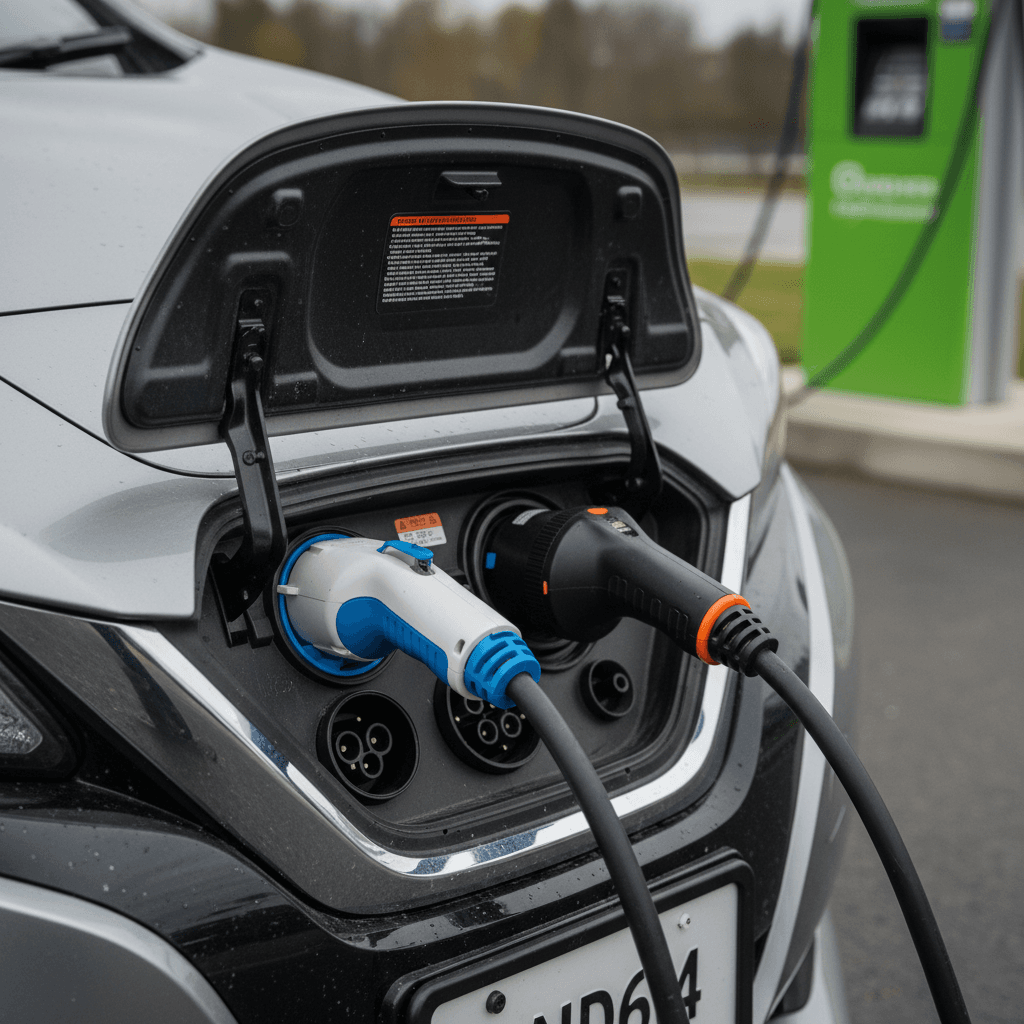
Public DC fast charging (CHAdeMO)
Leaf uses CHAdeMO for DC fast charging.
- Good for highway top‑ups.
- Network is shrinking; fewer new stations support it.
- Plan trips around the remaining CHAdeMO plugs in your region.
The hard truth about CHAdeMO
For most owners who charge at home, CHAdeMO is a rare emergency tool. If that’s you, suburban commuter, one main route, occasional weekend trips, the shrinking fast‑charge network may never bite. If you romanticize cross‑country EV road trips, the Leaf is the wrong canvas.
Pre‑game your charging map
New vs used Leaf: how 2024 fits into the family
The Leaf has been around since 2011, which means the used market is deep, and uneven. The 2024 model sits at the tail end of the second generation, with lessons learned (and not learned) from more than a decade of Leafs.
Older Leafs (2011–2017)
- First‑gen cars with smaller packs: 24–30 kWh.
- More pronounced battery degradation, especially in hot climates.
- Shorter real‑world range; many are now city‑only cars.
- Very cheap, but battery health is everything.
Newer Leafs (2018–2024)
- Second‑gen cars with 40 or 62/60 kWh batteries.
- Better performance and more modern safety tech.
- Still air‑cooled batteries, so heat and fast‑charging matter.
- 2024 is effectively a “final form” pre‑NACS, pre‑redesign model.
Why consider a nearly new 2024 through Recharged
If you’re torn between a used older Leaf and a 2024, line up three realities: purchase price, battery health, and your daily mileage. A dirt‑cheap 2015 Leaf with a tired battery might actually be “more expensive” in inconvenience than a fairly priced, healthy‑battery 2024.
Battery health and degradation: what Leaf shoppers must know
The Leaf’s battery is the whole ballgame. Unlike many rivals, the Leaf’s pack is not liquid‑cooled. That has two implications: it’s cheaper to build, and it can be harsher on the cells in hot climates or with lots of fast charging.
- High heat and frequent DC fast charging can accelerate degradation.
- Earlier model years (especially pre‑2018) have more real‑world reports of range loss.
- Even on newer Leafs, expect some loss in the first few years; nothing stays showroom‑fresh forever.
- Battery warranty on Leafs is typically 8 years / 100,000 miles for excessive capacity loss, but warranty battles can be frustrating and time‑consuming.
Hot‑climate shoppers: pay extra attention
Quick signs of a healthy vs tired Leaf battery
Use this when you’re test‑driving or browsing listings.
Healthier battery
- Most or all capacity bars still present on the dash.
- Range estimate at 100% charge roughly matches what you’d expect for the trim and year.
- No obvious, sudden drops in remaining miles during a short test drive.
- Seller can provide a recent battery test report or third‑party health scan.
Tired battery
- Missing multiple capacity bars, especially on a relatively new car.
- Full charge shows a surprisingly low estimated range.
- Range plummets quickly under modest acceleration or highway speeds.
- Seller is vague about history of DC fast charging or extremely hot‑climate use.
How Recharged de‑mystifies Leaf batteries
Ready to find your next EV?
Browse VehiclesComfort, tech, and safety: what you actually get
On the inside, the 2024 Leaf feels like a sensible compact from the early‑2020s: honest plastics, straightforward controls, and a driving position that’s more car than SUV.
- Comfort: Supportive front seats, decent rear legroom for adults on shorter trips, and a surprisingly useful hatchback cargo area.
- Tech: A central touchscreen with Apple CarPlay/Android Auto, digital driver display, and the usual USB ports. Not a rolling smartphone, but it gets the basics done.
- Noise: Quiet in town, some tire and wind noise seeps in at highway speeds, typical for this segment.
- Cabin heat: In cold climates, watch for whether your specific Leaf has a heat pump or relies on resistive heating only, which can eat into winter range. This often varies by trim and package.
ProPILOT Assist and driver aids
Ownership costs, incentives, and resale
A big part of the Leaf’s value play is what happens after you sign. Electricity is cheaper than gasoline in most U.S. markets, and EVs have fewer moving parts to service. But the Leaf’s age and CHAdeMO dependency also influence resale.
What makes the Leaf cheap to own, and what doesn’t
Look at the full picture, not just the sticker price.
Cost advantages
- Lower fuel cost per mile vs comparable gas compact.
- Fewer maintenance items: no oil changes, fewer brake jobs thanks to regen.
- Insurance often comparable to other compact hatchbacks.
- Depending on your state and timing, you may still stack state/local EV incentives on new or used Leafs.
Cost caveats
- Future resale value is an open question as CHAdeMO infrastructure shrinks.
- Out‑of‑warranty pack replacement is expensive and rarely pencils out purely on economics.
- Range that felt fine in 2024 may feel constrained in 2030 as your life changes.
- Some buyers will avoid CHAdeMO cars on principle, narrowing the resale audience.
Run the total‑cost math, not just the payment
Leaf vs alternatives: who should buy something else?
Every car is a compromise, and the Leaf’s compromises are unusually specific. It’s an affordable compact EV precisely because it isn’t chasing headline range or bleeding‑edge charging standards.
Stay with (or choose) a Leaf if…
- You want an inexpensive EV for local driving and can charge at home.
- Your trips are mostly within a known radius and you’re happy flying coach, not business class, in terms of speed and luxury.
- You’re comfortable owning a car whose fast‑charging standard is legacy, because you’ll almost never need it.
- You’re shopping used and a healthy‑battery Leaf undercuts everything else in your budget.
Consider other EVs if…
- You want to road‑trip often on CCS/NACS networks without playing connector bingo.
- You need a roomier crossover or sedan with more cargo and rear‑seat space.
- You’re buying new and can stretch to a newer‑architecture EV with better range and charging speed.
- You simply don’t want to think about whether your fast‑charge plug will be common in 5–10 years.
Don’t romanticize the wrong mission
Checklist: what to do before you buy a 2024 Leaf
2024 Nissan Leaf pre‑purchase checklist
1. Map your real daily range needs
Log a typical week of driving. Add a margin for bad weather and life’s curveballs. If your maximum day is close to the S trim’s rated range, lean hard toward the SV Plus, or another EV.
2. Decide how you’ll charge at home
Confirm whether you have (or can install) a <strong>240‑volt outlet</strong> for Level 2 charging. If not, talk to an electrician or read an EV‑specific home‑charging guide before buying.
3. Inspect battery health, not just mileage
On a used Leaf, check capacity bars, review battery test reports, and ask about fast‑charging history. On Recharged, start by studying the <strong>Recharged Score</strong> for that VIN.
4. Check CHAdeMO coverage where you actually drive
Open PlugShare or your preferred app, filter for CHAdeMO, and make sure your essential long‑distance routes have coverage today, not in theory, but in real pins on the map.
5. Compare total cost vs gas alternatives
Factor in electricity rates, any EV incentives, and projected maintenance savings. Sometimes a slightly more expensive EV with better range/charging will be cheaper over the life of the car.
6. Cross‑shop a few non‑Leaf EVs
Even if you love the Leaf idea, test‑drive at least one rival so you understand what you’re giving up, and what you’re happily trading for that lower price and simple hatchback practicality.
FAQ: 2024 Nissan Leaf buying questions
Frequently asked questions about buying a 2024 Nissan Leaf
Bottom line: should you buy a 2024 Nissan Leaf?
The 2024 Nissan Leaf is not the shiniest new thing in the EV universe, but that’s exactly its appeal. It’s a known quantity: honest, compact, energy‑efficient transportation that happens to plug in instead of fill up. Its sins are clear, modest range, legacy CHAdeMO charging, and an air‑cooled battery that demands respect in hot climates.
If your life is mostly school runs, grocery runs, and office runs within a sane radius, and you have somewhere reliable to charge, the 2024 Leaf can be a smart, economical choice, especially as a used or nearly new purchase with verified battery health. If you’re chasing big‑range road‑trip heroics on the newest fast‑charging networks, it’s the wrong answer to the right question.
The key is to buy the Leaf with your eyes open: understand the trims, buy more battery than you think you need, be realistic about CHAdeMO, and make battery health the north star of your search. Do that, and this humble hatchback can be one of the most rational EV buys on the road, especially when you let tools like the Recharged Score take the mystery out of what’s happening beneath the floor.