If you love the classic Mini look and want to go electric, the **2024 Mini Cooper Electric** (sold globally as the new Cooper E and Cooper SE) is probably already on your short list. It promises that signature go‑kart feel, a much bigger battery than the old Mini EV, and a tech-forward cabin. But it also competes in a world where small EVs like the Chevy Bolt EUV and Hyundai Kona Electric have set a high bar for range and value, so you need to know exactly what you’re getting.
Two generations to keep straight
2024 Mini Cooper Electric at a Glance
Key 2024 Mini Cooper Electric Specs (Global)
The new‑generation Mini Cooper Electric comes in two basic flavors: - **Cooper E** – Lower‑power motor (~135 kW / 181 hp) with a smaller battery around 36–41 kWh usable, WLTP range around 190 miles. - **Cooper SE** – Stronger motor (~160 kW / 215 hp) and roughly 49 kWh usable battery, with a WLTP claim up to about 250 miles. Those are European figures; U.S. EPA ratings will be lower. But this is still a major leap from the **previous U.S. Mini Cooper SE**, which used a 32.6 kWh pack and carried an EPA rating of just **114 miles** per charge, fun for the city, but tight for anything more.
2024 Mini Cooper Electric Highlights
Where this small EV shines, and where it still trails rivals
Classic Mini character
Punchy performance
Range still modest
Think in use‑case, not just numbers
Powertrain and Performance: Still a Go-Kart at Heart
If you care more about how an EV drives than how far it goes, the **2024 Mini Cooper Electric** earns its place on your list. Both versions use a single motor driving the front wheels through a single‑speed reduction gear, but power and character differ slightly between **Cooper E** and **Cooper SE**.
2024 Mini Cooper Electric Powertrain Overview
Approximate global spec ranges for the new‑generation Mini Cooper E and SE (figures may vary by market and final U.S. certification).
| Model | Motor Output | 0–62 mph (est.) | Top Speed | Drive |
|---|---|---|---|---|
| Cooper E | ~135 kW (181 hp), ~214 lb‑ft | ≈7.0–7.3 seconds | ~99–100 mph | Front‑wheel drive |
| Cooper SE | ~160 kW (215 hp), ~243 lb‑ft | ≈6.7 seconds | ~112–170 mph (market‑dependent limiter) | Front‑wheel drive |
Always verify final U.S. specs with a dealer before you sign on the dotted line.
Subjectively, reviews of both generations paint a similar picture: the electric Mini feels **eager and playful**, with instant torque off the line and quick responses to steering inputs. Curb weight is higher than the gas Cooper, but the battery’s low mounting keeps the center of gravity down so the car still wants to dive into corners like a proper hot hatch.
Front‑wheel drive only
Strengths on the road
- Immediate torque makes it feel faster in city driving than many numbers suggest.
- Compact footprint and quick steering make tight streets, parking garages, and U‑turns easy.
- Low center of gravity helps it feel stable in fast corners.
Potential drawbacks
- Short wheelbase and firm suspension can feel busy on broken pavement.
- Front‑drive traction can be overwhelmed if you floor it in the wet.
- High‑speed cruising is possible, but this car feels most at home below about 70 mph.
Range and Battery: Big Improvement, Still Not a Road-Trip Hero
The single biggest improvement from the previous Mini EV to the **2024 Mini Cooper Electric** is the battery. Instead of a 32.6 kWh pack and 114‑mile EPA rating, the new generation moves to roughly **36–41 kWh** in the Cooper E and around **49 kWh usable** in the Cooper SE, with WLTP claims from about **190 to 250 miles** depending on trim and driving profile.
Battery and Range Basics
What to expect from Cooper E vs. Cooper SE
Cooper E (smaller pack)
Cooper SE (larger pack)
Cold‑weather penalty still applies
- If you’re upgrading from the **old 114‑mile Mini SE**, the new car’s range will feel like a revelation.
- If you’re cross‑shopping against a Chevy Bolt EUV, Hyundai Kona Electric, or Tesla Model 3, the Mini’s numbers will still look modest on paper.
- For a mostly urban lifestyle with home charging, the new Cooper SE’s effective range is likely “enough”, but not generous.
Charging: Fast Enough for the Size, But Not Class-Leading
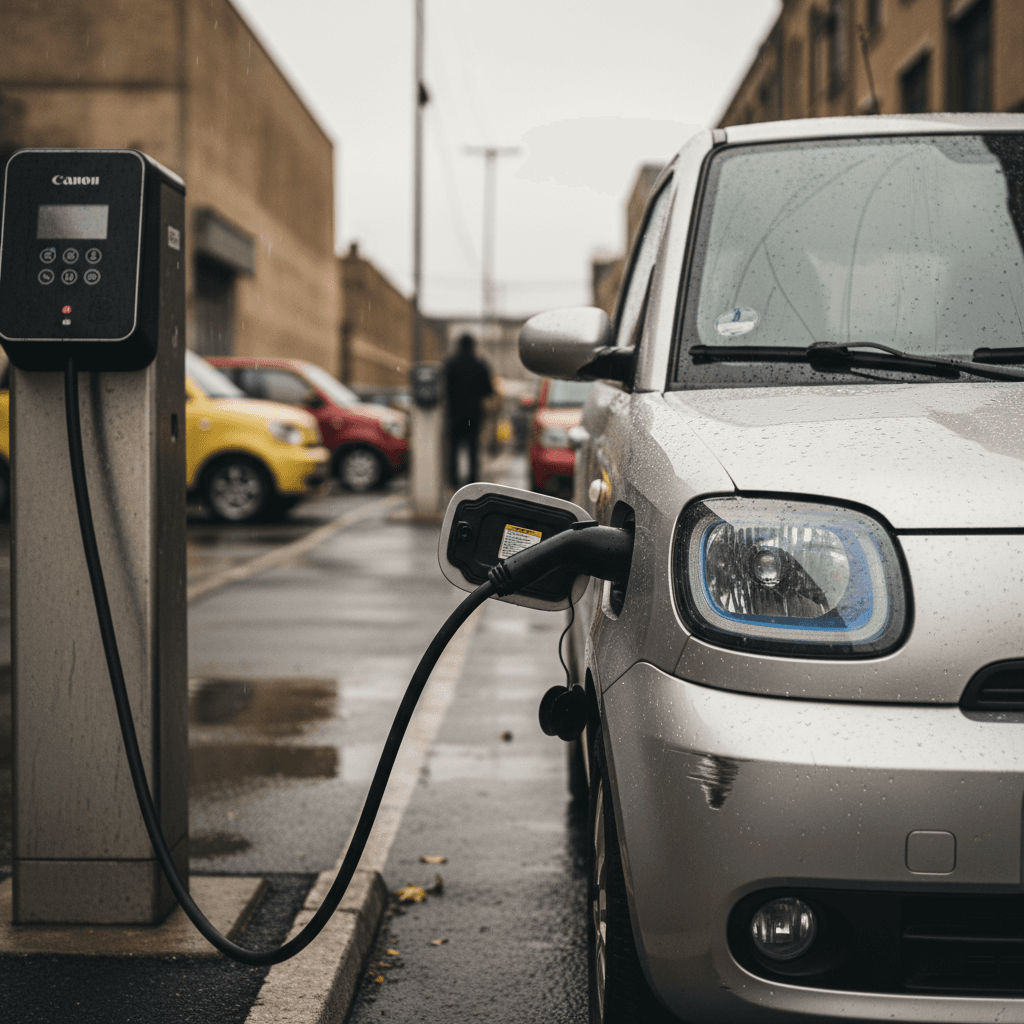
Charging performance on the 2024 Mini Cooper Electric is sensible rather than headline‑grabbing. Official figures vary slightly by trim and region, but the pattern looks like this:
2024 Mini Cooper Electric Charging Overview
Approximate global charging capabilities for Cooper E and Cooper SE.
| Model | Max DC Fast Charge | 10–80% (DC, est.) | AC Home Charging | Connector |
|---|---|---|---|---|
| Cooper E | Up to ~75 kW | ≈30 minutes on a capable DC fast charger | Up to ~7.4–11 kW (Level 2) | CCS (Type 2 AC + CCS DC) in most markets |
| Cooper SE | Up to ~95 kW | ≈30 minutes thanks to higher peak power | Up to ~7.4–11 kW (Level 2) | Same CCS hardware |
As always, your actual charge time will depend on charger output, temperature, and your starting state of charge.
Match the car to your home setup
Everyday Charging: What to Expect
Plan around overnight charging
With a Level 2 charger at home, you’re typically looking at **6–9 hours** for a full refill from low state of charge. Set a schedule to take advantage of off‑peak electricity rates where available.
Use DC fast charging strategically
The Mini’s peak DC speeds are fine for its battery size, but hanging out at DC fast chargers is still more expensive than home charging. Think of it as a **road‑trip or emergency tool**, not your daily routine.
Don’t obsess over 100%
For battery longevity, it’s good practice to **charge to 80–90%** for daily use and reserve 100% charges for longer trips, regardless of which EV you buy.
Know your adapter needs
In the U.S., the older Mini SE uses CCS. As more public networks convert to the NACS/Tesla plug, you’ll likely use **adapters** over the life of the car. When you buy a used Mini through Recharged, your specialist can walk you through which adapters you really need.
Interior, Tech, and Driving Experience
Mini has leaned into its quirky heritage inside the **2024 Mini Cooper Electric**. The cabin combines familiar round design cues with modern materials and an ultra‑prominent circular OLED screen in the center of the dash. Physical toggles and knobs remain for core functions, which long‑time Mini fans will appreciate.
Cabin & Tech: The Good and the Not‑So‑Good
Mini stays playful, but there are trade‑offs
Circular OLED display
Drive modes & sound design
Materials & comfort
“Despite my skepticism about the fake sounds and the loss of a manual gearbox, the electric Mini still captures much of the playful, tossable feel that made the original so memorable.”
Circular screen learning curve
Practicality, Comfort, and Day-to-Day Ownership
The 2024 Mini Cooper Electric remains true to the brand’s roots: **this is a small, three‑door hatch for one or two people plus occasional back‑seat passengers**, not a family crossover. That’s both a strength and a limitation.
Practicality Snapshot (New Cooper SE Example)
Approximate interior and cargo numbers for the current three‑door Mini Cooper Electric.
| Item | Figure (approx.) | Comment |
|---|---|---|
| Seating | 4 | Rear seats best for shorter trips or kids |
| Cargo (rear seats up) | ≈7–8 ft³ (210 L) | Grocery‑run and overnight‑bag friendly, but not cavernous |
| Cargo (rear seats folded) | ≈28 ft³ (800 L) | Handy for Ikea runs if you pack light |
| Turning circle | ≈35 ft | Excellent maneuverability in tight city streets and garages |
Figures vary slightly by trim and wheel/tire choice, but the overall picture is consistent.
Where the Mini Electric fits well
- You live in a **dense city or inner suburb** where parking is tight.
- You primarily drive solo or with one passenger.
- You want a car that feels special every time you get behind the wheel, even at 35 mph.
Where it struggles
- You need to regularly carry **four adults and their luggage**.
- Kids’ seats and bulky strollers will push its cargo limits quickly.
- You expect a quiet, cushy highway ride on rough pavement; the Mini is more **sporty than plush**.
Battery health and used Minis
Ready to find your next EV?
Browse VehiclesPricing, Trims, and Value vs. Rivals
Exact U.S. pricing for every 2024/2025 Mini Cooper Electric configuration is still shaking out as the new‑generation car rolls into different markets. Historically, Mini has positioned the electric hatch **toward the premium end of the small‑EV spectrum**, typically thousands more than a mainstream compact EV with more range, but less than a luxury EV from BMW or Mercedes‑Benz.
How the Mini Electric Stacks Up on Value
Rough comparisons based on recent model‑year pricing and specs
Vs. Chevy Bolt EUV / Kona Electric
Vs. Tesla Model 3
Vs. gas Minis
Watch the options list
New 2024 Mini Electric vs. Used Mini Cooper SE
With the new‑generation Mini Cooper Electric just arriving in several markets and the older **Mini Cooper SE (114‑mile EPA)** widely available used, many shoppers will ask a practical question: *Am I better off with the newer tech or a well‑priced used Mini EV?*
Key Trade‑Offs: New Mini Electric vs. Used Mini Cooper SE
Range vs. price
The older SE’s **114‑mile EPA rating** is limiting but workable for short commutes. In return, used prices can be very attractive. The new car’s larger batteries reduce range anxiety but carry new‑car pricing.
Tech and safety updates
The 2024+ Mini Electric brings a new platform, updated driver‑assist tech, and the latest infotainment. If you care about having the newest interface and active‑safety gear, that swings the pendulum toward the new car.
Depreciation curve
Early‑run EVs like the first‑gen Mini SE have already taken a big depreciation hit. Buying used through a marketplace like Recharged lets you capture that discount while still getting **verified battery health and fair‑market pricing**.
Charging ecosystem
The older SE is CCS‑only; the new generation will live through a fast‑evolving North American charging landscape as NACS becomes more common. Whether you buy new or used, plan on owning at least one **adapter** over the life of the car.
How Recharged can help you compare
Who the 2024 Mini Cooper Electric Is (and Isn’t) For
Great fit for
- Drivers who **prioritize fun and style over maximum range**.
- City and inner‑suburb owners with reliable **home or workplace charging**.
- Single drivers or couples who don’t regularly haul lots of people or cargo.
- Shoppers cross‑shopping small premium hatches and willing to pay a bit more for character.
Poor fit for
- Families who need real back‑seat and cargo space on a daily basis.
- Drivers who frequently tackle **200–300‑mile highway days** and expect to stop only once.
- Budget‑first buyers; mainstream used EVs often deliver **more range per dollar**.
- Anyone who dislikes firmer suspensions or wants a “floating” ride quality.
2024 Mini Cooper Electric FAQ
Frequently Asked Questions About the 2024 Mini Cooper Electric
Bottom Line: Is the 2024 Mini Cooper Electric Worth It?
The **2024 Mini Cooper Electric** is not the rational “max range per dollar” choice, and that’s exactly why some buyers will love it. It’s compact, playful, and distinct in a sea of look‑alike crossovers. The new‑generation car meaningfully improves on the range and usability of the old Mini SE while keeping the brand’s go‑kart‑like driving character largely intact.
If you mostly drive in the city or inner suburbs, have reliable home or workplace charging, and want every trip to feel a bit special, the Mini Electric should be high on your test‑drive list. If you need serious space, long‑haul range, or the absolute best value, you’re better served by larger mainstream EVs, or a well‑chosen used EV with more miles in the tank.
Whichever camp you fall into, it pays to look at the **used market**, where early Mini SEs and other small EVs can offer compelling value. Recharged was built to make that search straightforward: every car includes a **Recharged Score battery‑health report**, fair‑market pricing, EV‑savvy financing options, and nationwide delivery. That way, whether you end up in a Mini or another EV altogether, you can buy with the kind of clear, data‑driven confidence shoppers rarely get from a traditional test drive alone.