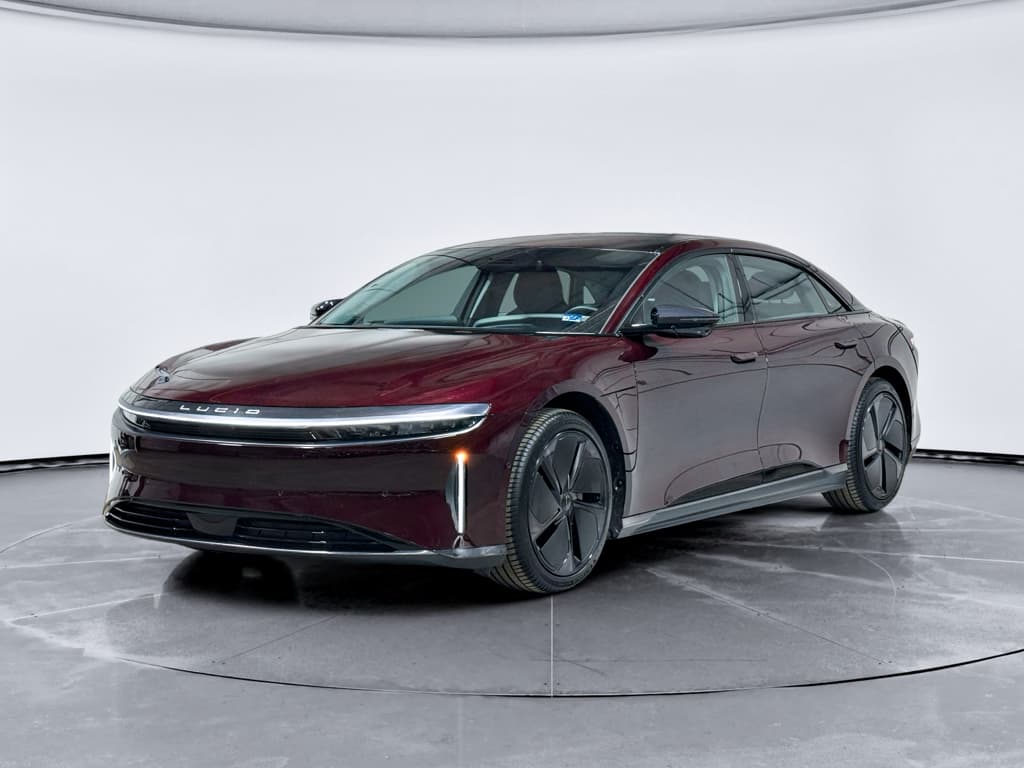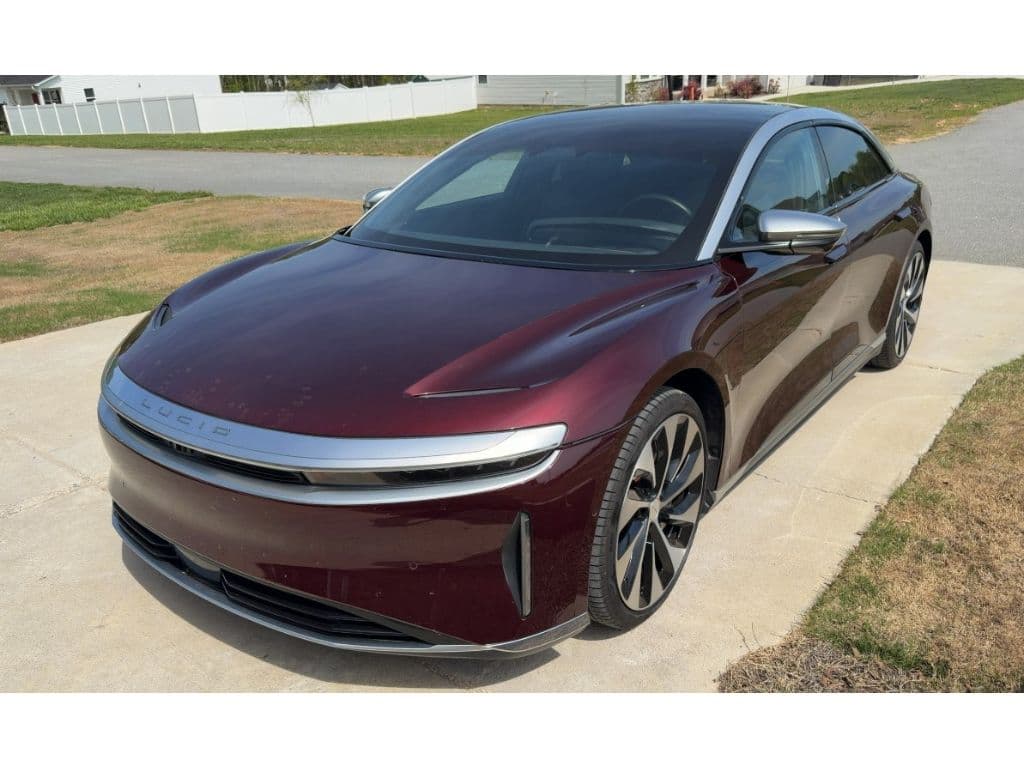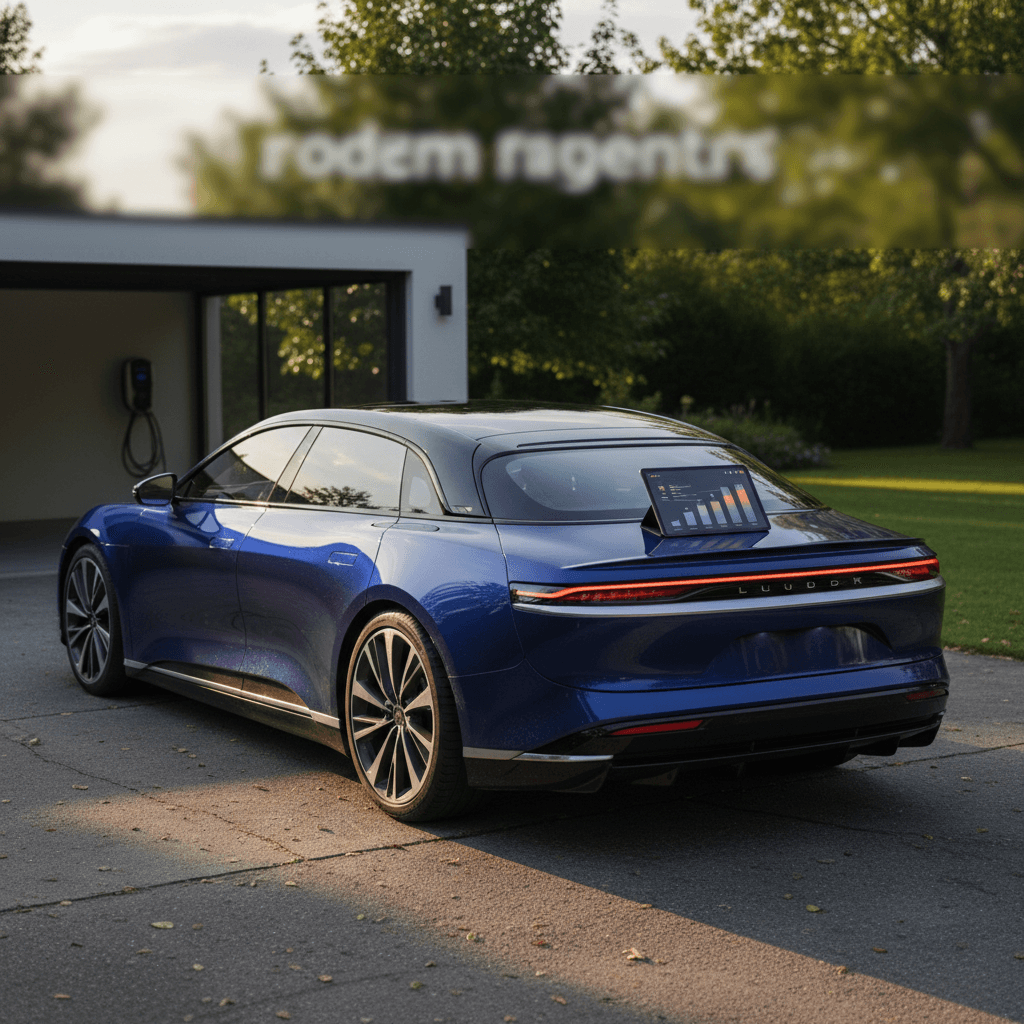
When you search for the 2024 Lucid Air reliability rating, you’ll quickly find two very different stories. On paper, the Air is one of the most advanced long‑range EVs on the market. In owner surveys and early reliability data, it also shows more than its share of bugs, recalls, and software gremlins. If you’re considering a new or used Lucid Air, especially a 2024 model year, understanding this gap is critical before you sign anything.
Key takeaway on 2024 Lucid Air reliability
Overview: How reliable is the 2024 Lucid Air?
Headline reliability picture for the Lucid Air
The short version: the 2024 Lucid Air is not a reliability champ, at least not yet. Consumer Reports gives the Lucid Air line a very low predicted reliability score, citing high problem rates relative to other luxury EVs. At the same time, many real‑world owners describe the car as fundamentally solid once early bugs are ironed out, especially after the latest over‑the‑air (OTA) software updates.
Think of the Air as an early‑run, high‑tech luxury EV: you’re getting stunning range, performance, and cabin quality, but you’re also acting as a bit of a beta tester. That trade‑off is central to deciding whether a 2024 Lucid Air fits your risk tolerance, especially in the used market, where your warranty clock is already ticking.
New brand, steeper learning curve
How Consumer Reports rates the 2024 Lucid Air
Consumer Reports aggregates reliability data from hundreds of thousands of subscriber surveys, then assigns each model a predicted reliability score based on the number and severity of problems across 17 trouble spots, everything from paint and trim to in‑car electronics and drive systems.
- The Lucid Air family currently carries a predicted reliability score around 31 out of 100, which is far below average for new vehicles.
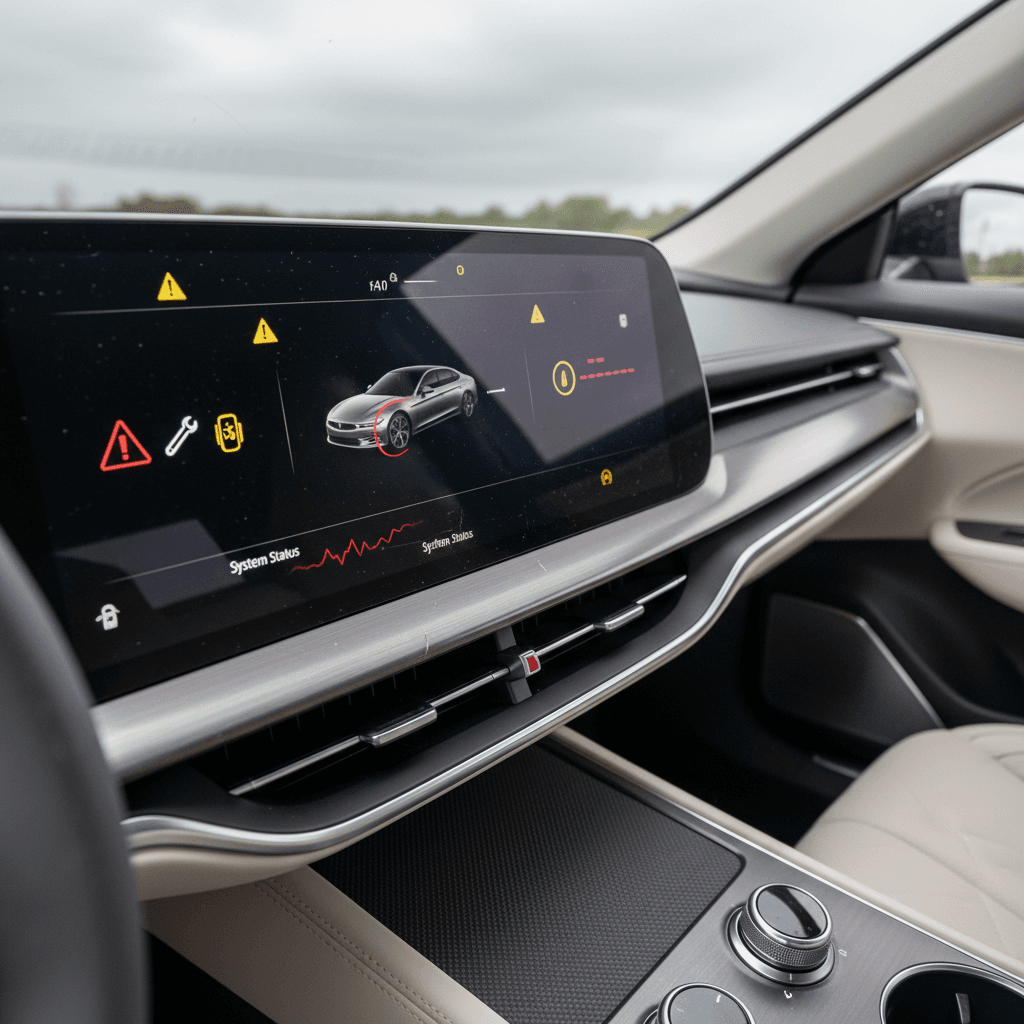
- Most of the complaints land in electrical and in‑car electronics, including the central screens and driver‑assist features.
- Traditional mechanical components like motors and brakes have far fewer reported issues so far, though the data set is still small because of Lucid’s limited sales volume.
It’s important to understand what that 31/100 actually means. It does not mean two‑thirds of Lucid Airs will break. It means that compared with other vehicles in the same model year, the Air generates more reported problems per vehicle, especially in software‑heavy systems that can be updated but still frustrate owners.
Use ratings as a baseline, not a verdict
Recalls affecting the 2024 Lucid Air
The 2024 Lucid Air shares much of its hardware and software with earlier model years, so several recalls span 2022–2024 build dates. By early 2026, the 2024 Air had been linked to roughly half‑a‑dozen NHTSA recall campaigns, some fixed via software, others requiring hardware checks or replacements.
Notable recalls that can affect a 2024 Lucid Air
This is a simplified overview; exact coverage depends on build date and VIN. Always run a VIN check with NHTSA or Lucid before you buy.
| Recall theme | Potential risk | How it’s fixed | What to confirm on a used car |
|---|---|---|---|
| High-voltage connection / contactor issues | Unexpected loss of power while driving | Over‑the‑air software plus, in some cases, hardware inspection or replacement | Verify all applicable software updates are installed and any hardware work is documented. |
| Drive-unit / half-shaft fasteners (2024–2026 builds) | Driveline separation, loss of drive, or noise | Inspection of half‑shaft bolts; replacement or proper torqueing where needed | Check that the specific VIN has had the recall completed at a Lucid service center. |
| Instrument cluster / warning behavior | Incorrect or missing warnings before power loss | OTA update that changes how and when warnings appear | Make sure the car shows a current software version and no open campaigns. |
| Front suspension or steering fasteners (select builds) | Handling issues, noise, or in extreme cases loss of control | Hardware inspection and replacement of affected parts | Review service paperwork; test drive for any clunks, pull, or vibration. |
Key Lucid Air recall themes include power loss risk, high‑voltage connection issues, and hardware fasteners.
Never ignore recall status on a used Lucid Air
Common issues 2024 Lucid Air owners report
Beyond formal recalls and survey data, real‑world owners give you a sharper picture of how the 2024 Lucid Air behaves day to day. Feedback is mixed: some drivers report months of issue‑free ownership; others describe a steady stream of glitches and service visits early on, often followed by long stretches of trouble‑free driving after updates.
Most frequently mentioned Lucid Air problem areas
What owners and early reliability data highlight for 2022–2024 cars, including the 2024 model year.
Infotainment & screens
- Center and driver screens freezing or going black.
- Laggy response, random reboots.
- Occasional loss of climate or media controls until restart.
Connectivity & apps
- Intermittent Bluetooth or phone‑as‑key issues.
- App not always syncing vehicle status correctly.
- Over‑the‑air updates sometimes failing on first attempt.
Fit, finish & noise
- Wind noise or rattles on some early builds.
- Panel gaps or trim alignment complaints.
- Door seals needing adjustment to reduce wind noise.
Driver-assist quirks
- Adaptive cruise or lane‑keeping dropping out unexpectedly.
- Occasional false alerts from sensors or cameras.
- Driver‑assist behavior improving but still not class‑leading.
Service & logistics
- Limited physical service center network in many regions.
- Longer waits for parts on some repairs.
- Owners praise mobile service but note scheduling delays.
Software polish
- New features sometimes introduce new bugs.
- Multiple OTA updates needed to stabilize features.
- Experience getting better for many 2023–2024 owners vs. 2022 builds.
The pattern is familiar if you’ve followed early‑adopter EVs: software‑centric frustrations rather than catastrophic mechanical failures. That’s cold comfort when your screens reboot on the highway, but it does mean many problems can be addressed with updates rather than major component replacement.
Strengths: Where the Lucid Air performs well
If you only look at the 2024 Lucid Air reliability rating, you’d miss why so many owners, and reviewers, are still enthusiastic. Underneath the software rough edges, the Air has a lot going for it in areas that matter for long‑term ownership.
Reliability bright spots for the Lucid Air
Areas where issues are relatively rare and the engineering is a strong point.
Battery pack durability
So far there are few widespread reports of high‑voltage battery failures in the Lucid Air. The pack is engineered for very long range and appears to be holding up well in early real‑world use.
Electric motors & driveline
Motor failures are rare in owner discussions. Once half‑shaft and fastener‑related recalls are addressed, the basic driveline has proved robust, even under hard use.
Thermal management
Lucid’s sophisticated cooling system helps sustain performance and range. Good thermal control is a major factor in long‑term battery health, especially in hot climates or during repeated fast‑charging.
Why this matters for used buyers
How 2024 Lucid Air reliability compares to other EVs
Versus legacy luxury brands
- BMW i4, Mercedes EQE, Audi e‑tron models typically earn average or better predicted reliability scores.
- Those brands have deeper dealer and service networks, which can make repairs faster and more convenient.
- Software issues exist across the industry, but legacy brands have longer experience integrating complex electronics into mass production.
Versus other startup or newer EV brands
- Rivian, for example, has also seen early reliability challenges, though its scores tend to sit closer to the middle of the pack than Lucid’s.
- Tesla’s reliability reputation is mixed: generally better scores than Lucid, but still below the best legacy brands, with plenty of quality‑control complaints.
- In this peer group, Lucid is at the riskier end of the spectrum right now, though not an outlier for a young, software‑heavy automaker.
In other words, the 2024 Lucid Air trades cutting‑edge range and design for more reliability risk than a typical BMW, Mercedes, or Lexus EV. That doesn’t automatically make it a bad buy; it just means you should plan more carefully around warranty coverage, service access, and how tolerant you are of software hiccups.
What this reliability picture means if you’re buying used
If you’re shopping a used 2024 Lucid Air, the headline reliability rating is your starting point, not your final answer. Your real‑world experience will depend heavily on the specific VIN: build date, recall history, software version, and how the previous owner treated the car.
- A 2024 Air with every recall completed, current software, and clean service history can be a compelling value, especially if you prioritize range and performance over absolute bulletproof reliability.
- A similar car with open recalls, spotty records, or repeated visits for the same issue is a much higher‑risk purchase, even if it’s still under warranty.
- Because Lucid is still growing its service network, distance to the nearest Lucid service center or mobile‑service coverage should be part of your buying decision.
Factor service access into your decision
Inspection checklist for a used Lucid Air
Because the 2024 Lucid Air’s weak spots are concentrated in software, electronics, and a handful of hardware campaigns, your pre‑purchase inspection should go much deeper than a quick visual walk‑around. Here’s a focused checklist you can use or adapt.
Used Lucid Air reliability & condition checklist
1. Run a full VIN recall check
Use the NHTSA website and Lucid’s own tools to verify <strong>every recall campaign is closed</strong>. Ask the seller for service invoices showing when and where the work was done.
2. Verify current software version
With the car on, check that it’s running the latest software. Confirm OTA updates install successfully and that the owner hasn’t deferred critical updates.
3. Stress-test screens and controls
Spend 15–20 minutes operating the center and driver displays: change drive modes, adjust climate, use navigation, connect your phone, and watch for freezes, lag, or reboots.
4. Check driver-assist behavior
On a safe, lightly traveled road, test adaptive cruise control and lane‑keeping. They should engage reliably, hold lanes smoothly, and not cancel unexpectedly without clear reason.
5. Listen for noises on a mixed test drive
On city streets and highways, listen for <strong>wind noise, rattles, or clunks</strong>. Pay attention over bumps and during moderate acceleration and braking.
6. Review charging history and range
Ask how often the car has DC fast‑charged, how high the owner typically charged (e.g., 80% vs. 100%), and what real‑world range they see at highway speeds compared with EPA estimates.
7. Inspect tires and brakes
High‑torque EVs can be tough on tires. Uneven wear can hint at alignment or suspension issues. Brake rotors should be clean, without deep grooves or heavy rust ridges.
8. Confirm warranty status & transferability
Lucid’s vehicle and battery warranties are key to managing reliability risk. Confirm in writing what coverage remains and whether any extended warranty transfers to you.
How Recharged evaluates Lucid Air battery and reliability
Because Recharged focuses on used electric vehicles, we spend a lot of time separating normal early‑adopter quirks from true long‑term problems. A model like the 2024 Lucid Air, brilliant in some ways, shaky in others, demands extra scrutiny before it ever gets listed.
What Recharged looks at on a used Lucid Air
Beyond a basic Carfax, we dig into the EV‑specific details that matter for long‑term ownership.
Recharged Score Report
Every Lucid Air we sell comes with a Recharged Score Report that summarizes battery health, charging behavior, fair‑market pricing, and key condition notes so you’re not buying blind.
Battery & high-voltage system tests
Our diagnostics examine usable capacity, thermal behavior, and any high‑voltage fault history. That helps flag cars that have been driven or charged unusually hard.
Recall & service history review
We verify that all Lucid Air recall campaigns are closed and look for repeated repair attempts on the same system, often a sign of a problem that could resurface.
Real-world range check
Whenever possible, we conduct a controlled road test to compare indicated range with expected performance for that build and mileage, not just EPA sticker numbers.
Drive quality & noise assessment
Our specialists pay attention to wind noise, rattles, driveline smoothness, and brake feel, areas where some early Lucid builds have drawn complaints.
End-to-end support
From financing to trade‑in, nationwide delivery, and EV‑specialist support, Recharged is set up to help you navigate higher‑tech models like the Lucid Air with more confidence.
Ready to find your next EV?
Browse VehiclesConsidering selling or trading your Lucid Air?
FAQ: 2024 Lucid Air reliability rating
Frequently asked questions about Lucid Air reliability
Bottom line: Should you worry about 2024 Lucid Air reliability?
The 2024 Lucid Air is one of the most impressive EVs on the road from a performance and range standpoint, but the reliability rating tells a more complicated story. Consumer Reports’ low score, multiple recalls, and a steady drumbeat of software complaints make it a car that rewards informed, proactive owners more than set‑and‑forget drivers.
If you’re the kind of buyer who values cutting‑edge tech, is comfortable dealing with the occasional glitch, and has reasonable access to Lucid service, a well‑vetted 2024 Air can still be a satisfying choice, especially at used‑market prices. If your top priority is rock‑solid reliability with minimal drama, you may be better served by a more established luxury EV, or by making sure any Lucid you consider has excellent records, closed recalls, and a clean bill of health from a specialist.
Either way, don’t let the headline reliability rating be the only data point you consider. Combine it with detailed inspection, service and recall verification, and battery‑health diagnostics. Marketplaces like Recharged, with EV‑focused testing and transparent scoring, exist specifically to make that process easier so you can enjoy the best parts of a car like the Lucid Air while keeping your risk in check.