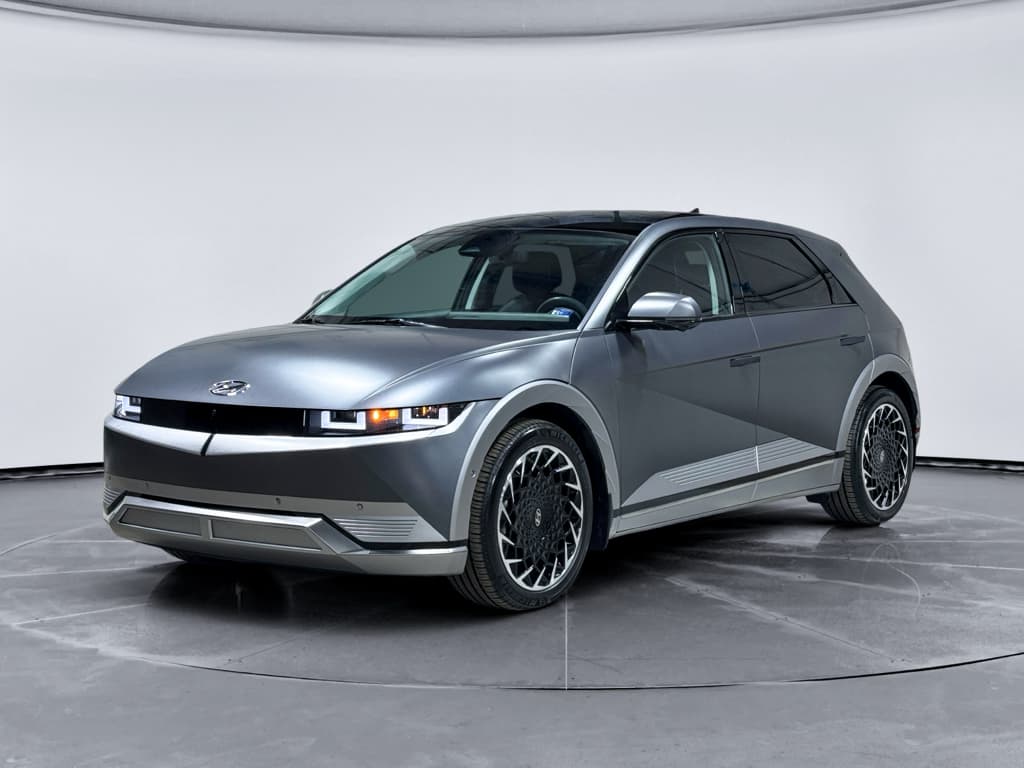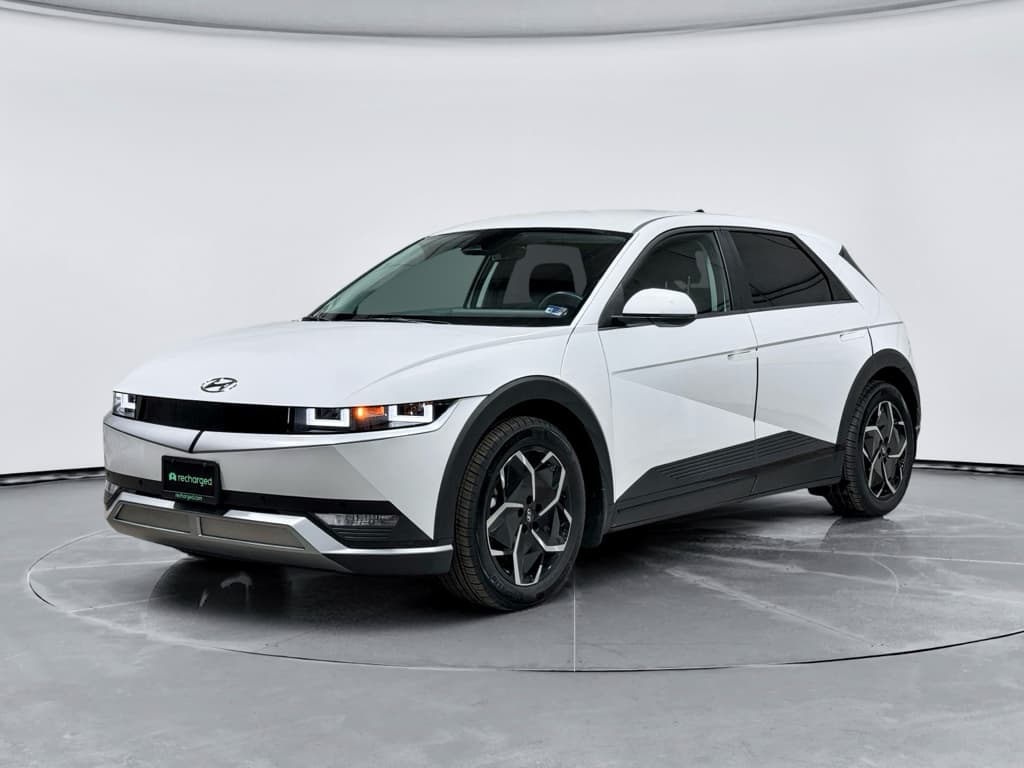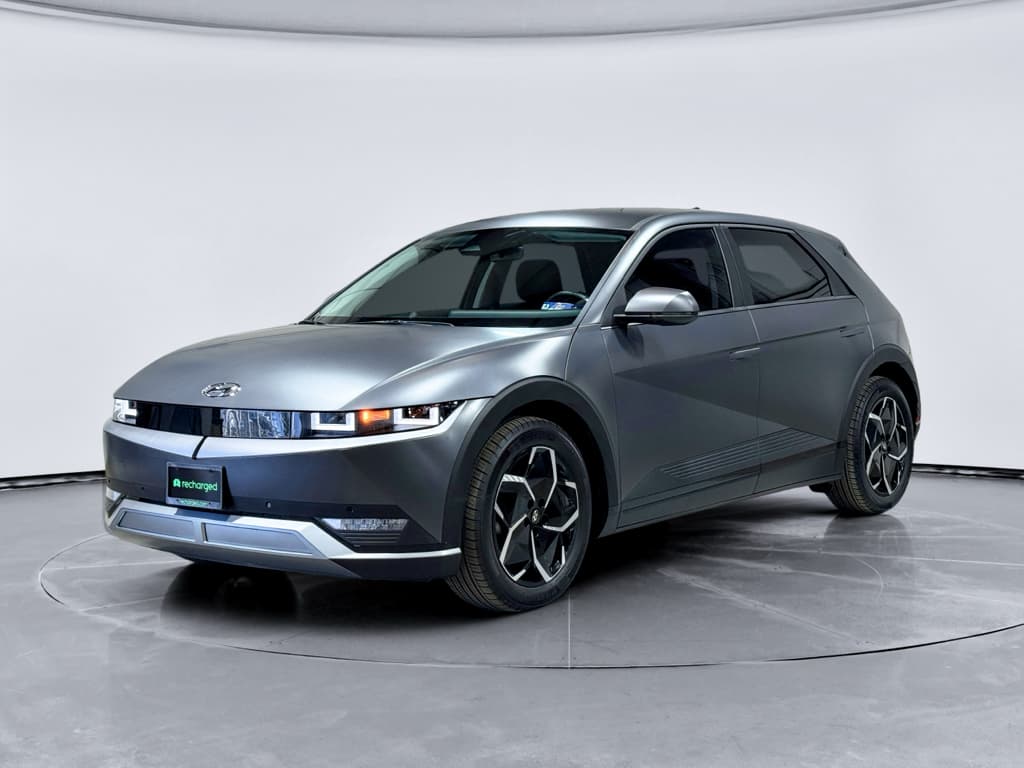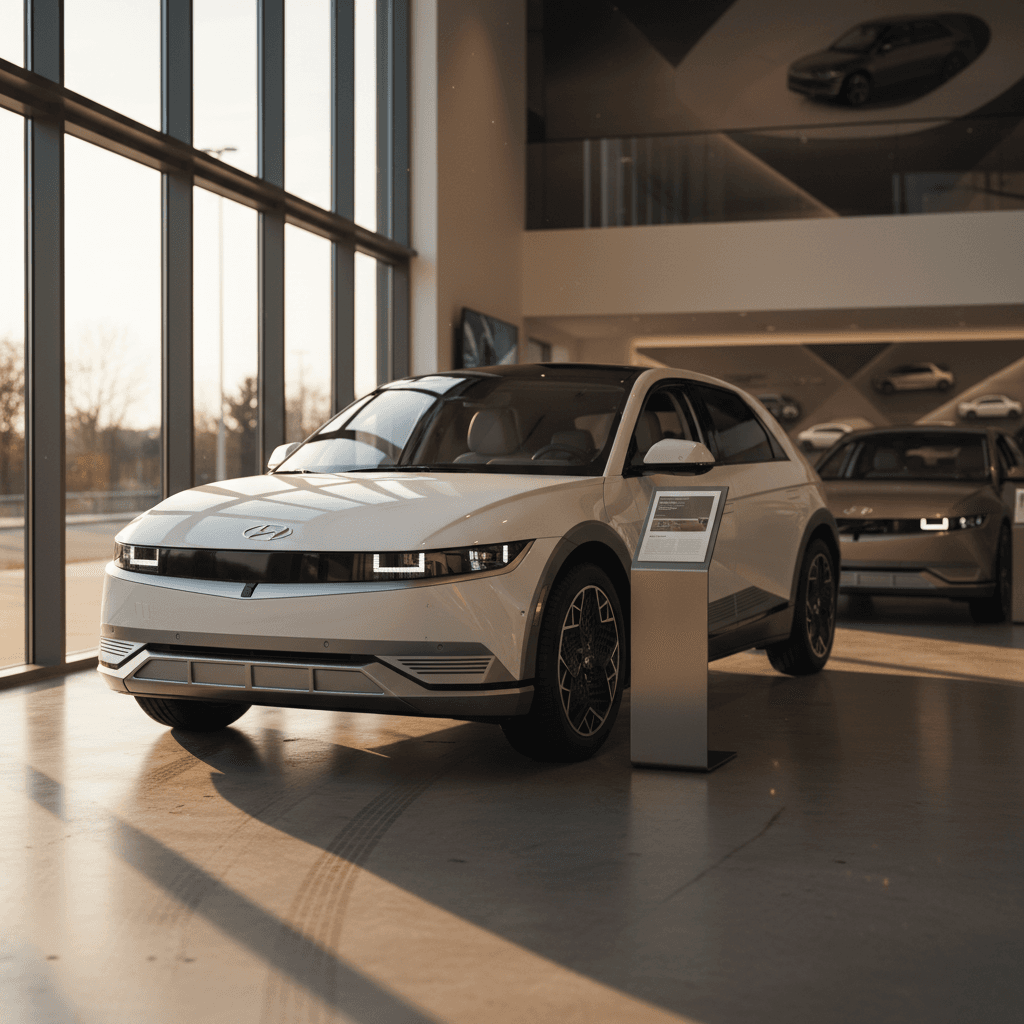
If you’re shopping for a stylish, practical electric SUV, the 2024 Hyundai Ioniq 5 belongs on your short list. This 2024 Hyundai Ioniq 5 buying guide walks you through trims, range, charging, pricing, and what to look for if you’re considering a used example.
Quick Take
Why the 2024 Ioniq 5 Is on So Many Shortlists
Hyundai didn’t just build another compact crossover when it created the Ioniq 5. Built on the dedicated E‑GMP electric platform, it combines retro‑futuristic design with ultra‑fast 800‑volt charging, generous interior space, and a long standard feature list. For 2024, it sits in a sweet spot: the tech is mature, early kinks are largely worked out, and pricing is often softer than on brand‑new 2025 models with the latest port changes and updated battery sizes.
If you’re coming from a gas SUV, the Ioniq 5 feels familiar in all the right ways, high seating position, good visibility, while giving you EV benefits like instant torque, quiet operation, and much lower running costs. Where it differs from many rivals is how confidently it road‑trips; with the right charger, you can add a big chunk of range in about the time it takes to grab a coffee.
2024 Hyundai Ioniq 5 Highlights
Key Specs, Range and Charging at a Glance
2024 Hyundai Ioniq 5 Core Specs
Approximate specifications for common 2024 Ioniq 5 configurations. Exact numbers vary by wheel choice and equipment.
| Config | Battery | Drive | Approx. Power | EPA Range |
|---|---|---|---|---|
| SE Standard Range | 58 kWh | RWD | ~168 hp | ~220 mi |
| SE Long Range | 77.4 kWh | RWD | ~225 hp | ~303 mi |
| SEL / Limited Long Range | 77.4 kWh | RWD | ~225 hp | ~303 mi |
| SE / SEL / Limited AWD | 77.4 kWh | AWD dual‑motor | ~320 hp | ~260–266 mi |
Always confirm exact specs for the specific VIN you’re considering.
Spec Tip
2024 Ioniq 5 Trims and Configurations Explained
Hyundai keeps the 2024 Ioniq 5 lineup relatively simple: SE Standard Range, SE, SEL, and Limited, each with either rear‑wheel drive (single motor) or available all‑wheel drive (dual motor) on the long‑range battery. Here’s how they break down in plain language.
Trim Walk: Which 2024 Ioniq 5 Fits You?
Think in terms of battery first, then features and drive type.
SE Standard Range (Value Play)
Who it fits: City/suburb drivers with shorter daily routes and reliable charging access.
- 58 kWh battery, RWD only
- Lower purchase price
- Good for households with multiple cars
Range is lower, so it’s not ideal as your only long‑distance vehicle.
SE Long Range (Smart Default)
Who it fits: Most buyers who want range, value, and plenty of features.
- 77.4 kWh battery, RWD or AWD
- EPA range up to around 303 miles (RWD)
- Good mix of comfort and price
This is often the best starting point when you’re comparing quotes.
SEL (Comfort & Convenience Step‑Up)
Who it fits: Drivers who want more creature comforts without going fully loaded.
- Adds features like power liftgate, premium audio on some builds, more driver aids
- Same drivetrain choices as SE Long Range
If you like extra amenities, this is usually the sweet spot.
Limited (Top Trim)
Who it fits: Buyers who want nearly everything Hyundai can throw at the Ioniq 5.
- Panoramic glass roof, ventilated front seats, head‑up display, more tech
- Available AWD for max performance
Great for long‑term ownership; overkill if you’re payment‑sensitive.
Wheel Size Warning
Range: Real‑World vs EPA Estimates
EPA numbers for the 2024 Hyundai Ioniq 5 run from roughly the low 220‑mile range for the SE Standard Range to just over 300 miles for rear‑drive long‑range trims. In independent testing and Recharged’s own range drives, long‑range RWD models can often meet or slightly exceed their EPA ratings in mild weather when driven reasonably.
When You’ll See EPA‑Like Range
- Temperatures around 60–75°F
- Mix of city and highway driving
- Speeds under ~70 mph
- Eco or Normal drive mode
In these conditions, the Ioniq 5 is one of the more efficient electric SUVs in its class.
When Range Drops
- Winter temps, especially below freezing
- Sustained highway speeds above 75 mph
- Roof boxes, bike racks, or lots of cargo
- Frequent hard acceleration
Seeing 15–25% less than EPA in harsh conditions is normal for most EVs, including the Ioniq 5.
Range Planning Tip
Charging: How the Ioniq 5 Fits Into Your Life
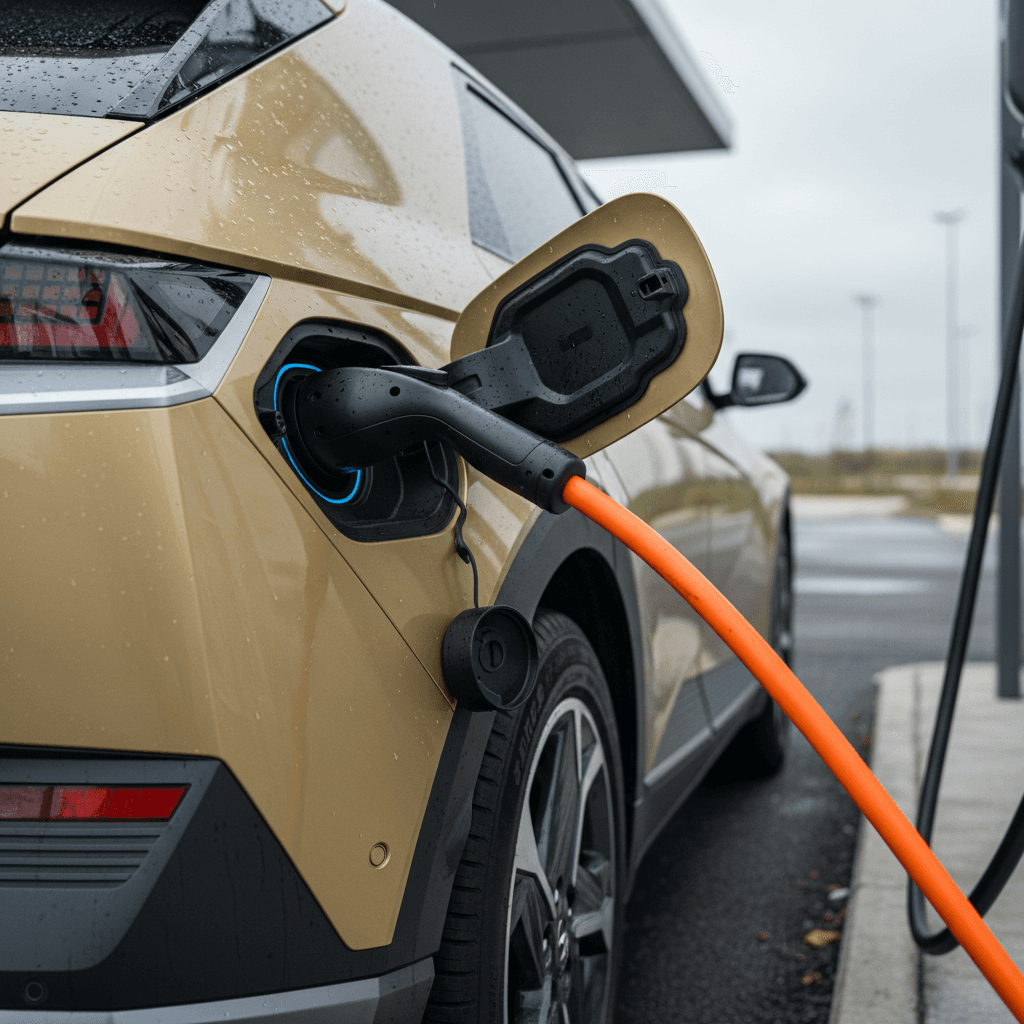
Charging is where the 2024 Hyundai Ioniq 5 really earns its reputation. On a suitably powerful DC fast charger, Hyundai quotes roughly 18–20 minutes for a 10–80% charge window for both battery sizes. Real‑world tests often see peak speeds above 200 kW when the battery is warm and you’re on an 800‑volt station.
How the Ioniq 5 Charges in the Real World
Level 1, Level 2, and DC fast charging explained in practical terms.
Level 1 (120V)
Useful for emergencies or very light use.
- Standard household outlet
- Adds only a few miles of range per hour
- Plan on overnight plus more to refill from low
Only rely on this if you drive very little.
Level 2 (240V)
The sweet spot for home charging.
- Typical home or workplace charger
- 7–11 kW depending on hardware
- Refills most of the battery in ~6–9 hours
For most owners, plugging in each night at Level 2 is all you need.
DC Fast Charging
Your road‑trip tool.
- Up to ~200–230 kW peaks on 800‑V chargers
- 10–80% in under ~20 minutes in ideal conditions
- Best used for highway travel, not daily use
Great capability, but try not to rely on it every single day for battery longevity.
Battery Health Reminder
Hyundai also equips the Ioniq 5 with battery preconditioning on many trims, which can warm the pack before a fast‑charge stop if you set the charger as your destination in the navigation. That can make the difference between so‑so charging speeds and the headline numbers you see in brochures.
Interior Space, Comfort, and Tech
On the inside, the 2024 Hyundai Ioniq 5 feels more like a midsize SUV than a compact. The long wheelbase and flat floor open up excellent rear legroom, and the boxy roofline means adults fit comfortably in all outboard seats. The cargo area is competitive for the class, with additional small storage space under the floor and a small front trunk that’s handy for charge cables.
What Most Buyers Appreciate
- Clean, modern design with twin 12.3‑inch screens on most trims
- Plenty of USB ports and wireless charging on higher trims
- Available ventilated front seats and heated rear seats
- Quiet cabin at city and suburban speeds
Potential Annoyances
- Touch‑heavy controls require some acclimation
- Limited physical knobs for climate and audio
- Panoramic roof on Limited trims can reduce headroom slightly for very tall passengers
- Front trunk (frunk) is small compared with some EV rivals
Comfort Win
Safety Ratings and Driver Assistance
Hyundai has been on a strong run with safety, and the Ioniq 5 is no exception. Recent model years, including the 2024 and closely related 2025 versions, have earned top marks from major safety organizations, reflecting robust crash performance and well‑tuned driver‑assistance tech.
- Advanced forward‑collision avoidance with pedestrian and cyclist detection
- Lane keeping assist and lane centering on most trims
- Smart cruise control with stop‑and‑go on SE and above
- Available blind‑spot view monitors and surround‑view camera on upper trims
- High beam assist and multiple airbags standard
Driver Assist Reality Check
New vs Used Ioniq 5: Which Makes More Sense?
The 2024 Hyundai Ioniq 5 sits at an interesting intersection. On one side, you have brand‑new 2025 models with slightly larger batteries and, in many cases, North American Charging Standard (NACS) ports and Supercharger access. On the other, you’ll find 2022–2023 used Ioniq 5s that often undercut new‑car pricing by a comfortable margin.
Reasons to Favor a New 2024
- Latest tuning and incremental hardware updates versus early builds
- Full factory warranty clock starts with you
- Access to current incentives, financing, and lease specials
- Easier to spec the exact color and trim you want
If you want a known history and the newest possible build without jumping to the 2025 price ladder, a 2024 is a solid choice.
Reasons to Consider Used (2022–2023, Early 2024)
- Lower upfront price and potentially lower depreciation hit
- Plenty of off‑lease examples with modest mileage
- Battery and electric‑drive warranties usually still in effect
- Opportunity to step into higher trims (SEL/Limited) for SE money
The key is buying with good data on battery health and service history.
How Recharged Helps
Used Ioniq 5 Buying Checklist
If you’re shopping used, the fundamentals are the same as any EV: you’re buying a battery and a software platform as much as you’re buying a car. Here’s a focused checklist for the Hyundai Ioniq 5.
10 Things to Check on a Used Hyundai Ioniq 5
1. Confirm Battery and Drivetrain Warranty
Hyundai’s EV battery warranty is generous, but it’s tied to time, mileage, and sometimes original ownership. Verify in‑service date and make sure you understand exactly how much warranty remains on the pack and electric drive components.
2. Review DC Fast‑Charging History
Heavy, daily DC fast‑charging isn’t ideal for longevity on any EV. Ask for charging records if available, and favor vehicles whose prior owners mostly used Level 2 at home, especially in hot climates.
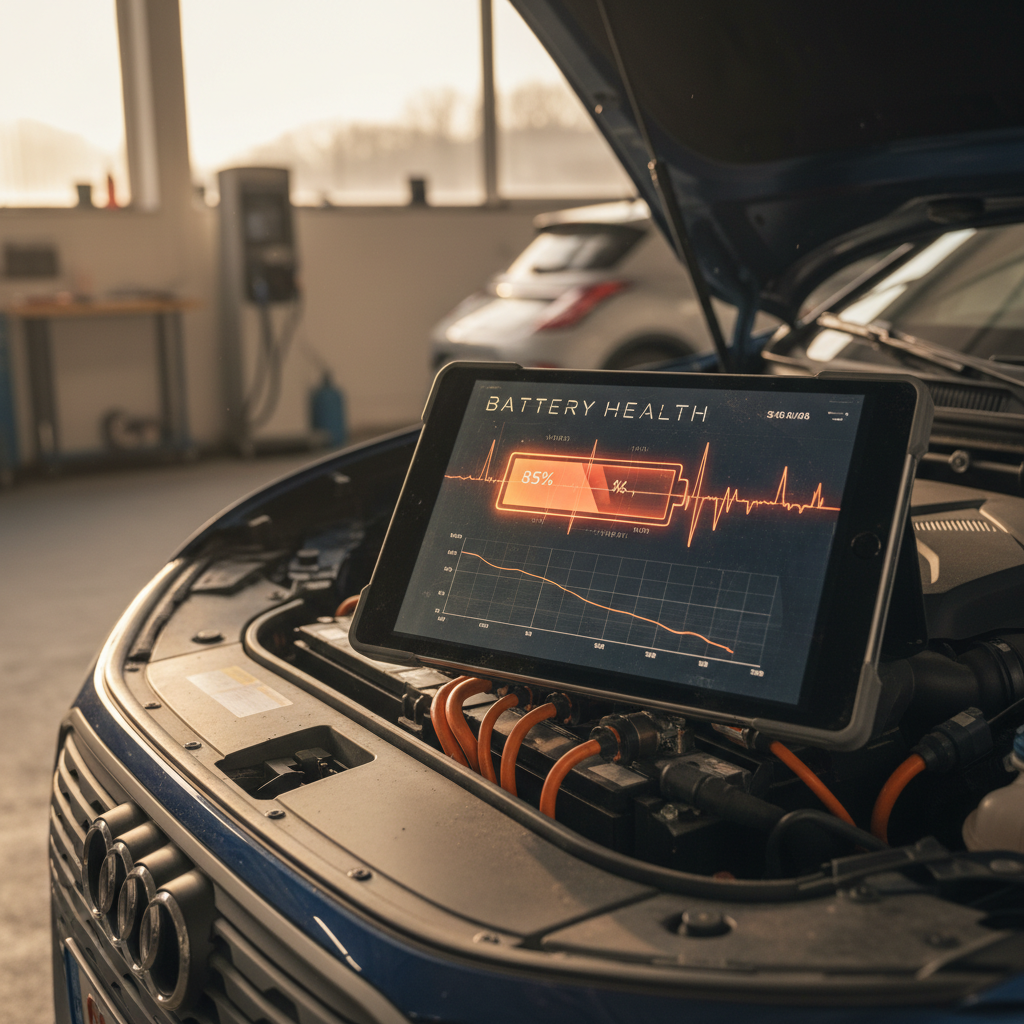
3. Get a Battery‑Health Report
Look for a data‑driven assessment of usable battery capacity, not just the dash’s range estimate. On Recharged, the <strong>Recharged Score</strong> includes this, so you’re not guessing about degradation.
4. Inspect Tires and Wheels
The Ioniq 5’s torque is easy on drivetrains but hard on tires if driven aggressively. Uneven wear may hint at alignment or suspension issues. Replacing 20‑inch tires on Limited trims is more expensive than 19‑inch sets.
5. Check for Software Updates
Ask a Hyundai dealer or qualified shop to confirm the vehicle has current software. Updates can improve charging behavior, driver‑assist performance, and bug fixes.
6. Test DC Fast‑Charging Once
If possible, take the car to a nearby DC fast charger and observe peak speeds and stability from about 10–60%. Big irregularities may warrant deeper battery diagnostics.
7. Verify Driver‑Assist Features Work Smoothly
On a test drive, try adaptive cruise, lane‑centering, and parking cameras. Glitches here can point to minor sensor issues, or prior accident repairs that were not perfectly executed.
8. Examine Interior Wear
The airy cabin and light upholstery colors look great when new, but can show dirt and wear. Excessive seat or steering‑wheel wear might not match the odometer story.
9. Ask About Included Charging Equipment
Confirm whether an OEM portable charger, any Level 2 hardware, or adapters are included. Replacing these can add hundreds of dollars to your real purchase price.
10. Look for Consistent Service History
Even EVs need tire rotations, brake fluid checks, and occasional software attention. A neat, complete service record is a green flag that the car has been cared for.
Should You Buy a 2024 Hyundai Ioniq 5?
If you want an electric SUV that looks distinctive, charges very quickly, and doesn’t feel like a science experiment, the 2024 Hyundai Ioniq 5 is hard to ignore. It offers family‑friendly space, strong safety credentials, and a driving experience that’s comfortable yet still engaging. The long‑range rear‑drive trims, in particular, hit a sweet spot for daily driving and road‑trip usability.
Your decision really comes down to how you’ll use the car. If you mostly commute and occasionally roam, an SE or SEL long‑range RWD covers the bases with fewer compromises. If you live in a snowy climate or just like brisk acceleration, AWD is worth a look, with the understanding that you’ll trade a bit of range. And if you’re value‑hunting, a well‑vetted used Ioniq 5, backed by a solid battery‑health report, can deliver a lot of EV for the money.
When you’re ready to see real‑world examples, Recharged can help you compare used Ioniq 5s nationwide, review battery‑health data via the Recharged Score, explore financing, and even arrange delivery to your driveway. That way, you’re not just buying an EV that looks good on paper, you’re buying one that’s ready for the way you actually drive.