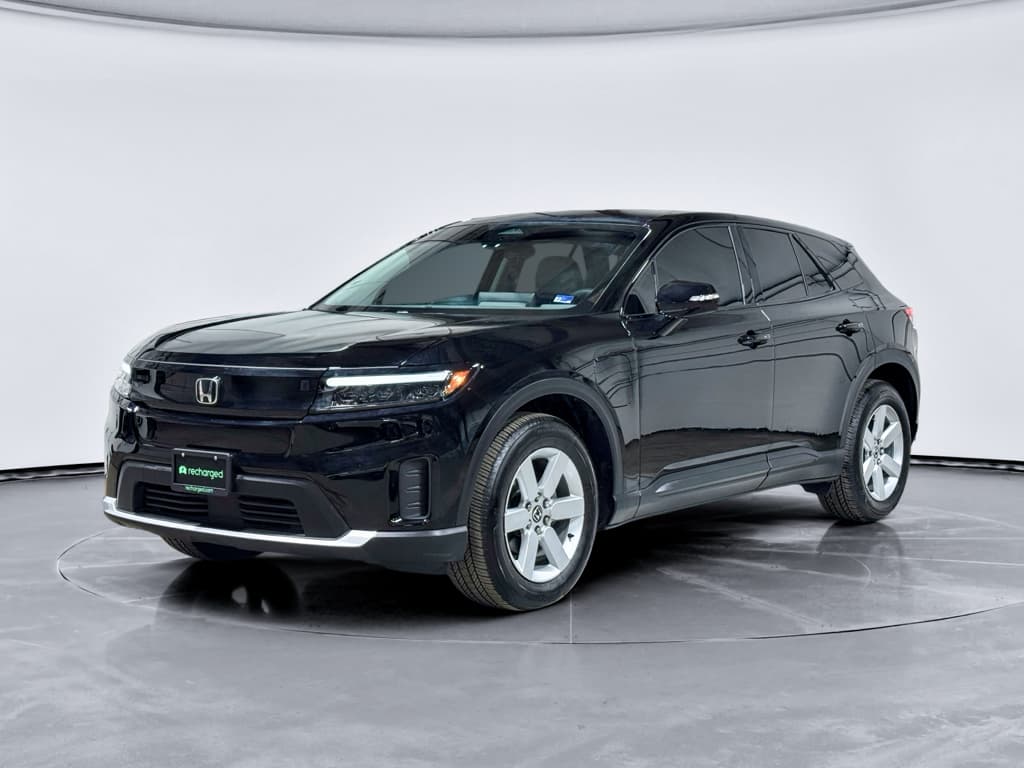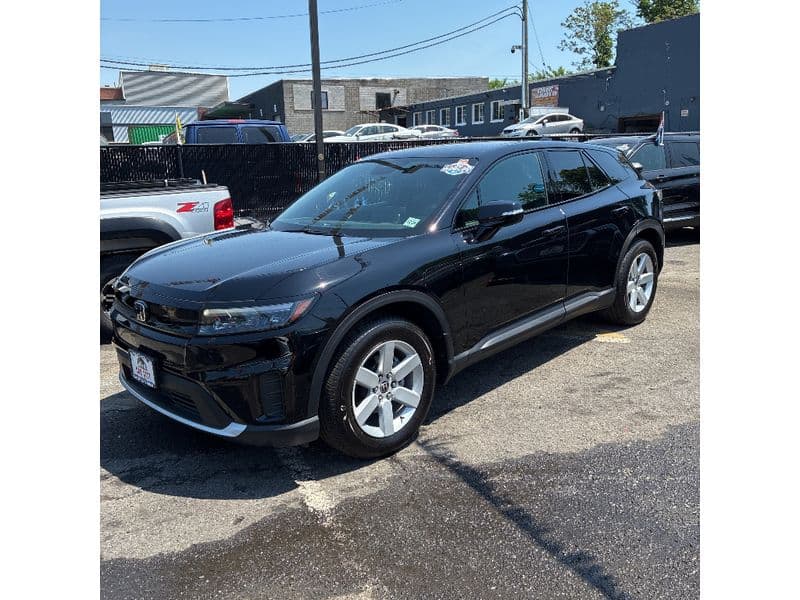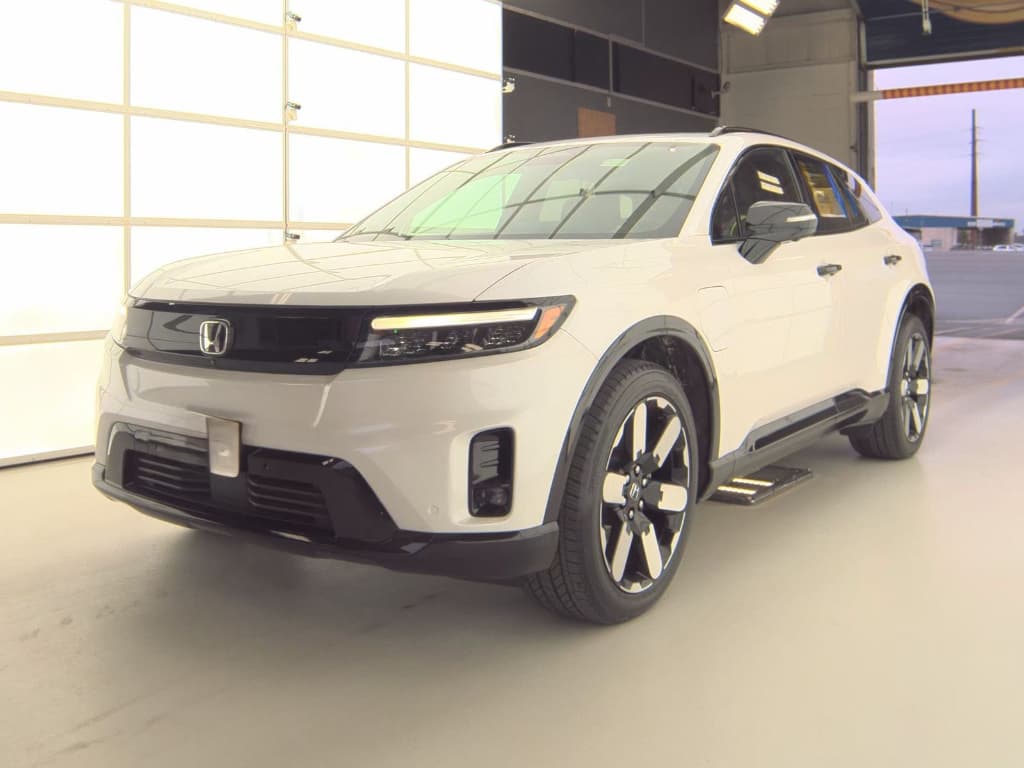
If you’re looking at the new all‑electric Honda SUV, you’re probably asking a simple question: **how reliable is the 2024 Honda Prologue**, especially as it ages and hits the used market? The honest answer right now is that the Prologue is still early in its life, but some clear reliability patterns are already emerging, both good and bad.
New nameplate, familiar hardware
Overview: How reliable is the 2024 Honda Prologue?
Because the Prologue launched for the **2024 model year**, we don’t yet have 10‑year reliability data. What we do have are early owner reports, warranty terms, and the broader track record of GM’s Ultium hardware. Put together, they paint a picture of a vehicle that’s **mechanically solid at its core**, with a few worrying early‑run issues in software, driver‑assistance systems, and some mechanical components like CV axles.
- Strong on-paper reliability fundamentals: liquid‑cooled Ultium battery pack, simple single‑speed drive units, no engine or transmission to maintain.
- Robust **8‑year/100,000‑mile** high‑voltage battery warranty provides a safety net for early degradation or defects.
- Early complaints are clustering around **phantom braking**, CV axle clicking, and climate‑control/heat performance, not catastrophic battery or motor failures.
- As with many first‑year EVs, the Prologue is going through a period of **software updates and running mechanical changes**, good for long‑term owners, but a source of frustration if you’re one of the early adopters.
Key takeaway for shoppers
Battery life & high‑voltage warranty
For any EV, **battery reliability** is the biggest long‑term question. The Prologue’s pack is part of GM’s Ultium family, using large-format pouch cells, liquid cooling, and a modular design. That’s backed by a Honda‑branded warranty that’s in line with the rest of the EV market.
2024 Honda Prologue warranty coverage at a glance
How Honda’s standard coverage protects you from major reliability surprises.
| Component | Coverage | What it means for reliability |
|---|---|---|
| New vehicle limited warranty | 3 years / 36,000 miles | Covers most non‑wear items and early production defects. |
| High‑voltage battery warranty | 8 years / 100,000 miles | If usable capacity falls below roughly 75% during this period, Honda will repair or replace the pack. |
| Corrosion (rust‑through) | 5 years / unlimited miles | Protects against severe body rust, but not cosmetic rust or paint issues. |
| Seat belt components | 15 years / 150,000 miles | Long‑term coverage for critical safety restraints. |
Always confirm exact terms on your specific vehicle, Honda can vary coverage by region and model year.
Battery health vs. warranty language
So far, there hasn’t been a wave of Prologue‑specific pack failures reported. That said, the Ultium ecosystem has seen isolated **battery‑related recalls and software campaigns** on other GM models, usually addressed via software updates or targeted component replacements rather than mass pack swaps. For a used buyer, the big questions are less about outright failure and more about **how much range the car has lost** and whether it’s been fast‑charged heavily.
GM Ultium platform: What it means for reliability
The Prologue is unusual for a Honda in that it borrows heavily from **GM’s Ultium platform** rather than being engineered entirely in‑house. That has two implications for reliability:
Ultium platform reliability: Pros and cons for Prologue owners
Why shared hardware can be both a blessing and a headache.
Benefits of Ultium sharing
- Larger sample size: Failures on related GM models can trigger fixes that benefit Prologue owners.
- Mature battery tech: GM has been iterating on liquid‑cooled packs for multiple EVs.
- Shared parts pool: Motors, inverters, and packs are not one‑off Honda experiments.
Potential downsides
- Cross‑brand issues: A design flaw can affect multiple vehicles at once.
- Complex software stack: Honda and GM software have to play nicely together.
- Dealer learning curve: Honda stores are still building EV diagnostic expertise.
On balance, the Ultium hardware hasn’t shown systemic, across‑the‑board failure points that would make the Prologue a high‑risk bet. The bigger wildcards are **software maturity** and how well Honda dealers adapt to diagnosing an EV that’s half‑Honda, half‑GM.
Early owner complaints: What’s actually going wrong
Because the 2024 Prologue is new, reliability data still comes mostly from **owner complaints, forum posts, and early service campaigns** rather than long‑term surveys. Common themes show up repeatedly:
Where early Prologue issues are clustering
Remember: Complaints are a worst‑case sample
Safety systems, phantom braking & driver assistance
One of the most worrying reliability themes on the 2024 Prologue is **phantom braking**, the automatic emergency braking system triggering hard stops with no real obstacle ahead. Owners describe sudden, forceful braking at highway speeds or in low‑speed maneuvers like backing out of a driveway, sometimes multiple times per week.
What owners are reporting
- Forward collision warning and Collision Mitigation Braking System (CMBS) activating with no vehicle or object in front.
- Rear automatic braking slamming on when backing near parked cars, even when there’s plenty of clearance.
- Events severe enough to nearly cause rear‑end collisions from drivers behind.
- Dealers sometimes unable to replicate the issue or offering only partial software updates.
Why this matters
- These systems are supposed to reduce crash risk; when they misbehave, they can create new risks.
- False positives erode driver trust in all driver‑assist features.
- Some owners report dealers simply disabling certain assist systems as a stopgap, which is not a real fix.
How to protect yourself
It’s worth stressing that phantom braking is not unique to Honda, almost every brand running aggressive driver‑assist systems has wrestled with it. But for Prologue buyers, it’s something to **actively test** and, if needed, pursue through Honda’s warranty and software‑update process rather than silently living with it.
Suspension and driveline: CV axle clicking
Another pattern you see in owner complaints on 2024 Prologues is **clicking or clunking noises from the front axle area** when turning from a stop, often with fewer than 5,000 miles on the odometer. Some dealers have diagnosed this as **defective CV axles** that require replacement, sometimes on both sides.
- Clicking or light popping sound when turning left or right from a standstill.
- Noise may be more noticeable when pulling out of driveways or parking lots.
- Some owners report long waits for replacement axles due to **parts backorders**.
- In at least a few cases, dealers initially told owners the noise was "normal" until pushed to investigate.
Simple driveway test
The good news: bad CV axles are usually **annoying more than catastrophic** if caught early, and they’re squarely in warranty on low‑mileage 2024s. The bad news: parts shortages and dealer inexperience with EV‑specific components can mean **weeks in the shop** for what should be a straightforward repair.
Climate control, charging & electronics glitches
EVs lean heavily on software and power electronics, and the Prologue is no exception. Some early owners have reported a mix of **HVAC, charging, and convenience‑feature issues** that don’t strand the vehicle but definitely affect day‑to‑day satisfaction.
Common non‑drivetrain complaints on the 2024 Prologue
Annoyances that may not be dangerous, but matter if you live with the car.
Heat / HVAC glitches
- Cabin heat cutting out in cold weather.
- "Service high voltage" warnings tied to HVAC operation.
- Long stays at the dealership to diagnose and reset systems.
Charging & app issues
- Occasional communication problems with public DC fast chargers.
- HondaLink/app connectivity that’s slow or unreliable.
- Software updates needed to improve network compatibility.
Infotainment & phone charging
- Wireless phone charging pad not working consistently.
- Random reboots or freezes of the infotainment system.
- Bluetooth quirks, especially with multiple paired phones.
Software updates are part of EV life
How the Prologue compares to other EVs on reliability
Stack the 2024 Honda Prologue up against its peers, Hyundai IONIQ 5, Kia EV6, Tesla Model Y, Chevy Blazer EV, and it lands in a familiar place: **not flawless, not hopeless, and heavily dependent on software maturity**. It doesn’t yet have the long track record of, say, a Tesla Model 3, but it also hasn’t shown systemic pack failures or drive‑unit disasters.
2024 Prologue reliability vs. key EV competitors (early impressions)
High‑level view of how early reliability concerns stack up in this class. This is directional, not a final verdict.
| Model | Battery/drivetrain | Driver‑assist systems | Build & mechanicals | Electronics/software |
|---|---|---|---|---|
| Honda Prologue | Solid Ultium hardware; no major pack scares so far | Notable phantom braking complaints worth testing | CV axle clicking on some early units | Growing pains but improving with updates |
| Hyundai IONIQ 5 | Generally robust; isolated inverter issues | Lane‑keeping can be fussy but predictable | Good overall; some suspension noise reports | Software polished but still sees occasional bugs |
| Tesla Model Y | Mature pack & motor tech; some drive‑unit noise over time | Frequent software changes; Autopilot behavior polarizing | Panel gaps and wind noise are common complaints | Feature‑rich, but quirks are a way of life |
| Chevy Blazer EV | Same Ultium family as Prologue; early recalls on some trims | GM’s latest Super Cruise tech where equipped | Limited data but no glaring mechanical pattern yet | Some charging‑network compatibility issues reported |
Ratings reflect early‑run patterns, not long‑term data. Individual vehicles can be better or worse than the trend suggests.
Where the Prologue looks strong
Reliability checklist for new & used Honda Prologue buyers
If you’re serious about a 2024 Prologue, especially on the used market, you don’t have to guess about reliability. You can **test and verify** a lot of the common pain points before you ever sign paperwork.
Pre‑purchase reliability checklist for the 2024 Honda Prologue
1. Pull full service & recall history
Ask the seller or dealer for a printed **service history** showing software updates, any axle or brake work, and visit counts. Confirm all **open recalls or service campaigns** have been performed.
2. Test driver‑assist systems thoroughly
On a safe test route, exercise **adaptive cruise, lane‑keeping, and automatic emergency braking**. Watch for unjustified braking or erratic steering nudges. If anything feels off, either walk away or insist on a documented fix.
3. Listen for CV axle clicking
In an empty lot, turn the steering near full lock and drive slow circles in both directions. **Any rhythmic clicking from the front** as you accelerate is a strong sign you’ll be visiting the service bay soon.
4. Check HVAC performance in real conditions
Run **heat and A/C** long enough to verify stable temperatures. In cold weather, pay attention to cabin heat and watch for "service high voltage" messages tied to HVAC use.
5. Inspect tires and TPMS behavior
Confirm tire wear is even and that the **tire‑pressure monitoring system** works properly and stays off after pressures are corrected. Persistent TPMS lights can point to sensor or software issues.
6. Verify charging behavior at home and public stations
If possible, plug into both **Level 2** and a nearby **DC fast charger**. Confirm charging starts reliably and matches expected power levels, and check that the car appears correctly in any associated apps.
7. Get a third‑party battery health check
For a used Prologue, consider a **battery health report** that estimates remaining usable capacity and flags abnormal degradation. This gives you more confidence than relying on the dash range estimate alone.
How Recharged can help
Should you buy a used 2024 Honda Prologue?
So where does all of this leave you if you’re cross‑shopping the 2024 Honda Prologue against other used EVs? In blunt terms, the Prologue is a **reasonable but not risk‑free bet**, particularly if you value Honda’s brand image and don’t mind being on the leading edge of their EV transition.
Who the Prologue makes sense for
- You want a comfortable, conservative‑looking electric SUV with Honda’s ergonomics.
- Range in the **high‑200s to low‑300s** is plenty for your use case.
- You’re okay leveraging **warranty coverage** for a few early‑run issues if they come up.
- You’re buying from a seller who can document **software updates and repairs**.
Who should think twice
- You’re extremely risk‑averse and want a model with a 5–10 year reliability record.
- You live far from a Honda dealer comfortable working on EVs.
- Phantom braking or inconsistent driver‑assist behavior is a hard no for you.
- You can get a similar‑price EV with a cleaner early‑run record, like a late‑build IONIQ 5 or Model Y, and you prefer a known quantity.
If you do move forward on a Prologue, the winning strategy is simple: **use data and testing, not hope**. Verify software is current, confirm core systems behave predictably, and take full advantage of the battery and new‑vehicle warranties while they’re in force. With the right homework, and ideally, objective tools like a Recharged Score Report, the 2024 Honda Prologue can be a solid addition to your EV shortlist rather than a roll of the dice.