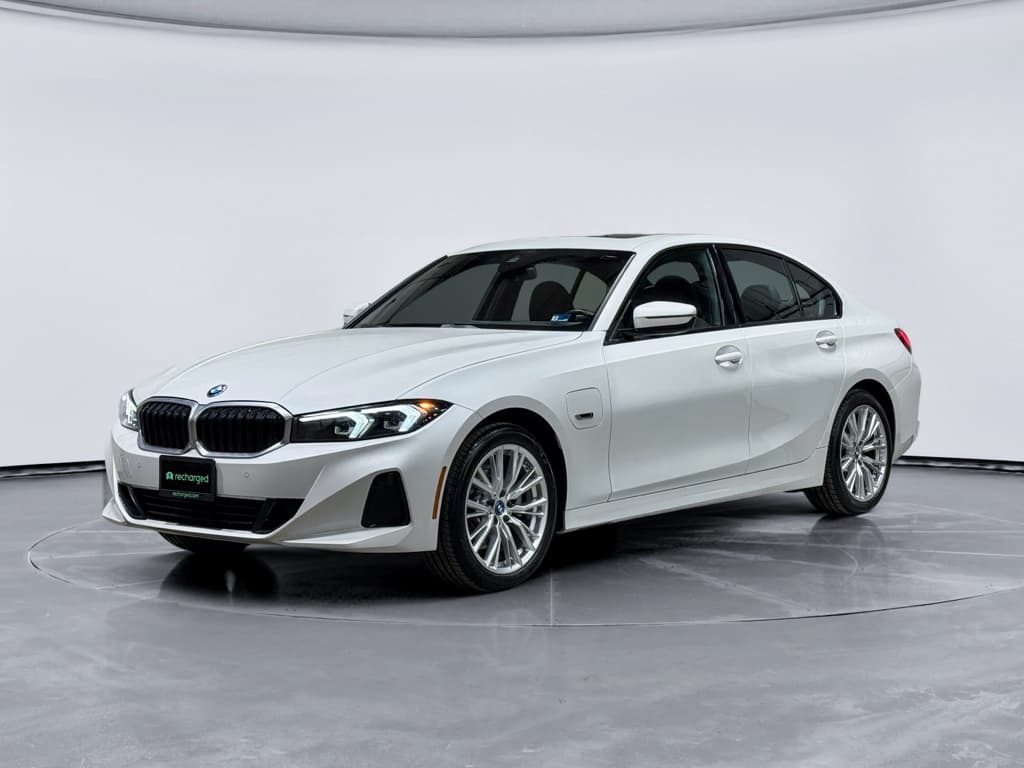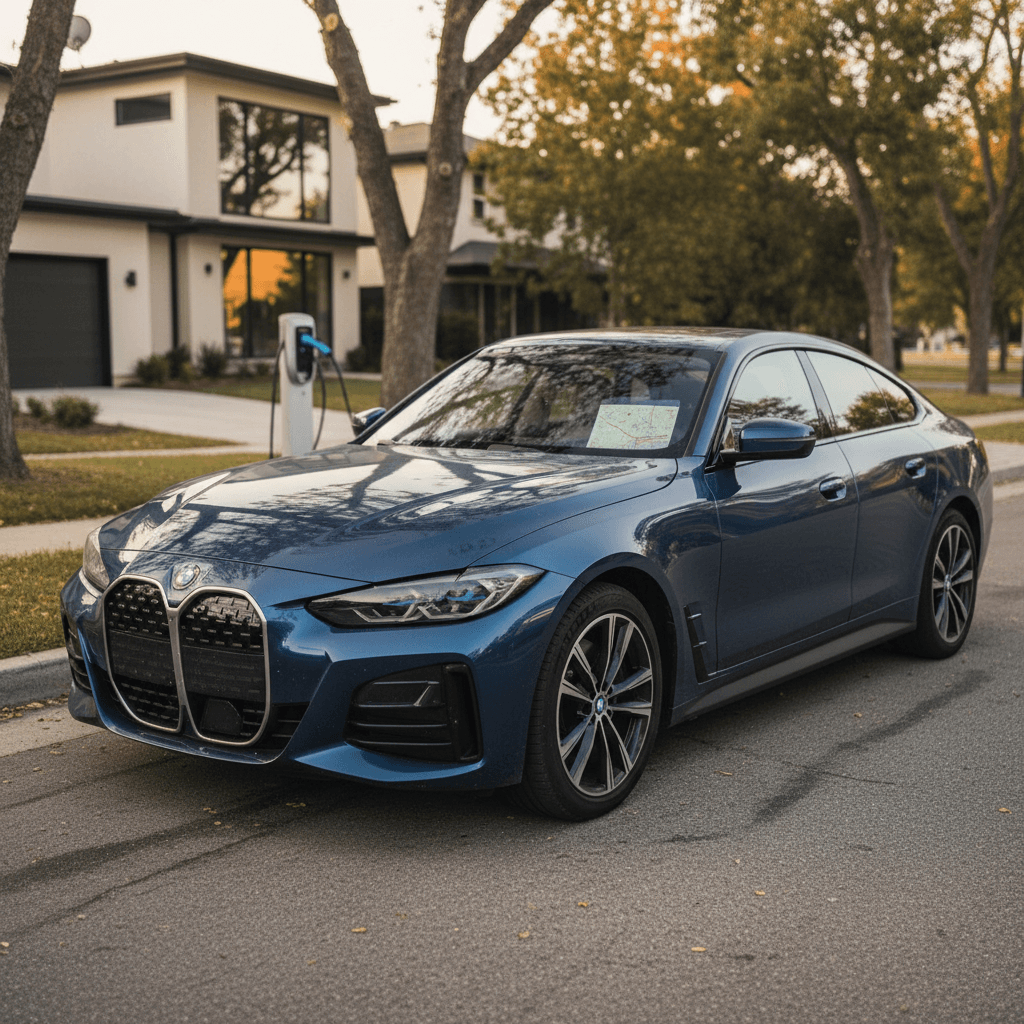
If you’re cross‑shopping a used 2024 BMW i4 against a Tesla Model 3, Polestar 2, or Hyundai Ioniq 6, you’re not alone. The i4 has quietly become one of the most popular luxury EVs in the U.S., and aggressive early depreciation now makes 2024 models compelling on the used market, especially if you care as much about refinement as you do about range numbers.
Big picture
Why the 2024 BMW i4 Is Interesting as a Used EV
BMW i4 market snapshot (early 2026)
From an enthusiast’s perspective, the 2024 i4 stands out because it blends classic BMW chassis tuning with a competitive EV powertrain. It’s not the newest architecture on the market, but that’s partly why it’s interesting used: the big initial hit has already happened, software has matured, and early reliability patterns are clearer.
Trim and spec overview: what you’re actually buying
Most used‑car listings won’t explain BMW’s alphabet soup of trims. If you’re evaluating a used 2024 BMW i4, these are the main versions you’ll see in the U.S. market:
2024 BMW i4 trim overview (U.S.)
Key differences among the main 2024 i4 trims you’ll find used.
| Trim | Drivetrain | Power | Battery (usable) | EPA range (approx.) | DC fast‑charge peak | Character |
|---|---|---|---|---|---|---|
| eDrive35 | RWD | ~281 hp | ≈68.7 kWh | ≈260 mi | Up to 180 kW | Value play; lighter, slightly shorter range and slower charging. |
| eDrive40 | RWD | ~335 hp | ≈81 kWh | ≈301 mi (18" wheels) | Up to 200 kW | Sweet spot; strong range and performance. |
| xDrive40 | AWD | ~396 hp | ≈81 kWh | Mid‑270s mi | Up to 200 kW | All‑weather traction, brisk but not wild. |
| M50 | AWD | ~536 hp | ≈81 kWh | High‑240s to 270 mi | Up to 200 kW | M‑lite rocket; quickest but least efficient. |
Always confirm exact options from the window sticker or build sheet, packages can change the feel of the car more than you’d think.
Trim choice tip
On a used 2024 i4, also pay attention to wheels and packages. Larger 19" or 20" wheels look great but cut into range and comfort, and packages like the Driving Assistance Professional bundle add adaptive cruise and lane‑keeping that materially change the ownership experience, especially on long commutes.
Range and charging: real‑world used i4 experience
Real‑world range expectations
On a healthy battery and efficient tires, you can expect something like:
- eDrive35: ~220–240 miles at 70 mph, more in city driving.
- eDrive40/xDrive40: ~240–270 miles highway, 280+ around town in mild weather.
- M50: often in the 210–240 mile real‑world band if driven enthusiastically.
Cold weather, high speeds, and big wheels can easily shave 15–30% off those numbers, which is true of most EVs in this segment.
Charging experience
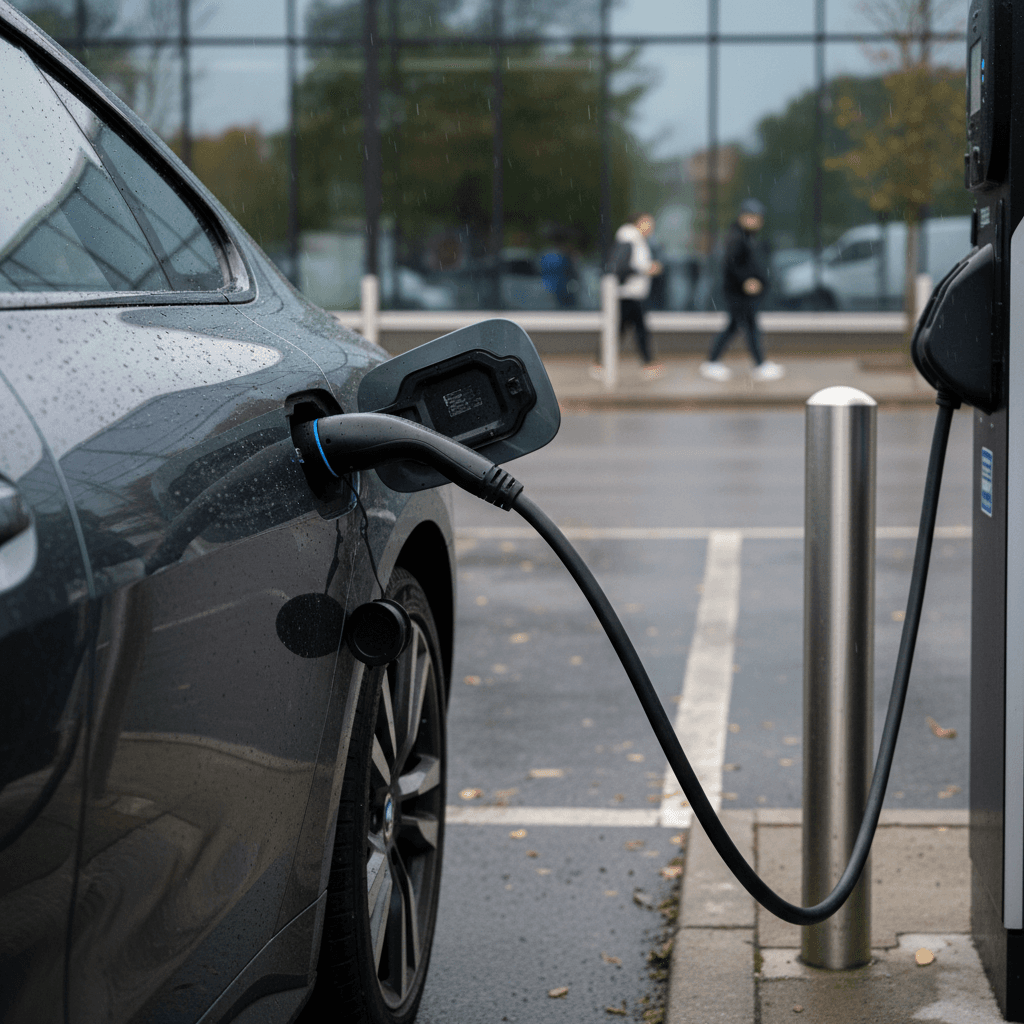
- AC charging: All trims support up to 11 kW Level 2, so a 240V home charger can refill from low to full in roughly 7–9 hours.
- DC fast charging: Most 2024 i4s peak around 200 kW (180 kW for eDrive35) and can add roughly 80–100 miles in about 10 minutes under ideal conditions.
- Road‑trip reality: Expect about 30–40 minutes from 10–80% on a good 150+ kW DC fast charger if the battery is warm.
The charge curve is competitive with Tesla and Hyundai/Kia, though not class‑leading.
Used EV range reality
Driving experience: how it feels compared with Tesla and others
BMW i4 vs typical Tesla Model 3 driving feel
Subjectively, this is where the 2024 i4 earns its keep as a used EV.
Steering & handling
The i4 feels like a modern BMW first, EV second: weighted steering, solid on‑center feel, and a planted chassis. Body control is excellent, especially with adaptive dampers.
Ride & refinement
Compared with a Model 3, the i4 is quieter and more insulated, with less road roar and a more substantial, almost grand‑tourer feel. The trade‑off is extra weight.
Tech & interface
iDrive 8/8.5 is feature‑rich but menu‑heavy. Tesla’s UI is more minimalist; BMW retains more physical controls and a conventional cockpit that many drivers prefer for long stints.
If you’re coming from a traditional BMW, the i4’s familiarity is a feature, not a bug. Seating position, visibility, and basic control layout feel like any other 4 Series Gran Coupe. The learning curve is mostly around charging and range planning, not re‑learning how to drive your car.
Who tends to love the i4
Depreciation and pricing: where used 2024 i4s are landing
Electric BMWs have not been immune to the broader EV price correction. That’s painful for first owners, but a big part of why a used 2024 BMW i4 can be a smart buy in 2026.
Typical used price bands for 2024 BMW i4 (early 2026)
These are directional bands based on major listing sites and Recharged market data; exact pricing will vary by mileage, region, and options.
| Trim & condition | Typical miles | Indicative asking price | Comments |
|---|---|---|---|
| eDrive35, mid‑spec | 10k–25k | High‑$30Ks to low‑$40Ks | Usually the cheapest 2024 i4; still plenty of range for most commuters. |
| eDrive40, well‑optioned | 10k–25k | Low‑ to mid‑$40Ks | Core of the used market; desirable mix of range and power. |
| xDrive40 | 10k–25k | Mid‑$40Ks | AWD premium is modest but real in snow‑belt regions. |
| M50 | 10k–30k | High‑$40Ks to low‑$50Ks | Performance halo model; holds value better, but expect higher tire costs. |
Use these bands as a starting point, then adjust for mileage, packages, and condition.
New vs used math
This is also where Recharged leans on our Recharged Score Report. By combining verified battery health data with live market pricing, we can show whether an individual 2024 i4 is genuinely a good deal or just looks cheap compared with original MSRP.
Battery health and reliability: what we know so far
The 2024 i4 hasn’t been on the road long enough to produce 10‑year war stories, but early data and owner reports are reassuring. Across the fleet, most cars with reasonable mileage are showing minimal usable range loss, especially when charged mainly on Level 2 at home.
Battery & reliability snapshot for a used 2024 i4
What matters to you as a second owner.
Battery warranty
BMW typically backs the high‑voltage battery for 8 years / 100,000 miles (from original in‑service date), with replacement or repair if capacity drops below a specified threshold. On a 2024 i4 sold new in late 2023 or 2024, you could still have 5–7 years of coverage left.
Observed degradation
Real‑world owners commonly report single‑digit percent degradation over the first 20,000–30,000 miles when the car is charged sensibly. Abuse, like constant 100% DC fast charging, can accelerate wear, but that’s the exception, not the rule.
General reliability
Mechanically, the i4 rides on a well‑understood BMW platform. The most common complaints so far are software quirks, occasional infotainment glitches, and typical luxury‑car wear items (tires, brakes, suspension bushings) rather than catastrophic EV‑specific failures.
Why independent battery checks matter
On‑board battery estimates aren’t perfect. That’s why Recharged runs each i4 through a Recharged Score battery health test, using pack telemetry and controlled charge data to give you an apples‑to‑apples health percentage before you commit.
Smart used‑EV move
Known issues, recalls, and quirks
No EV is flawless, and the 2024 i4 is no exception. The good news is that its issues so far are more about refinement than systemic failures, but you should still be aware of a few themes that show up in owner forums and recall bulletins.
- High‑voltage battery recalls on earlier years: Some 2022–2023 i4s were recalled for potential high‑voltage battery defects. Most 2024s are outside the main build windows, but you should still run the VIN through BMW’s recall tool and NHTSA’s database.
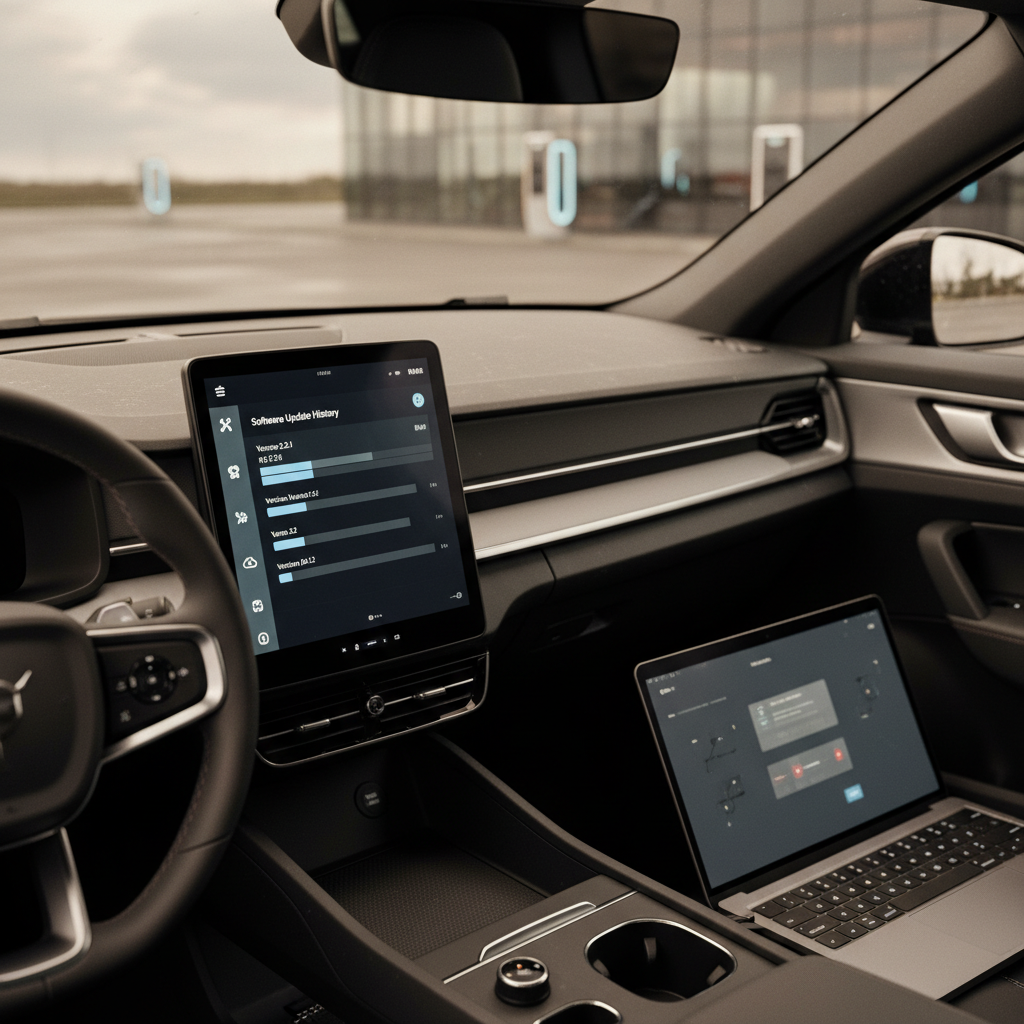
- Software and infotainment glitches: iDrive 8/8.5 occasionally throws error messages or loses CarPlay/Android Auto until rebooted. Most of this is fixable with software updates.
- Range anxiety from aggressive estimates: Like many German EVs, the i4’s range prediction can swing quite a bit based on recent driving, which can spook new owners if they don’t understand how the algorithm works.
- Heavy curb weight: The i4 is a heavy car, which means higher tire wear and, in some cities with rough roads, more stress on suspension components over time.
Do not skip the recall check
Inspection checklist for a used 2024 BMW i4
If you’re evaluating a used 2024 i4 in a driveway or showroom, here’s a structured way to pressure‑test the car beyond the usual "kick the tires" routine.
9 key checks before you commit
1. Verify battery warranty start date
Ask for the original purchase/lease paperwork or a BMW service printout that shows the in‑service date. That’s when the 8‑year / 100,000‑mile battery warranty clock starts.
2. Pull a detailed battery health report
Ideally, get a <strong>Recharged Score Report</strong> or BMW‑level diagnostic that shows state of health (SoH), pack temperature behavior, and fast‑charge history. Be wary of sellers who refuse meaningful battery tests.
3. Confirm software and recall status
Have a BMW dealer or qualified shop confirm that <strong>all campaigns, recalls, and major software updates</strong> have been performed. This can prevent a lot of "gremlins" later.
4. Inspect wheels and tires carefully
Look for inner‑edge tire wear (common on heavy EVs with aggressive alignment) and curb rash on big wheels. Factor in the cost of a quality set of EV‑rated tires if they’re close to worn out.
5. Test DC fast charging if possible
If the seller allows, plug into a public DC fast charger and watch the charge rate. An i4 that refuses to go much above ~50–60 kW on a known‑good station may warrant deeper investigation.
6. Check for uneven panel gaps or paint work
BMW build quality is generally high, but any signs of repainting, misaligned panels, or overspray suggest prior damage. Cross‑check with a vehicle history report.
7. Drive over broken pavement
Listen for clunks, squeaks, or rattles from the suspension and interior. The i4 should feel tight and solid; looseness may indicate hard use or neglected roads.
8. Evaluate driver‑assist systems
On models with Driving Assistance features, test adaptive cruise, lane‑keeping, and parking aids. Malfunctioning sensors can be pricey to diagnose and replace.
9. Confirm charging equipment is included
Make sure the car comes with its <strong>OEM portable charger</strong> (if originally supplied) and that the charge port door operates smoothly. Replacing missing gear adds up fast.
Leverage a third‑party inspection
How the 2024 i4 compares to alternative used EVs
A review of the 2024 BMW i4 as a used car isn’t complete without putting it in context. At similar money, you’re probably also looking at a Tesla Model 3, Polestar 2, Hyundai Ioniq 6, or maybe a used Mercedes‑Benz EQE.
2024 BMW i4 vs common used‑EV alternatives
High‑level view for shoppers deciding where to land.
Tesla Model 3
- Pros: Class‑leading charging network, efficiency, and over‑the‑air software polish.
- Cons: Harsher ride, noisier cabin, more minimal interior; build quality can vary.
- Best for: Road‑trip warriors who value the Supercharger ecosystem above all.
Hyundai Ioniq 6 / Kia EV6
- Pros: Ultra‑fast 800V charging, very efficient, generous equipment.
- Cons: Less traditional luxury feel, some owners report frustrating software UX.
- Best for: Drivers who want the quickest possible charge stops and don’t care about badges.
Mercedes EQE / Polestar 2
- Pros: Strong safety tech, high‑quality cabins.
- Cons: Heavier, often pricier than i4 for similar spec; charging performance can lag.
- Best for: Brand‑loyal luxury buyers prioritizing ambiance over outright efficiency.
Relative to this set, a used 2024 i4 positions itself as the driver’s EV that still does the daily‑driver and road‑trip things well. It doesn’t dominate every spec sheet column, but it rarely feels like a compromise where it counts, ride, refinement, and overall usability.
So, should you buy a used 2024 BMW i4?
If your priorities skew toward luxury, refinement, and familiar BMW driving manners, a used 2024 BMW i4 is one of the more compelling EVs you can buy in 2026. Early depreciation has taken the sting out of new‑car pricing, battery health so far looks solid, and you still benefit from years of remaining factory warranty. The caveats are manageable: know your trim and wheel setup, get real battery data, and budget realistically for tires and potential software visits.
Where Recharged fits into that picture is simple: every i4 we list comes with a Recharged Score Report covering battery health, range expectations, and fair‑market pricing, plus expert EV support if you’re trading in or financing. Whether you end up in a 2024 i4 eDrive40, an all‑weather xDrive40, or a wild M50, the goal is the same, give you enough transparency that "used luxury EV" feels like an opportunity, not a gamble.