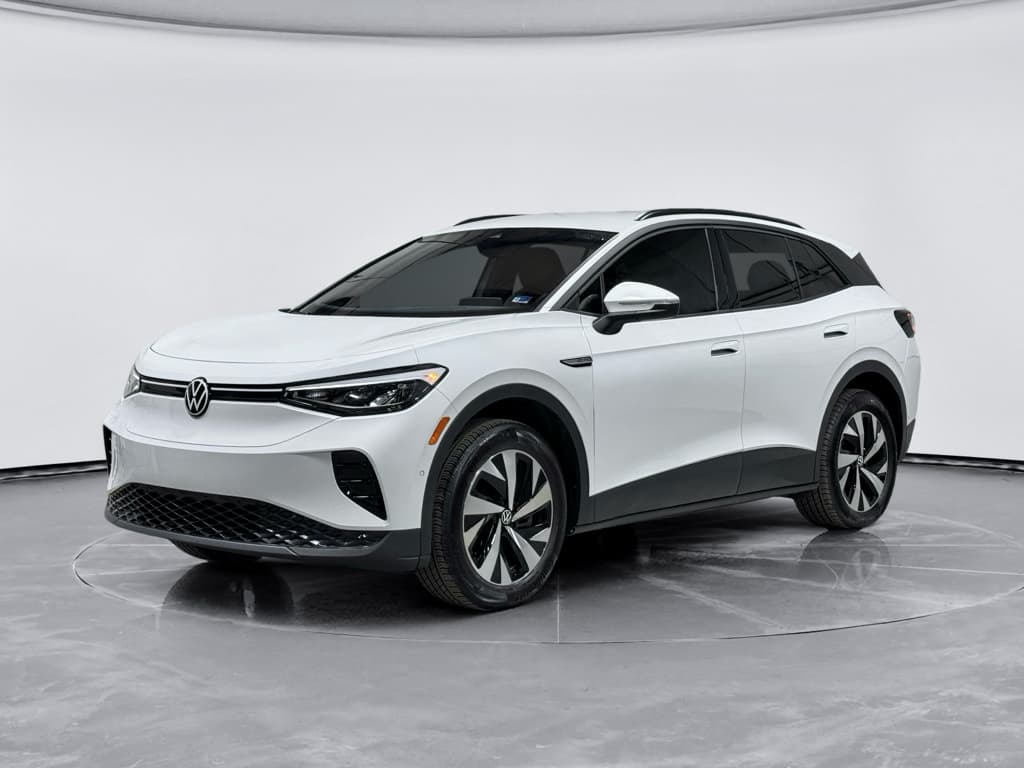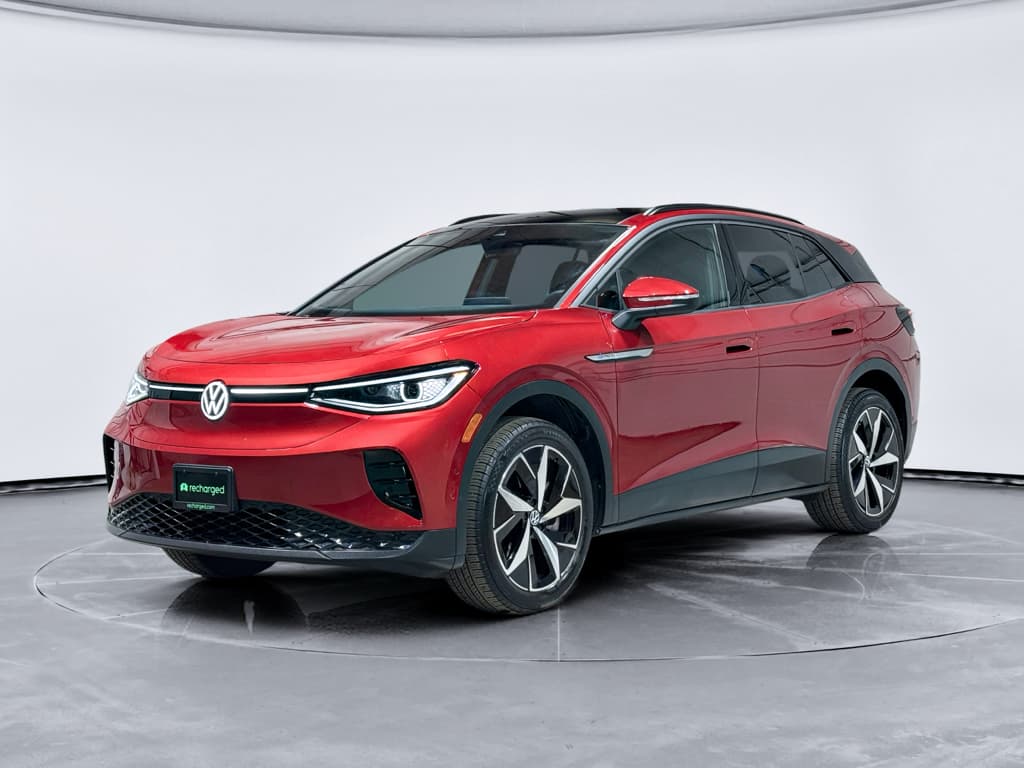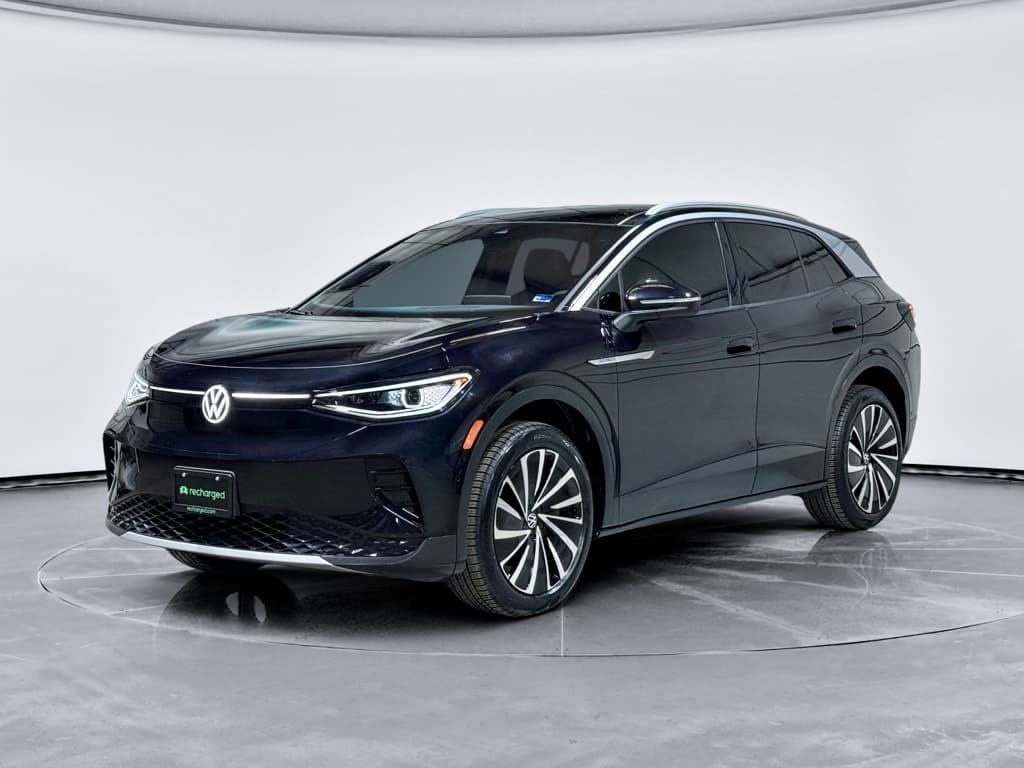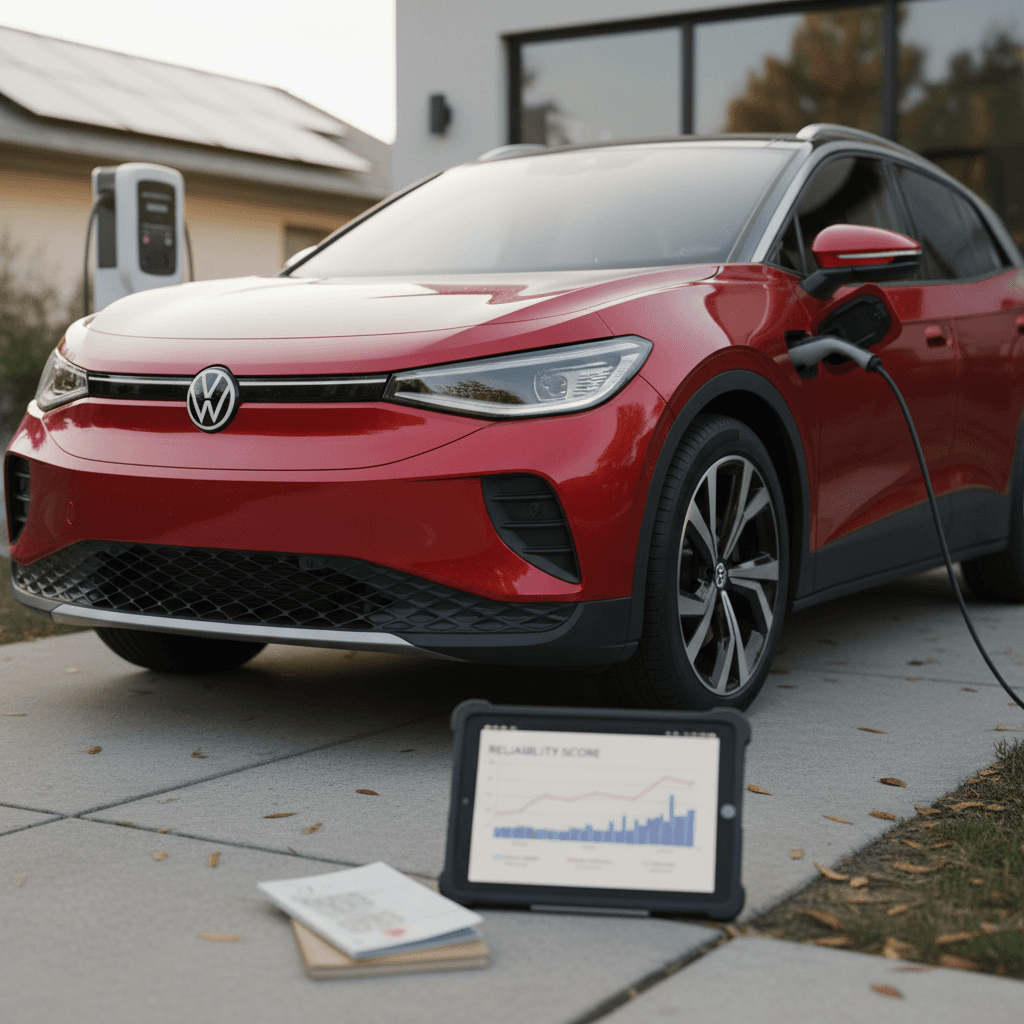
If you’re eyeing a 2023 Volkswagen ID.4, you’ve probably heard mixed things about reliability. Some owners love theirs and report trouble‑free miles; others talk about software gremlins, recalls, and charging headaches. This guide pulls together owner feedback, recall history, and what we see in the used market to give you a clear, honest picture of 2023 VW ID.4 reliability, and how to shop one smartly.
Big Picture on 2023 ID.4 Reliability
Overview: How Reliable is the 2023 VW ID.4?
2023 VW ID.4 at a Glance
Zoomed out, the 2023 ID.4 lands in the middle of the EV pack. Owner‑reported reliability is better than early ID.4 model years, but still behind the most robust electric SUVs. Consumer outlets have flagged the 2023 ID.4 as a used vehicle to approach with caution due to ongoing recalls and software issues, while individual owners range from "zero issues" to "never again." That spread makes doing your homework, especially on a used example, absolutely critical.
Used Car “To Avoid” – Context Matters
Owner Reviews & Survey Data
Owner reviews give a more nuanced picture than a single reliability score. On Kelley Blue Book, the 2023 ID.4 averages about 4.0 out of 5 stars across a couple dozen reviews, with 88% of owners saying they’d recommend it. Many praise the quiet ride, interior comfort, and value versus Tesla or premium competitors. At the same time, threads in owner forums and social communities report recurring frustrations with infotainment glitches, dealer wait times for parts, and intermittent charging or HVAC issues.
- Happy‑owner camp: smooth, quiet, efficient daily driver with minimal issues beyond an occasional software update or minor rattle.
- Frustrated‑owner camp: multiple recalls, infotainment freezes or app failures, A/C or charger hardware faults, and slow dealer repairs.
- Most common theme: when the ID.4 is working correctly, it feels like a refined, comfortable EV; when something goes wrong, it can be annoying to diagnose and fix.
How to Read Mixed Reliability Signals
Common 2023 ID.4 Problems to Know About
Patterns in owner reports, technical service bulletins, and lemon‑law cases point to a handful of recurring 2023 ID.4 trouble spots. You won’t see every issue on every car, but these are the systems you want to pay closest attention to when test‑driving and reviewing records.
Most-Reported 2023 ID.4 Problem Areas
Focus your pre‑purchase inspection on these systems
Body & Hardware
- Electronic door handles vulnerable to water ingress (leading to recalls).
- Squeaks, rattles, and occasional trim or steering‑wheel covering wear.
- Seat control quirks, including uncommanded reclining in rare cases.
Climate & HVAC
- A/C not cooling properly due to refrigerant leaks or component faults.
- Blower or climate control noises that are more annoying than harmful.
- Sometimes long dealer lead times for parts in hot climates.
Electrical & Software
- Infotainment screen freezes or reboots mid‑drive.
- Inconsistent behavior from the companion app (remote features, status).
- Warning lights or alarms tied to software bugs rather than hardware failures.
Charging System
- Inconsistent DC fast‑charging speeds or failure to initiate charging.
- Home charging errors after certain software updates.
- Occasional charge‑port latch or connector problems requiring replacement.
12V & High-Voltage Batteries
- Premature 12V battery failures leading to no‑start situations.
- Small subset of high‑voltage packs with cell defects or fire‑risk recalls.
- Most owners still report modest long‑term degradation under normal use.
Driver Assistance & Warnings
- Random emergency‑braking or lane‑keeping interventions in edge cases.
- Annoying chimes or alerts that are hard to shut off.
- Gear‑indicator software bug creating roll‑away risk before recall fix.
Watch for Electrical System Failures
Recalls Affecting the 2023 VW ID.4
Recalls are a big part of why the 2023 ID.4 has a complicated reliability reputation. On the plus side, recalls are fixes you want a previous owner to complete, they’re free and directly address known defects. On the downside, the number and seriousness of ID.4 recalls means you can’t skip this step when you’re vetting a car.
Key Recalls Touching 2023 ID.4 Models
Always verify campaigns on the VIN through NHTSA or Volkswagen before you buy.
| Issue | Model Years Affected | Risk | Typical Fix |
|---|---|---|---|
| High‑voltage battery fire risk (cell defects / software) | 2023–2025 ID.4 | Thermal event or fire during or after charging | Battery software update; in some cases module or full pack replacement |
| Battery module electrode misalignment (fire risk subset) | 2023–2024 ID.4 | Localized cell overheating and potential fire | Module inspection and replacement; temporary limits on charging until fixed |
| Gear indicator / roll‑away risk | 2021–2023 ID.4 | Driver may not realize gear selection, increasing roll‑away risk | Brake control unit software update to properly display “N” and gear state |
| Door handle water ingress | Primarily 2021–2023 ID.4 | Doors may unlock or open unexpectedly after water intrusion | Replacement or sealing of electronic door‑handle components |
| Various software/imaging campaigns | Multiple model years including 2023 | Glitches in displays, rear camera, and warning systems | Control‑unit software updates at dealer or over‑the‑air |
This is not an exhaustive list, but it covers the recalls most relevant to reliability and safety for 2023 ID.4s.
If a 2023 ID.4 Is Under a Battery Fire Recall
At Recharged, every ID.4 we list goes through a VIN‑level recall check, and any open safety recall is either completed before sale or clearly disclosed with a plan for resolution. That’s the level of diligence you want regardless of where you shop.
Battery Life & Degradation on the 2023 ID.4
For many EV shoppers, long‑term battery health matters more than squeaky trim or finicky infotainment. The good news is that, across Volkswagen’s MEB platform (ID.3, ID.4 and siblings), long‑term testing and owner data generally show modest degradation when the car is used and charged reasonably.
What Real‑World Data Suggests
- Most ID.4 owners who track range report single‑digit to low‑teens percent loss after tens of thousands of miles.
- Major sudden losses are usually linked to defective modules, these are the rare cases that show up in recall campaigns or warranty replacements.
- Extreme heat, repeated DC fast‑charging to 100%, or habitually parking at full charge can accelerate wear and hurt resale value.
Battery Habits That Protect Your 2023 ID.4
When you’re buying used, the hardest part is that you can’t see degradation on a spec sheet. This is where a dedicated battery‑health test really matters. Recharged’s Recharged Score Report uses diagnostics to measure pack health and flag any unusual degradation or fault codes so you’re not guessing about the most expensive component on the car.
Software & Infotainment Reliability
If the 2023 ID.4 has an Achilles’ heel, it’s software. Owners frequently report frozen or laggy infotainment screens, glitchy Bluetooth, odd driver‑assistance behavior, and a mobile app that feels half‑finished. Many of these issues don’t strand you, but they do erode confidence and can take multiple software updates to fully resolve.
What Owners Commonly Report
- Center screen locking up, then rebooting while driving.
- Navigation or CarPlay/Android Auto cutting out unexpectedly.
- Random warning messages that disappear on the next drive.
- App unable to complete over‑the‑air updates reliably.
How to Judge a Used Car’s Software Health
- Check the software version in the settings and confirm it’s up to date.
- Ask for documentation of any software‑related recalls or TSBs.
- Spend time on the test drive trying navigation, voice commands, and driver‑assist features.
- If possible, pair your phone and make sure the app sees the car correctly.
The Upside of Software Issues
Charging Reliability: Home & Fast Charging
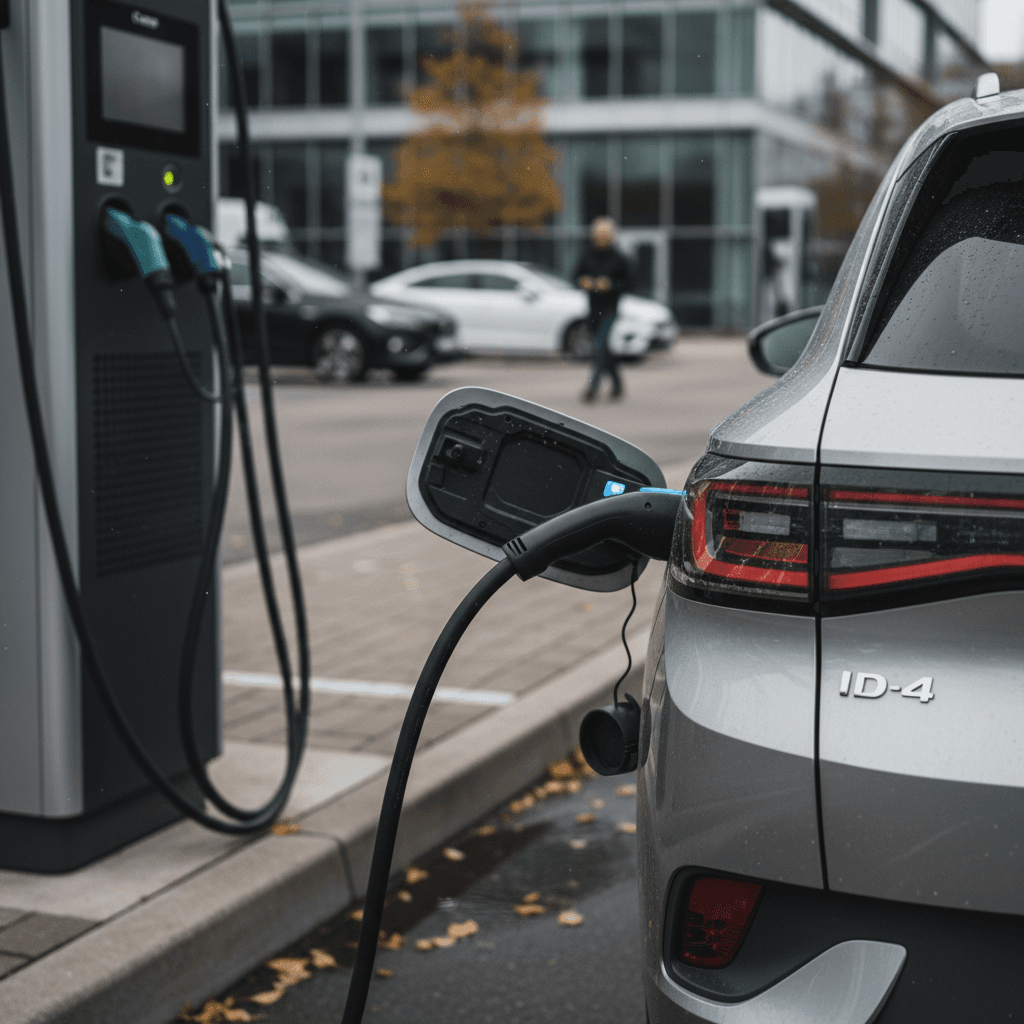
Charging is another reliability hot spot. Most 2023 ID.4 owners report routine, drama‑free home charging, but a noticeable minority encounter failures to charge, inconsistent DC fast‑charge speeds, or charge‑port hardware problems. Because your entire EV experience depends on predictable charging, this is an area to test thoroughly.
Charging Reliability Checklist for a 2023 ID.4
Things to test before you buy
Home & Level 2
- Ask how the previous owner charged (Level 1 vs Level 2 vs DC fast).
- Confirm the car reliably starts and stops a session without errors.
- Listen for unusual fans or noises during charging.
DC Fast Charging
- On a test, plug into a reputable fast‑charge network if possible.
- Watch that the ID.4 ramps up to reasonable speeds for its state of charge.
- Check for any warning lights or messages during the session.
Charge Port Hardware
- Inspect the charge‑port door for damage or misalignment.
- Make sure the connector latches firmly and releases smoothly.
- Ask if the charge‑port lock or modules have ever been replaced under warranty.
Use Charging History as a Clue
How 2023 ID.4 Reliability Compares to Other EVs
Compared with other mainstream electric crossovers, think Hyundai Ioniq 5, Kia EV6, Tesla Model Y, and Nissan Ariya, the 2023 ID.4 sits in the middle of the reliability pack. It’s generally more sorted than early‑build ID.4s, but it still trails the class leaders when it comes to software polish and recall count.
Where the 2023 ID.4 Does Well
- Simpler, less exotic powertrain than some dual‑motor performance EVs.
- Battery packs that, when healthy, show modest degradation over time.
- Comfort‑oriented tuning that’s easy on suspension and tires.
- Competitive 8‑year/100,000‑mile battery warranty.
Where It Lags Rivals
- More recalls and software campaigns than the class average.
- Infotainment and app experience feel behind Tesla and Hyundai/Kia.
- Dealer EV expertise is inconsistent, which can stretch repair times.
- Some early production 2023s were caught up in stop‑sale and recall waves.
Think in Terms of Risk, Not Perfection
Buying a Used 2023 ID.4: Reliability Checklist
If you approach the 2023 ID.4 like any other used EV, with a structured inspection and a battery‑first mindset, you can dramatically improve your odds of landing a good one. Use this checklist as a starting point, then add any personal must‑haves.
Pre‑Purchase Reliability Checklist for a 2023 VW ID.4
1. Pull a Full VIN History & Recall Report
Run the VIN through NHTSA and Volkswagen to confirm <strong>all open recalls</strong>, especially battery, gear‑indicator, and door‑handle campaigns. Ask for dealer invoices showing completed work.
2. Verify Software & Control‑Unit Updates
Have the seller or dealer print a <strong>campaign/TSB summary</strong>. On the test drive, dig through the menus to confirm the car is on a current software version and that key features (camera, navigation, driver‑assist) work smoothly.
3. Get an EV‑Specific Battery Health Assessment
Request a professional scan of the high‑voltage battery to check state of health, error codes, and charge behavior. A <strong>Recharged Score Report</strong> does exactly this, giving you objective insight into the biggest cost item on the car.
4. Inspect Charging Equipment & Test on Real Hardware
If the car includes a portable charger, inspect it for damage. On your test, plug into a Level 2 station and, if feasible, a DC fast charger to confirm reliable operation without faults.
5. Listen for Noises & Check Trim
On rough roads and over speed bumps, listen for squeaks, rattles, and suspension clunks. Inspect door handles, steering‑wheel trim, and seat controls for wear, damage, or odd behavior.
6. Evaluate Dealer Support Options
Before you buy, check which local VW dealers are <strong>EV‑certified</strong> and read reviews specifically about ID.4 service. A nearby, competent service department can offset a lot of the pain if you do run into an issue.
How Recharged De‑Risks a Used 2023 ID.4
Ready to find your next EV?
Browse VehiclesWhen a 2023 ID.4 Is (and Isn’t) a Good Buy
Because reliability is a spectrum, not a yes/no label, the real question is when a 2023 ID.4 makes sense for you. The answer depends on how you drive, your tolerance for the occasional software hiccup, and how much of a discount you’re getting versus newer or more highly rated EVs.
Good Fit For
- Drivers who value comfort, space, and a familiar SUV feel more than cutting‑edge tech.
- Owners with access to Level 2 home charging and a nearby VW dealer with EV experience.
- Shoppers who find a 2023 ID.4 that’s had all recalls performed, is on current software, and passes a thorough battery‑health check.
- Value‑seekers who’d rather buy a slightly more complex EV at a discount than pay a premium for a newer nameplate.
Poor Fit For
- Buyers who want “set it and forget it” appliance‑level reliability and dread any dealer visits.
- Drivers who rely heavily on DC fast charging in extreme heat, which adds stress to an already complex system.
- Shoppers unwilling to spend time confirming software updates, recalls, and charging behavior before purchase.
- Anyone who can get a similar‑size EV with a stronger track record for not much more money.
In short, the 2023 VW ID.4 can be a perfectly solid, comfortable electric SUV, if you find the right example and go in with eyes open about its recall and software history. Use the tools available to you, from VIN checks to battery diagnostics, and don’t be afraid to walk away from cars with incomplete records or unresolved electrical issues. If you’d rather have that homework done for you, browsing ID.4s on Recharged is a straightforward way to start with vehicles that have already been vetted for battery health, pricing, and major reliability red flags.