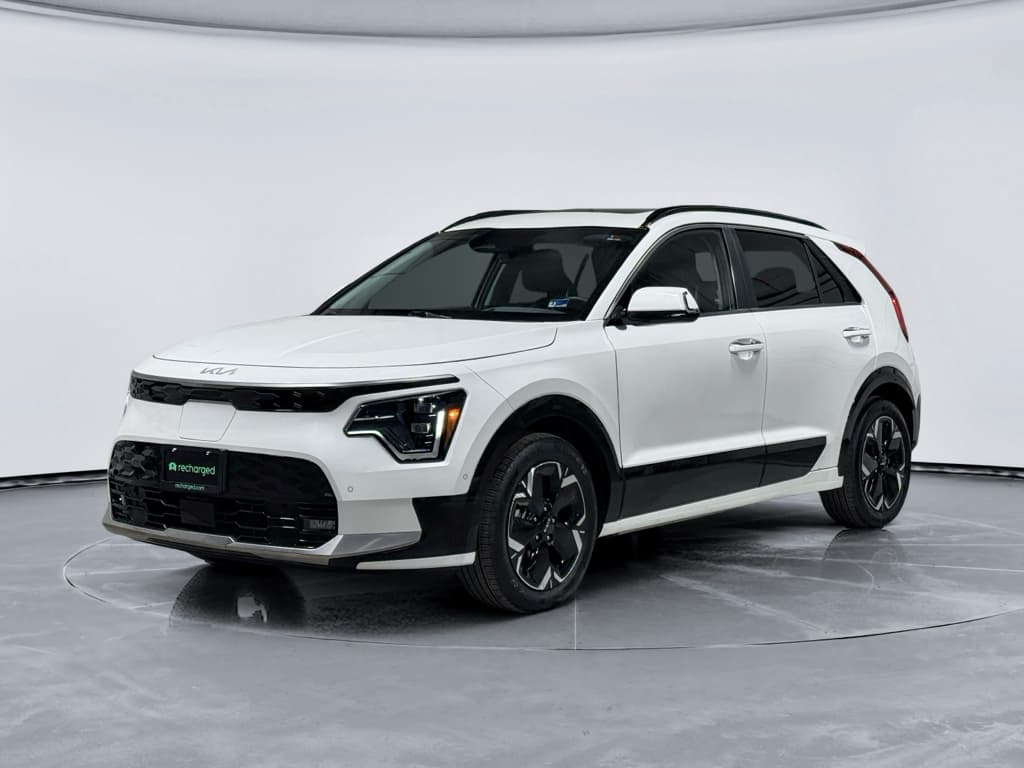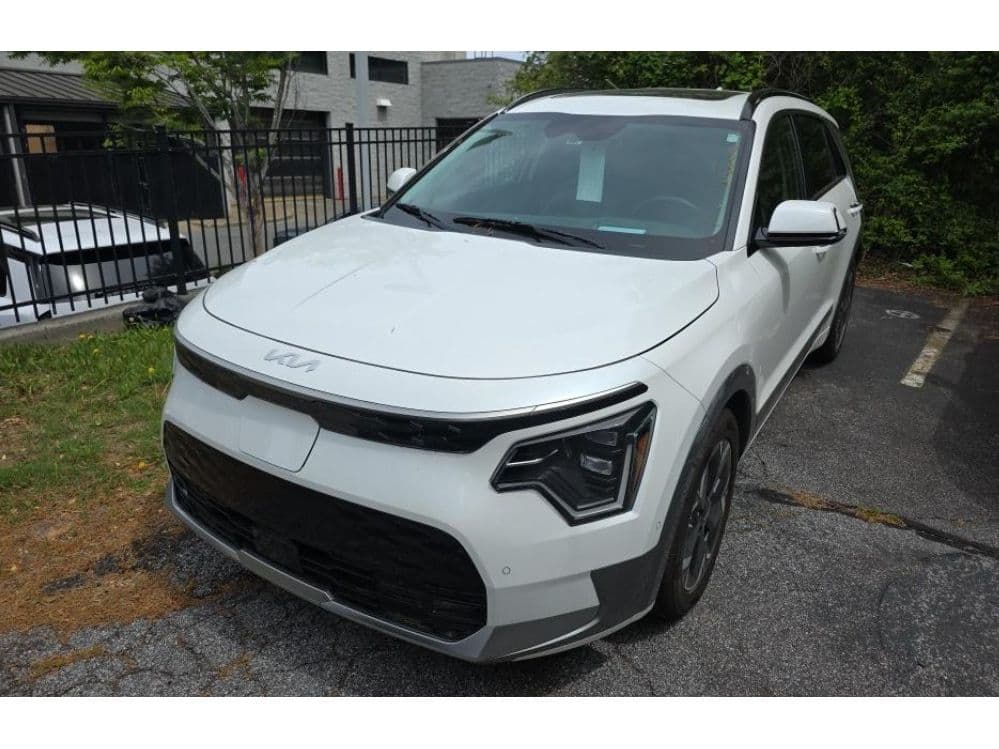
If you’re looking at a 2023 Kia Niro EV, especially on the used market, you’re probably wondering what real owners are dealing with. The good news is that outright failures are still relatively rare for this redesigned model. The flip side is that some specific 2023 Kia Niro EV problems have shown up often enough that you’ll want to know about them before you sign anything.
Quick take
Overview: How Reliable Is the 2023 Kia Niro EV?
The 2023 Niro EV is the first model year of the second-generation Niro, riding on an updated platform with a 64.8 kWh battery and an EPA-rated 253 miles of range. As a fresh redesign, it doesn’t yet have the long track record of older EVs, but early owner data suggests average to slightly above-average reliability so far, tempered by a few repeating problem patterns you shouldn’t ignore.
2023 Kia Niro EV Early-Ownership Snapshot*
How to judge reliability on a new-ish EV
The Biggest 2023 Niro EV Problems at a Glance
Most Common 2023 Kia Niro EV Problems
Not every car will have these issues, but these are the themes that keep showing up in owner reports and service bulletins.
1. Level 2 charging interruptions
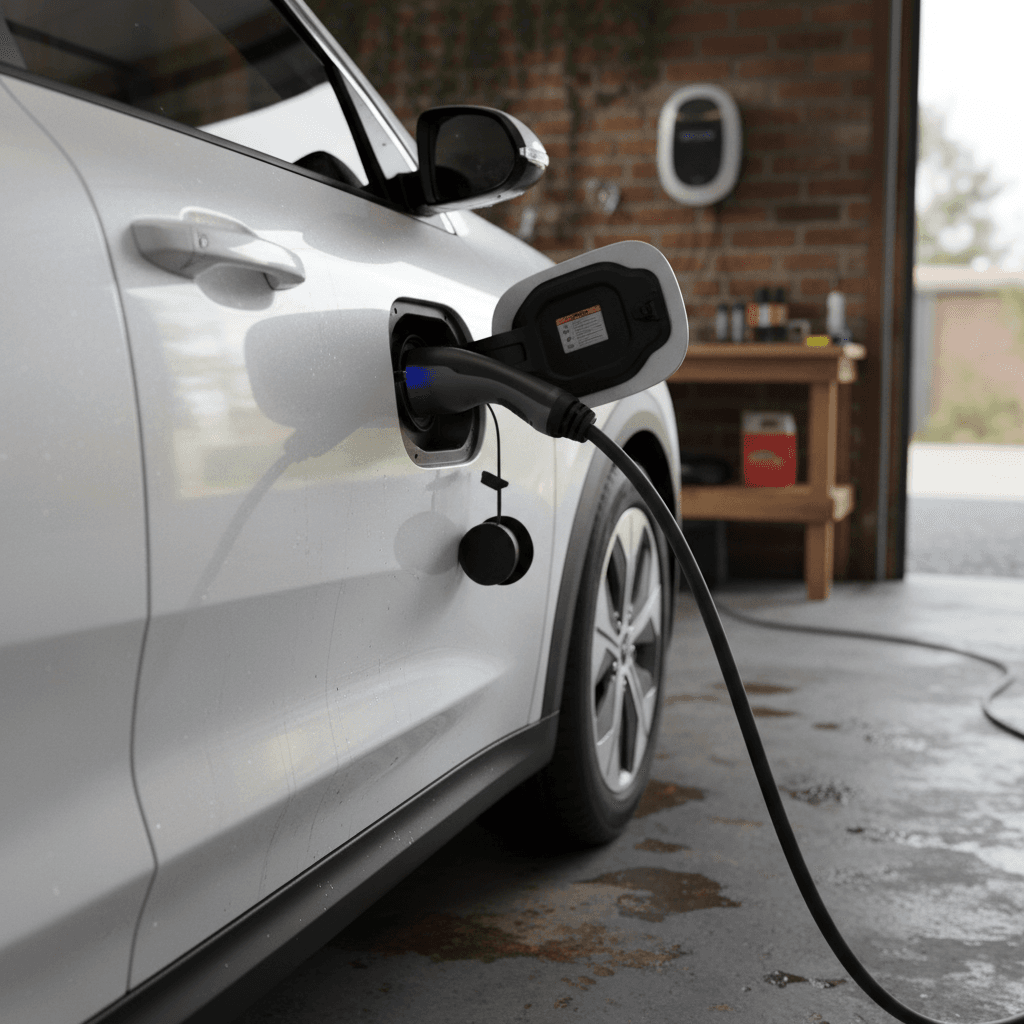
Some owners report the car stopping Level 2 charging mid-session, especially at higher amp settings. In a few cases the charge port is suspected of overheating and shutting down. DC fast charging often still works when this happens.
2. DC fast charging quirks
On DC fast chargers, a few drivers see slower-than-expected speeds (around 30 kW) or trouble initiating a session. Sometimes this is charger-related, but in other cases Kia has issued software updates to improve behavior.
3. Drive-shaft recall
A 2024 recall covers some 2023–2024 Niro EVs for a potentially improperly heat-treated drive shaft that can break and cause loss of motive power. The fix is a free replacement drive shaft at the dealer.
4. Infotainment & screen issues
Multiple owners report frozen or unresponsive touchscreens, especially along one edge, plus random reboots or Bluetooth dropouts. In stubborn cases, dealers have replaced the entire screen assembly under warranty.
5. Driver-assistance glitches
Forward camera–based systems, lane-keeping, high-beam assist, forward collision warning, can throw temporarily disabled errors, especially in poor visibility or if the windshield area around the camera is obscured.
6. HVAC and noise complaints
Some owners notice climate control blowing cold unexpectedly, window fogging, or a high-pitched whine from the HVAC system. A subset also report general road noise or drivetrain whine that feels excessive for a modern EV.
Remember: problem lists can be misleading
Drivetrain and Safety Recalls on the 2023 Niro EV
The headline safety issue for the 2023 Niro EV so far is a drive-shaft recall that also affects some 2024 models. Kia found that certain shafts may have been improperly heat-treated, which could allow the shaft to break under load and cause a sudden loss of motive power.
- Affected vehicles: 2023–2024 Kia Niro EVs built during specific production windows (your dealer or the NHTSA site can confirm by VIN).
- Risk: If the shaft fails, you could suddenly lose drive power, which is especially dangerous at highway speeds.
- Remedy: Dealers replace the affected drive shaft(s) with properly heat-treated parts at no cost to you.
Must-do for any Niro EV shopper
Beyond the drive-shaft campaign, recall activity on the 2023 Niro EV has been limited so far. That’s typical for a low-volume EV, but keep in mind that new issues can surface as more miles accumulate. When you’re shopping used, always treat recall status as a living snapshot, not a one-time check.
Charging Problems: Level 2, DC Fast Charging and Overheating
Charging problems are among the most widely discussed 2023 Kia Niro EV problems. They range from minor annoyances, like the car ending a charging session a bit early, to more serious patterns such as repeated Level 2 failures or suspected overheating at the charge port.
Level 2 charging interruptions
Owner reports and forum threads describe 2023 Niro EVs that:
- Start fine on a Level 2 charger, then stop abruptly mid-session.
- Charge reliably on some stations, but not others, especially at higher amp settings like 40–50A.
- Throw vague error messages or simply show “charging stopped” in the Kia app.
In some cases, reducing the charger’s maximum amperage improves reliability, which points to the car’s onboard AC charger or charge port running hotter than it should. Kia has quietly updated software on some cars, and hardware repairs are covered under warranty when a fault can be reproduced.
DC fast charging quirks & slow speeds
On DC fast chargers, the Niro EV should peak around 85 kW under ideal conditions. A subset of owners instead report:
- Sessions that get stuck around 25–35 kW even at low state of charge.
- Inconsistent initiation, needing several plug-in attempts or restarts.
- Stations that work fine with other EVs but frustrate the Niro.
Fast-charging speeds are sensitive to battery temperature, state of charge, and the station itself, so not every “slow” session means the car is at fault. But repeated low-speed sessions on multiple stations can indicate a software calibration issue or a problem with the battery’s thermal management that’s worth having documented under warranty.
How to spot a problem on a test drive
A smaller but important group of owners also report suspected charge-port overheating, where the car pauses charging at relatively low states of charge and sends an overheating notification. If the dealer shrugs this off, insist that they log a case with Kia and test the vehicle on multiple chargers. For a used car, treat repeated overheating shutoffs as a red flag until there’s a clear, documented fix.
Software, Infotainment and Driver-Assist Glitches
Like most modern EVs, the 2023 Niro EV leans heavily on software, for its dual screens, navigation, apps, and driver-assistance systems. When that software misbehaves, it doesn’t strand you like a mechanical fault can, but it can make daily driving annoying.
Common Digital Quirks Reported by Niro EV Owners
Most of these are fixable under warranty or via software updates, but they’re worth testing yourself.
Unresponsive touch areas
Some owners report portions of the touchscreen, often an inch or two along one side, ignore taps or freeze. In documented cases, Kia dealers have replaced the entire screen assembly under warranty.
Bluetooth drops & audio bugs
Random Bluetooth disconnects, skipping audio, or lag between track changes and playback show up in owner stories. These are often improved by firmware updates but can be stubborn until a dealer gets involved.
Driver-assist camera errors
Forward camera–based features (lane keeping, forward collision avoidance, high-beam assist) can throw a cascade of “temporarily disabled” warnings, especially if the area near the rearview mirror is fogged, dirty, or blocked.
Simple checks before blaming the car
The key with software is persistence. A one-off Bluetooth hiccup isn’t a big deal. A screen section that’s been dead since day one, and requires the whole dash to be disassembled for replacement, is a different story. When you’re shopping used, spend real time playing with the infotainment system, driver assists, and Kia’s app connectivity before you buy.
Climate Control, Cabin Noise and Other Annoyances
Not every issue is a failure. Some are simply traits of the 2023 Niro EV that certain owners don’t love. These are the kinds of things you only discover after a long drive on the highway or a cold morning with the family in the back seat.
- HVAC blowing cold unexpectedly: A few owners report the climate control suddenly sending cool air for several minutes despite a warm set temperature, sometimes fogging rear windows. This can be related to heat-pump behavior or sensor quirks.
- Whining or whooshing from the climate system: At highway speeds with the radio off, some hear a faint high-pitched whine from the HVAC. It’s not dangerous, but it can be grating if you’re sensitive to noise.
- Road and wind noise: Relative to heavier EVs like a Tesla Model Y, the Niro EV’s compact platform and tire choices mean a bit more tire and wind noise on coarse pavement. It’s not unusual for the segment, but don’t expect vault-like silence.
Test it like you’ll use it
Battery Health, Warranty Coverage and Long-Term Durability
Battery degradation horror stories circulate for every EV, but so far the 2023 Niro EV hasn’t developed a widespread reputation for rapid loss of capacity. The pack is mid-sized by modern standards, and Kia typically backs its EV batteries for 10 years or 100,000 miles, which helps take some of the sting out of early-life issues.
What we’re seeing so far
- Isolated cases of early battery faults do exist, such as cars that shut down or throw high-voltage system errors at very low mileage. These are rare but serious when they occur.
- Most 2023 Niro EV owners reporting online describe normal range and no measurable degradation in the first couple of years.
- The bigger concern today is charging behavior, ports overheating, Level 2 failures, or software that limits DC fast-charge performance.
How Kia’s warranty fits in
- Battery and electric drive components are typically covered for 10 years/100,000 miles (verify exact terms for your car and region).
- Charging hardware like the onboard charger and charge port is covered under the broader EV component warranty.
- If you see repeated charging faults or battery errors, get them documented with a Kia dealer early, don’t wait until you’re near the end of coverage.
Where Recharged comes in
Ready to find your next EV?
Browse VehiclesUsed 2023 Kia Niro EV: What to Check Before You Buy
If you like the Niro EV’s size, efficiency and packaging, and many shoppers do, the next step is to separate the solid examples from the headaches. Here’s a focused checklist you can bring to any test drive or pre-purchase inspection.
Pre-Purchase Checklist for a 2023 Kia Niro EV
1. Run the VIN for recalls and campaigns
Look up the VIN on the federal recall site and ask for a dealer service printout. Confirm the drive-shaft recall and any software campaigns have been performed, or get in writing that they’ll be done before delivery.
2. Test Level 2 charging on a real charger
If possible, plug the car into a 32–40A Level 2 station and watch a full 20–30 minute session. You’re looking for stable charging power with no unexpected shutoffs or overheating warnings.
3. Sample a DC fast charge
Visit a known-good DC fast charger, start a session around 20–40% state of charge, and watch the numbers. It doesn’t need to max out, but it should ramp up cleanly and hold reasonable power without repeated errors.
4. Exercise the entire touchscreen
Open maps, media, settings and vehicle menus. Tap around every edge of the screen to confirm there are no dead zones or laggy sections. Try Bluetooth pairing and a wired phone connection if available.
5. Check driver-assist behavior
On a clear day, test lane-keeping, adaptive cruise and forward collision warning. Make sure the car doesn’t constantly disable these systems or flash warnings without an obvious reason like fog or dirt on the glass.
6. Listen for HVAC and cabin noises
With climate set where you like it, drive at city and highway speeds with the stereo low. Note any loud whines, rattles or whooshing that would bother you on a long trip.
7. Review battery and charging history
Ask for any service records related to the battery or charging system. Frequent visits for “unable to charge” or repeated software reflashes could signal a problem child unless there’s clear documentation of a permanent fix.
When a 2023 Niro EV Is a Smart Buy, and When to Walk Away
The 2023 Kia Niro EV hits a sweet spot for a lot of buyers: compact footprint, excellent efficiency, usable real-world range, and a cabin that feels more premium than many budget EVs. The problems we’ve talked about don’t automatically make it a bad choice, but they do change how carefully you need to shop.
Signs you’ve found a strong candidate
- Clean recall history with completed drive-shaft repair and up-to-date software.
- Stable Level 2 and DC fast charging on multiple stations with no overheating or unexplained dropouts.
- Responsive touchscreen, no persistent warning lights, and driver-assist systems that behave predictably.
- Service records that show routine maintenance and minimal unsolved complaints.
Red flags that should make you hesitate
- Seller can’t or won’t provide recall and service documentation.
- Repeated charging interruptions, especially on different chargers, or any hint of high-voltage battery faults.
- Infotainment hardware issues that the dealer hasn’t been able to resolve, like dead zones on the screen.
- Multiple visits for the same unresolved complaint, with vague explanations and no clear fix.
Price should match the story
If you like what the 2023 Niro EV offers, you don’t have to let internet horror stories scare you off, but you do need to be systematic. Focus on charging behavior, recall status, and the health of the infotainment and driver-assist tech. If you’d rather have those checks done for you, a platform like Recharged can be a shortcut: every EV we list comes with a Recharged Score report, verified battery health, fair-market pricing, and EV-specialist guidance from your first question to delivery. However you shop, go in with clear eyes, and a 2023 Niro EV can be a smart, efficient addition to your garage.
FAQ: 2023 Kia Niro EV Problems
Frequently Asked Questions About 2023 Kia Niro EV Problems
“A good used EV isn’t just the right model, it’s the right individual car with a clean, well-documented history.”