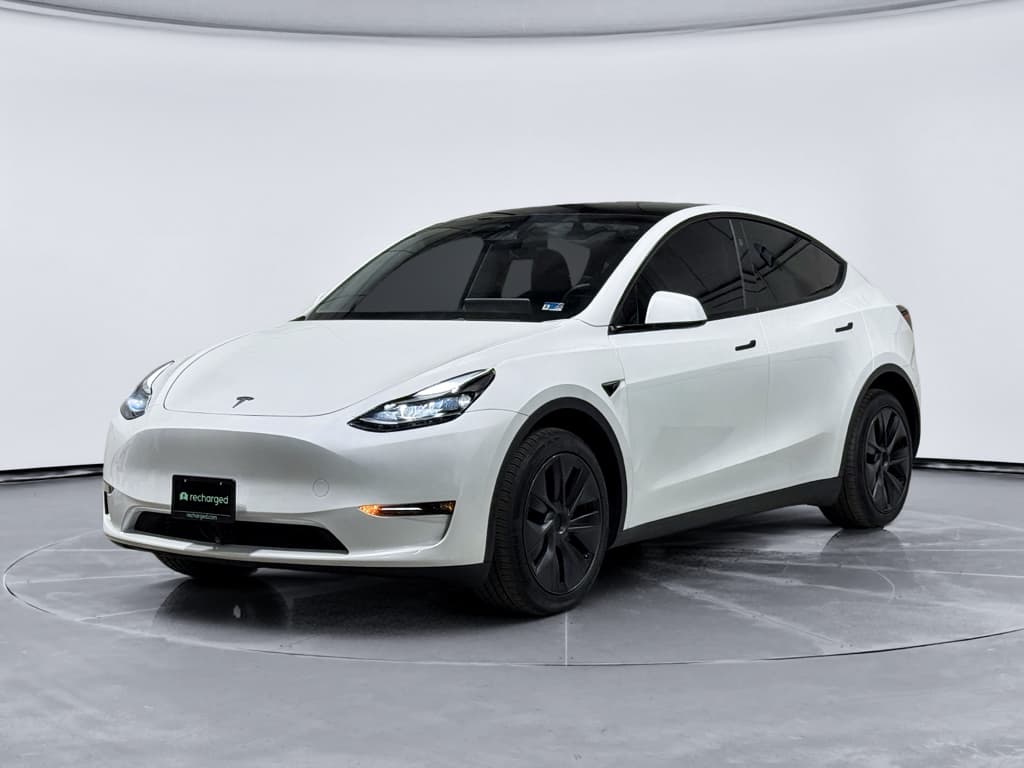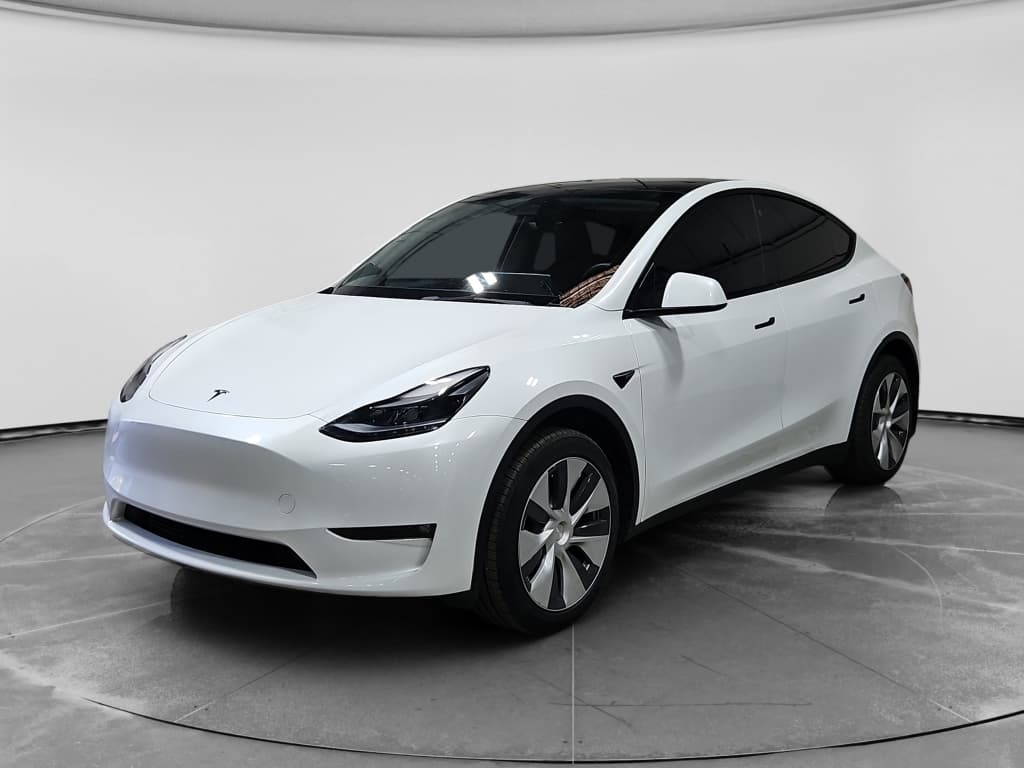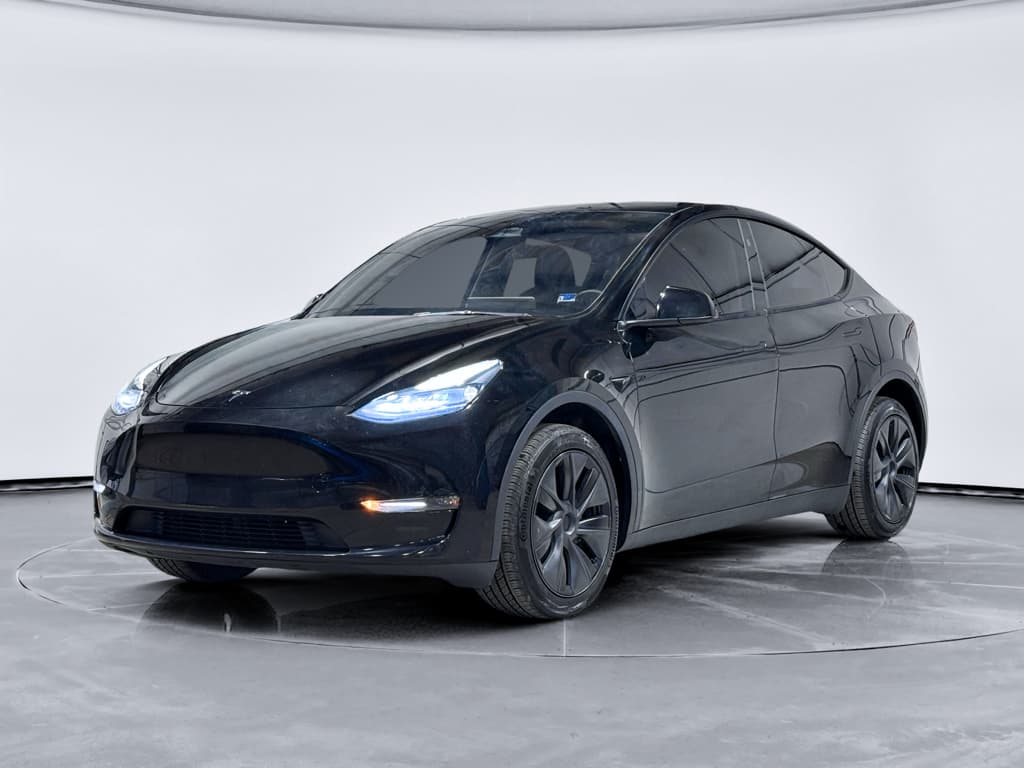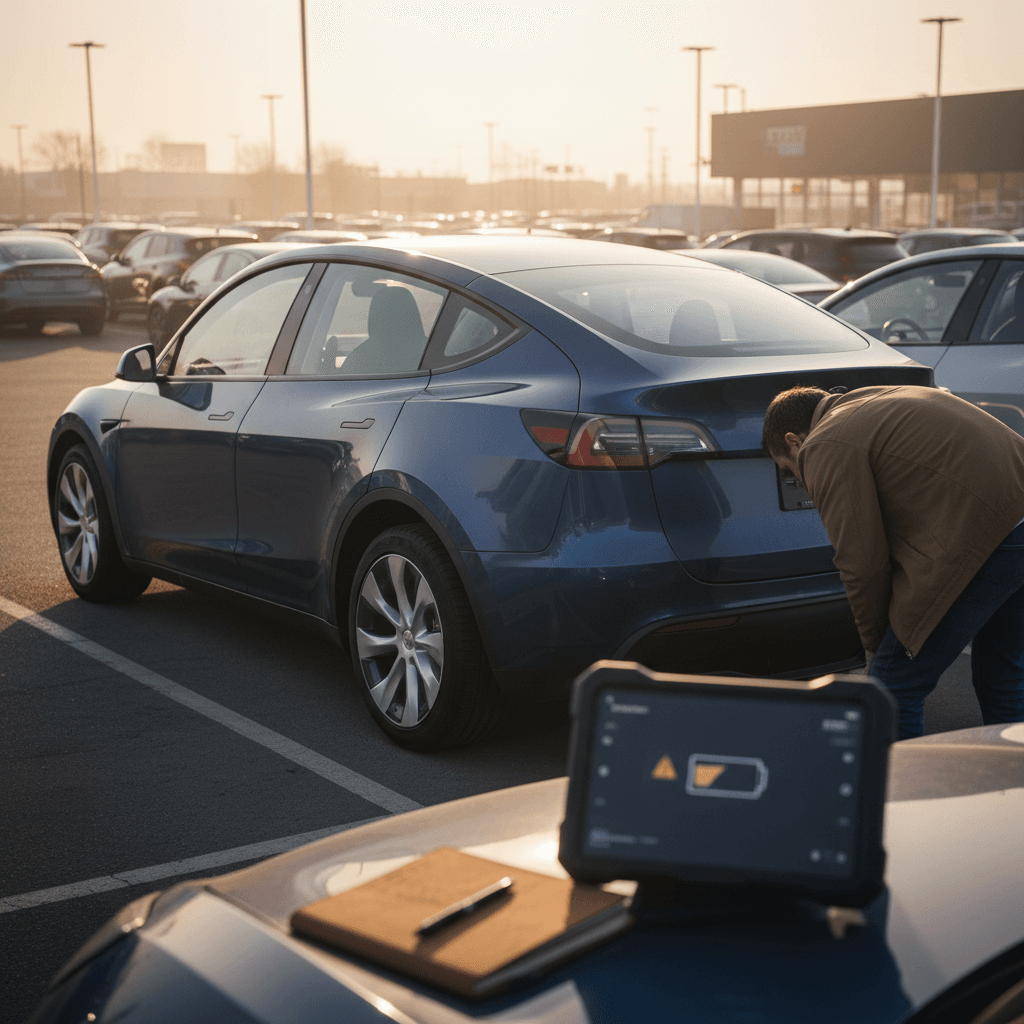
Search for “2023 Tesla Model Y range test” and you’ll drown in EPA numbers, YouTube hypermiling runs, and owners bragging about 340‑mile road‑trip legs. None of that helps when you’re staring at a used 2023 Model Y and wondering, “What will this thing actually do for me on a 75‑mph highway in February?” This guide cuts through the lab results and internet mythology to focus on real‑world range and what it means if you’re shopping used.
Range vs reality
Why 2023 Model Y range matters now
The 2023 model year sits in a sweet spot for the Tesla Model Y. You get the mature platform, heat‑pump efficiency, access to the Supercharger network, and heavy depreciation already baked in. At the same time, most 2023s are only two to three years old, so battery degradation is still modest when the car has been cared for. That makes understanding real‑world range, not just brochure range, crucial if you’re trying to decide between a used Model Y and, say, a Hyundai Ioniq 5 or Mustang Mach‑E.
2023 Tesla Model Y range at a glance
2023 Tesla Model Y EPA range ratings
For 2023 in the U.S., the key Model Y trims and their official EPA range ratings looked like this:
2023 Tesla Model Y EPA range by trim
Official EPA combined range ratings for major 2023 Model Y variants. Exact figures vary slightly with wheel size and configuration, but this is what most shoppers will see.
| Trim | Drivetrain | Battery type | EPA combined range | EPA highway range | Typical wheel size |
|---|---|---|---|---|---|
| Model Y AWD (4680 pack) | Dual‑motor AWD | 4680 structural pack | ~279 mi | ~263 mi | 19" |
| Model Y Long Range | Dual‑motor AWD | 2170 pack | 330 mi | ~316 mi | 19" |
| Model Y Performance | Dual‑motor AWD | 2170 pack | 303 mi | N/A (EPA combined 303) | 21" |
Use these as comparison tools, not promises.
EPA figures are generated on a controlled cycle that doesn’t look much like your commute. Speeds are modest, weather is friendly, there’s little HVAC use, and there’s no 75‑mph drone into a headwind. That’s why range tests matter: they tell you how much of that EPA promise survives real life.
Our 2023 Model Y real-world range test setup
Different outlets have tested the 2023 Model Y with slightly different protocols, but the most useful pattern is a steady‑state highway test. Think of it as the anti‑YouTube‑clickbait method: set the cruise, drive until low, record the numbers.
- Constant 70–75 mph on highway, using cruise control where possible
- Start near 100% state of charge, end at roughly 5–10% remaining
- Mild weather (around 70°F/21°C) to avoid extreme HVAC loads
- Relatively flat route to limit altitude effects
- Factory wheel/tire sizes and normal tire pressures
In this kind of test, the 2023 Model Y does not match its EPA sticker, and that’s the point. You’re seeing what the car will do on what Americans actually drive: fast highways, not a rolling lab treadmill.
How to read any range test
Range test results by trim
Let’s translate the alphabet soup of data into something you can actually shop with. Below are realistic expectations for a healthy 2023 Model Y at highway speeds in mild weather, starting from a full charge and stopping with around 5–10% remaining. These are synthesized from independent 70–75‑mph tests plus owner data, not perfect‑world lab runs.
Realistic 2023 Model Y range expectations
Assumes healthy battery, mild temps, light wind, 70–75 mph.
Model Y AWD (4680 pack)
Realistic highway range: ~210–230 miles usable
- EPA combined: ~279 miles
- Efficiency is decent but the 4680 pack is smaller than the Long Range
- Best for shorter commutes, suburban use, and frequent charging access
Model Y Long Range AWD
Realistic highway range: ~230–260 miles usable
- EPA combined: 330 miles
- Independent 75‑mph tests have seen roughly 220–240 miles to near empty
- Sweet spot if you road‑trip a lot and want fewer charging stops
Model Y Performance
Realistic highway range: ~210–240 miles usable
- EPA combined: 303 miles
- Big 21" wheels and stickier tires hurt efficiency
- Think of it as Long Range power with a range tax
Mind the last 10%
What kills 2023 Model Y range in the real world
Range is a physics problem disguised as a battery problem. The 2023 Model Y is inherently efficient, but a few usual suspects take big bites out of that number once you leave the brochure behind.
Top range killers for the 2023 Model Y
1. Speed above 70 mph
Aerodynamic drag rises with the square of speed. Bump your cruise from 70 to 80 mph and you can easily burn 15–25% more energy. The Model Y’s slippery shape helps, but it isn’t magic.
2. Big wheels, sticky tires
The Performance trim’s 21‑inch wheels look terrific and grip hard, but they add weight and rolling resistance. Even on a Long Range, swapping to aggressive all‑terrain or winter tires can cost you another 5–10% range.
3. Cold weather and short trips
Below freezing, the battery and cabin both need heat. The Model Y’s heat pump is efficient, but multiple short trips don’t give the pack time to warm up, so consumption spikes and range falls dramatically.
4. Roof racks and cargo boxes
Anything that messes with airflow hurts an EV more than a gas car because you notice it immediately. A big roof pod or bike rack can eat 10–15% at highway speed.
5. Aggressive driving and constant passing
The instant torque is addictive, but every full‑throttle launch is energy you never get back. Regenerative braking helps only if you coast and brake smoothly.
Cold + speed = range shock
Highway vs city: how the 2023 Model Y really performs
One of the quiet ironies of EV ownership is that the worst‑case scenario is also the one Americans love most: set the cruise at 78 mph and disappear into the distance. That’s where the 2023 Model Y looks most vulnerable, because Tesla’s own EPA highway ratings assume speeds and conditions many drivers never see.
City & suburban driving
- Stop‑and‑go is your friend. Regenerative braking recovers energy every time you lift off.
- Speeds are lower, so aero drag is modest.
- The heat pump’s cabin conditioning penalty is smaller because trips are shorter and slower.
- Result: Many owners see range that’s surprisingly close to, or even slightly better than, EPA in mild weather city use.
Highway & road‑trip duty
- Above ~65 mph, aero drag dominates the equation.
- You spend more time at steady high power draw, less time regenerating.
- Crosswinds, hills, and roof accessories all pile on.
- Result: Expect 10–20% below EPA in summer, 20–35% below in a cold, fast, winter highway run.
If you’re a commuter doing 40–60 miles a day, a 2023 Model Y will feel nearly bottomless. If you’re a road‑warrior who lives in the left lane, you need to think about the car in terms of its highway range number, not its EPA combined figure.
Winter range: how bad does it get?
No EV loves winter, but the 2023 Model Y is better equipped than many rivals. It has a heat pump, battery preconditioning, and software that learns your habits. Even so, physics is physics: part of the battery’s energy is spent just keeping itself and the cabin warm.
Typical winter range impact for a 2023 Model Y
Assumes healthy battery, temps around 10–20°F, mix of city and 70–75 mph highway driving.
City‑heavy winter driving
- Expect roughly 15–25% less range than in mild weather.
- Short trips are the worst; the car keeps reheating the pack and cabin.
- Use preconditioning while plugged in to claw some of that back.
Fast highway winter driving
- Expect roughly 25–35% less range vs mild‑weather expectations.
- A Long Range that does 240–260 miles in spring may land in the 170–210‑mile window in January.
- Plan charging stops closer together and enable battery preconditioning before each DC fast charge.
Let the grid pay for heat
Used 2023 Model Y: what range to expect today
By 2026, most 2023 Model Ys on the U.S. used market have two to three years and anywhere from 20,000 to 60,000 miles on the clock. The good news: Tesla packs have proven to degrade slowly when treated reasonably. Real‑world fleet data shows something around 1% capacity loss per year is typical, with maybe 10% gone around 100,000 miles if the car wasn’t abused.
Expected usable range for a healthy used 2023 Model Y
Rough expectations for a well‑cared‑for battery. Individual cars can be better or worse, always verify with a battery health report.
| Trim | Odometer (approx.) | Battery SOH assumed | Displayed full‑charge range | Realistic 70–75 mph usable range |
|---|---|---|---|---|
| Long Range AWD | 30,000 mi | ~95% | ~310–315 mi | ~220–245 mi |
| Long Range AWD | 60,000 mi | ~92–93% | ~295–305 mi | ~210–235 mi |
| Performance | 40,000 mi | ~94% | ~285–295 mi | ~205–230 mi |
| AWD (4680) | 30,000 mi | ~95% | ~265–270 mi | ~200–220 mi |
Think in terms of usable highway range, not theoretical from‑new numbers.
Notice that even with some battery wear, the everyday experience doesn’t collapse. A used 2023 Long Range with 60,000 miles still does more highway distance on a charge than many new non‑Tesla crossovers. Where degradation really matters is in edge cases: road‑tripping in winter, towing, or planning legs between sparse chargers.
Why used Model Y economics look better now
How to test range and battery health before you buy
You don’t need to run your own 200‑mile torture test to figure out whether a 2023 Model Y’s range is still there. You just need the right data, and a seller willing to provide it.
Battery and range checks for a used 2023 Model Y
1. Get a proper battery health report
Ask for a pack state‑of‑health (SOH) report from Tesla service or a reputable third‑party diagnostic. At <strong>Recharged</strong>, every vehicle includes a Recharged Score battery report so you’re not guessing at the most expensive component on the car.
2. Compare displayed full‑charge range
Charge the car to 90–100% and look at the rated miles on the dash. A healthy 2023 Long Range should still display close to 300+ miles when full. Anything dramatically lower may indicate heavy degradation or constant 100% charging in its past life.
3. Check lifetime energy consumption
In the Trips menu, look at lifetime Wh/mi (or mi/kWh). If the number is very high, say well above 300 Wh/mi, it suggests lots of fast driving, heavy loads, or winter use. Not a deal‑breaker alone, but it adds context.
4. Look for Supercharging abuse
Ask how often the previous owner fast‑charged. Occasional Supercharger use is fine; daily DC fast charging for years can accelerate degradation. Ideally, most charging was done on Level 2 at home or work.
5. Do a short real‑world run
On a test drive, note the starting and ending state of charge over, say, 20–30 miles of mixed driving at normal speeds. Back‑of‑the‑napkin math will tell you whether the car’s energy consumption looks sane.
How Recharged bakes this in
Charging strategy to make your range go further
Range isn’t just about chemistry; it’s about habits. The 2023 Model Y gives you plenty of tools to nurse or ignore your battery. Used smartly, they can turn a “borderline” road‑trip leg into a relaxed cruise.
Simple habits that stretch 2023 Model Y range
None of these require driving like a hypermiler.
Optimize your daily charge level
For daily use, set your charge limit to 70–80% instead of 100%. It’s better for long‑term health, and you only need 100% for big trips.
Use trip planner & preconditioning
Use Tesla’s built‑in Trip Planner. It will route you through Superchargers and automatically precondition the battery before DC fast charging to shorten stops.
Drive the gauge, not the guess
Think in terms of energy, not miles. If the car says you’ll arrive with 8% and the weather turns, slow 3–5 mph and you’ll often gain back 2–4% by the time you reach the charger.
Borrowing range with your right foot
FAQ: 2023 Tesla Model Y range questions
2023 Model Y range: your questions answered
Bottom line: should range stop you from buying a 2023 Model Y?
If you came here searching for a 2023 Tesla Model Y range test hoping to see 330 miles magically appear at 77 mph in January, you’ve already guessed the answer: real cars don’t work that way. What the 2023 Model Y does offer is something more useful, predictable, repeatable efficiency, a huge charging network, and a battery that usually ages slowly when treated halfway decently.
For most drivers, a healthy 2023 Long Range will feel almost extravagant: easy daily commuting, forgiving winter performance if you plan a bit, and road trips that trade ten‑minute gas stops for 20‑minute coffee breaks. The key is to buy the right used car, with verified battery health and honest pricing, instead of crossing your fingers on a sketchy listing.
That’s where platforms like Recharged earn their keep. With a Recharged Score battery report, expert EV‑specialist support, and nationwide delivery, you can choose the specific 2023 Model Y that fits your range needs today, and still makes sense when your life, commute, or climate changes tomorrow.