If you’re shopping the used market, the natural question isn’t whether the 2023 Tesla Model X is fast or flashy, you already know that. What you really want to know is: **what is the 2023 Tesla Model X reliability rating, and what does that look like in the real world three years in?** This guide pulls together survey data, recalls, and owner experiences so you can decide if a used 2023 Model X fits your risk tolerance.
Quick reliability snapshot
Overview: How reliable is the 2023 Tesla Model X?
2023 Tesla Model X reliability at a glance
Stepping back from the headline numbers, the 2023 Model X looks like a typical modern Tesla product: **mechanically robust, electrically complex, and heavily dependent on software**. Most long‑term complaints aren’t about motors or battery packs failing; they’re about door mechanisms, trim, infotainment glitches, and features that temporarily break after an update. If you can live with the occasional service visit or software quirk, real‑world owners tend to report high satisfaction, but this is not a Lexus‑style “gas, tires, and nothing else” ownership experience.
What “average” really means here
How major rating agencies score 2023 Model X reliability
When you search for the 2023 Tesla Model X reliability rating, you’ll run into a mix of proprietary scores and owner surveys. They don’t all measure exactly the same thing, and Tesla’s unusual data‑sharing policies add noise, but some patterns are consistent.
2023 Tesla Model X reliability ratings by source
How key U.S. sources currently position the 2023 Model X on quality and dependability relative to peers.
| Source | Type of rating | 2023 Model X reliability view | What it really tells you |
|---|---|---|---|
| Consumer Reports | Predicted/early reliability | Below average vs. all vehicles, roughly average among EVs | Leans heavily on historical Model X data: complex doors, electronics, and past build issues pull the score down. |
| J.D. Power (Quality & Reliability) | 100‑point index | Low‑70s out of 100, near the middle of the luxury EV pack | Focuses on owner‑reported problems per vehicle; X isn’t a disaster, but it isn’t a standout either. |
| Owner review sites (e.g., KBB, Edmunds) | Star ratings & comments | ~4.5–4.8 / 5 overall; performance and tech praised, squeaks and service delays criticized | Shows a split personality: people love how it drives even when annoyed by build or software gremlins. |
| NHTSA safety & recall data | Government safety actions | Mid‑teens recall campaigns touching 2023 X | Highlights how much of the Model X’s "reliability" is now about software behavior, not just hardware. |
Scores are approximate bands based on 2023–2025 reporting; think order‑of‑magnitude, not lab‑grade precision.
How to read these scores
Recalls and safety campaigns you should know about
Reliability ratings increasingly incorporate **recall activity**, and the 2023 Model X has seen a lot of it, though not always in the way a traditional car buyer expects. Tesla leans heavily on over‑the‑air (OTA) updates, so a “recall” can be anything from a serious safety fix to a minor software tweak that never sends you to a service center.
- **Seat belt anchoring recall (2021–2023 S/X)** – A batch of vehicles, including 2023 Model X, needed inspection and possible rework of the front seat belt attachment to the pretensioner. This is a classic safety‑critical hardware recall and should absolutely be verified as completed on any used X you consider.
- **Autopilot / Full Self‑Driving software recalls** – Multiple broad recalls have targeted behavior of Autosteer and FSD Beta, requiring updates that change how the car handles intersections, speed limits, and driver monitoring. These are reliability issues in the sense that the car’s behavior can materially change overnight.
- **Miscellaneous OTA campaigns** – Items like warning chimes, indicator visibility, or specific driver‑assist edge cases have been addressed via software. They show up as recalls on paper but rarely require physical repair.
- **Later network‑wide recalls (2024–2025)** – Some 2023 Model X units were included in recalls for issues like hood‑latch detection and rear‑camera visibility. Again, most were OTA, but a few involved checks or minor hardware work.
Non‑negotiable recall check
Common 2023 Model X issues owners report
If you read through owner forums and service invoices, the 2023 Model X’s weak spots are pretty consistent. Very few owners are stranded by catastrophic failures; instead, they report a **steady drip of fit‑and‑finish and convenience‑feature problems** that can require multiple visits to fully iron out.
Most frequent real‑world trouble spots on 2023 Model X
These are patterns, not guarantees, but they’re worth checking carefully on any used example.
Falcon Wing & front doors
The Model X’s party trick is also its biggest reliability liability.
- Misalignment and squeaks over rough roads
- Door modules that get confused after software updates
- Occasional sensor or latch faults causing doors to stop mid‑cycle
Screens & infotainment
Most 2023s use Tesla’s updated hardware, but still see:
- Random reboots of the main screen
- Bluetooth or phone‑key glitches
- Camera feed lag or temporary loss (often software‑fixable)
Build quality & trim
By 2023, panel gaps improved over early years, but you still see:
- Rattles from the hatch or falcon doors
- Wind noise around the windshield or mirrors
- Loose interior trim or seat squeaks
Suspension & half‑shafts
The X is **heavy and powerful**, so hard launches and rough roads can accelerate wear:
- Front half‑shaft shudder under hard acceleration
- Premature bushing or ball‑joint wear
- Air‑suspension height sensor or compressor issues (less common but expensive)
12‑V / low‑voltage system
Many “electronics failures” trace back to the low‑voltage system:
- Door handles or locks acting up
- Random error messages on startup
- Occasional no‑start events until the 12‑V battery is replaced
Steering & alignment quirks
While not as widespread as on some 3/Y builds, there are complaints about:
- Off‑center steering wheels from the factory
- Uneven tire wear due to alignment
- Occasional steering‑assist warnings that clear after reboot/update
What tends to hold up well
Battery, drivetrain, and range longevity
From a pure EV‑system perspective, the 2023 Model X is one of the safer bets in the segment. It uses Tesla’s mature large‑pack architecture, with real‑world data from earlier Model X and Model S fleets now stretching past 200,000 miles. The 2023s benefit from incremental improvements in cell chemistry, cooling, and drive electronics.
Battery degradation so far
- Most owners report **roughly 5–10% capacity loss** in the first 3–4 years, depending on climate and fast‑charging use.
- High Supercharger use or frequent 0–100% cycles can accelerate loss, but there’s little evidence of sudden, step‑change failures on 2023 packs.
- Software‑reported range can fluctuate after updates; look at **actual trip energy consumption** rather than just the dashboard estimate.
Drive units and mechanicals
- Tesla’s dual‑motor setup is largely **sealed and maintenance‑light**, with very few drive‑unit replacements reported on 2023s so far.
- The bigger risk is **supporting hardware**: half‑shafts, wheel bearings, and suspension components that work hard to move a 5,300+ lb SUV.
- Driving style matters: gentle acceleration and fewer full‑power launches dramatically reduce stress on these parts.
Battery‑health due diligence
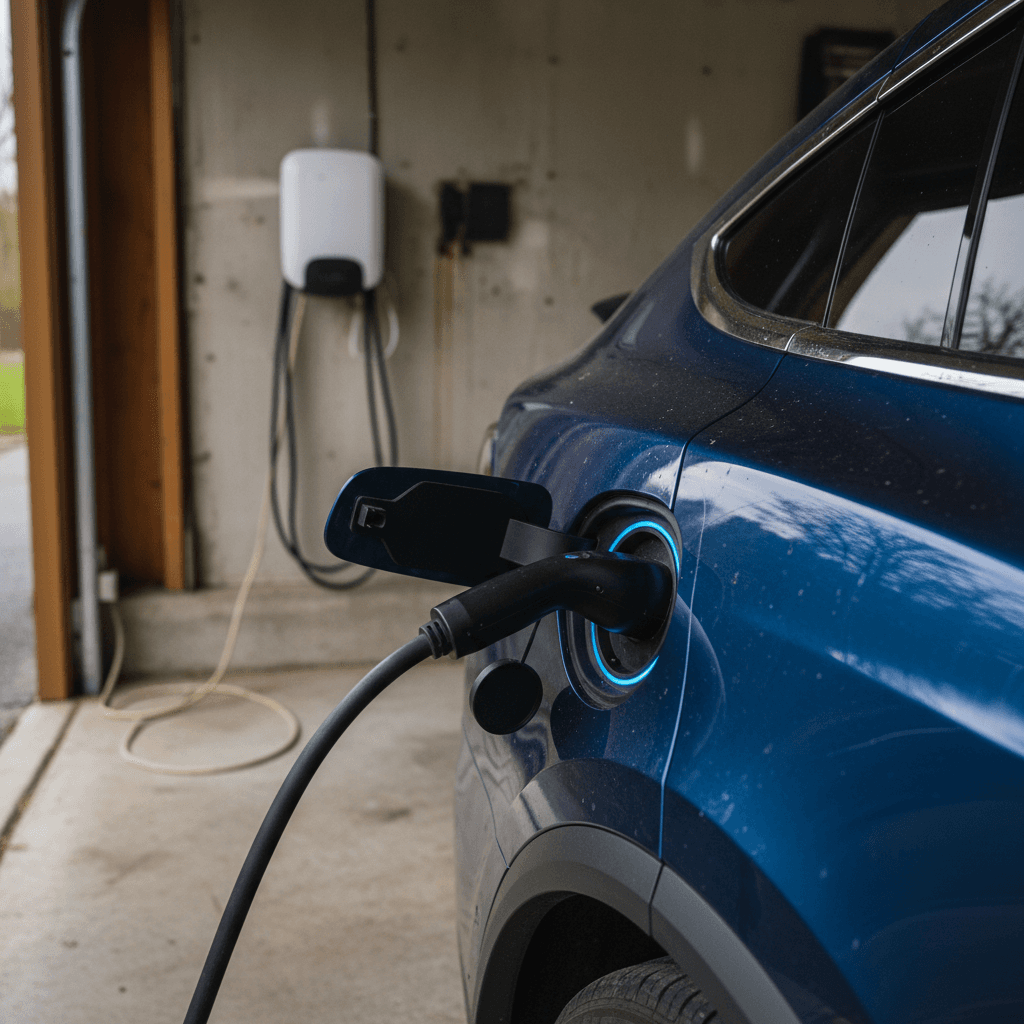
Software, Autopilot, and FSD: reliability vs. risk
On a 2023 Tesla Model X, **software is as central to reliability as hardware**. Autopilot and optional Full Self‑Driving (FSD) features sit at the intersection of convenience, safety, and frustration. Many recall campaigns and owner complaints revolve around how these systems behave after updates rather than components breaking in the traditional sense.
How software shapes your day‑to‑day “reliability”
Not all problems are broken parts, some are evolving software behaviors.
Autopilot changes over time
Regulatory pressure has pushed Tesla to alter how Autosteer and FSD behave, more alerts, stricter hand‑on‑wheel checks, different lane and speed logic.
What felt smooth at delivery might feel more conservative or naggy after a major update.
Update regressions
It’s not uncommon for a new software build to temporarily break a feature:
- Glitchy parking sensors
- Phantom driver‑assistance warnings
- Camera feed or sentry‑mode oddities
Tesla usually patches serious regressions within weeks, but you may be beta‑testing in the meantime.
OTA reliability upside
The upside of all this connectivity: many safety and drivability issues are fixed **without** a service visit.
If you’re comfortable with a car that’s always changing, OTA updates can improve braking, traction control, and UI years after production.
FSD doesn’t change hardware reliability
Repair costs, warranty coverage, and downtime
On a vehicle that can easily cross $100,000 new, the cost of being wrong about reliability is real. The good news is that 2023 Model X examples in 2026 are still under **basic 4‑year/50,000‑mile** bumper‑to‑bumper coverage in many cases, with the separate 8‑year/150,000‑mile battery and drive‑unit warranty extending further. The bad news is that Tesla repairs can be pricey out of warranty and appointments may involve long lead times, depending on your market.
Typical 2023 Tesla Model X repair & service considerations
Approximate patterns from owner reports and independent EV shops; real invoices will vary widely by region and warranty status.
| Area | In‑warranty experience | Out‑of‑warranty risk profile | What to watch for |
|---|---|---|---|
| Falcon doors & latches | Usually covered; may require multiple visits to fully resolve alignment or sensor issues. | Potentially four‑figure repairs if actuators or hinges need replacement. | Check for smooth operation, even gaps, no grinding or loud pops. |
| Suspension & half‑shafts | Noise or shudder often fixed under warranty on low‑mileage vehicles. | Front‑end work on an air‑suspension, heavy EV can be expensive, especially at Tesla service centers. | Drive at highway speeds and under light acceleration; feel for vibration and listen for clunks. |
| 12‑V / low‑voltage system | Low‑voltage battery replacements are typically straightforward, sometimes proactive. | Minor by itself, but failures can cascade into “it won’t wake up” complaints and tows. | Look for recent 12‑V replacement records on higher‑mileage 2023s. |
| Cosmetic & trim issues | Rattles and trim squeaks are often handled under warranty, but results vary. | Out of warranty, many owners simply live with minor noises or pay independent shops to fix them. | Plan a long test drive on mixed surfaces to expose noises and rattles. |
| Glass & cameras | Stress cracks or camera fogging sometimes covered, sometimes argued as wear. | Panoramic glass and camera replacement is costly if not covered. | Inspect all glass carefully and verify all camera views are sharp and clear. |
These are directional ranges, not quotes, always get a written estimate for your specific VIN.
Downtime reality check
How to inspect a used 2023 Tesla Model X
The 2023 Model X asks more of a used buyer than a conventional SUV. You’re not just evaluating a powertrain and a body shell; you’re auditing **software history, charging behavior, and how the previous owner treated a very heavy, very powerful EV**. Here’s a practical checklist you can take to a test drive or inspection.
Pre‑purchase checklist for a 2023 Model X
1. Pull the full recall and service history
Ask the seller for service invoices and run the VIN through a recall lookup. Confirm that seat‑belt, Autopilot, and hood‑latch campaigns are complete. Multiple visits for the same issue aren’t a dealbreaker, but they’re a negotiation point.
2. Inspect doors like an engineer
Cycle the falcon doors and front doors several times on level ground and an incline. Listen for binding, clicking, or grinding. Check weather‑seals for tears and verify that doors seal evenly without wind noise on the highway.
3. Test drive on mixed roads
Do not settle for a quick spin around the block. Drive at city speeds, then 65–75 mph. Note any shudder under acceleration, steering pull, or suspension clunks over potholes and expansion joints.
4. Stress‑test the software
Pair your phone, use navigation, engage Autopilot where legal, and cycle cameras and parking sensors. Look for repeated error messages, camera dropout, or obvious lag and reboots of the center screen.
5. Evaluate real‑world range
Start with a realistically charged battery (50–80%) and watch energy consumption over 15–20 miles. Compare the projected trip energy to the rated range; a healthy 2023 X should still deliver **most** of its original highway range in mild weather.
6. Get an independent EV‑focused inspection
Where possible, have a shop that understands Teslas put the car on a lift and scan for suspension wear, fluid leaks, and collision repair. At Recharged, this kind of inspection feeds directly into the **Recharged Score**, so buyers see battery health and major‑system checks before they ever place a deposit.
Let someone else be the detective
Is the 2023 Tesla Model X a good used buy in 2026?
Reasons to feel confident
- Battery and motors have strong track records with modest degradation and few catastrophic failures so far.
- Extensive OTA support means the car should keep gaining safety and convenience features for years.
- By 2026, many early build‑quality issues on individual cars have already been fixed under warranty.
- Unique combination of space, performance, and charging access thanks to Tesla’s Supercharger network.
Reasons to be cautious
- The Model X remains one of the **most complex and repair‑prone Teslas** when it comes to doors and trim.
- Even with improving brand‑wide scores, it still trails top luxury brands for defect rates and service polish.
- Out‑of‑warranty repair costs on suspension, doors, and glass can be significant.
- Frequent software changes mean the car’s behavior, and your satisfaction, can fluctuate over time.
Put bluntly, the **2023 Tesla Model X is not a reliability champion, but it also isn’t the fragile disaster its early years made it out to be**. If you prioritize a huge cabin, blistering straight‑line performance, and seamless long‑distance charging over Lexus‑grade serenity, a carefully vetted 2023 X can be a compelling used EV. The key is to buy with eyes open: verify recall work, scrutinize doors and suspension, and insist on transparent battery‑health data. That’s exactly the gap Recharged aims to fill with its **Recharged Score reports, EV‑specialist support, and nationwide digital buying experience**, so you can enjoy the Model X’s strengths without rolling the dice blindly on its weaknesses.