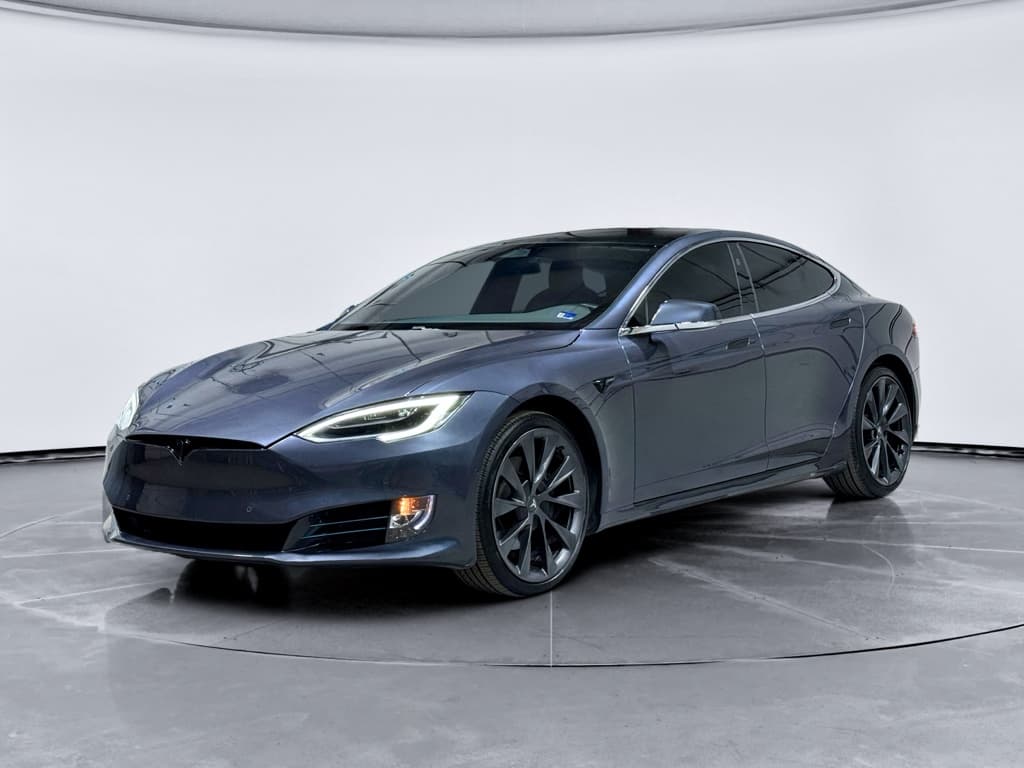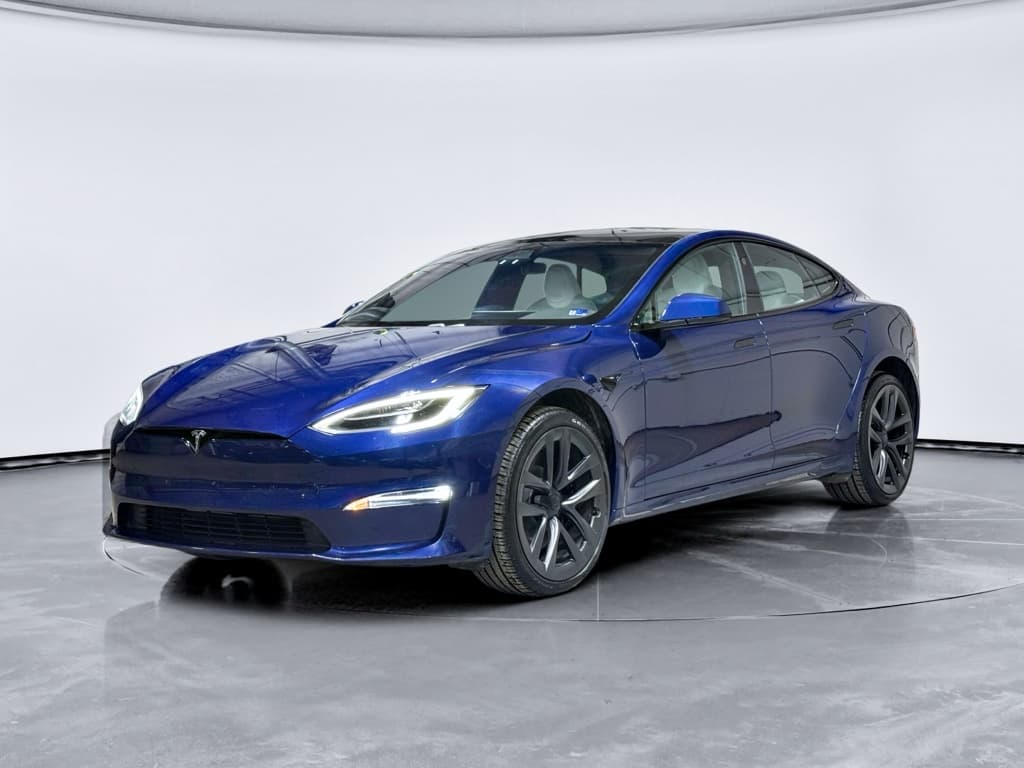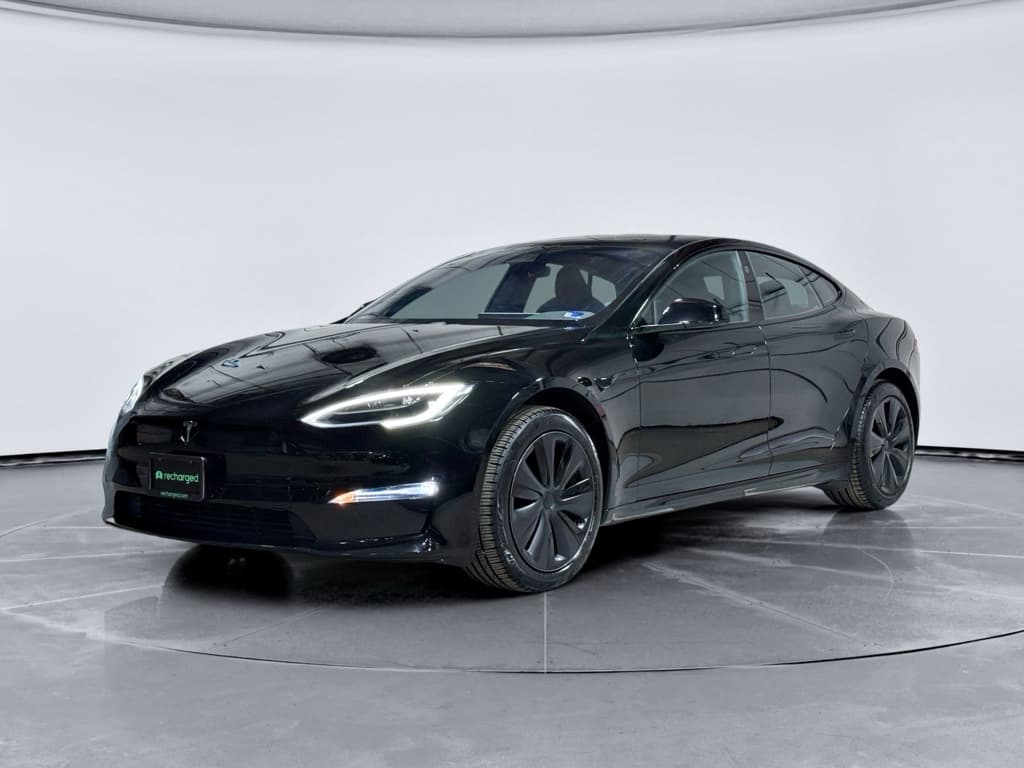
If you’re eyeing a 2023 Tesla Model S, you’re probably trying to make sense of its reliability rating. You’ll see glowing owner reviews, multiple recalls in the headlines, and mixed scores from major rating agencies. This guide pulls those threads together so you can understand how reliable the 2023 Model S really is, and what that means if you’re buying one used.
Quick take
Overview: How reliable is the 2023 Tesla Model S?
2023 Tesla Model S reliability at a glance
When shoppers search for the 2023 Tesla Model S reliability rating, they’re usually trying to answer two questions: “Will it break?” and “What will it cost me when it does?” The short answer is that the 2023 Model S has a solid core powertrain backed by strong owner satisfaction, but it’s pulled down by a heavier‑than‑average recall history and a long list of minor issues, especially around software, electronics, and build quality.
Important context
How major organizations rate 2023 Tesla Model S reliability
Different rating agencies use different scales, so it helps to translate them into a plain‑English snapshot. Here’s how the 2023 Model S stacks up based on publicly available information and brand‑level trends through early 2026.
2023 Tesla Model S reliability rating summary
How key sources and real owners characterize reliability for the 2023 Model S.
| Source | What they measure | 2023 Model S takeaway |
|---|---|---|
| Consumer survey data (brand level) | Problem rates across recent model years, including 2023 | Model S and X now land around average reliability; newer 3/Y score better, Cybertruck worse. |
| Owner review sites | User‑submitted reviews and long‑term satisfaction | High owner satisfaction (around 4.5+ / 5). Most complaints: trim, electronics, service delays rather than driveline failures. |
| Repair cost aggregators | Out‑of‑warranty repair frequency and cost estimates | Model S typically lands in the middle of the pack for luxury EVs: fewer engine‑type failures (it has none) but pricier parts. |
| Industry studies (J.D. Power, etc.) | Early‑life quality and long‑term dependability at the brand level | Tesla as a brand still sees more issues per 100 vehicles than the best legacy luxury brands, mainly due to tech and build quirks. |
Scores shown are best interpreted as directional benchmarks, not precise rankings.
How to read these scores
Common issues and trouble spots on the 2023 Model S
Because the 2023 Model S rides on a mature platform, you don’t see the same teething problems early Teslas had. But owners and service data still point to recurring trouble spots you should understand before you buy.
Most commonly reported 2023 Model S issues
Where reliability concerns tend to show up in the real world
Software & infotainment glitches
Owners report occasional reboots, frozen screens, and buggy behavior after major over‑the‑air updates.
- Center screen resets while driving
- Bluetooth or phone key dropouts
- Autopilot/FSD behavior changes after updates
Fit, finish & minor hardware
These are typical Tesla pain points, especially early in the build cycle.
- Wind noise from frameless doors
- Rattles in trim or dash
- Door handles, seals, or latch alignment
Driving assist quirks
Not failures in the mechanical sense, but reliability of behavior.
- Inconsistent lane‑keeping
- Phantom braking on some roads
- Frequent prompts for driver input
Less common but higher‑cost issues
- Air suspension components (on air‑equipped trims) can wear or leak over time, especially in harsh climates.
- Door and hatch actuators occasionally fail and can be pricey out of warranty.
- HVAC and heat pump components are complex; failures can be costly even if rare on a young 2023 car.
What you rarely see on 2023 cars (so far)
- Widespread battery pack failures are uncommon at this age.
- Main drive units have largely matured vs. early Model S years.
- Rust and structural issues are not widespread, assuming normal use.
Remember: 2023 vehicles are still relatively new. True long‑term patterns emerge closer to 8–10 years.
Recalls affecting the 2023 Tesla Model S
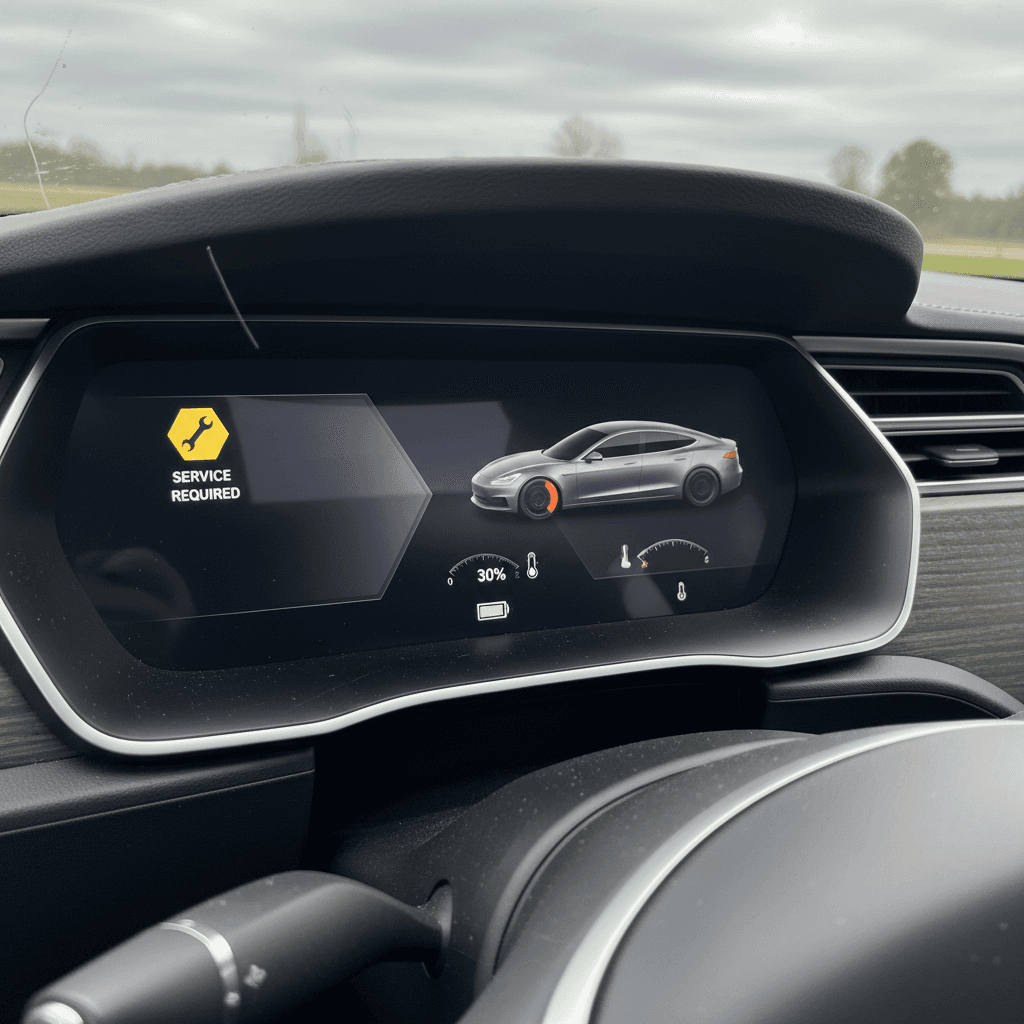
Reliability conversations around the 2023 Model S have to include its recall record. The 2023 model year has been swept into many of Tesla’s large software‑driven recalls, plus a few hardware‑related campaigns. Most fixes have been delivered via over‑the‑air (OTA) updates, but they still indicate that owners act as something of a rolling beta program.
Major recall themes for the 2012–2023 Model S with 2023 model‑year coverage
Not a complete list, but the main categories of recalls that have included the 2023 Model S.
| Recall category | What it involved | Why it matters for reliability |
|---|---|---|
| Autopilot / Autosteer behavior | Software changes to driver‑assist behavior, following NHTSA investigations. | Impacts confidence and safety more than physical durability; still crucial that updates are applied. |
| Full Self‑Driving (FSD) computer software | Updates to FSD‑equipped cars to address routing, stopping, and adherence to traffic rules. | Again, more about software reliability than hardware, but affects day‑to‑day usability. |
| Instrument cluster & warning logic | Fixes to ensure certain alerts display correctly (e.g., seat belt chimes, warning icons). | If ignored, mis‑calibrated alerts can mask real problems or annoy owners. |
| Hood latch / open‑hood detection | Campaigns to ensure the system correctly detects an unlatched hood in motion. | Primarily a safety and compliance issue, but it’s a good test of whether prior owners kept up with updates. |
| Misc. software stability | General stability and performance updates tied to major releases (2023.x builds). | These can resolve bugs that some owners perceive as “unreliable” behavior from the car. |
Always run the VIN through the NHTSA recall checker before you buy a used 2023 Model S.
Don’t ignore OTA recalls
Battery and drivetrain longevity on the 2023 Model S
If there’s a bright spot in the 2023 Tesla Model S reliability story, it’s the battery and motors. The Model S platform has been on the road for more than a decade, with many high‑mileage examples. Data from those cars suggests Tesla’s large battery packs and drive units can go the distance when they’re not abused.
- Fleet and owner data from earlier Model S years commonly show 10–15% battery degradation around 150,000 miles with normal DC‑fast‑charging habits.
- The 2023 long‑range and Plaid packs benefit from later‑generation chemistry and thermal management, which tend to improve longevity vs. early‑2010s packs.
- Permanent‑magnet and updated induction motors in newer Model S builds are generally more reliable than first‑generation drive units, which were prone to failures and replacements.
How to protect a Model S battery
Ownership costs and out‑of‑warranty risk
Reliability isn’t just about how often something breaks, it’s about how painful the repair is when it does. On that score, the 2023 Tesla Model S lands in the middle of the luxury EV pack, with a few important caveats.
Key cost factors for 2023 Model S reliability
Where reliability and your wallet intersect
Warranty coverage
Most 2023 Model S sedans are still partially under Tesla’s new‑vehicle warranty in 2026.
- Basic warranty: typically 4 years/50,000 miles from in‑service date.
- Battery and drive unit: typically 8 years and up to 150,000 miles (check exact terms).
Out‑of‑warranty repairs
Once the 4‑year/50k basic warranty expires, you’re exposed to:
- Four‑figure suspension or air‑suspension repairs.
- Complex door/actuator fixes.
- Body and glass work that often must be done at Tesla‑approved shops.
Day‑to‑day running costs
On the flip side, EVs save you money in predictable ways:
- No oil changes or traditional tune‑ups.
- Regenerative braking extends pad and rotor life.
- Electricity is typically cheaper per mile than gas.
Luxury EV vs. mainstream EV math
How the 2023 Model S compares to other Teslas for reliability
Tesla’s lineup doesn’t age evenly. Industry surveys through the 2025–2026 model years show a split personality: the newer mass‑market models (Model 3 and Model Y) increasingly lead EV reliability rankings, while the flagship Model S and Model X hover around average.
Where the 2023 Model S sits within the Tesla family
High‑level reliability comparison of Tesla models using aggregated survey trends.
| Model | Typical reliability outlook (recent model years) | What it means if you’re shopping used |
|---|---|---|
| Model 3 | Above‑average reliability; among the most reliable EVs in recent Consumer Reports and owner surveys. | Best bet if you want Tesla tech with fewer headaches and lower repair costs. |
| Model Y | Among the most reliable electric SUVs; strong recent scores but more recalls than some gas SUVs. | Great mix of practicality and reliability, though build quality can still be hit‑or‑miss. |
| Model S (incl. 2023) | Around average reliability; better than early S years, but more quirks and recalls than 3/Y. | Flagship experience with more risk: expect some minor issues and keep a repair budget. |
| Model X | Historically the least reliable Tesla, with complex doors and hardware. | Consider only with a strong warranty and realistic expectations around downtime. |
| Cybertruck | Newest model with below‑average early reliability and multiple recalls. | Too early in its lifecycle to recommend purely on a reliability basis. |
These are directional trends, not official Tesla ratings or rankings.
Big picture for the 2023 S
What to check when buying a used 2023 Tesla Model S
If you’re shopping the used market, a 2023 Model S can be a fantastic long‑range luxury EV, if you vet it carefully. Here’s a focused reliability checklist to use before you sign anything.
Reliability checklist for a used 2023 Model S
1. Confirm software & recall status
From the center screen, check that the car is running current software and that there are <strong>no outstanding recalls</strong>. You can also enter the VIN on the NHTSA website to double‑check.
2. Inspect for build‑quality issues
Look closely at panel gaps, door alignment, seals, and glass. Take a highway test drive to listen for excessive wind noise or rattles, these are common owner complaints.
3. Review Autopilot/FSD history
If the car has Enhanced Autopilot or Full Self‑Driving, test it on a familiar route. You’re checking for camera calibration issues, odd behavior, and whether the current software feels stable enough for your comfort level.
4. Check suspension & tire wear
On an air‑suspension car, listen for compressor cycling and clunks over bumps. Uneven tire wear can signal alignment or suspension problems and will also tell you whether the previous owner drove the car very hard.
5. Pull battery and charging data
Look at typical full‑charge range and charging behavior. For extra confidence, use a third‑party battery health report, or a platform like Recharged, which includes a <strong>Recharged Score battery diagnostic</strong> with every car.
6. Evaluate service history & remaining warranty
Ask for digital service records and note any repeated visits for the same issue. Confirm the in‑service date so you know exactly how much basic and battery/drive‑unit warranty remains.
Where Recharged can help
How Recharged evaluates 2023 Model S reliability
Because used EVs live or die on battery health and previous owner behavior, a simple “good” or “bad” reliability label isn’t enough. At Recharged, we take a more granular approach when we appraise a 2023 Tesla Model S for our marketplace or when we value one for trade‑in or consignment.
Inside a Recharged reliability assessment
Beyond a single reliability rating
Battery health scoring
We use diagnostic tools and charging history, when available, to estimate actual battery capacity and degradation versus a comparable new 2023 Model S.
This feeds directly into the Recharged Score you see on each listing.
Usage & condition profile
We look at mileage, DC fast‑charging patterns, climate exposure, accident history, and service records to understand how hard life has been on that particular car.
Fair market pricing & risk
Because we see many late‑model EVs, we can price in known reliability patterns, both good and bad, so you’re not overpaying for a car that’s likely to need above‑average work later.
Ready to find your next EV?
Browse VehiclesIf you’d rather not decode a stack of ratings and recall PDFs on your own, you can lean on Recharged’s EV‑specialist team to walk you through a specific 2023 Model S, arrange financing, or even take an instant offer on your current car if you’re trading in.
FAQs: 2023 Tesla Model S reliability rating
Frequently asked questions about 2023 Model S reliability
Bottom line: Is the 2023 Tesla Model S a safe bet?
If you’re chasing a quiet, brutally quick, long‑range luxury EV, the 2023 Tesla Model S still sits near the top of the market. From a reliability standpoint, it’s a mature but imperfect flagship: the core EV hardware is strong, but the car is wrapped in software and features that drive up the odds of smaller annoyances and recall‑driven updates.
Go in with clear eyes. Compared with a Model 3 or Model Y, the 2023 Model S asks you to trade a bit of reliability and simplicity for more performance and presence. If you verify software and recalls, confirm battery health with real data, and budget for at least a few out‑of‑warranty repairs down the road, a well‑vetted 2023 Model S can still be a smart, satisfying addition to your garage, especially when you lean on tools like the Recharged Score Report to separate the great cars from the merely OK ones.