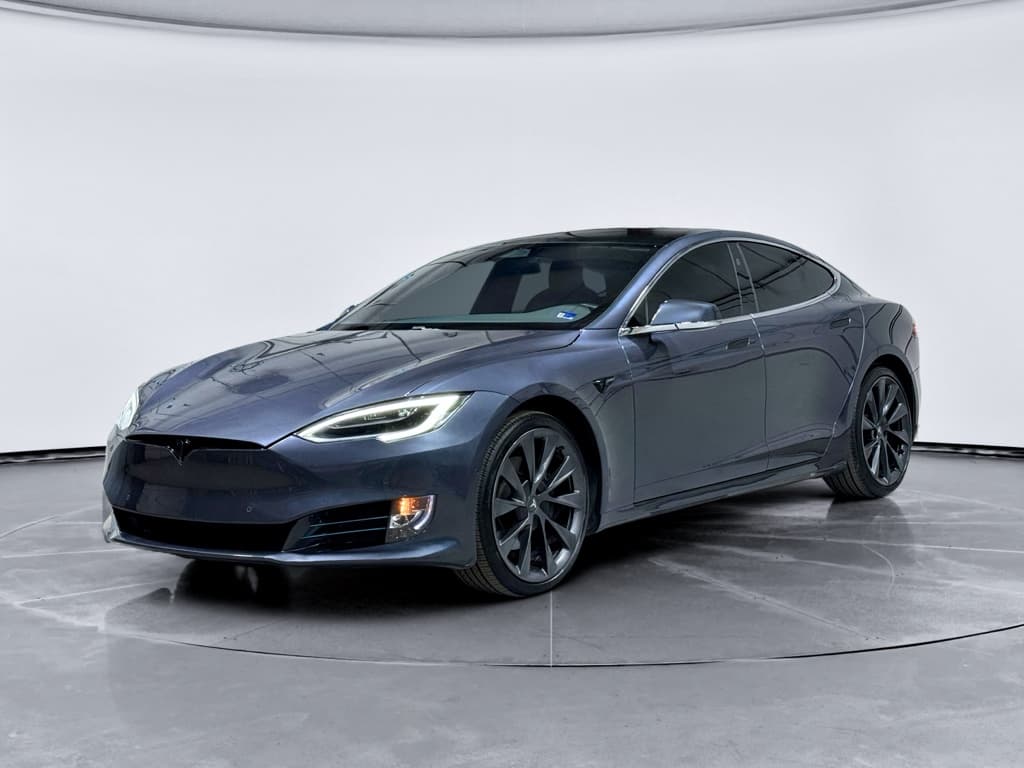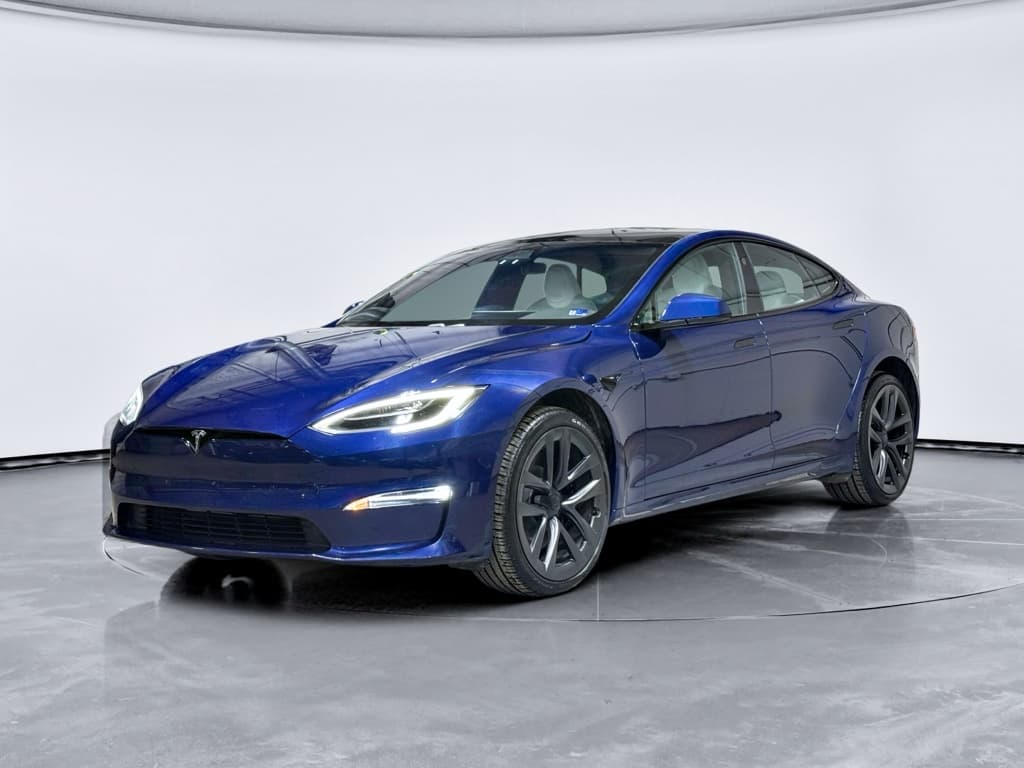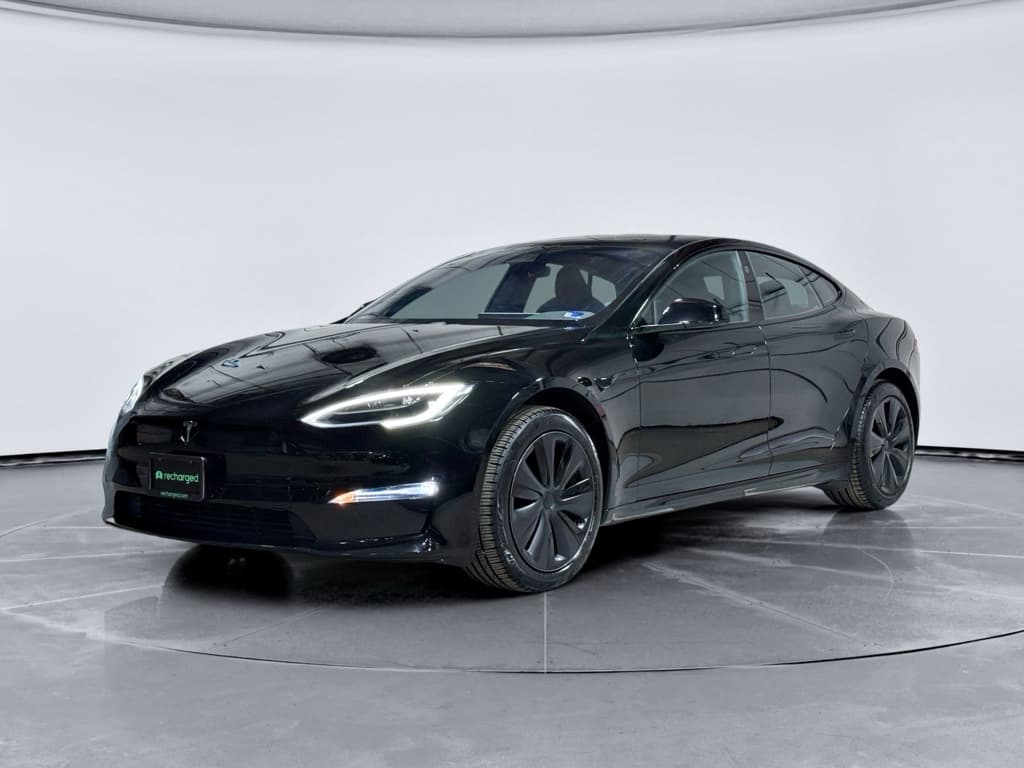
If you’re looking at a 2023 Tesla Model S, you probably care about one number more than any other: **range**. EPA stickers promise close to 400 miles on a charge, but real-world range tests tell a more nuanced story. In this guide, we break down how the 2023 Tesla Model S performs in range testing, how it compares to the EPA ratings, and what those results actually mean if you’re buying used through a retailer like Recharged.
Why range tests matter
2023 Tesla Model S range overview
For 2023, the Tesla Model S lineup in the U.S. centers on two trims that share a large battery pack but are tuned differently for range and performance:
2023 Tesla Model S key range specs
Headline range and battery numbers for the 2023 Model S lineup.
| Trim | Drivetrain | Approx. battery (gross) | EPA range (approx.) | Battery chemistry |
|---|---|---|---|---|
| Model S (Dual Motor) | AWD dual-motor | ~100 kWh | 396–405 miles EPA | NCA lithium-ion |
| Model S Plaid (Tri Motor) | AWD tri-motor | ~100 kWh | 348–390 miles EPA | NCA lithium-ion |
Factory ratings are a starting point, not a guarantee of what you’ll see on the road.
Different data sources list slightly different EPA numbers, but they all paint the same picture: the **2023 Model S Long Range can approach 400 miles**, and the **Plaid variant trades some range for extreme performance**, still landing well above most EVs on sale today.
Range highlights for the 2023 Tesla Model S
EPA range ratings for the 2023 Tesla Model S
The **EPA range rating** is a standardized lab result used for the window sticker. It’s designed to let you compare EVs on a level playing field, but it doesn’t perfectly predict your own experience.
- The EPA cycle blends city and highway driving, with relatively gentle acceleration and moderate speeds.
- Temperatures are controlled, and HVAC use is limited or standardized.
- The car is tested from a full charge to depletion under repeatable conditions, then adjusted with a correction factor.
For the 2023 Tesla Model S, U.S. EPA documentation and spec databases show roughly 396–405 miles of rated range for the dual-motor Long Range configuration and around **348–390 miles for the Plaid**, depending on wheels and options. Larger 21-inch wheels and stickier tires generally reduce range versus the standard 19-inch setup.
Don’t expect the sticker every day
Real-world range tests: how far the 2023 Model S really goes
Independent testers have been putting the refreshed Model S (2021+ design, same basic hardware as 2023) through controlled highway range tests for several years. While not always labeled as "2023" specifically, their results apply directly to the 2023 model-year because the battery and drivetrain packages are effectively unchanged.
What range tests show for the current Model S
Highway testing at a steady 70–75 mph tells you more about road-trip capability than mixed EPA cycles.
Model S Long Range
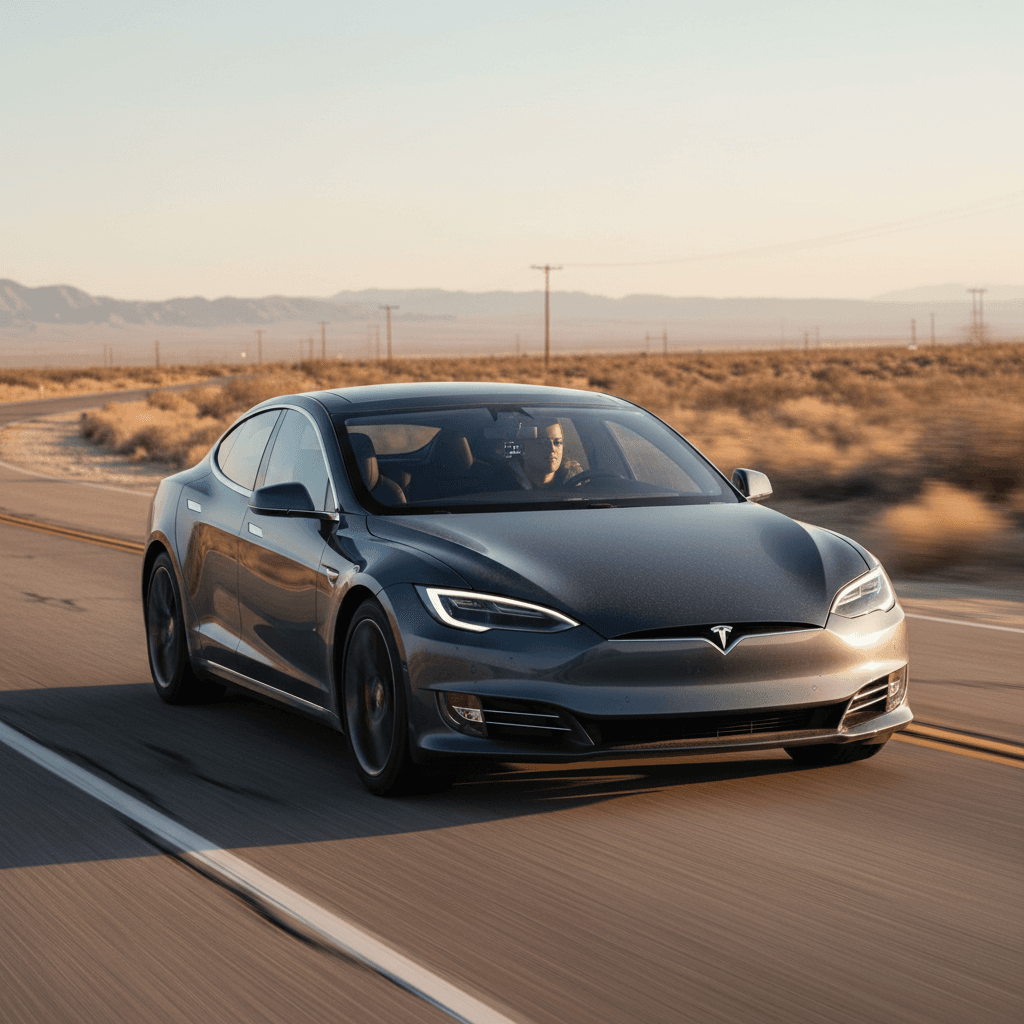
In prior testing of the refreshed Long Range, a major U.S. outlet drove around 320 miles at a constant 75 mph before the battery reached low state of charge. That’s roughly 80% of the EPA rating but still one of the longest highway results ever recorded.
The 2023 car shares the same pack size and dual-motor layout, so you can expect similar real-world numbers with 19-inch wheels in mild weather.
Model S Plaid
The Plaid, with its tri-motor setup and performance tires, has posted about 280 miles at 75 mph in similar independent tests. That’s again roughly 80% of the EPA figure, but still top-tier highway range for a supercar-quick EV.
Wheel choice, tire compound, and temperature can easily move that number up or down by 20–30 miles.
Those numbers line up with broader real-world testing trends: many EVs deliver **5–15% less range on the road** than they do in laboratory cycles, sometimes more in extreme heat or cold. The current Model S platform actually performs better than average in that respect, especially at steady highway speeds.
Highway vs city range: what our test scenario means
Most published "range tests" for the Model S focus on constant-speed **highway driving at 70–75 mph**. That’s great for road-trip planning, but it’s not the only way to look at range.
Highway-focused testing
- Represents long-distance trips, where aero drag dominates.
- Higher speeds hurt range disproportionately once you pass about 65 mph.
- Gives a conservative view compared with stop‑and‑go city driving.
If you commute mostly on interstates at 75–80 mph, plan using highway test numbers, not the EPA sticker.
Mixed or city driving
- Lower speeds and more regeneration often improve efficiency.
- Short trips can be less efficient in winter due to cabin warm‑up.
- In mild weather, many Model S owners see EPA-like or better range in city use.
If you do mostly urban or suburban miles, you’re more likely to match or exceed real-world highway test results.
Use navigation for realistic estimates
Factors that shrink or stretch 2023 Model S range
Two identical 2023 Model S sedans can return very different range results depending on where and how they’re driven. If you’re comparing your experience to published range tests, keep these variables in mind.
Major variables that affect your real-world range
Most drivers can influence at least half of these factors day to day.
Temperature & climate control
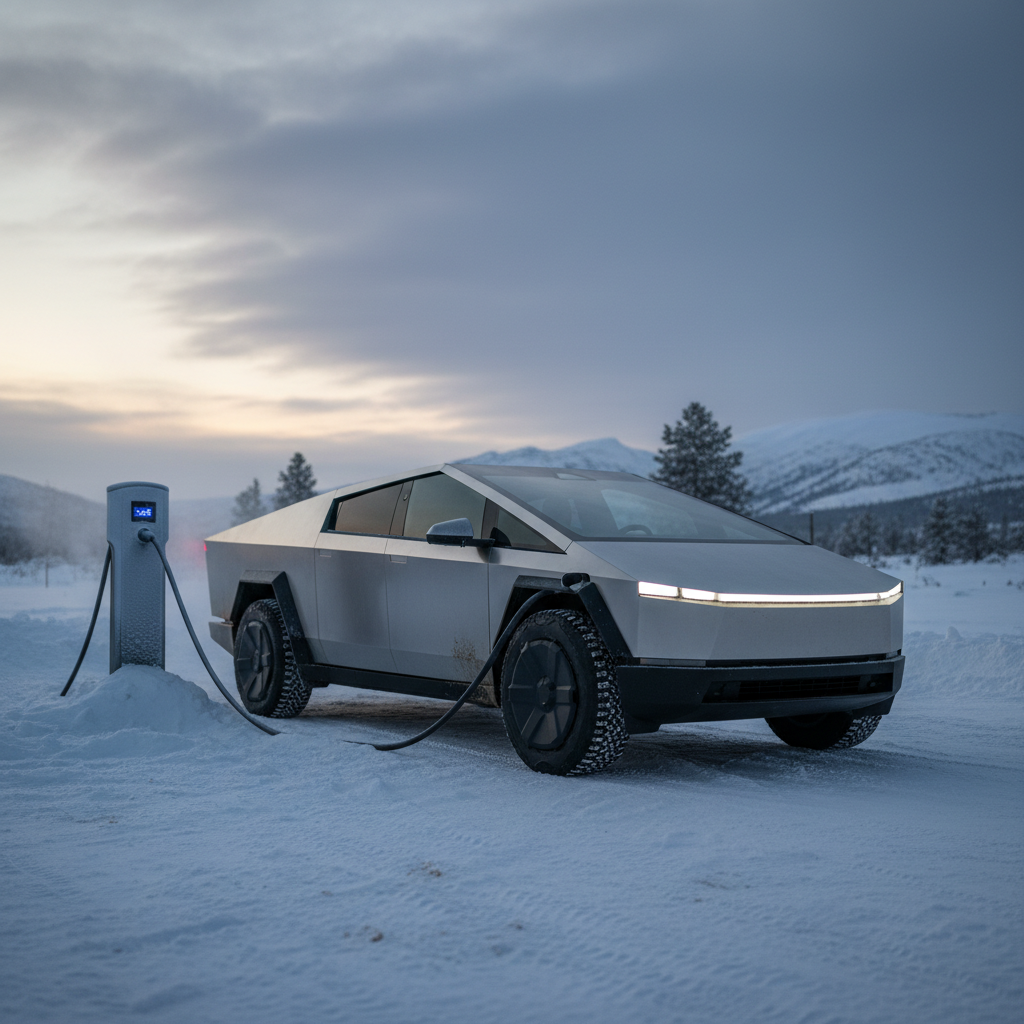
Cold weather thickens battery chemistry and increases cabin-heating loads. Very hot weather means heavy A/C use. Either way, HVAC can easily shave 10–25% off your range on bad days.
Speed & aerodynamics
Above about 65 mph, aerodynamic drag ramps up quickly. Going 80 instead of 70 can cost you dozens of miles of range over a full pack. Roof racks, open windows, and big wheels all add drag.
Driving style
Hard launches and frequent heavy braking waste energy as heat. Smooth acceleration, early lifting, and letting regen do more work keeps your consumption numbers closer to what you see in professional tests.
Terrain & elevation
Long climbs are range killers; even with regeneration on the way back down, you’ll rarely break even. Most highway range tests are done on relatively flat routes.
Tires & alignment
Sticky performance tires and aggressive wheel fitments can noticeably hurt efficiency. Low tire pressure or poor alignment drags down range and accelerates wear.
Battery temperature & preconditioning
Preconditioning the battery before a DC fast charge uses energy up front but helps you charge faster mid-trip. On cold days, plan for that energy overhead when doing tight range calculations.
Range and battery degradation on a used 2023 Model S
When you’re shopping used, range isn’t just about the original EPA rating, it’s also about **how much of that battery capacity is still available**. Tesla packs have generally aged better than early EVs from other brands, but degradation is real and it directly affects range.
Industry-wide analyses of Tesla data suggest that, on average, newer packs lose only a few percent in the first couple of years, then degrade gradually over time. By 100,000 miles, many Teslas still retain around 80–90% of their original usable capacity, though heat, fast‑charging habits, and how high the previous owner charged the pack day‑to‑day all make a difference.
Climate matters more than you think
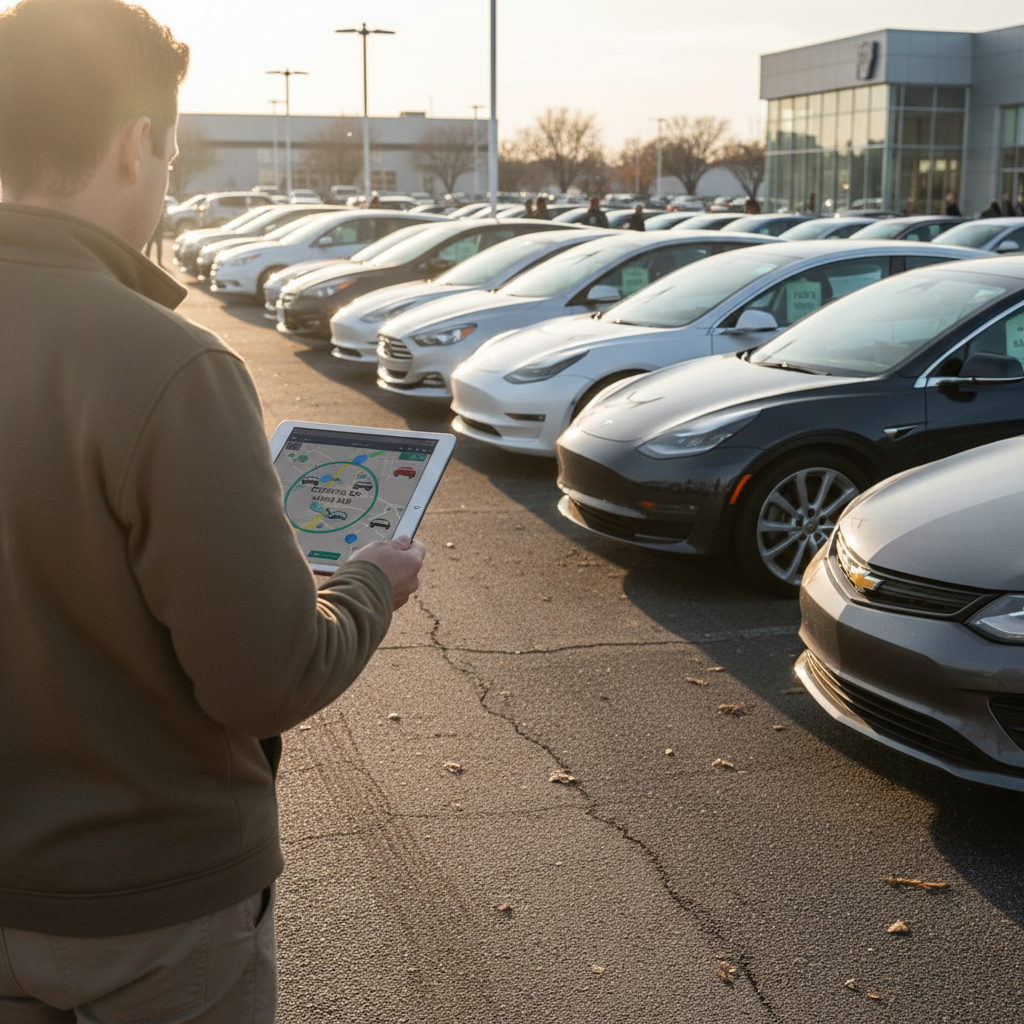
At Recharged, every used EV comes with a Recharged Score battery health report. That report uses diagnostics to estimate remaining capacity and real‑world range, so you’re not guessing how far the car can actually go compared with its 2023 window sticker.
How the 2023 Model S compares to other long-range EVs
Even a few years after launch, the 2023 Tesla Model S still sits near the top of the long-range EV pack. A growing number of premium sedans and crossovers from Mercedes, BMW, Hyundai, Lucid, and others advertise 300‑plus miles, but the Model S remains competitive on both paper and pavement.
2023 Model S vs other long-range EVs (high-level view)
How the Model S stacks up against other long-range EVs available in the same era.
| Model | Approx. EPA range | Highway test range @ ~75 mph | Notes |
|---|---|---|---|
| Tesla Model S Long Range | ~396–405 mi | ~320 mi | One of the few EVs to clear 300 miles in independent highway testing. |
| Tesla Model S Plaid | ~348–390 mi | ~280 mi | Performance-focused but still road-trip capable. |
| Rival premium EV sedan (typical) | ~280–340 mi | ~220–260 mi | Often falls 10–20% short of EPA at steady highway speeds. |
| Mainstream EV crossover (typical) | ~250–310 mi | ~190–240 mi | More frontal area and higher ride height hurt aero efficiency. |
Exact numbers vary by trim and wheel choice, but the Model S consistently ranks among the longest-range EVs available.
Where the Model S still shines
Range tips for daily driving and road trips
You can’t control the weather, but you can control how you use your 2023 Model S. A few simple habits can stretch your real-world range, whether you bought the car new or picked it up used from a marketplace like Recharged.
Practical ways to maximize 2023 Model S range
1. Set a sensible daily charge limit
For everyday use, keep your charge limit around 70–80% instead of 100%. This protects long‑term battery health and still gives you more than enough range for a typical U.S. commute.
2. Use scheduled departure and preconditioning
Preheat or precool the cabin while the car is still plugged in, especially in winter. Warming the pack and cabin on shore power reduces energy use on the first leg of your drive.
3. Watch your speed on the highway
Dropping from 80 to 70 mph can add dozens of miles of effective range over a full pack. Your trip might take a few minutes longer, but you may eliminate an entire charging stop.
4. Choose wheels and tires with efficiency in mind
The standard 19-inch wheels and all‑season tires deliver noticeably better efficiency and range than heavier 21-inch performance setups. If range is your priority, shop for the smaller wheels.
5. Plan trips through the onboard trip planner
Enter your route into the Tesla navigation system. The trip planner adds Supercharger stops automatically and updates remaining range estimates in real time based on your actual consumption.
6. Keep tires properly inflated
Check tire pressures monthly and before long road trips. Underinflated tires increase rolling resistance, reduce range, and can lead to uneven wear.
Checklist: range and battery health checks when buying used
If you’re evaluating a used 2023 Model S, whether through a private seller, a traditional dealer, or a digital retailer like Recharged, range and battery health should be at the top of your inspection list. Here’s how to approach it.
Range & battery checks for a used 2023 Tesla Model S
1. Review the battery health report
Ask for documented battery diagnostics, not just screenshots of the dash. A <strong>Recharged Score</strong> report, for example, summarizes remaining capacity, estimated real‑world range, and any battery-related fault codes.
2. Compare displayed range at 100% to EPA
Fully charging once (or reviewing a recent full‑charge photo) lets you compare the car’s predicted 100% range to its original EPA rating. A modest drop is normal; a very large gap can signal heavy degradation.
3. Look at lifetime efficiency
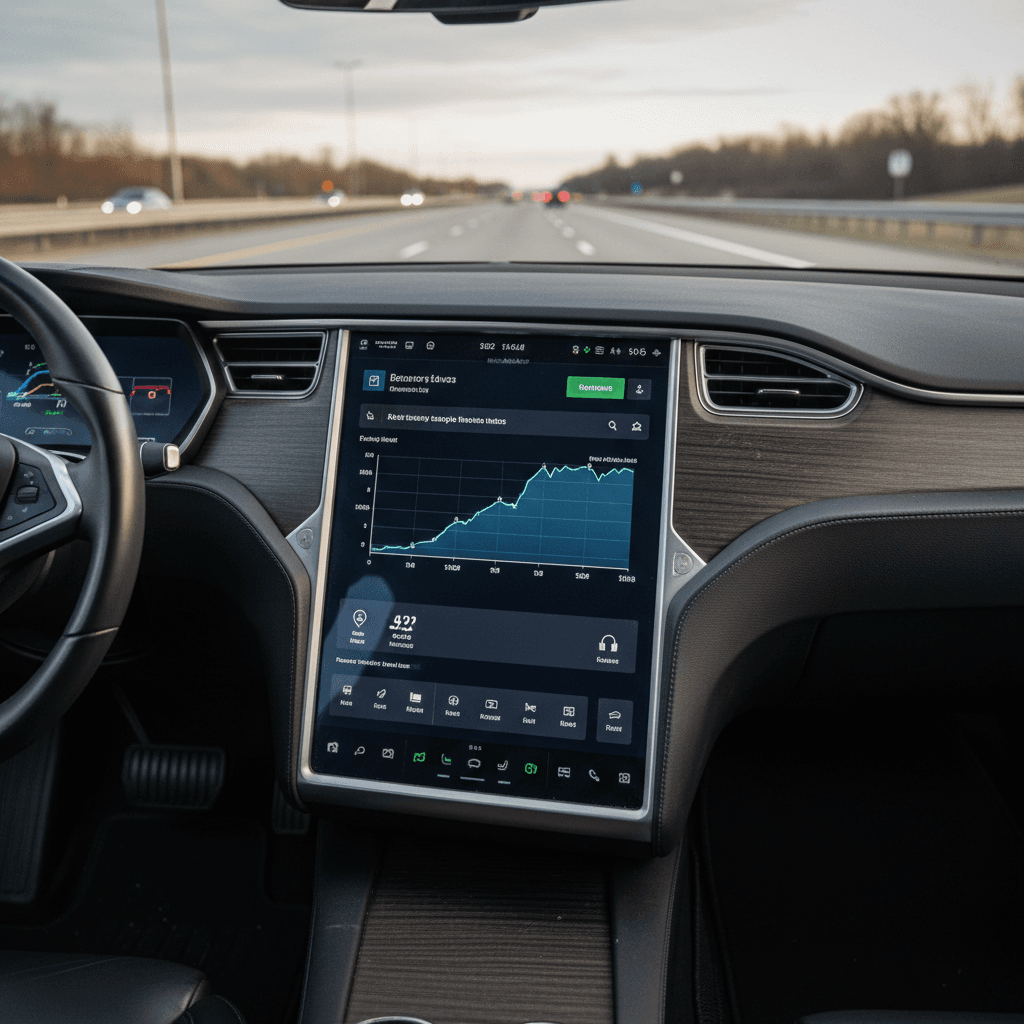
On the Tesla energy screen, note the lifetime Wh/mi figure. Very high consumption can hint at aggressive driving, frequent high‑speed trips, or a lot of operation in extreme climates.
4. Check charging history and habits
Ask how often the previous owner used DC fast charging vs. home Level 2, and whether they routinely charged to 100%. Occasional road‑trip fast charging is fine; constant 100% DC fast charging is not.
5. Consider climate and storage history
A car that spent its life in very hot regions or parked outside in the sun may have more degradation than one garaged in a mild climate, even with similar mileage.
6. Test drive with an eye on the energy graph
During a highway test drive, watch the live Wh/mi consumption. Compare it to what you’d expect from published range tests. Big outliers can point to tire, alignment, or mechanical issues.
Red flags to avoid
FAQ: 2023 Tesla Model S range questions
Common questions about 2023 Tesla Model S range tests
Bottom line: should range stop you from buying?
For most shoppers, **range should be a reason to consider a 2023 Tesla Model S, not a reason to avoid it**. Independent highway tests show that both the Long Range and Plaid variants deliver some of the strongest real-world results on the market, even if they don’t always match their optimistic EPA stickers.
If you’re buying used, your job is to match the car’s remaining range to your daily routine and road‑trip plans, and to verify that the battery is still healthy. That’s where transparent diagnostics and expert guidance matter. On Recharged, every Model S listing includes a Recharged Score battery health report, fair pricing, available financing, and nationwide delivery, so you can compare cars by real‑world range instead of guessing from a spec sheet.
Put simply: if you need an EV that can comfortably handle 200‑plus miles a day, winter and summer, with room in the tank for detours, a well‑vetted 2023 Tesla Model S remains one of the most capable choices in the used market, and understanding real‑world range testing is the first step toward buying with confidence.