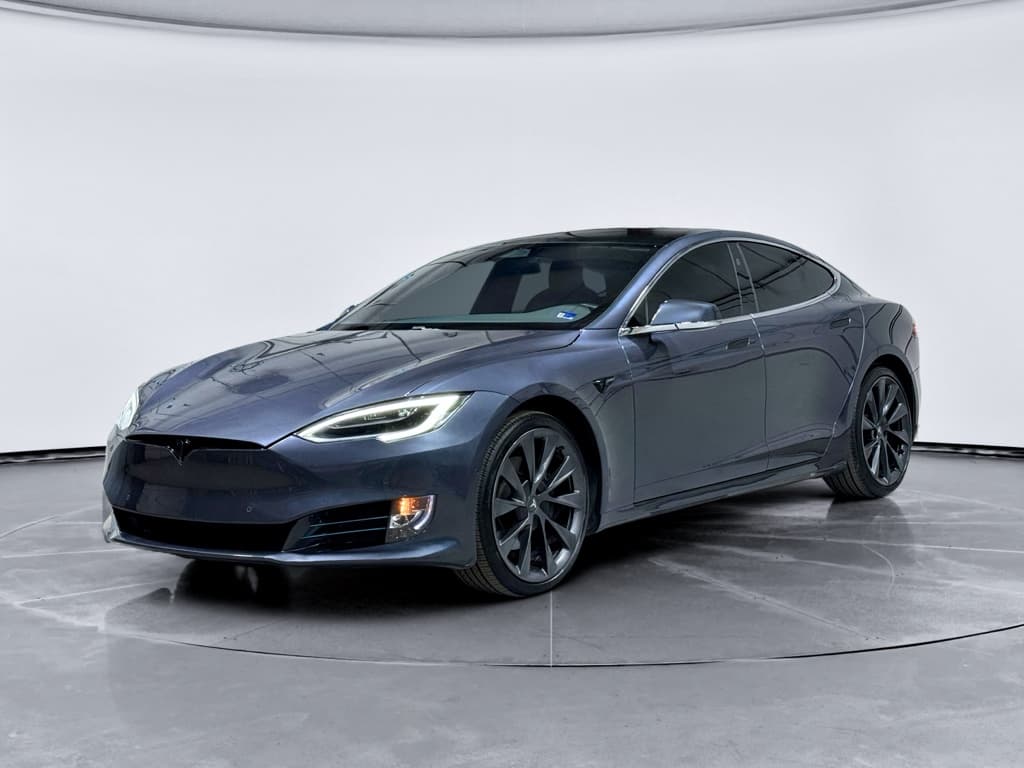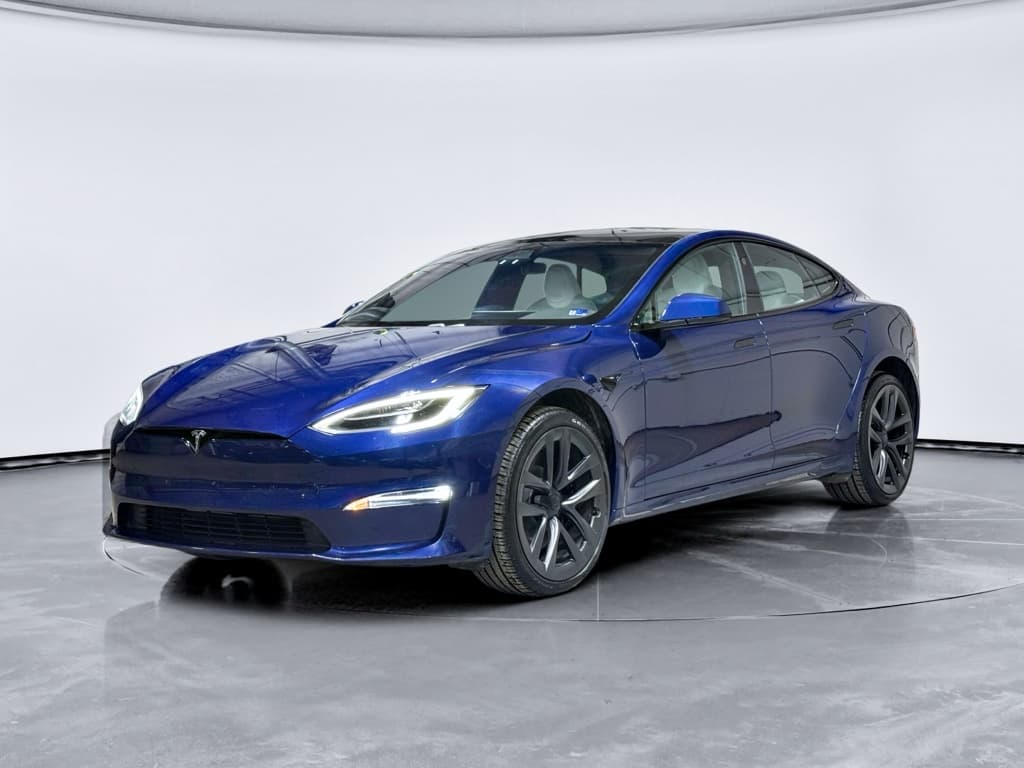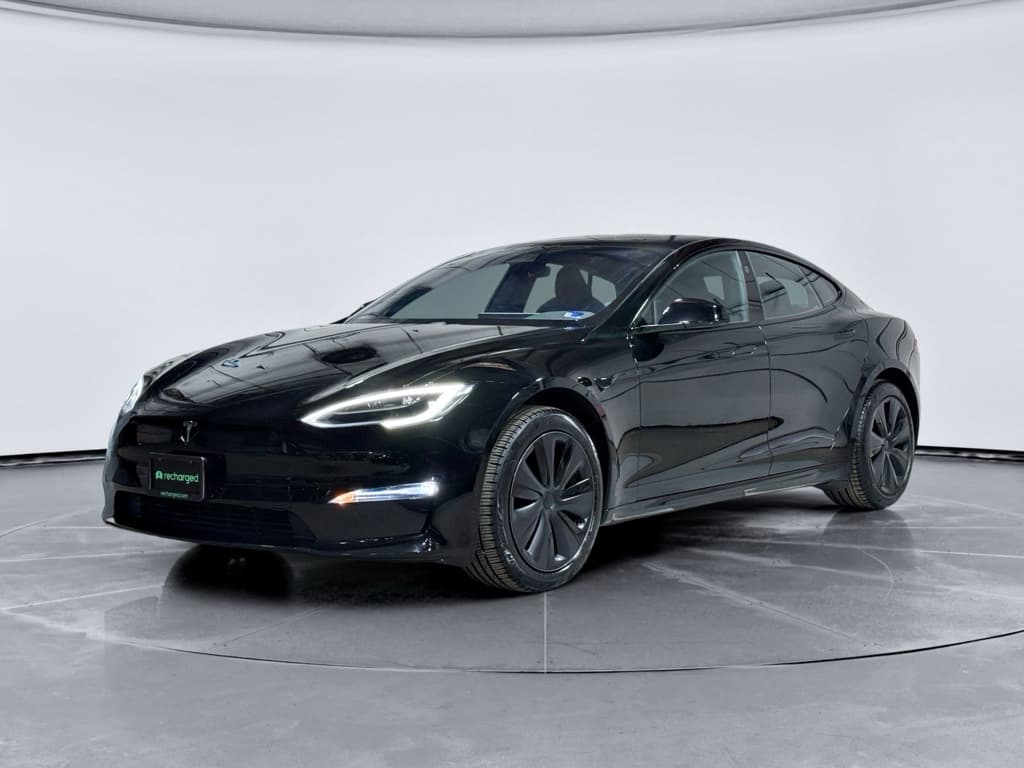
If you’re eyeing a used 2023 Tesla Model S, you’re probably wondering less about 0–60 times and more about problems: How reliable is it? What breaks? Which issues are just software quirks and which can turn into four-figure repair bills? This guide walks through the most common 2023 Tesla Model S problems, where they show up in the real world, and how to shop smart if you’re buying used.
Quick take
Why 2023 Tesla Model S problems matter for buyers
The 2023 Model S sits in an interesting spot. It’s the updated "refresh" version with the minimalist interior and yoke/round steering options, so you’re getting Tesla’s latest design language and performance. At the same time, it’s new enough that many problems are still emerging as mileage accumulates. For a used buyer, that means you can’t just look at a pretty exterior and a long range estimate, you need to understand where this car tends to cause headaches and how to protect yourself before you sign anything.
2023 Tesla Model S problem snapshot
Reliability big picture: How the 2023 Model S is holding up
Owner surveys and reliability ratings paint a nuanced picture. The 2023 Tesla Model S has been described as less reliable than the average 2023 car, with trouble spots in body hardware, climate system, braking, and various electronics. At the same time, it tends to fare better than early Model S years, which struggled more with suspension and drivetrain issues.
- The electric drivetrain itself (motors, single‑speed gearbox) is generally robust and low‑maintenance.
- Most headaches come from software, electronics, and hardware details, the things that make a Tesla feel futuristic when they work, and maddening when they don’t.
- Tesla can fix many problems via over‑the‑air (OTA) software updates, but hardware failures still require a service visit and can be costly after the warranty expires.
Don’t ignore reliability just because it’s an EV
Major recalls and safety issues on the 2023 Model S
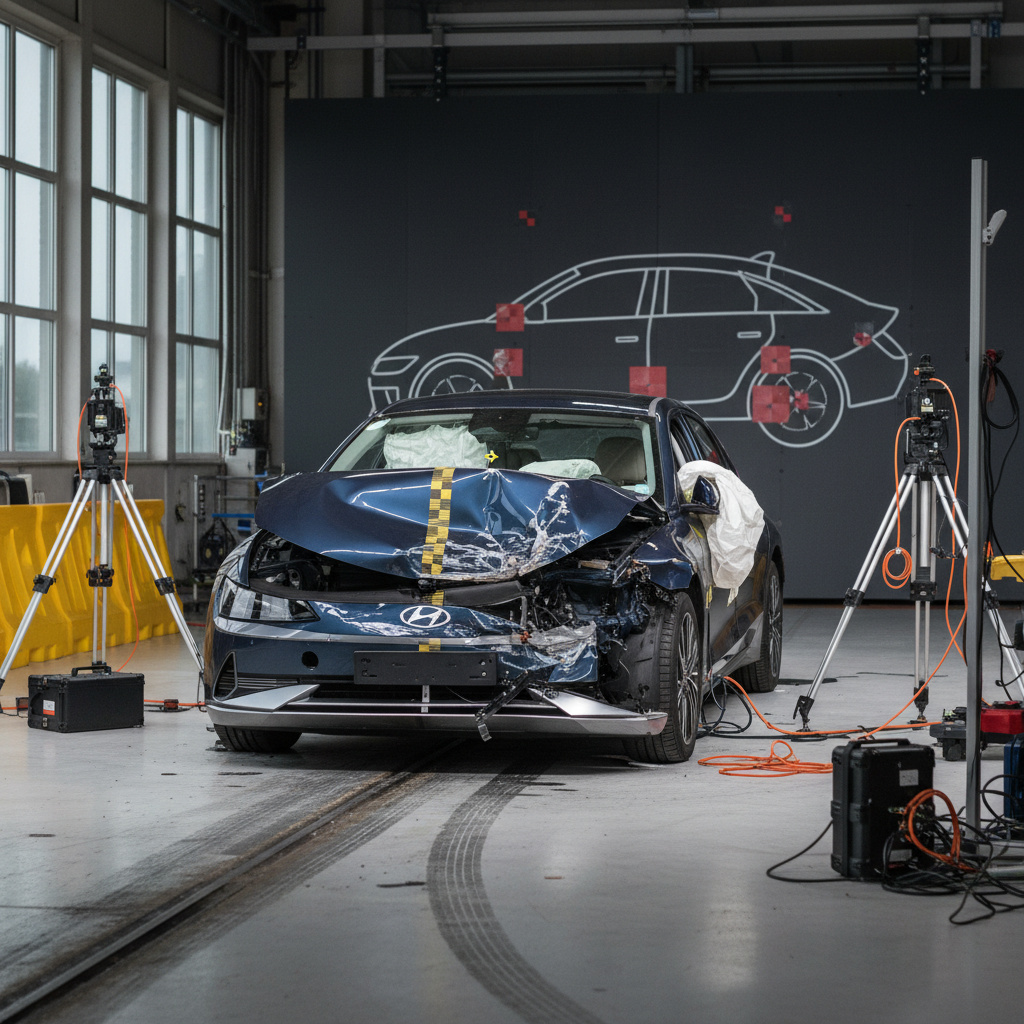
Before you get into day‑to‑day annoyances, you should understand the recall landscape. The 2023 Model S has been subject to a double‑digit number of recalls, many of which are shared across Tesla’s lineup.
Key recall themes on 2023 Tesla Model S
Always run the VIN through NHTSA and Tesla before you buy; recall fixes should be free, but not all used cars have them completed.
| System | Example issues on 2023 Model S | Typical remedy |
|---|---|---|
| Steering & control | Potential power steering loss or steering behavior that doesn’t meet regulatory requirements. | OTA software update and, in some cases, inspection or hardware replacement at a Tesla Service Center. |
| Seat belts | Front seat belts that may not be secured as intended, potentially affecting restraint performance in a crash. | Inspection and rework of belt anchors or components by Tesla, free of charge. |
| Electrical / doors | Cabin doors that could unlock or fail to latch as required during certain crash events. | Software update to ensure doors behave according to safety standards. |
| Back‑up camera | Rearview image may fail to display under specific software versions. | OTA update to stabilize camera behavior and restore required visibility when in Reverse. |
| Airbags / steering wheel swaps | Incorrect airbag modules installed after steering yoke/round wheel swaps, or horn pad issues. | Inspection and, if needed, replacement airbag module and horn pad. |
Recall labels below are simplified for shoppers; official wording is more technical.
Used‑buyer move: Start with the VIN
Software and infotainment glitches
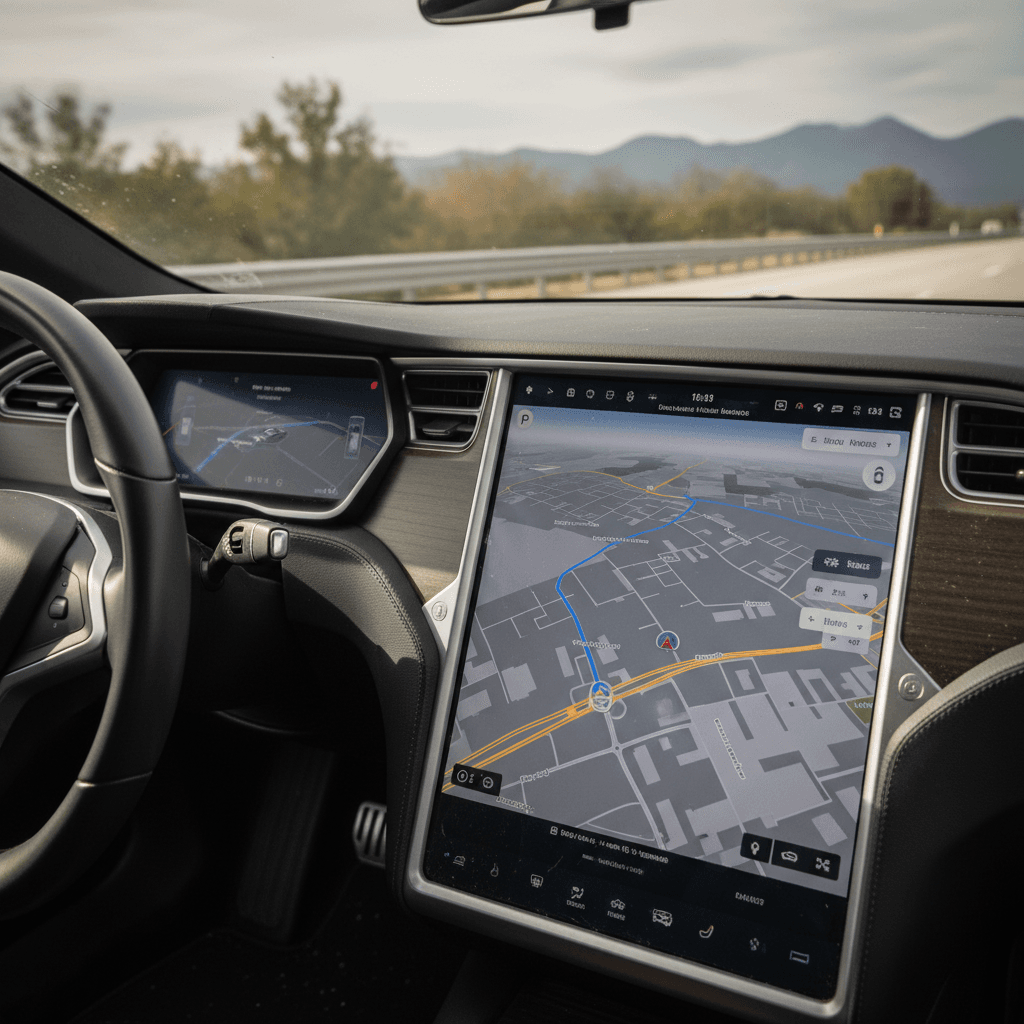
Every Tesla leans heavily on its central touchscreen, and the 2023 Model S is no exception. When that screen or the software behind it misbehaves, it can feel like the whole car is acting up.
- Touchscreen freezes or reboots: Owners report occasional blackouts, random reboots, or lag, which can temporarily affect climate control, navigation, and some safety‑related displays.
- Camera and sensor quirks: The 2023 Model S has seen recalls and complaints around rear camera images not always appearing, as well as intermittent errors from parking or driver‑assist sensors.
- Phantom alerts and chimes: Lane keeping, collision warnings, or traction alerts that trigger too often can frustrate owners and mask real issues.
- Bluetooth, phone key, and app connectivity: Pairing problems, delayed app wake‑ups, or phone‑as‑key not always unlocking the car are common threads in owner forums.
When a software bug becomes a safety issue
The upside of Tesla’s software approach
- Many bugs are fixed OTA without a service visit.
- New features and UI tweaks can arrive years after you buy.
- Navigation and charging planning improve over time.
The downside for 2023 Model S owners
- New software can introduce fresh bugs or regressions.
- Glitches can temporarily affect core functions like HVAC, cameras, and Autopilot.
- You have less control over updates than with a traditional infotainment system.
Battery, range, and charging issues
The 2023 Model S is capable of 350–400+ miles of EPA‑rated range depending on trim, which is one of its biggest selling points. Battery packs themselves have proven generally durable, but there are still battery‑related complaints and questions you should know about.
- Perceived range loss: Many owners report that real‑world range is below the EPA estimate, especially at highway speeds, in cold weather, or with larger wheels. Some also feel range estimates changed after software updates.
- Normal vs. abnormal degradation: A modest drop in displayed range in the first 1–2 years can be normal. What you don’t want is steep, sudden losses or repeated warnings about battery condition or charging limits.
- Supercharging behavior: Fast‑charging speed can vary widely based on state of charge, battery temperature, and charger health. Complaints often focus on "slower than expected" charging on road trips.
- Home charging glitches: Occasional fault codes related to wall connectors, GFCI trips, or charge sessions that stop unexpectedly are reported across EVs, Tesla included. Root causes range from wiring to onboard chargers.
How to sanity‑check a 2023 Model S battery
If you’re cross‑shopping other used EVs, remember that the Model S’s large pack actually helps mask degradation: losing 8% of a 400‑mile rating still leaves plenty of usable range. Where buyers get burned is when they pay a premium for a "long‑range" car that secretly has an underlying battery or charging defect.
Suspension, steering, and ride concerns
Tesla has faced scrutiny for Model S suspension and steering components in earlier years, and while the 2023 cars benefit from design revisions, you should still be alert. Separate from official recalls, owners have reported creaks, clunks, and premature wear in suspension hardware on high‑mileage Teslas.
- Front‑end noises: Creaks over speed bumps, clunks when turning at low speed, or rattles from the front corners can point to worn bushings, control arms, or sway bar links.
- Tire wear: The combination of air suspension, heavy curb weight, and instant torque can lead to uneven or rapid tire wear if alignment isn’t spot‑on.
- Steering feel and assist: A 2023 Model S with completed steering recalls should feel consistent and predictable. Any intermittent loss of assist, warning lights, or wandering on the highway is a deal‑breaker.
Budget realistically for suspension and tire costs
Interior, build quality, and wear problems
Build quality is better on late‑model Teslas than on some early cars, but the 2023 Model S still isn’t bulletproof. Owner reports and surveys highlight issues with body hardware, seals, and interior trim.
- Body hardware & doors: Problems can include misaligned panels, wind noise from door seals, trunk or hatch that needs extra force to close, or power trunk that doesn’t latch reliably.
- Interior materials: Tesla’s synthetic "vegan" leather has drawn complaints about premature wear, especially on the driver’s seat bolsters. Scratches, creases, or small tears aren’t uncommon on higher‑mileage cars.
- Rattles and squeaks: Minimalist interiors look clean but can be prone to dashboard or pillar rattles. These are hard to eradicate once they start.
- Climate system: A few owners report noisy fans, weak defrost performance in cold weather, or intermittent HVAC behavior tied back to software.
Used‑car inspection tip
Autopilot and FSD: What to watch for
By 2023, most Model S examples on the road have some level of Autopilot or Full Self‑Driving (FSD) capability enabled. These systems are among Tesla’s biggest selling points, and biggest lightning rods. Federal regulators continue to investigate Tesla driver‑assistance behavior after crashes and traffic‑violation patterns, and software updates keep changing how the car behaves in the real world.
- Feature set changes: What Autopilot or FSD did in early 2023 may differ from what it does now, after software updates. Don’t assume online videos from years past reflect today’s behavior.
- Driver monitoring: The system expects your attention on the road. Alerts and nags for inattentive driving are part of normal operation; repeated disengagements, warnings, or sudden braking when there’s no reason to brake are not.
- Hardware differences: Some 2023 cars run newer "Hardware 4" compute systems, which may have different camera setups and eligibility for future features compared with earlier hardware.
- Liability reality: Regardless of Tesla marketing language, these features are driver‑assist, not self‑driving. You’re still responsible for control at all times.
Treat FSD as a helper, not a chauffeur
Costs, warranty coverage, and out-of-pocket risk
Most 2023 Model S vehicles will still carry part of Tesla’s original warranty coverage, but the age and miles matter a lot. Understanding what’s covered, and what isn’t, helps you estimate your real exposure to big repair bills.
Typical Tesla warranty coverage for a 2023 Model S
Always confirm exact terms for the VIN you’re considering.
Basic vehicle warranty
Covers: Most non‑wear items (electronics, climate system, interior hardware).
Term: Typically 4 years or 50,000 miles from in‑service date.
Battery & drive unit
Covers: High‑voltage battery and drive units.
Term: Typically 8 years with a mileage limit and minimum capacity guarantee.
What’s not covered
Not covered: Tires, brake wear, alignment, cosmetic issues, damage, and many squeaks/rattles.
Out‑of‑warranty electronics or suspension work can be costly.
Why out‑of‑warranty issues sting
Checklist for buying a used 2023 Tesla Model S
If you like what the 2023 Model S offers but don’t want to become a beta tester for someone else’s neglected car, use this checklist as your short‑list filter. It’s written for the real‑world used market, not a glossy brochure.
11 must‑do checks before you buy a 2023 Model S
1. Pull the full recall history by VIN
Use NHTSA and Tesla tools to confirm <strong>all open recalls are completed</strong>, especially those involving steering, seat belts, doors, and camera behavior.
2. Verify remaining warranty
Ask for the in‑service date and current odometer reading, then confirm how much of the basic and battery/drive unit warranties remain.
3. Get a battery health assessment
Look at displayed range at a known state of charge and, if possible, get a <strong>formal battery health report</strong> like the Recharged Score’s diagnostics instead of guessing from percentage bars.
4. Test the touchscreen and cameras hard
Spend time switching menus, zooming maps, toggling cameras, and adjusting climate. Any freezes, black screens, or missing camera images are red flags.
5. Listen for suspension and steering noises
On the test drive, go over speed bumps, rough patches, and highway speeds. Note any clunks, creaks, or wandering steering feel.
6. Inspect tires and alignment
Uneven tire wear, mismatched brands, or feathered edges can indicate <strong>alignment or suspension issues</strong> that may be expensive to fix.
7. Check interior wear points
Look closely at seat bolsters, steering wheel, door panels, and the yoke or wheel. Excess wear for the mileage may signal hard use.
8. Evaluate Autopilot/FSD behavior
If equipped, test driver‑assist features on a suitable road, but never "test" their limits. You’re checking for confidence‑inspiring behavior, not hands‑free miracles.
9. Confirm charging equipment and history
Make sure the car comes with the promised charging cable(s) and ask where it was typically charged, home DC fast charging, or a mix. Heavy fast‑charging isn’t a deal‑breaker but is worth knowing.
10. Review service records
Ask for Tesla service invoices or app screenshots. Repeated visits for the same software or hardware complaint are a warning sign.
11. Consider third‑party inspection
If you’re buying from a private party or non‑EV‑specialist dealer, a <strong>pre‑purchase inspection by an EV‑savvy shop</strong> or a marketplace like Recharged is cheap insurance.
How Recharged helps you shop a used Tesla Model S
A 2023 Tesla Model S can be a phenomenal car if you choose the right example, and a very expensive frustration if you don’t. That’s why Recharged was built specifically around used EVs, not gas cars with a few charging ports bolted on.
What Recharged adds to your 2023 Model S search
EV‑specific checks, transparent data, and help from people who live this market every day.
Recharged Score battery diagnostics
Fair market pricing for used Teslas
EV‑specialist guidance
Nationwide delivery & Richmond Experience Center
Flexible selling and trade‑in options
Financing built around EVs
Ready to find your next EV?
Browse Vehicles2023 Tesla Model S problems: FAQ
Common questions about 2023 Tesla Model S problems
Bottom line: Is a 2023 Model S worth it?
The 2023 Tesla Model S is not a perfect car, and no one shopping the used market should pretend it is. You’re looking at a sophisticated luxury EV with outstanding performance and range, wrapped in a package that has seen more recalls and electronic quirks than the average 2023 vehicle. But if you choose carefully, verify battery and software health, and lean on EV‑focused partners like Recharged, you can land on the right side of that trade‑off: a Model S that thrills every time you drive it without constantly nickel‑and‑diming you in the service bay.
Do your homework, use the checklist in this guide, and insist on transparency around recalls, warranty, and battery condition. The more you know about typical 2023 Tesla Model S problems, the better positioned you are to find a car that delivers what this flagship EV promises, without the unpleasant surprises.