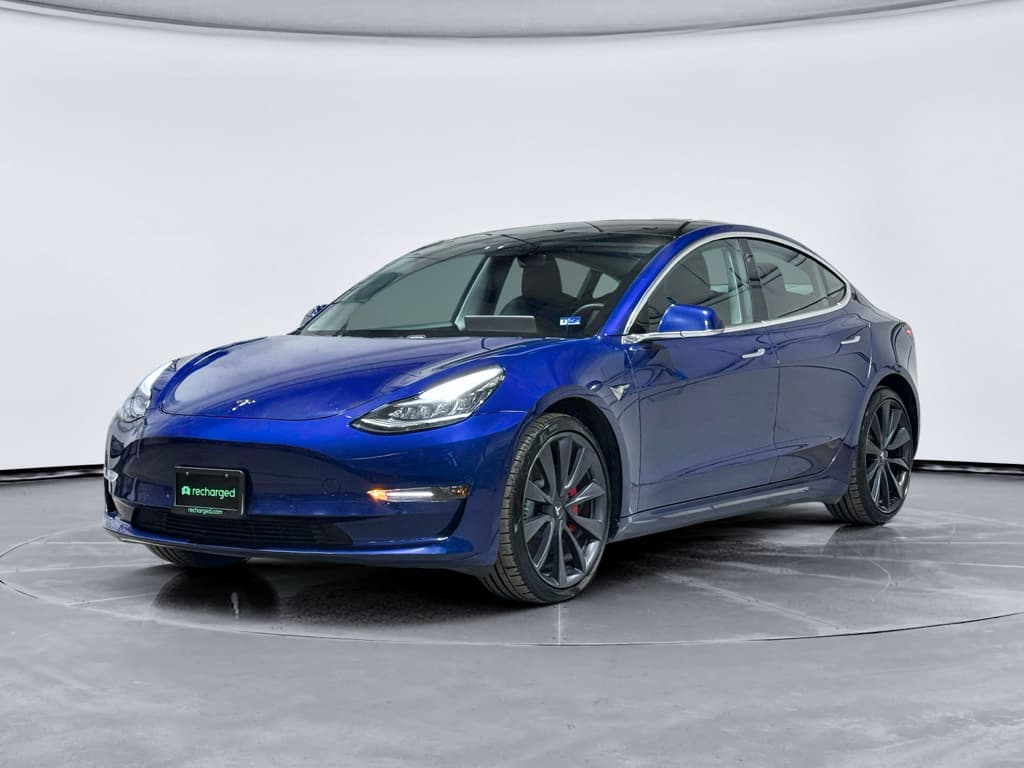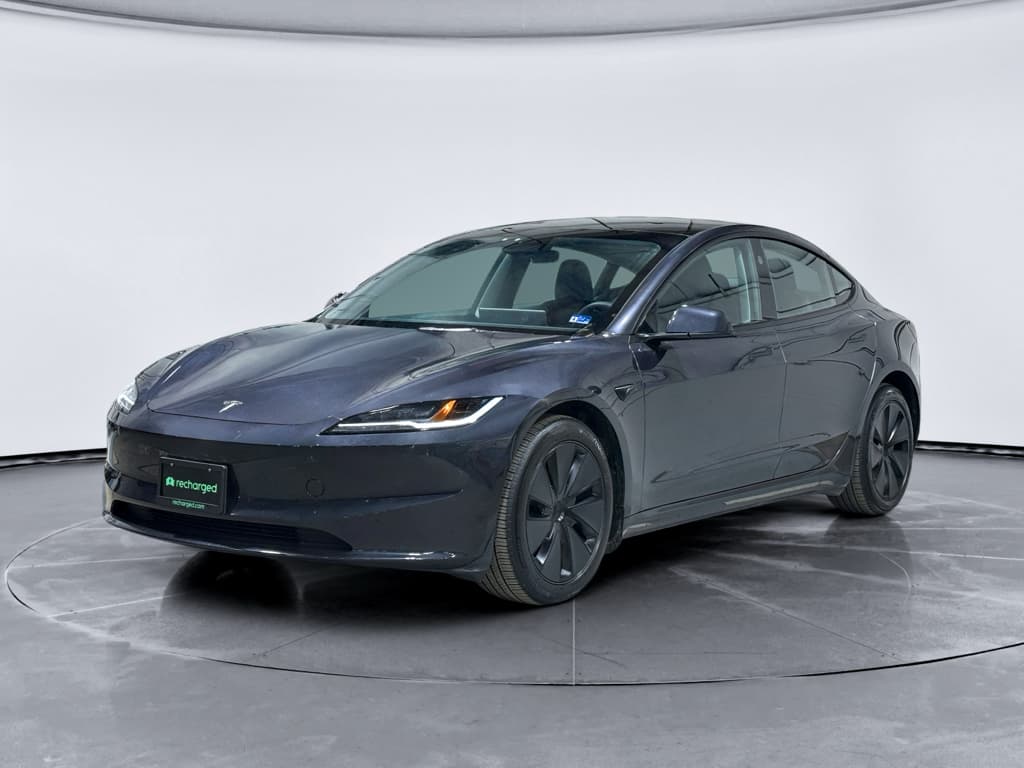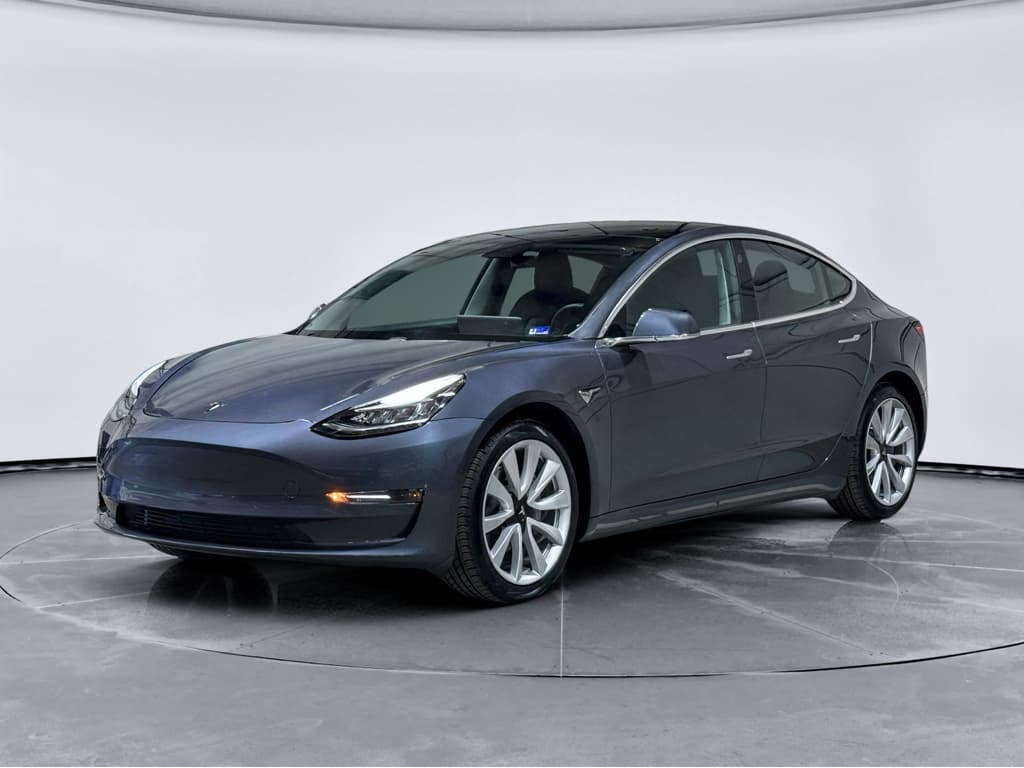
If you’re shopping for a used EV in 2026, the 2023 Tesla Model 3 sits right in the crosshairs of value and anxiety. It’s new enough to feel modern, old enough to have taken a serious depreciation hit, and sandwiched awkwardly between earlier cars and the refreshed "Highland" Model 3 that arrived for 2024. This review looks specifically at the 2023 Tesla Model 3 as a used car: how it drives, what breaks, how the battery ages, and whether the numbers actually pencil out.
Context: reading this in 2026
Overview: Should you buy a used 2023 Tesla Model 3?
The strong case for "yes"
- Excellent range and efficiency for the money compared with other used EVs.
- Access to Tesla’s Supercharger network, plus growing CCS/NACS interoperability.
- Over-the-air software updates keep even a three-year-old car feeling current.
- Massive used supply means you can be picky about color, wheels, and options.
The reasons to hesitate
- Rapid depreciation and Tesla’s habit of cutting new‑car prices under you.
- Patchy build quality and some worrying long‑term reliability data.
- A cabin and controls that live and die by your comfort with screens and software.
- The 2024+ refresh offers nicer materials and quieter ride for not much more.
If you value range, charging access and straight-line pace over leather stitching and physical buttons, a used 2023 Model 3 is still one of the most compelling EVs you can buy. If you’re sensitive to squeaks, panel gaps, and service headaches, you’ll want to be choosy, and you absolutely need good, independent battery health data before you commit.
What’s special about the 2023 Model 3 versus earlier years?
Tesla doesn’t really do traditional “model years”; it does rolling updates. That means two Model 3s built a few months apart can differ in hardware. But by 2023, the car had most of the big improvements that early‑adopter owners had to live without: the heat pump for better cold‑weather efficiency, a power trunk, better cameras, and a more refined suspension tune than the first‑run 2017–2019 cars.
- Most 2023 cars have the updated interior with the matte center console and improved materials compared with 2017–2020 cars.
- 2023 sits just before the major 2024 “Highland” refresh, so styling and interior layout are classic Model 3: stalks on the steering column, no rear screen, and less sound insulation than the new car.
- Software support and feature parity remain strong; in 2026, 2023 owners are still getting meaningful over‑the‑air updates.
Model year vs build date
Trims, range, and real‑world efficiency
In the U.S., the 2023 Tesla Model 3 was sold mainly in three flavors: Rear‑Wheel Drive (RWD), Long Range (dual‑motor AWD), and Performance. On paper, the Long Range claims north of 330 miles of EPA range on the right wheels, the RWD sits in the mid‑200s, and the Performance trades some range for acceleration and bigger wheels.
2023 Model 3 range snapshot (EPA estimates)
In the real world, most 2023 Model 3s deliver about 80–90% of their EPA rating in mixed driving when they’re new and driven sensibly. High speeds, cold weather, and repeated fast charging will drag that number down. Still, compared with other used EVs in the same price band, the 2023 Model 3 remains one of the easiest cars to road‑trip without constant range anxiety.
Watch those 20‑inch wheels
Driving experience: quiet, quick, and a little quirky
Even in 2026, the 2023 Model 3’s performance is still startling. The RWD car is quick enough to dust most compact sedans; the Long Range is properly brisk; the Performance car is a low‑fuss missile. The steering is light but accurate, and the low center of gravity makes quick work of on‑ramps.
How the 2023 Model 3 feels on the road
The good, the bad, and the "depends on you"
Acceleration
Even the base RWD car leaps away from lights. The Performance trim is supercar‑fast on a short run, with instant torque that never gets old.
Ride & Handling
Sure‑footed and agile, but on rough pavement the suspension can feel busy, especially on 19–20" wheels. Not a floaty luxury sedan; more a slightly over‑caffeinated sport compact.
Noise & Refinement
Quieter than most gas sedans, but not class‑leading for wind and tire noise. The 2024+ refresh improved sound insulation; on a back‑to‑back drive you can hear the difference.
Autopilot and driver assistance
Tech, interior, and comfort
The 2023 Model 3’s interior lives by the tablet, dies by the tablet. You get the familiar 15‑inch center screen running nearly everything: speed, HVAC, camera views, navigation, wipers, glove box. If you’re the sort of person who still mourns the loss of volume knobs on stereos, this will feel like a bridge too far. If you live on your phone, you’ll adapt in a day.
Strengths
- Clean, modern look that still feels futuristic in 2026.
- Comfortable front seats and a reasonably roomy back seat for adults.
- Massive glass roof and excellent outward visibility.
- Frequent software updates add small features and polish over time.
Weak spots
- Materials quality is better than early cars but still shy of premium Germans.
- All‑screen control layout can be frustrating for simple tasks while driving.
- Some owners report buzzes and squeaks as the car ages, especially in cold climates.
Depreciation, pricing, and value in 2026
Tesla depreciation has been, to put it kindly, dramatic. Frequent new‑car price cuts and the arrival of the refreshed Model 3 have pulled used values down faster than the broader used‑car market. That’s brutal if you bought new, but it’s an opportunity if you’re shopping used.
Typical 2026 asking prices for 2023 Model 3 (U.S.)
Approximate retail asking prices for well‑kept cars with average mileage. Real prices will vary by region, mileage, options, and battery health.
| Trim | Likely Mileage (2023 → 2026) | Typical Asking Range | Notes |
|---|---|---|---|
| RWD | 25,000–35,000 mi | High $20,000s–low $30,000s | Best value sweet spot if you don’t need AWD. |
| Long Range AWD | 30,000–45,000 mi | Low–mid $30,000s | Commands a premium for road‑trippers and cold‑climate buyers. |
| Performance | 25,000–40,000 mi | Mid–high $30,000s | Fastest and most fun, but higher tire and brake costs. |
Use these numbers as ballpark guidance, not a quote, battery condition and history can move value thousands of dollars either way.
Used vs new math
Data from multiple valuation sources suggests the Model 3 often loses roughly 40–50% of its original price by year three, depending on trim, incentives, and how aggressively Tesla has been discounting new cars. Buy after the big plunge, not before it.
Battery health and charging on a used 2023 Model 3
The battery is the whole ballgame with a used EV. The good news: Tesla packs generally hold up well when treated reasonably. The bad news: abuse, frequent 100% charges, lots of DC fast charging, high‑mileage ride‑share duty, can quietly kneecap range before you ever drive the car.
Battery & charging: what matters most on a 2023 Model 3
Don’t just ask the seller, verify it.
Degradation
Most healthy Model 3 packs lose roughly 5–10% of range in the first few years, then taper. A heavily abused car can lose more.
Charging behavior
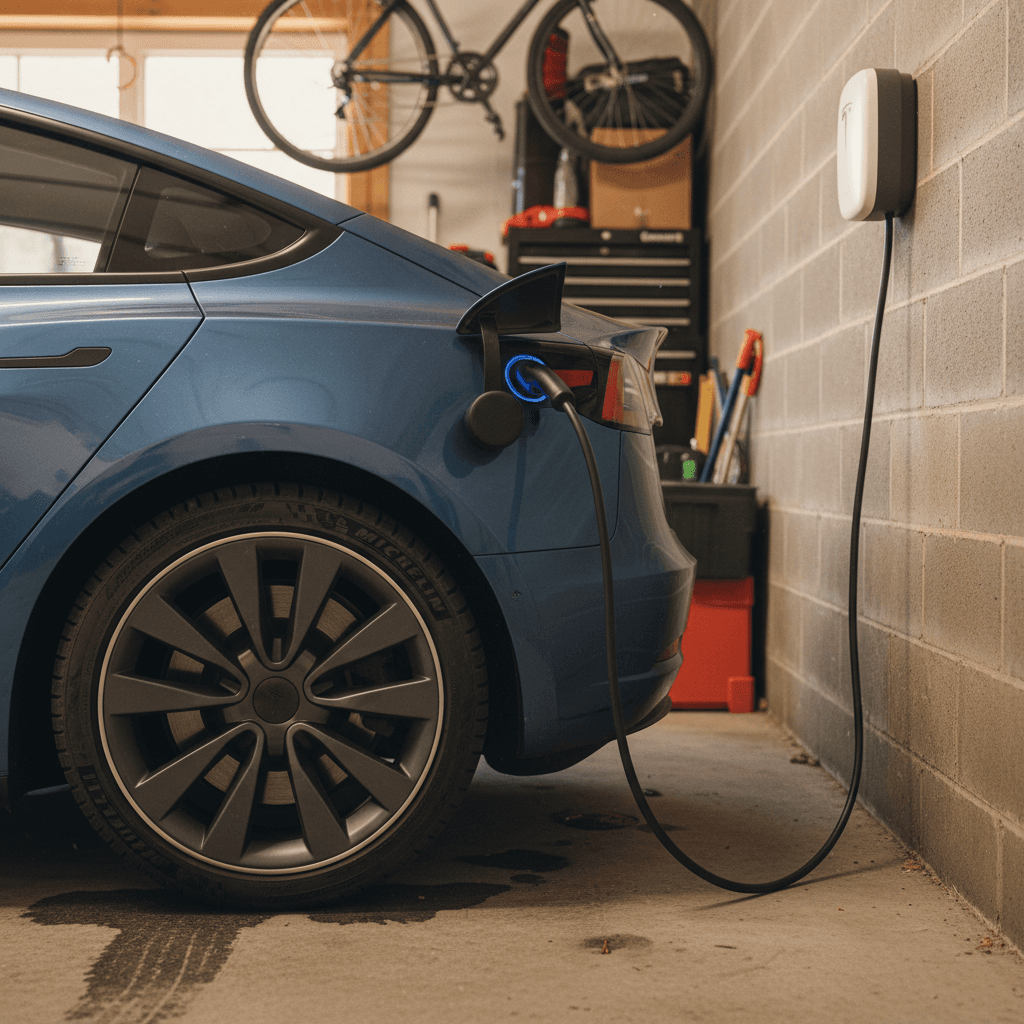
Lots of DC fast charging and frequent 100% charges speed up wear. Home Level 2 charging to ~80–90% is kinder to the pack.
Warranty
The 8‑year / 100k–120k mile battery and drive unit warranty should still cover every 2023 car in 2026. Confirm in the owner’s Tesla app.
Never buy blind on battery health
Every used EV sold through Recharged comes with a Recharged Score Report that includes verified battery health and charging behavior, so you’re not guessing. That’s especially important on high‑mileage 2023 cars coming off fleet or ride‑share duty, where pack wear can be far more aggressive than on a private commuter.
Known issues and what to watch for
Tesla’s reliability story is complicated. The drivetrain and battery tend to be robust; the little things… less so. Independent inspection data in Europe has shown above‑average defect rates for Model 3s at their first technical inspection, much of it related to suspension, brakes, and build quality. U.S. owner forums echo that theme: not catastrophic failures, but nuisance issues that add friction to ownership.
- Paint chips and road rash on the nose and rocker panels, especially in snowy states that use road salt.
- Wind noise from doors and glass if panels weren’t aligned perfectly from the factory.
- Rattles and squeaks from the interior over rough roads, often fixable but annoying.
- Premature wear of control arms, links, or bushings, especially on rough roads.
- Door handles and window regulators that occasionally misbehave, though less than in early years.
Service experience is part of the equation
Used 2023 Model 3 vs. new refreshed Model 3
The elephant in the showroom is the refreshed 2024+ Model 3. It brings a quieter cabin, revised suspension, updated styling, different controls (no stalks), and more screens. That makes the 2023 look and feel slightly “last‑gen,” which is exactly why it’s interesting on the used market.
Why choose a used 2023
- Substantial savings versus new, with similar efficiency and performance.
- Traditional stalks for turn signals and gear selection, which some drivers prefer.
- Plenty of range and tech for daily use; still gets software updates.
Why stretch to the refresh
- Quieter, more refined cabin and nicer materials.
- Improved cameras and driver‑assist hardware in many cases.
- Full new‑car warranty and the psychological comfort of being on the latest design.
A simple rule of thumb
Checklist: How to inspect a used 2023 Model 3
Used 2023 Model 3 inspection checklist
1. Verify battery health and charging history
Ask for documented battery health and a record of how the car was typically charged. Look for excessive DC fast charging and lots of 100% charges. A Recharged Score Report packages this into one, easy‑to‑read number.
2. Check for accident and repair history
Review a vehicle history report and, if possible, body‑shop invoices. Panel misalignment, mismatched paint, or odd gaps around doors and trunk can hint at past damage.
3. Inspect tires, wheels, and suspension
Uneven tire wear, bent wheels, or clunks over bumps can point to suspension issues. These are common enough on rough roads that you should budget for an alignment or even control‑arm work on higher‑mileage cars.
4. Test all doors, windows, and handles
Open and close every door, window, and the trunk and frunk several times. Listen for unusual creaks; make sure auto‑up/down works smoothly and handles present and retract properly.
5. Drive at highway speed
On your test drive, take the car to highway speed. Note wind and tire noise, steering feel, and any vibrations. Toggle Autopilot on a well‑marked road to ensure cameras and lane‑keeping behave normally.
6. Check software and app access
Confirm the car is on a current software version, and that the seller is prepared to transfer account access cleanly. Verify features like Premium Connectivity, Enhanced Autopilot, or FSD in the car’s menu, not just in the listing.
How Recharged evaluates used Model 3s
Buying a used Tesla shouldn’t feel like decoding hieroglyphics. At Recharged, every Model 3 we list goes through a standardized evaluation that looks far deeper than the usual used‑car walkaround. That’s where the Recharged Score Report comes in.
What you get with a Recharged Model 3
Beyond the usual Carfax and a handshake.
Verified battery health
We run battery diagnostics and analyze charging behavior so you know how much real‑world range to expect now, not just what the window sticker once claimed.
Mechanical & cosmetic inspection
Suspension, brakes, tires, seals, and glass all get a careful look, plus a check for common Tesla trouble spots like wind noise and water leaks.
Fair pricing & support
Pricing reflects actual battery condition and market data, not guesswork. Financing, trade‑in, and nationwide delivery make the process feel as modern as the car.
Ready to find your next EV?
Browse VehiclesYou can browse and buy entirely online or visit the Recharged Experience Center in Richmond, VA, if you like to kick tires in person. Either way, the goal is the same: make a used 2023 Model 3 purchase feel transparent and boring, in the best possible way.
FAQ: used 2023 Tesla Model 3
Frequently asked questions about the used 2023 Tesla Model 3
Bottom line: Is a used 2023 Model 3 worth it?
As a used proposition, the 2023 Tesla Model 3 is a little like a tech stock that’s already crashed: volatile on the way down, much more rational once the market has had its say. In 2026, that means you can buy a car with genuinely excellent range, performance, and charging access for the price of a fairly ordinary new compact sedan, if you’re careful.
Go in with clear eyes. The 2023 Model 3 is not a paragon of craftsmanship, and Tesla’s service experience can still feel like you’re beta‑testing customer support. But if you prioritize the EV fundamentals, battery health, charging, efficiency, and you buy with real data instead of vibes, a used 2023 Model 3 can be one of the smartest, most future‑proof used cars on the market. And if you’d rather not play diagnostic roulette in a parking lot, Recharged is built to make that whole process straightforward: verified batteries, fair market pricing, and support from people who actually drive EVs every day.