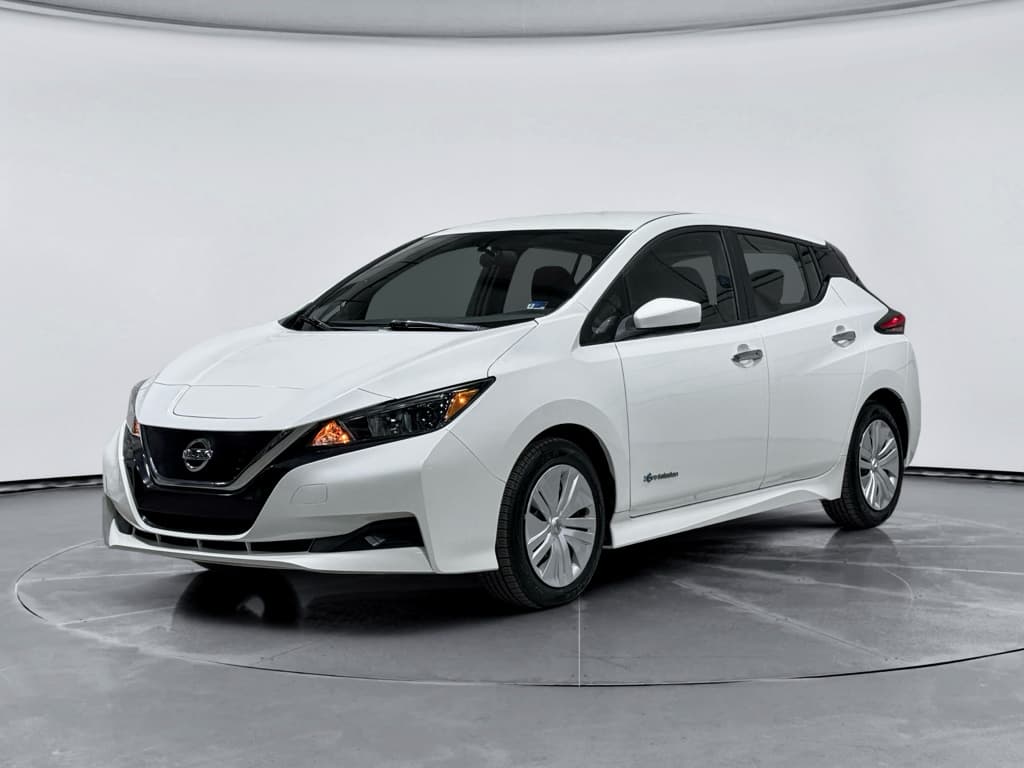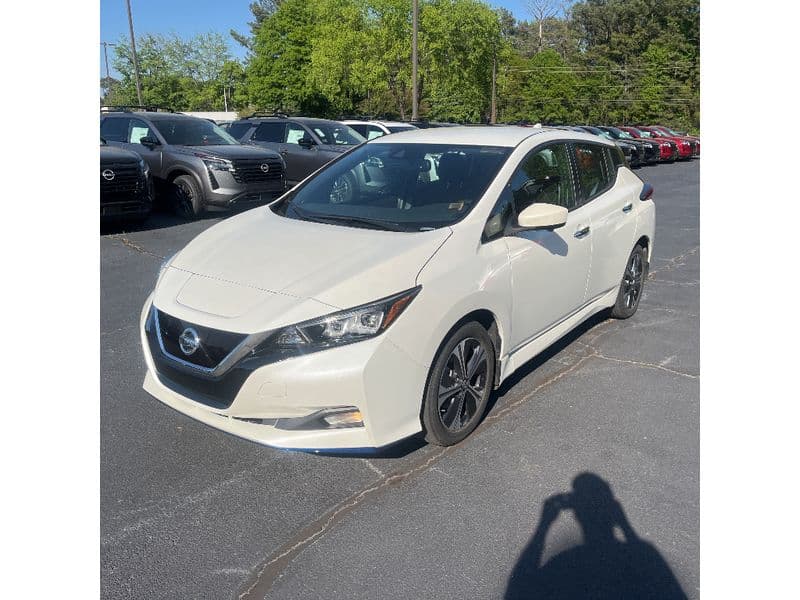
If you bought a 2023 Nissan Leaf, there’s a good chance you’re thinking about what it’s worth now that EV prices have tumbled and newer models have more range. Understanding your 2023 Nissan Leaf trade in value in 2026 is the first step to deciding whether to keep it, trade it, or sell it outright.
Context: EV prices have reset
2023 Nissan Leaf trade-in value today
No online guide can tell you exactly what your dealer will offer, but recent used‑car listing data and depreciation studies give us a realistic range for a typical 2023 Leaf in the U.S. in early 2026:
2023 Nissan Leaf value snapshot (U.S., early 2026)
These are ballpark figures
How much is my 2023 Nissan Leaf worth in 2026?
To get from a rough range to a realistic number, you need to look at three things together: depreciation since new, what similar cars are retailing for, and how a dealer pencils your car into their books.
From MSRP to trade-in: 2023 Leaf value math (simplified)
Illustrative example for a Leaf S and SV Plus purchased new in 2023 and evaluated in early 2026. Real‑world numbers vary by market and mileage, but this shows how dealers think about your car.
| Model/Trim | Original MSRP (approx.) | Typical 2026 retail asking price | Likely dealer trade‑in band |
|---|---|---|---|
| 2023 Leaf S (40 kWh) | $29,000 | $16,000–$19,000 | $13,000–$16,000 |
| 2023 Leaf SV Plus (60 kWh) | $36,000 | $18,000–$22,000 | $15,000–$19,000 |
MSRP and likely value bands for a 2023 Nissan Leaf after roughly three years.
Dealers usually start from what they think they can retail your Leaf for and then back out reconditioning, auction risk, and margin. That’s why your trade‑in offer normally lands several thousand dollars below current retail listings, especially for an EV like the Leaf that has a reputation for faster depreciation.
Quick DIY value check
Factors that move your Leaf trade-in value up or down
Major drivers of 2023 Leaf trade-in value
Some you can’t change, others you can prepare for before you ever ask for an offer.
Mileage & use
Most dealers assume 10,000–12,000 miles per year as “normal.”
- Below‑average miles can add meaningful value.
- High‑miles city duty can raise battery‑wear concerns.
Accident & title history
A clean CARFAX/AutoCheck is a big plus.
- Any structural damage or airbag deployment can heavily discount trade value.
- Branded titles (salvage, flood, lemon) slash offers dramatically.
Condition & maintenance
Simple reconditioning items add up:
- Tires, brakes, windshield, and cosmetic damage.
- Documented maintenance and recalls completed help support a stronger number.
Battery health & range
On EVs, especially Leafs, State of Health is king.
- Stronger SOH = closer to top of value range.
- Noticeable capacity loss pushes offers toward the bottom.
Regional demand
Leafs sell best:
- In metro areas with plenty of public charging.
- Where buyers want affordable commuter EVs, not road‑trip cars.
Rural markets may discount them more.
Market & incentives
Shifts in new‑EV pricing and tax credits ripple into used values.
When new EVs get cheaper or incentives improve, late‑model used values soften, including the 2023 Leaf.
Battery health: why it matters more than anything else
Gas cars live and die by engines and transmissions. Your 2023 Leaf lives and dies by its traction battery. That’s why two Leafs with the same mileage can appraise thousands of dollars apart.
- A 2023 Leaf SV Plus with a healthy pack that still delivers range close to new will often land near the top of trade‑in estimates.
- A similar car that’s already lost noticeable capacity, especially if it’s been DC‑fast‑charged heavily, will push offers to the bottom of the range or lower.
- Dealers that don’t specialize in EVs may assume a “worst case” on battery life, which is one reason some Leaf owners are shocked by low early offers.
How Recharged treats Leaf battery health
How to document strong battery health
- Use an OBD‑II dongle and Leaf‑specific app to pull State of Health (SOH) and degradation data.
- Capture screenshots or a printed report before you visit the dealer.
- Note consistent charging habits (limited fast charging, mostly Level 2) if you’ve kept records.
Why documentation matters at trade‑in
- Helps push the appraiser toward the top of their range for your car.
- Reduces the “unknown” risk that often leads to lowball offers on EVs.
- Makes your Leaf easier to justify at a higher price if you consign or sell through an EV marketplace like Recharged.
Trim, mileage, and options: impact on 2023 Leaf value
Your 2023 Leaf’s exact configuration matters. The U.S. market for 2023 primarily saw the Leaf S with a 40‑kWh pack and the Leaf SV Plus with a 60‑kWh pack. Dealers and used‑EV buyers value those cars differently because of usable range and equipment.
How trim and mileage change 2023 Leaf trade-in expectations
Illustrative examples for early‑2026 appraisals in an average U.S. market. Numbers assume clean history and average wear; real offers can vary.
| Scenario | Typical miles (2026) | Battery & trim | How it usually affects trade-in |
|---|---|---|---|
| Low‑mile commuter | <20,000 | SV Plus, SOH near new | Often trades near the top of local value ranges; strong candidate for consignment or EV‑specialist sale. |
| Average‑use S | 25,000–35,000 | S, 40‑kWh pack, solid SOH | Values cluster around mid‑range trade‑in figures; range limits matter more in colder climates. |
| High‑mile rideshare | 45,000+ | Any trim, frequent DC fast charging | Dealers price aggressively to cover risk; private‑party buyers may still pay more if pack is documented healthy. |
Why the same model year Leaf can appraise thousands apart.
Options that help resale
Trade-in vs private sale vs EV specialist
Once you know what your 2023 Leaf is roughly worth, the next decision is how to sell it. Each path trades convenience for dollars in a different way.
Ways to sell your 2023 Leaf
Think in terms of money vs. hassle.
Dealership trade-in
Pros
- Fast and convenient, one trip, one set of paperwork.
- May reduce sales‑tax bill on your next car in many states.
Cons
- Usually the lowest dollar option.
- Many dealers aren’t comfortable retailing used EVs, so they price conservatively.
Private-party sale
Pros
- Often yields $2,000–$4,000 more than a trade‑in for a clean, late‑model EV.
- You control how the car is presented and marketed.
Cons
- More time‑consuming: photos, listings, test drives, paperwork.
- Some buyers are nervous about Leaf battery life, so you’ll field more questions.
EV marketplace (like Recharged)
Pros
- EV‑specialist appraisal that actually values battery health.
- Options for instant offer, trade‑in, or consignment.
- Nationwide online audience, not just your ZIP code.
Cons
- May take slightly longer than a same‑day dealer trade.
- Availability varies by region.
Where Recharged fits in
How to maximize your 2023 Leaf trade-in offer
7 steps before you ask for a trade-in number
1. Pull real market comps
Look up 2023 Leafs similar to yours, same trim, similar mileage, on multiple listing sites. Note actual asking prices, not just what a generic pricing tool says, and keep a short list handy on your phone.
2. Get a battery health report
Use a Leaf‑compatible OBD‑II scanner or schedule a professional battery check. Save the <strong>SOH reading</strong> and any detailed report; this is your best leverage point on an EV trade‑in.
3. Fix easy reconditioning items
Dealers routinely subtract hundreds for simple work. A fresh detail, inexpensive cosmetic touch‑ups, wiper blades, and addressing minor warning lights can move your Leaf up an internal condition grade.
4. Gather maintenance and recall records
Print or save receipts and dealer service histories. Showing that software updates and recalls are complete helps the appraiser feel more comfortable offering a stronger number.
5. Get at least two independent offers
Don’t rely on a single dealer quote. Get an online instant offer (for example, from Recharged or other national buyers) and one or two local appraisals so you can spot outliers.
6. Decide whether you’re trading or selling outright
In states where trade‑ins reduce sales tax, a slightly lower trade‑in number might still make financial sense once you account for the tax savings compared with selling private‑party.
7. Time your visit strategically
End‑of‑month or end‑of‑quarter visits can sometimes help, especially if a store is chasing volume targets. Always show up with your research and documents organized.
What hurts offers the most
When to trade your 2023 Leaf: timing the market
The 2023 Leaf is already past its steepest first‑year drop, but EV values overall are still adjusting as new models with longer range and lower prices arrive. That means timing matters.
If you’re range‑limited today
- Your 2023 Leaf S may feel tight for highway commuting or winter use.
- If you’re frequently hitting public chargers or stressing over range, trading sooner, while your Leaf is still relatively new, can make sense.
- Leaning on a strong battery report today can help you step into a longer‑range EV with less of a payment shock.
If the Leaf still fits your life
- For short‑range commuting and city use, hanging on a bit longer often makes financial sense.
- Depreciation tends to flatten after the first 3–4 years, especially for affordable commuter EVs.
- As long as your battery health remains solid, each additional year you keep the car lowers your cost per mile.
Watch these triggers
2023 Nissan Leaf trade-in FAQ
Common questions about 2023 Leaf trade-in value
Key takeaways for 2023 Leaf owners
Your 2023 Nissan Leaf trade in value in 2026 probably isn’t what you hoped for when you drove it off the lot, but you still have more control than you might think. Battery health, documentation, and where you choose to sell can swing the number by thousands of dollars.
- Most 2023 Leafs now trade for roughly half of their original MSRP, with SV Plus models generally worth more than S versions.
- Documented battery State of Health and clean history can move your Leaf from the bottom to the top of a dealer’s internal value range.
- You’ll usually get the lowest number from a single, non‑EV‑specialist dealer and the highest from a well‑run private sale or EV‑focused marketplace.
- If you’re ready to explore next steps, getting an instant offer and battery‑aware appraisal from an EV specialist like Recharged gives you a solid baseline before you walk into any dealership.
Whether you keep your 2023 Leaf as a low‑cost commuter or trade into something with more range, start by understanding its true value in today’s EV market. From there, you can decide if a quick trade‑in, a higher‑effort private sale, or an expert‑guided experience with Recharged is the smartest move for you.