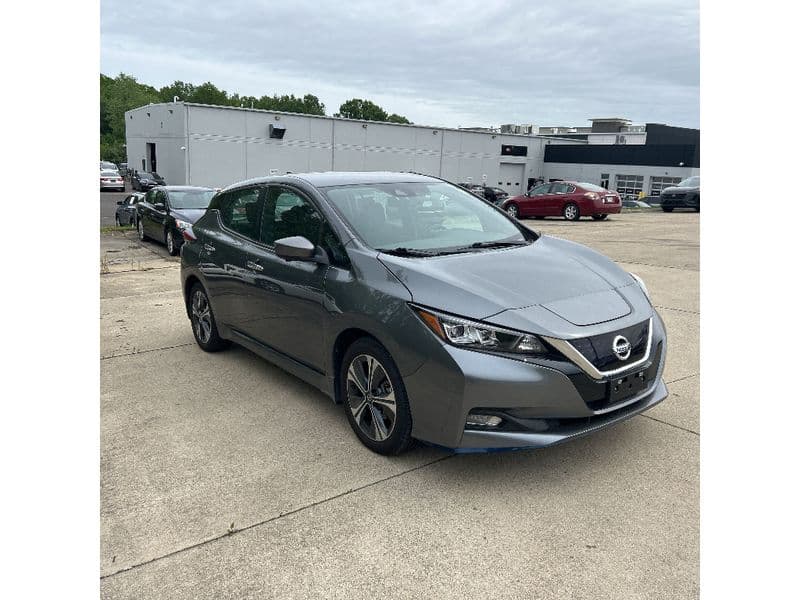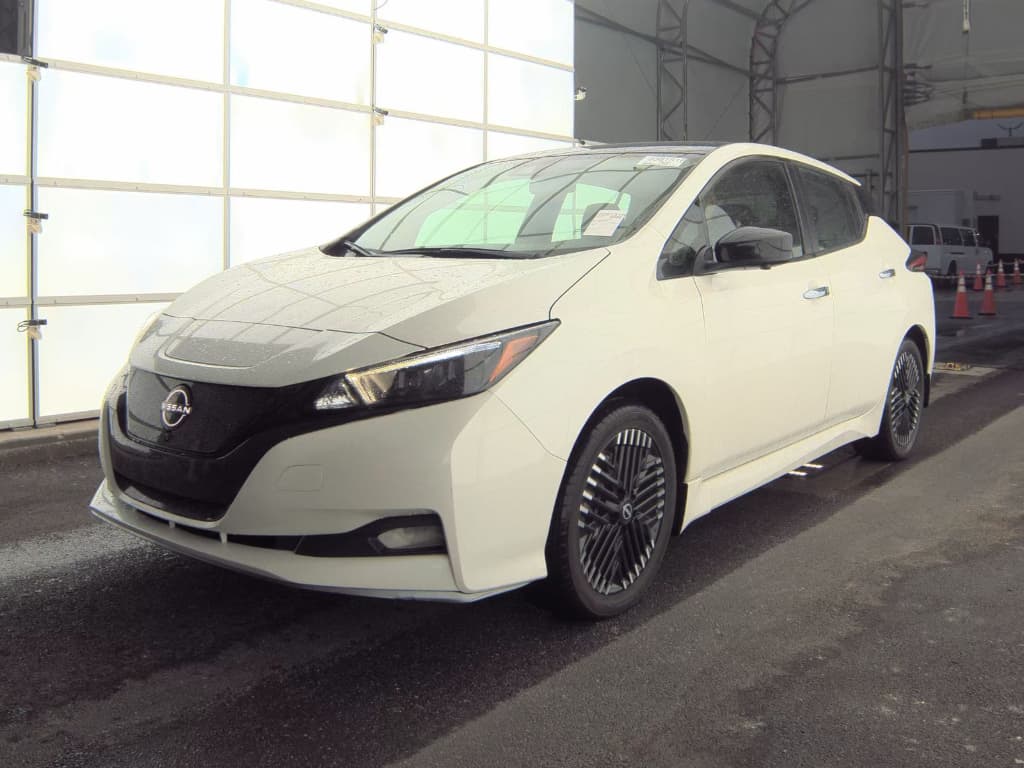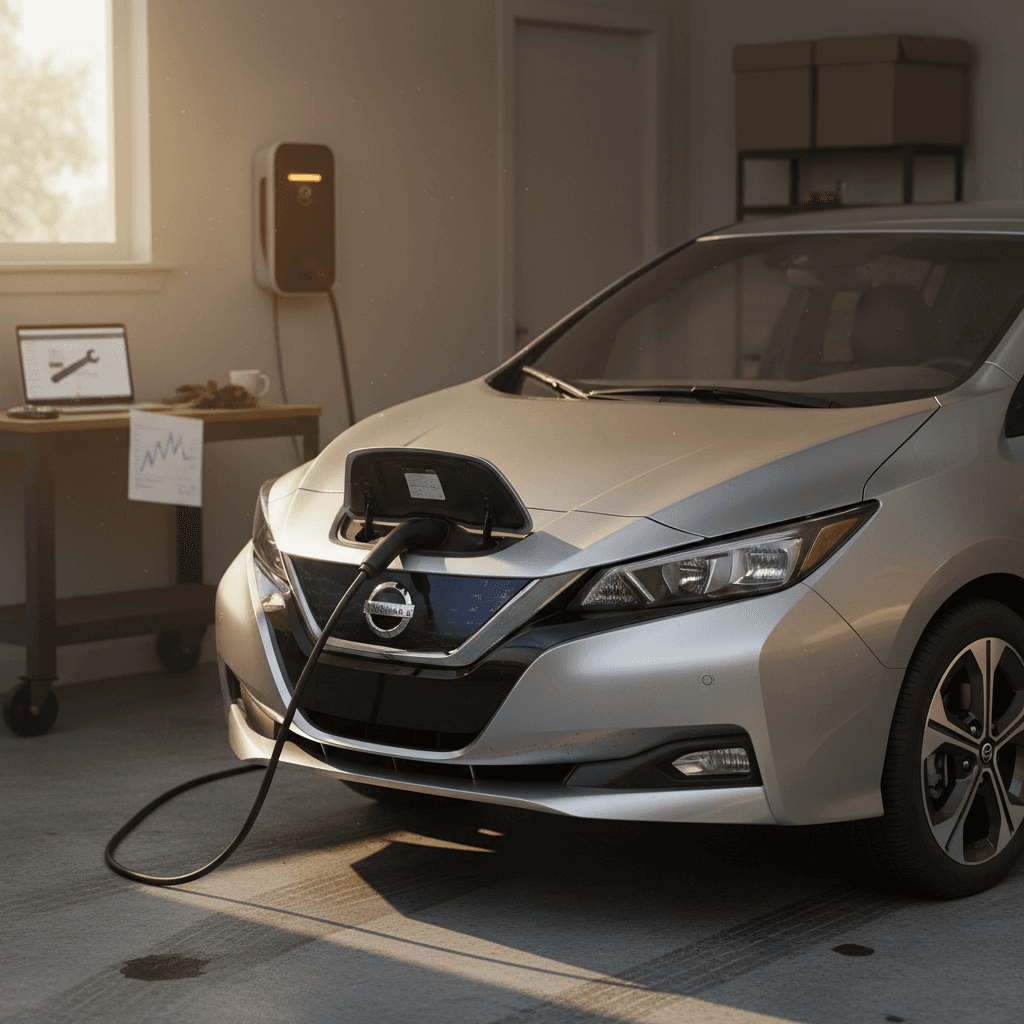
If you’re hunting for an affordable used EV, the 2023 Nissan Leaf is going to pop up again and again. The big question is whether the 2023 Nissan Leaf reliability rating makes it a safe bet, or a gamble, once the original buyer hands over the keys.
Quick take
Overview: How reliable is the 2023 Nissan Leaf?
From a bird’s‑eye view, the 2023 Nissan Leaf lands in the **“about average to above average” reliability band** for modern EVs. Consumer Reports describes the 2023 Leaf’s reliability as roughly average for its model year, while long‑running data from earlier Leafs shows the platform can go the distance when it’s cared for.
2023 Nissan Leaf reliability at a glance
That mix of **solid owner satisfaction and a few nagging issues** is typical of a value‑focused EV built on older technology. The Leaf won’t wow you with ultra‑fast charging or 300‑mile range, but its simpler hardware is one reason many owners report few serious problems.
Reality check for used shoppers
Expert and owner reliability scores for the 2023 Leaf
When you search for a **2023 Nissan Leaf reliability rating**, you’ll run into a handful of big names, each looking at the car from a slightly different angle. Here’s how they stack up and how to read between the lines.
2023 Nissan Leaf reliability ratings by source
How major outlets and owners rate the 2023 Leaf’s reliability and ownership experience.
| Source | Type of rating | Score / Verdict for 2023 Leaf | Key takeaway |
|---|---|---|---|
| Consumer Reports | Owner survey–based reliability | About average for model year | Few severe powertrain failures; some issues with electronics and recalls keep it from top marks. |
| Kelley Blue Book | Owner reviews (30+ owners) | 4.4 / 5 reliability, 4.1 / 5 overall | Owners cite quality and reliability as the car’s strong suits; value is rated lower due to range and charging limitations. |
| RepairPal / third‑party reliability data | Model‑line reliability (all years) | Around 4.0–4.5 / 5 | The Leaf is one of the more dependable alternative‑fuel compacts, with lower‑than‑average annual repair costs. |
| Used EV owners’ surveys | Brand‑agnostic EV surveys | Leaf often scores as “exceptional” | In broader EV owner polls, Leaf drivers frequently praise basic reliability; biggest dissatisfaction is usually range and fast‑charging speed, not breakdowns. |
Scores focus on electrical issues, build quality, and owner‑reported problems rather than engine or transmission failures (because the Leaf has neither).
How to use these ratings
Common 2023 Nissan Leaf problems and trouble spots
The 2023 Leaf avoids many of the nightmare issues you see on some first‑generation EVs and complex plug‑in hybrids. Still, patterns have emerged from owner forums, service bulletins, and reliability surveys. Here are the **trouble spots you’re most likely to hear about**.
Most‑reported 2023 Leaf issues
Not every car will see these problems, but they’re worth asking about and test‑driving for.
12‑volt battery and “won’t start” warnings
The Leaf still uses a small 12‑volt battery for computers and relays. When it gets weak, you can see:
- Random warning lights and error messages
- “EV system needs service” or no‑start conditions
- False alarms that clear after a jump or charge
Replacing the 12‑volt battery is inexpensive but often misdiagnosed.
Software glitches and warning lights
Some owners report intermittent issues such as:
- Sporadic error messages on start‑up
- Driver‑assist features dropping out temporarily
- Infotainment system freezes or restarts
Most are handled with software updates or module resets at the dealer.
Charging quirks and CHAdeMO fast charging
The Leaf’s CHAdeMO fast‑charging port is reliable hardware, but owners sometimes see:
- Stations timing out or refusing to start a session
- Slow charging on very hot or cold days
- Connector compatibility issues at some networks
These are usually **infrastructure or temperature‑related**, not failures of the car itself.
Build quality and hardware odds and ends
On the whole, the 2023 Leaf’s body and interior hold up well, but owners occasionally note:
- Wind noise from doors or mirrors at highway speeds
- Interior rattles over rough pavement
- Water ingress or rust if hood‑strut grommets are missing
These aren’t catastrophic, but they’re the kind of annoyances you want to catch on a thorough test drive and inspection.
Dealer EV expertise can be hit‑or‑miss
One theme that shows up repeatedly in owner stories isn’t the car, it’s **who works on it**. Some Nissan dealers still have limited EV‑trained technicians, which can mean:
- Longer wait times for diagnosis and repair
- “No trouble found” on intermittent EV‑specific issues
- Frustration getting warranty work approved
This doesn’t change the car’s mechanical reliability, but it absolutely affects your ownership experience.
Watch for repeat electrical gremlins
2023 Nissan Leaf recalls and safety notes
Recalls are a normal part of modern car ownership, but they matter more when you’re buying used because **you’re inheriting someone else’s homework**. The 2023 Leaf has several notable recalls you should know about.
- **Brake line corrosion risk (2023 model‑year specific):** Some 2023 Leafs were built with potentially damaged right‑hand brake tubes that could corrode and leak over time, reducing braking performance. The fix is inspection and replacement of the affected line.
- **Defroster operation label / instructions (2018–2023):** A federal‑compliance recall addresses incorrect defroster instructions in the owner’s manual. The remedy is updated documentation, but it’s still worth confirming if you drive in winter conditions.
- **Unintended acceleration software issue (2018–2023):** Nissan recalled many 2018–2023 Leafs to update control software that could, in rare circumstances, cause unintended acceleration in specific failure modes. Nissan has said there were no real‑world crashes tied to this, but the update is important.
Newer battery‑safety concerns
How to check recall and campaign status on a 2023 Leaf
1. Run the VIN through NHTSA
Use the free NHTSA VIN lookup tool to see any open recalls on the specific Leaf you’re considering. This is more precise than just searching by model year.
2. Ask for dealer service records
Ideally, you’ll see recall campaign codes and dates showing that brake, defroster, and software updates have been completed.
3. Confirm battery‑related campaigns
If the Leaf falls into a battery‑safety recall window, ask the seller for documentation and follow current guidance on fast‑charging limits.
4. Match paperwork to the car
VIN on the repair orders should match the VIN on the dash and doorjamb. That sounds basic, but mistakes happen.
Battery life and long‑term durability
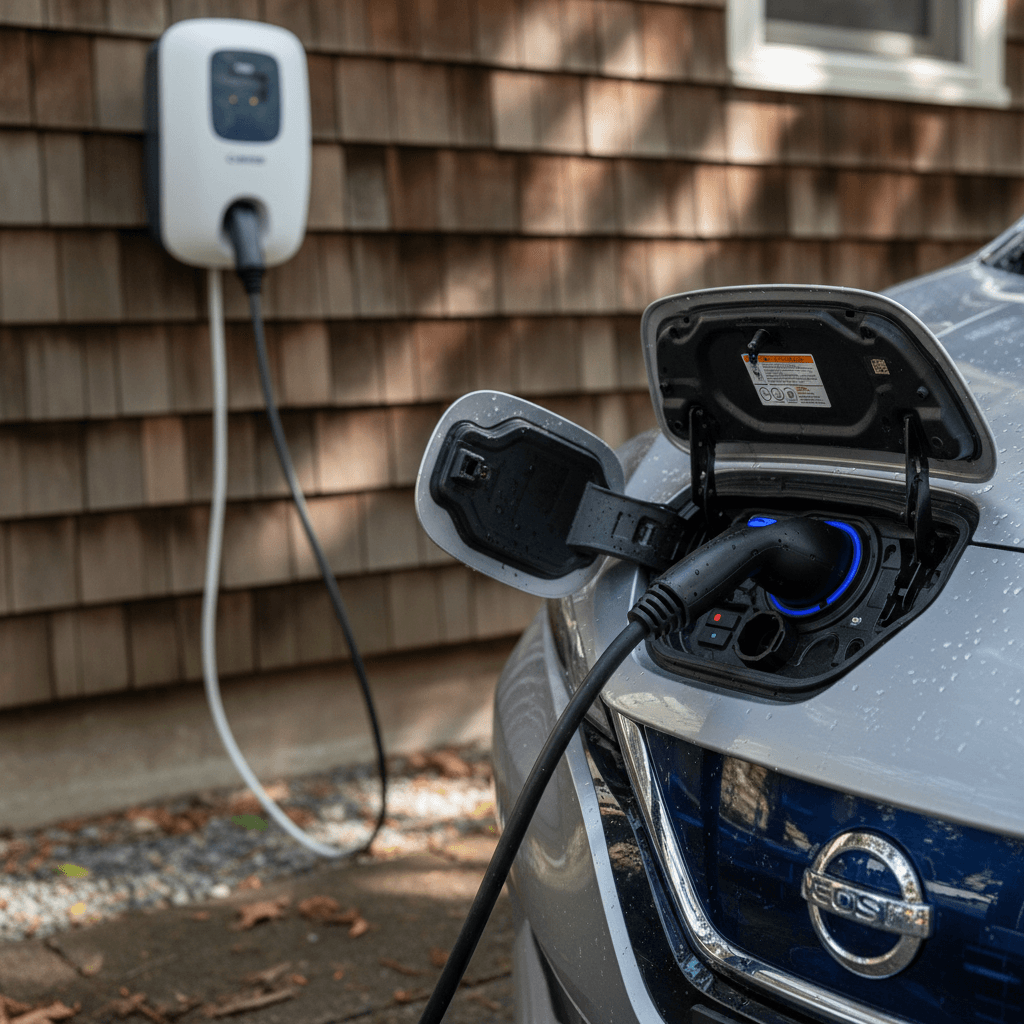
For any used EV, not just the Leaf, the real reliability story lives in the **high‑voltage battery pack**. A motor or onboard charger can be replaced; a tired pack is expensive and changes the math on a budget EV overnight.
How the 2023 Leaf’s battery tends to age
The Leaf’s chemistry and cooling strategy shape its long‑term reliability.
Air‑cooled pack
The Leaf uses passive, air‑cooled battery packs rather than liquid cooling. That’s simpler hardware, but it makes the car **more sensitive to heat and fast‑charging habits** over the long haul.
Real‑world range over time
Owners of newer Leafs commonly report modest degradation in the first few years, think losing a **handful of miles of range**, not half the battery. Abuse, however, can accelerate that loss.
Warranty coverage
The 2023 Leaf’s battery is typically covered for **8 years or 100,000 miles** against excessive capacity loss, with a set number of capacity bars as the benchmark. That doesn’t make degradation vanish, but it does give a backstop if you see severe loss early.
Biggest battery reliability risks
- Hot climates + frequent DC fast charging: High pack temperatures over and over are the enemy of long‑term capacity.
- Chronic 100% charges left sitting: Leaving the pack full for days on end can accelerate chemical aging.
- Deep discharges to 0% regularly: Occasional is fine; making it a habit is not.
None of these are unique to the Leaf, but its air‑cooled design means you should pay closer attention to an individual car’s history.
What "good" battery health looks like on a 2023 Leaf
On a fairly low‑mileage 2023 Leaf, say 10,000–25,000 miles, you’d expect:
- All or nearly all capacity bars still showing on the dash
- Real‑world range that’s close to the original EPA rating in mild weather
- Normal DC fast‑charge speeds for a Leaf when the battery is warm
A car that’s already missing capacity bars or struggles to hit expected range deserves a deeper battery health check.
Pro move: get a battery health report
2023 Nissan Leaf vs other EVs on reliability
Zoomed out, EVs as a group still show **more reported problems than comparable gas cars**, driven mostly by infotainment glitches, charging hardware, and new‑tech teething issues. The Leaf is something of an outlier because it’s a **mature design built around simpler hardware**.
How the 2023 Leaf stacks up against other compact EVs
A directional comparison of reliability themes among mainstream small EVs available in 2023–2024.
| Model | Overall reliability impression | Most common complaints | Notable strengths |
|---|---|---|---|
| Nissan Leaf (2023) | Average to above average | Battery degradation in hot climates, limited CHAdeMO fast‑charging options, minor electrical gremlins | Simple powertrain, low running costs, strong owner satisfaction when expectations are realistic. |
| Chevy Bolt EV/EUV | Improved after battery recall | Historic high‑profile battery recall, occasional charging and infotainment issues | Excellent range per dollar, post‑recall packs have strong warranty support. |
| Hyundai Kona Electric / Kia Niro EV | Generally above average | Occasional high‑voltage system faults, infotainment quirks | Long range, robust thermal management for the battery. |
| VW ID.4 | Mixed in early years | Infotainment glitches, software updates, some 12‑volt issues | Roomy cabin, solid ride once software is sorted. |
Focus here is on common problem types, not performance or range.
Where the Leaf quietly wins
Used 2023 Nissan Leaf reliability checklist
Reliability ratings tell you how the crowd is doing. A checklist tells you whether **this particular Leaf** deserves a spot in your driveway. Use this as your short list before you sign anything.
Reliability checks for a used 2023 Leaf
1. Scan the recall and service history
Confirm all open recalls are complete, including brake line inspections and software updates. Look for repeat visits for the same electrical issue as a red flag.
2. Inspect battery health, not just mileage
Ask for a documented battery health report. On a 2023 Leaf, you want healthy capacity bars and range that matches the trim’s original rating in mild weather.
3. Evaluate charging behavior
Test both Level 2 and DC fast charging if possible. The car should connect reliably, ramp up to expected speeds for a Leaf, and not repeatedly drop the session without a network error.
4. Listen and feel on a long test drive
Take the car on city streets and the highway. Listen for rattles, wind noise, or suspension clunks. Verify that driver‑assist features and climate controls work consistently.
5. Check the 12‑volt battery and warning history
Ask if the 12‑volt battery has been replaced. If the seller mentions mysterious no‑start events or random warning lights, have a technician dig in before you buy.
6. Look underneath and under the hood
Check for rust around suspension mounting points, hood‑strut areas, and brake lines. Surface rust is normal in some climates; flaking, deep corrosion is not.
7. Confirm remaining factory warranty
A 2023 Leaf in the U.S. may still have portions of its basic and battery warranties in effect. Knowing what’s left can make an otherwise borderline car a safer choice.
How Recharged evaluates 2023 Leaf battery health
Because battery condition is such a big slice of **real‑world reliability**, Recharged bakes it directly into every vehicle’s Recharged Score Report. For a 2023 Leaf, that means going quite a bit deeper than a quick test drive and a glance at the dash.
Inside the Recharged Score for a 2023 Leaf
What gets checked before a used Leaf ever hits the site.
Battery health diagnostics
We pull live data from the Leaf’s battery management system and compare it against mileage, age, and our internal benchmarks. The goal is to quantify remaining capacity, not just guess.
Service, recall, and usage history
Where records are available, we review **charging patterns, prior ownership, and completed campaigns** to understand how the car has been used and maintained.
Road test and system check
Specialist technicians drive, charge, and test systems with EV‑specific tools. If we see patterns like intermittent warning lights or unusual charging behavior, the car doesn’t move forward until it’s sorted, or it doesn’t make the cut.
Ready to find your next EV?
Browse VehiclesWhy this matters for reliability ratings
FAQ: 2023 Nissan Leaf reliability questions, answered
Common questions about 2023 Nissan Leaf reliability
Bottom line: Should you worry about 2023 Leaf reliability?
If you’re expecting the 2023 Nissan Leaf to behave like a complicated, bleeding‑edge EV science project, you’ll be pleasantly surprised. Its **reliability rating lands in the solid middle of the pack**, buoyed by a simple electric drivetrain and years of real‑world experience. The trade‑offs are clear: modest range, aging CHAdeMO fast‑charging, and a battery that depends heavily on how previous owners treated it.
Treat those weak spots with the respect they deserve, verify recall status, insist on documented **battery health**, and buy from a seller who actually understands EVs, and a 2023 Leaf can be a **dependable, low‑drama electric commuter** with running costs that make gas cars look extravagant. Skip those steps, and you’re betting your daily routine on someone else’s guesswork.
If you’d rather not gamble, working with an EV‑focused retailer like Recharged means every 2023 Leaf has already been through **battery diagnostics, recall checks, and an expert road test**, with all of that rolled up into an easy‑to‑read Recharged Score Report. In other words: you’re not just trusting a generic reliability rating, you’re buying a specific, inspected car with its story laid bare.