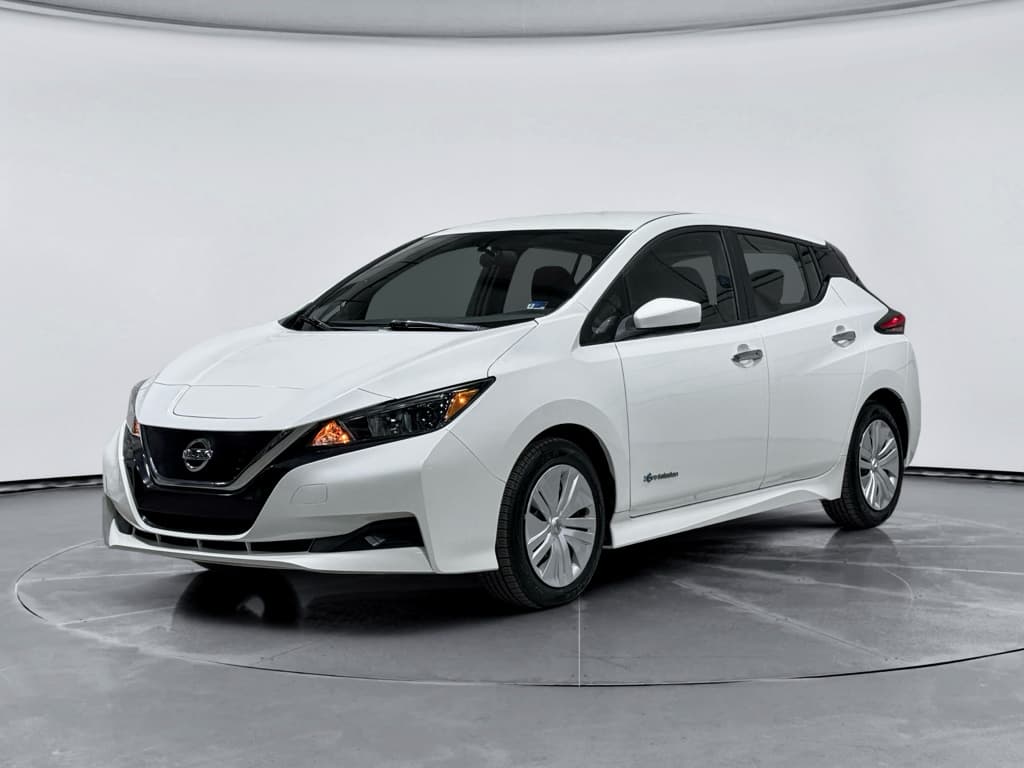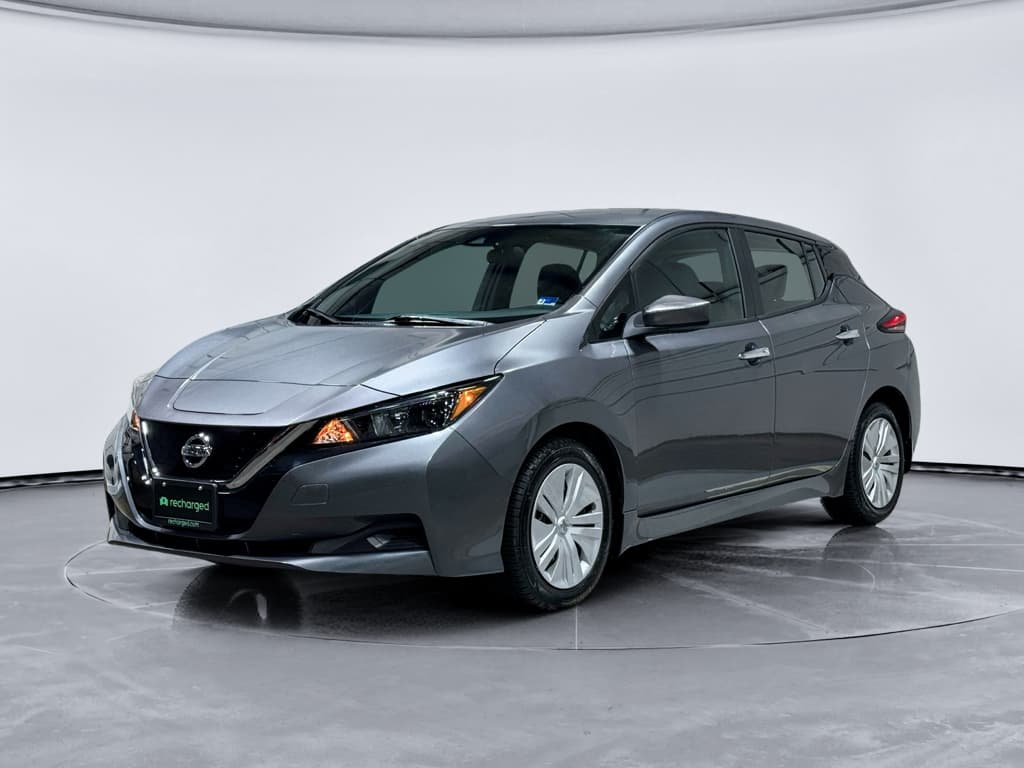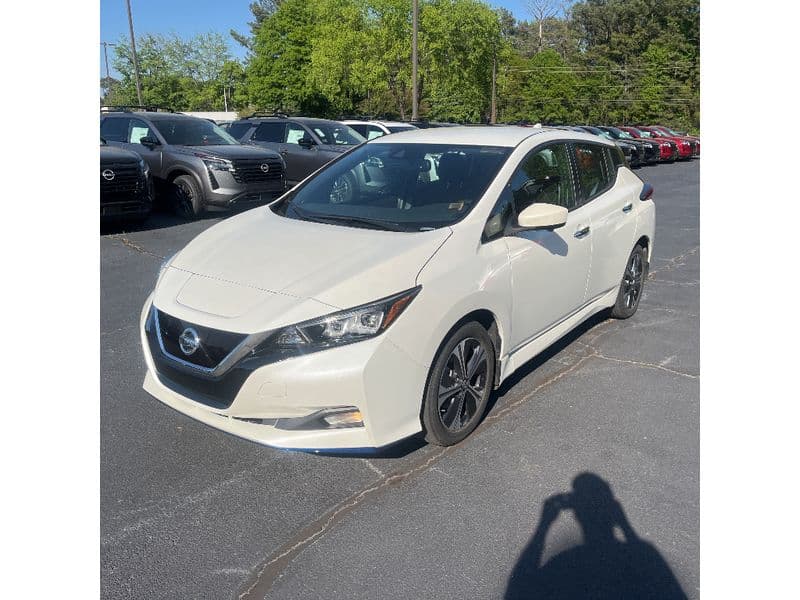
If you’re looking at a **2023 Nissan Leaf range test**, you’re probably not wondering what the brochure says, you want to know how far this car really goes on a charge in the real world. The answer depends heavily on which battery you get, how and where you drive, and how the pack has been treated if you’re shopping used.
Quick range snapshot
2023 Nissan Leaf range at a glance
2023 Leaf official range and efficiency
On paper, Nissan’s numbers for the 2023 Leaf are straightforward: - **Leaf S (40 kWh battery)** – 149 miles EPA combined range - **Leaf SV Plus (60 kWh battery)** – 212 miles EPA combined range Those figures are based on the U.S. Environmental Protection Agency’s test cycle and assume a healthy battery. The trick is understanding how those lab results translate into **your** commute, climate, and driving style.
EPA vs real-world range: what the numbers actually mean
EPA range is not a promise; it’s a **benchmark** created on a standardized test cycle. For the Leaf, that cycle blends city and highway driving to give a single **combined** figure. In the real world, you’ll rarely match the window sticker exactly, but you can get close in the right conditions.
When you can match or beat EPA range
- Temperatures around 65–75°F.
- Mostly city or suburban driving under 50 mph.
- Smooth acceleration and plenty of coasting.
- Eco mode engaged and climate control used lightly.
In these conditions, a healthy 2023 Leaf SV Plus can realistically flirt with 210+ miles on a charge.
When you’ll fall well short of EPA
- Sustained highway speeds of 70–75 mph or more.
- Cold weather (below 40°F), especially with cabin heat.
- Strong headwinds or heavy rain.
- A battery that’s already lost capacity from age or heat.
In winter highway driving, losing 25–35% of your rated range is normal for many EVs, the Leaf included.
Think in percentages, not promises
City vs highway range tests in a 2023 Leaf
Because the Leaf is a relatively efficient compact hatchback, it shines in **urban and suburban** use. The aerodynamic penalty of higher speeds, however, hits it hard on the highway, especially the 40 kWh version with its smaller buffer.
Typical real‑world range results (healthy 2023 battery)
Approximate ranges from full to near‑empty in mild weather, based on owner data and efficiency calculations.
40 kWh Leaf S – Around town
- Driving mix: City/suburban, speeds under 50 mph
- Estimated efficiency: ~4.0–4.2 mi/kWh
- Usable capacity: ~37 kWh
- Real-world range: ~135–150 miles
With gentle driving and little highway use, the 40 kWh pack can match or slightly beat its 149‑mile rating.
40 kWh Leaf S – Highway at 70–75 mph
- Driving mix: Mostly highway, 70–75 mph
- Estimated efficiency: ~3.0–3.3 mi/kWh
- Usable capacity: ~37 kWh
- Real-world range: ~110–125 miles
Higher speeds push more air, and the Leaf’s bluff profile means efficiency drops quickly compared with city use.
60 kWh Leaf SV Plus – Mixed commuting
- Driving mix: 50/50 city–highway
- Estimated efficiency: ~3.5–3.7 mi/kWh
- Usable capacity: ~56–57 kWh
- Real-world range: ~190–210 miles
With its larger buffer, the SV Plus is far more comfortable for longer commutes or occasional road trips.
60 kWh Leaf SV Plus – Pure highway
- Driving mix: 90%+ highway at 70–75 mph
- Estimated efficiency: ~3.0–3.2 mi/kWh
- Usable capacity: ~56–57 kWh
- Real-world range: ~170–185 miles
You’ll rarely see the full 212 miles at U.S. interstate speeds, but the SV Plus still delivers comfortably more range than the base car.
Don’t plan to zero
How weather and driving style change your Leaf’s range
Temperature and climate control can swing your Leaf’s real‑world range by **30% or more**, especially on the 40 kWh pack where every kilowatt‑hour counts. Unlike some newer EVs with heat‑pump HVAC standard, many Leafs rely on more energy‑hungry resistance heat.
Typical 2023 Leaf range impact by conditions
Approximate percentage change from EPA-rated range for a healthy battery.
| Condition | 40 kWh Leaf S | 60 kWh Leaf SV Plus | Notes |
|---|---|---|---|
| Mild temps (65–75°F), mixed driving | +0–10% | +0–10% | Ideal conditions; careful drivers may slightly beat EPA. |
| Hot (85–100°F) with A/C | -5–15% | -5–15% | A/C is relatively efficient but still costs range, especially in stop‑and‑go. |
| Cold (25–35°F) with cabin heat | -20–35% | -15–30% | Cabin heat is the big energy draw; preheating on the plug helps. |
| Heavy rain or headwinds on highway | -10–25% | -10–20% | More rolling resistance and aerodynamic drag at speed. |
| Aggressive driving, frequent hard acceleration | -10–20% | -10–20% | You can’t cheat physics, every wide‑open throttle hit shows up at the plug. |
Use these as planning guidelines rather than hard limits, local terrain and wind can nudge things up or down.
Winter range survival kit
40 kWh vs 60 kWh batteries and degradation
For 2023, Nissan simplified the Leaf lineup to two trims tied to two pack sizes: a **40 kWh battery** in the S and a **60 kWh battery** in the SV Plus. Range is the obvious difference, but if you’re buying used, you should think about **battery health** just as much as raw capacity.
- The 40 kWh pack (about 37 kWh usable) gives you enough range for most daily commuting, but has less buffer for winter or highway driving.
- The 60 kWh pack (about 56–57 kWh usable) not only goes farther but is more forgiving of degradation, losing 10% hurts a lot less when you start with more.
- Newer‑generation Leaf packs tend to hold up better than early models, but heat, frequent fast charging, and constant 100% charges can still chip away at capacity over time.
How Leaf battery health is measured
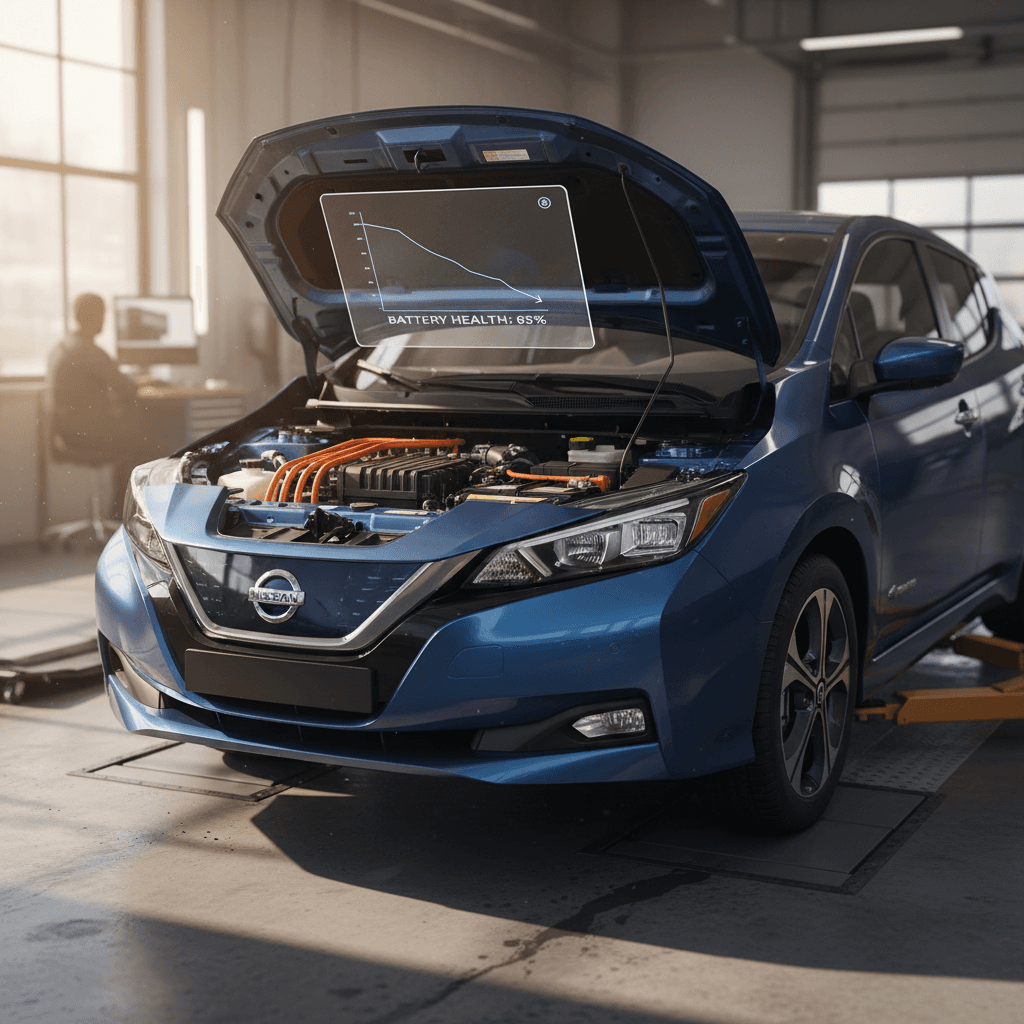
Independent surveys of recent Leafs suggest that 2018+ 40 kWh and 60 kWh packs hold up markedly better than the earliest models, with many cars still retaining **75–90% of original capacity** after several years when driven in moderate climates and charged sensibly. Still, a Leaf that’s lived its life fast‑charging in Arizona will not deliver the same range as one that commuted in Seattle and charged slowly in a garage.
Buying a used 2023 Leaf: range and battery checklist
If you’re cross‑shopping a 2023 Leaf against other affordable EVs, range is only half the story. You need to know **how much of that range is left** today and whether it matches your lifestyle. This is exactly where tools like Recharged’s **battery‑health focused Recharged Score** come into play, turning guesswork into data.
Used 2023 Leaf range & battery checklist
1. Confirm which battery you’re getting
Double‑check whether the car is an S (40 kWh) or an SV Plus (60 kWh). That difference is roughly **60 miles of rated range** when new and can completely change whether the Leaf fits your commute.
2. Count the capacity bars
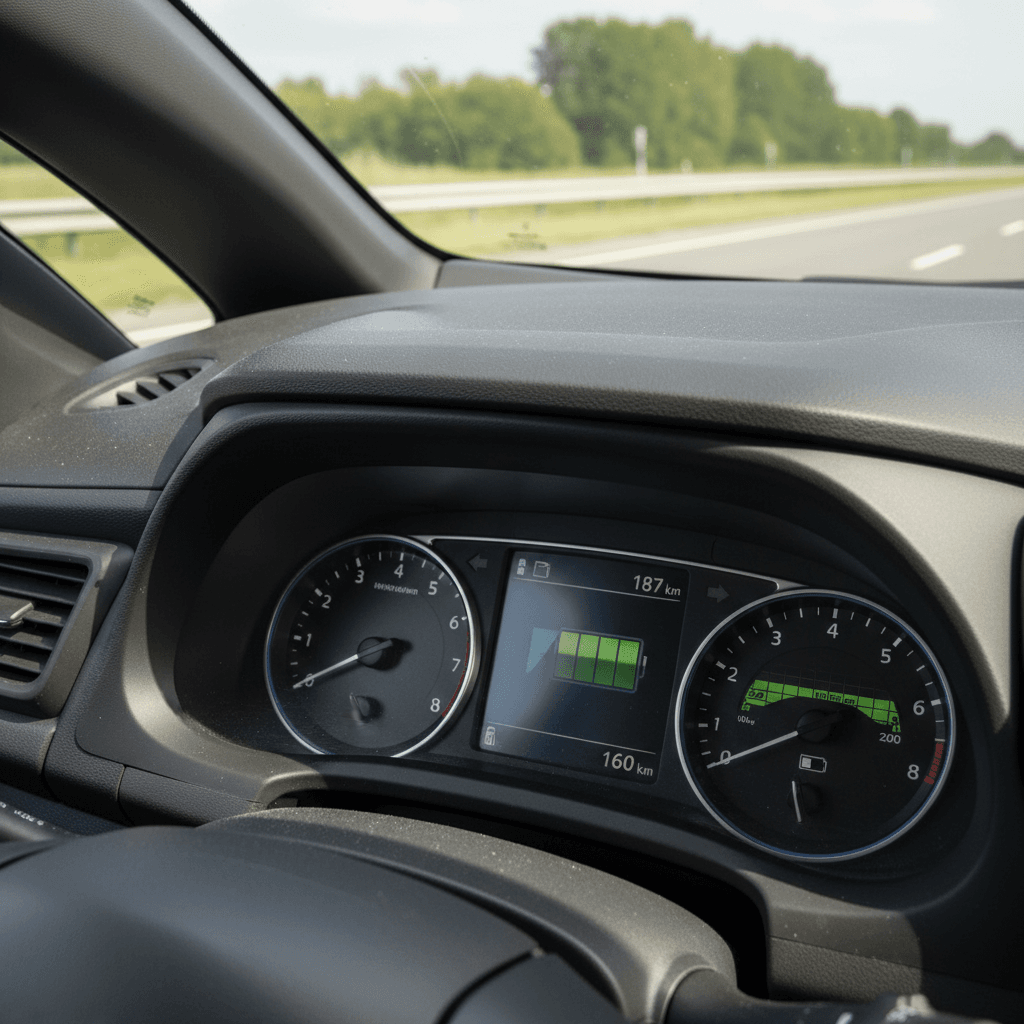
With the car fully charged, verify how many battery health bars are lit on the right side of the cluster. A **12‑bar** 2023 Leaf should behave very close to new; each missing bar roughly translates to a noticeable hit to range.
3. Ask about climate and parking
Cars that lived in extremely hot climates or sat in the sun all day with frequent 100% charges are more likely to have degraded packs. Garage‑kept, temperate‑climate Leafs tend to retain range better.
4. Review charging history
Occasional DC fast charging is fine, but daily fast‑charging abuse is not. Look for service records or owner notes; a seller who can describe sensible charging habits is a plus.
5. Take a real‑world test drive
Start near 80–100% state of charge, drive a known route for 20–30 miles at your typical speeds, and see how many miles of range drop off. A mismatch between miles driven and range lost can be a red flag.
6. Get third‑party battery diagnostics
Whenever possible, use tools like **Leaf Spy** or a professional **battery‑health report** (for example, the Recharged Score on vehicles listed with Recharged) to see estimated usable kWh rather than relying only on bars.
How Recharged can help
Ready to find your next EV?
Browse VehiclesCharging speeds: how quickly you get that range back
Range matters less if you can easily and quickly **replenish** it. The 2023 Leaf isn’t a DC‑fast‑charging champion, but for its intended use case, daily commuting and local errands, its AC and DC charging specs are usually adequate.
2023 Leaf charging overview
How long it takes to add useful range at common charging speeds.
Level 1 (120V wall outlet)
- Roughly 3–5 miles of range per hour added.
- Best for low‑mileage drivers who can plug in every night.
- A full 0–100% charge can take **more than 24 hours** on either pack.
Level 2 (240V home or public)
- Onboard charger up to **6.6 kW**.
- Expect roughly 20–30 miles of range per hour depending on battery and conditions.
- A near‑empty 40 kWh Leaf can be back to full in about **7–8 hours**; the 60 kWh pack in roughly **9–10 hours**.
DC fast charging (CHAdeMO)
- Peak power around **50 kW** when conditions are ideal.
- Realistically, **20–80% in about 40–45 minutes** on a healthy battery.
- Great for road‑trip top‑ups; not ideal as your daily charging solution.
CHAdeMO is a dead‑end standard
2023 Nissan Leaf range: frequently asked questions
Frequently asked questions about 2023 Leaf range tests
Key takeaways for 2023 Leaf shoppers
When you cut through the marketing, the **2023 Nissan Leaf range test story is pretty simple**: the 40 kWh version is a solid city and suburb tool, while the 60 kWh SV Plus gives you the margin you really want if your life involves longer drives, cold winters, or occasional road trips. What matters even more, especially in the used market, is the health of the battery that’s in the car today.
If you’re considering a 2023 Leaf, start by choosing the right battery for your daily mileage, then dig into **battery health, climate history, and charging habits** on any used example. Platforms like Recharged are built around exactly this transparency, pairing each used EV with a **Recharged Score Report** so you know what kind of range you’ll get in the real world, not just on a window sticker. That’s the difference between an EV that looks cheap up front and one that stays useful and affordable for years.