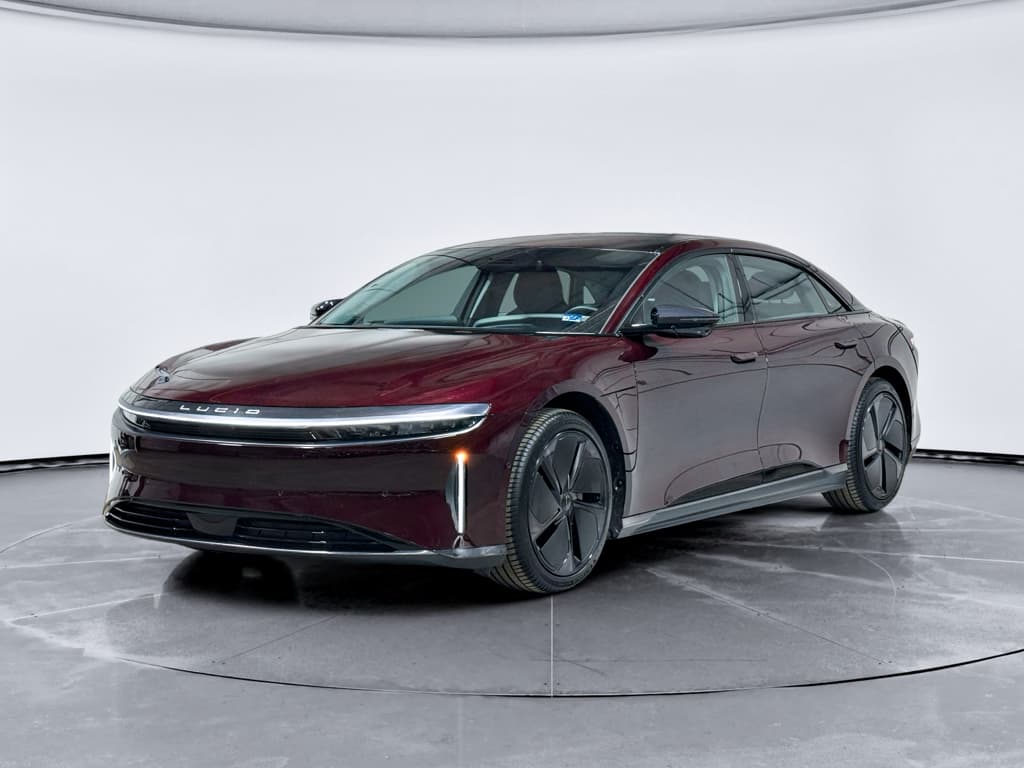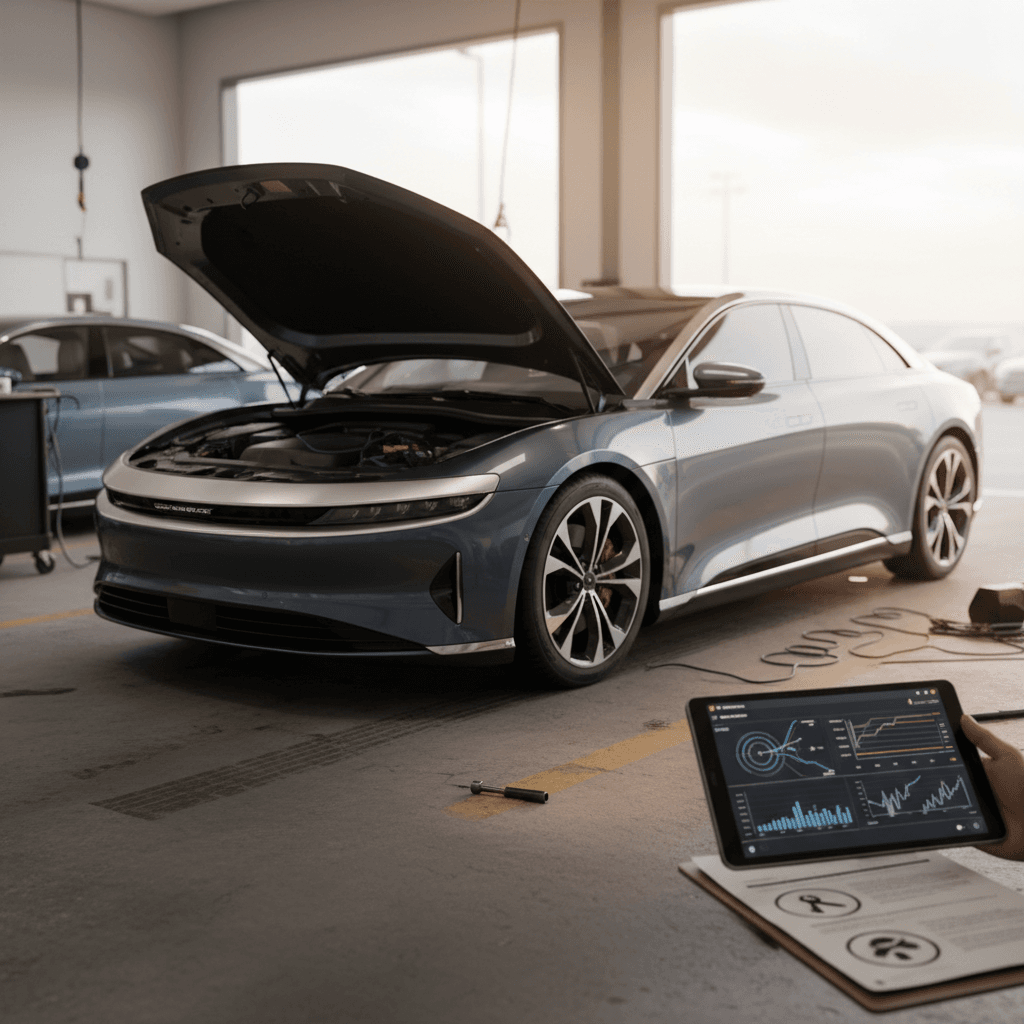
If you’re driving, or thinking about buying, a 2023 Lucid Air, you’ve probably heard about multiple safety recalls. Some involve simple over‑the‑air (OTA) software updates; others touch critical systems like the high‑voltage contactors and coolant heater that can cause sudden loss of drive or defroster function. This guide pulls together a clear, plain‑English 2023 Lucid Air recalls list so you can see what’s been issued, what it means in the real world, and what to check before you sign for a used Air.
Model years vs build dates
Overview: Why 2023 Lucid Air recalls matter
Every modern EV is effectively a rolling software platform, and that’s especially true of the Lucid Air. The upside is that many safety issues can be mitigated with OTA updates. The downside is that underlying hardware or system‑architecture flaws can surface late, and recalls may evolve over time as regulators review the automaker’s chosen fix. For 2023 Lucid Air owners, the big themes are loss of drive power, defroster performance in cold weather, and camera / display reliability, all of which have direct safety implications.
Key recall themes for 2023 Lucid Air
Quick reference: 2023 Lucid Air recalls list
Here’s a simplified snapshot of the major U.S. recall campaigns that can apply to 2023 Lucid Air vehicles. Exact applicability depends on build date, options, and current software version, so treat this as a roadmap, not a substitute for a VIN lookup.
Major recall campaigns affecting 2023 Lucid Air
High‑level view of the main U.S. safety recalls that include 2023 model‑year Lucid Air vehicles.
| Shorthand name | Approx. NHTSA recall ID | Model years | Primary issue | Typical remedy |
|---|---|---|---|---|
| HVIL loss of drive (software logic) | 24V-0xx (SR-24-03-0 family) | 2022–2023 | Intermittent high‑voltage interlock logic can cut drive power while in gear | OTA update modifies HVIL logic; may require follow‑up if faults persist |
| Earlier high‑voltage contactors power loss | 23V-xxx (2023 campaign) | 2022–2023 | High‑voltage contactors may unexpectedly open, cutting power to motors | Control‑unit software update plus inspection / replacement of contactors where required |
| HVCH / defroster performance | 24V-011 (SR-24-01-0) | 2022–2023 | High Voltage Coolant Heater internal failure can reduce windshield defrost/defog ability | OTA update adds detection logic and warnings; NHTSA has queried adequacy of fix |
| Rearview camera / display image | 23V-520 family | 2022–2023 | Rear camera image can fail to display reliably when shifting to Reverse | OTA update to improve camera‑image software; encourages owners to update to latest version |
Always verify each campaign against your VIN on NHTSA.gov or with Lucid before relying on this list.
Recall IDs evolve
Loss of drive power (HVIL logic) software recall
One of the more serious issues for 2022–2023 Lucid Air vehicles, and therefore many 2023 cars, is a defect in how the car’s **High‑Voltage Interlock Loop (HVIL)** is handled in software. In plain English, the car can wrongly decide that a high‑voltage component is unsafe, open the circuit, and **drop drive power even while you’re in Drive or Reverse**.
What’s actually going wrong?
- The Air constantly monitors high‑voltage components for isolation and connection integrity.
- A logic error in that monitoring can occasionally cause the system to think there’s a fault when there isn’t.
- When that happens, the car can remove high‑voltage power to the drive units while you’re still in gear.
What the recall does
- An OTA update revises the HVIL logic so power isn’t removed while the car is actively in Drive or Reverse.
- Owners may also see improved warning behavior if the system does detect a real fault.
- Because it’s software‑only, the recall relies on every owner actually installing the update.
Why this recall matters
- Check the car’s recall status by VIN on NHTSA.gov or Lucid’s site.
- Ask the seller for service history or OTA release notes showing the HVIL recall software was applied.
- During a test drive, note any drive system warnings or abrupt power cuts, then have them investigated before purchase.
Earlier loss-of-power contactors recall
Before the HVIL‑logic campaign, Lucid recalled a smaller number of early Air sedans, 2022 and 2023, for **high‑voltage contactors** that could unexpectedly open. Contactors are like giant relays that connect the battery pack to the rest of the powertrain; if they open while driving, you lose motive power.
In that campaign, Lucid identified a batch of contactors that could fail prematurely. The remedy involved an OTA software change to improve detection and warnings, combined with inspection and, where necessary, replacement of the contactors themselves. Many 2023‑model cars built later in the year are outside this early batch, but the only way to know is to run the VIN.
How to spot recall language in service records
Windshield defroster heater (HVCH) recall
Another campaign affecting 2022–2023 Lucid Air vehicles targets the **High‑Voltage Coolant Heater (HVCH)**. This component is responsible for warming coolant that feeds the cabin heater core and, crucially, the **windshield defrost and defog functions**. In some vehicles, internal delamination or failure of this heater can degrade or eliminate defrost capability.
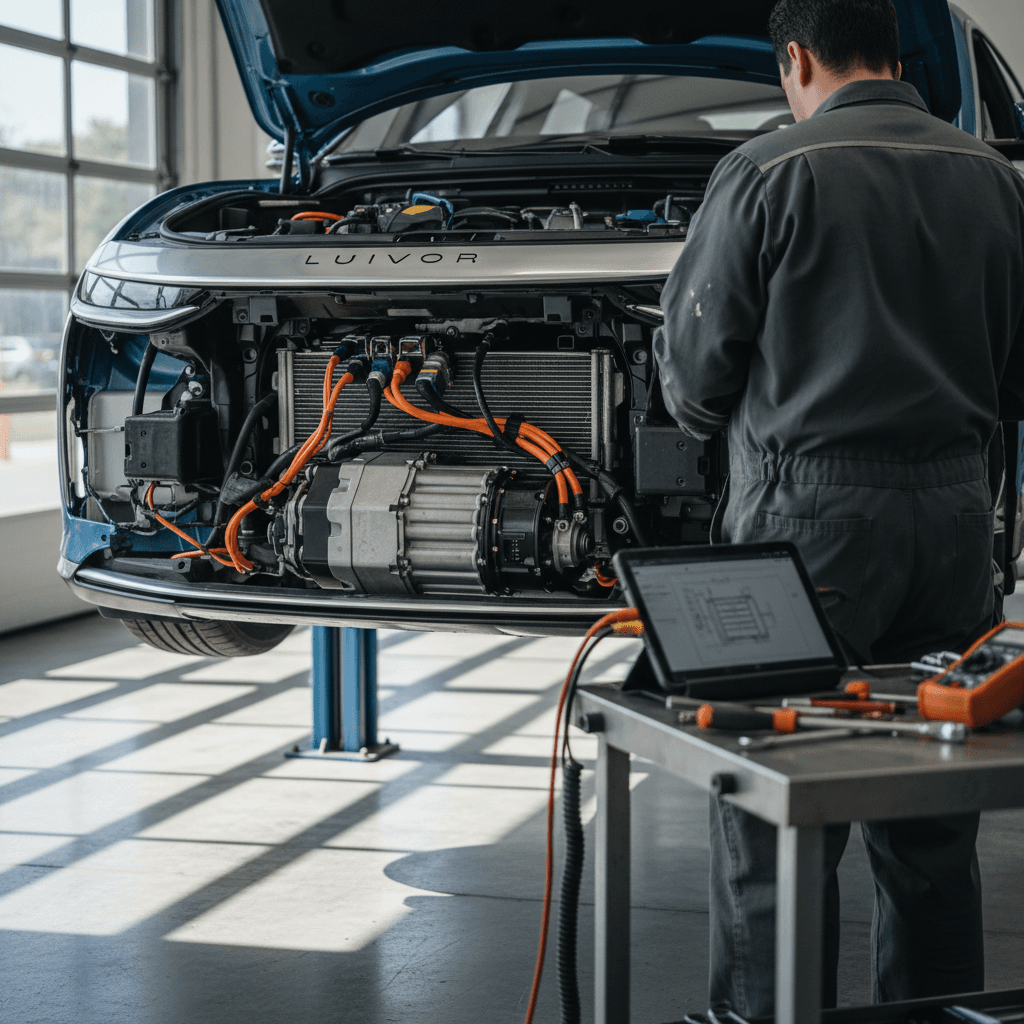
Lucid’s recall remedy was primarily software‑based: an OTA update that better detects HVCH problems and warns the driver if defrost performance could be compromised. Regulators have since opened a **Recall Query** into whether that software‑only remedy is sufficient, a reminder that even after a recall is “closed” on paper, the story may not be over.
Cold‑weather shoppers: pay attention here
Rearview camera image / display recall
Separately from the powertrain and heater issues, Lucid also filed a recall addressing failures of the **rearview camera image to display correctly**. This recall again covers 2022–2023 Air vehicles and focuses on how the car’s software initializes and displays the rear camera feed on the center screen when you shift to Reverse.
Why NHTSA cares so much about backup cameras
Federal rules require a working rear visibility system on modern vehicles. If the image doesn’t reliably appear, it’s not just an annoyance, it’s a compliance violation and a safety defect.
- Drivers may reverse using mirrors alone in tight spaces.
- Pedestrians or obstacles behind the car may go unseen.
- Even intermittent failures trigger regulatory action.
What the Lucid recall does
- Updates the software that boots and displays the camera feed.
- Aims to reduce or eliminate blank‑screen incidents when selecting Reverse.
- Again depends on owners promptly installing the OTA update.
Quick test during a pre‑purchase inspection
Other campaigns and service actions affecting 2023 cars
Beyond the headline recalls, Lucid has also issued **service campaigns and technical service bulletins (TSBs)** that don’t rise to the level of federally reportable safety defects but still matter to day‑to‑day ownership. These can address things like infotainment instability, sensor calibration, or minor component durability issues.
- TSBs for infotainment reboots or display glitches, sometimes fixed with later software versions.
- Service campaigns to update drive‑unit or battery‑management software that improve reliability or diagnostic coverage.
- Occasional hardware updates, for example, revised sensors, harness clips, or seals, applied opportunistically when the car is in for other work.
TSBs vs recalls
How Lucid fixes recalls: OTA updates vs service visits
Lucid leans heavily on its ability to deliver **over‑the‑air software updates**, even for defects that regulators classify as safety recalls. For 2023 Air owners, that means some of the most consequential fixes you’ll ever get arrive the same way a smartphone OS update does, and that has real implications for how you shop and how you own the car.
Two paths to a fixed 2023 Lucid Air
Most 2023 recalls are OTA‑first, but not everything can be done over Wi‑Fi.
OTA software updates
- Handle most recall remedies for 2023 Air (HVIL logic, camera behavior, defroster detection).
- Can be installed at home, usually overnight.
- Rely on the previous owner actually accepting and installing updates.
When buying used, treat an out‑of‑date software version as a red flag and a negotiation point.
In‑person service fixes
- Required when a component has already failed (e.g., a bad coolant heater or drive unit).
- Sometimes piggy‑backs on a software recall if diagnostics reveal hardware damage.
- Can be more inconvenient because Lucid’s service footprint is still relatively small.
Factor in travel time to the nearest Lucid Service Center, especially if you’re buying in a secondary market.
Ask for a current software screenshot
Used 2023 Lucid Air buying checklist
If you’re evaluating a used 2023 Air, you’re balancing cutting‑edge tech and efficiency against the reality of a young automaker still working through first‑generation issues. Recalls don’t have to be a deal‑breaker, but you should be methodical about them.
Recall‑focused checklist for a used 2023 Lucid Air
1. Run a VIN search on NHTSA and with Lucid
Before anything else, plug the full 17‑digit VIN into the NHTSA recall search tool and Lucid’s own recall portal. Print or save the results. You want to see which campaigns apply and which ones are still open.
2. Confirm recall closure in writing
Ask the seller for service invoices or digital records showing that each applicable recall campaign has a <strong>“completed”</strong> status. Screenshots from the Lucid app or owner portal are useful backups but not a substitute for proper documentation.
3. Check current software version
On the center screen, go to the software / system information page and note the version number. Compare it to Lucid’s current release notes. A car that’s several versions behind may still be missing crucial recall logic.
4. Road‑test for power and warning behavior
On a safe route, perform gentle and then brisk acceleration, steady cruising, and a few full stops. Watch closely for drive system warnings, sudden torque drop‑offs, or error messages that could point to unresolved powertrain or HVIL issues.
5. Test defrost, heat, and cameras
Cycle the HVAC system through windshield defrost, full‑heat, and full‑cool modes. In cold weather, make sure the windshield clears promptly. Shift in and out of Reverse repeatedly to confirm the rear camera image appears instantly and reliably.
6. Budget for a pre‑purchase EV inspection
For a complex vehicle like the Air, consider a third‑party EV specialist inspection, or buy from a retailer like <strong>Recharged</strong> that already performs battery health diagnostics, software checks, and recall verification on every car.
How recalls affect value, safety, and insurance
From a market‑economics perspective, a recall is neither an automatic disqualifier nor a non‑issue. It’s a data point. What really matters is how serious the defect is and whether the fix is robust and complete.
Impact on safety and drivability
- Unfixed loss‑of‑drive recalls pose obvious safety risks, especially on highways.
- Defroster and camera issues are more situational but still safety‑critical in bad weather or tight spaces.
- Multiple unresolved campaigns should be treated as a deal‑breaker until they’re closed.
Impact on value and insurance
- A 2023 Air with all recalls completed and clear documentation is more attractive and easier to insure.
- Cars with incomplete recalls may see reduced offers from informed buyers and trade‑in partners.
- Some insurers track recall completion as part of their risk models, especially for newer EV brands.
Leverage recalls in negotiations, carefully
How Recharged handles 2023 Lucid Air recalls
At Recharged, we treat recalls on vehicles like the 2023 Lucid Air as part of a broader transparency and risk‑management problem, not just a compliance checkbox. That’s why every Lucid Air we list comes with a Recharged Score Report that goes beyond the basic Carfax + NHTSA combo.
What Recharged checks on a 2023 Lucid Air
Recalls are just one part of understanding a used luxury EV.
Recall & campaign status
Battery health diagnostics
Software & feature verification
Ready to find your next EV?
Browse VehiclesIf you’re looking at trading in or selling a 2023 Lucid Air with open recalls, Recharged can also provide an instant online offer or consignment options, and help you navigate completing recall work with Lucid before or after the sale.
FAQ: 2023 Lucid Air recalls
Frequently asked questions about 2023 Lucid Air recalls
The 2023 Lucid Air is a technically impressive, efficiency‑obsessed flagship, and like most first‑generation EVs, it’s also living through a steep learning curve on the quality and safety side. Recalls around loss of drive power, defroster function, and camera behavior don’t mean you should avoid the car, but they do mean you should approach each example with your eyes open, your VIN lookup handy, and a clear plan for closing any gaps. Whether you buy privately, through a franchise dealer, or from a specialist marketplace like Recharged, the goal is the same: a transparent view of the car’s history, a clean recall slate, and a Lucid Air that lives up to its engineering promise without unpleasant surprises.