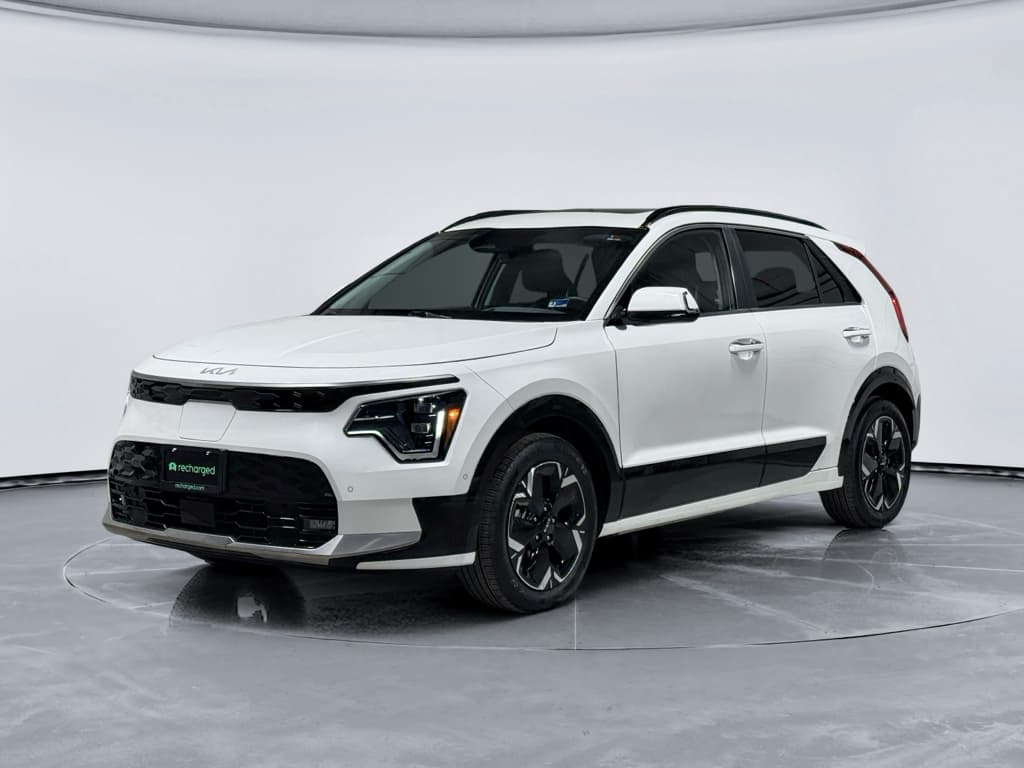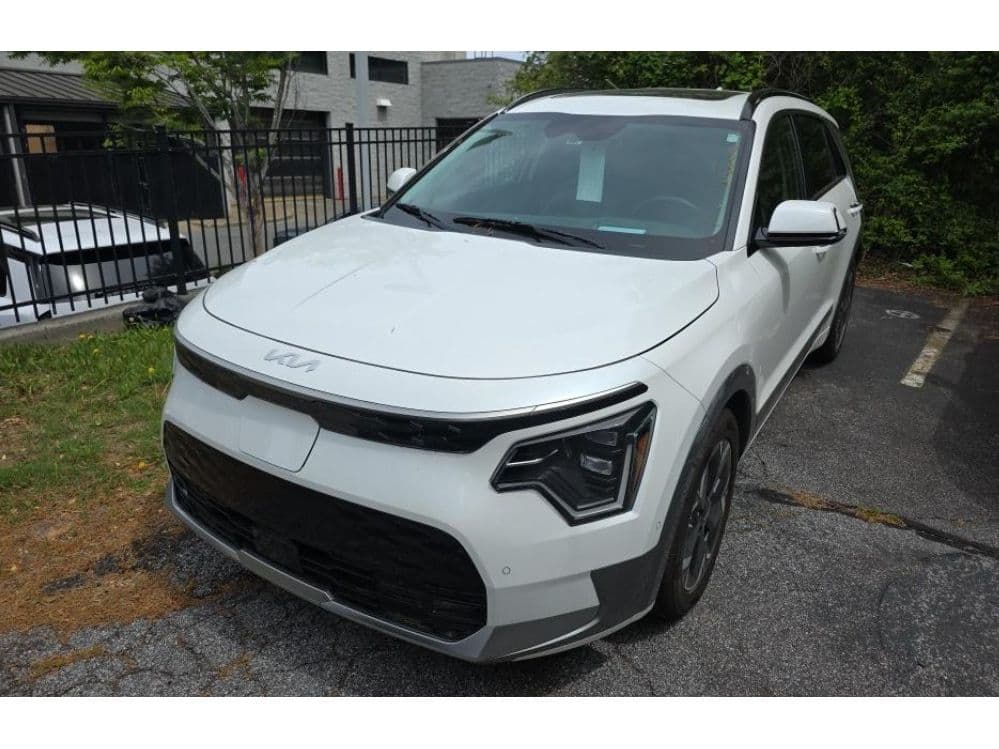
If you’re looking at a 2023 Kia Niro EV, you’ve probably heard rumblings about charging issues, software bugs, and odd warning messages. The good news is that most 2023 Kia Niro EV problems and fixes are well understood by now, and many are covered by warranty or simple owner workarounds. This guide walks you through the most common complaints, how Kia is addressing them, and how to protect yourself if you’re buying used.
Quick take
Overview: How Reliable is the 2023 Kia Niro EV?
The 2023 Kia Niro EV rides on an evolution of the original Niro Electric’s battery and motor, but it’s wrapped in a new generation of body electronics, software, and driver-assist tech. That’s where most of the teething problems show up, not in catastrophic battery failures, but in the way the car charges and communicates with owners.
2023 Niro EV Issues at a Glance
Owner surveys and forum traffic suggest that charging interruptions, slow fast‑charging, and software quirks are the main pain points. The upside: these are the kinds of issues that can often be documented, fixed, or at least mitigated, especially if you go in informed.
Most Common 2023 Kia Niro EV Problems
Top 2023 Niro EV Problem Areas
What owners complain about most often
Charging & High-Voltage System
- "Charging interrupted" messages on Level 2 home chargers
- AC charging stopping early or overheating warnings
- Slower-than-expected DC fast charging or low peak speeds
Software, Apps & Tech
- Kia Connect app missing charge-rate info or updating slowly
- Occasional CarPlay/Android Auto or Bluetooth hiccups
- Random warning lights that clear after restart
Driver-Assist & Warnings
- Lane-keeping or Highway Driving Assist feeling "twitchy"
- Overly conservative collision and parking warnings
- Active aero flap / cooling system faults in some cars
Battery, Range & 12V
- Range estimates that swing more than expected
- Occasional 12V battery drain complaints
- Cold-weather range loss surprising first-time EV drivers
Tip for shoppers
Problem 1: “Charging Interrupted” on Level 2 Home Chargers
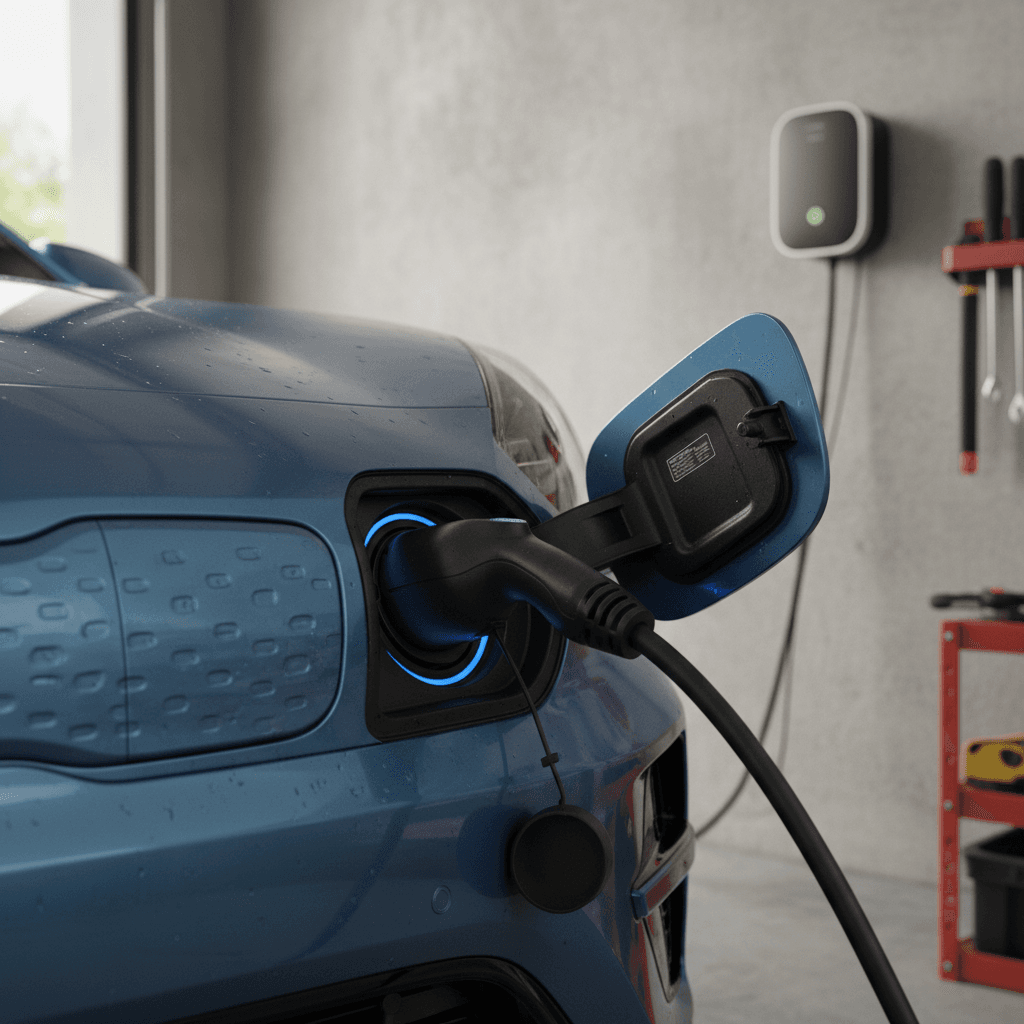
The single most talked‑about 2023 Kia Niro EV problem is an interrupted Level 2 charging session at home or work. Owners describe plugging into a 40‑amp wallbox, walking away, and returning to find a half‑charged pack and a “charge interrupted” message in the Kia Connect app or on the car’s display.
What’s actually going wrong?
On some 2023 Niro EVs, the onboard AC charging hardware and charge-port area can run hot during sustained 40‑amp charging. Kia and Hyundai have acknowledged this pattern across several models and pushed out software updates that change how the car reacts to high temperatures in the charging circuit.
- The car sees rising temperature at the charge port or onboard charger.
- To protect components, it throttles current, or drops the session entirely.
- Owners see “charge interrupted” notices and much longer charge times than advertised.
Why this matters
Dealer fix: TSB ELE288 and updated charging logic
Kia has issued a technical service bulletin (TSB), commonly referenced as ELE288, that reprograms the car’s charging logic for Level 2 AC sessions. Dealers install updated software that is more aggressive about reducing charging current when the system senses heat, rather than allowing components to approach failure limits.
How the ELE288-Style Fix Changes Level 2 Charging
Expect safer temps, but also longer charge times.
| Before dealer update | After dealer update | What you’ll notice |
|---|---|---|
| 40A (~9 kW) most of the session | Steps down toward ~24–30A (~5–7 kW) if it sees heat | Charging times stretch toward 10–12 hours for large top‑ups |
| Occasional “charge interrupted” at 50–70% | Fewer hard shutdowns, more gradual current taper | Car completes sessions more reliably, just more slowly |
| Charge‑port temps get warm | Charge‑port temps stay cooler | Less stress on connectors and wiring over time |
Exact behavior varies by charger and ambient temperature, but this is what owners typically report after the update.
Owner playbook: Practical fixes and workarounds
Fixing & Preventing “Charging Interrupted” on a 2023 Niro EV
1. Verify the charger isn’t the culprit
Test a second Level 2 charger if possible (friend, workplace, or public AC station). If the problem disappears, your wallbox may be miswired, overheating, or out of spec.
2. Dial back the amperage
Use the charger app or hardware settings to reduce output to 32A or even 24A. Many owners find that lowering current eliminates interruptions without a trip to the dealer.
3. Ask your dealer about relevant TSBs
Book service and explicitly mention Level 2 interruptions. Ask them to check for any open TSBs or software updates for the onboard charger and thermal management.
4. Document charge sessions
Take screenshots of interrupted charges and note ambient temperature, charger brand, and amperage. This documentation helps your dealer get repairs covered under warranty.
5. Monitor for worsening behavior
If interruptions become more frequent, or you notice burning smells, melted plastic, or visible discoloration around the charge port, stop using that charger and have the car inspected immediately.
Safety first
Problem 2: Slow or Inconsistent DC Fast Charging
The 2023 Kia Niro EV is not a DC charging monster to begin with, it’s built around an 85 kW‑ish peak on CCS fast chargers. That’s perfectly adequate for road‑trip top‑ups, but many owners are surprised when they plug into a 150 or 350 kW charger and barely crack 40–50 kW for most of the session.
What’s normal vs. what’s a problem?
Normal DC behavior
- Peak power around 70–85 kW between ~10–50% state of charge.
- Charging curve tapers aggressively above ~65–70%, especially in cold weather.
- Station reading fluctuates slightly but holds steady for several minutes at a time.
On a good charger with a warm battery, a 10–80% session in around 40–45 minutes is reasonable for a healthy 2023 Niro EV.
Concerning behavior
- Never exceeds ~25–35 kW even at low state of charge on multiple stations.
- Session repeatedly fails to start or stops after a few minutes on different networks.
- Charging curve or peak speeds drop noticeably over time with no clear temperature reason.
Patterns like these can indicate issues with the battery’s thermal management, the high‑voltage contactors, or DC charging control modules.
Pro tip for data nerds
Potential fixes for slow DC charging
- Make sure cabin and battery are warm, precondition by driving 20–30 minutes or using route‑based battery prep where available.
- Try multiple stations and networks; eliminate bad hardware before blaming the car.
- Have the dealer check for DC charging‑related TSBs, inverter or VCMS (vehicle charging management system) updates, and cooling system faults.
- Insist they log a case with Kia corporate if speeds remain abnormally low across multiple chargers. A weak DC module or cooling issue is usually warranty‑eligible on a young 2023 car.
Problem 3: Kia Connect & Infotainment Glitches
Most 2023 Niro EV owners don’t face catastrophic software failures, but they do report small but persistent annoyances with Kia Connect and the infotainment stack, particularly after subscription or app updates.
Typical 2023 Niro EV Tech Complaints
Annoying, but usually fixable with updates or resets
Kia Connect data gaps
- Charge rate or mileage not shown in the app anymore.
- Remote commands (lock/unlock, start climate) delayed.
- Notifications arriving late or not at all.
Infotainment quirks
- Head unit randomly reboots once in a while.
- Freezes when switching between maps and media.
- Occasional lag when plugging in a phone.
Phone integration
- Wired CarPlay/Android Auto failing to connect on first try.
- Bluetooth audio drops or call quality issues.
- Phone not recognized until cable is reinserted.
Easy owner fixes for tech gremlins
Simple Steps to Clean Up 2023 Niro EV Tech Issues
1. Power-cycle the infotainment system
Hold the volume/power knob for 10–15 seconds to force a soft reboot. This often clears random freezes or blank screens without affecting vehicle settings.
2. Delete and re‑pair your phone
Remove the Niro from your phone’s Bluetooth devices and vice‑versa. Then pair again and re‑enable CarPlay or Android Auto. Use a high‑quality USB cable for wired connections.
3. Update Kia Connect and head unit software
Check the Kia Connect app and the car’s settings menu for software updates. Many small bugs are quietly fixed via over‑the‑air or dealer‑installed updates.
4. Re‑log into Kia Connect
If remote data looks wrong or incomplete, sign out of Kia Connect on your phone, clear the app cache, and sign back in. Re‑authorize the vehicle if prompted.
5. Document repeatable bugs for the dealer
If you can reliably reproduce a glitch, take photos or short video clips. This makes it far easier for a dealer to escalate the issue and get guidance from Kia.
Problem 4: Driver-Assist and Warning System Quirks
The 2023 Niro EV packs in a lot of advanced driver-assistance features, lane keeping, Highway Driving Assist, collision avoidance, and more. Owners largely appreciate the tech, but many complain that it can feel overly cautious, noisy, or occasionally inconsistent.
Common complaints
- Lane-keeping assist “ping‑pongs” between lane markings on curvy roads.
- Forward collision warnings fire in dense traffic even when you’re driving defensively.
- Blind‑spot or cross‑traffic alerts feel late or intermittent.
- Parking sensors beep constantly in tight urban spaces.
What you can do
- Adjust sensitivity levels for warnings in the driver‑assist menu.
- Turn off individual systems (like lane‑keeping) on roads where they struggle.
- Have sensors checked and recalibrated after any collision, curb strike, or windshield/bumper replacement.
- Ask the dealer to verify you have the latest ADAS calibration and firmware.
Good news on safety
Problem 5: Battery Health, Range, and 12V Woes
Under the skin, the 2023 Niro EV uses a proven battery and drive unit, so widespread high‑voltage battery failures are not a known pattern. What owners do see are more subtle issues: range estimates that swing wildly, occasional reports of low‑speed power limits, and a small but real number of 12V battery complaints.
Range estimates vs. real degradation
Many 2023 Niro EV drivers report that their guess‑o‑meter range can drop faster than expected or stop climbing near the advertised 253‑mile EPA figure. That doesn’t necessarily mean the pack is dying, it often reflects a recent history of high‑speed driving, cold weather, or heavy HVAC use.
- Track real‑world consumption in kWh/100 mi or mi/kWh over a few tanks of driving.
- Compare rated vs. actual distance on consistent routes to spot true degradation.
- Occasionally charge to 100% and drive down below 10–15% so the BMS can recalibrate. (Avoid living at 100% in daily use.)
12V battery and low‑voltage issues
Like many modern EVs, the Niro EV still relies on a traditional 12V battery to power computers, relays, and locking systems. A weak or failing 12V can trigger strange warning messages, no‑start conditions, or apparent “bricking” even while the main traction battery is fine.
Staying Ahead of 12V Problems
Check for slow cranks or flickering lights
If the dash backlighting or screens flicker on wake‑up, or you experience intermittent no‑start behavior, request a 12V battery test at the dealer.
Avoid long idle accessory sessions
Extended use of climate and accessories in “On” modes without driving can stress the 12V system. Take the car for a short drive afterward to let it recover.
Have 12V tests documented
If you’re under warranty and the dealer notes a marginal 12V battery, ask them to document it. Repeated failures are much easier to replace under warranty when there’s a paper trail.
Recalls, TSBs & Warranty: What Kia Will Fix
By 2026, a number of recalls and technical service bulletins have filtered out for the wider Kia/Hyundai EV family, including the 2023 Niro EV. The exact list evolves, but the big themes are clear: charging behavior, software updates, and active aero or cooling hardware.
Typical Recall & TSB Themes for 2023 Niro EV
Always run a fresh VIN check with Kia or NHTSA for the latest status.
| Area | What’s addressed | What you should do |
|---|---|---|
| AC charging / ELE288‑style TSBs | Revised Level 2 charging behavior, temperature thresholds, and fault handling. | Ask your dealer to confirm you have the latest charging firmware and ask them to explain any change in expected charge times. |
| DC fast‑charging control | Improved communication with CCS stations, better handling of handshake failures. | If you’ve had repeat DC issues, insist on logging a case and ask if any DC‑related TSBs apply. |
| Active air flaps / cooling | Faulty active aero flaps or sensors that trigger check‑engine lights or reduced power. | If you see cooling or flap warnings, don’t ignore them, have them inspected and recalibrated. |
| General infotainment & Kia Connect | Head unit stability, app connectivity, and minor bugfixes. | Ask the service advisor to check for infotainment updates at every scheduled visit. |
These categories are common across owner reports, though details can vary by build date and region.
Know your coverage
How to Spot These Problems on a Used 2023 Niro EV
If you’re shopping the used market, you don’t have to be an engineer to avoid a problem child. You just need a structured test drive and a bit of time on a charger. This is exactly the sort of work Recharged bakes into our Recharged Score battery and charging health diagnostics when we list a used Niro EV.
Used 2023 Niro EV Inspection Checklist
1. Run a full VIN history and recall check
Look for repeated visits for charging, electrical, or ADAS issues. A single TSB visit isn’t a red flag; a pattern of “charging interrupted” complaints with no clear fix is.
2. Do a 20–30 minute test drive
Drive at mixed speeds, test all driver‑assist systems, and note any warning lights. Pay attention to steering feel with lane‑keeping on and off.
3. Plug into a Level 2 charger
If possible, charge for at least 30–45 minutes on a known‑good 32–40A charger. Watch for early shutdowns, rapid current drops, or error messages.
4. Try a DC fast charger
Even a brief 10–60% top‑up will tell you whether the car is hitting reasonable kW numbers for its state of charge and temperature.
5. Scan Kia Connect and infotainment
Pair your phone, test maps and media, and flip through vehicle settings. Buggy behavior on a short test usually gets worse in daily life.
6. Ask for documentation
Service records showing successful completion of charging‑related TSBs can actually be a positive, someone else already did the debugging for you.
How Recharged helps
Ready to find your next EV?
Browse VehiclesWhen a 2023 Niro EV Problem is a Dealbreaker
Most 2023 Niro EV quirks are manageable. But there are scenarios where walking away, or pushing for a buyback under state lemon laws, makes more sense than living at the dealer’s service bay.
- Repeated Level 2 and DC charging failures, across multiple chargers and networks, even after relevant software updates or module replacements.
- Documented high‑voltage battery or inverter faults that recur after major warranty repairs.
- Persistent, multi‑system electrical gremlins, random no‑starts, widespread sensor failures, and untraceable warning lights.
- A service history showing months out of service for the same charging or high‑voltage complaint with no clear root cause.
Know your leverage
2023 Kia Niro EV Problems: FAQ
Frequently Asked Questions About 2023 Niro EV Problems
Bottom Line: Should 2023 Niro EV Problems Scare You Off?
The 2023 Kia Niro EV is not a problem child in the way some early EVs were. Its core battery and motor hardware are fundamentally sound; the headaches live mostly in the messy intersection between software, charging hardware, and an increasingly complex driver‑assist and infotainment stack. If you go in blind, those quirks can sour ownership. If you go in informed, they’re manageable.
Think of this car as a capable, efficient commuter that just needs a thoughtful setup: a well‑configured Level 2 charger, current software, and a dealer that takes your logs seriously. When you’re shopping used, pair that mindset with structured testing and documentation, or lean on a Recharged Score Report to do the heavy lifting for you, and a 2023 Niro EV can still be one of the better values in the compact EV market.