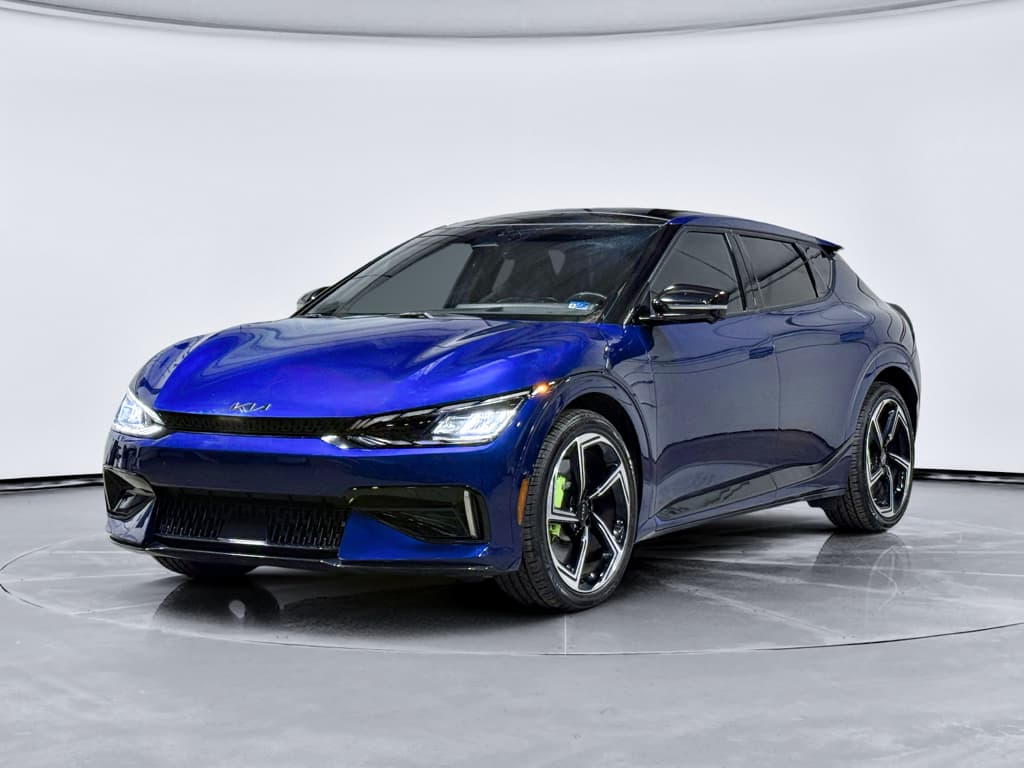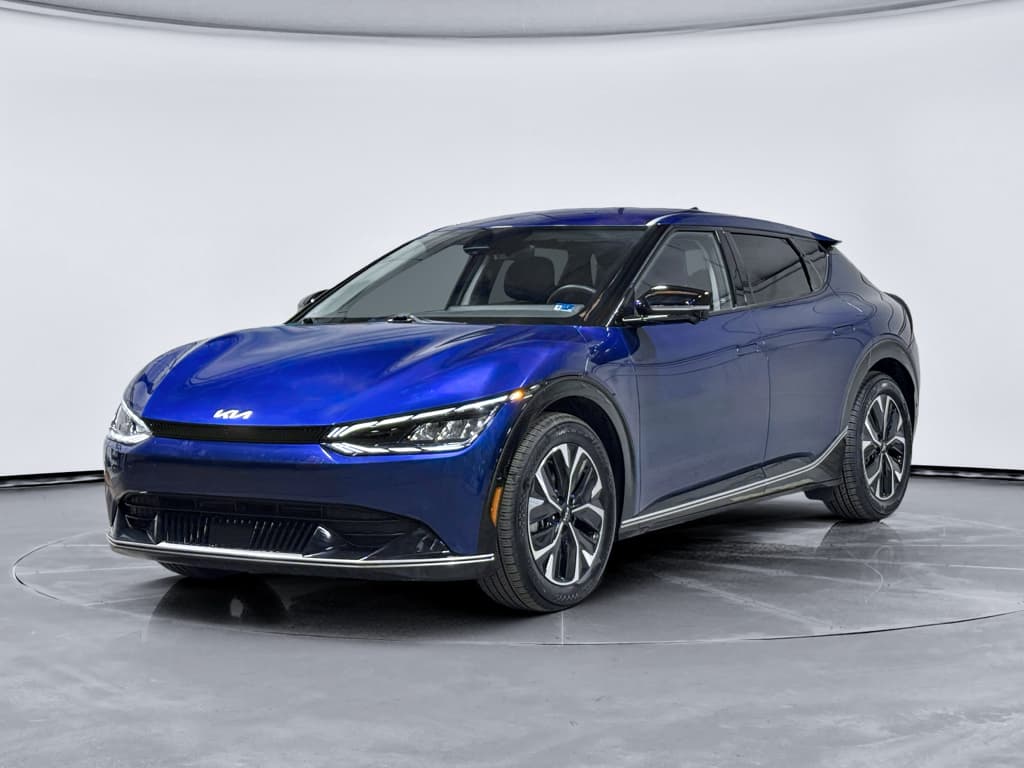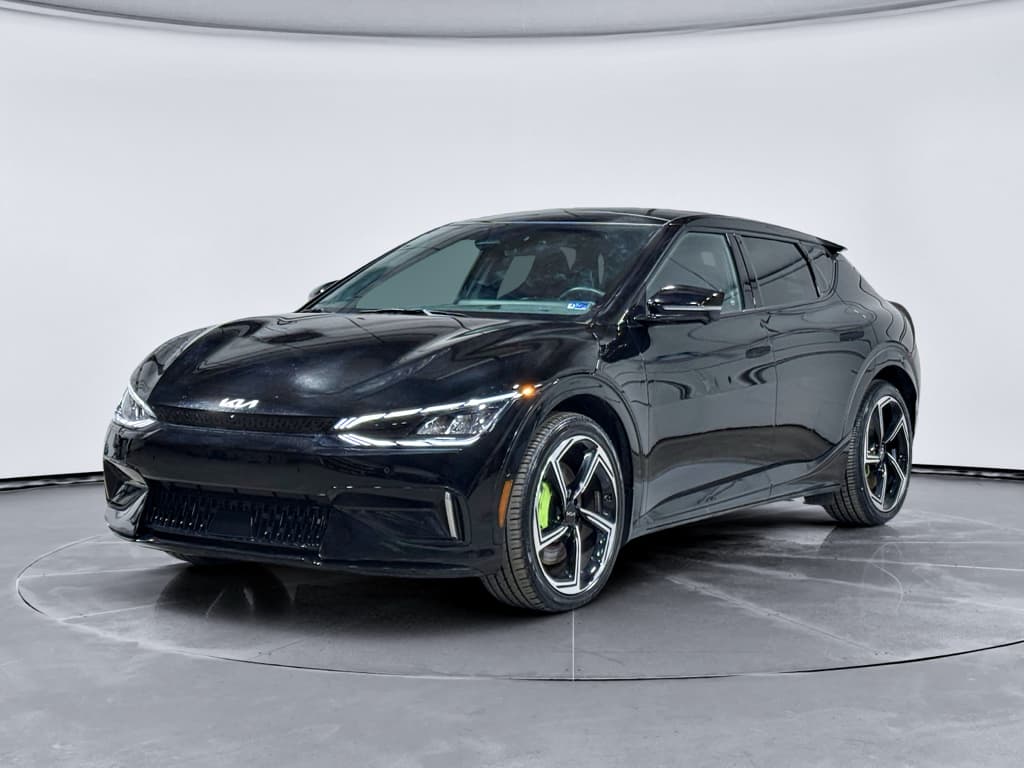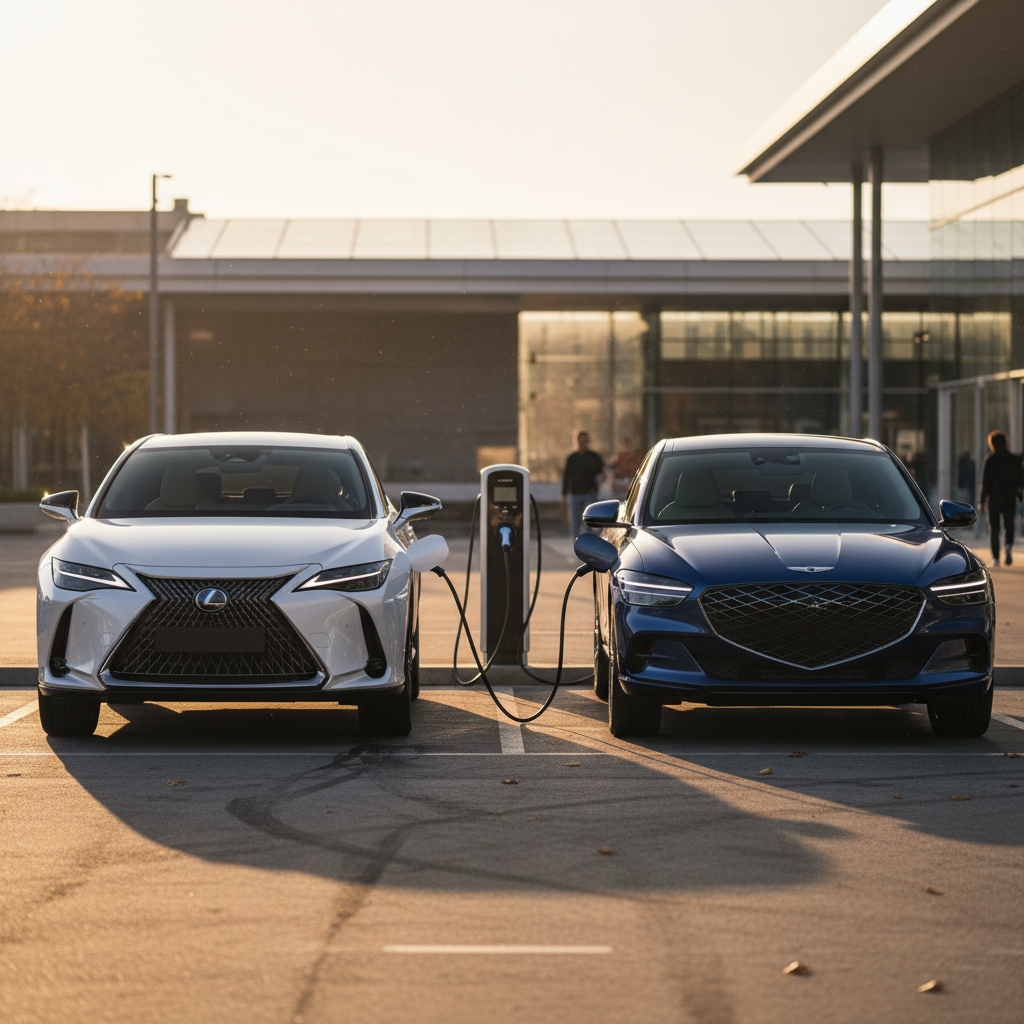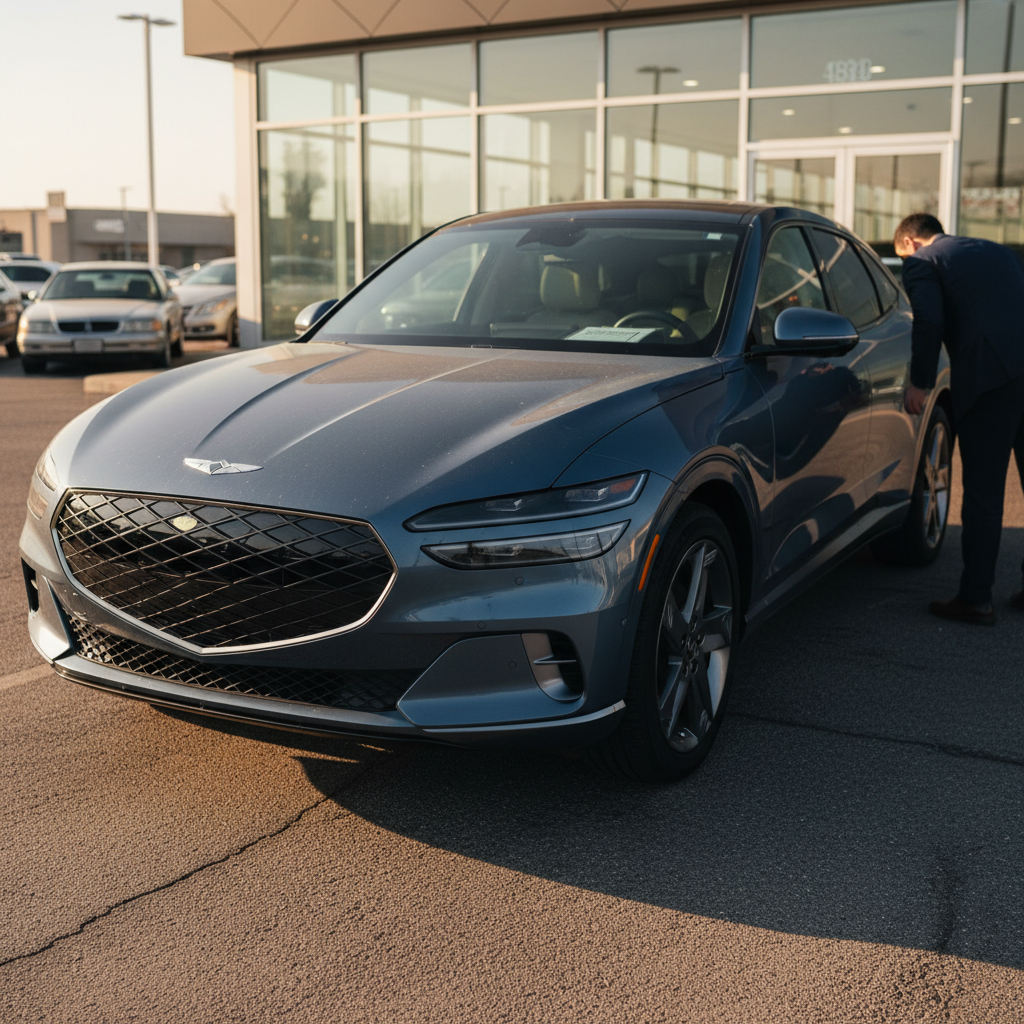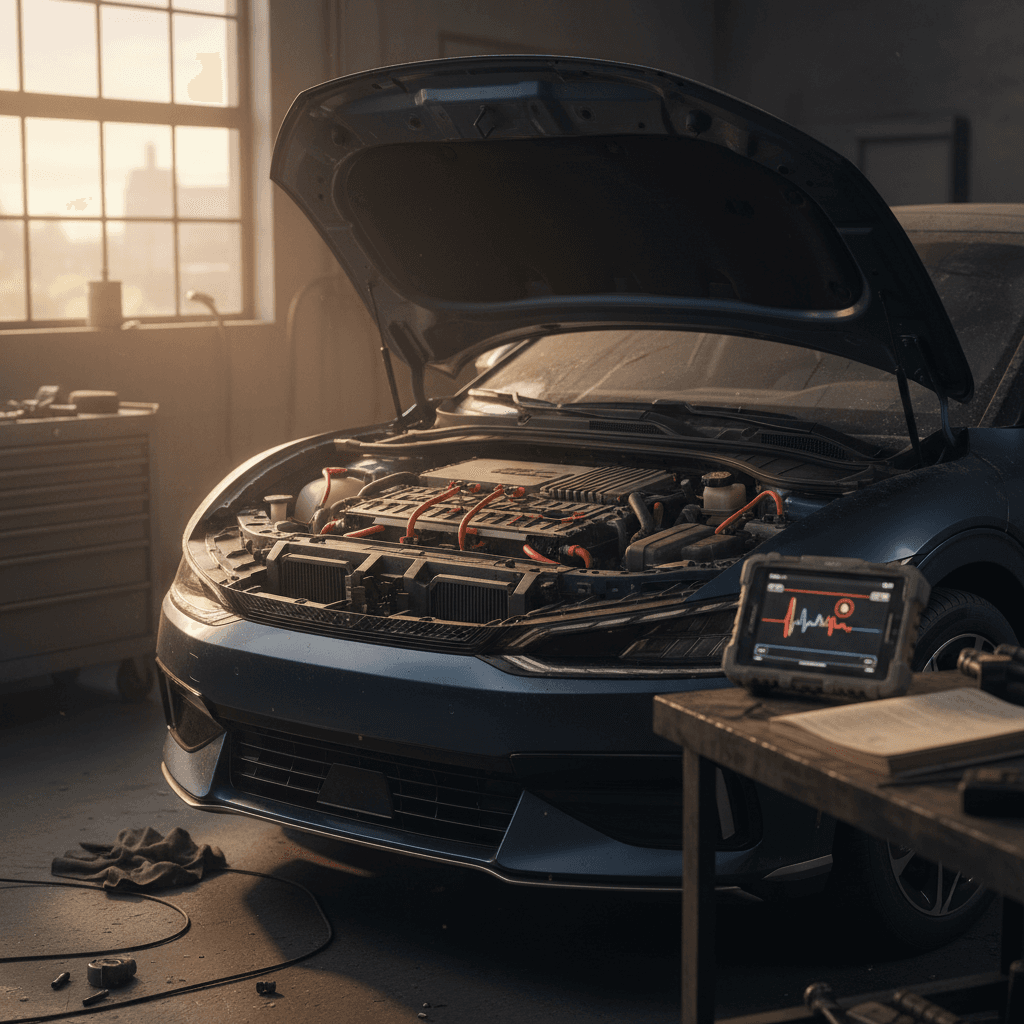
Searches for “2023 Kia EV6 problems” have spiked for a reason. Early EVs often have first‑generation teething issues, and the EV6, built on Hyundai–Kia’s E‑GMP platform, is no exception. Owners report fantastic performance and styling, but also a pattern of charging‑related failures and electrical gremlins you should understand before you buy used.
Quick take
Overview: Should You Worry About 2023 Kia EV6 Problems?
Let’s start with some context. Independent reliability data shows the EV6 scoring worse than the average EV for trouble‑free ownership, largely because of charging and electrical issues rather than engine‑equivalent failures. At the same time, owner‑satisfaction scores are high: in J.D. Power’s 2023 U.S. Electric Vehicle Experience (EVX) study, the EV6 ranked near the top of the mass‑market EV segment for owner satisfaction. That tension, people loving how it drives but frustrated by downtime, captures the 2023 EV6 story well.
2023 Kia EV6 at a glance
Key risk theme
Quick summary: biggest 2023 Kia EV6 problems
- ICCU (Integrated Charging Control Unit) failures that can leave the car unable to charge or even start, sometimes linked with 12V battery issues.
- 12V battery drain or premature failure, often triggered by charging schedules or connected apps that keep the car “awake.”
- Home AC charging interruptions or reduced charging speed, especially at higher amperages or in warmer weather, sometimes persisting even after software updates.
- Occasional DC fast‑charging issues (inconsistent speeds, sessions ending early) tied to station compatibility or vehicle software.
- Software and infotainment glitches, freezes, phantom warnings, charging‑schedule bugs, that often require dealer or OTA updates.
- Isolated high‑voltage battery or BMS faults, usually handled under warranty but potentially leading to lengthy repair delays.
If you read nothing else…
ICCU failure and 12V battery drain
The most consequential 2023 Kia EV6 problems revolve around the **Integrated Charging Control Unit (ICCU)**. This component manages how the car converts AC power to DC, supports DC fast charging, and keeps the 12V battery charged from the main pack. When it misbehaves, you can see a cascade of symptoms: warning lights, charging errors, a dead 12V battery, or a car that simply refuses to “boot.”
Common ICCU / 12V failure symptoms
What owners of 2022–2023 EV6s (and sibling models) frequently report
Charging fails abruptly
AC or DC sessions stop after a few minutes with a “Charging error” or similar warning in the cluster or app.
12V battery keeps dying
Repeated dead‑car episodes, especially after being parked, sometimes following days of scheduled charging attempts or app polling.
Car won’t go into Ready mode
Dash lights up, but the car won’t shift into gear, or it shuts down shortly after starting. Towing to a dealer is often required.
Consumer‑oriented reliability surveys and owner forums consistently flag the ICCU and 12V system as a major weakness across Hyundai and Kia EVs on this platform. The good news is that most failures happen within the factory warranty period and are covered. The bad news is that parts and diagnosis can take weeks, and repeated failures can easily push an otherwise great EV into lemon‑law territory for some owners.
Why this matters on a used 2023 EV6
How to reduce your risk of ICCU and 12V issues
1. Check for ICCU campaigns and TSBs
Ask the seller or a Kia dealer to pull the VIN’s service history and confirm all ICCU‑related technical service bulletins (TSBs) and recalls are completed.
2. Inspect 12V battery age and health
The 12V battery is a wear item. On a 2023 EV6, it may already be due for replacement. A load test can reveal a weak battery before it causes trouble.
3. Review charging habits
Frequent timed‑charging schedules and aggressive use of third‑party connected apps can keep the car awake and aggravate 12V drain. Prefer simple, predictable charging routines.
4. Ask about prior no‑start incidents
Repeated jump‑starts, tow‑ins, or “car dead in the morning” stories are red flags that the ICCU/12V issue may be recurring rather than solved.
Home and fast‑charging problems
Beyond outright ICCU failures, many 2023 EV6 owners report **less severe but persistent charging annoyances**, especially at home. These range from intermittent AC charging interruptions to the car refusing to start overnight scheduled charging, or throttling current to very low levels despite a capable wallbox.
Typical home charging complaints
- Charging sessions that stop repeatedly on 40–48A home chargers, especially in warmer weather.
- “Battery charge error” messages while the EVSE itself reports no fault.
- Scheduled charging that never begins after off‑peak hours start, even though manual charging works fine.
- Port and cable getting uncomfortably warm at higher amperages before the car reduces current.
Typical DC fast‑charging complaints
- Inconsistent fast‑charge speeds versus advertised curves, even on known good stations.
- Charging sessions that end early or throw an error when switching between chargers or networks.
- Peak speeds only achieved in a narrow state‑of‑charge and temperature window.
Software vs. hardware
Software and electronics glitches
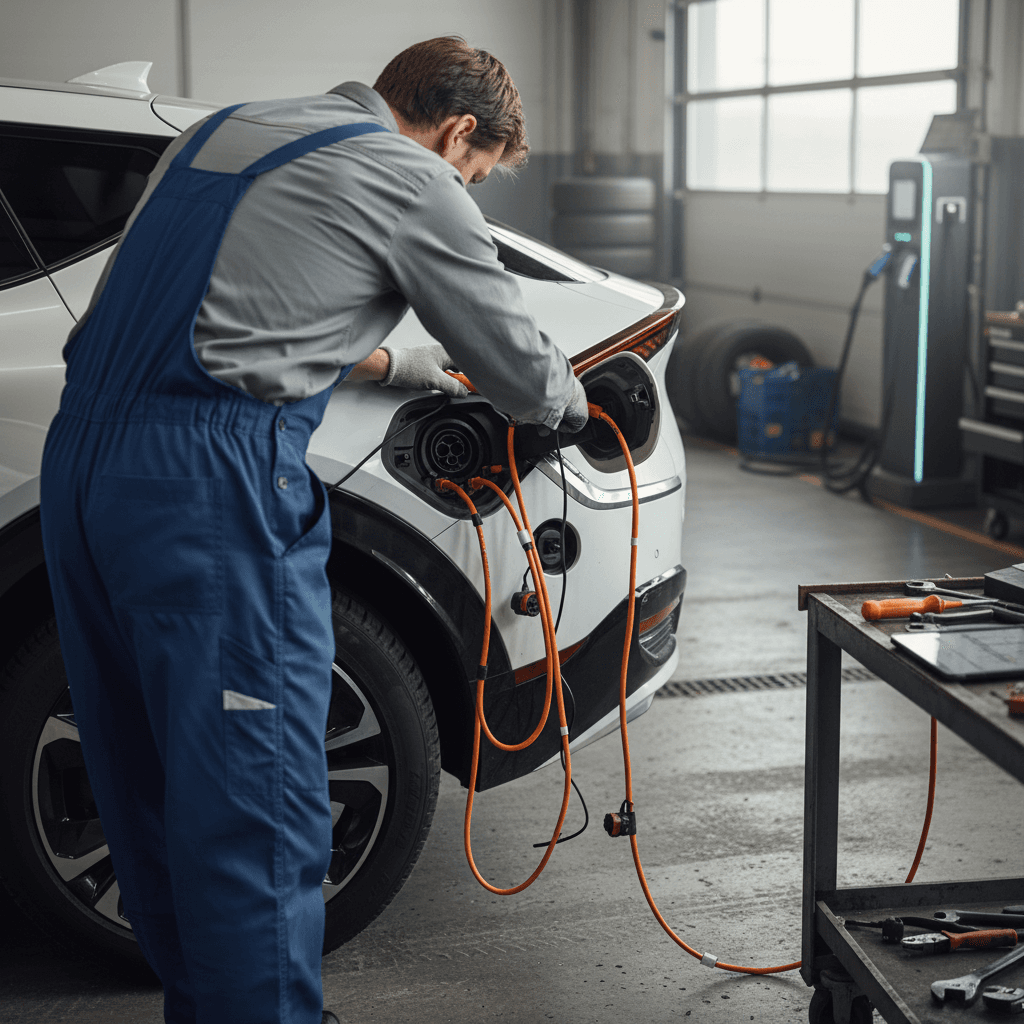
Like many modern EVs, the 2023 EV6 leans heavily on software. Owners report a scattered but familiar set of glitches: infotainment freezes, random warning messages, cameras or driver‑assistance features dropping out, and buggy behavior around charging schedules or preconditioning. Most of these aren’t catastrophic, but they erode trust and can mask more serious issues.
Common 2023 EV6 software & electronics issues
Annoying more often than dangerous, but sometimes related to larger problems
Infotainment freezes
Center screen lag or lock‑ups, especially when switching between navigation, CarPlay/Android Auto, and EV menus.
Phantom warnings
Traction, charging, or ADAS warnings that appear briefly and then vanish. These should still be scanned for stored codes.
Connected‑services quirks
App failing to update charge state, remote commands timing out, or scheduled features not triggering.
What to do about software issues
High‑voltage battery and range concerns
When people search for “2023 Kia EV6 battery problems,” they’re usually worried about the big high‑voltage pack. The encouraging news: compared with ICCU and 12V issues, **true pack failures on 2023 EV6s appear rare** so far and are typically handled under warranty. However, it’s still critical to understand degradation and BMS‑related quirks.
- Some owners report range estimates that bounce around or don’t line up cleanly with state of charge, often after a service visit or deep discharge, usually a BMS calibration issue rather than pack damage.
- Cold‑weather range loss is noticeable, especially without preconditioning; this is normal EV behavior but can surprise first‑time buyers.
- A small number of drivers report high‑voltage battery or BMS faults that limit charging to 50% or trigger “do not drive” messages; these are serious but typically handled under Kia’s EV component warranty.
Don’t confuse software with pack health
Recalls affecting the 2023 Kia EV6
The 2023 EV6 has been subject to **multiple NHTSA recalls**. These may vary by build date and configuration, but they commonly involve control‑unit software, safety systems, or components shared across multiple Hyundai–Kia EVs. Recalls are performed free of charge and don’t automatically make a vehicle a bad buy, but outstanding recalls are a sign of poor prior care.
Typical recall themes for 2023 Kia EV6
Exact recall campaigns depend on VIN. Always run a fresh NHTSA or Kia recall check before purchasing.
| Recall theme | What it affects | Why it matters to you |
|---|---|---|
| Control unit software | Power electronics, charging, or drive control logic | Updates can reduce the risk of ICCU or drive‑system faults and improve charging behavior. |
| Safety systems | Airbags, seat belts, warning chimes, or stability control | Unfixed safety recalls can affect crash protection and may block registration in some states. |
| Parking/rollaway risks | Shifter logic or parking brake behavior | Rare, but serious, make sure any campaigns affecting vehicle hold/park are completed. |
Treat recall completion as a hard requirement when evaluating any used 2023 EV6.
Good news on recalls
How reliable is the 2023 Kia EV6 overall?
Reliability data for EVs is still evolving, but we can triangulate a clear picture. Consumer‑facing surveys that track owner‑reported trouble spots rate the Kia EV6’s overall reliability **below average** versus both gas cars and rival EVs. Charging‑unit and electrical issues are the primary drivers of that score, not catastrophic drivetrain failures.
Where the 2023 EV6 does well
- Driving experience: Owners love the acceleration, handling, and refinement.
- Cabin & design: Styling, comfort, and tech feel competitive or better than most rivals.
- Efficiency: Real‑world energy use is solid for a midsize crossover, especially in moderate climates.
Where it struggles
- Charging electronics: ICCU and 12V behavior drag down reliability scores.
- Software polish: Bugs and quirks mean more dealer visits than many buyers expect.
- Service experience: Some owners report slow diagnosis and parts delays for EV‑specific repairs.
Hyundai–Kia’s E‑GMP platform got the fundamentals of EV driving right. Where it stumbles is the unglamorous plumbing between the wall, the battery, and the low‑voltage system, exactly the kind of thing that makes or breaks long‑term trust.
What to check when buying a used 2023 Kia EV6
If you like how the 2023 EV6 looks and drives, the goal isn’t to scare you away, it’s to help you separate a **well‑sorted example** from a problem child. Here’s a focused checklist to use with any private seller or dealer.
Used 2023 Kia EV6 buyer checklist
1. Run a full VIN history & recall check
Look for accident history, lemon buybacks, and multiple service visits for charging or “no‑start” issues. Confirm all recalls are completed before purchase.
2. Ask for service records focused on ICCU / 12V
Multiple ICCU replacements or repeated 12V battery complaints in a short window are a red flag. One early fix that solved the problem isn’t unusual; a pattern is.
3. Do a supervised AC home‑style charge test
At viewing or inspection, plug into a Level 2 charger and watch it ramp up. You want a stable session without early cut‑offs, overheating, or error messages.
4. Test DC fast charging on a reputable network
If possible, do a short fast‑charge session from ~20–30% SoC. Check that the car reaches reasonable speeds for its pack and doesn’t terminate unexpectedly.
5. Evaluate range and efficiency on a road test
Reset a trip meter and drive 15–20 miles. Make sure projected range changes sensibly with SoC and that there are no power‑limiting or battery warnings.
6. Get an independent battery health report
Use an EV‑specialist shop or a marketplace like <strong>Recharged</strong> that provides a <strong>battery health and charging‑system report</strong> before you buy.
Don’t skip the boring documents
How Recharged evaluates used Kia EV6 models
Because Kia EV6 issues cluster around charging and electronics rather than obvious mechanical failures, you want more than a basic multi‑point inspection. At Recharged, every EV6 we list goes through a process tailored to the realities of modern EV platforms.
Inside a Recharged EV6 inspection
What we look at beyond a typical dealer checklist
Recharged Score battery diagnostics
We run in‑depth tests of usable capacity, balance between cells, and fast‑charge behavior so you can see how a 2023 EV6’s battery compares to new.
Charging & ICCU health
We test AC and DC charging under different conditions and check for ICCU‑related faults or history, not just obvious error codes.
Pricing & warranty clarity
Each EV6 comes with transparent, fair‑market pricing, remaining factory‑warranty details, and EV‑specialist support to walk you through trade‑in, financing, or nationwide delivery.
Ready to find your next EV?
Browse VehiclesIf you’re comparing a 2023 EV6 on a generic used‑car lot to one that’s been through a Recharged Score evaluation, the difference is simple: you’re not guessing how healthy the **battery and charging system** really are.
2023 Kia EV6 problems: FAQ
Frequently asked questions about 2023 Kia EV6 problems
Bottom line: should you buy a 2023 Kia EV6 used?
The 2023 Kia EV6 is simultaneously one of the most compelling and one of the more temperamental mass‑market EVs. Its **biggest problems center on charging electronics and low‑voltage support**, not the core battery or drivetrain, but those issues can still leave you stranded if they’re ignored. If you do your homework, verifying recalls, scrutinizing service history, and insisting on a real battery and charging‑system health report, you can stack the odds firmly in your favor.
If you’d rather not tackle that alone, consider shopping for a 2023 EV6 through Recharged. Every car we list comes with a Recharged Score Report detailing battery health, charging behavior, fair‑market pricing, and warranty context, plus EV‑specialist support to walk you through trade‑in, financing, or delivery. That way, you can enjoy what the EV6 does best, quiet speed, long‑legged range, and striking design, without gambling on the parts you can’t see.