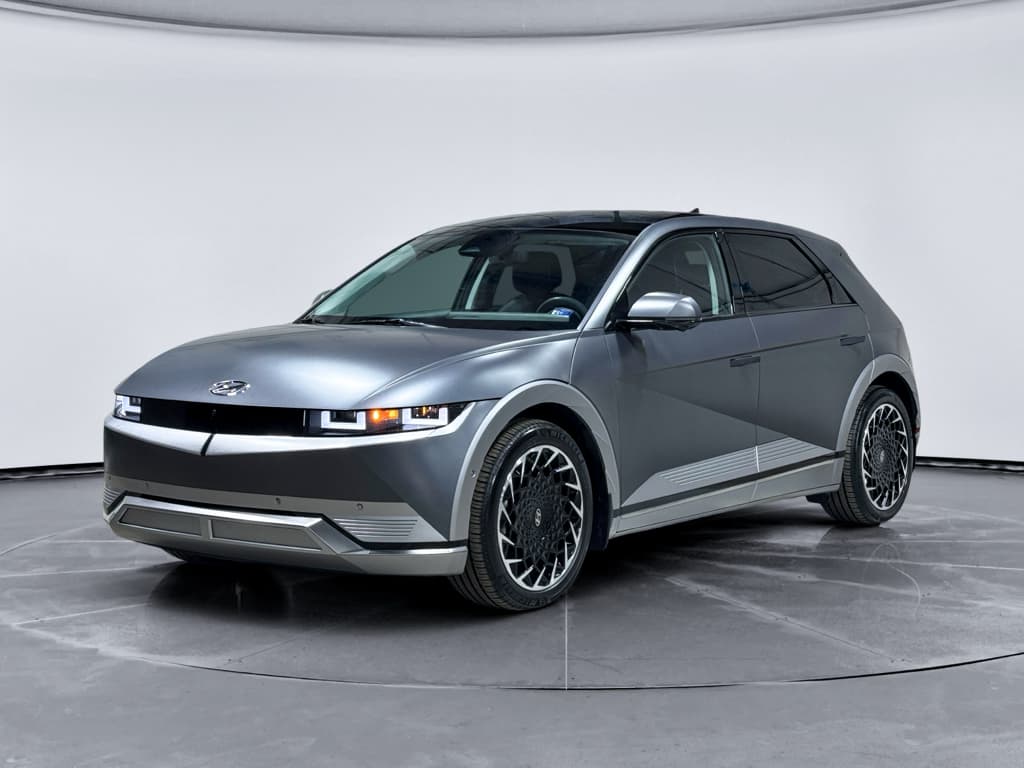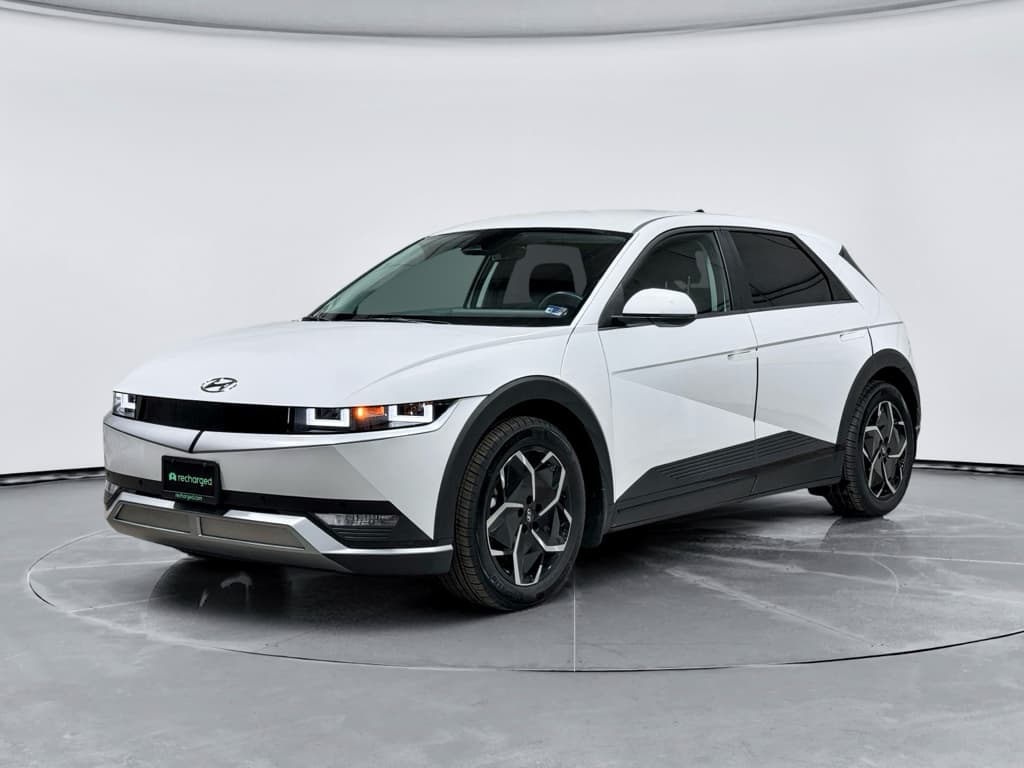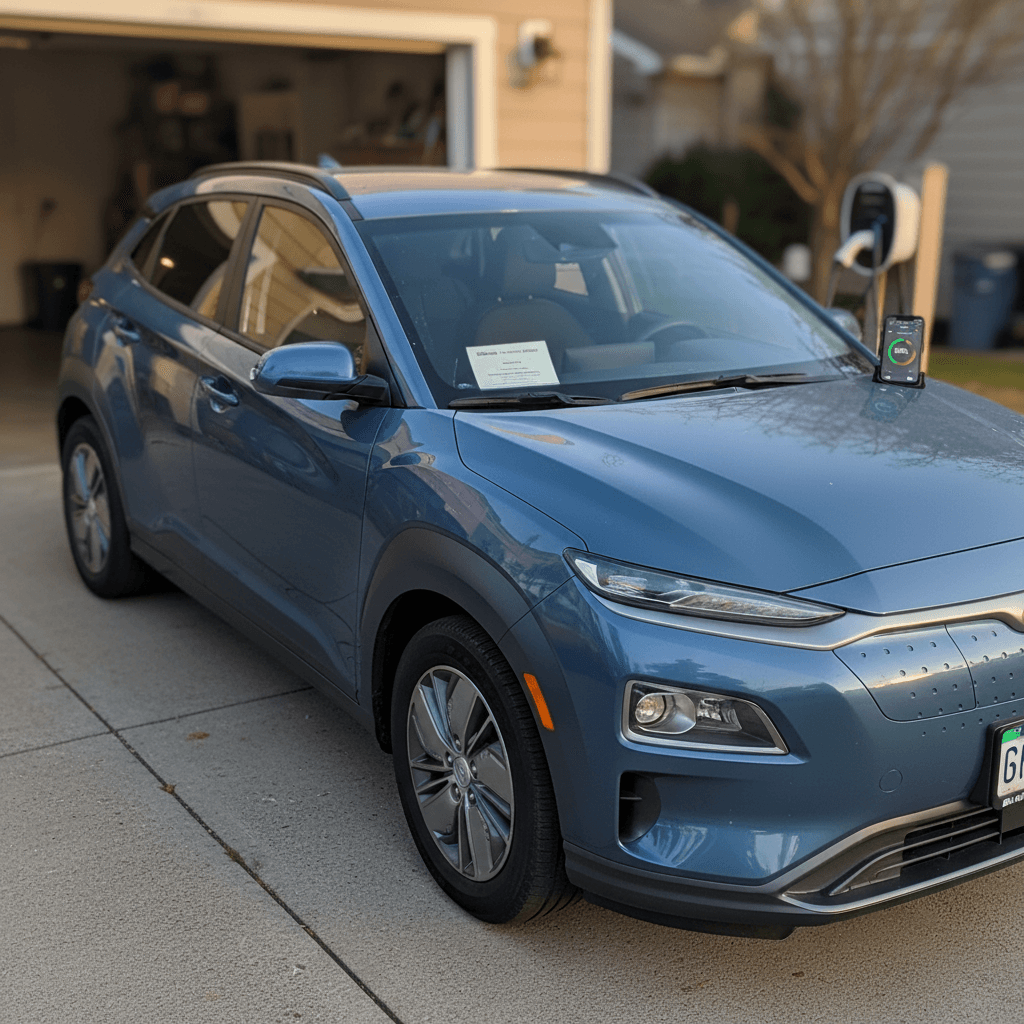
If you’re shopping for an affordable, efficient electric crossover, a used 2023 Hyundai Kona Electric will land on your shortlist quickly. It’s compact, surprisingly quick, and one of the most efficient EVs on the road. But how does the 2023 Kona Electric really stack up as a used buy in 2026, on range, battery health, reliability, and price?
Model-year context
Overview: How the 2023 Kona Electric Stacks Up as a Used EV
Why a used 2023 Kona Electric makes sense
- Excellent efficiency: Real‑world drivers often see 3.8–4.3 mi/kWh, making the most of its roughly 64 kWh battery.
- Usable real range: About 230 miles EPA on a full charge is plenty for commuting and regional trips.
- Compact footprint: Easy to park, but still has a hatchback and folding seats.
- Rich standard features: Heated seats on many trims, modern safety tech, and wired Apple CarPlay/Android Auto.
- Still under warranty: Many 2023s have years of factory battery and powertrain coverage left.
Where it falls short
- DC fast charging speed: Peaks around 75 kW, slower than newer EVs that can pull 150 kW+.
- Front‑wheel drive only: No AWD option, which some buyers want for snow confidence.
- Tight rear seat and cargo: Fine for singles and couples; families may outgrow it.
- Mixed noise refinement: Some owners report more road noise than larger EVs.
- Older infotainment look: Functional, but not as slick as the latest Hyundai EVs.
2023 Hyundai Kona Electric: Key Numbers (U.S. spec)
Key Specs: Range, Battery, and Charging for the 2023 Kona Electric
Every U.S.‑spec 2023 Hyundai Kona Electric uses roughly a 64 kWh lithium‑ion battery pack and a single 201 hp front motor. On paper, it’s rated for about 258 miles of EPA range, which still looks competitive among small used EVs. In daily use, plan on roughly 220–240 miles per charge depending on speed, weather, and your driving style.
- Battery: ~64 kWh lithium‑ion, liquid‑cooled
- Motor: 201 hp (150 kW) front‑wheel drive
- EPA range: ~258 miles (expect 220–240 mi real‑world)
- Onboard AC charger: 7.2 kW Level 2
- DC fast charging: up to ~75 kW, 10–80% in roughly 45–50 minutes in ideal conditions
- MPGe: around 120–130 MPGe combined, placing it among the more efficient small EVs
Range reality check
Driving Experience and Comfort
On the road, the 2023 Kona Electric feels more like a punchy hatchback than a tall SUV. The 201 hp motor and instant torque make it feel lively off the line and perfectly at home darting through city traffic. Ride quality is firm but not harsh, and the steering is light and accurate, which suits its urban‑commuter mission.
How the 2023 Kona Electric Feels to Drive
Strengths and trade‑offs from the driver’s seat
Quick around town
The Kona Electric jumps from stoplights with confidence and has no trouble merging onto the highway. It’s not a sports car, but it feels quicker than many gas crossovers.
City‑friendly size
Its compact footprint and tight turning radius make parallel parking and tight garages less stressful than in a larger SUV.
Noise & refinement
Cabin noise is acceptable but not luxurious; some owners note more tire and wind noise on coarse highways than in larger, heavier EVs like the Ioniq 5 or Model Y.
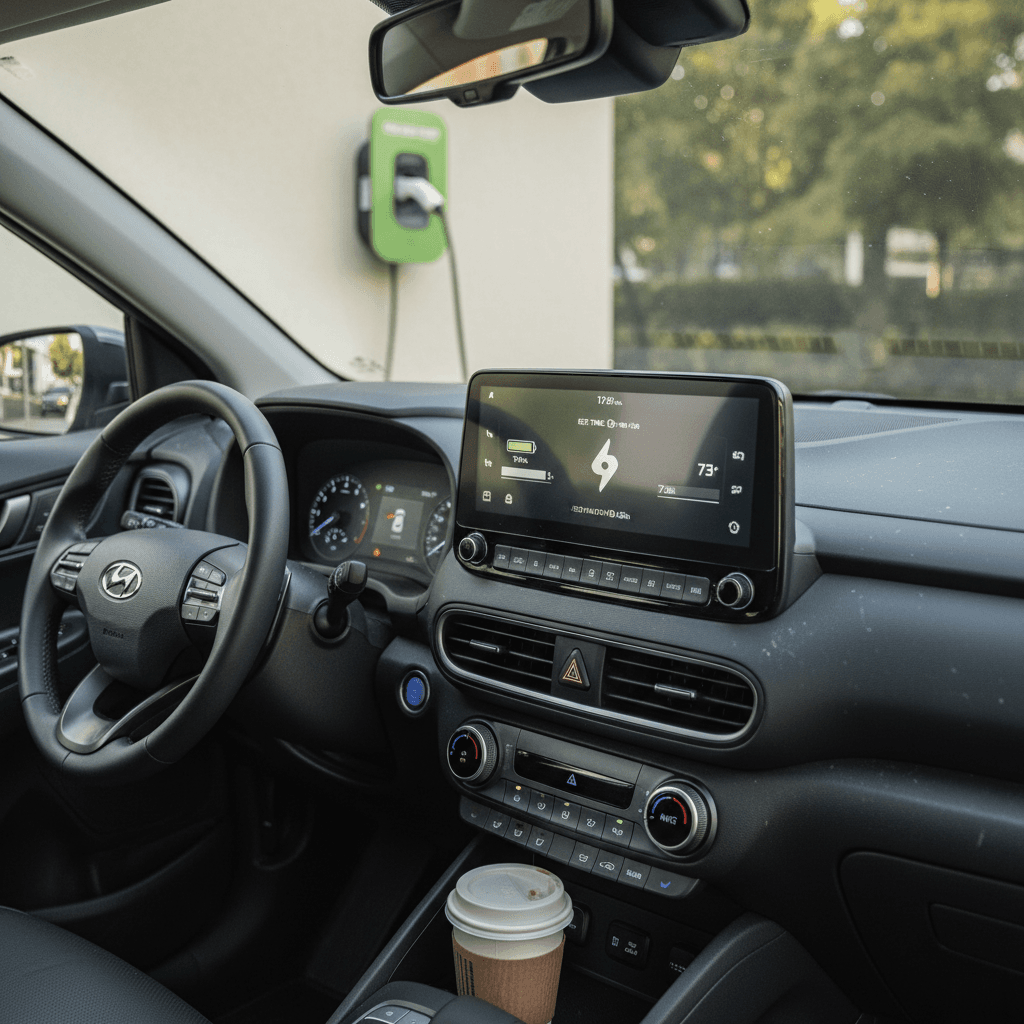
Inside, the 2023 Kona Electric offers comfortable front seats and straightforward controls, including dials and buttons for core climate functions. The back seat is usable for adults on shorter trips but feels tight for taller passengers, and cargo space is closer to a hatchback than a family SUV. If you routinely carry four adults and luggage, you may want to cross‑shop larger EVs, otherwise, the Kona’s packaging is efficient for its size.
Reliability, Battery Health, and Warranty Coverage
Owner feedback for the 2023 Hyundai Kona Electric is generally positive, especially compared with some early‑run EVs. Consumer review sites show a strong majority of owners saying they’d recommend the car, though there are specific areas you should pay attention to when shopping used.
Reliability Snapshot for the 2023 Kona Electric
What we’re seeing in the used market so far
Overall mechanical reliability
The electric motor and single‑speed reduction gear are proving robust in real‑world use. Most complaints center on minor software quirks, infotainment glitches, or cosmetic issues rather than major drivetrain failures.
Battery and high‑voltage system
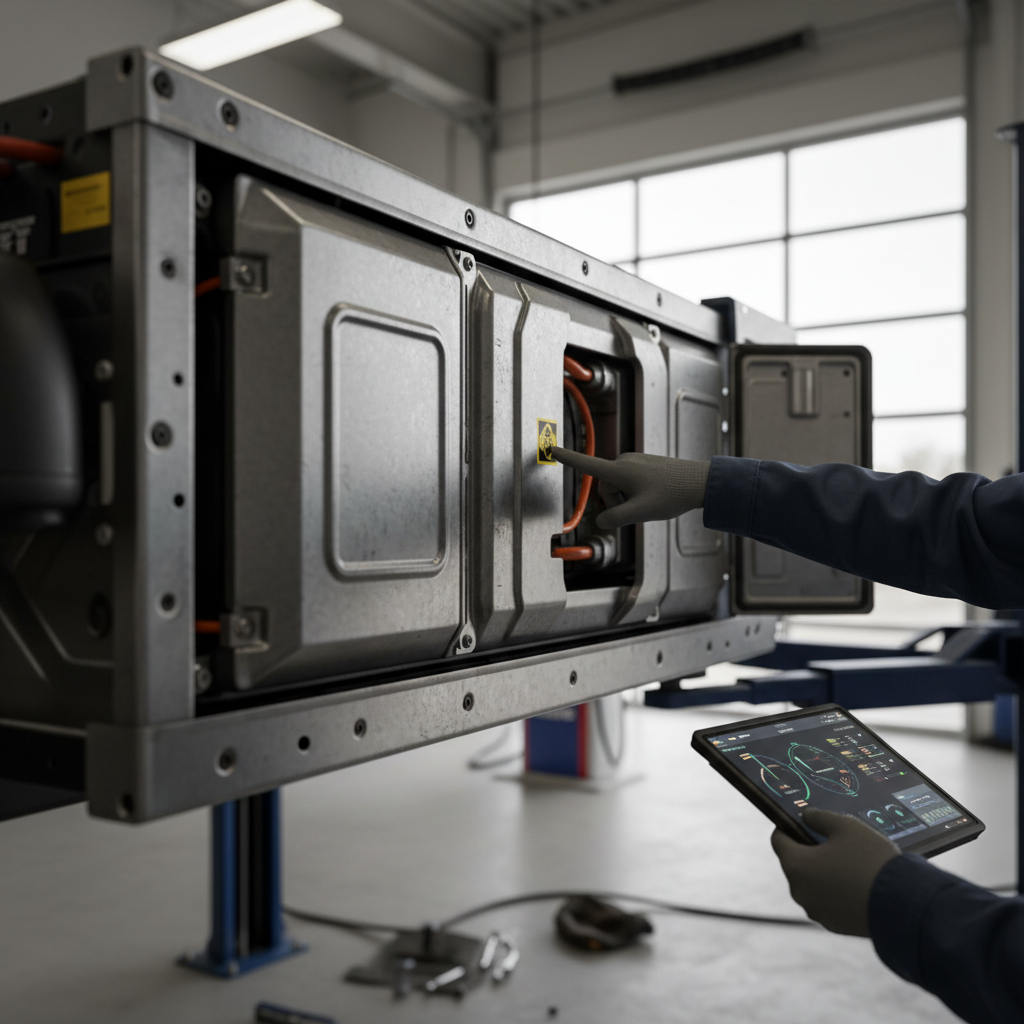
The 2023 model benefits from Hyundai’s experience with earlier Kona EVs. High‑voltage battery issues appear relatively rare, and the car includes an 8‑year / 100,000‑mile battery warranty from original in‑service date (check exact terms for your vehicle).
Battery software campaign check
Battery health is still the number‑one concern for used EV shoppers. That’s where tools like the Recharged Score battery health diagnostic are valuable: instead of guessing based on a range estimate, you get independently verified data on pack capacity and degradation. That can help you avoid cars with hidden battery issues and compare multiple 2023 Konas on more than just miles and cosmetics.
Warranty still in play
Used 2023 Hyundai Kona Electric Pricing in 2026
Used pricing for the 2023 Hyundai Kona Electric varies widely by mileage, trim, and region. Broadly, you’ll see dealer asking prices that often start in the high teens for higher‑mile examples and climb into the mid‑$20,000s for low‑mile, well‑equipped cars. In late‑2025 market data, many healthy 2023 Konas with average miles tend to land in the low‑to‑mid $20,000 range when sold retail.
Typical Used 2023 Kona Electric Price Ranges (U.S., 2026)
Approximate retail asking prices; actual deals depend on options, condition, and local demand.
| Mileage | Typical Condition | Example Trim | Approximate Asking Price |
|---|---|---|---|
| Under 15,000 miles | Like‑new, often CPO | Limited or SEL | $24,000–$27,000 |
| 15,000–35,000 miles | Clean history, light wear | SE or SEL | $21,000–$24,000 |
| 35,000–60,000 miles | Higher but normal use | SE / SEL fleet or commuter | $18,000–$21,000 |
| 60,000+ miles | Heavy highway or fleet | Base SE, fewer options | $16,000–$18,000 |
Use these ranges as a starting point, not a guarantee. A detailed condition and battery‑health report will matter more than mileage alone.
How Recharged approaches pricing
2023 Kona Electric vs. Other Used EVs
You’re probably cross‑shopping the 2023 Kona Electric against popular used EVs like the Chevrolet Bolt EV/EUV, Nissan Leaf Plus, Kia Niro EV, or compact Teslas. The Kona doesn’t win every comparison, but it hits a very strong balance of efficiency, usable range, and price.
How the 2023 Kona Electric Compares
High‑level pros and cons vs. common used alternatives
Vs. Chevy Bolt EV/EUV
The Bolt often undercuts the Kona on price and has excellent range. The Kona counters with slightly more crossover‑like styling and Hyundai’s EV warranty strength. Charging speeds and interior space are broadly similar.
Vs. Nissan Leaf Plus
Leaf prices can look tempting, but many trims lack active battery cooling, which can accelerate degradation in hot climates. The Kona’s liquid‑cooled pack and more modern DC fast‑charging profile make it the safer long‑term bet for most buyers.
Vs. entry‑level Tesla models
Used Model 3 and Model Y offer faster DC charging and access to Tesla’s Supercharger network (increasingly important as access widens). The Kona fights back with lower purchase price and better efficiency. If you road‑trip a lot, Tesla may win; if you mostly commute locally, Kona value is hard to ignore.
Think about your usage pattern first
Ownership Costs and Daily Livability
Total cost of ownership is where the 2023 Kona Electric shines. Its efficiency keeps electricity bills low, scheduled maintenance is light, and there’s no gasoline bill to worry about. Insurance costs vary by region, but many owners report them in line with other small crossovers, not luxury EVs.
Key Cost Factors for a Used 2023 Kona Electric
Electricity vs. gas savings
At roughly 3.8–4.0 miles per kWh in mixed driving, many owners see the equivalent of paying around $1.00–$1.50 per gallon of gasoline when charging at typical U.S. residential rates.
Home charging setup
Most Kona Electric owners install a 240V Level 2 charger at home. Factor in $500–$1,500 for hardware and installation, or plan to rely on workplace/public Level 2 if that’s not an option.
Routine maintenance
No oil changes, spark plugs, or timing belts. You’ll mainly budget for cabin air filters, brake fluid changes, tire rotations, and, eventually, tires and brake service.
Tires and brakes
The Kona’s relatively light weight and strong regenerative braking help brake pads last a long time. Tires are a more regular expense, especially if you drive aggressively or in areas with rough roads.
Public fast‑charging costs
If you rely heavily on DC fast charging, calculate the cost carefully; per‑kWh or per‑minute pricing can narrow the gap vs. gas. Occasional road‑trip charging is fine, but using DC fast as your primary fuel source makes any EV more expensive to run.
What to Check Before Buying a Used 2023 Kona Electric
Because EVs age differently than gas cars, a good used 2023 Kona Electric review has to look beyond paint and interior condition. Battery health, charging behavior, and completed software campaigns matter just as much as miles.
Pre‑Purchase Checklist for a Used 2023 Kona Electric
1. Verify battery health
Ask for an independent battery‑health report, not just the dash range estimate. On Recharged, that comes via the Recharged Score, which quantifies pack health so you know if you’re buying a strong battery, or someone else’s problem.
2. Confirm software updates & campaigns
Have a Hyundai dealer or EV‑specialist retailer confirm that all relevant BMS software updates and service campaigns have been completed, and get documentation added to the vehicle history.
3. Inspect DC fast‑charging behavior
If possible, test the car on a DC fast charger. Watch how quickly it ramps up and whether it maintains a healthy charging curve. Abnormally slow charging can indicate battery or thermal‑management issues.
4. Check tire wear and alignment
Uneven front tire wear can hint at alignment issues or rough use. On a front‑drive EV that delivers instant torque, worn front tires can come sooner than you expect if the previous owner drove aggressively.
5. Evaluate interior electronics
Confirm that the infotainment system, backup camera, parking sensors, and driver‑assist features (like adaptive cruise or lane‑keep assist if equipped) work properly. Glitches may require software updates or hardware replacement.
6. Review charging history and use case
Ask the seller how they primarily charged the car. A vehicle that lived mostly on home Level 2 charging and occasional road‑trip DC fast sessions is ideal. Constant high‑power fast‑charging can stress any pack over time.
Don’t skip a proper EV inspection
Who the 2023 Kona Electric Is Best For
Great match if…
- You want an efficient, compact EV for commuting, school runs, and weekend errands.
- Your daily round‑trip driving is under ~120 miles, with occasional longer drives.
- You have, or can install, Level 2 charging at home or work.
- You prefer a straightforward, familiar interior over flashy screens.
- You want a used EV that’s still under battery and powertrain warranty.
Maybe look elsewhere if…
- You road‑trip long distances several times a month and value the fastest possible DC charging.
- You need generous rear‑seat space for tall teens or frequent adult passengers.
- You must have all‑wheel drive for your climate or unpaved roads.
- You strongly prefer the Tesla Supercharger experience above all else.
For many shoppers, a well‑vetted used 2023 Hyundai Kona Electric is one of the smartest value plays in the EV market right now. It’s efficient, still modern, and backed by remaining factory battery coverage on most examples. If you pair a clean history report with verified battery health, something Recharged bakes into every listing via the Recharged Score, you end up with a compact electric crossover that should serve as a low‑drama daily driver for years.
If you’re ready to compare specific 2023 Kona Electrics, Recharged can help you browse nationwide inventory, line up financing, get a trade‑in or instant offer for your current vehicle, and have your next EV delivered to your driveway. That way, you spend less time hunting and more time driving electric with confidence.