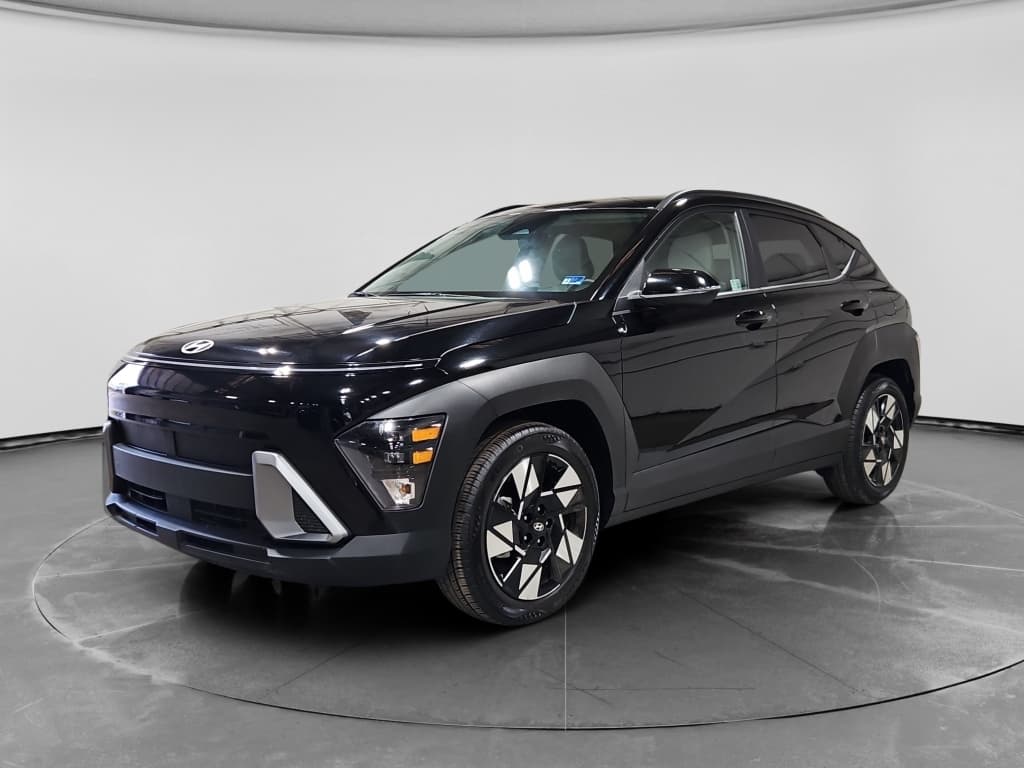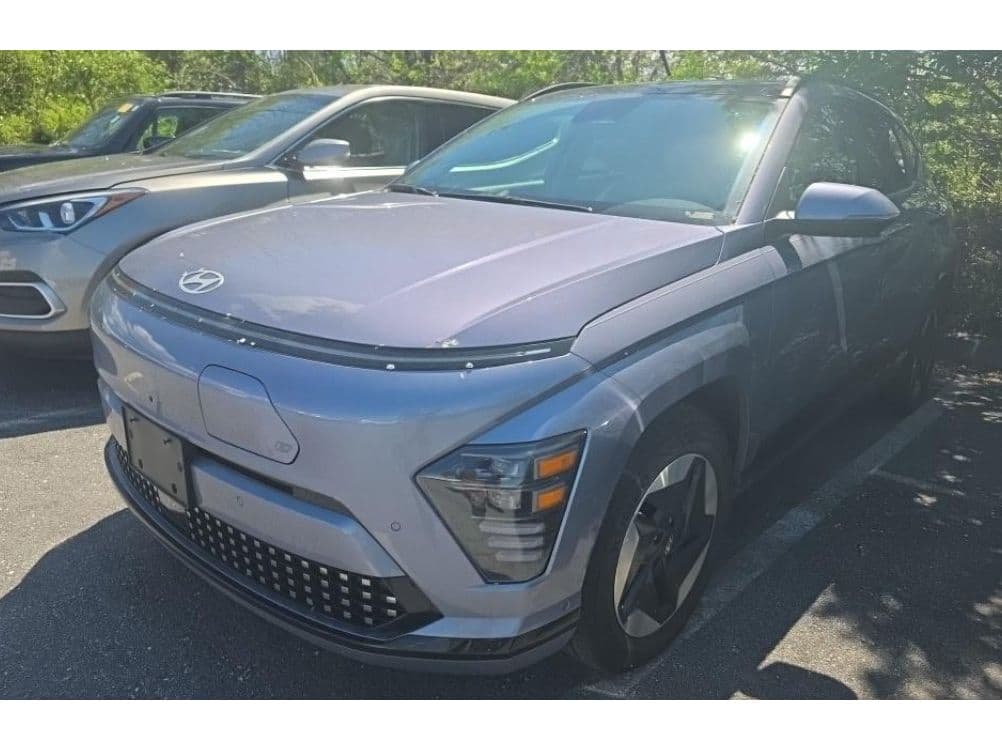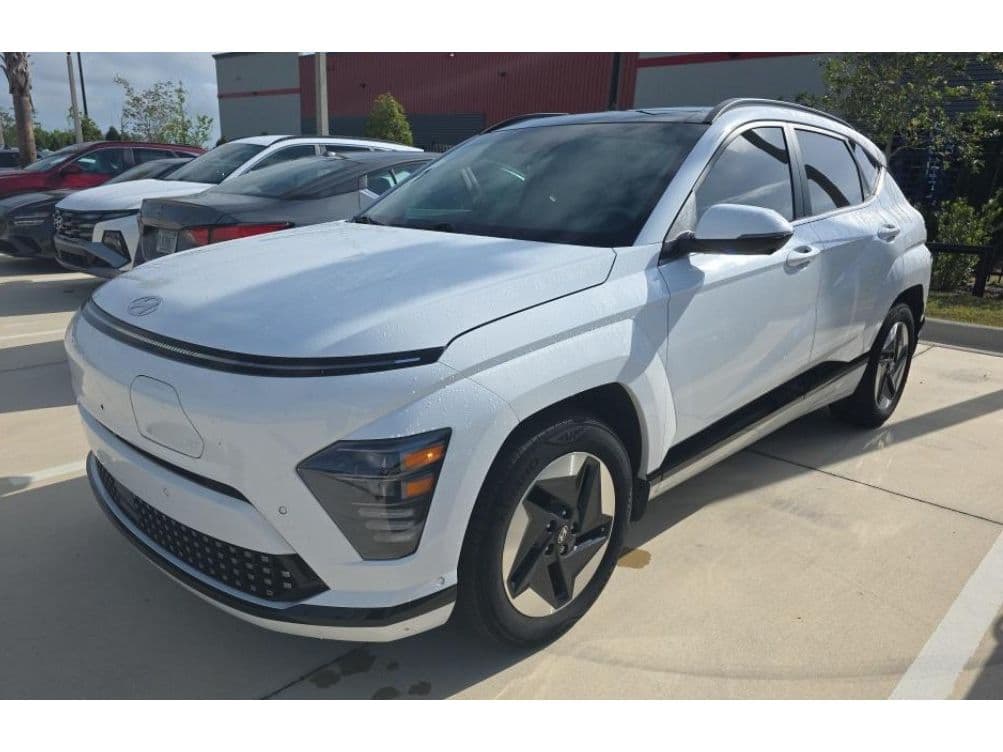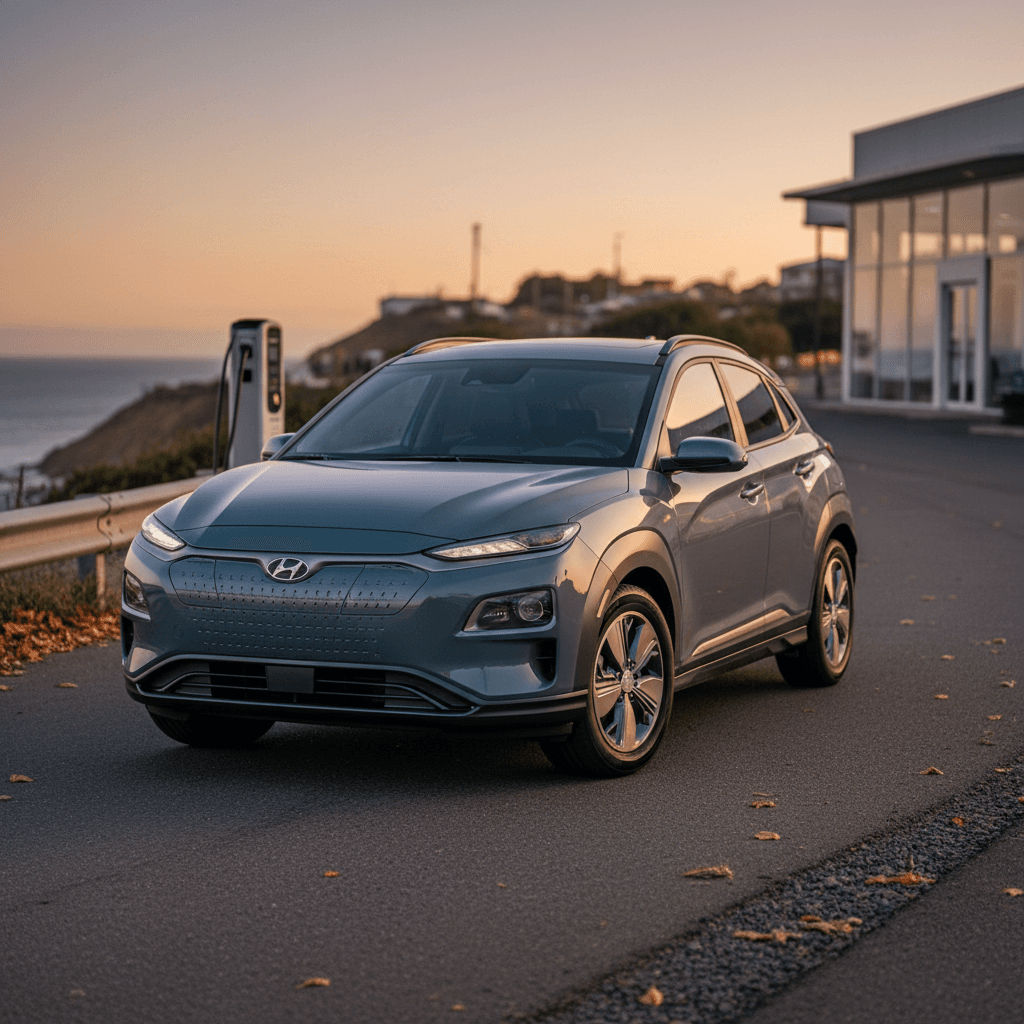
If you want an efficient, easy-to-park EV that won’t destroy your budget, the 2023 Hyundai Kona Electric is one of the smartest used buys on the market. This 2023 Hyundai Kona Electric buying guide walks you through trims, range, charging, reliability, and what to look for if you’re shopping used today.
Quick take
Why the 2023 Kona Electric Is Worth a Look Used
Hyundai didn’t reinvent the wheel for 2023, and in this case that’s a plus. The 2023 Kona Electric continues the proven first‑generation formula: a single battery and motor combo, strong efficiency, and a rich list of standard safety features. That consistency makes it easier to compare used examples and understand exactly what you’re getting.
- Compact footprint that’s easy to park, with the higher seating position many SUV shoppers want.
- EPA‑rated range around 258 miles, enough for most daily driving and light road‑tripping when you plan your stops.
- Simple trim walk (SEL and Limited in the U.S.) with generous standard equipment, including many driver‑assistance features.
- Used prices that typically undercut rivals like the Chevy Bolt EUV and VW ID.4, especially as newer EVs crowd the market.
- Solid efficiency, which helps keep your electricity costs low even if local rates are high.
Shopper tip
Key Numbers for the 2023 Hyundai Kona Electric
Key Specs: 2023 Kona Electric at a Glance
2023 Hyundai Kona Electric Core Specs
High‑level specs that matter for day‑to‑day ownership and used‑EV shopping.
| Spec | 2023 Kona Electric |
|---|---|
| Battery capacity | Approx. 64 kWh lithium‑ion |
| Motor | 201 hp permanent‑magnet synchronous (FWD) |
| EPA range | Around 258 miles |
| 0–60 mph (approx.) | Mid‑6 to 7 seconds |
| Max DC fast charge rate | ≈75 kW |
| Onboard AC charger | 7.2 kW Level 2 |
| Seating | 5 passengers |
| Cargo volume (behind 2nd row) | Similar to a small crossover, split‑folding rear seats |
All U.S. 2023 Kona Electric trims share the same battery and motor.
Trim Levels: Which 2023 Kona Electric Should You Buy?
In the U.S., the 2023 Hyundai Kona Electric keeps things simple with two main trims: SEL and Limited. Both share the same battery, motor, and range. The differences come down to comfort, convenience, and tech features.
2023 Kona Electric Trim Comparison
Feature highlights to help you decide between SEL and Limited on the used market.
| Feature | SEL | Limited |
|---|---|---|
| Battery / motor | 64 kWh / 201 hp FWD | 64 kWh / 201 hp FWD |
| Wheels | 17-inch alloy | 17-inch alloy (unique design) |
| Infotainment | Touchscreen with Apple CarPlay & Android Auto | Larger screen, navigation in many builds |
| Seat material | Cloth | Leather (often heated and ventilated front seats) |
| Sunroof | Typically not standard | Often standard or widely available |
| Driver aids | Hyundai SmartSense basics (FCW, AEB, lane keep, etc.) | Adds or expands features like Highway Driving Assist on many cars |
| Wireless charging pad | Not on all cars | Often included |
| Price on used market | Lower | Higher, but better equipped |
Exact equipment can vary slightly by region and original options, so always verify with the specific VIN.
When the SEL makes sense
If you value value above all else, the SEL is usually the smarter play. You still get the same range and efficiency, core safety tech, and pleasant driving experience. On the used market, SELs often undercut Limiteds by several thousand dollars, and cloth seats can actually wear better over time.
When the Limited is worth it
If you plan to keep the car for many years or want a more premium feel, look for a Limited. Factory leather, upgraded infotainment, extra driver‑assistance features and comfort perks like a sunroof or heated seats can make daily driving feel more upscale, and they’re hard to add later.
Watch the option lists
Battery, Range, and Real-World Efficiency
Every 2023 Kona Electric in the U.S. uses the same roughly 64 kWh battery and 201‑hp front motor. Official EPA range is about 258 miles, but how far you actually go depends on speed, temperature, and driving style.
What You Can Expect From the 2023 Kona Electric’s Range
Approximate real‑world figures many owners report in mixed driving.
City & suburban
260–290 miles if you’re mostly in town below highway speeds, especially in mild weather.
Mixed driving
220–260 miles combining freeway and surface streets, depending on how fast you cruise.
Cold‑weather highway
180–220 miles is more realistic in winter at 70–75 mph, particularly without preconditioning.
Cold‑weather tip
Charging Speed: Home and On the Road
The 2023 Kona Electric isn’t the fastest‑charging EV on the market, but for its battery size it’s perfectly usable. What matters more is matching its capabilities to your home setup and public‑charging reality.
How the 2023 Kona Electric Charges
What to expect at home and at public stations.
Level 1 (120V home outlet)
Very slow, think 2–4 miles of range per hour of charging. Only workable for very short daily commutes or emergency top‑ups.
Level 2 (240V home or public)
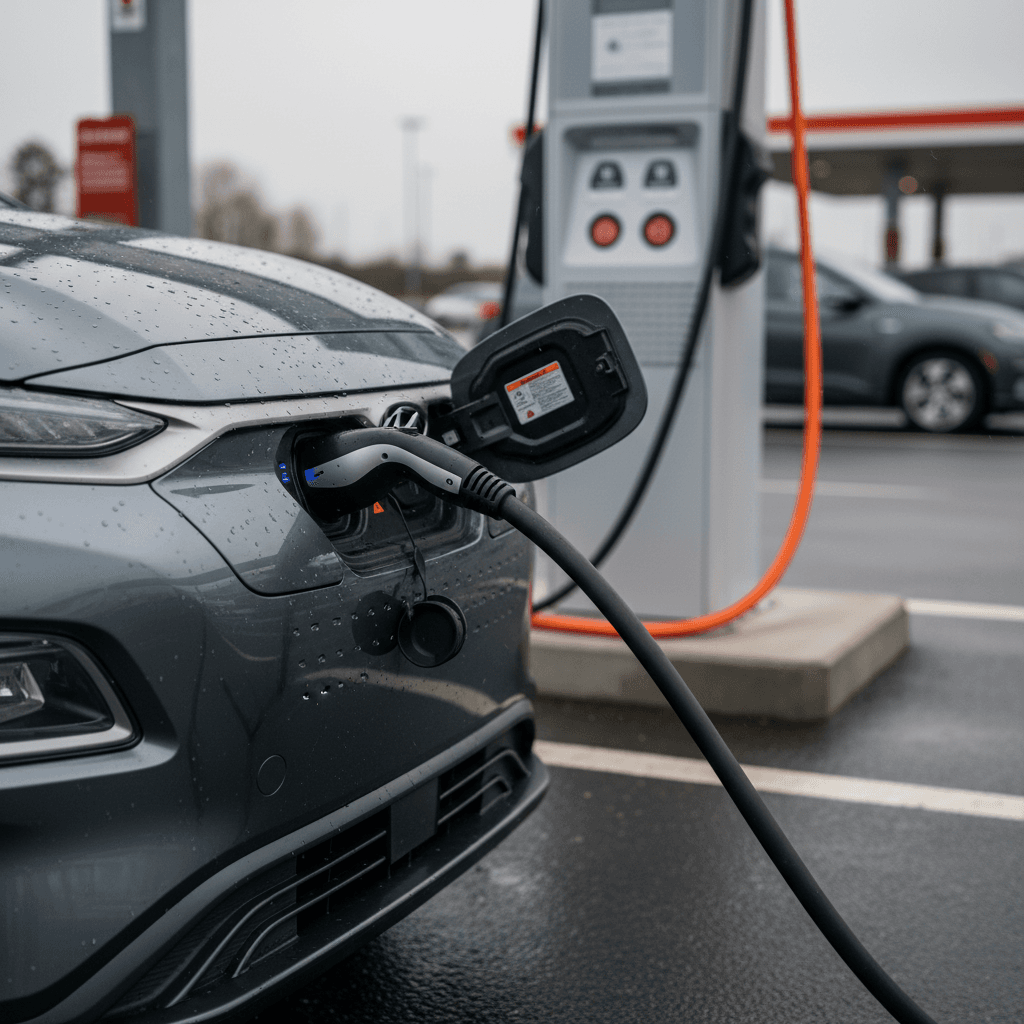
With its ~7.2 kW onboard charger, expect roughly 25–30 miles of range per hour. A full charge from low can take around 9 hours, which fits well with overnight charging.
DC fast charging
Peaks around 75 kW on compatible CCS fast chargers. A typical 10–80% top‑up might take about 45 minutes, give or take temperature and station behavior.
Safety reminder
If you’ll mostly charge at home, the Kona Electric is easy to live with, plug in at night and wake up full. If you plan frequent 300‑plus‑mile days on the highway, its modest DC fast‑charging speeds mean you’ll spend more time at stops than you would in newer 800‑volt EVs. That’s not a deal‑breaker, but it’s worth factoring into your expectations.
Interior Space, Comfort, and Tech
Inside, the 2023 Kona Electric feels more like a well‑equipped hatchback than a full‑size SUV. That’s part of its charm, and one of its limitations.
Strengths
- Easy driving position with good visibility and simple controls.
- Compact exterior, usable interior, plenty of space for two adults plus kids or occasional adult rear passengers.
- Modern tech: touchscreen with Apple CarPlay/Android Auto, digital or semi‑digital instrument cluster, and available navigation.
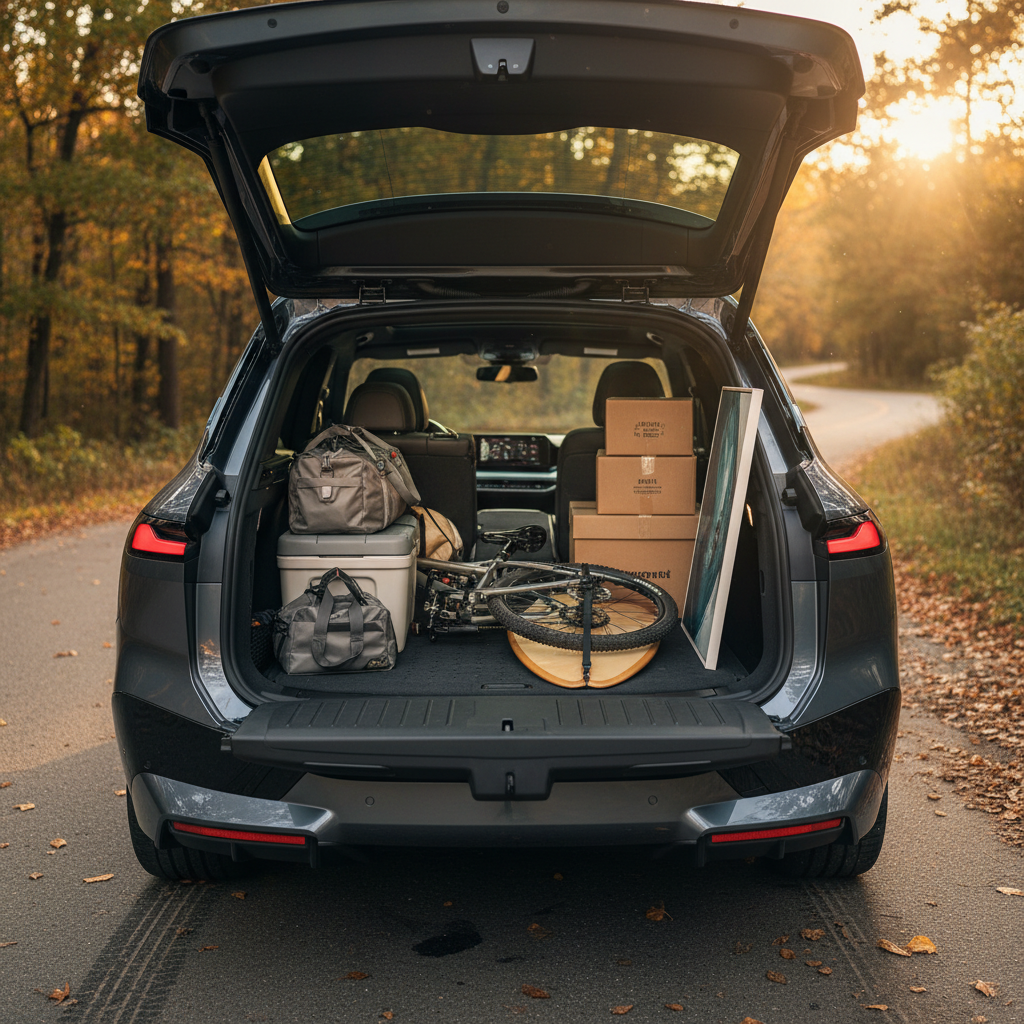
- Practical cargo area with split‑folding rear seats for bikes, flat‑packs, or luggage.
Trade‑offs
- Rear seat space is tighter than larger crossovers; tall passengers may feel cramped on long drives.
- Seat comfort is mixed in owner reviews, some find them great, others report soreness on longer trips.
- Interior materials are honest but not luxurious; think durable commuter, not premium lounge.
Daily‑driver sweet spot
Reliability, Known Issues, and Warranty
Overall, the 2023 Hyundai Kona Electric has a mixed‑but‑mostly‑positive reliability picture. Owner reviews tend to be favorable, praising low running costs and solid build quality, though some report issues that are important to understand before you buy used.
Reliability Snapshot for the 2023 Kona Electric
What shoppers should know before buying used.
The positives
- Most owners report trouble‑free daily driving and very low maintenance costs.
- Electric powertrain eliminates oil changes, spark plugs, and many traditional wear items.
- Hyundai’s EV battery warranty helps protect against major pack issues for many years.
Potential concerns
- Earlier Kona EVs (pre‑2021) had high‑profile battery recalls; the 2023 model benefited from those lessons but it still pays to check recall history.
- A few owners report noises from the reduction gear or drivetrain, which can require replacement under warranty.
- As with many modern cars, parts availability after accidents can mean longer repair times.
Warranty basics (U.S.)
When you shop with Recharged, every Kona Electric listing includes a Recharged Score Report with verified battery health and a diagnostics‑backed view of the car’s condition. That gives you a much clearer picture than a basic test drive or a paper inspection checklist.
Used Pricing and Value for Money
When it was new, the 2023 Kona Electric started in the mid‑$30,000s before destination, with well‑equipped Limited models climbing into the low $40,000s. On today’s used market, pricing depends heavily on mileage, location, remaining warranty, and overall EV demand in your area.
What Drives Used 2023 Kona Electric Prices
1. Mileage and usage
Lower‑mileage cars or ones used mostly as commuters typically command higher prices. Look closely at service records and how the car was charged, frequent DC fast charging can accelerate battery wear compared with mostly Level 2 home charging.
2. Trim level and options
Limited trims with leather, sunroof, and more tech usually list for more than comparable SELs. Decide whether those extras are worth the price premium for you.
3. Battery health
Two cars with identical mileage can have very different usable range depending on battery health. A diagnostics‑backed report like the Recharged Score is invaluable here, since it estimates remaining capacity instead of asking you to guess from the dash gauge.
4. Local incentives and demand
Generous state or utility incentives can prop up prices in some regions, while areas with fewer EV buyers may offer better deals. Check what rebates are available so you can compare apples to apples.
5. Accident and recall history
A clean history report and completed recalls are pluses. Multiple accidents, structural repairs, or open recalls should either lower the price or send you to a different car.
Financing help
Incentives and Tax Credits for a 2023 Kona Electric
Federal EV rules have changed significantly since the 2023 Kona Electric was new, but that can actually help you as a used‑EV shopper. Instead of focusing on new‑car credits the 2023 model may or may not have qualified for at the time, you should look at today’s used EV incentives and your local programs.
- The U.S. federal used clean vehicle credit can offer up to $4,000 on qualifying used EVs that meet price and income limits and are purchased from a dealer.
- Some states and local utilities stack additional rebates or bill credits on top of federal incentives, especially for lower‑income buyers.
- Rules change frequently, so always confirm current eligibility with IRS guidance and your state’s energy or transportation agency before you sign a contract.
Important disclaimer
2023 Kona Electric Buyer’s Checklist
Before you fall in love with a specific 2023 Kona Electric, work through this checklist. It’s designed to catch the issues that matter most on a used EV, especially one you may keep for years.
Pre‑Purchase Checklist for a 2023 Kona Electric
1. Confirm battery health
Ask for documentation or a third‑party report on battery capacity. On Recharged, every Kona Electric comes with a Recharged Score Report that summarizes battery health and projected range, so you’re not guessing from a dash estimate.
2. Review charging history and usage
If possible, learn how the car was charged: mostly at home Level 2, or heavily on DC fast chargers? Occasional fast charging is fine, but constant fast‑charging road‑warrior duty can age a pack more quickly.
3. Check for open recalls and software updates
Run the VIN through Hyundai’s recall tool and ask a Hyundai dealer to confirm that all battery‑related campaigns and key software updates have been performed.
4. Inspect tires and brakes
EVs are heavier than gas cars, so they can be harder on tires and brakes. Uneven wear can hint at alignment or suspension issues. Factor any near‑term replacements into your budget.
5. Test all driver‑assistance features
On your test drive, make sure adaptive cruise, lane‑keeping, blind‑spot monitoring, parking sensors, and cameras (if equipped) all behave as expected. Glitches can indicate sensor damage from previous minor accidents.
6. Evaluate seat comfort and noise levels
Take at least a 20–30‑minute mixed‑driving test. Pay attention to seat comfort, wind or road noise, and any whines or grinding from the drivetrain that might point to reduction‑gear issues.
7. Verify charging compatibility
Confirm you have (or can easily install) the right home charging solution and that public chargers you plan to use are CCS‑compatible. If you use apps to plan trips, add the Kona Electric to your profile and preview charging stops.
8. Confirm remaining warranty
Ask for the in‑service date and warranty booklet, then calculate how much powertrain and battery coverage remains. A car with more coverage left is usually worth a price premium.
FAQ: 2023 Hyundai Kona Electric
Frequently Asked Questions
Is the 2023 Kona Electric Right for You?
If your priorities are affordability, efficiency, and easy everyday driving, the 2023 Hyundai Kona Electric deserves a spot on your shortlist. It won’t win every spec‑sheet drag race, but it strikes a smart balance of range, charging speed, size, and equipment, especially at today’s used prices.
Take a hard look at your real‑world driving patterns, home‑charging options, and passenger‑space needs. If they line up with what this small electric crossover does best, a well‑vetted 2023 Kona Electric, ideally with a strong battery‑health report like the Recharged Score, can be one of the most sensible EV buys you make in the next few years.