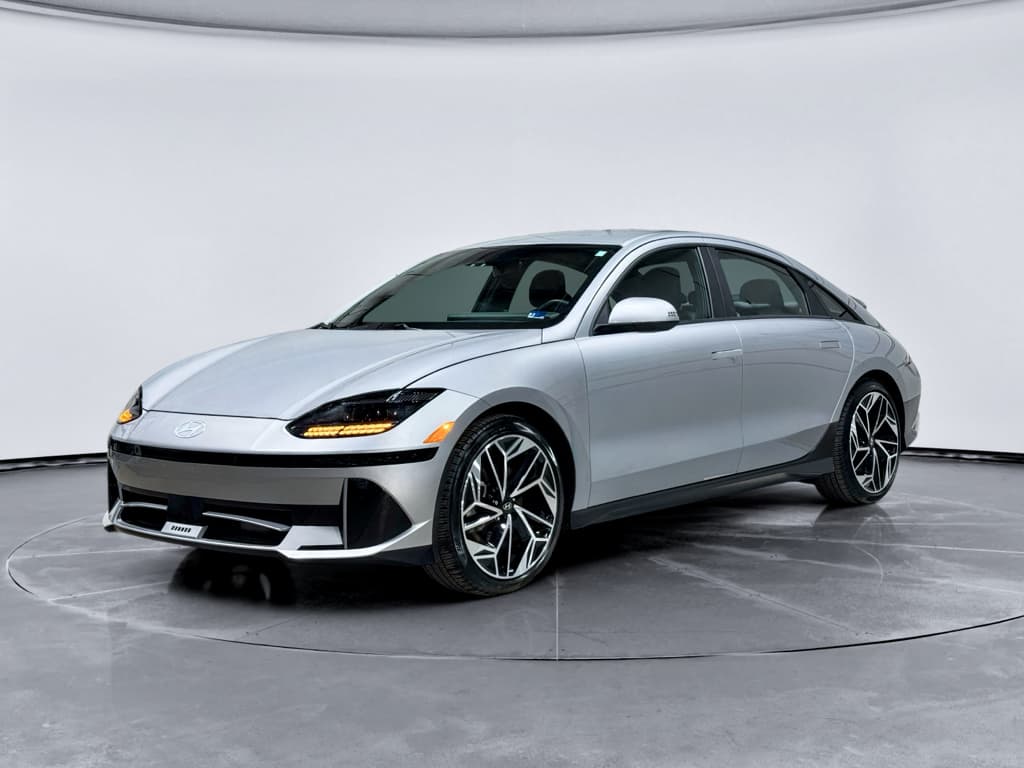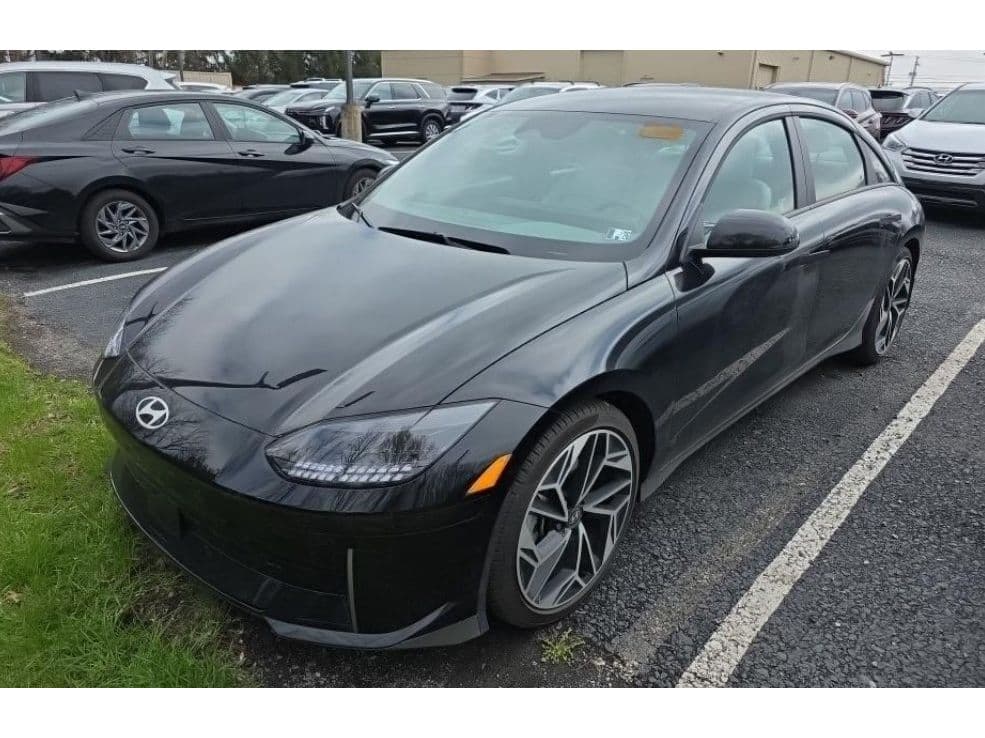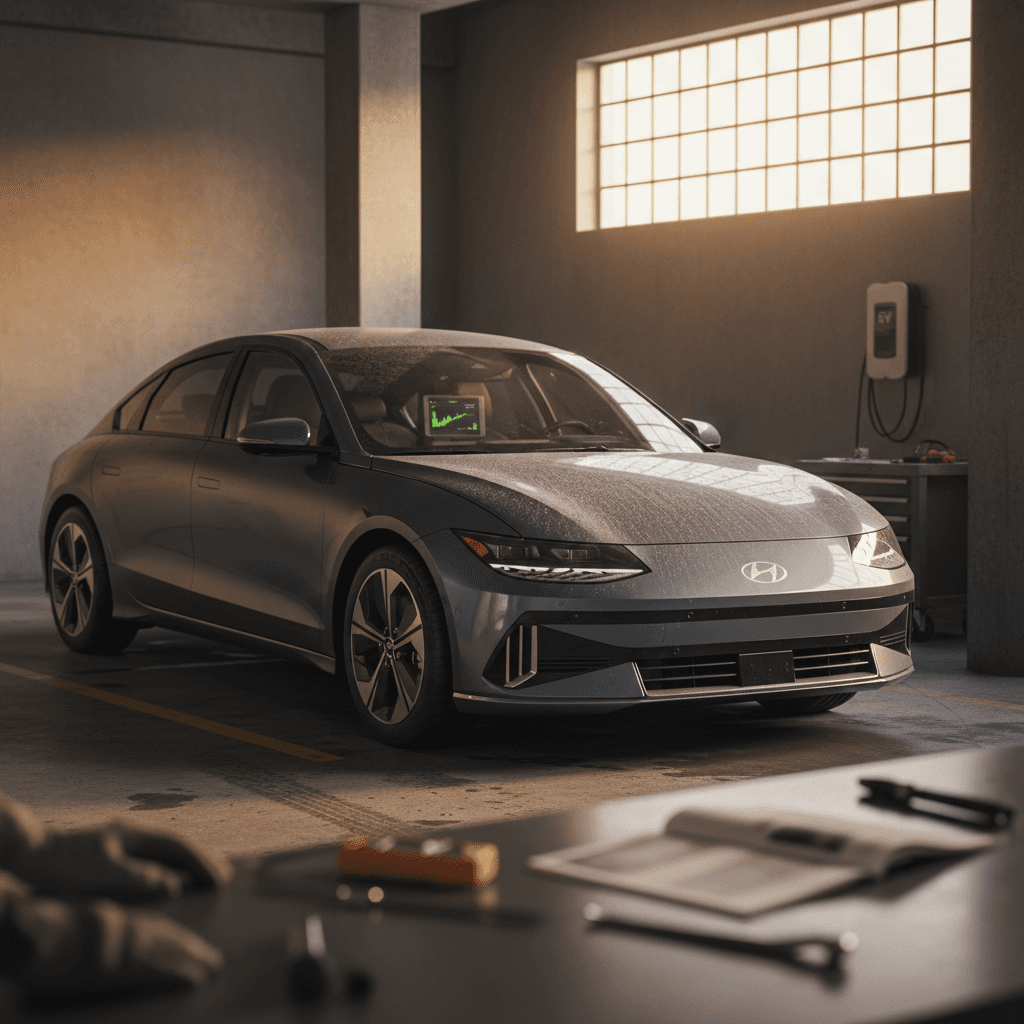
If you’re eyeing a 2023 Hyundai IONIQ 6 on the used market, you’re probably wondering whether the swoopy, spaceship sedan is actually reliable or just pretty. The truth about 2023 Hyundai IONIQ 6 reliability sits in an interesting middle ground: strong fundamentals, excellent warranty support, but a handful of very real headaches you need to understand before you sign anything.
At a glance
Overview: How Reliable is the 2023 IONIQ 6?
The IONIQ 6 rides on Hyundai’s E‑GMP platform, the same ultra‑modern EV architecture that underpins the IONIQ 5 and several Genesis models. It’s fast, efficient and loaded with tech, and like many first‑wave EVs, some of the teething issues live in the electronics, not the motors or battery pack.
2023 Hyundai IONIQ 6 reliability snapshot
Think of the 2023 IONIQ 6 as a well‑engineered EV that’s been tripped up by a few supplier parts and software gremlins. When it’s “on,” owners rave about refinement and efficiency. When it’s “off,” you’re on a first‑name basis with the service writer.
Reliability scores and real-world owner sentiment
Independent data paints the IONIQ 6 as better than average for a brand‑new EV design, but not bulletproof. J.D. Power gives the car a 76/100 quality and reliability score, competitive with other EVs in the class and ahead of some Toyota and legacy‑brand electric efforts. On the flip side, Consumer Reports notes that the IONIQ 6 is currently less reliable than the average 2023 vehicle, with trouble spots centered on charging and in‑car electronics.
The happy camp
Plenty of owners report zero mechanical or electrical issues after a year or more and well over 10,000 miles. They praise the car’s range, quiet ride and the feeling that it’s “over‑engineered” in a good way.
- Flawless daily operation
- Minimal or no warranty visits
- Fast DC charging and strong efficiency
The frustrated minority
There’s a smaller but vocal group with serious downtime: cars towed for electrical faults, repeated ICCU (charging control) failures, and long waits for parts. A few owners explicitly say they wouldn’t lease or buy a Hyundai EV again because of service and support experiences.
- Tow‑truck trips for loss of power
- Multiple recall visits
- Customer service frustrations
How to read mixed reviews
Common 2023 IONIQ 6 issues and what they mean
The good news: there’s no widespread pattern of battery pack failures or motors dropping like flies. The bad news: a handful of smaller systems can create big headaches if they go wrong. Here are the issues you’ll see come up most with 2023 cars.
Frequent complaints on 2023 IONIQ 6 models
Most are fixable, but some can leave you stranded if ignored.
ICCU / 12V charging faults
The Integrated Charging Control Unit (ICCU) can fail and stop charging the 12‑volt battery. When that happens, the car may lose drive power and require a tow.
Covered by recall remedies; software updates and part replacements reduce risk but don’t erase it entirely.
Home & public charging quirks
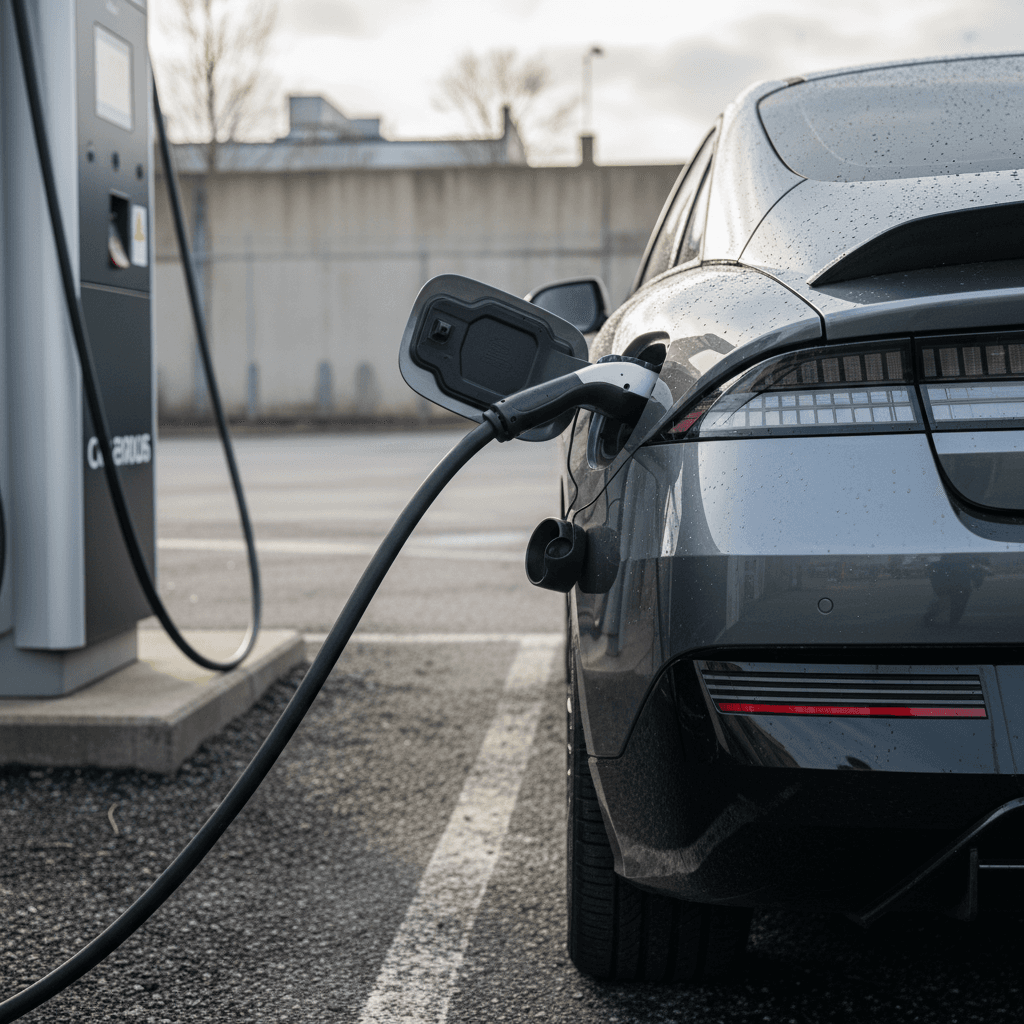
Owners report the car sometimes won’t charge at certain Level 2 stations, stops a session early, or refuses to charge to 100% without coaxing.
Often improved with software updates, careful cable seating, or switching networks/chargers.
Infotainment & connectivity bugs
Voice commands mis‑fire, screens freeze, or features depend too heavily on cell service. Some owners give up and rely on phone‑based apps instead.
Annoying, but rarely a safety issue, just know you’re buying a very connected car.
Body and trim quirks
Lightweight paint and soft interior materials can scratch or scuff easily. A few owners report fragile steering‑wheel coverings and chips from everyday use.
Cosmetic rather than mechanical, but important for resale value.
Sunroof & hardware anomalies
Isolated cases of panoramic roof glass issues or hardware defects (like horn failures) have surfaced via complaint databases.
These appear rare, and most are addressed under warranty if documented quickly.
HVAC & heat pump glitches
A few owners note the heat pump occasionally fails to start in heating mode, then works again after a restart.
Intermittent and usually software‑related, but worth testing in both hot and cold conditions.
The risk that strands you
Key 2023 Hyundai IONIQ 6 recalls to know
By early 2026, the 2023 IONIQ 6 has accumulated several significant recalls. Recalls aren’t automatically a deal‑breaker, in some ways, a car with its flaws officially acknowledged and fixed is safer than one quietly harboring defects. But you need to know which campaigns apply to your specific car.
Major 2023 IONIQ 6 recall themes
Always run the VIN through NHTSA or a dealer before you buy.
| System | Issue | Real-world symptom | Your risk if ignored |
|---|---|---|---|
| Charging control (ICCU) | ICCU damage can stop charging the 12V battery, leading to loss of drive power | Dashboard warnings, car won’t "ready," potential sudden power loss | Stranding risk; must be addressed under recall |
| Powertrain/rear driveshaft | Improperly heat‑treated rear inner driveshaft may break under load | Shudder, loss of drive to rear axle | Loss of power and safety risk; requires part replacement |
| Charge port door | Charge port flap or outer panel can detach while driving | Loose or missing charge door, noise, cosmetic damage | Road‑debris hazard; minor for you, but still needs the fix |
| Electrical accessories | Items like horns failing prematurely in some cars | Weak or one‑tone horn, reduced alert sound | Annoying but minor; still covered under warranty |
Recall details and dates can vary by build date and region, verify everything by VIN.
How Recharged handles recall risk
Battery health and EV drivetrain durability
Underneath the software, the IONIQ 6 has a very stout EV core: a large‑format lithium‑ion battery pack, permanent‑magnet motors, and a 800‑volt electrical architecture shared with the IONIQ 5 and Genesis EVs. So far, there is no wave of high‑voltage battery failures or motor replacements tied specifically to the 2023 model year.
- Real‑world owners are routinely crossing 10,000–20,000 miles with no measurable range loss beyond what you’d expect from seasonal temperature swings.
- The car’s 800‑V architecture allows it to charge very quickly on 350‑kW DC fast chargers when conditions are right, reducing the time the pack spends at high temperatures.
- Most reported “range problems” trace back to driving style, highway speeds, cold weather and wheel/tire choices, not failing hardware.
Battery peace of mind
Warranty coverage: how Hyundai backs the IONIQ 6
One of Hyundai’s strongest cards in the reliability game is its warranty. It doesn’t make defects disappear, but it absolutely changes the math for a used‑EV buyer deciding how much risk feels acceptable.
Hyundai IONIQ 6 warranty highlights
Check in‑service date to see what’s left on a 2023 car.
Battery & EV system
- 10 years / 100,000 miles on high‑voltage battery
- Typically includes major EV drivetrain components
- Transferability can vary, confirm for your specific VIN
Bumper‑to‑bumper & extras
- 5 years / 60,000 miles basic warranty
- 3 years / 36,000 miles of included maintenance on new purchase
- Roadside assistance during the basic warranty period
Used‑buyer move
Used 2023 IONIQ 6 reliability checklist
If you like the IONIQ 6 on paper but you’re wary of early‑run EV quirks, the key is to buy the *right* car, not just the cheapest one. Here’s a structured way to do that.
Pre‑purchase reliability checklist for a 2023 IONIQ 6
1. Verify recall completion by VIN
Run the VIN through NHTSA or a Hyundai dealer and confirm the ICCU, driveshaft and charge‑port‑door campaigns are closed. Ask for service records to prove the work was done, not just scheduled.
2. Scan for warning lights and error history
On a test drive, the dash should be squeaky‑clean: no yellow or red warnings, no phantom alerts. If possible, have a shop or a marketplace like <strong>Recharged</strong> pull error logs for intermittent faults.
3. Test AC, heat and all drive modes
Cycle the HVAC between hot and cold, test seat and wheel heaters, and drive in Eco/Normal/Sport. Glitches that only appear in extreme temperatures can be hard to diagnose later.
4. Do a full charging shakedown
Before you buy, plug into at least one Level 2 station and, if you can, a DC fast charger. Watch for failed sessions, unexpected charge stops, or inability to reach the target state of charge.
5. Inspect paint, wheels and glass
Walk the body looking specifically for chips, thin paint on high‑wear edges, and any distortion or cracks near the panoramic roof or glass areas. These issues are cosmetic but can be bargaining chips.
6. Evaluate software & infotainment behavior
Connect Android Auto or Apple CarPlay, test the native navigation and voice commands, and see how the system responds with cell data on and off. Frequent freezes are a red flag.
7. Get a battery health report
A dedicated EV inspection, like the <strong>Recharged Score battery health diagnostic</strong>, can show how much usable capacity remains versus new and whether the pack is degrading evenly.
Don’t skip the EV‑specific inspection
Reliability: 2023 IONIQ 6 vs rivals
If you’re cross‑shopping a 2023 IONIQ 6 against a Tesla Model 3 or Toyota bZ4X, you’re not just comparing styling and range, you’re choosing a reliability philosophy.
2023 Hyundai IONIQ 6
- J.D. Power 76/100 quality & reliability
- Early recalls mostly software/electrical, now being cleaned up
- Excellent warranty cushions risk
Tesla Model 3
- Higher overall satisfaction scores
- Known issues with build quality & interior trim
- Shorter warranty, but simpler charging ecosystem
Toyota bZ4X / Subaru Solterra
- Lower quality & reliability scores than IONIQ 6
- Early wheel‑hub recalls and conservative range
- Backed by Toyota reputation but not its best work
Where the IONIQ 6 lands
How these issues impact resale value
Markets punish uncertainty, and the 2023 IONIQ 6 is still earning its reputation. The mix of recalls and thin early sales means you’ll often see aggressive pricing relative to range and equipment. For a savvy used buyer, that can be an opportunity, if you buy the right example.
- Cars with full recall and service history, no tow events and clean cosmetic condition are positioned to age gracefully as more people discover the IONIQ 6.
- Poorly maintained cars or those with repeated ICCU failures will be hard to move later without deep discounts.
- Because the styling is polarizing, resale will depend heavily on battery health reports and documented reliability, not just curb appeal.
How Recharged leans into value
Ready to find your next EV?
Browse VehiclesFAQ: 2023 Hyundai IONIQ 6 reliability
Frequently asked questions about 2023 IONIQ 6 reliability
Bottom line: Is the 2023 IONIQ 6 a safe bet?
The 2023 Hyundai IONIQ 6 is a beautifully odd, genuinely advanced EV built on solid hardware, and hamstrung by some very 21st‑century software and electrical drama. If you want perfect silence and a blank recall history, this isn’t your car. But if you value long warranty coverage, standout design, fast charging and strong efficiency, a well‑vetted IONIQ 6 can be a smart, high‑value used buy.
Your job as a shopper is to separate the quietly excellent examples from the problem children. That means verifying recall completion, testing charging and HVAC thoroughly, and demanding a proper battery‑health report. Work with an EV‑focused retailer like Recharged, and much of that homework is done for you, so you can enjoy the IONIQ 6’s strengths without inheriting someone else’s reliability story.