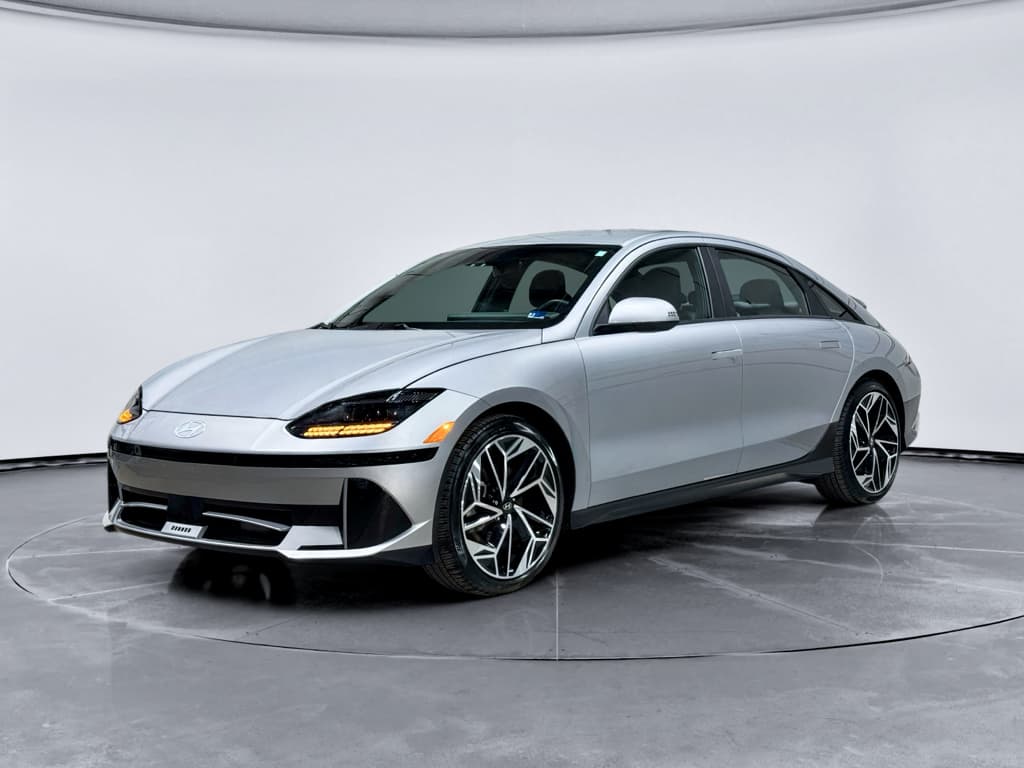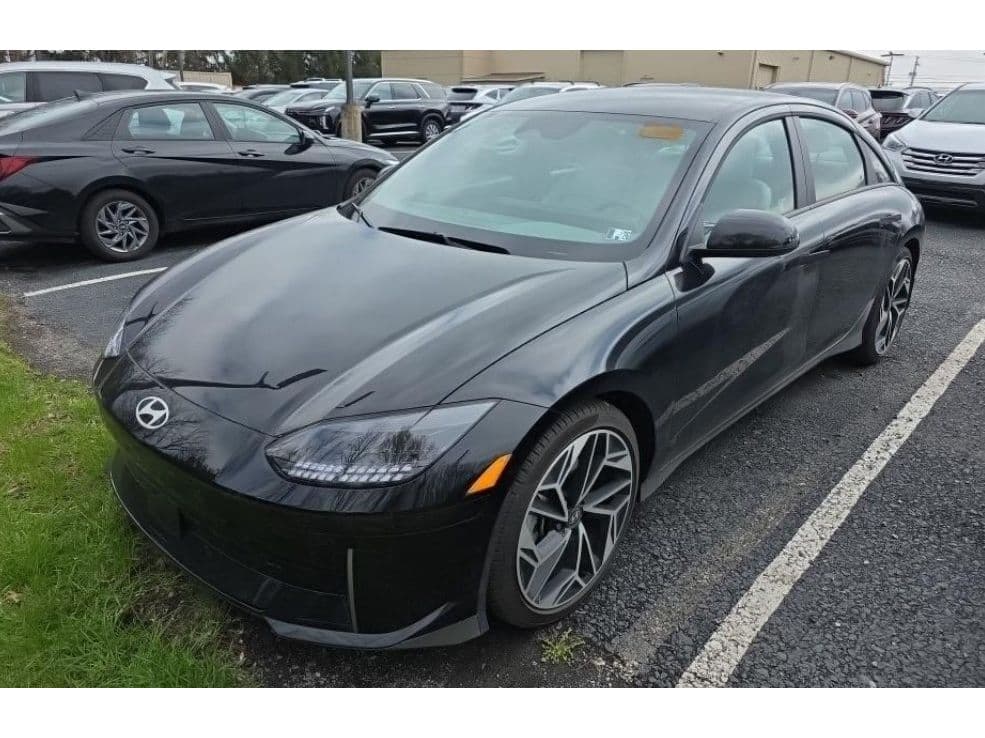
If you’re looking at a used 2023 Hyundai Ioniq 6, you’ve probably seen scary threads about dead cars, failed charging sessions, and software gremlins. The reality is more nuanced: the 2023 Ioniq 6 is an exceptionally efficient, comfortable EV built on Hyundai’s E‑GMP platform, but that platform has some well‑documented weak spots. This guide walks through the most common 2023 Hyundai Ioniq 6 problems and fixes so you can shop, and own, with your eyes open.
Context: early‑cycle EV problems are normal
2023 Ioniq 6 problem landscape at a glance
Should you worry about 2023 Ioniq 6 problems?
The short answer: you should understand them, but not necessarily run away. The 2023 Ioniq 6 is still relatively new, so long‑term reliability data is limited, yet several patterns have emerged across owner reports, NHTSA campaigns, and technical service bulletins. The core electric drivetrain (battery pack, motors, cooling system) appears fundamentally sound. The majority of serious complaints trace back to the Integrated Charging Control Unit (ICCU), charge‑port hardware, and software.
If you treat those as a checklist, things to verify and, where needed, proactively address, a used 2023 Ioniq 6 can still be one of the most compelling used EVs on the market. It combines excellent efficiency, genuinely usable fast‑charging capability, and a distinctive design that doesn’t feel like an econobox. The rest of this article focuses on how to separate solid cars from problem children.
Quick overview: major 2023 Ioniq 6 issues
Main 2023 Ioniq 6 problems owners report
Most complaints fall into a few predictable buckets
ICCU failures & power loss
Sudden warning lights, turtle mode, or complete loss of motive power, often tied to failures in the Integrated Charging Control Unit and related fuses.
Level 2 charging issues
Interrupted sessions, reduced amps, or chargers tripping, especially on 240V AC home and public Level 2 stations.
Charge port door & hardware
Charge‑port door that won’t latch or can detach, plus occasional issues with physical charge‑port components.
Software & OTA glitches
Infotainment freezes, GPS failures, buggy driver‑assist alerts, and occasional hiccups after over‑the‑air updates.
12‑volt battery drain
Weak or dead 12‑volt batteries leading to no‑start conditions or random error messages despite a healthy main pack.
Fit‑and‑finish annoyances
Rattles, squeaks, sensor quirks, and trim issues that don’t strand you but can affect perceived quality.
Issue severity varies widely
ICCU failures and power loss while driving
The Integrated Charging Control Unit (ICCU) is the brains and plumbing that manage AC charging and convert power for the 12‑volt system. On Hyundai–Kia’s E‑GMP platform (Ioniq 5/6, Kia EV6, Genesis GV60), it’s also the most controversial component. Owners describe scenarios where the car suddenly throws a cascade of warnings, “Check Electric Vehicle System,” reduced power mode, or even a complete shutdown that requires a tow.
Hyundai has acknowledged ICCU‑related problems in service campaigns and technical bulletins for 2022–2024 Ioniq 5 and 2023–2024 Ioniq 6, involving both software updates and physical fuse or ICCU replacement. The goal is to reduce thermal stress and improve fault handling when the unit overheats or sees unusual current draws during charging.
- Warning lights like “Check Electric Vehicle System” or “Check Forward Safety System” appearing together
- Sudden loss of acceleration or car dropping into a low‑power “turtle” mode
- Car refusing to charge or immediately shutting down a charging session
- In extreme cases, vehicle becoming undriveable and needing a flatbed tow
Why ICCU issues matter
ICCU fixes and what to ask for
How to de‑risk ICCU problems on a used 2023 Ioniq 6
1. Confirm ICCU service campaigns and TSBs
Ask the seller for a <strong>dealer service printout</strong> or Hyundai service history. Look for ICCU‑related campaigns or TSBs completed in mid‑2023 or later, these typically involve a software update, fuse inspection, and sometimes ICCU replacement.
2. Ask directly about power‑loss incidents
Have there been any events where the car went into low‑power mode or became undriveable? If yes, ask for the repair order. A properly repaired ICCU isn’t necessarily a deal‑breaker; vague answers are.
3. Test DC fast charging and Level 2
On a test drive, plug into a known‑good DC fast charger and a 240V Level 2 if possible. Watch for stable charging, no sudden stops, and no new warnings during or after the session.
4. Check for extended downtime in history
Multiple multi‑week service visits for electrical issues are a red flag. At that point, you’re not just shopping for a car, you’re inheriting someone else’s unresolved experiment.
AC Level 2 charging problems and slow charge rates
Separate from outright ICCU failures, some 2023 Ioniq 6 owners report strange behavior on 240V AC Level 2 charging. Symptoms include the car pulling more current than the EVSE is rated for (tripping breakers), abruptly stopping sessions, or settling at a much lower amperage than expected.
Hyundai has issued technical bulletins covering conditions where E‑GMP cars on Level 2 may experience interrupted sessions or derated current. In parallel, a class‑action lawsuit alleges that Hyundai and Kia used software patches that reduce charging current when overheating or ICCU stress is detected, trading speed for component longevity. For an individual owner, the practical question is simple: does this particular car charge predictably on your hardware?
How to diagnose Level 2 quirks
- Use a known‑good 240V circuit with a quality EVSE (preferably hard‑wired, 40A or 48A).
- Start a charge from around 30–40% state of charge and monitor the current on the charger’s display or app.
- Watch for stability: small variations are fine, repeated drops or stops are not.
- Note whether the car behaves differently at different stations; a one‑off issue may be the EVSE, not the car.
Typical fixes for Level 2 issues
- ECU/software updates to charging modules and ICCU to refine current limits and fault handling.
- Replacement of ICCU fuses or wiring if overheating or damage is detected.
- In rare cases, full ICCU replacement under warranty.
- For home setups, correcting improper wiring, undersized breakers, or cheap EVSEs that trip under continuous load.
Before you blame the car, make sure the charging equipment and circuit are up to code.
Bring your own data
Charging port door and hardware recalls
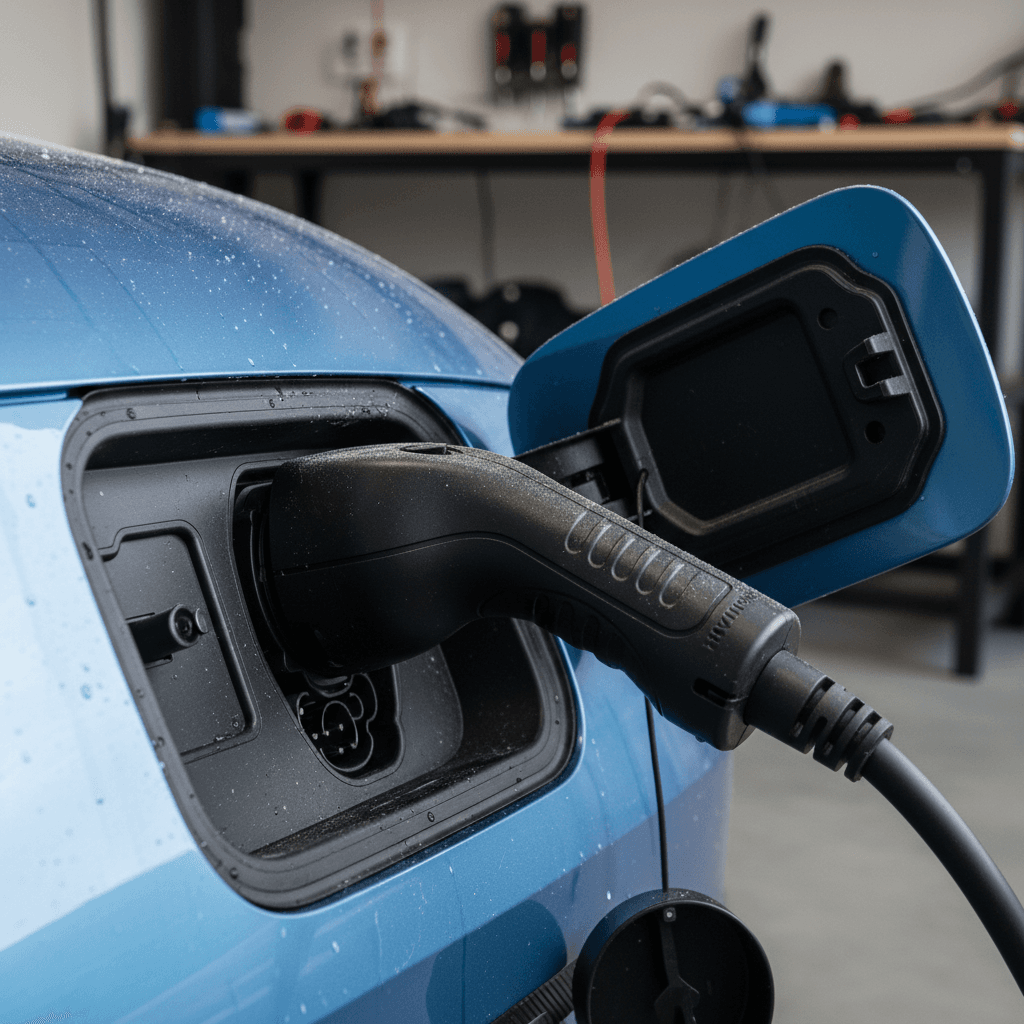
Hyundai has announced recalls affecting 2023–2025 Ioniq 6 charge‑port doors, where the door may not latch correctly or, in some regions, could detach. This is more of a quality and weather‑protection issue than a direct safety defect, but left unaddressed it can expose the port to debris and moisture, especially in winter climates.
Separately, a small number of owners have experienced physical faults with the charge‑port itself, bent pins, sensor errors that prevent the latch from engaging, or sticky mechanisms. These are repairable but can lead to repeated charging failures until properly diagnosed.
Common charge‑port and door issues on 2023 Ioniq 6
Use this as a quick reference when inspecting a used car.
| Issue | How it shows up | Typical fix | What you should do when buying |
|---|---|---|---|
| Door won’t latch or sits misaligned | Door pops open, won’t close flush, wind noise | Recall inspection; door and hinge replaced or adjusted | Test the door several times; confirm recall has been done by a Hyundai dealer |
| Charge port error messages | Car refuses to start charging or stops immediately | Sensor or latch replacement; sometimes port housing | Plug in and out a few times, wiggle cable gently; any error is a negotiation point |
| Damage to connector pins | Charger won’t insert smoothly; visible bent metal | Port replacement; verify no damage to cable | Use a flashlight to inspect port visually before purchase |
Most charge‑port issues are fixable and often covered under recall or warranty if addressed promptly.
Software glitches: infotainment, OTA updates, and driver assists
Like most modern EVs, the Ioniq 6 is a rolling software platform. Owners have reported infotainment freezes, GPS failures, random sensor warnings, and driver‑assist quirks, sometimes after over‑the‑air (OTA) updates. These issues are rarely dangerous by themselves, but they can undermine trust, especially when the car is your primary long‑distance vehicle.
- Infotainment screen going black or stuck, requiring a restart
- Navigation losing GPS lock or refusing to load maps
- Adaptive cruise or lane‑keeping features disabling themselves mid‑drive
- Daylight or rain sensors misbehaving, leading to odd lighting or wiper behavior
The upside of Hyundai’s software approach
Soft fixes: what you can do as an owner
- On a test drive, stress‑test the tech: use navigation, toggle driver‑assist features, connect your phone via CarPlay or Android Auto, and cycle settings.
- Ask the seller to show the current software version in the settings menu. Recent versions are more likely to include bug fixes and charging logic tweaks.
- If you buy the car, schedule a software and campaign check with a Hyundai EV‑certified dealer in the first 30 days.
- Learn basic infotainment reset procedures from the owner’s manual so occasional glitches don’t turn into tow‑truck calls.
12‑volt battery and minor quality annoyances
Zoom out from the ICCU headlines and you’ll find a more familiar EV problem: weak 12‑volt batteries. A subset of Ioniq 6 owners report no‑start conditions, door locks acting up, or a blizzard of warnings caused by a tired 12‑volt battery, often in the 2–3‑year window. This isn’t unique to Hyundai EVs, but it can be more visible on cars with lots of background electronics.
Beyond that, there’s the usual mix of rattles, trim noises, and sensor quirks you’d expect from a high‑volume global EV: door panel buzzes, hatch rattles, proximity sensors ghost‑triggering at low speeds, and so on. These are mostly quality‑of‑life issues rather than structural defects, but they’re worth noting when you’re cross‑shopping alternatives like the Tesla Model 3 or Polestar 2.
Quick driveway triage
How Hyundai is responding: recalls, TSBs, and warranty coverage
By early 2026, Hyundai has thrown a lot of tools at E‑GMP issues: formal NHTSA recalls, service campaigns, technical service bulletins, and OTA updates. For 2023 Ioniq 6 owners, that means two things. First, you’re not imagining it, Hyundai has documented specific charging and ICCU behaviors as problems. Second, the company has committed to a long tail of fixes, but dealer execution varies dramatically.
What kinds of fixes exist for 2023 Ioniq 6 issues?
Understanding the difference between recalls, service campaigns, and TSBs helps you read service records correctly.
| Type | What it is | Typical examples for Ioniq 6 | What you should see in history |
|---|---|---|---|
| Safety recall | Mandatory safety‑related fix, VIN‑specific | ICCU‑related safety recalls, charge‑port door recall, certain power‑loss conditions | Marked as “Recall 24V‑…” or similar with completion date |
| Service campaign | Proactive update or inspection, often time‑limited | ICCU software updates, fuse inspections, charging logic tweaks | Campaign code with description like “ICCU Inspection/Update” |
| Technical Service Bulletin (TSB) | Guidance to dealers on known issues and repair procedures | Level 2 charging interruption behavior, infotainment bugs, driver‑assist quirks | May not appear by name; look instead for relevant repairs and software updates |
| Warranty repair | Dealer‑performed fix paid by Hyundai during warranty | ICCU replacement, charge‑port hardware replacement, module swaps | Line items for parts and labor with $0 customer cost when under warranty |
A well‑maintained Ioniq 6 should show a healthy mix of completed campaigns, not a blank slate.
Warranty safety net for used buyers
Pre‑purchase checklist for a used 2023 Ioniq 6
When you’re shopping the used market, the goal isn’t to find a unicorn with zero history; it’s to find a car whose problems, if any, were diagnosed early and fixed correctly. Here’s a practical checklist you can take to a private‑party driveway or a dealership lot.
Hands‑on checks before you commit
1. Run the VIN for recalls and campaigns
Use the NHTSA lookup tool and ask a Hyundai dealer to print the vehicle’s campaign status. All <strong>open recalls or ICCU‑related campaigns</strong> should be completed before you sign, or written into the purchase agreement.
2. Pull detailed service history
Ask for dealer service records or a digital vehicle‑history report. Look for evidence of <strong>ICCU work, charge‑port repairs, and software updates</strong>. One successful ICCU repair is acceptable; repeated visits for the same symptom are not.
3. Inspect the charge port and door
Open and close the door repeatedly, check alignment, and visually inspect the connector pins with a flashlight. Plug in a Level 2 cable and ensure it locks and unlocks cleanly with no warning messages.
4. Test DC fast and Level 2 charging
If possible, do a short DC fast‑charge session (10–30 minutes) and a Level 2 top‑up. Watch for <strong>stable current, no sudden stops, and no new errors</strong> when you unplug.
5. Drive with the tech fully on
Enable adaptive cruise, lane‑keeping, and navigation during your test. Look for consistent behavior, clear lane‑centering, and no random disengagements. Try a full infotainment restart to check for hangs.
6. Check 12‑volt battery health
Have a shop or dealer run a quick 12‑volt battery test. A marginal battery is a cheap fix but a convenient bargaining chip.
7. Evaluate noise, ride, and build quality
On mixed pavement, listen for rattles from doors, dash, and hatch. These aren’t deal‑breakers, but they should be reflected in the price, and in your expectations.
Leverage third‑party diagnostics
Ownership strategy: warranty coverage and dealer support
Even a well‑chosen 2023 Ioniq 6 can be a handful if your local dealer doesn’t know how to handle EVs. The biggest differentiator we see in the field isn’t which cars have problems, it’s which owners have a competent, EV‑certified Hyundai store nearby. Parts delays and inexperienced technicians are what turn solvable issues into multi‑month ordeals.
Stack the deck in your favor
- Confirm that your nearest Hyundai dealer is EV‑certified and has real experience with E‑GMP cars (Ioniq 5/6, EV6, GV60).
- Keep meticulous records of any charging or power‑loss incidents, including photos of warnings and charger details.
- Schedule software and campaign checks at least annually, don’t wait for obvious problems.
- Stay within the factory EV system warranty window if you’re risk‑averse; consider avoiding very high‑mileage examples for now.
How Recharged can help
If you buy through Recharged, we do a lot of this homework for you:
- A Recharged Score Report that documents battery health, charging behavior, and any stored fault codes.
- Verification of open recalls and completed campaigns before listing a vehicle.
- Expert EV specialists who can explain what’s normal, what’s fixable, and what should be a deal‑breaker.
- Financing, trade‑in options, and nationwide delivery, plus an experience center in Richmond, VA if you want to see cars in person.
FAQ: 2023 Hyundai Ioniq 6 problems and fixes
Frequently asked questions about 2023 Ioniq 6 problems
Bottom line: is a used 2023 Ioniq 6 worth it?
The 2023 Hyundai Ioniq 6 is a classic early‑wave dedicated EV: brilliant where it counts, efficiency, ride, design, and a bit messy around the edges in charging hardware and software. The most serious 2023 Hyundai Ioniq 6 problems and fixes cluster around the ICCU, AC charging behavior, and a handful of recalls, not catastrophic battery failures or chronic mechanical defects.
If you go in with a checklist, verifying recalls, scrutinizing service history, testing both Level 2 and DC fast charging, and confirming strong warranty coverage, you can dramatically tilt the odds in your favor. For drivers who want a distinctive, efficient EV and are willing to be a little more engaged about software and service, a carefully chosen 2023 Ioniq 6 can be a standout used‑EV value.
If you’d rather not play service‑department roulette, consider starting your search with vehicles that already have independent battery and charging diagnostics. That’s exactly what Recharged was built for: a transparent, EV‑first buying experience that doesn’t treat reliability as an afterthought.