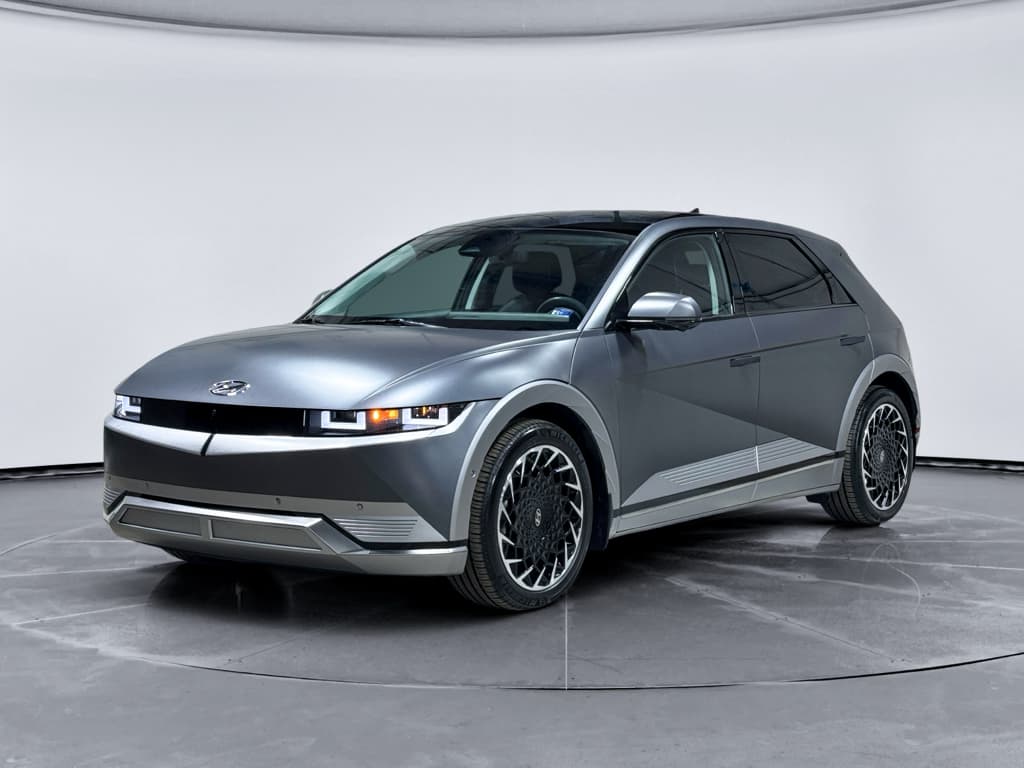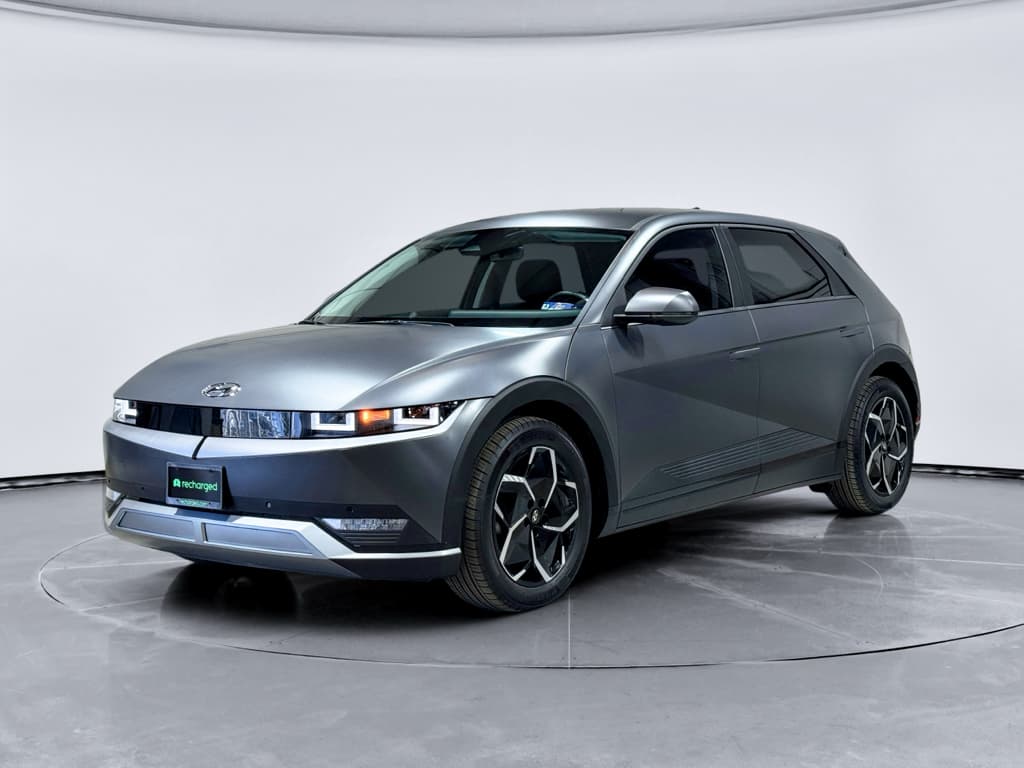
If you own a 2023 Hyundai Ioniq 5, you’ve probably noticed how quickly used EV prices have shifted. Incentives, new-model discounts, and fast-changing tech have pushed resale down across the segment. The good news: once you understand how trade-in value is calculated, you can position your 2023 Ioniq 5 to bring hundreds or even thousands more when you sell or trade it in.
About the numbers in this guide
How much is a 2023 Hyundai Ioniq 5 worth in trade-in today?
For a typical 2023 Hyundai Ioniq 5 with average mileage (roughly 30,000–40,000 miles in 2026) and no major damage, many dealers are currently landing in the mid–$20,000s to low–$30,000s for trade-in, depending heavily on trim, drivetrain, and condition.
2023 Hyundai Ioniq 5 value snapshot (2026)
Some valuation tools show even lower three‑year values in the mid‑teens for higher‑mileage or rough‑condition examples, while late‑build Limited trims with low mileage and desirable colors can still appraise in the low‑$30,000s. What matters for your specific 2023 Ioniq 5 is how closely it matches the assumptions those tools use, and how you choose to sell it.
Quick value ranges and what they assume
Typical 2023 Hyundai Ioniq 5 value ranges in 2026
These are directional ranges for U.S. retail and trade-in values, assuming no accident history and normal cosmetic wear.
| Trim / configuration | Mileage (approx.) | Typical dealer trade-in | Likely private-party sale |
|---|---|---|---|
| SE Standard Range (RWD, smaller battery) | 25k–40k | $21,000–$24,000 | $23,000–$26,000 |
| SE / SEL RWD (long-range battery) | 25k–40k | $24,000–$27,000 | $26,000–$30,000 |
| SE / SEL AWD | 25k–40k | $25,000–$28,000 | $27,000–$31,000 |
| Limited RWD | 20k–35k | $26,000–$30,000 | $29,000–$33,000 |
| Limited AWD | 20k–35k | $27,000–$31,000 | $30,000–$34,000 |
| Low-mile (under 15k) any long‑range trim | <15k | + $1,500–$3,000 to values above | + $2,000–$4,000 to values above |
Use this as a starting point, local demand, options, and condition can easily move you a few thousand dollars either way.
These are estimates, not offers
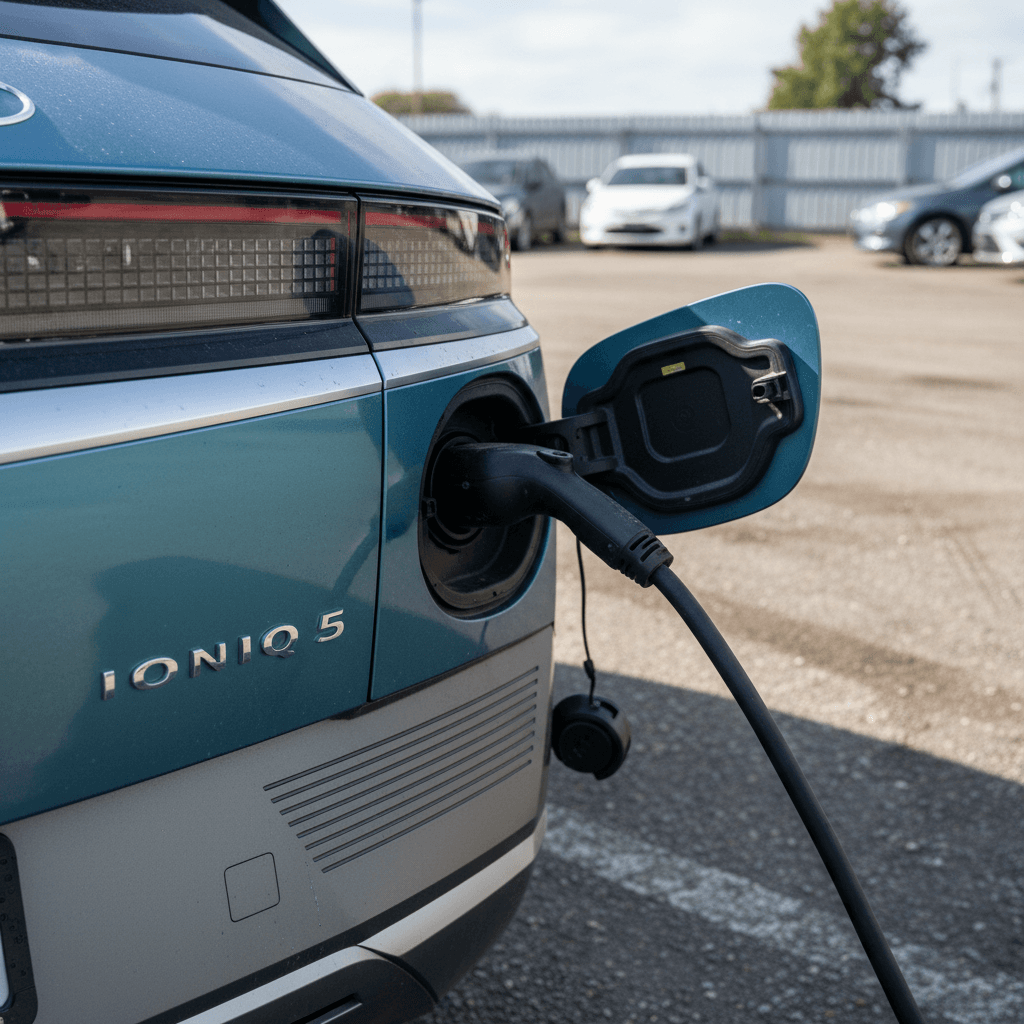
Why 2023 Ioniq 5 trade-in values dropped so fast
If it feels like your 2023 Ioniq 5 has lost value faster than a typical gas SUV, you’re not imagining it. Several forces all hit this generation of EVs at once, and they show up directly in trade-in numbers.
Four big forces pushing 2023 Ioniq 5 values down
Understanding the “why” helps you negotiate smarter when it’s time to sell.
1. Aggressive new-car discounts
By 2025, Hyundai was stacking thousands of dollars in rebates and rate support on new Ioniq 5s in many regions. When a brand-new model is heavily discounted, used prices have to come down to stay attractive.
2. Shifting EV tax-credit rules
Changes to U.S. federal EV credits and how they’re applied at the point of sale changed what shoppers were willing to pay for new versus used. In some cases, a new Ioniq 5 with credits and incentives penciled out close to a late-model used one.
3. Rapid tech and range improvements
Newer EVs keep adding range, charging speed, and safety tech. Even though the 2023 Ioniq 5 is still competitive, shoppers compare it to the latest spec sheet, which puts downward pressure on older model years.
4. More used EV supply, less mystery
As more 2022–2024 EVs come off lease, the used-EV market is finally developing real data on what actually sells. That transparency narrows margins and pulls values toward realistic transaction prices.
Where depreciation sits now
7 factors that can raise or lower your Ioniq 5’s value
- Trim level and options: Limited trims with HTRAC AWD, panoramic roof, and tech packages usually bring the strongest offers. Standard Range models trade for noticeably less because of their shorter range.
- Mileage: Roughly 10,000–12,000 miles per year is considered “average.” Substantially higher mileage lowers offers, especially over 50,000 miles. Under 20,000 miles can add thousands.
- Battery health: A pack that still holds close to its original usable capacity is a major plus. Verified battery health data (like a Recharged Score report) can justify higher offers.
- Accident and paint history: Structural damage, airbag deployment, or poorly repaired bodywork will drag trade-in value down quickly, particularly on EVs.
- Wheel/tire condition: Curb rash on the Ioniq 5’s aero wheels or worn EV-rated tires are easy deductions for appraisers.
- Interior wear and odor: Burns, tears, pet hair, or strong odors (smoke, mildew) hurt value because they’re expensive to remedy.
- Market timing and location: EV-friendly regions with strong charging infrastructure and higher gas prices typically support better resale than areas with sparse charging networks.
Document what makes your car special
How battery health and warranty impact your value
Unlike a gas SUV, a used EV’s value is tightly tied to its battery. The 2023 Hyundai Ioniq 5 came with a high-voltage battery warranty generally around 8–10 years or 100,000 miles, depending on region and program, which is a major selling point for second and third owners. A buyer who knows they still have several years of factory battery coverage left is more comfortable paying a stronger price.
Why remaining battery warranty matters
- Peace of mind: It caps the risk of an expensive pack failure during the coverage period.
- Finance approval: Lenders are often more comfortable with EVs that still have factory battery coverage.
- Resale story: You can show future buyers exactly how long the battery is protected.
Why measured battery health is even better
- Range reality: Capacity tests reveal whether the car still delivers near its original range.
- Differentiation: Two 2023 Ioniq 5s with the same miles may have very different battery histories.
- Proof on paper: A third-party battery report, like a Recharged Score, helps justify top-of-market pricing.
How Recharged handles Ioniq 5 battery health
Ready to find your next EV?
Browse VehiclesTrade in your 2023 Ioniq 5 vs sell it, what nets more?
When you’re ready to move on from your 2023 Ioniq 5, you essentially have three paths: traditional dealer trade-in, instant‑offer buyers, or selling through a used‑EV marketplace like Recharged. Each has its own math and convenience level.
Your main selling options, compared
Think in terms of time, control, and net dollars, not just the sticker number.
Franchise or independent dealer trade-in
- Pros: Fast, convenient, easy to roll equity into a new deal.
- Cons: Typically the lowest dollar amount; dealer has to leave room for auction or retail margin.
- Best if: You value speed and simplicity over squeezing every last dollar.
Instant-offer / national buyers
- Pros: Online offers, quick pickup, no need to shop multiple dealers.
- Cons: Offers are based on conservative assumptions; EVs with strong battery health are often undervalued.
- Best if: Your Ioniq 5 is average condition and you’re okay with wholesale-like pricing.
Sell with Recharged
- Pros: EV-focused pricing, Recharged Score battery report, nationwide audience, and options for instant offer or consignment.
- Cons: May take longer than a same-day dealer trade.
- Best if: You want a transparent, EV-specific valuation and a real shot at retail-level proceeds.
Using trade-in tax savings to your advantage
10 steps to maximize your 2023 Ioniq 5 trade-in offer
Pre-trade checklist: Turn your Ioniq 5 into a top-dollar car
1. Pull online estimates from multiple sources
Use at least two appraisal tools and scan real listings for 2023 Ioniq 5s similar to yours. This gives you a realistic range before you ever talk to a buyer.
2. Gather service and charging records
Print or save proof of scheduled maintenance, tire rotations, and any software updates. If you’ve treated the battery well, limited frequent 100% fast charges, for example, note that too.
3. Fix easy cosmetic items
Touch up obvious curb rash, replace missing wheel caps, and have minor paintless dent repair done if it’s inexpensive. Small fixes can prevent outsized value deductions.
4. Invest in a high-quality detail
A thorough interior and exterior detail, especially on light interiors, can easily pay for itself in a stronger first impression and higher appraisal.
5. Replace worn tires strategically
If your EV-rated tires are near the wear bars, replacing them with a quality set can boost value and make your car stand out versus similar listings with bald tires.
6. Be upfront about minor damage
If you have a clean Carfax with only small cosmetic issues, be honest and show photos. Dealers and buyers appreciate transparency and may go easier on deductions.
7. Bring all keys, cables, and accessories
Include both key fobs, the portable charging cable (if originally equipped), cargo cover, and any manuals. Buyers will deduct for missing EV cables in particular.
8. Time your sale around seasonality
Demand for EVs often rises when gas prices spike or ahead of new model-year arrivals. In some markets, spring and early summer pull stronger offers than deep winter.
9. Get a battery health report if possible
A third-party battery diagnostic, like the Recharged Score, gives you hard data to counter lowball offers that assume worst-case degradation.
10. Shop more than one offer
Even if you’re leaning toward trading in, get at least one competing bid, whether from another dealer or Recharged. You can use it as leverage or simply choose the best net number.
Real-world value scenarios for common 2023 trims
To make all of this more concrete, here are a few realistic 2023 Ioniq 5 scenarios. These aren’t quotes, but they illustrate how condition, mileage, and battery perception translate into trade-in and resale ranges.
Scenario 1: SE Standard Range, high miles
Config: 2023 Ioniq 5 SE Standard Range, RWD, 48,000 miles, clean title, basic wheels, original tires worn, minor interior wear.
- Dealer trade-in ballpark: ~$20,000–$22,000
- Private-party listing range: ~$22,000–$25,000
- What hurts value most: Higher mileage, smaller battery, worn tires.
Scenario 2: SEL AWD, average miles
Config: 2023 Ioniq 5 SEL AWD, 34,000 miles, no accidents, full service history, good tires, clean interior.
- Dealer trade-in ballpark: ~$25,000–$28,000
- Private-party / marketplace: ~$28,000–$31,000
- What helps value: Desirable trim, AWD, documented maintenance, average mileage.
Scenario 3: Limited RWD, low miles, verified battery
Config: 2023 Ioniq 5 Limited RWD, 18,000 miles, one owner, no accidents, Recharged Score battery report showing strong capacity.
- Dealer trade-in ballpark: ~$28,000–$31,000
- Recharged consignment or retail: Buyer interest often in the low– to mid–$30,000s.
- What helps value: High trim, low miles, clear battery data and long remaining warranty.
Scenario 4: Accident history, cosmetic issues
Config: 2023 Ioniq 5 SEL RWD, 32,000 miles, one prior moderate accident with quality repair, several curb-rashed wheels, interior stains.
- Dealer trade-in ballpark: ~$22,000–$25,000
- Private-party / marketplace: ~$24,000–$27,000 with full disclosure.
- What hurts value: Accident on history reports and visible cosmetic work for the next owner.
Be careful with negative equity
Is now the right time to sell your 2023 Ioniq 5?
Three years into an EV’s life is when the steepest part of the depreciation curve typically begins to flatten, and that’s exactly where most 2023 Ioniq 5s sit in 2026. That makes this a natural decision point: keep driving it deeper into its battery warranty window, or harvest today’s value and move into something newer.
Signs you might keep vs. signs you might sell
Look at your own use case, not just the market headlines.
You may be better off keeping it if…
- Your payment is comfortable and you’re not upside down.
- The car still easily meets your daily range needs.
- You’re under ~60,000 miles with plenty of battery warranty left.
- You’re not seeing a must‑have feature in newer EVs.
You may want to sell or trade if…
- You’re approaching mileage or warranty milestones that may hurt value soon.
- Your needs changed, more cargo, towing, or road‑trip range.
- You can move into a newer EV with strong incentives without increasing your payment dramatically.
- You’re sitting on positive equity and want to lock it in before the next wave of price cuts.
How Recharged can help you decide
2023 Hyundai Ioniq 5 trade-in value FAQ
Frequently asked questions about 2023 Ioniq 5 value
Key takeaways if you own a 2023 Ioniq 5
The 2023 Hyundai Ioniq 5 has faced the same reset in used EV pricing that hit much of the segment, but it remains a highly desirable electric SUV with solid range, fast charging, and a still-young battery warranty. For most owners, realistic trade-in value today lives somewhere in the mid–$20,000s to low–$30,000s, with the exact number driven by trim, mileage, cosmetic condition, and battery health.
If you decide to move on, you’ll usually get the highest net return by documenting your car carefully, correcting obvious flaws, verifying battery health, and exploring more than one selling channel. That’s where Recharged can tilt the equation in your favor, combining EV-specific pricing expertise, a Recharged Score battery report, and options from instant offer to consignment to help you capture as much value as possible from your 2023 Ioniq 5.