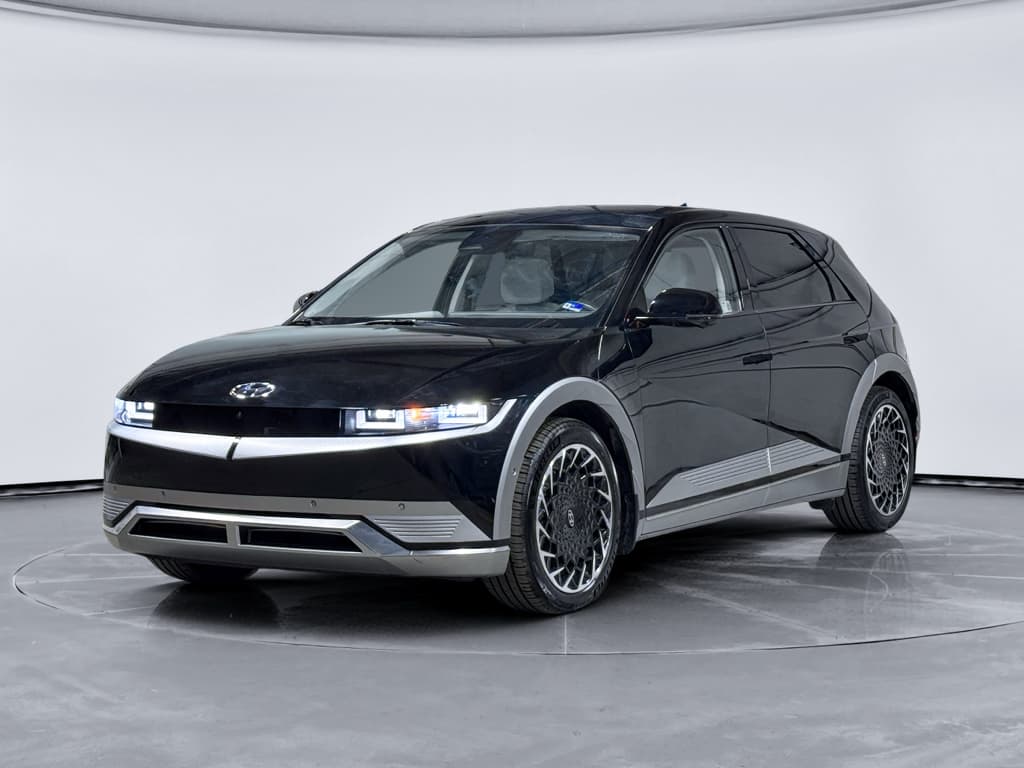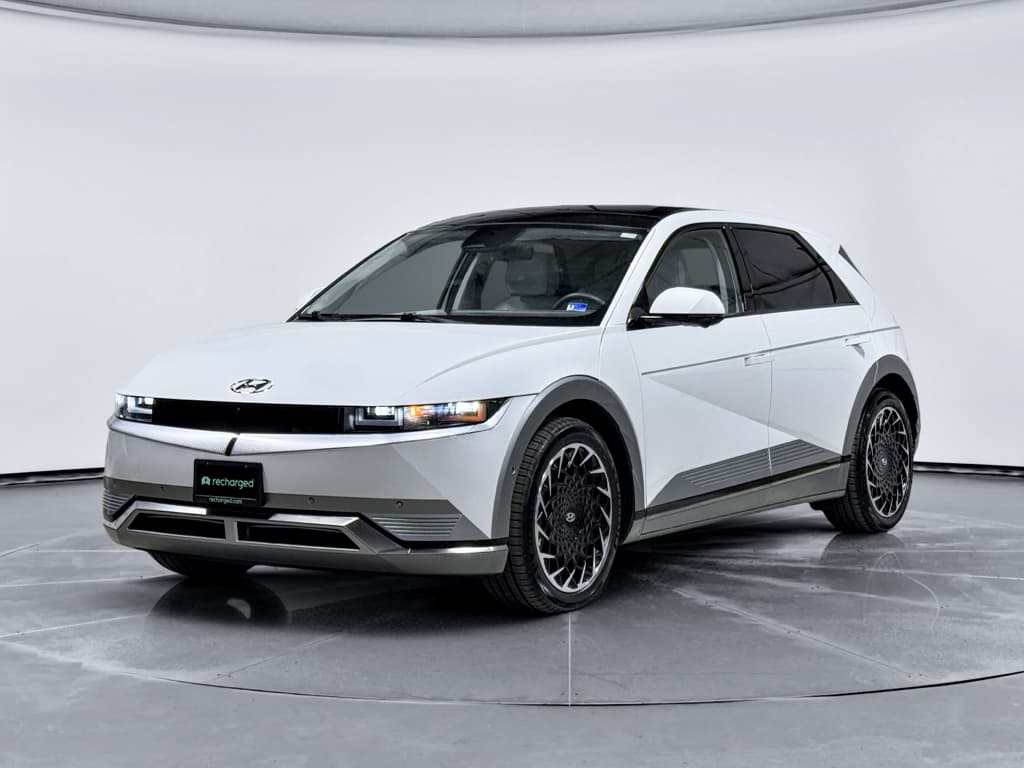
If you own, or are eyeing, a used one, the 2023 Hyundai Ioniq 5 recalls list is something you absolutely should understand. The good news is that most issues are software or module related and fixable at no cost. The bad news is that a couple of them can lead to sudden loss of power or charging headaches if you ignore them.
Quick snapshot
Overview: 2023 Ioniq 5 recalls at a glance
Key recall actions affecting the 2023 Ioniq 5 (U.S.)
Hyundai has issued a safety recall and at least one major service campaign that apply to the 2023 Ioniq 5 in the U.S. market. The headline item is the ICCU recall tied to NHTSA campaign 24V‑204 (Hyundai internal recall 257) that addresses potential sudden loss of power. In 2024, Hyundai also rolled out Service Campaign 9B5 to improve reliability when charging at 240V Level 2 stations, which many owners experience at home.
Safety vs. service campaigns
Recall 257 / 24V-204: ICCU failure and loss of drive power
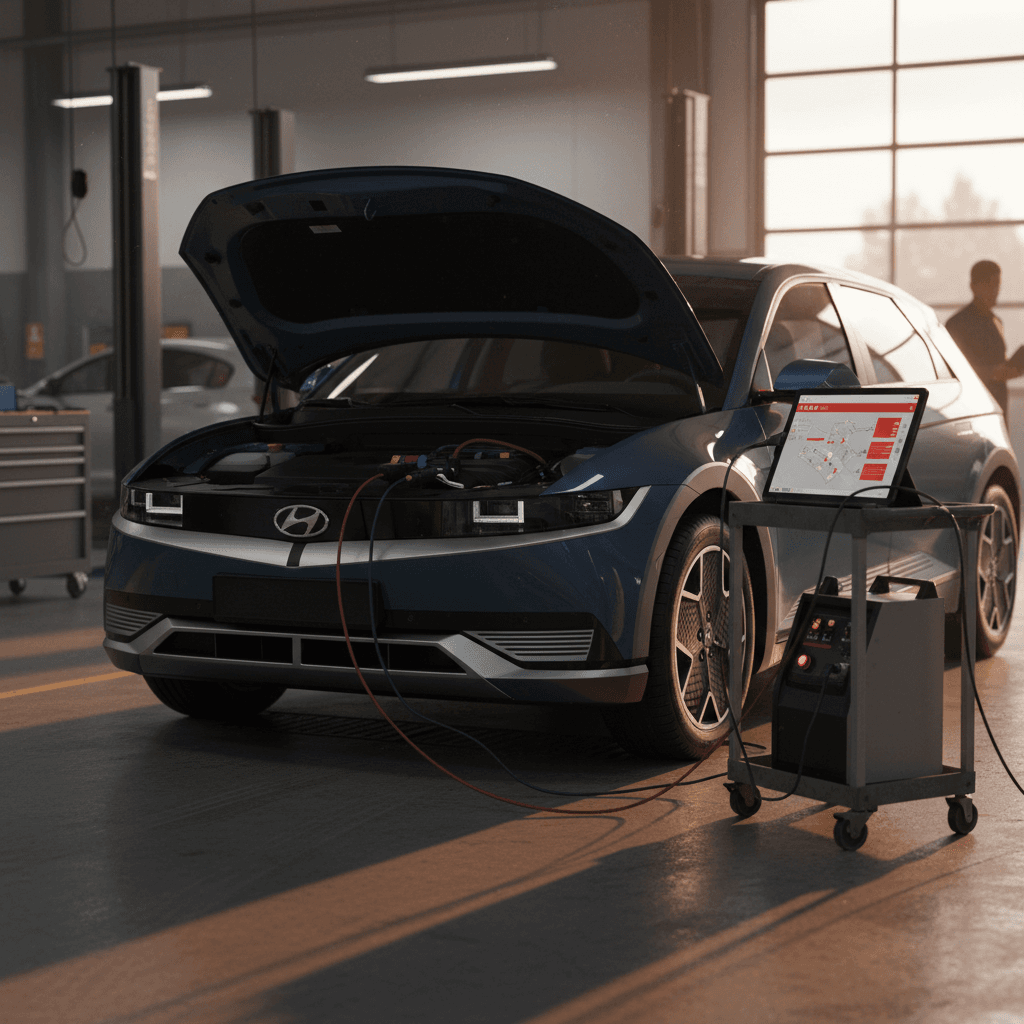
The most important item on any 2023 Hyundai Ioniq 5 recalls list is the ICCU (Integrated Charging Control Unit) recall. This is the box that helps charge the 12‑volt battery from the high‑voltage pack and manages some charging functions. When it misbehaves, you can see everything from warning lights to complete loss of motive power.
ICCU / loss-of-power recall details for 2023 Ioniq 5
Summary of the core ICCU safety recall that includes the 2023 model year.
| Item | Details |
|---|---|
| Hyundai campaign | Recall 257 (sometimes referenced with internal codes); associated with NHTSA 24V-204 |
| Model years | 2022–2024 Ioniq 5 (all U.S. trims); 2023 model year included |
| Primary risk | Loss of drive power due to ICCU damage and blown ICCU fuse |
| Typical symptoms | Warning lights, "check vehicle" messages, 12V battery not charging, sudden reduction in power or stalling |
| Root cause | ICCU components can be damaged by overcurrent, voltage spikes at end of charging, and thermal load, which can open the ICCU fuse and stop 12V charging |
| Remedy | Dealer inspection, ICCU and fuse replacement if needed, plus software update to reduce current and voltage peaks and adjust electric water pump operation |
| Owner cost | $0 – performed free as a safety recall |
| Time at dealer | Plan on half a day, more if parts are needed |
Always confirm applicability by running your VIN on NHTSA.gov or Hyundai's recall site.
Why this recall matters
- One of the earliest warning signs is a 12‑volt battery that’s repeatedly low or dead after the car has sat for a while.
- You may see messages about limited driving power, or the car may enter a reduced‑power "fail‑safe" mode before shutting down completely.
- Some owners reported issues shortly after DC fast‑charging sessions or long drives, which can heat and stress the ICCU.
What the dealer actually does
Service Campaign 9B5: Level 2 charging interruptions
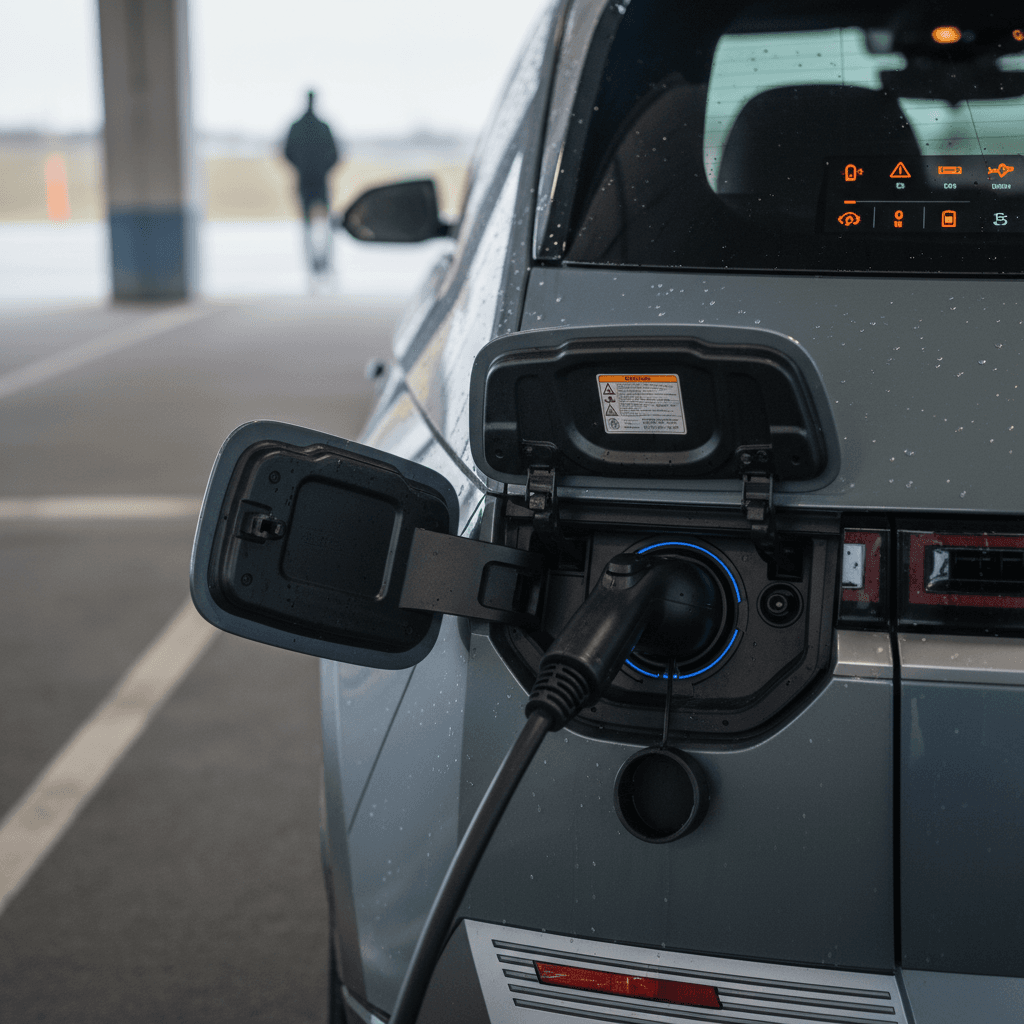
Separate from the formal safety recall, Hyundai issued Service Campaign 9B5 in 2024 for certain 2022–2024 Ioniq 5 vehicles, including the 2023 model year. The focus here is interrupted or throttled charging on 240‑volt Level 2 chargers, such as a home wallbox.
Service Campaign 9B5 for 2023 Ioniq 5
Not a safety recall, but very relevant to daily usability if you rely on Level 2 charging.
| Item | Details |
|---|---|
| Hyundai designation | Service Campaign 9B5 (superseding earlier software bulletins) |
| Applies to | Certain 2022–2024 Ioniq 5; VIN‑specific – not every car is covered |
| Symptoms | Home or public Level 2 charging stops unexpectedly or slows dramatically, often after the car has been charging at higher amperage |
| Cause | Software logic in the charging and battery control system can over‑react to heat or current conditions and reduce or stop charging |
| Fix | Dealer installs updated software for the battery and charging control modules |
| Cost | $0 (campaign work is free at Hyundai dealers) |
Many owners first hear about 9B5 via a letter, email, or notification in the Bluelink app.
Real‑world effect of 9B5
Other campaigns, TSBs, and regional recalls
Beyond the ICCU recall and the U.S. 9B5 charging campaign, the Ioniq 5 platform has seen a handful of technical service bulletins (TSBs) and market‑specific recalls. Not every 2023 U.S. car is affected by every item, but it’s helpful to know what’s out there.
Additional actions that may touch the 2023 Ioniq 5
These aren’t always labeled as formal recalls on every VIN, but your dealer can check your car’s history by VIN.
TSBs for software updates
Regional Ioniq 5 N recall
Non‑U.S. campaigns
Why your VIN may show different results
How to check your 2023 Ioniq 5 for open recalls
The most accurate way to see which items from the 2023 Hyundai Ioniq 5 recalls list affect your SUV is to run its VIN through official databases. That’s true whether you already own the car or you’re about to buy one used.
Step-by-step: Confirming recall status on a 2023 Ioniq 5
1. Locate the full 17‑digit VIN
You’ll find it at the base of the windshield on the driver side, inside the driver‑door jamb, on your registration card, or in the digital paperwork if you’re shopping online.
2. Search on NHTSA.gov
Go to the official NHTSA recall lookup tool, enter the VIN, and review any <strong>open safety recalls</strong>. This is where the ICCU / 24V‑204 recall will appear if it hasn’t been completed.
3. Check Hyundai’s U.S. recall site
Hyundai maintains its own VIN recall lookup. It often shows both safety recalls and certain service campaigns, including items like 9B5, plus completion dates.
4. Confirm via Bluelink and paperwork
If the car is enrolled in Hyundai Bluelink, open the app and look for service or recall notifications. When buying used, ask the seller for <strong>dealer service records</strong> showing recall completion.
5. Call an Ioniq‑certified Hyundai dealer
Service advisors can run your VIN, confirm completed and outstanding recall or campaign work, and schedule any needed appointments.
6. For used buyers, get it in writing
When you buy from a dealer or marketplace, ask them to confirm in writing that <strong>all open safety recalls are completed</strong> or will be completed at no charge before delivery.
Pro move for busy owners
What these recalls mean for safety and reliability
On paper, a list of recalls can look intimidating. In practice, for the 2023 Ioniq 5, they mostly underscore that you’re driving a highly electronic vehicle that evolves through software. The ICCU issue is serious if ignored, but once corrected, it doesn’t automatically make the Ioniq 5 a problem child.
Safety impact
- The ICCU recall addresses a condition that can cause sudden loss of drive power. It’s a genuine safety concern, which is why NHTSA is involved.
- Once the recall repair and software updates are applied correctly, the defect is considered remedied, similar to an airbag or seatbelt recall on a gas car.
- There is no widespread pattern of structural or crash‑performance problems specific to the 2023 Ioniq 5; it has strong safety scores from independent testers.
Long‑term reliability
- Most issues relate to control modules and software, not the main high‑voltage battery pack or motors.
- Many owners report thousands of trouble‑free miles after having the ICCU work done, while a minority have experienced repeat issues, often tied to dealer execution quality.
- Keeping software current and documenting recall/campaign completion will help the car age more gracefully and support resale value.
Dealer execution matters
Buying a used 2023 Ioniq 5? Checklist to follow
If you’re shopping the used market, recall history is part of the bigger reliability picture. One advantage of buying an EV like the Ioniq 5 from a specialist retailer such as Recharged is that recall status and battery health are checked up front instead of being left for you to untangle later.
Used 2023 Ioniq 5 pre‑purchase checklist
1. Confirm ICCU recall completion
Ask for proof, ideally a service invoice, that the <strong>ICCU / 24V‑204 recall</strong> (Hyundai recall 257) has been done. Verify dates and dealer name.
2. Ask about charging campaigns
Have the dealer or seller confirm whether <strong>Service Campaign 9B5</strong> and any related charging updates have been applied. If not, factor in a dealer visit soon after purchase.
3. Test home or Level 2 charging
If possible, plug the car into a 240‑volt Level 2 charger and watch for abnormal cut‑outs or dramatic amperage swings. A healthy car should charge smoothly at the rated current.
4. Look for warning lights and messages
On your test drive, watch for "check vehicle" or 12‑volt battery warnings on the cluster. These can indicate lingering ICCU or electrical issues.
5. Review service history
A printout from a Hyundai dealer or a marketplace like <strong>Recharged</strong> should show <strong>completed recalls, campaigns, and software updates</strong> along with regular maintenance.
6. Get a battery health report
Because EV value hinges on battery condition, look for a <strong>third‑party or retailer‑provided battery health report</strong>. At Recharged, every vehicle includes a Recharged Score with verified battery diagnostics and fair‑market pricing analysis.
How Recharged approaches used Ioniq 5s
Ready to find your next EV?
Browse VehiclesFAQ: 2023 Hyundai Ioniq 5 recalls
Frequently asked questions about 2023 Ioniq 5 recalls
Bottom line: Should these recalls stop you from choosing a 2023 Ioniq 5?
Recalls are part of modern car ownership, and EVs like the Ioniq 5 are no exception. For the 2023 Hyundai Ioniq 5, the major items on the recalls list are serious enough that you shouldn’t ignore them, but they are also well‑defined and fixable, with repairs available at no cost. When the ICCU work and charging campaigns are completed properly, the 2023 Ioniq 5 remains a compelling, efficient, and comfortable EV with strong safety credentials.
If you already own one, the smart move is to check your VIN today, get any open work scheduled, and keep copies of your recall paperwork. If you’re shopping used, look for a car with documented recall completion and a trustworthy battery‑health report. That’s exactly the kind of due diligence a specialist marketplace like Recharged bakes into every used EV it sells, so you can focus less on decoding recall codes and more on how the car fits your life.